Mighty Networks is the best platform to build an online community for most creators. It combines groups, courses and events from $49 a month, with member tools that Circle matches and Heartbeat nearly matches at the same price.
How we make this list: we compare pricing pages, product documentation and public user reviews, then re-check every price before each update. No product paid for a place. Disclosure.
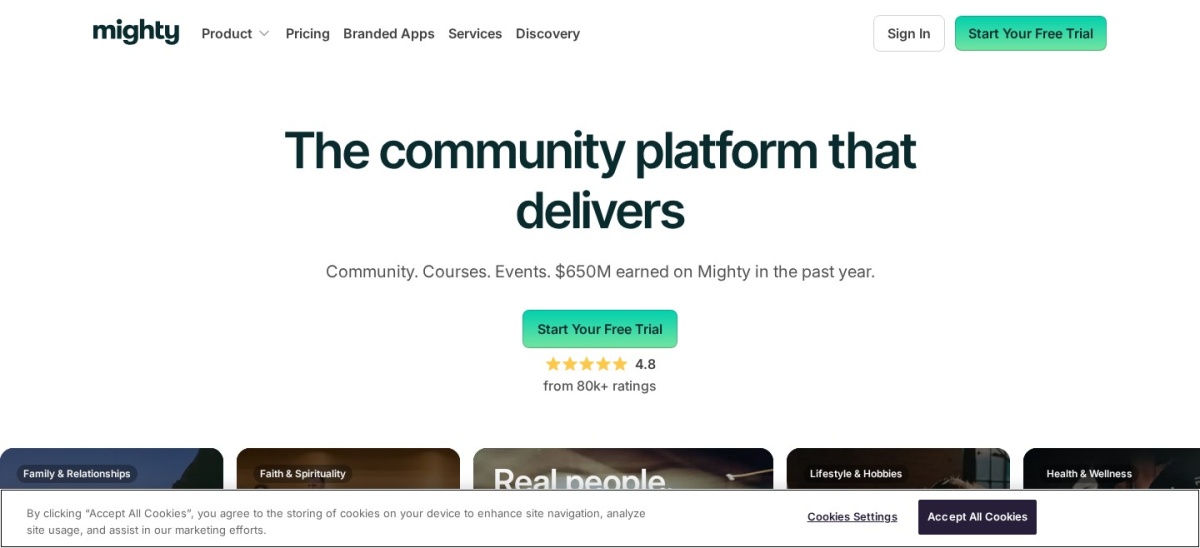
Mighty Networks is a community platform that combines groups, courses, events and memberships in one place. Its Community plan costs $49 a month and includes unlimited members, live streaming and a branded mobile app option. It suits creators who want to run a paid community without stitching tools together.
The trade off is price at scale. Courses cost $119 a month and the Business plan $219, so a full setup climbs quickly. Its design options are also narrower than a custom site. It fits creators who want one home for members, courses and events.
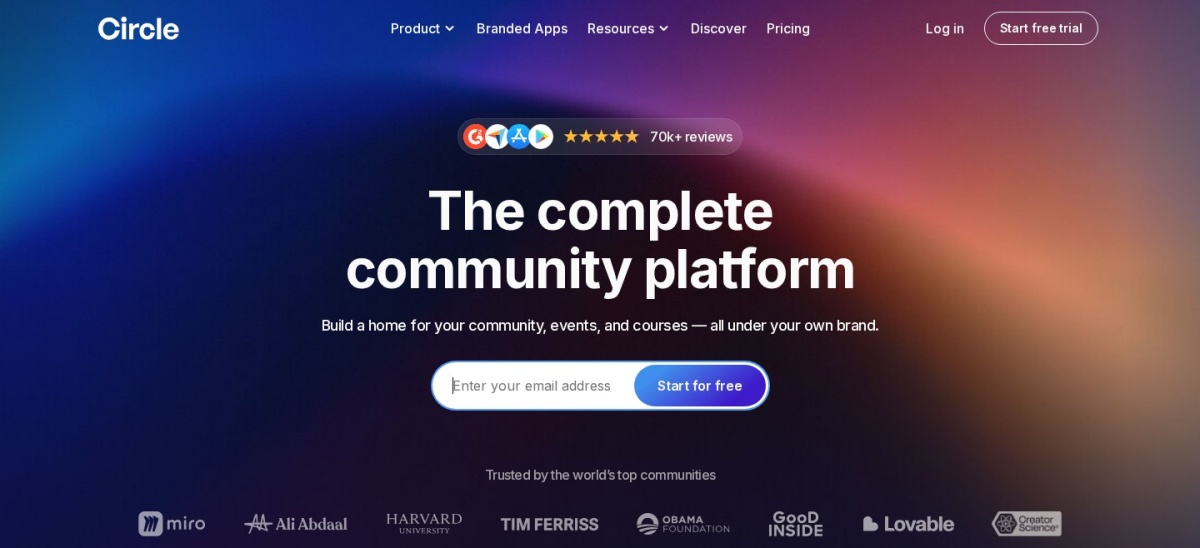
Circle is a community platform built for creators and brands, with discussion spaces, live events, courses and member payments. Its Basic plan costs $49 a month and includes unlimited members, live streaming and custom branding. It suits teams that want a clean, modern space for their audience.
The trade off is depth. Advanced courses and workflows sit on the Professional plan at $99 a month, and the Business plan runs to $199 or more. It fits creators who value a polished member experience over the lowest price.
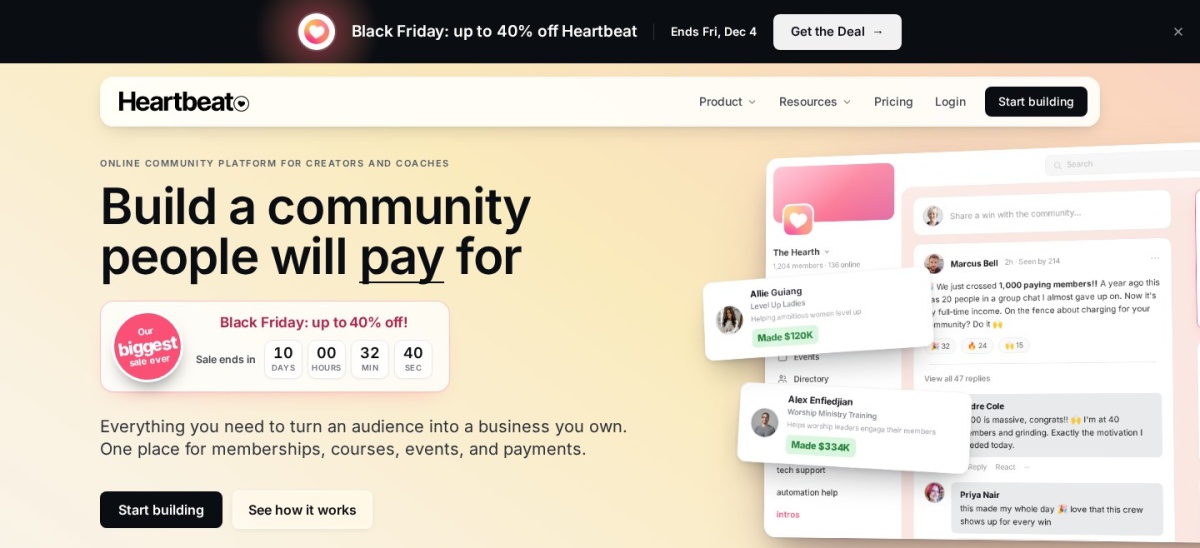
Heartbeat is a community platform with chat, courses, events and live streaming in one dashboard. Its Build plan costs $49 a month for up to 350 members, with a 5 percent transaction fee on sales. It suits small communities that want chat and courses together.
The trade off is scale and fees. The 350-member cap on Build is low, and the Grow plan jumps to $149 a month. Its review base is also small at 50 G2 reviews. It fits new communities that expect to grow slowly.
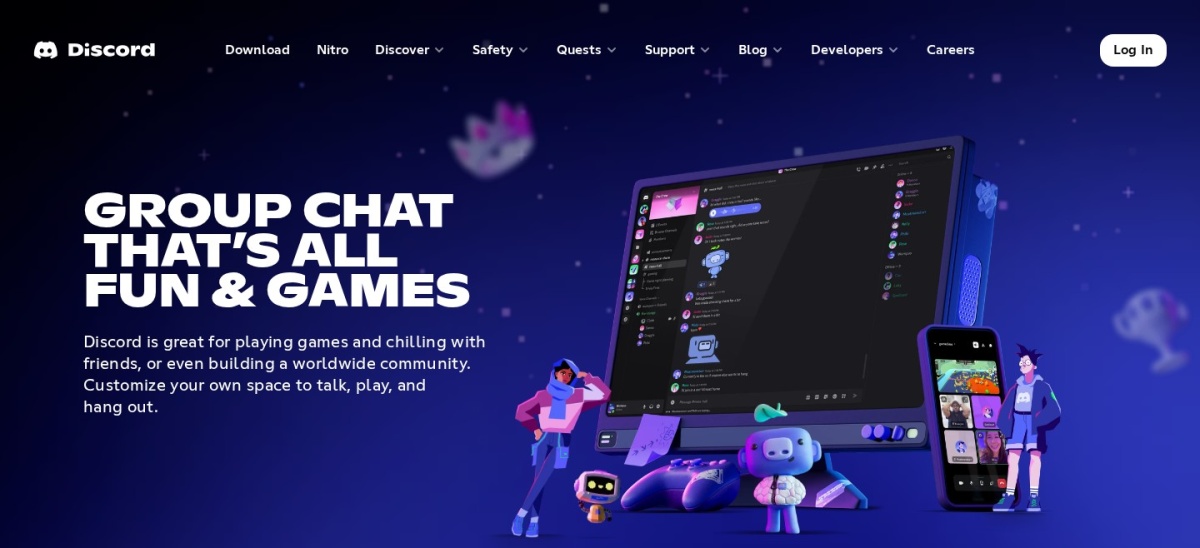
Discord is a free chat platform with voice channels, video, events and roles that many communities use as their home. Its core features cost nothing, while Nitro Basic at $2.99 a month adds uploads and emoji. It suits casual communities that live in real-time chat.
The trade off is structure. Discord has no built-in courses, payments or member onboarding for paid communities. Moderation also takes real effort at scale. It fits free communities and gaming groups more than paid memberships.
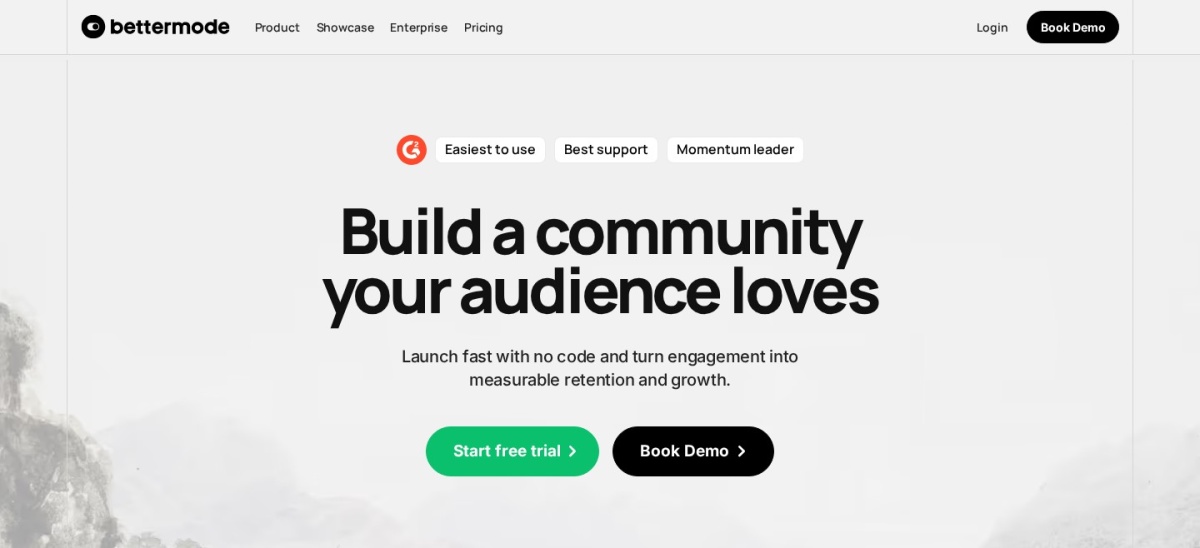
Bettermode is a community platform built for brands, with discussion spaces, custom pages, gamification and strong moderation tools. Its Starter plan costs $399 a month and includes unlimited members and custom branding. It suits companies that run community as a product, not a side project.
The trade off is price. Starter at $399 a month is far above the other tools here, and Growth costs $1,500. Free plans ended in March 2026. It fits funded teams and brands with a serious community budget.
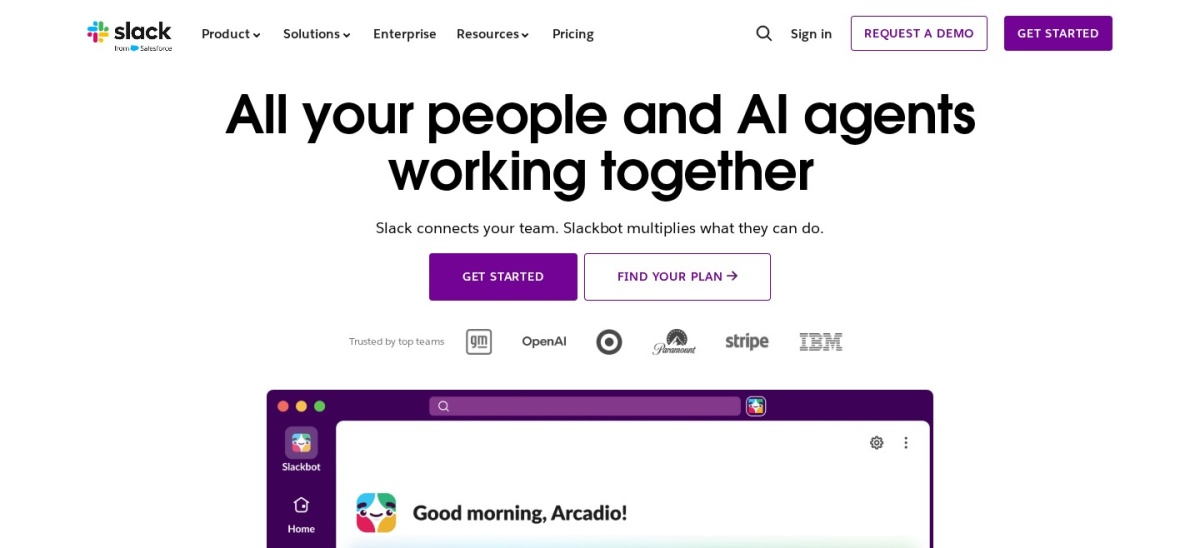
Slack is a team chat tool that many communities use for member discussion, with channels, threads, calls and a huge app directory. Its Pro plan costs $7.25 per user a month on annual billing, and a free plan covers small groups. It suits work-focused communities that already live in Slack.
The trade off is fit. Slack is built for teams, not public communities, so discovery, onboarding and payments need add-ons. Costs also grow per user. It fits professional communities tied to a workplace or network.
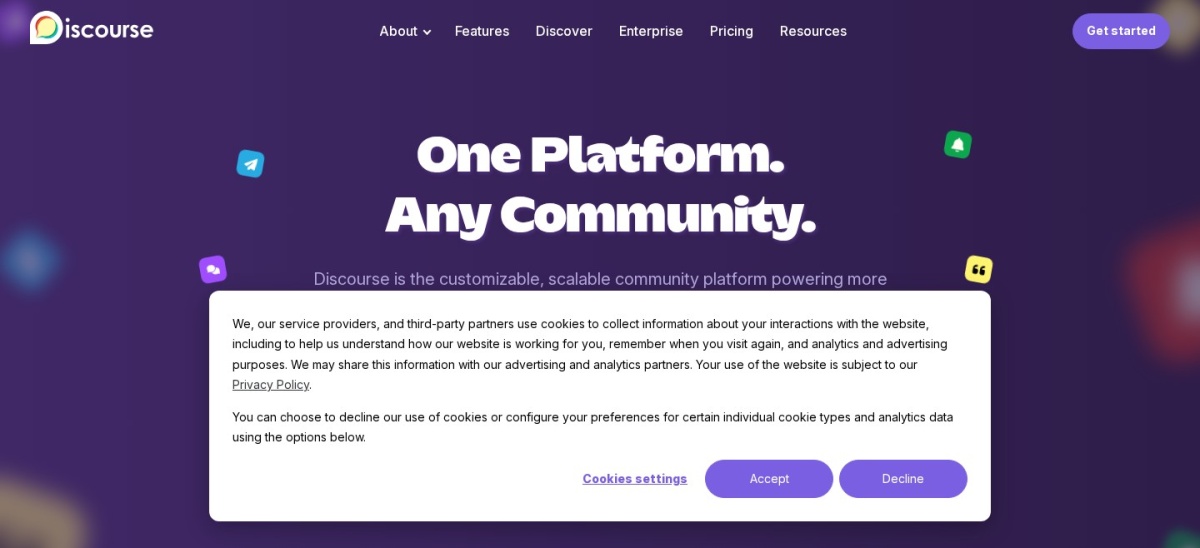
Discourse is an open-source forum platform with threads, categories, badges and strong moderation tools. Its managed Pro plan costs $100 a month, while self-hosting the software is free. It suits communities that want open discussion and full control of their data.
The trade off is setup and price confusion. Managed pricing has changed over time, with older pages listing $20 and $50 plans. Self-hosting needs technical skill. It fits forums and support communities with a technical owner.
Kajabi is an all-in-one platform for courses, email, funnels and communities, with one contact record across everything. Its Basic plan costs $179 a month and includes one community, five products and 2,500 contacts. It suits creators who sell courses and want community beside them.
The trade off is price and focus. Community is one feature among many, and Basic is far pricier than dedicated community tools. The old $89 Kickstarter plan is no longer sold to new customers. It fits course businesses that want everything in one place.
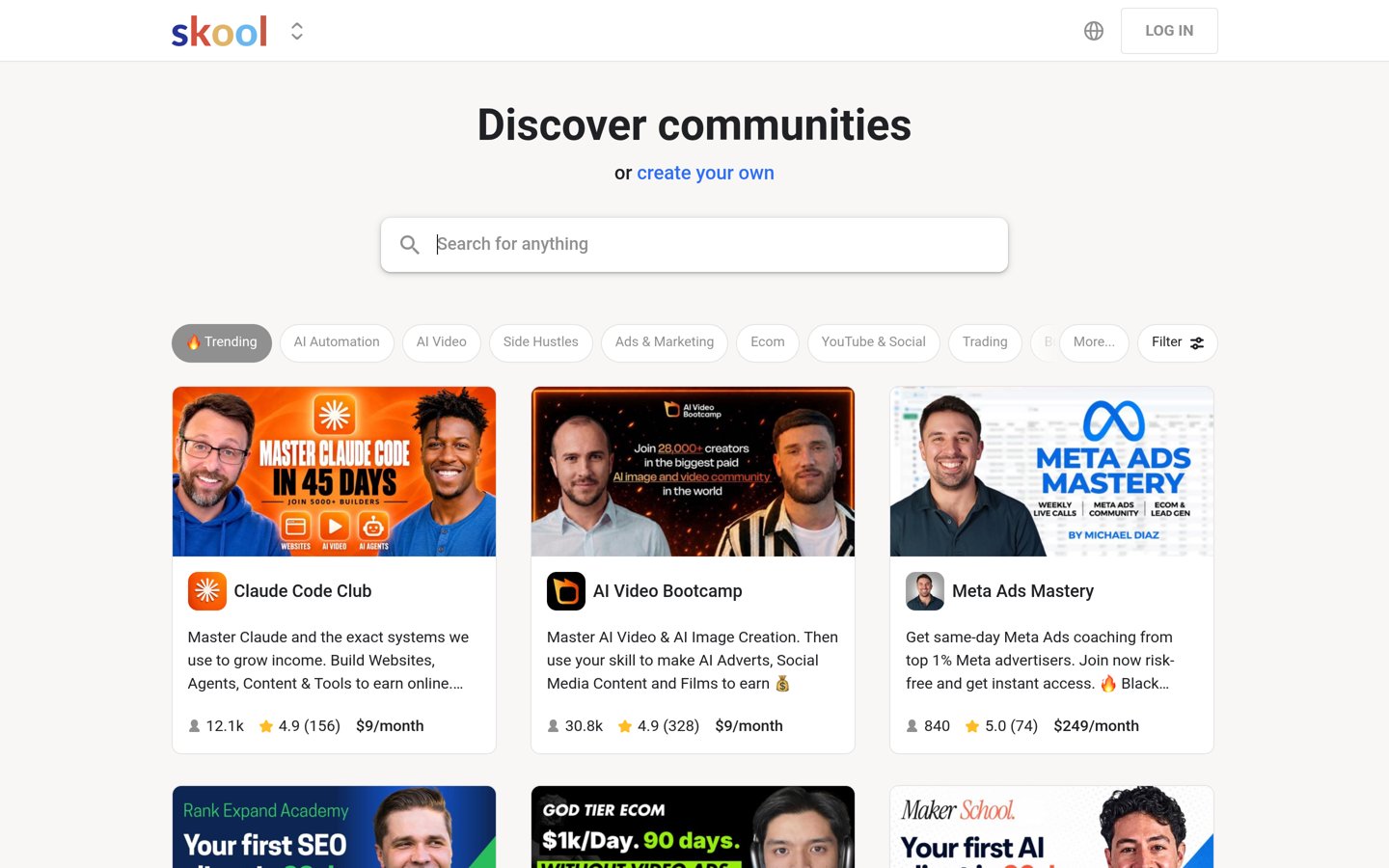
Skool is a community platform that mixes groups with a simple course classroom and gamification. Its Hobby plan costs $9 a month, and Pro costs $99, with a fee on each sale. It suits creators who want the cheapest paid community option.
The trade off is trust. Skool scores 1.6 out of 5 on Trustpilot from 54 reviews, the lowest in this list, and most complaints are about hosted groups rather than the software itself. It fits budget creators who accept that risk.
Free plans cover chat and basic groups well. Discord and Slack both run a community at no cost.
Paid plans mostly add courses, payments and branding. You get member onboarding, sales tools and your own app.
If your community is a hobby, free is fine. Once you charge members, a paid platform usually pays for itself.
How we chose
We started from the community platforms creators actually use, then kept those with a public rating on G2 or Trustpilot and a published price. Every tool here has a review record from 2026.
Prices come from each vendor's pricing page or a comparison that quotes it, checked in November 2026. Ratings and review counts come from G2 or Trustpilot on the same day. Skool's rating comes from Trustpilot because it has no G2 listing.
We left out tools with no public price and no verifiable rating. No vendor paid for a place, and we do not claim hands-on testing for this list.
How to choose a community platform
Match the platform to your audience size, your budget and whether you sell courses.
Decide if the community is free or paid. Paid communities need payments and onboarding built in; free ones can start on Discord or Slack.
List the features you need. Courses, events, live streaming and moderation differ a lot between platforms, so rank them before you compare prices.
Check member limits and fees. Some plans cap members or take a cut of sales, which matters more than the monthly price as you grow.
Start with a trial or a small group. Invite a few dozen members first, test the tools for a month, then open the doors wider.
FAQ
What is the best platform to build an online community?
Mighty Networks is the best pick for most creators. It combines groups, courses, events and payments from $49 a month, with unlimited members and a branded app option for growing communities.
What is the cheapest community platform?
Skool Hobby at $9 a month is the cheapest paid plan here, and Discord is free for basic communities. Skool carries a low Trustpilot score, while Discord lacks courses and payments, so cheap has trade offs.
Is Circle or Mighty Networks better?
Both start at $49 a month and cover groups, courses and events. Mighty Networks suits creators who want an app and more built-in monetisation, while Circle suits teams that want a cleaner interface and stronger live events.
Can I build a community on Discord for free?
Yes. Discord is free and works well for casual, chat-led communities. It has no built-in courses, paid memberships or member onboarding, so paid communities usually add a bot or a separate payment tool.
Does Slack work as a community platform?
Slack works for professional, invite-only communities, with channels, threads and calls. It is built for teams, so public discovery and paid memberships need add-ons, and the Pro plan charges per user.
How much does a community platform cost?
Most community platforms cost $49 to $100 a month for a small community. Budget options start at $9 a month, while brand platforms like Bettermode start at $399 a month.
SaaS SEO and WordPress specialist with about 8 years of experience. Rakib compares WordPress plugins, themes, hosting and software using public pricing, documentation and user reviews. See how we rank.