Headspace is the best online tool for personal growth for most people, since its courses teach meditation step by step instead of just playing audio. Duolingo suits daily language practice, while Notion is the pick for people who want to plan goals and habits in one place.
How we make this list: we compare pricing pages, product documentation and public user reviews, then re-check every price before each update. No product paid for a place. Disclosure.
Headspace costs 12.99 dollars a month, or 69.99 dollars a year, and holds a 4.6 rating on G2.
Duolingo is free with ads, and Super costs 12.99 dollars a month for ad-free lessons without heart limits.
Notion holds the largest review base here at 4.6 out of 5 from more than 13,800 G2 reviews.
Forest costs 3.99 dollars once and turns focus sessions into a growing tree.
Habitica is the only gamified habit tool here, but its G2 base is only 3 reviews.
What personal growth tools should do
Personal growth covers many goals, from building a habit to learning a language, sleeping better or staying focused at work. No single app covers them all, so start with one goal and one time slot.
Habit tools such as Habitica, TickTick and Productive work by making the streak visible. Meditation apps such as Headspace work by teaching a skill in order, not by playing random audio.
Price is mostly a subscription. Most tools here cost between 5 and 13 dollars a month, and the annual plan usually cuts the monthly cost by about half.
Free tiers are real but limited. Duolingo is fully usable free with ads, and Notion has a free plan for personal use. Our guide to SMS automations shows the same lesson: the free tier is the trial, not the product.
Headspace is a meditation app that teaches mindfulness through structured courses, with sleepcasts, soundscapes and short exercises for stress and focus. Premium costs $12.99 a month or $69.99 a year, with a 14-day free trial, and it holds a 4.6 rating on G2 from 68 reviews.
The trade off is it is less tailored session to session than a coach would be, and the library is built for beginners more than experienced meditators. It suits beginners who want to learn meditation in order.
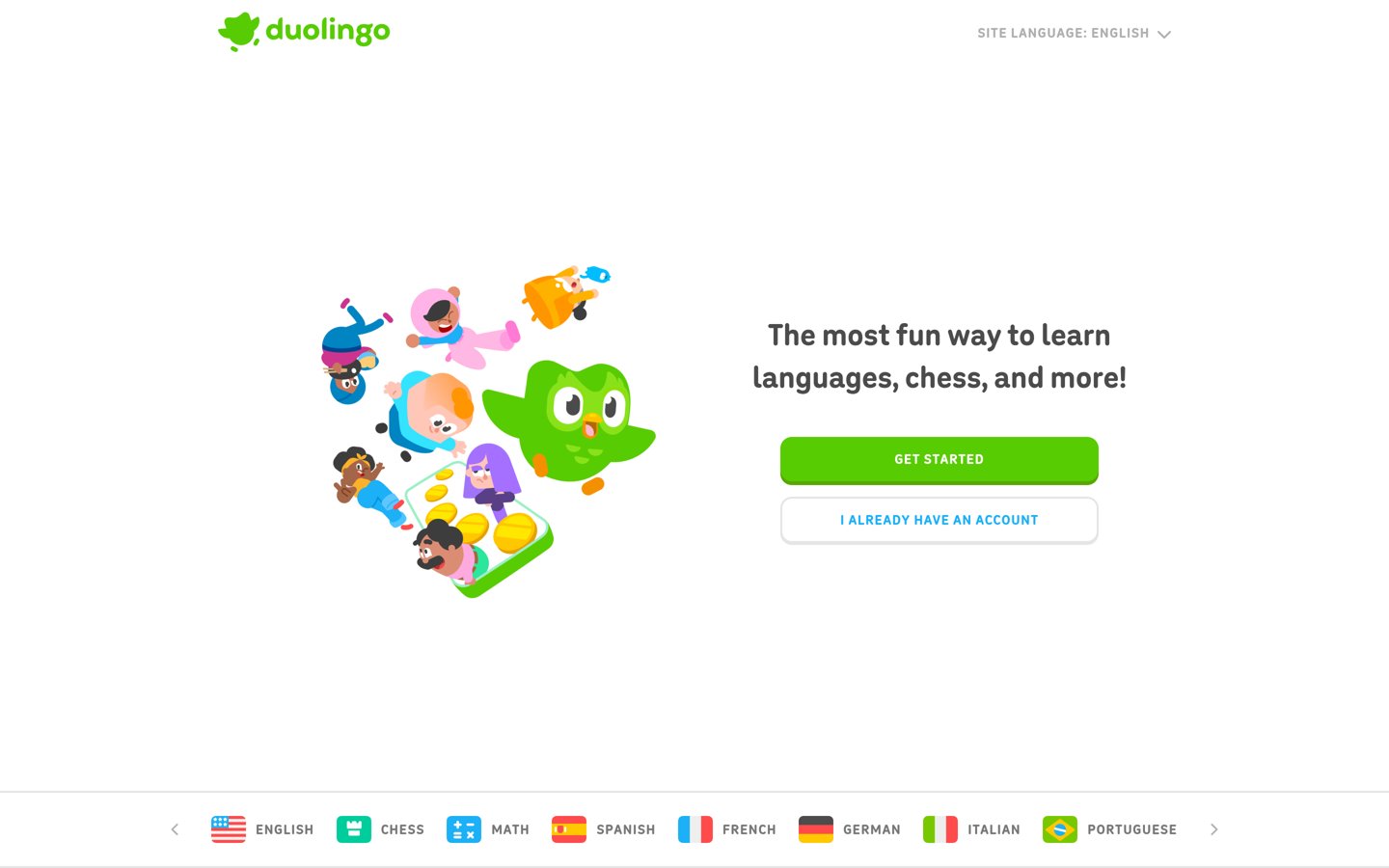
Duolingo is a language learning app that turns daily practice into short, game-like lessons with streaks and leaderboards. It has more than 500 million downloads and over 50 million daily active users, the free plan covers full lessons with ads, and Super costs $12.99 a month.
The trade off is it covers language learning only, and some guides still list the older $6.99 price, so check the current in-app price before subscribing. It suits anyone building a daily language habit in five minutes a day.
Notion is a workspace app that combines notes, tasks, docs and habit dashboards in one place you shape yourself. It holds a 4.6 rating on G2 from 13,834 reviews, the largest review base in this list, and Plus costs $10 per user a month with a free plan for personal use.
The trade off is setup takes time, since you build your own system instead of opening a ready-made habit tracker. It suits people who want goals, habits and notes in one system.
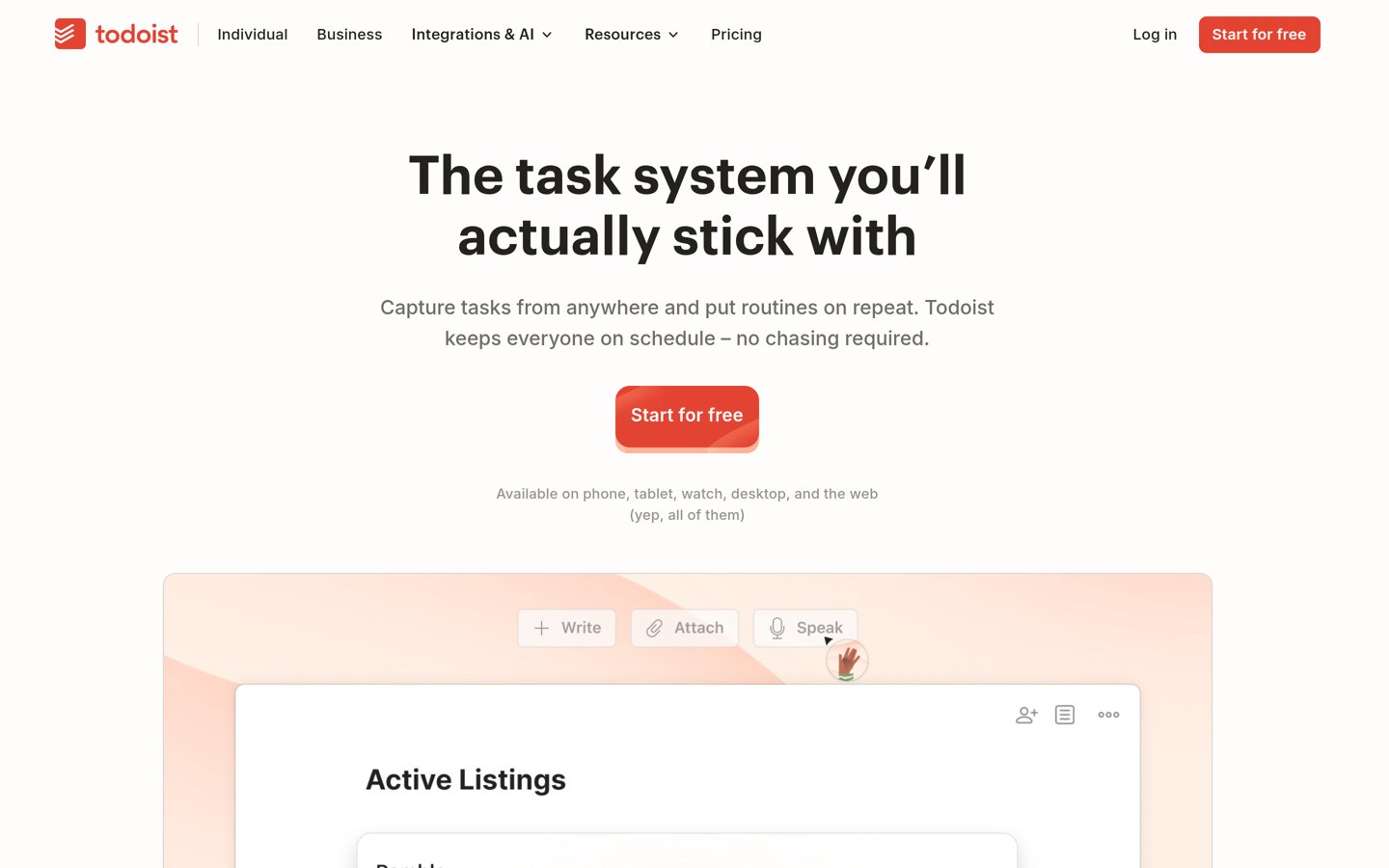
Todoist is a task manager built for fast capture and recurring tasks, with natural-language dates and priorities. It holds a 4.5 rating on G2 from 832 reviews, the free plan covers basic tasks, and Pro costs $5 a month with reminders and more projects.
The trade off is it has no built-in time blocking or habit streaks, so it suits routines better than deep habit coaching. It suits people who run their growth as repeatable daily tasks.
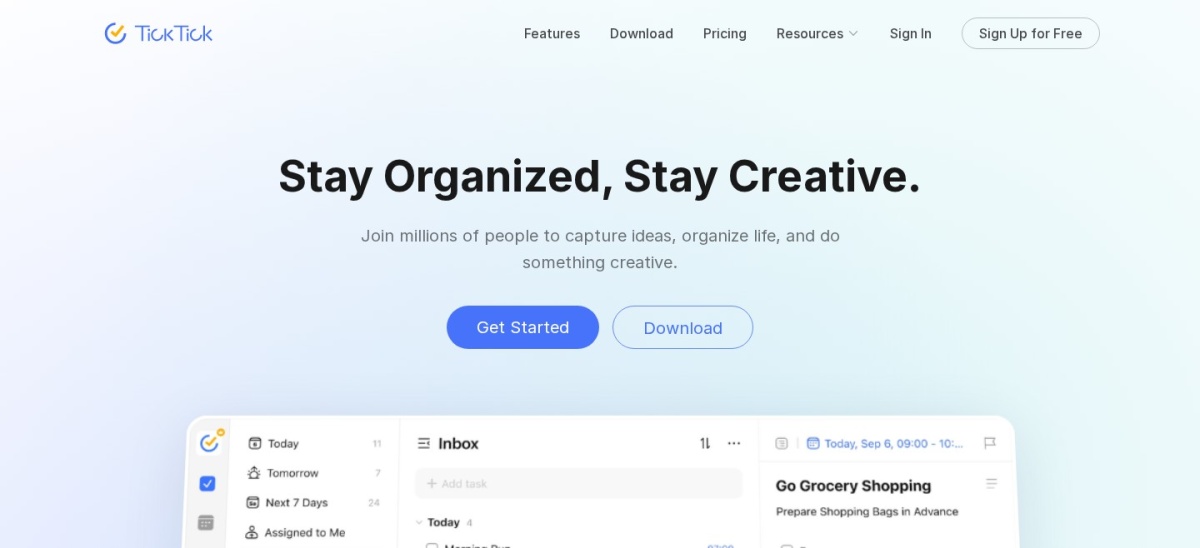
TickTick is an app that combines habits, tasks and a calendar in one place, with a free plan and a cheap yearly Premium. It holds a 4.5 rating on G2 from 113 reviews, the free plan covers habits and tasks, and Premium costs $35.99 a year.
The trade off is the review base is small at 113 reviews, and the interface packs a lot in, so new users need a week to settle in. It suits people who want habits plus tasks and calendar in one app.
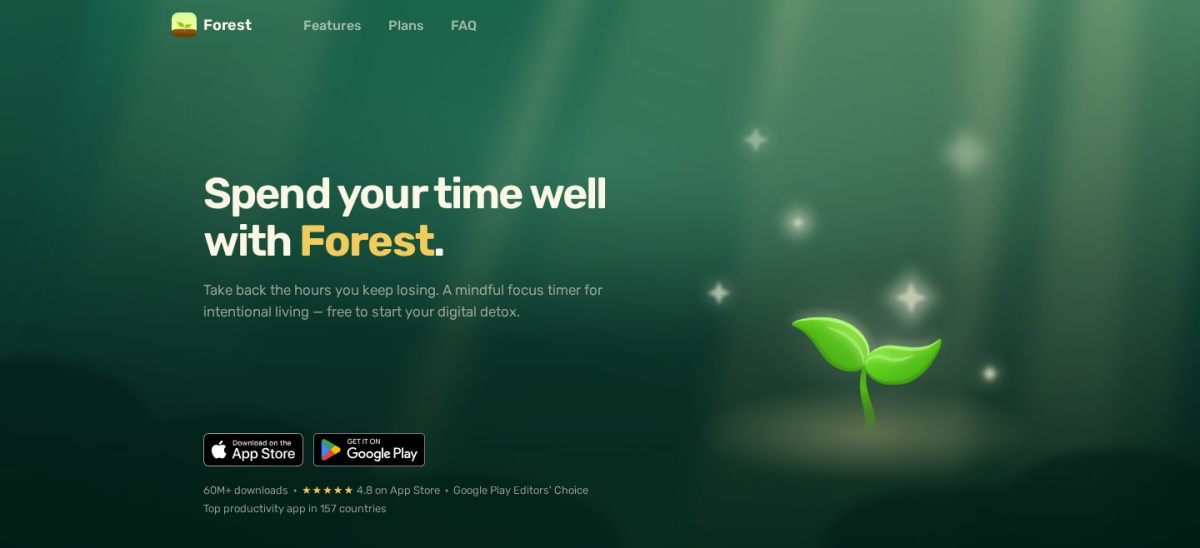
Forest is a focus app that turns a timed session into a growing virtual tree, which dies if you leave the app. It costs $3.99 once on iOS, holds a 4.6 rating on G2 from 58 reviews, and earned coins unlock new tree species and plant real trees with its partner organisation.
The trade off is it solves one narrow problem well, and it does nothing for habits, learning or meditation beyond focus. It suits people who lose hours to their phone and want a visible focus record.
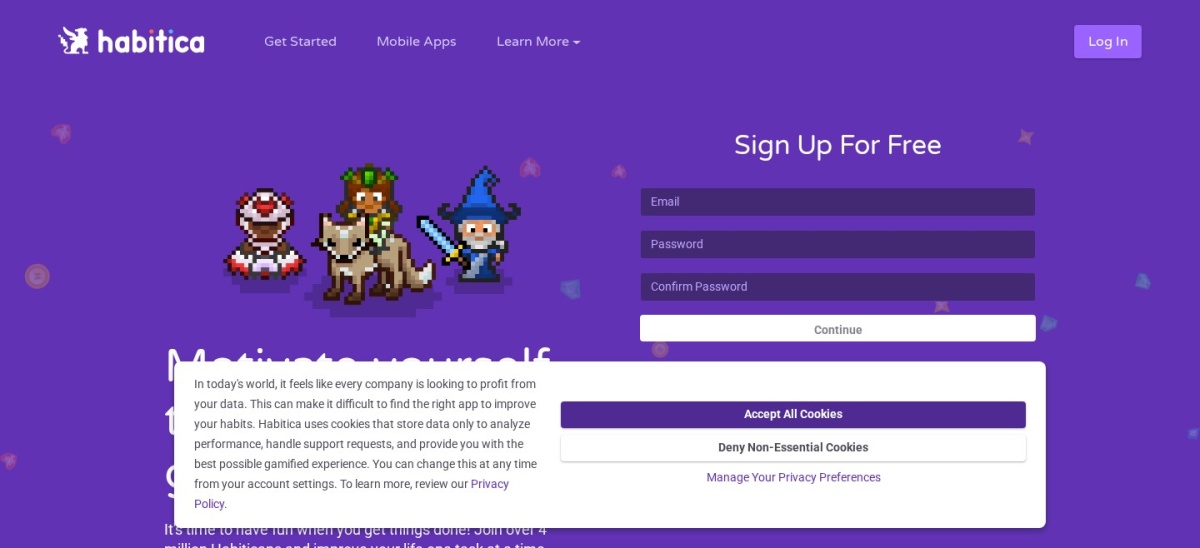
Habitica is a habit tracker that turns habits, daily tasks and to-dos into a pixel-art role-playing game. It is free to use, the paid plan costs $4.99 a month, completing habits earns XP and gold while skipping them costs health, and it holds a 4.0 rating on G2 from only 3 reviews.
The trade off is the G2 review base is only 3 reviews, so the rating says little, and the game layer can distract from the habits themselves. It suits gamers who quit plain streak apps and need stakes.
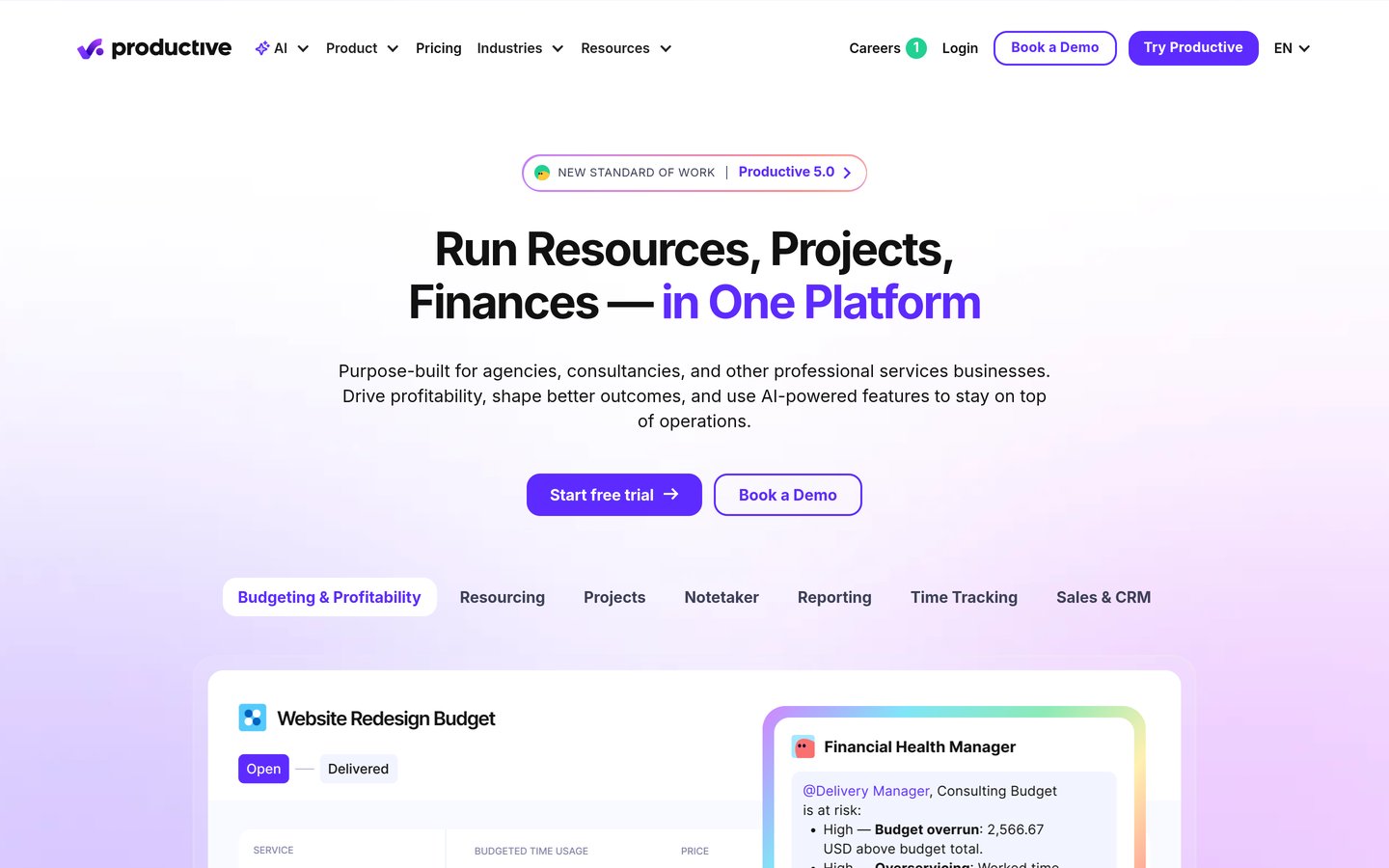
Productive is an iPhone habit tracker with guided habit building, templates, smart reminders and streak chains. It holds a 4.6 rating on G2 from 76 reviews, the free plan covers basic habits, and Premium is listed at $10.99 a month in the App Store, with yearly prices from $19.99 to $79.99.
The trade off is yearly Premium prices in the App Store range from $19.99 to $79.99 without saying which you will get, so the real annual cost is unclear. It suits iPhone users who want guided habits with templates.
The most common mistake is installing every app in this list. Eight trackers split your attention and none of them gets a fair month.
Pick one goal and one time slot. Meditation before bed points to Headspace. A language at lunch points to Duolingo. Focus at work points to Forest.
Run the pick for 30 days before judging it. Streaks and courses need a month to show whether the habit fits your day.
Drop the app that does not fit, and keep the one that does. A personal growth tool you open daily beats a clever one you ignore.
How we chose
We started from the personal growth apps that appear most often in 2026 self-improvement shortlists, then kept those with a verifiable G2 rating and a clear habit, learning or focus role.
Prices come from each vendor pricing page and G2 listing, checked on 26 November 2026. Ratings and review counts come from G2 on the same day. Where a vendor shows a sale, the list shows the regular price.
We left out tools with no verifiable rating on G2, Capterra or Trustpilot. No vendor paid for a place, and we do not claim hands-on testing for this list.
How to choose a personal growth tool
Start with one goal and one time slot, then match the app to that slot.
Name one goal. Meditation, language, focus and habits need different apps. One goal keeps the choice simple.
Pick one time slot. A five-minute slot suits Duolingo or Forest. A twenty-minute slot suits Headspace or a Notion review.
Try the free tier first. Duolingo, Notion, Todoist and TickTick all have free plans. Use them for two weeks before paying.
Keep the app you open daily. After 30 days, keep the tool you actually opened and drop the rest. Daily use beats features.
FAQ
What is the best online tool for personal growth?
Headspace is the best pick for most people, since its courses teach meditation step by step instead of just playing audio. Duolingo suits daily language practice, while Notion is the pick for people who want to plan goals and habits in one place.
Is Duolingo really free?
Yes, Duolingo is fully usable free with ads and heart limits. Super costs 12.99 dollars a month and removes ads and heart limits, but the free plan covers the full lesson path.
Is Headspace or Calm better?
Headspace is better for learning meditation through structured courses, while Calm is stronger for sleep stories and relaxation. Calm has no verifiable G2 or Capterra rating, so it is not in this list.
How much does Headspace cost?
Headspace Premium costs 12.99 dollars a month, or 69.99 dollars a year, with a 14-day free trial. A family plan costs 99.99 dollars a year for up to six accounts.
Can one app cover all personal growth?
No, not well. Habitica and TickTick suit habits, Headspace suits meditation, Duolingo suits language and Forest suits focus. Pick the app that matches your one goal, not the one with the longest feature list.
Is Forest free?
No, Forest costs 3.99 dollars once on iOS, with no subscription. It turns focus sessions into a growing virtual tree, and earned coins plant real trees with its partner organisation.
SaaS SEO and WordPress specialist with about 8 years of experience. Rakib compares WordPress plugins, themes, hosting and software using public pricing, documentation and user reviews. See how we rank.