HubSpot is the best martech tool for most businesses, combining marketing and customer management features with a Starter subscription that includes 1,000 marketing contacts. Choose Semrush for search visibility and competitor research or Buffer for affordable social media scheduling.
How we make this list: we compare pricing pages, product documentation and public user reviews, then re-check every price before each update. No product paid for a place. Disclosure.
HubSpot has a 4.4/5 G2 rating from 16,108 reviews.
Semrush SEO starts at $117.33 per month with annual billing.
Buffer Essentials costs $60 per social channel annually.
Hootsuite Standard supports 10 social accounts and starts at $99 per user monthly.
What a modern martech stack should include
Marketing technology, or martech, covers software used to attract customers, manage relationships, distribute content and measure campaign performance.
Start with a central customer database and add specialist tools based on your acquisition channels. Smaller businesses rarely need an enterprise marketing suite.
Check how each platform exchanges customer information, campaign metrics and conversion data with your existing software.
Compare subscription limits carefully. Martech pricing can depend on contacts, users, connected accounts, tracked keywords or reporting clients.
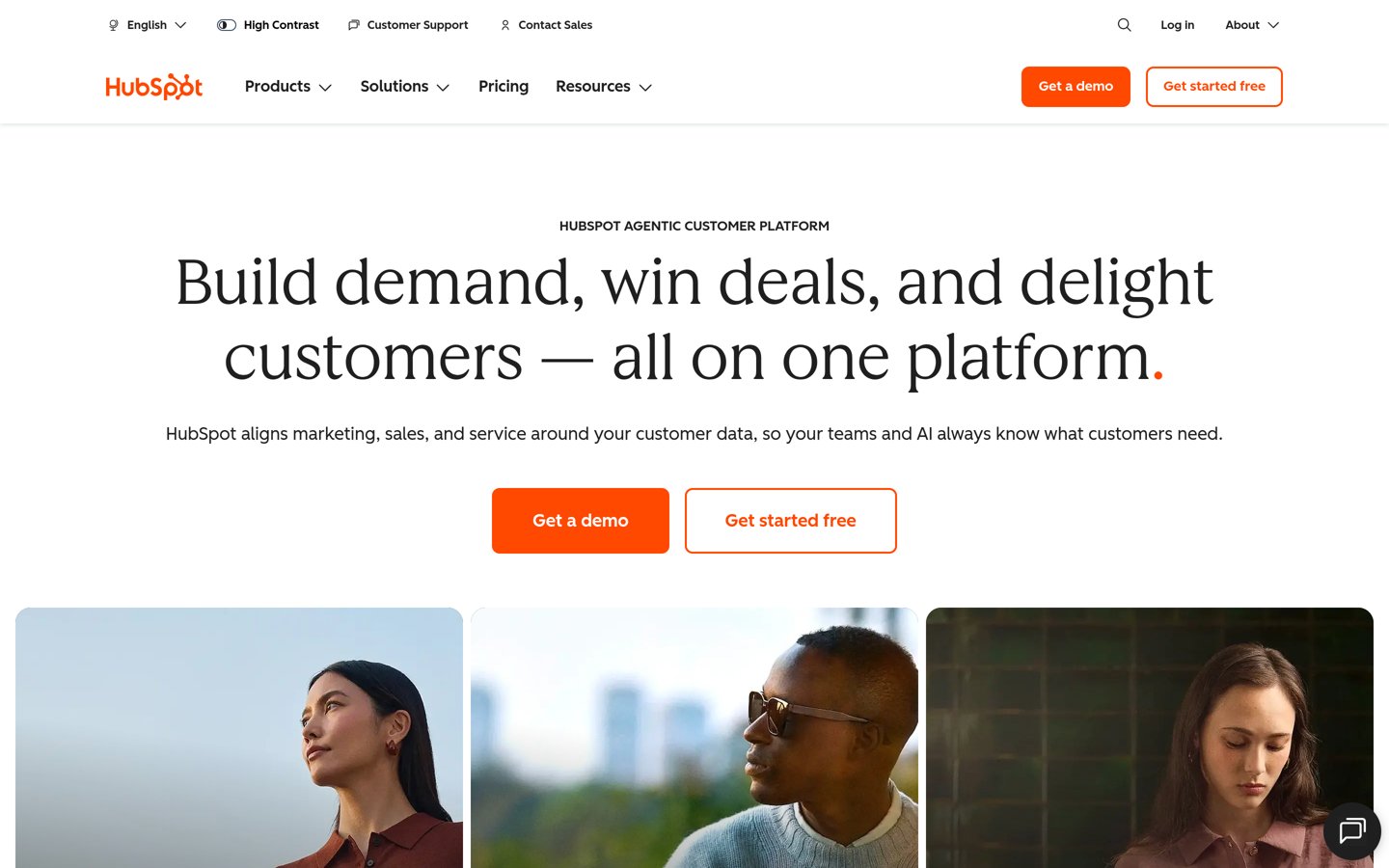
HubSpot is a CRM and marketing platform combining email campaigns, lead capture, customer segmentation and reporting. Starter includes 1,000 marketing contacts and 500 HubSpot Credits.
The trade off is that the regular Starter price is $20 per seat monthly, with advanced automation requiring higher subscriptions. A promotional $7 monthly rate is available for eligible new customers. It suits businesses consolidating customer data and marketing activities.
What we like
Integrated customer database
Lead capture and nurturing
Free marketing tools
Centralized campaign reporting
Watch out for
Advanced automation costs more
Pricing increases with marketing contacts
Starter expands marketing capabilities and removes selected free-plan restrictions.Visit hubspot.com
02
Semrush
4.4/5on G2 (4,323 reviews, checked Nov 2026)
Paid from$117.33/mo
Best for SEO and competitor intelligence
Monitored websites5
Tracked keywords500
Monthly billing$139/month
Annual billing$117.33/month
semrush.com
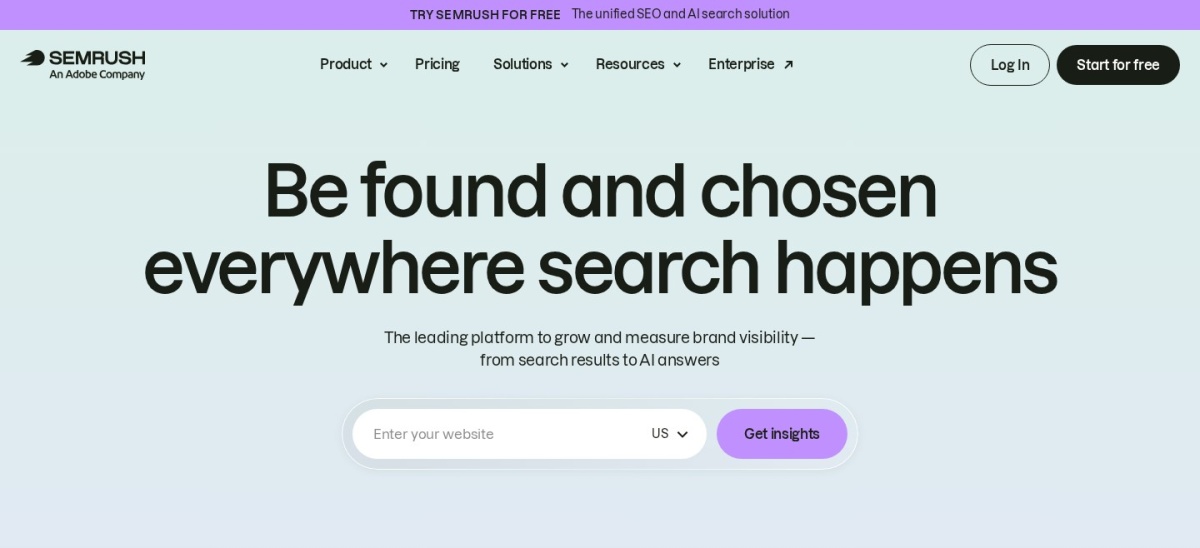
Semrush homepage, captured Nov 2026.
Semrush is a search marketing platform for keyword discovery, competitive intelligence, website audits and backlink analysis. Its entry SEO subscription supports monitoring 5 websites and tracking 500 keywords.
The trade off is the relatively high starting price of $117.33 monthly with annual billing, compared with $139 on monthly billing. Additional marketing toolkits can increase costs. It suits businesses investing consistently in organic search.
What we like
Extensive keyword research
Competitor visibility analysis
Technical SEO monitoring
Backlink research
Watch out for
Expensive for occasional users
Additional toolkits cost extra
Paid SEO access expands research limits and enables ongoing website monitoring.Visit semrush.com
03
Buffer
4.3/5on G2 (1,043 reviews, checked Nov 2026)
Paid from$5/mo
Best for affordable social media marketing
Free channels3
Free queued posts10 per channel
Free users1
Paid schedulingUnlimited
buffer.com
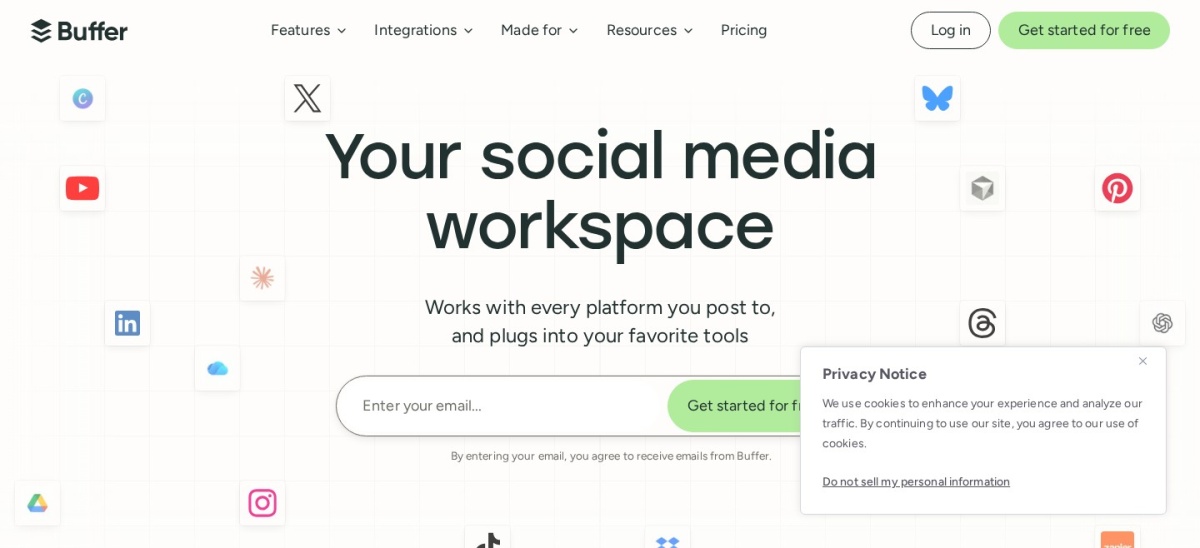
Buffer homepage, captured Nov 2026.
Buffer is a social media management platform for planning content, scheduling publications and tracking engagement. Its free subscription connects 3 channels and accommodates 10 scheduled posts per channel.
The trade off is channel-based billing, starting at $5 monthly for each channel with annual payment. Essentials supports an individual user, so larger marketing teams need collaboration features from another tier. It suits creators and small businesses.
What we like
Affordable entry pricing
Multiple social platform integrations
Content planning tools
Free publishing subscription
Watch out for
Costs increase with connected channels
Entry subscription supports one user
Essentials adds unrestricted post scheduling, advanced analytics and additional publishing controls.Visit buffer.com
04
AgencyAnalytics
4.7/5on G2 (456 reviews, checked Nov 2026)
Starts at$20/mo
Best for marketing agency reporting
Integrations90+
Staff accountsUnlimited
ReportsUnlimited
Pricing unitPer client
agencyanalytics.com
AgencyAnalytics homepage, captured Nov 2026.
AgencyAnalytics is a reporting platform that consolidates campaign performance data into branded client dashboards. Its core subscription includes more than 90 marketing integrations and unrestricted staff access.
The trade off is client-based pricing at $20 per client monthly with annual billing, which increases as your agency grows. Keyword monitoring and AI visibility tracking are optional paid extras. It suits agencies looking to reduce manual reporting.
What we like
Automated client reports
White-label dashboards
Multichannel data connections
Flexible staff access
Watch out for
Subscription grows with client count
Rank tracking costs extra
The core subscription provides dashboards, reporting automation and branded client portals.Visit agencyanalytics.com
05
CallRail
4.5/5on G2 (1,888 reviews, checked Nov 2026)
Starts at$50/mo
Best for telephone lead attribution
Entry planLead Tracking
Included numbers5
Included minutes250
Free trial14 days
callrail.com
CallRail homepage, captured Nov 2026.
CallRail is a marketing attribution platform that connects incoming telephone inquiries and text messages to their acquisition sources. Lead Tracking includes 5 telephone numbers and 250 minutes.
The trade off is a $50 monthly starting subscription plus additional usage charges. Form attribution and more detailed conversation analysis require separate packages. It suits businesses where telephone inquiries contribute significantly to sales.
What we like
Marketing source attribution
Call recording and analysis
Lead tracking integrations
Conversation insights
Watch out for
Additional usage charges
Form tracking requires an upgrade
Lead Tracking includes call attribution, routing, transcription and automation rules.Visit callrail.com
06
Hootsuite
4.3/5on G2 (7,793 reviews, checked Nov 2026)
Starts at$99/mo
Best for established social marketing teams
Entry planStandard
Social accounts10
Free trial14 days
BillingPer user, annually
hootsuite.com
Hootsuite homepage, captured Nov 2026.
Hootsuite is a social marketing platform that combines publishing, community engagement and brand monitoring. Standard supports up to 10 social accounts within a centralized publishing calendar.
The trade off is the $99 monthly per-user starting price, with formal content approvals and more detailed reporting reserved for higher subscriptions. It suits established marketing departments managing multiple social profiles.
What we like
Centralized social publishing
Shared message management
Competitor monitoring
Social performance insights
Watch out for
Higher entry cost than Buffer
Team approvals require an upgrade
Standard includes social scheduling, brand monitoring and centralized message management.Visit hootsuite.com
07
Adobe Marketo Engage
4.1/5on G2 (3,070 reviews, checked Nov 2026)
PricingCustom pricing
Best for enterprise B2B marketing automation
G2 rating4.1/5
Lead nurturingAvailable
CRM integrationAvailable
Pricing modelCustom quote
business.adobe.com
Adobe Marketo Engage homepage, captured Nov 2026.
Adobe Marketo Engage is a B2B marketing automation platform for managing lead engagement, scoring prospects and coordinating customer journeys. Its G2 profile has more than 3,000 reviews.
The trade off is custom pricing and a significant implementation learning curve compared with simpler campaign platforms. It suits enterprise marketing operations teams with complex lead management requirements.
We shortlisted established marketing technology products across CRM, SEO, social media, attribution, reporting and marketing automation. We compared subscription structures, published capabilities and G2 user feedback.
The editorial metadata uses 22 Nov 2026, while actual source checks took place on 25 Nov 2026. We used regular subscription rates rather than introductory promotions. AgencyAnalytics describes its recent price reduction as permanent rather than a temporary sale.
We excluded candidates whose official pages did not expose usable subscription prices. Marketo's rating and quote-based pricing status were confirmed through G2, but its official pricing page was not independently opened, and its review snapshot is older than the other listings. No vendor paid for a place, and we do not claim testing for this list.
How to choose the right martech tools
Build your marketing technology stack around measurable business objectives rather than accumulating overlapping subscriptions.
Identify your primary marketing channels. Prioritize software that supports the channels responsible for customer acquisition and revenue.
Choose a central customer database. Ensure customer information can move between your CRM, email software and marketing analytics platforms.
Compare complete subscription costs. Account for seats, marketing contacts, connected channels, usage allowances and optional features.
Review your technology stack regularly. Remove overlapping subscriptions and measure whether each platform contributes to marketing performance.
FAQ
What are martech tools?
Martech tools are software products that support marketing activities such as customer relationship management, search optimization, email campaigns, social publishing and performance measurement. Businesses combine these applications to create a marketing technology stack.
What is the best martech tool for small businesses?
HubSpot is our top pick because it combines customer management and marketing features within a shared platform. Buffer is an affordable specialist option for smaller businesses that primarily acquire customers through social media.
How much does a martech stack cost?
Costs depend on your marketing channels and subscription requirements. Buffer starts at $60 per channel annually, while HubSpot Starter has a regular starting price equivalent to $240 per seat annually. Enterprise automation requires larger budgets.
What is the difference between martech and adtech?
Martech covers broader marketing activities, including customer relationships, content distribution and marketing analytics. Adtech focuses specifically on digital advertising activities such as audience targeting, advertising inventory purchases, campaign delivery and advertising performance measurement.
Do businesses need multiple martech tools?
Most businesses benefit from combining a central customer management platform with specialist tools for their primary marketing channels. However, purchasing overlapping products can create unnecessary expenses, fragmented customer information and additional maintenance requirements.
SaaS SEO and WordPress specialist with about 8 years of experience. Rakib compares WordPress plugins, themes, hosting and software using public pricing, documentation and user reviews. See how we rank.