WLWPLegible EditorsLast verified 23 Nov 2026How we rank12 min read
★ Short answer
Google Keyword Planner is the best free keyword tool for most people, with free keyword data straight from Google Ads, rated 4.7 out of 5 on G2. Pick Semrush for full SEO data and KWFinder for the easiest paid upgrade.
How we make this list: we compare pricing pages, product documentation and public user reviews, then re-check every price before each update. No product paid for a place. Disclosure.
Google Keyword Planner is free and shows real Google search data, but it needs a Google Ads account.
Semrush has the deepest keyword data, with a free account covering 10 reports a day.
KWFinder is the easiest paid tool to learn, with a free plan covering 5 lookups a day.
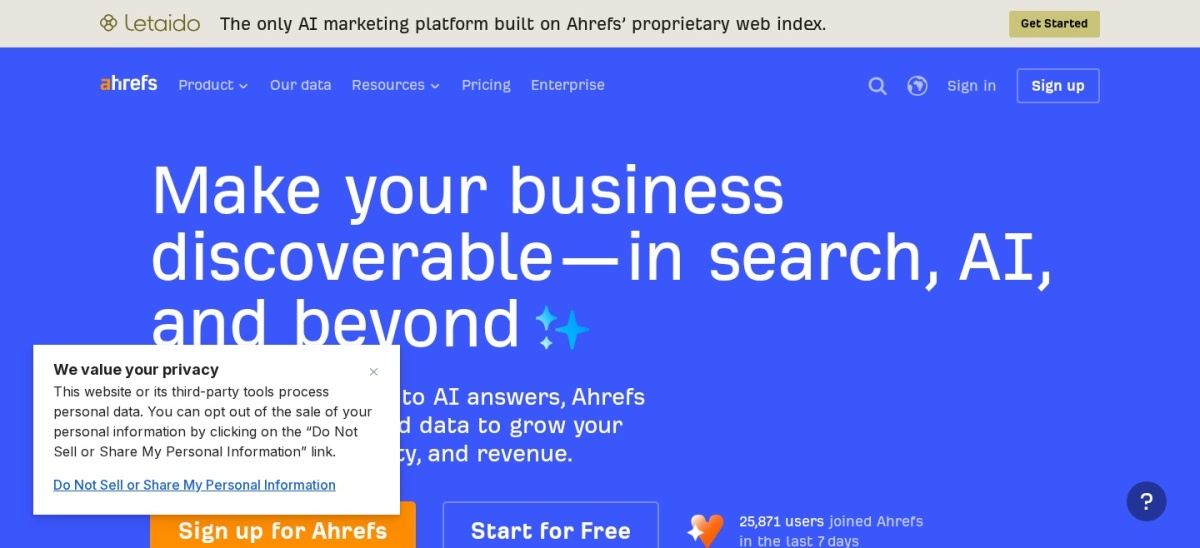
Ahrefs offers a free keyword generator with no sign-up, though full data needs a paid plan.
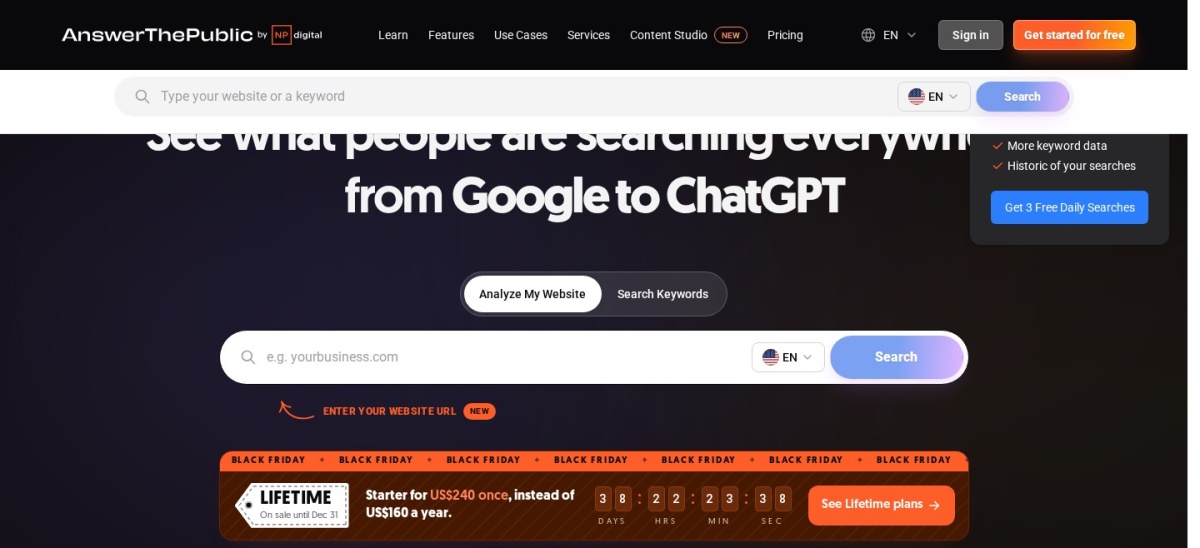
AnswerThePublic is the best free way to find the questions people ask around a keyword.
What a free keyword tool should cover
A free keyword tool should show real search volume, not guesses. Google Keyword Planner shows data from Google itself, while other tools estimate volume from their own databases.
The free limit matters most. Some tools cap daily searches, others cap the number of keyword ideas per search. Match the cap to how often you research.
Question data is where free tools shine. AnswerThePublic turns one keyword into the questions people type, which is the fastest way to plan content.
Our keyword research guide walks through how to turn a keyword list into a content plan.
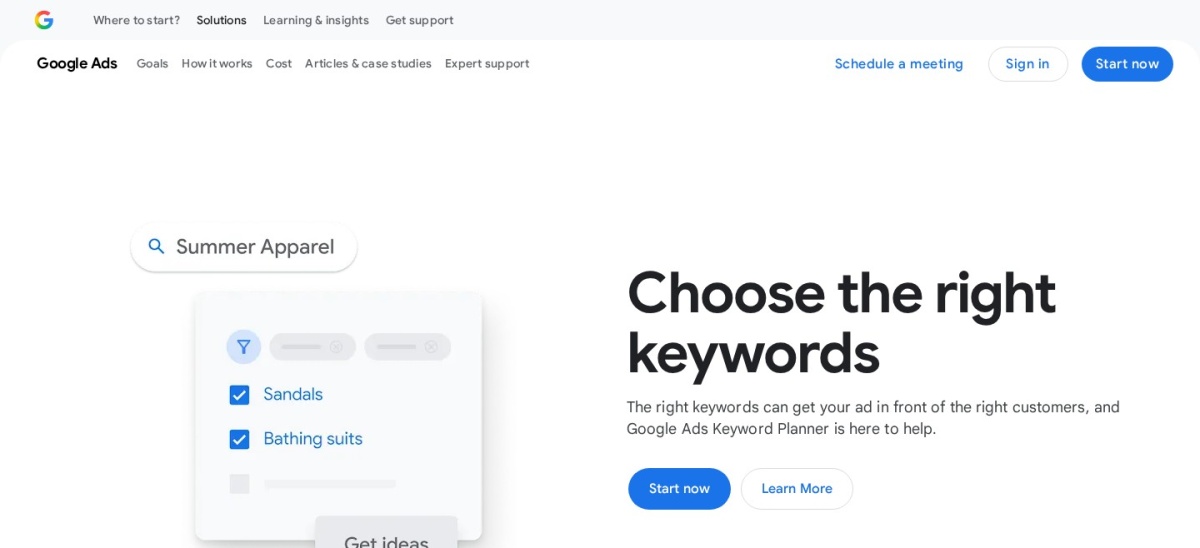
Google Keyword Planner homepage, captured Nov 2026.
Google Keyword Planner is the free keyword tool inside Google Ads, and it shows search volume and keyword ideas from Google's own data. It needs a Google Ads account, but you do not need to run ads or spend money to use it.
The trade off is depth. It shows broad volume ranges for free accounts and no difficulty scores, so it works best as a starting point. It suits anyone who wants real Google data at no cost.
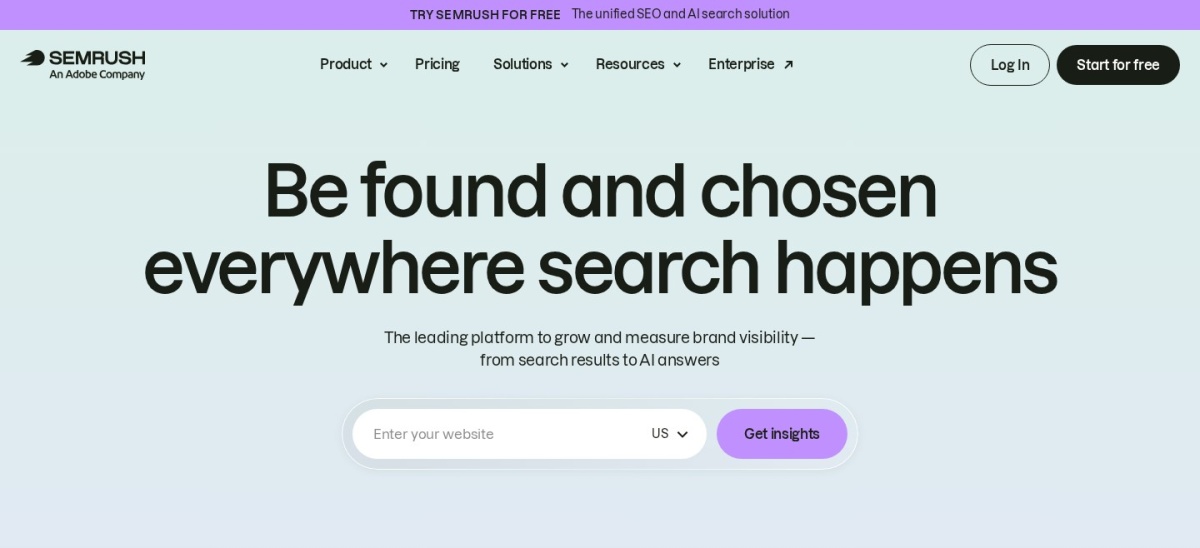
Semrush is the deepest keyword research platform in this list, with keyword volume, difficulty, intent and competitor data in one place. The free account covers 10 reports a day, which is enough to research a few keywords each week.
The trade off is price. The Pro plan costs $139.95 a month, so heavy research needs a budget. It suits marketers who want full SEO data and can pay for it later.
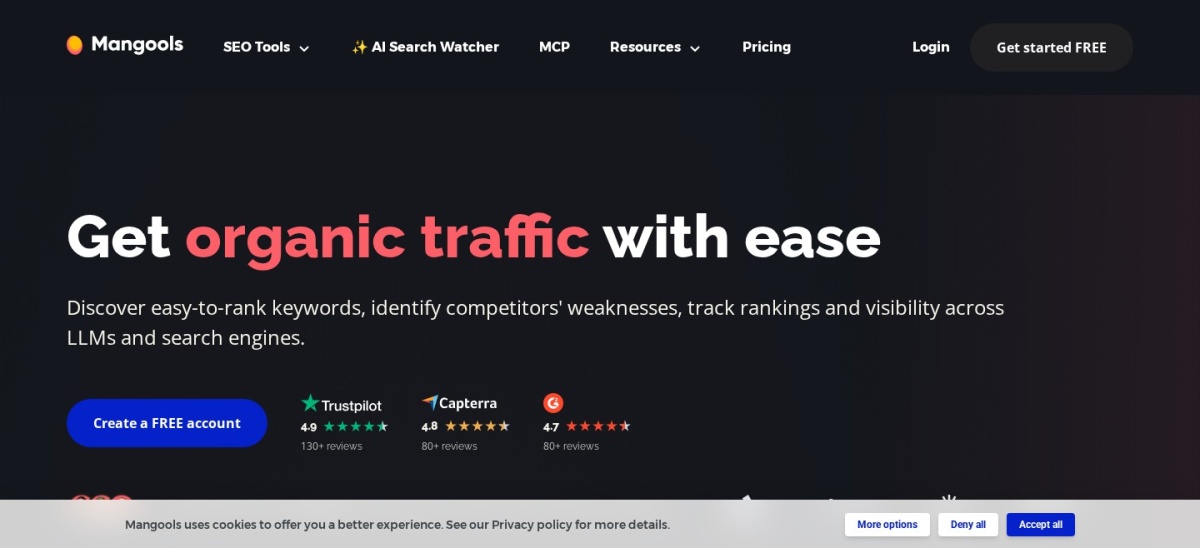
KWFinder is the keyword tool inside Mangools, built for beginners who want clear difficulty scores and long-tail ideas. The free plan covers 5 lookups a day, and the Basic plan costs $37.70 a month billed yearly.
The trade off is depth. It covers keywords well but lacks the site audits and content tools of Semrush or Ahrefs. It suits bloggers and small sites that want a simple, low-cost keyword tool.
Ahrefs is the best-known SEO suite, and its free keyword generator needs no sign-up and returns 20 keyword ideas per search. The paid plans add full volume, difficulty and backlink data for every keyword.
The trade off is cost. The Starter plan costs $29 a month, and the full Lite plan is $129 a month. It suits SEOs who already use Ahrefs and want keyword data in the same place.
AnswerThePublic turns one keyword into a visual map of the questions, prepositions and comparisons people type into search. The free plan covers 3 searches a day, which is enough to plan a few articles each week.
The trade off is data. It shows questions, not volume or difficulty, so it works best beside a volume tool. It suits content writers who plan articles around real questions.
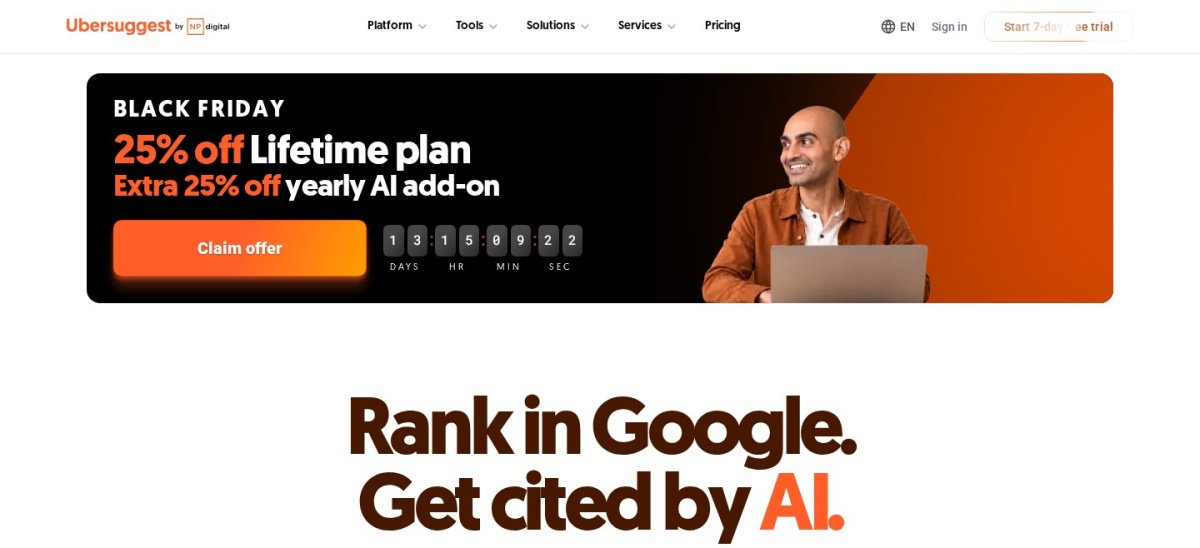
Ubersuggest is Neil Patel's keyword tool, with volume, difficulty and content ideas in one simple dashboard. The free plan covers 3 searches a day, and paid plans start at $29 a month.
The trade off is limits. Three free searches a day is tight, and its database is smaller than Semrush or Ahrefs. It suits beginners who want one simple tool for keywords and content ideas.
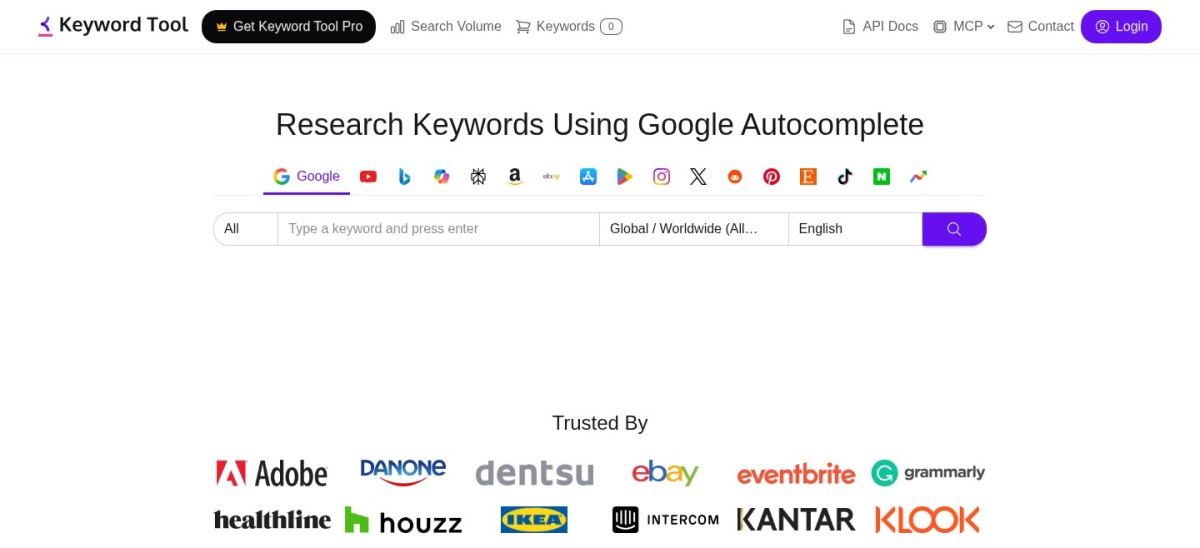
Keyword Tool is a long-running keyword suggestion tool that pulls autocomplete data from Google, YouTube, Bing and Amazon. The free version shows keyword ideas, while volume and competition data need the Basic plan at $89 a month.
The trade off is price. Basic costs $89 a month, which is high for a suggestion tool, and the free version shows no volume. It suits people who need keyword ideas across many platforms.
Free plans cover basic research well. Most include a few searches a day and keyword ideas.
Paid plans mostly add volume and limits. You get exact search volume, difficulty scores and more searches.
If you research keywords every day, a paid plan pays for itself in time saved. Our keyword research guide shows how to use the data.
For a site that publishes weekly, the free plans here are often enough to plan a month of content.
How we chose
We started from the keyword tools with the most G2 reviews, then kept those with a free plan or a free generator.
Prices come from each vendor's pricing page or G2 pricing data, checked on 23 November 2026. Ratings and review counts come from G2 on the same day. Where a vendor shows a sale, the list shows the regular price.
We left out tools with no G2 rating and no free way to research. No vendor paid for a place, and this list is based on pricing, docs and reviews, not on using the tools ourselves.
How to choose a free keyword tool
Start with how often you research keywords, then check the free limit.
Count your weekly searches. Match the free cap to your volume. Keyword Planner is unlimited, Semrush covers 10 reports a day, AnswerThePublic 3 searches a day.
Check for volume data. Ideas without volume are hard to prioritize. Keyword Planner, Semrush and KWFinder all show volume on free plans.
Add question data. AnswerThePublic turns one keyword into real questions. See how to research keywords for a blog.
Plan for growth. If you research daily, the cheapest paid upgrade matters. KWFinder Basic costs $37.70 a month.
FAQ
What is the best free keyword tool?
Google Keyword Planner is the strongest free option. It shows real Google search data at no cost, and it is rated 4.7 out of 5 on G2.
Is Google Keyword Planner really free?
Yes. You need a Google Ads account, but you do not need to run ads or spend money to use the Planner.
How many free searches do I get?
It depends on the tool. Semrush covers 10 reports a day, KWFinder 5 lookups a day, and AnswerThePublic and Ubersuggest 3 searches a day.
Do free keyword tools show search volume?
Most do. Keyword Planner, Semrush, KWFinder and Ubersuggest show volume on free plans, while Keyword Tool and AnswerThePublic need a paid plan for volume.
Which free keyword tool is best for beginners?
KWFinder is the easiest to learn, with clear difficulty scores. Google Keyword Planner is the best free starting point for real data.
Can I use two keyword tools at once?
Yes. Many people pair Keyword Planner for volume with AnswerThePublic for questions, since both are free.