Best Keyword Research Software in 2026: 7 Tools Compared
WLWPLegible EditorsLast verified 22 Nov 2026How we rank12 min read
★ Short answer
Ahrefs is the best keyword research software overall for discovering organic search opportunities and analyzing competing websites, with a $29/month Starter plan. Semrush is better for combined SEO and marketing research, while SE Ranking suits teams that also need daily tracking of 2,000 keywords on its Core plan.
How we make this list: we compare pricing pages, product documentation and public user reviews, then re-check every price before each update. No product paid for a place. Disclosure.
Ahrefs starts at $29/month for Starter, but its $129/month Lite plan is more suitable for regular SEO research and site monitoring.
Semrush SEO starts at $139/month, covering keyword research, competitor analysis and daily tracking of 500 keywords.
SE Ranking Core costs $129/month and includes 10 projects, 2,000 daily tracked keywords and keyword research.
SpyFu starts at $39/month and includes 10,000-row search results and historical competitor intelligence.
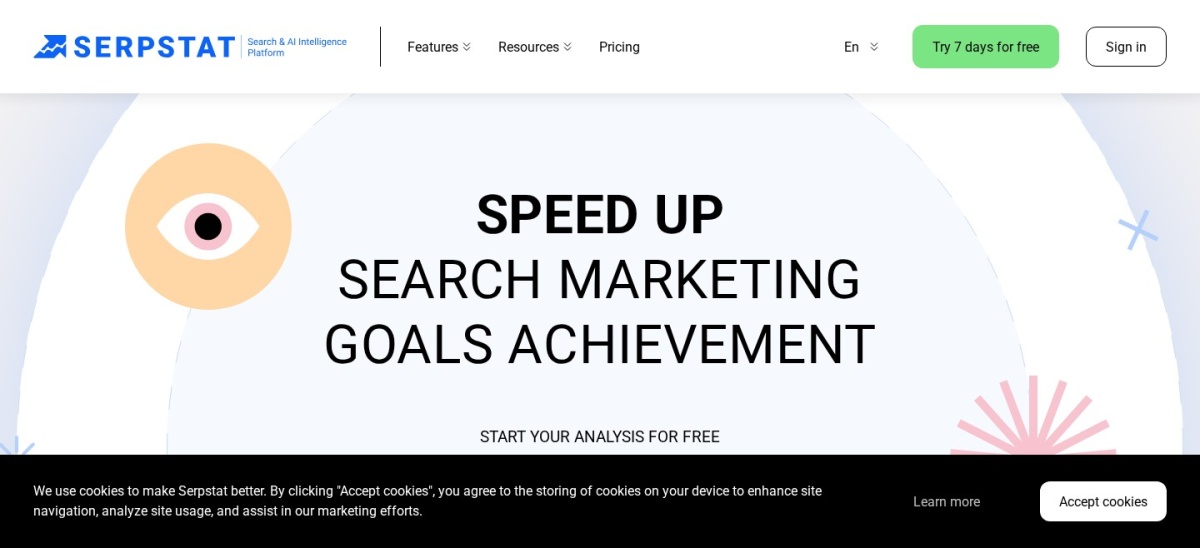
Serpstat Individual is listed at $50/month with annual billing and includes 100 daily research searches and 5 projects.
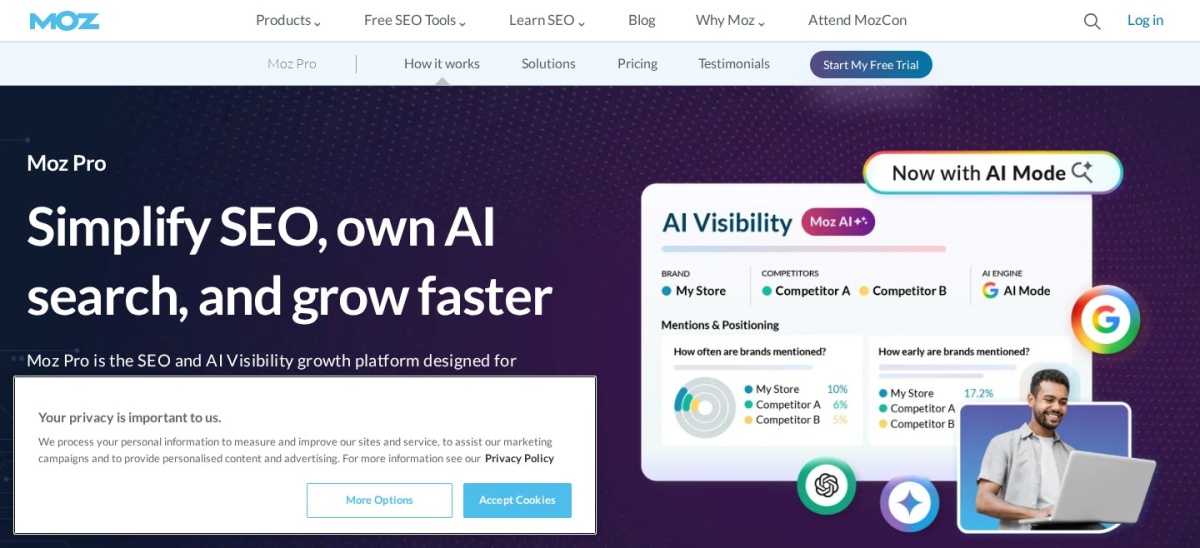
Moz Pro Starter costs $49/month, while Sitechecker Basic starts at $99/month for website monitoring and SEO workflows.
What matters when choosing keyword research software
Keyword research is more than finding phrases with high search volume. Useful software should help you understand search intent, competition, ranking opportunities and the pages already attracting search traffic.
Look for keyword difficulty, search volume estimates, related questions, competitor keyword gaps and SERP analysis. These help separate attractive search terms from queries that are difficult to rank for or unlikely to convert.
A keyword tool also needs limits that fit your workload. Check research credits, export allowances, project counts and rank tracking capacity before comparing subscription prices.
Search volume and difficulty scores are estimates, not guarantees. Compare promising keywords against actual search results and your own Search Console data before building a content plan.
The right purchase depends on your workflow. Dedicated competitor tools suit research-heavy marketers, while broader SEO platforms combine discovery with technical audits, ongoing monitoring and reporting.
For connecting keyword tracking with site monitoring
$99/mo
No free plan
4.6/5
Price ladder: cheapest paid plan per year
List prices, USD, checked Nov 2026
AhrefsFREE$348
SpyFuFREE$468
Moz ProFREE$588
Serpstat$600
Sitechecker$1,188
SE Ranking$1,548
SemrushFREE$1,668
The 7 best keyword research software tools
01
Ahrefs
4.5/5on G2 (725 reviews, checked Nov 2026)
Paid from$29/mo
Best for comprehensive keyword and competitor research
Entry planStarter
ResearchKeyword and competitor discovery
Free accessAhrefs Free for owned sites
Broader paid planLite, $129/mo
ahrefs.com
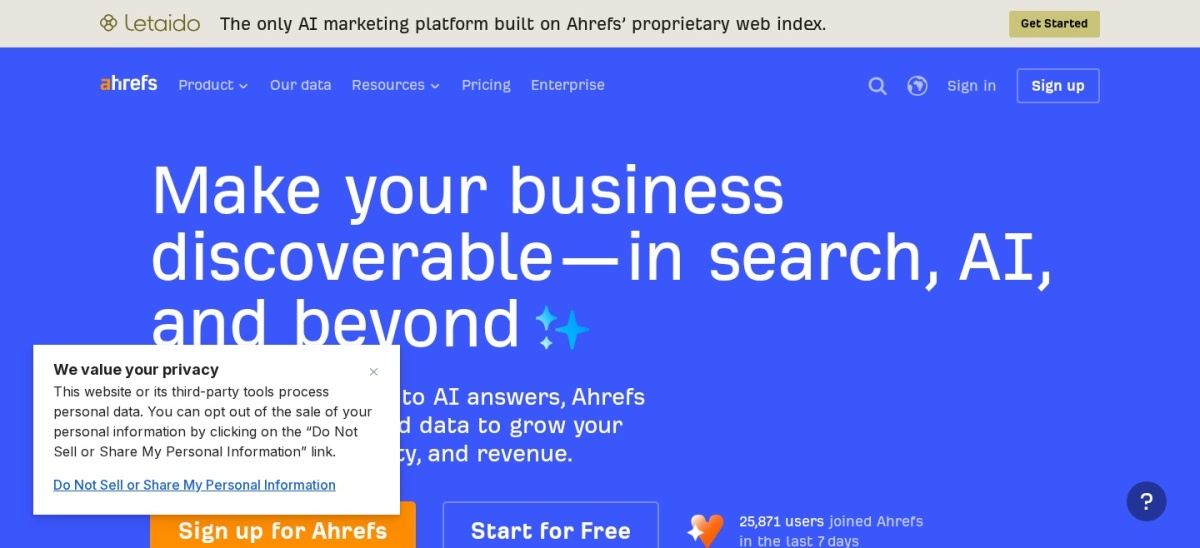
Ahrefs homepage, captured Nov 2026.
Ahrefs is an SEO research platform that combines keyword discovery, competitor analysis and backlink intelligence. Its $29/month Starter plan introduces search demand and competitor research, while Ahrefs Free provides limited data about websites you own. The broader Lite plan adds regular SEO workflows, including rank tracking and site auditing.
The trade off is that Starter has restricted usage and does not provide the full depth of the higher subscriptions. Lite costs $129/month, making regular Ahrefs research considerably more expensive than its entry price suggests. It suits SEO specialists, content strategists and agencies prioritizing competitor intelligence and search opportunity discovery.
What we like
Strong competitor keyword and backlink research
Keyword discovery connected to ranking-page analysis
Affordable Starter option for limited research
Free tools for verified website owners
Watch out for
Starter has tighter research limits
Full SEO workflows require a higher subscription
Heavy research can increase subscription costs
Lite adds rank tracking, site auditing and broader research access.Visit ahrefs.com
02
Semrush
4.4/5on G2 (4,323 reviews, checked Nov 2026)
Paid from$139/mo
Best for combined SEO and marketing research
Entry planSEO
Tracked keywords500 daily
Website monitoring5 websites
Free access10 reports per day
semrush.com
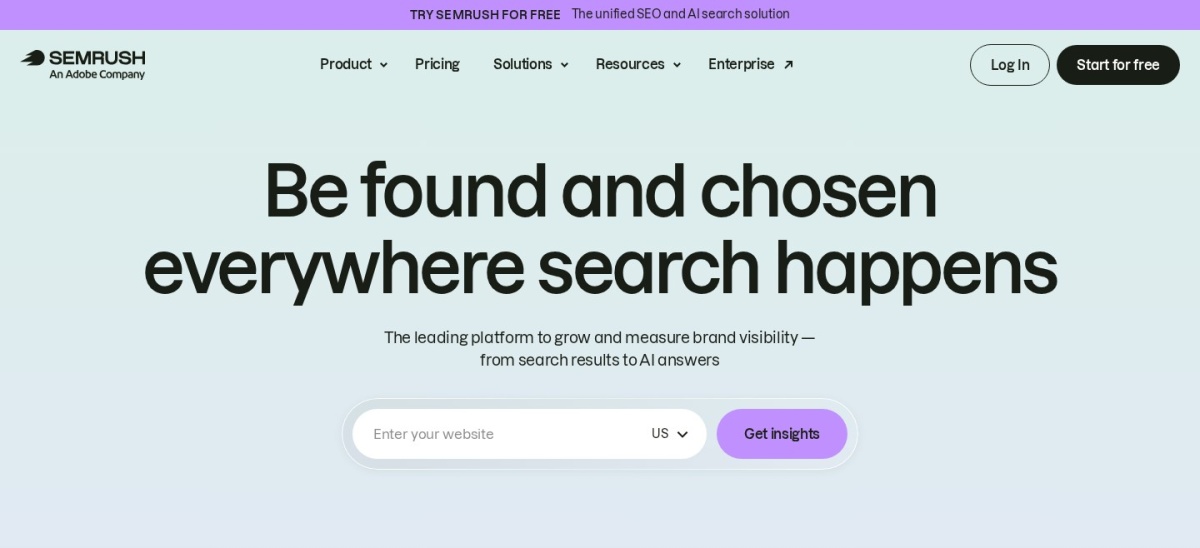
Semrush homepage, captured Nov 2026.
Semrush is a search marketing platform with keyword research, competitor analysis, position tracking and site auditing. Its entry SEO subscription costs $139/month and supports monitoring 5 websites and tracking 500 keywords daily. A restricted free account provides 10 reports per day across supported tools.
The trade off is cost and feature separation, because some advanced research and marketing capabilities require higher plans or additional subscriptions. The $139/month starting price is substantial for occasional keyword research. It suits marketing teams that want keyword discovery connected to technical SEO, content planning and broader search visibility.
What we like
Keyword and competitor analysis in one platform
Daily tracking for 500 keywords on the entry plan
Includes position tracking and website auditing
Free account available for light research
Watch out for
High starting price for occasional users
Advanced features and add-ons raise costs
Broad interface can take time to learn
Pro+ adds historical SEO data, content optimization and greater tracking limits.Visit semrush.com
03
SE Ranking
4.8/5on G2 (1,495 reviews, checked Nov 2026)
Starts at$129/mo
Best for ongoing keyword research and rank tracking
Entry planCore
Projects10
Tracked keywords2,000 daily
Trial14 days
seranking.com
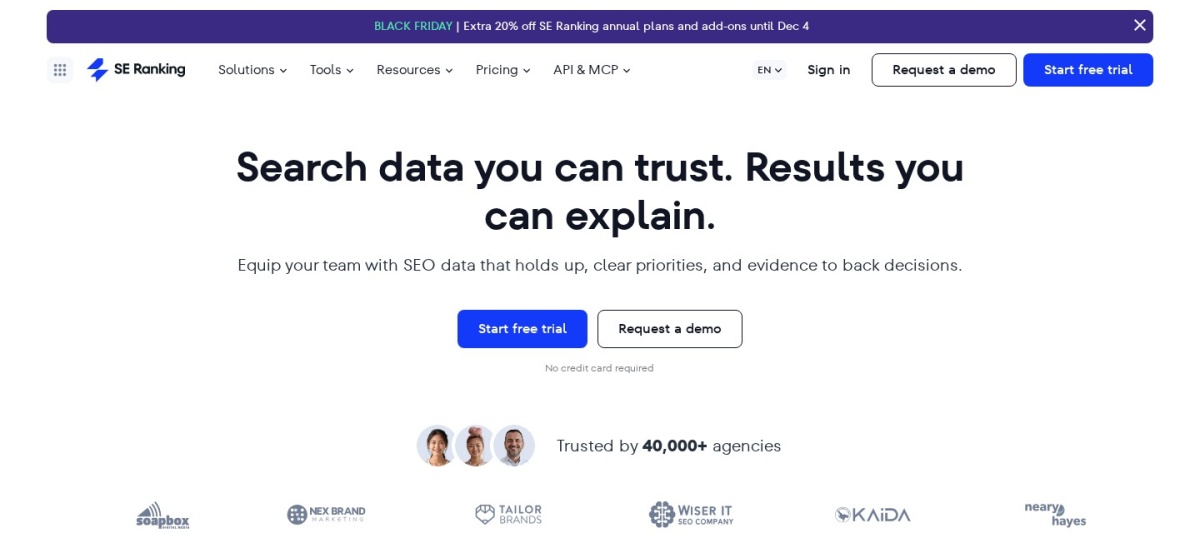
SE Ranking homepage, captured Nov 2026.
SE Ranking is a complete SEO platform combining keyword research, competitor analysis, backlink research and daily rank monitoring. Its $129/month Core plan includes 10 projects, 2,000 daily tracked keywords and 250,000 audited pages per month. Keyword research and competitor analysis are included, alongside integrations for search performance reporting.
The trade off is its relatively high entry price, especially for businesses that only need occasional keyword suggestions. The Core plan is $129/month, while the annual billing option reduces the effective monthly cost. It suits SEO teams managing ongoing research, rankings and technical optimization across multiple projects.
What we like
2,000 daily tracked keywords on Core
Keyword and competitor research included
Combines rank tracking, audits and reporting
14-day trial without a credit card
Watch out for
Entry subscription is expensive for light research
Advanced collaboration requires higher tiers
Some workflows have project and account limits
Growth adds higher quotas, historical project data and collaboration features.Visit seranking.com
04
SpyFu
4.6/5on G2 (521 reviews, checked Nov 2026)
Paid from$39/mo
Best for researching competitor SEO and PPC keywords
Entry planBasic
Search results10,000 rows
Data exports10,000 rows
Tracked rankings5,000 weekly
spyfu.com
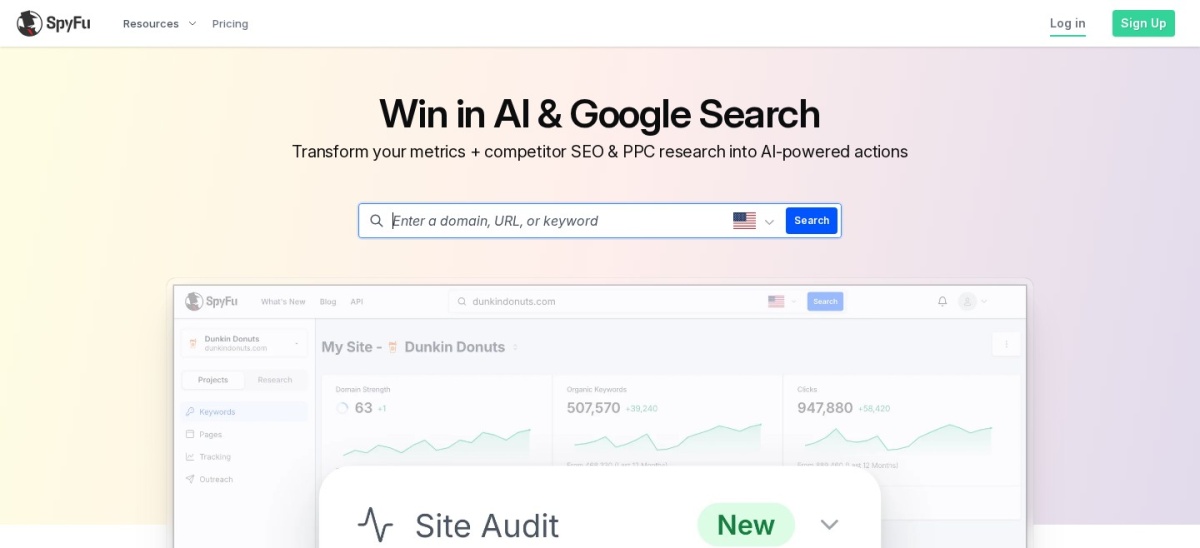
SpyFu homepage, captured Nov 2026.
SpyFu is a competitive search intelligence tool for researching organic keywords, paid search terms and historical advertising activity. Its $39/month Basic plan includes 10,000-row search results, 10,000-row exports, 100 domain overview PDFs and 5,000 weekly tracked keyword rankings. The free version offers restricted results and unlimited searches.
The trade off is its stronger emphasis on competitors rather than a complete technical SEO workflow. Basic costs $39/month, and unlimited result exports require the higher Professional subscription. It suits agencies, SEO consultants and advertisers looking for competitor keyword opportunities without paying for a broader marketing platform.
What we like
Useful organic and paid competitor keyword history
Free access for limited competitor research
10,000-row exports on Basic
Affordable monthly subscription
Watch out for
Less comprehensive for technical website audits
Basic plan limits search and export rows
Research estimates still need SERP validation
Professional adds unlimited results, larger tracking capacity and API access.Visit spyfu.com
05
Serpstat
4.6/5on G2 (466 reviews, checked Nov 2026)
Starts at$50/mo
Best for structured keyword research with project tracking
Entry planIndividual
Projects5
Research searches100 daily
Position checks10,000
serpstat.com
Serpstat homepage, captured Nov 2026.
Serpstat is a search intelligence platform offering keyword research, competitor analysis, rank tracking, backlink analysis and technical audits. Its Individual plan is listed at $50/month with annual billing and includes 5 projects, 100 daily research searches, 10,000 keyword position checks and 50,000 export rows. The service also offers a trial.
The trade off is usage capacity: Individual limits research searches, exports and tracked projects, while team access and API capabilities require higher plans. The published $50/month annual-billing price is separate from temporary Black Friday offers. It suits freelancers and smaller SEO operations that need recurring research and project monitoring.
What we like
Keyword research and competitor analysis included
100 research searches per day
Rank tracking and technical auditing
50,000 export rows on Individual
Watch out for
Individual limits project count and searches
API and team features require upgrades
Published annual rate requires a longer commitment
Team adds higher limits, shared access, API tools and AI visibility features.Visit serpstat.com
06
Moz Pro
4.3/5on G2 (608 reviews, checked Nov 2026)
Paid from$49/mo
Best for straightforward keyword research and SEO metrics
Entry planStarter
Website scopeSingle website
Research toolKeyword Explorer
Free accessLimited community tools
moz.com
Moz Pro homepage, captured Nov 2026.
Moz Pro is an SEO platform built around keyword research, website monitoring, link analysis and search performance metrics. Its Starter subscription costs $49/month and targets individuals managing a single website. Moz also offers limited free access to Keyword Explorer, Link Explorer and MozBar through a community account.
The trade off is that Starter is intended for a small website workload, while broader campaign capacity requires an upgraded subscription. Standard costs $99/month, and additional seats or higher quotas can carry extra charges. It suits beginners, website owners and marketers who prefer a focused SEO workflow with familiar authority metrics.
What we like
Accessible Keyword Explorer interface
Includes established link and authority metrics
Free access to selected research tools
Starter plan serves a single website
Watch out for
Starter has limited website scope
Additional users and quotas cost extra
Some broader SEO workflows require higher plans
Standard adds broader campaign and research capacity.Visit moz.com
07
Sitechecker
4.6/5on G2 (130 reviews, checked Nov 2026)
Starts at$99/mo
Best for connecting keyword tracking with site monitoring
Entry planBasic
MonitoringWeekly site scans
ResearchRank and SERP opportunities
Team accessUnlimited users
sitechecker.pro
Sitechecker homepage, captured Nov 2026.
Sitechecker is an SEO monitoring platform that combines keyword position tracking, Search Console analysis, website auditing and competitive visibility insights. Its Basic plan starts at $99/month, with weekly site monitoring, rank tracking and reporting tools. All paid plans include unlimited users, site recrawls and integrations for search performance analysis.
The trade off is its emphasis on monitoring existing websites rather than extensive standalone keyword discovery. Basic costs $99/month, and larger research or monitoring workloads need higher subscriptions. It suits SEO teams that already have target keywords and want to connect ranking changes with website health and organic search performance.
What we like
Connects rankings with website auditing
Unlimited users across paid subscriptions
Integrates Search Console and analytics data
Helpful monitoring and reporting workflows
Watch out for
Less focused on large-scale keyword discovery
Entry plan costs $99/month
Higher monitoring capacity requires upgrades
Standard adds more monitoring capacity, faster checks and additional reporting tools.Visit sitechecker.pro
How to interpret keyword research data
Search volume estimates how often people search for a term. It is useful for prioritization, but different providers may report different numbers because their sources, models and update cycles vary.
Keyword difficulty predicts how competitive a search query may be. It is not a universal score: each vendor uses its own approach, so difficulty values should be compared within the same platform rather than treated as interchangeable.
Search intent is equally important. An informational query may need a tutorial, while a commercial query may require a comparison or product page. Choosing the wrong format can undermine a keyword strategy even when volume looks attractive.
Use competitor ranking pages and current search results to validate promising keywords. Your existing Search Console performance adds useful evidence about impressions, clicks and terms where your content already has visibility.
Why the cheapest keyword research plan is not always the best value
Entry prices can hide differences in research allowances. Some subscriptions restrict keyword lookups, while others limit exports, projects, tracking frequency or access to historical data.
Compare monthly prices using the same billing basis. Annual commitments may reduce the effective monthly rate, but they require more upfront spending and can be less suitable for occasional projects.
Ahrefs Starter illustrates the difference between accessing research data and supporting a complete SEO workflow. Its lower entry price is attractive, but Lite is better suited to continuing keyword and website optimization work.
Budget around the research you actually perform. Frequent competitor comparisons, bulk exports and rank reporting may justify a larger plan, while occasional keyword discovery may not.
How we chose
We selected established SEO software products with active vendor platforms, relevant keyword research or search intelligence capabilities and publicly available user feedback. The shortlist includes specialized competitor research tools alongside broader SEO platforms that connect keyword discovery to ranking and website analysis.
Official pricing pages and G2 review profiles were consulted during the November 23, 2026 verification. The article's requested editorial reference date is November 22, 2026. Monthly regular prices are shown where available, and annual-billing rates are identified separately. Review counts are snapshots rather than permanent totals.
We excluded products whose regular paid pricing could not be confirmed from an accessible official page, tools without sufficient established review evidence, and products that did not meet the comparison's keyword research needs. No vendor paid for a place, and we do not claim testing for this list.
How to choose the right keyword research software
Start with the research decisions you need to make, then compare features, limits and subscription costs against your actual SEO workflow.
Define your main research goal. Decide whether you primarily need new keyword ideas, competitor keyword gaps, paid search intelligence or ongoing position tracking. Ahrefs and Semrush cover broad research, while SpyFu focuses more directly on competitive search intelligence.
Check the keyword and SERP data. Look beyond search volume. Evaluate keyword difficulty, competing ranking pages, search intent, related terms and historical insights. Compare how easily the software helps you move from a keyword idea to a realistic content opportunity.
Match the limits to your workload. Check project allowances, daily research searches, export rows and tracking frequency. For example, SE Ranking Core supports 2,000 daily tracked keywords, while Serpstat Individual includes 100 daily research searches.
Compare the regular subscription cost. Use the cheapest relevant paid plan as your starting point, then account for upgrades you may actually need. Check whether advertised rates require annual billing and whether extra users, exports or research capacity incur additional charges.
FAQ
What is the best keyword research software in 2026?
Ahrefs is our top overall recommendation for researching keywords, analyzing competing websites and identifying organic search opportunities. Its Starter plan begins at $29/month, although regular SEO workflows may need Lite. Semrush is a strong alternative for marketing teams, while SE Ranking combines research with substantial daily keyword tracking.
Which keyword research software is best for beginners?
Moz Pro is a reasonable starting point because Keyword Explorer and its familiar authority metrics provide an approachable research workflow. Starter costs $49/month and is designed for a single website. SpyFu is another option if your main goal is discovering keywords that competitors already target.
Are free keyword research tools good enough?
Free tools can support early topic discovery and small research projects. Ahrefs provides free access for verified websites, Semrush offers restricted free reports, and SpyFu allows limited competitor searches. Paid software becomes more useful when you need larger keyword datasets, exports, historical analysis or ongoing monitoring.
Is Ahrefs better than Semrush for keyword research?
Ahrefs is a strong choice for organic competitor research and connecting keywords to backlinks and ranking pages. Semrush is attractive when keyword analysis must sit alongside site auditing, position tracking and broader marketing workflows. Neither is universally better; their entry plans, research allowances and additional subscription requirements differ.
What is the cheapest paid keyword research software in this comparison?
Ahrefs Starter has the lowest listed paid entry price here at $29/month. SpyFu Basic follows at $39/month, and Moz Pro Starter costs $49/month. However, the lowest subscription price does not necessarily provide enough searches, exports or research features for a full-time SEO workflow.
How accurate are keyword search volume estimates?
Keyword volume figures are estimates based on provider datasets and modeling methods. Different platforms may show different demand levels for the same phrase, especially when search behavior changes quickly. Use volumes for relative prioritization, then validate opportunities with search results, content intent and Search Console performance.
Do I need separate keyword research and rank tracking tools?
Not necessarily. Semrush, SE Ranking, Serpstat and Moz Pro combine keyword research with position monitoring, although their allowances differ. Dedicated research and tracking tools may still make sense if you require specialized reports, have unusual tracking requirements or already subscribe to another SEO platform.
Is SpyFu good for SEO keyword research?
SpyFu is useful for investigating competitor keywords, historical search activity and the overlap between organic and paid search strategies. Its $39/month Basic plan includes research and export allowances. It is less suitable as a complete replacement for a platform focused on technical site auditing and broader SEO management.
How much should a business spend on keyword research software?
Start with the least expensive plan that supports your actual research workload. The options here range from Ahrefs Starter at $29/month to higher-cost SEO suites with daily tracking and site monitoring. A larger subscription is easier to justify when it replaces several tools or supports ongoing client projects.