Everlaw is the best e-discovery software for most litigation teams, pairing a modern review interface with an open AI platform. Relativity is the pick for large, complex matters, and GoldFynch is the only tool here with a published price.
How we make this list: we compare pricing pages, product documentation and public user reviews, then re-check every price before each update. No product paid for a place. Disclosure.
Everlaw leads at 4.7 out of 5 on G2 from 744 reviews, with the most usable interface in this list.
Relativity is the industry standard for large matters, used by 198 of the Am Law 200 firms.
Almost every platform here is quote-only; only GoldFynch publishes a price, about $6 per GB a month.
DISCO is the speed pick, with Cecilia AI included in the base price.
GoldFynch's 5.0 out of 5 on G2 rests on only 6 reviews, so treat that score with care.
What to look for in e discovery software
E-discovery software processes, searches, reviews and produces the electronic documents behind a lawsuit or investigation, and the market is mostly sold by quote.
The platforms split into three camps: the large-matter standards such as Relativity, modern cloud review such as Everlaw and DISCO, and self-serve tools such as Logikcull and GoldFynch for smaller matters.
Price is almost always tied to data volume, so compare written quotes for the same scope, including hosting, processing, users and AI usage, before you sign.
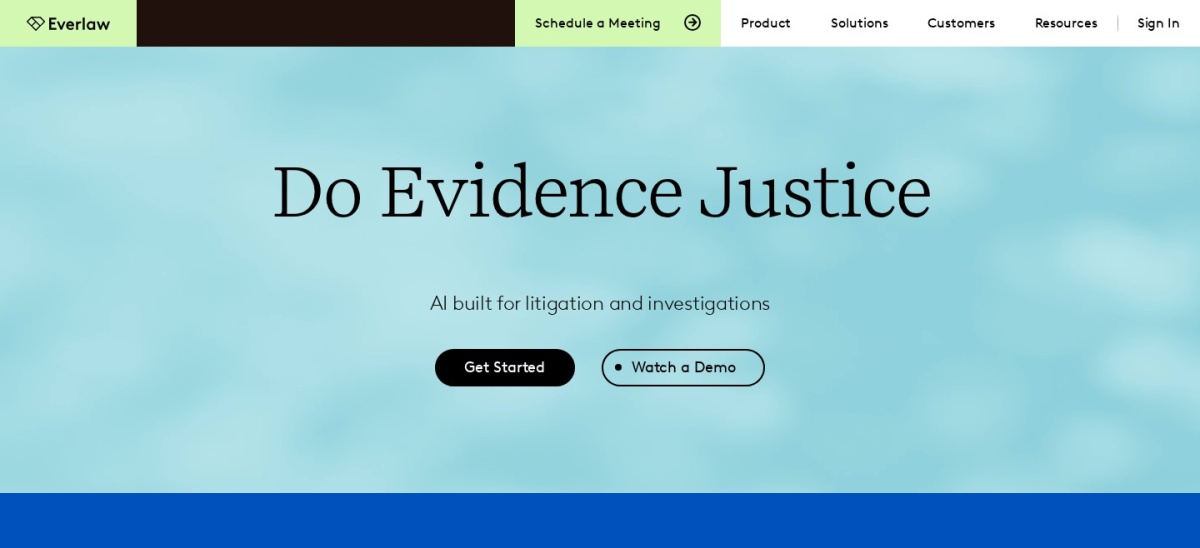
Everlaw is a cloud-native e-discovery platform that covers processing, review, production and trial preparation in one modern interface. Its Storybuilder carries a matter from review to the courtroom, and its open platform lets teams plug in outside AI tools.
The trade off is price transparency. Everlaw is quote-based and tied to hosted data volume, with monthly minimums that make it a poor fit below roughly 100 GB, and batch AI actions consume credits. It suits litigation teams that want the most usable review platform.
What we like
Highest-rated major platform on G2 at 4.7 out of 5
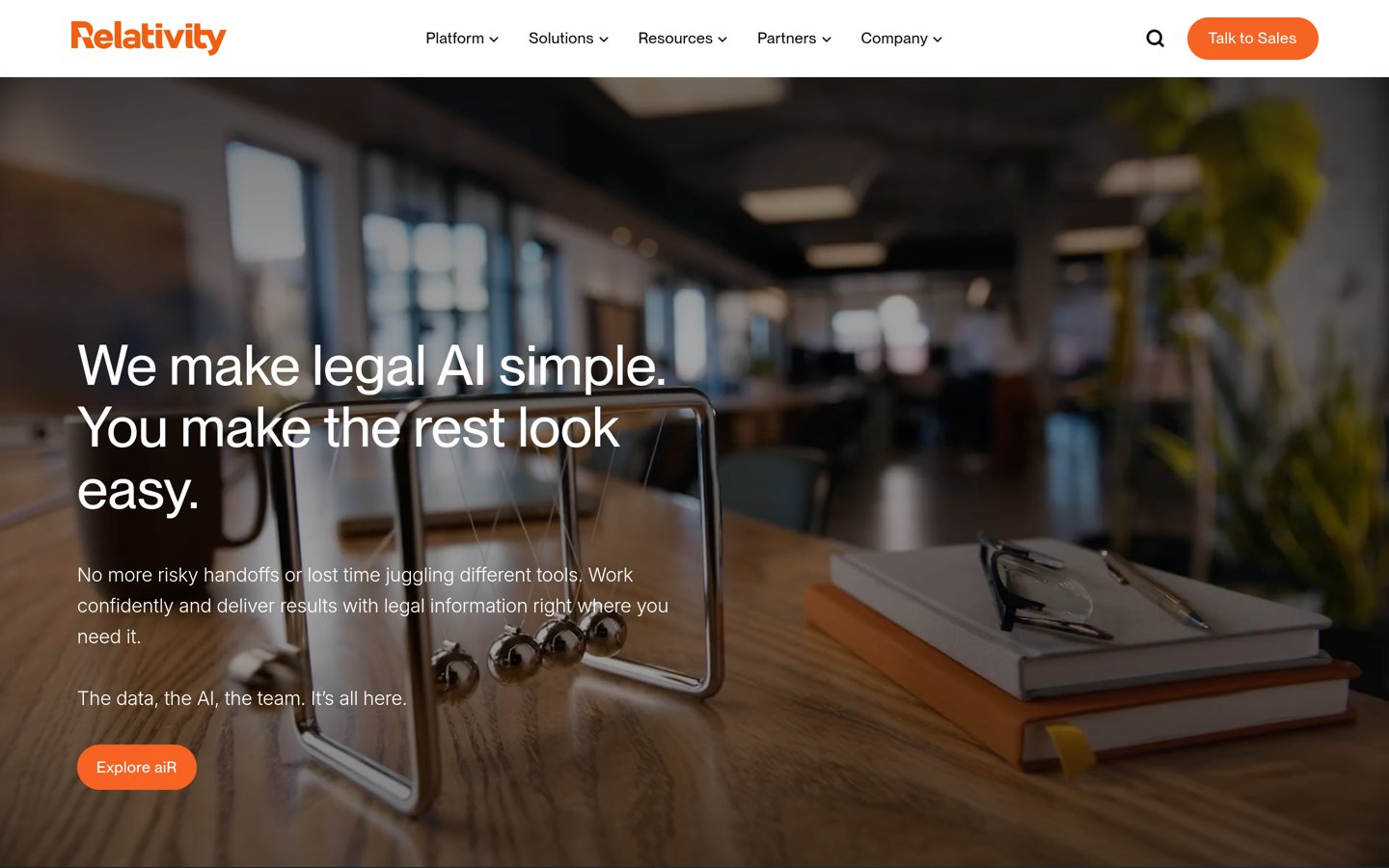
Relativity is the e-discovery standard on large matters, used by 198 of the Am Law 200 firms. RelativityOne covers intake to production, including legal hold, processing, review, privilege review and production, and its aiR for Review and aiR for Privilege tools are now included in subscriptions.
The trade off is scale and cost. Relativity is quote-based, usually set by Relativity or a partner, and its depth needs trained staff and data-volume commitments. It suits large firms and enterprise teams handling high-volume, high-stakes litigation.
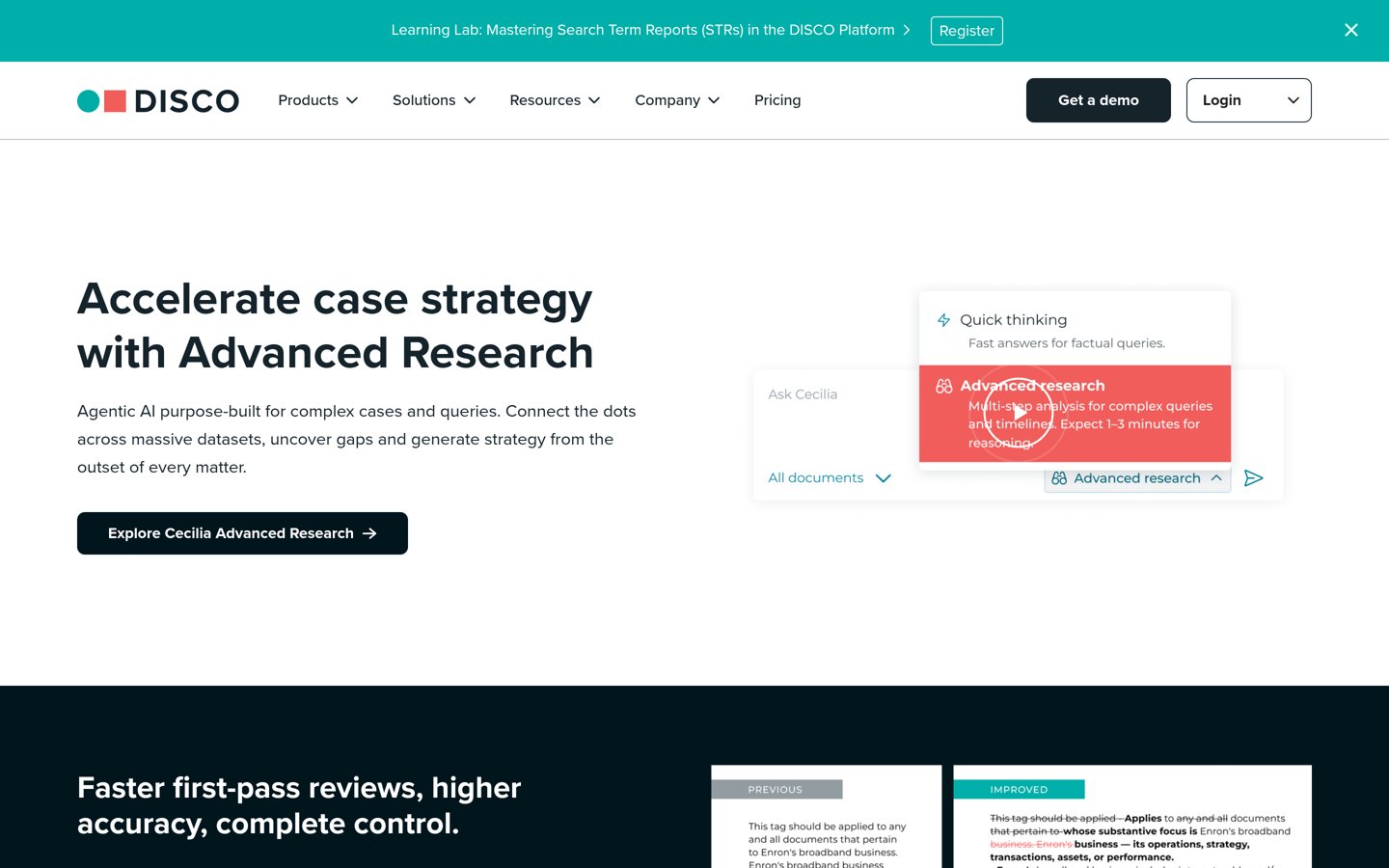
DISCO is a cloud-native e-discovery platform built for speed, pairing fast processing and search with Cecilia, its AI layer for auto review, legal hold automation and deposition management. The company will also run the review for you as a managed service.
The trade off is that pricing is opaque. DISCO is quote-based with per-gigabyte pricing reported near $15 to $25 a month, and Auto Review is charged separately. It suits firms where processing speed is the binding constraint on a matter.
What we like
Fastest processing in this list by practitioner reports
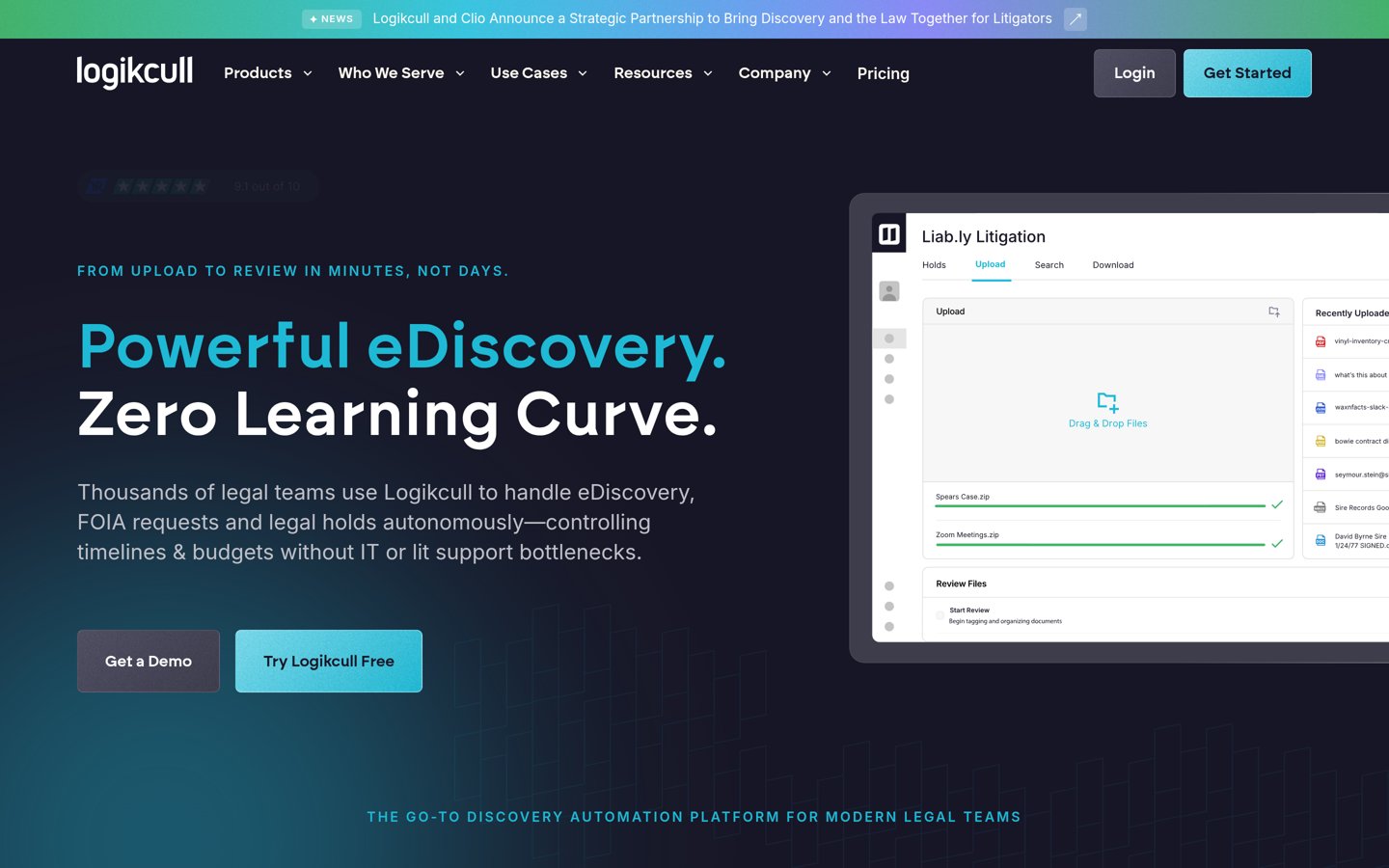
Logikcull is the self-serve e-discovery tool in this list: upload data, and its automated filtering and search get a project running in minutes with almost no training. It is now part of Reveal, and it remains the easiest route for a small or midsize matter.
The trade off is that the $395 per user per month starting figure comes from a third-party listing, not Logikcull's own pricing page, and the platform is now folded into Reveal's wider suite. It suits small teams that need discovery without a services engagement.
Best for collection through review in one platform
Cheapest paid planCustom quote
Free planNo, demo only
DeploymentCloud, on-premises or private
OwnsLogikcull, Onna, ZyLAB
revealdata.com
Reveal homepage, captured Nov 2026.
Reveal is an AI-driven e-discovery platform that covers collection through review, and it now owns Logikcull, Onna and ZyLAB under one banner. Its processing engine handles more than 900 file types, and its AI tools run across the whole matter.
The trade off is consolidation risk. Three familiar products are now one vendor, and the G2 review base of 52 is small next to Relativity and Everlaw. It suits teams that want one platform from collection to production.
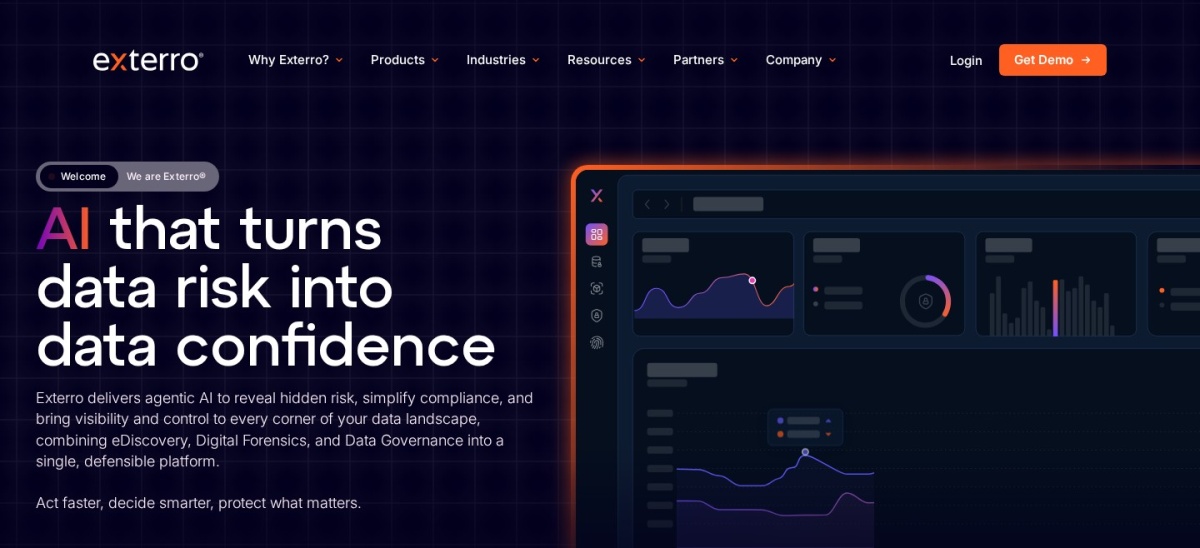
Exterro is the platform that sells to the in-house legal department rather than the law firm, unifying e-discovery with digital forensics, data privacy and information governance. Its ARMOUR layer orchestrates AI across those jobs, so one platform covers litigation, DSAR fulfilment and data risk.
The trade off is fit. Exterro is quote-based and its breadth is built for corporate teams managing data risk, not a firm running a single matter. It suits legal departments that need discovery inside a wider governance programme.
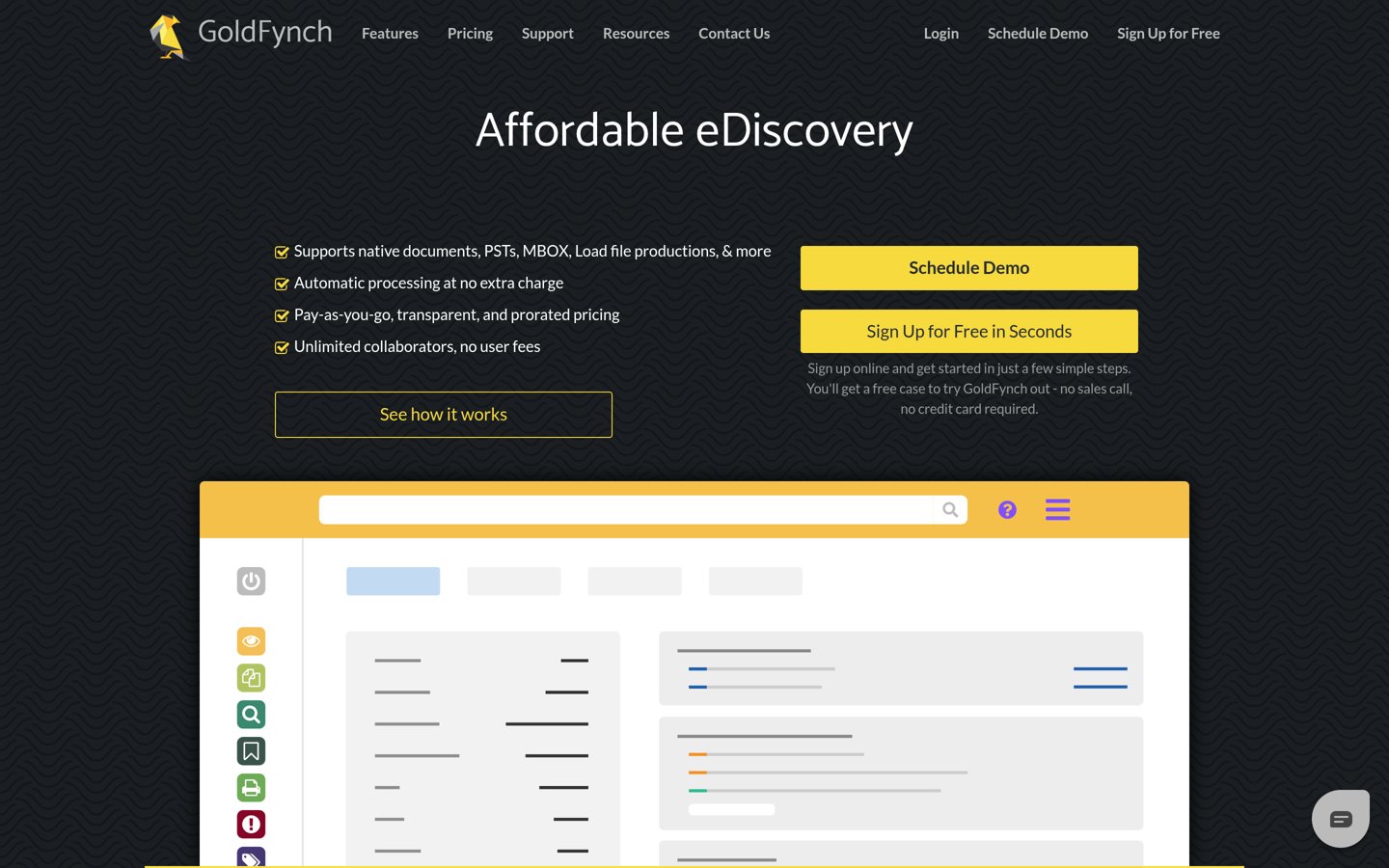
GoldFynch is the only tool in this list with a published price: about $6 per gigabyte per month on average, billed per case with unlimited users, plus one free case under 512 MB with no credit card required. It covers processing, search, review and production for small matters.
The trade off is the thin review base. Its 5.0 out of 5 on G2 rests on only 6 reviews, so the score says less than the larger platforms' scores. It suits small firms and solos that need real e-discovery at a sane, published price.
E-discovery pricing depends on how much data a matter holds, how many reviewers work it, and how much AI runs over it, so vendors quote per matter instead of publishing a price.
That makes budgeting hard. Ask every vendor for the same written scope: gigabytes hosted, users, processing, AI credits and production, then compare the totals.
GoldFynch is the exception in this list, with about $6 per gigabyte per month published on its own site and a free case under 512 MB.
How we chose
We started from the established tools in this category, then kept those with a verifiable rating on G2, Capterra or Trustpilot and a published price or a clear quote-only model.
Prices come from each vendor's pricing page or a published price list, checked on 25 November 2026. Ratings and review counts come from G2, Capterra or Trustpilot on the same day. Where a vendor shows a sale, the list shows the regular price.
We left out tools we could not verify a rating or a price for. No vendor paid for a place, and we do not claim hands-on testing for this list.
How to choose e discovery software
Start with the job the tool has to do every week, then check the price and the limits before you sign up.
List the features you need every week. Write down the three tasks the tool must handle, then check each shortlisted tool covers them on its entry plan.
Check the price on the vendor's own page. Compare the regular monthly or yearly price, not a first-year discount, and note any per-user, per-seat or per-gigabyte charge.
Read the limits on the cheapest plan. Caps on users, projects, products or data volume are the usual reason buyers upgrade within months.
Try the free plan or trial first. A short trial shows whether the interface fits your team before you commit to a yearly bill.
FAQ
What is the best e-discovery software?
Everlaw is the best e-discovery software for most litigation teams. It is rated 4.7 out of 5 on G2 from 744 reviews and offers a modern review interface, Storybuilder for trial preparation and an open AI platform. Relativity is the better pick for very large, complex matters.
How much does e-discovery software cost?
Most platforms are quote-only and priced by data volume. GoldFynch is the exception, publishing about $6 per gigabyte per month. Everlaw and DISCO are reported near $95 to $150 per user a month and $15 to $25 per gigabyte, but those are third-party reports, not vendor prices.
Is Relativity or Everlaw better?
Relativity is better for large, complex litigation with big data volumes and formal review workflows, and it is used by 198 of the Am Law 200 firms. Everlaw is better for collaboration-heavy teams that want a modern interface, faster onboarding and an open platform for outside AI tools.
What is the cheapest e-discovery software for a small firm?
GoldFynch is the cheapest transparent option, at about $6 per gigabyte per month with one free case under 512 MB and unlimited users per case. Logikcull is the easiest self-serve option for a small team, with a free sample matter and a project that can be running in minutes.
Does e-discovery software use AI?
Yes, across this list. Everlaw has an AI Assistant, Relativity includes aiR for Review and aiR for Privilege in subscriptions, DISCO includes Cecilia AI, and Reveal runs AI across collection and review. Batch AI actions often consume credits, so check how AI is billed before you buy.
Can I try e-discovery software for free?
Only in limited ways. GoldFynch offers one free case under 512 MB with no credit card required, and Logikcull offers a free sample matter. The larger platforms offer demos rather than free plans, so expect a sales conversation before a trial.
SaaS SEO and WordPress specialist with about 8 years of experience. Rakib compares WordPress plugins, themes, hosting and software using public pricing, documentation and user reviews. See how we rank.