Shopify is the best ecommerce platform overall in this comparison, with a Basic plan at $29 a month covering unlimited products, payments and abandoned cart recovery. BigCommerce is the closest hosted rival, and WooCommerce is the best free, open-source option.
How we make this list: we compare pricing pages, product documentation and public user reviews, then re-check every price before each update. No product paid for a place. Disclosure.
Shopify leads the hosted platforms at $29 a month, rated 4.4 out of 5 on G2 from 5,159 reviews.
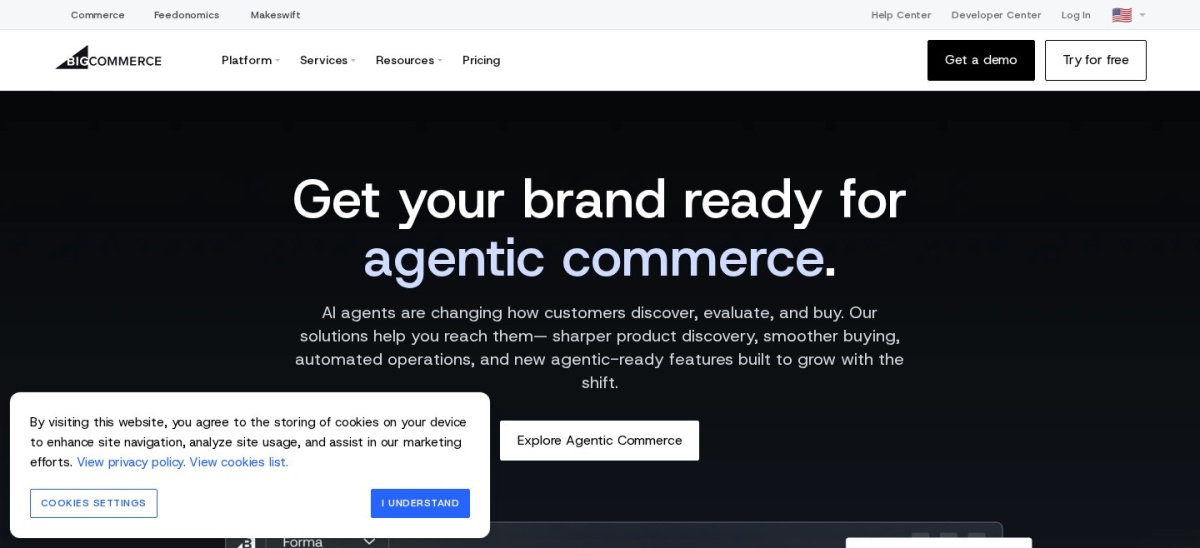
BigCommerce matches Shopify on price at $29 a month and charges no platform transaction fee.
WooCommerce, PrestaShop and OpenCart are free open-source platforms, but hosting and extensions are extra.
Adobe Commerce is the only enterprise pick here, and it publishes no price: every licence is a custom quote.
Ecwid is the cheapest paid start at $5 a month, for sellers who already have a working website.
What to look for in e commerce platforms comparison
Ecommerce platforms split into three camps: hosted platforms that run everything for a monthly fee, open-source platforms that are free but need hosting, and enterprise platforms sold by quote.
Hosted platforms such as Shopify, BigCommerce, Wix and Squarespace include hosting, security and support. Open-source platforms such as WooCommerce, PrestaShop and OpenCart charge nothing for the software but leave running costs to you.
The honest comparison is total cost, not the headline price. Transaction fees, sales caps, apps and extensions decide what a store really costs each month.
Our small-business pick list narrows this comparison to stores with a small team and a small catalogue.
Shopify is the hosted ecommerce platform most stores are compared against, because it covers hosting, checkout, payments and analytics in one subscription. The Basic plan at $29 a month includes unlimited products, discount codes and abandoned cart recovery, and the app store fills almost any gap.
The trade off is lock-in and add-on cost. Leaving Shopify means rebuilding the store, and apps, themes and third-party payment fees push the real bill well above $29 a month. It suits stores that want a managed platform and a huge ecosystem.
BigCommerce is the hosted rival that competes on built-in features rather than apps. The Core plan at $29 a month billed yearly includes multi-channel selling, coupons, ratings and SEO tools, with no BigCommerce transaction fee and unlimited products and staff accounts.
The trade off is the sales cap and the learning curve. Core covers up to $50,000 in yearly sales, and the admin takes longer to learn than Shopify's. It suits stores that want strong features in the box and plan to grow past $50,000 in sales.
What we like
No platform transaction fee on any plan
More built-in features than Shopify at the same price
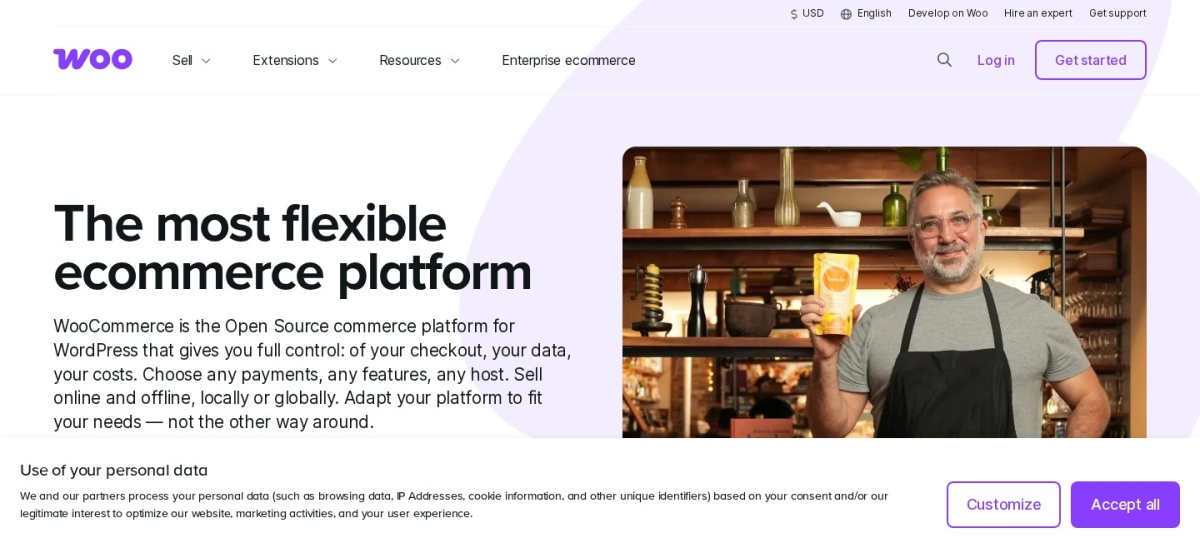
WooCommerce is the open-source option in this comparison: a free WordPress plugin with no monthly platform fee and no revenue share. It covers products, orders, inventory and tax, and more than 1,000 extensions add subscriptions, bookings and shipping carriers.
The trade off is ownership of everything. Hosting, security, updates and support are your job, and WooCommerce estimates hosting at $25 to $350 a month. It suits WordPress users who want control and no vendor lock-in.
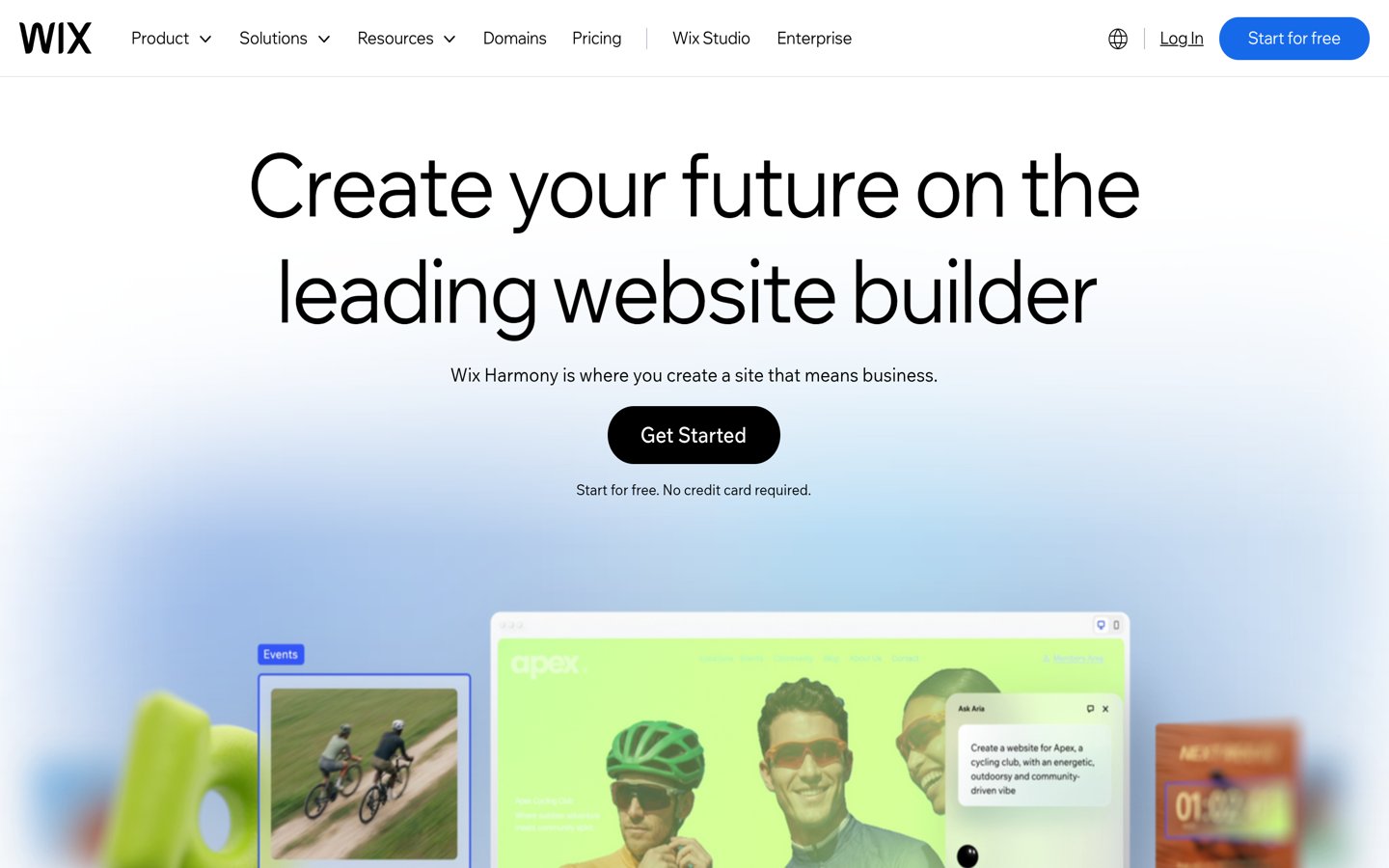
Wix is the easiest builder in this comparison, with a drag-and-drop editor and more than 900 templates. The Light plan at $17 a month adds a custom domain, while Core at $29 a month is the first plan that accepts payments and adds basic ecommerce.
The trade off is scale. Wix suits small catalogues and service businesses, but large stores hit storage limits and a thinner app ecosystem than Shopify. It suits sellers whose website matters as much as the store.
Squarespace is the design-led platform in this comparison, with templates that look finished before you add a product. The Basic plan at $19 a month billed yearly covers unlimited products, a custom domain, built-in SEO and checkout on your own domain.
The trade off is the 2% store fee on Basic and a July 2026 price rise of up to 26% across all plans. Core at $29 a month removes the store fee. It suits brands where the look of the store is part of the product.
Adobe Commerce is the enterprise platform in this comparison, formerly Magento Commerce, built for large catalogues, multiple brands and B2B workflows such as company accounts, quotes and approvals. It runs as a cloud service or on your own cloud, with deep customisation throughout.
The trade off is price and complexity. Adobe publishes no list price, licences are quoted by gross merchandise value and routinely run into five figures a year, and routine changes usually need a developer. It suits large merchants whose requirements outgrow hosted platforms.
PrestaShop is a free, open-source ecommerce platform that is strong in Europe, with multiple languages and currencies handled in the core. The Classic edition is free to download and covers products, orders, shipping and taxes, and the company says it serves around 250,000 merchants.
The trade off is that the free core is only the start. Hosting, themes and paid modules add up, and the hosted plan costs 24 euros a month excluding VAT on annual billing. It suits merchants who want a dedicated store system without a platform fee.
OpenCart is the lightest open-source cart in this comparison: a free PHP application that installs on inexpensive hosting and covers products, orders and basic marketing without a steep learning curve. There are no monthly fees and no licence cost.
The trade off is depth. OpenCart suits a shop with a few hundred products, but large catalogues, multi-store setups and advanced marketing need extensions or a bigger platform. It suits small stores on a tight budget with technical help at hand.
Ecwid is the add-on store in this comparison: instead of rebuilding a site, you embed a store into WordPress, Wix, Squarespace or a social page. The Starter plan at $5 a month covers 10 products, and Venture at $29 a month adds 100 products, coupons and social selling.
The trade off is the product cap and the lost free plan. Ten products is a trial-sized catalogue, and Ecwid replaced its free plan with the $5 Starter plan in 2025. It suits sellers whose website already works and just needs a checkout.
Hosted platforms trade control for convenience. You pay every month, but hosting, security, updates and support are included, and the store is live in a day.
Open-source platforms trade convenience for control. The software is free and you own the code and the data, but hosting, security and updates are your job, and the bill is harder to predict.
Enterprise platforms such as Adobe Commerce are a third camp: quoted, customised and built for catalogues and B2B rules that hosted platforms cannot express.
How we chose
We started from the established tools in this category, then kept those with a verifiable rating on G2, Capterra or Trustpilot and a published price or a clear quote-only model.
Prices come from each vendor's pricing page or a published price list, checked on 25 November 2026. Ratings and review counts come from G2, Capterra or Trustpilot on the same day. Where a vendor shows a sale, the list shows the regular price.
We left out tools we could not verify a rating or a price for. No vendor paid for a place, and we do not claim hands-on testing for this list.
How to choose e commerce platforms comparison
Start with the job the tool has to do every week, then check the price and the limits before you sign up.
List the features you need every week. Write down the three tasks the tool must handle, then check each shortlisted tool covers them on its entry plan.
Check the price on the vendor's own page. Compare the regular monthly or yearly price, not a first-year discount, and note any per-user, per-seat or per-gigabyte charge.
Read the limits on the cheapest plan. Caps on users, projects, products or data volume are the usual reason buyers upgrade within months.
Try the free plan or trial first. A short trial shows whether the interface fits your team before you commit to a yearly bill.
FAQ
What is the best ecommerce platform overall?
Shopify is the best overall platform in this comparison. Its Basic plan costs $29 a month, covers unlimited products and payments, and is rated 4.4 out of 5 by more than 5,100 G2 reviewers. BigCommerce is the closest hosted rival at the same price.
Which is better, Shopify or WooCommerce?
Shopify is better if you want a managed store that is live quickly with hosting and support included. WooCommerce is better if you already run WordPress and want full control with no monthly platform fee, accepting that hosting and upkeep are your job.
Is BigCommerce better than Shopify?
BigCommerce is better on built-in features and fees: it charges no platform transaction fee and includes more selling tools at $29 a month. Shopify is better on ecosystem size, with far more apps and themes, and its checkout and admin are easier to learn.
What is the cheapest ecommerce platform?
The open-source platforms are cheapest as software: WooCommerce, PrestaShop and OpenCart are free to download. Among hosted platforms, Ecwid starts at $5 a month for 10 products. Remember that free software still needs hosting, which WooCommerce estimates at $25 to $350 a month.
How much does Adobe Commerce cost?
Adobe does not publish a price for Adobe Commerce. Licences are quoted by gross merchandise value and routinely run into five figures a year before hosting and development, according to reviewer reports. Magento Open Source, the free edition, can be self-hosted instead.
Should I choose a hosted or open-source platform?
Choose hosted if you want the store live fast with support included and predictable monthly billing. Choose open source if you need full control over code and data, have technical help, and are comfortable paying separately for hosting, security and extensions.
SaaS SEO and WordPress specialist with about 8 years of experience. Rakib compares WordPress plugins, themes, hosting and software using public pricing, documentation and user reviews. See how we rank.