Apache Airflow is the best data orchestration tool for most teams: free, open source, and the standard every data engineer already knows. Dagster leads for asset-based pipelines and Prefect for the lightest Python setup — but Prefect bought Dagster in July 2026, so watch how the two converge.
How we make this list: we compare pricing pages, product documentation and public user reviews, then re-check every price before each update. No product paid for a place. Disclosure.
Apache Airflow is the best pick for most teams: free, open source, and the orchestrator every data engineer already knows, with a 4.4 out of 5 G2 rating from 130 reviews.
Dagster leads for asset-based orchestration with lineage and data quality built in, but its G2 rating rests on just 2 reviews.
Prefect is the lightest start for Python teams, with a free Hobby tier and Starter at $100 a month — and Prefect acquired Dagster Labs in July 2026.
Astronomer Astro is the best managed Airflow, billing from $0.35 an hour, while Azure Data Factory suits teams already on Azure at $1 per 1,000 runs.
Kestra and Apache NiFi are the free self-hosted alternatives, and Temporal Cloud owns durable, long-running workflows at $50 per million actions.
What to look for in data orchestration tools
Orchestration is the scheduler that runs your pipelines: it decides what runs, in what order, retries failures and shows what broke. Without it, data work is cron jobs and hope.
The tools split three ways: task-based schedulers like Airflow and Prefect, asset-based platforms like Dagster that track tables instead of tasks, and cloud-native services like Azure Data Factory that bill per run.
The billing meter decides the real cost. Airflow, Dagster, Kestra and NiFi are free to self-host; managed clouds charge per credit, per run, per hour or per action, and those meters do not map cleanly to each other.
Check the review base before you trust a score. Airflow, Prefect, Astronomer and Azure Data Factory carry 100+ G2 reviews each; Dagster has 2, so its score says almost nothing. Our guide to database software covers the warehouses these pipelines feed.
Apache Airflow is the open-source standard for orchestrating data pipelines. Pipelines are Python files called DAGs, operators cover every cloud service, and any data engineer the team hires will already know it.
The trade off is the operational load. Self-hosting Airflow means running the scheduler, workers, metadata database and upgrades yourself, and Airflow 3 changed enough that migrations take planning. It suits teams with a platform engineer.
Dagster is a modern orchestrator that thinks in data assets rather than tasks. Declare the tables, files and models you want, and the platform figures out the execution order, tracks lineage and shows asset health.
The trade off is the thin review base and the new ownership. Its G2 rating rests on 2 reviews, and Prefect acquired Dagster Labs in July 2026, so buyers should watch how the two products converge. It suits teams that think in tables.
Prefect is a workflow orchestration platform built for Python teams that want the lightest setup. Add a decorator to existing functions and get scheduling, retries, observability and alerting without restructuring code into DAG files.
The trade off is the seat-based bill and the acquisition. Starter costs $100 a month for 3 users, Team costs $100 per user a month, and Prefect bought Dagster Labs in July 2026. It suits small Python-first teams.
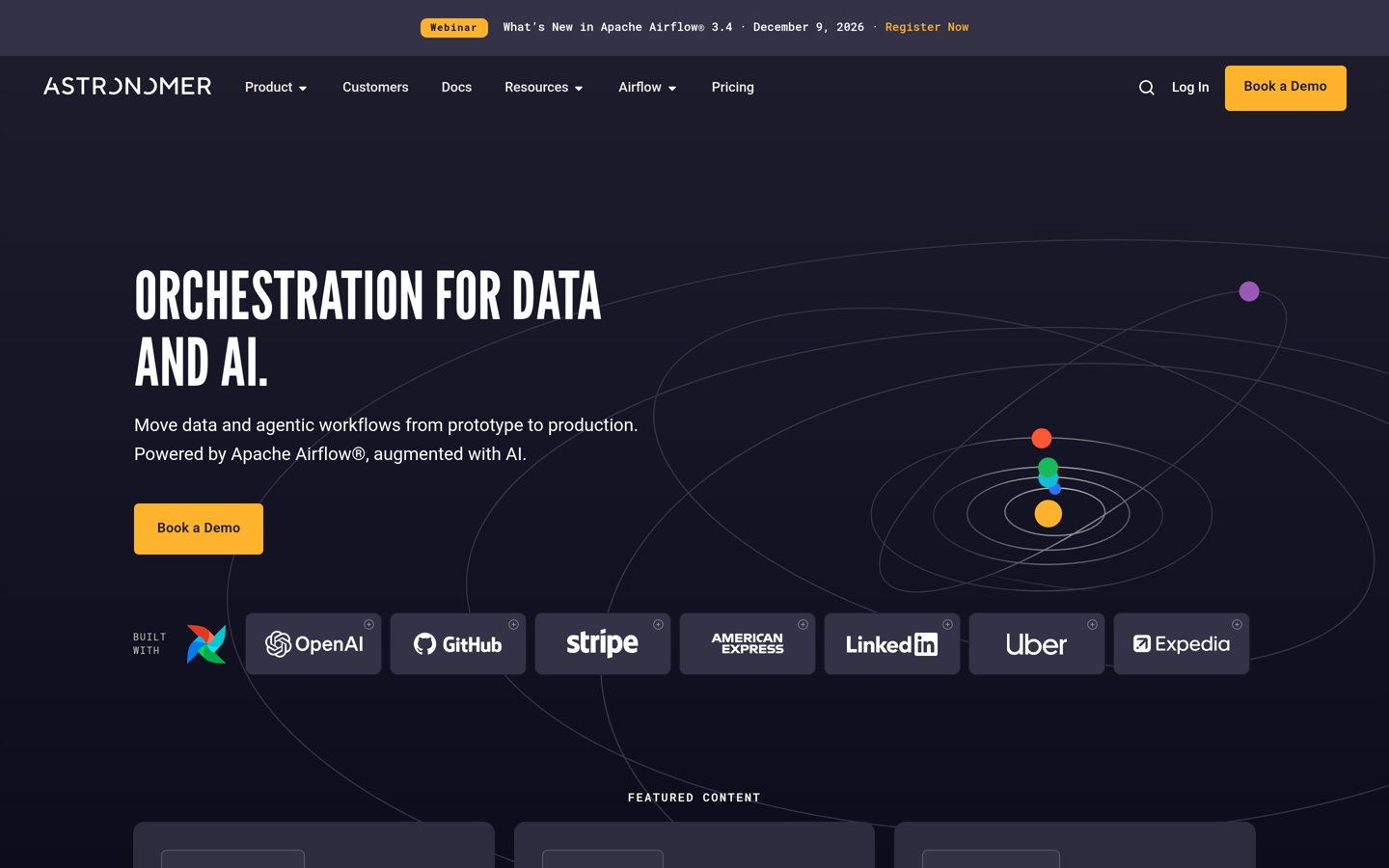
Astronomer Astro is the managed Airflow platform. It handles infrastructure, upgrades, security and observability that teams manage themselves when running open-source Airflow, with AI-assisted DAG authoring and preview deployments.
The trade off is the hourly meter. Deployments start at $0.35 an hour and workers from $0.13 an hour, and the vendor pricing page shows no dollar rates, so the figures here rest on November 2026 secondary reads. It suits teams committed to Airflow.
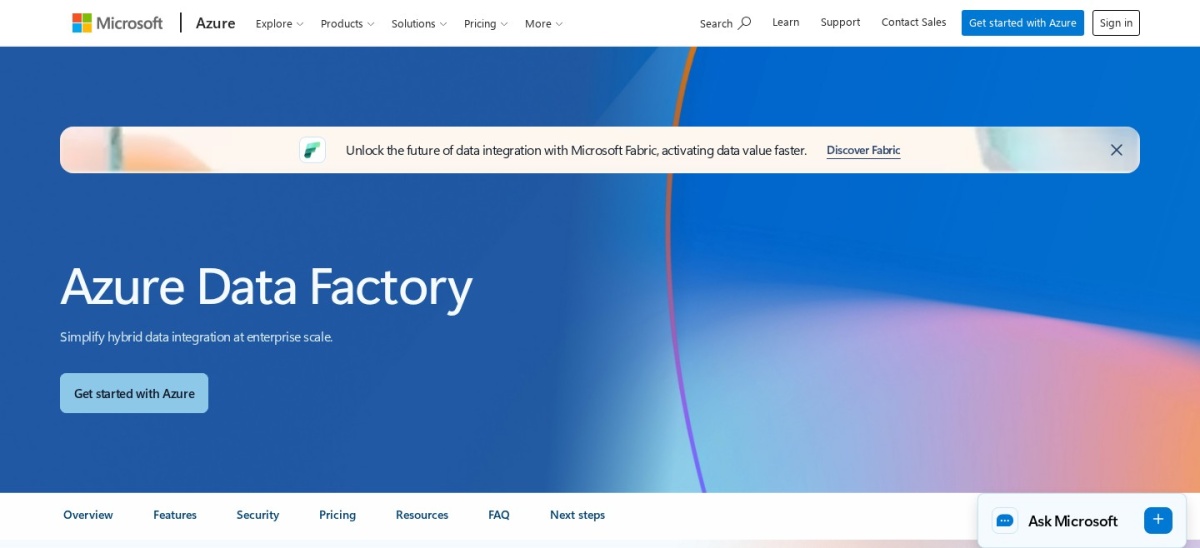
Azure Data Factory is Microsoft's fully managed, serverless data integration service for building automated pipelines. Its low-code visual designer moves and transforms data across Azure services with 90+ connectors.
The trade off is the meter maze and the Azure lock-in. Orchestration bills per 1,000 runs, data movement per DIU-hour, and the vendor pricing page shows no dollar figures, so the $1 rate rests on secondary reads. It suits teams already on Azure.
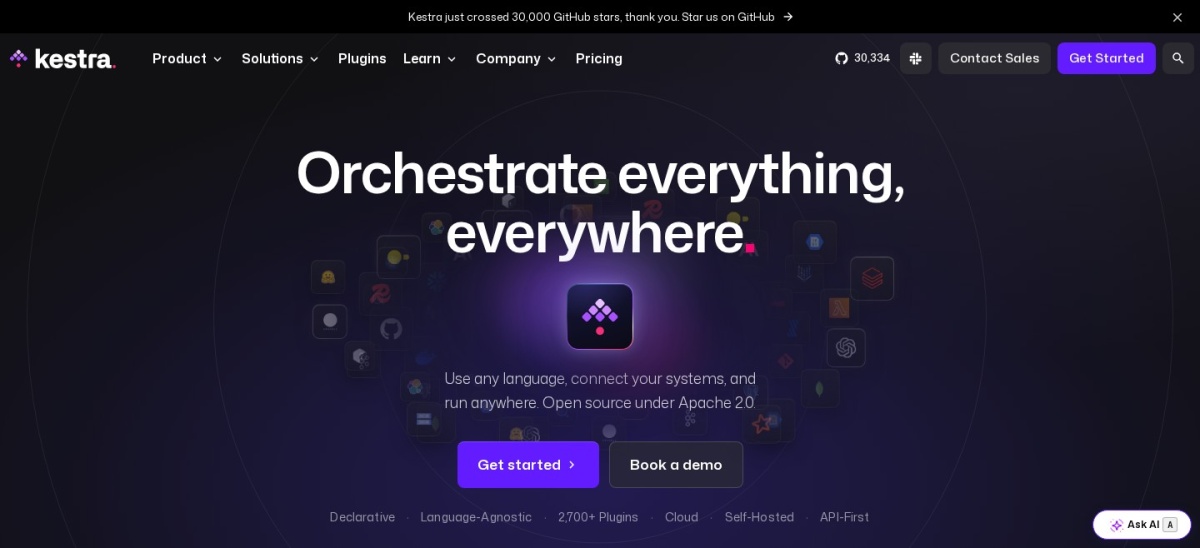
Kestra is an open-source, event-driven orchestrator where workflows are declared in YAML. Task runners cover Python, SQL, Bash, R and Node.js, plugins number over 2,600, and flows can be read by non-coders.
The trade off is the smaller community and the unpublished paid prices. Enterprise is a per-instance annual subscription and Cloud is usage-based, neither with a public price. It suits technical teams willing to self-host.
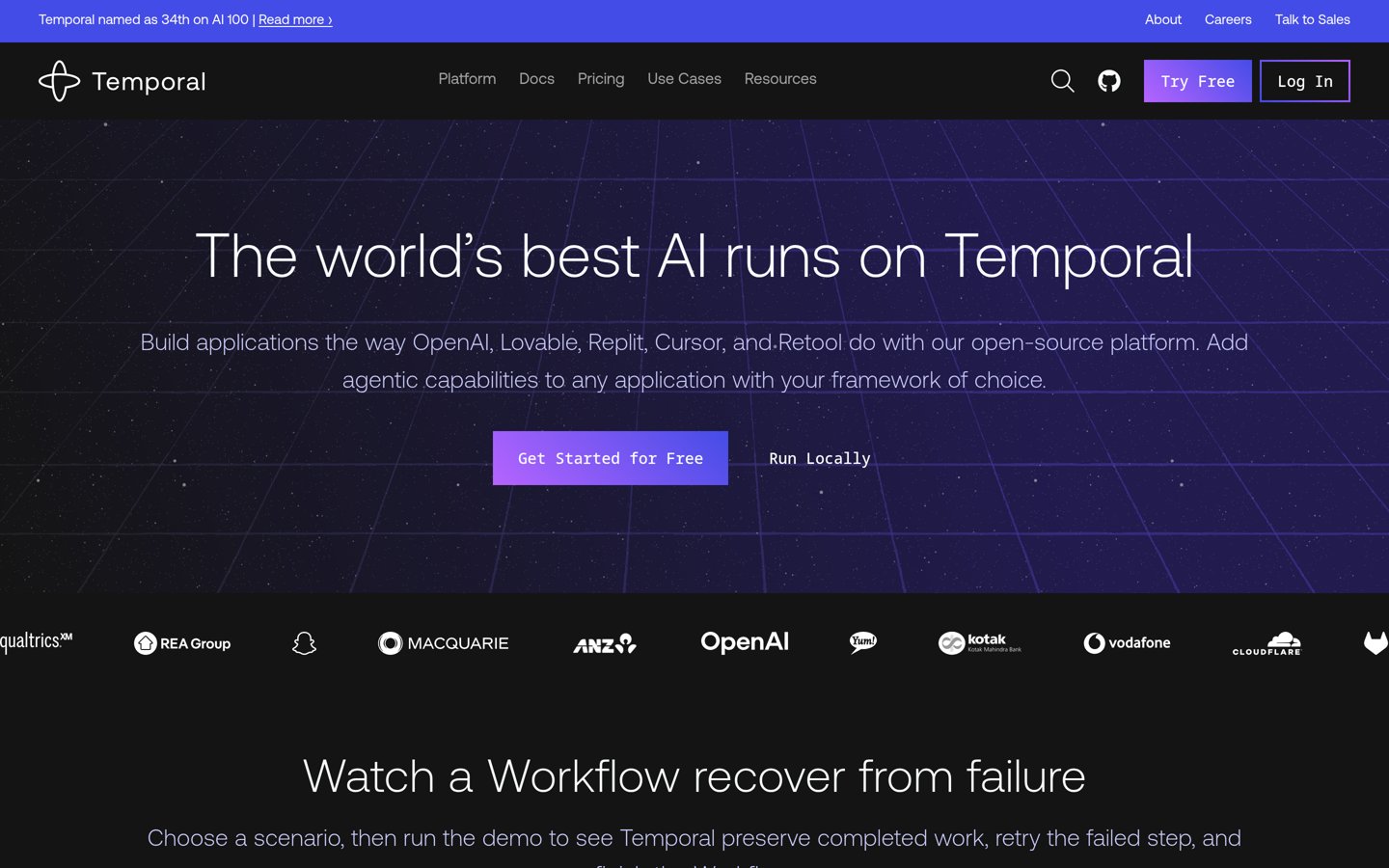
Temporal Cloud is a durable execution platform for long-running workflows that must survive crashes, retries and pauses without losing state. Code stays plain code in your language, and Temporal guarantees the workflow completes.
The trade off is that it is not a data pipeline tool first. Temporal owns application workflows that data orchestrators handle poorly, and the cloud bills $50 per million actions with $150 in credits for 90 days. It suits microservice teams.
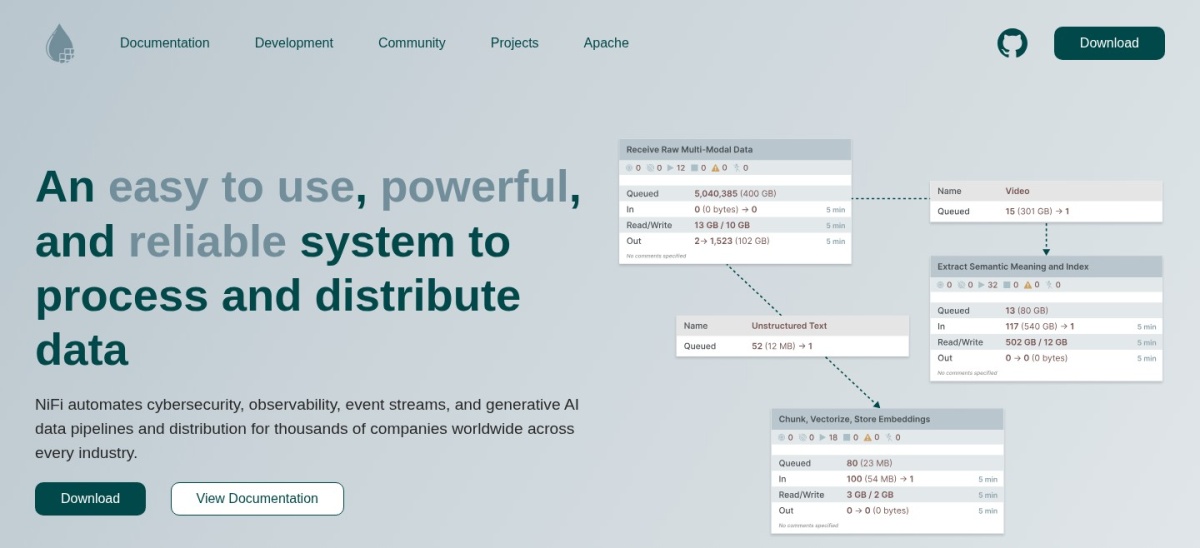
Apache NiFi is an open-source platform for automating the flow of data between systems. Its drag-and-drop canvas routes, transforms and prioritizes data in real time, with provenance tracking for every record.
The trade off is the learning curve and the enterprise feel. NiFi suits streaming and IoT flows more than scheduled batch pipelines, and its G2 rating rests on 26 reviews. It suits teams moving live data streams.
Self-hosted Airflow costs nothing in licences and everything in engineering time: scheduler, workers, metadata database, upgrades and on-call. Teams with a platform engineer keep it; teams without one pay a managed service instead.
Managed Airflow comes in three flavours: Astronomer Astro from $0.35 an hour, Amazon MWAA from $0.49 an hour, and Google Cloud Composer, which bills per environment hour plus compute. All three run your DAGs; the difference is the cloud they live in.
Pick by cloud first. AWS shops start with MWAA, Google shops with Composer, and multi-cloud teams with Astro. The DAGs move between them, so the choice is reversible.
How we chose
We started from the data orchestration tools most commonly shortlisted for scheduling pipelines, then kept the eight with a verifiable G2 rating, a live product and orchestration as a core job.
Prices come from each vendor's pricing page, checked on 25 November 2026. Dagster and Prefect prices were confirmed on their vendor pricing pages today; Astronomer and Azure Data Factory dollar figures are second-hand, since their pricing pages show no dollar rates in fetched text.
We left out Google Cloud Composer, rated 3.5 out of 5 on G2 from 5 reviews, and Amazon MWAA, which has no verifiable G2 rating with a review count. No vendor paid for a place, and we do not claim hands-on testing for this list.
How to choose data orchestration tools
Start with the team — Python engineers, analysts or platform — then check the billing meter.
Name the model. Task-based Airflow and Prefect schedule jobs; asset-based Dagster tracks tables; cloud services like ADF bill per run. The model picks the tool class.
Check the billing meter. Dagster charges per credit, Prefect per seat, Astro per hour, ADF per 1,000 runs and Temporal per million actions. Model your real volume before committing.
Weigh the review base. Airflow, Prefect, Astronomer and ADF carry 100+ G2 reviews each; Dagster has 2 and Kestra 25, so treat their scores as weak signals.
Start free, then decide. Airflow, Dagster, Kestra and NiFi cost nothing to self-host, and Prefect's Hobby tier is free. Run a real pipeline before paying for a managed cloud.
FAQ
What is the best data orchestration tool?
Apache Airflow is the best data orchestration tool for most teams: free, open source, and the standard every data engineer knows. Dagster leads for asset-based pipelines and Prefect for the lightest Python setup.
How much does data orchestration cost?
Self-hosted Airflow, Dagster, Kestra and NiFi are free. Managed options start at $10 a month for Dagster Solo, $100 a month for Prefect Starter, and $0.35 an hour for Astronomer Astro.
Did Prefect buy Dagster?
Yes. Prefect announced it was acquiring Dagster Labs on 13 July 2026. Dagster keeps its name and Apache 2.0 licence, but buyers should watch how the two products converge.
What is the difference between Airflow and Dagster?
Airflow schedules tasks defined as Python DAGs, while Dagster tracks data assets such as tables and files, with lineage and quality checks built in. Airflow has the bigger ecosystem; Dagster has the better asset model.
Is Azure Data Factory an orchestration tool?
Yes. Azure Data Factory is Microsoft's serverless orchestration and integration service, with a low-code visual designer and 90+ connectors. It suits teams already running on Azure.
Which orchestration tool is best for long-running workflows?
Temporal Cloud is the best pick for long-running, fault-tolerant workflows that must survive crashes and retries. Data orchestrators handle scheduled batch pipelines; Temporal owns durable application workflows.
SaaS SEO and WordPress specialist with about 8 years of experience. Rakib compares WordPress plugins, themes, hosting and software using public pricing, documentation and user reviews. See how we rank.