ScalaHosting is the best cloud hosting company for most sites, with fully managed servers, free SPanel and the highest G2 rating in this list. Pick Cloudways if you want managed hosting on DigitalOcean or AWS without server work, and DigitalOcean if you want the cheapest raw cloud server.
How we make this list: we compare pricing pages, product documentation and public user reviews, then re-check every price before each update. No product paid for a place. Disclosure.
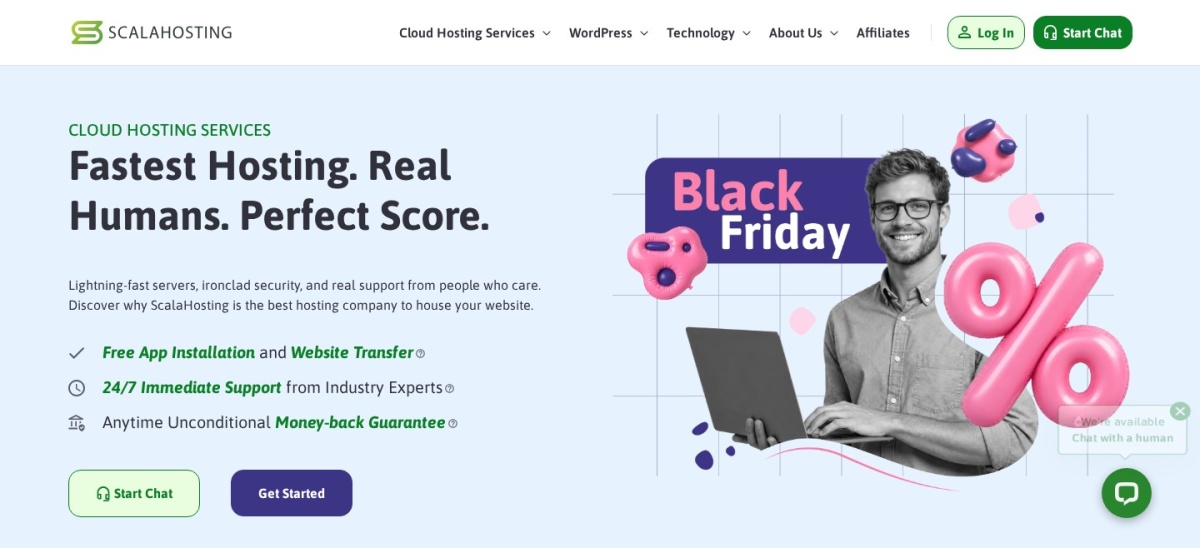
ScalaHosting leads on G2 at 4.8 out of 5 and includes a free control panel, SPanel, plus managed support on every cloud plan.
Cloudways is the only managed option here that lets you pick DigitalOcean, Vultr, Linode, AWS or Google Cloud underneath.
DigitalOcean, Linode, Vultr and Kamatera all start at $4 to $5 a month with flat pricing and no renewal jump.
AWS and Google Cloud bill by the second with no flat monthly price, so small test servers cost little and big ones scale without a plan change.
Hostinger and ScalaHosting show low first-term prices that renew much higher, so budget for the renewal rate, not the headline.
What cloud hosting actually means
Cloud hosting rents virtual servers from a provider's data centres instead of one physical machine. Your site runs on shared hardware with resources you can raise or lower, and you pay for what you use.
There are two kinds in this list. Raw cloud servers from DigitalOcean, Vultr, Linode, AWS and Google Cloud give you a blank machine to set up yourself. Managed cloud hosting from ScalaHosting, Cloudways and Hostinger adds a control panel, security and support.
Prices split the same way. Raw servers start at $4 to $5 a month with flat rates, while managed plans cost more because the host runs the server for you. Our guide to the best website hosting platform covers the managed side in more detail.
Uptime and support matter more than headline speed. A cheap server with slow support costs more in downtime than a pricier plan with fast help, so check the rating and the renewal price before you commit.
ScalaHosting is a managed cloud hosting company from Dallas, Texas, that runs its cloud servers with dedicated CPU and RAM and its own free control panel, SPanel. Every plan includes free SSL certificates, daily offsite backups, a free CDN, real-time malware protection and free migration, and it holds the highest G2 rating in this list at 4.8 out of 5.
The trade off is the renewal price. Entry Cloud lists at $11.21 a month on a 12-month first term during the current Black Friday sale, then renews at $39.95 a month, so the second year costs far more than the first. It suits site owners who want a fully managed server and are happy to pay for support rather than run a server themselves.
Cloud providersDigitalOcean, Vultr, Linode, AWS, Google Cloud
Storage25 GB NVMe
Support24/7 live chat
cloudways.com
Cloudways homepage, captured Nov 2026.
Cloudways is a managed hosting platform that sits on top of DigitalOcean, Vultr, Linode, AWS and Google Cloud, so you pick the infrastructure and Cloudways handles the server work. The Micro plan costs $14 a month with 1 GB of RAM, 1 vCPU, 25 GB of NVMe storage and 1 TB of transfer, and every plan includes free SSL, automated backups, staging and a Cloudflare CDN add-on.
The trade off is that you pay Cloudways on top of the underlying cloud cost, so the same DigitalOcean server costs more here than direct, and the entry plan is small for busy stores. It suits agencies and site owners who want cloud servers without touching a command line.
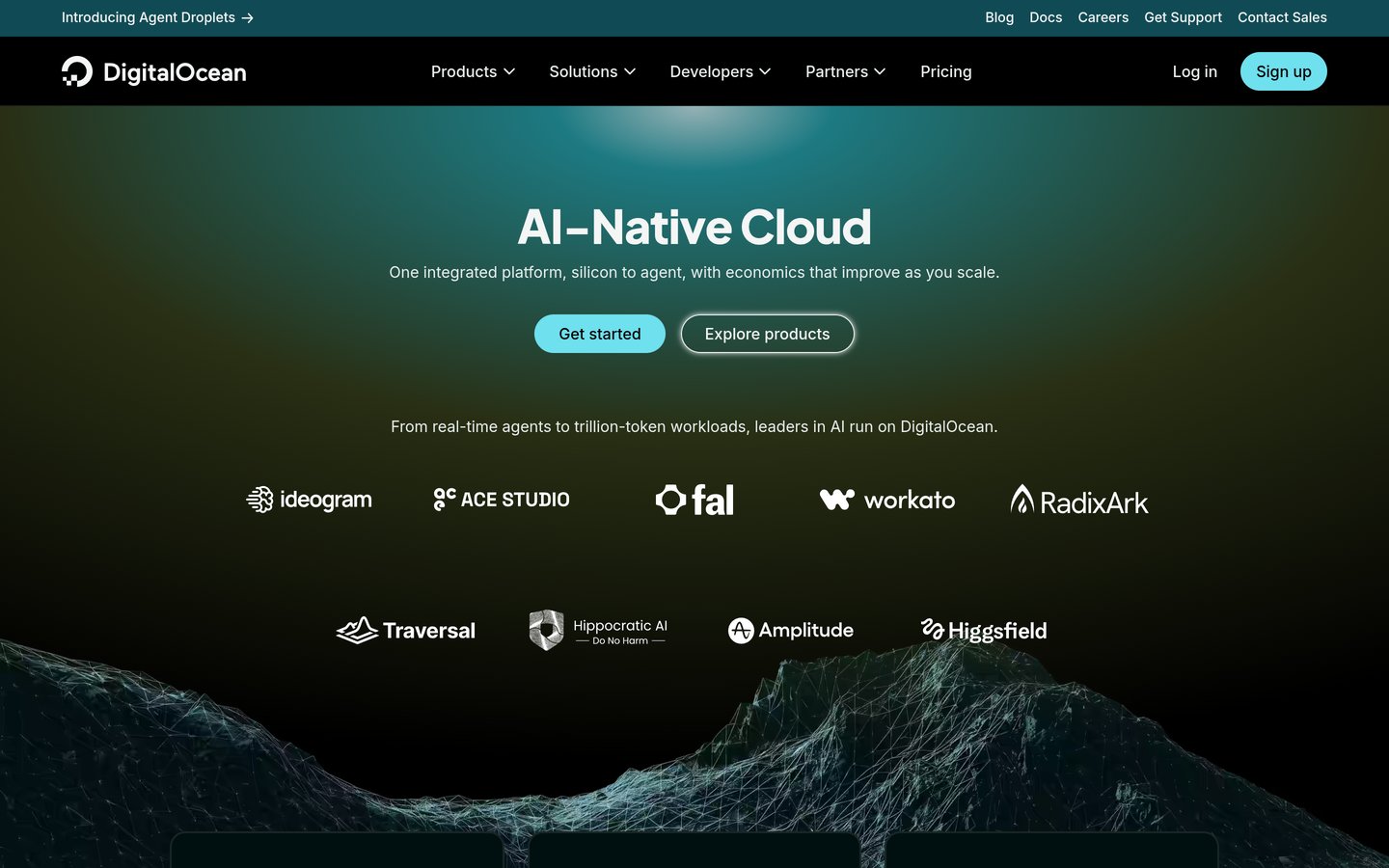
DigitalOcean is a developer-focused cloud company whose virtual servers, called Droplets, start at $4 a month with 512 MiB of memory, 1 vCPU, 10 GiB of SSD storage and 500 GiB of outbound transfer. Billing moved to per-second in January 2026 with a monthly cap, so a Droplet never costs more than its flat monthly price, and the company reports more than 600,000 customers.
The trade off is that Droplets are unmanaged, so you install the operating system, security updates and backups yourself, and support is limited on the cheapest plans. It suits developers and small teams who are comfortable with a command line and want a simple, predictable bill.
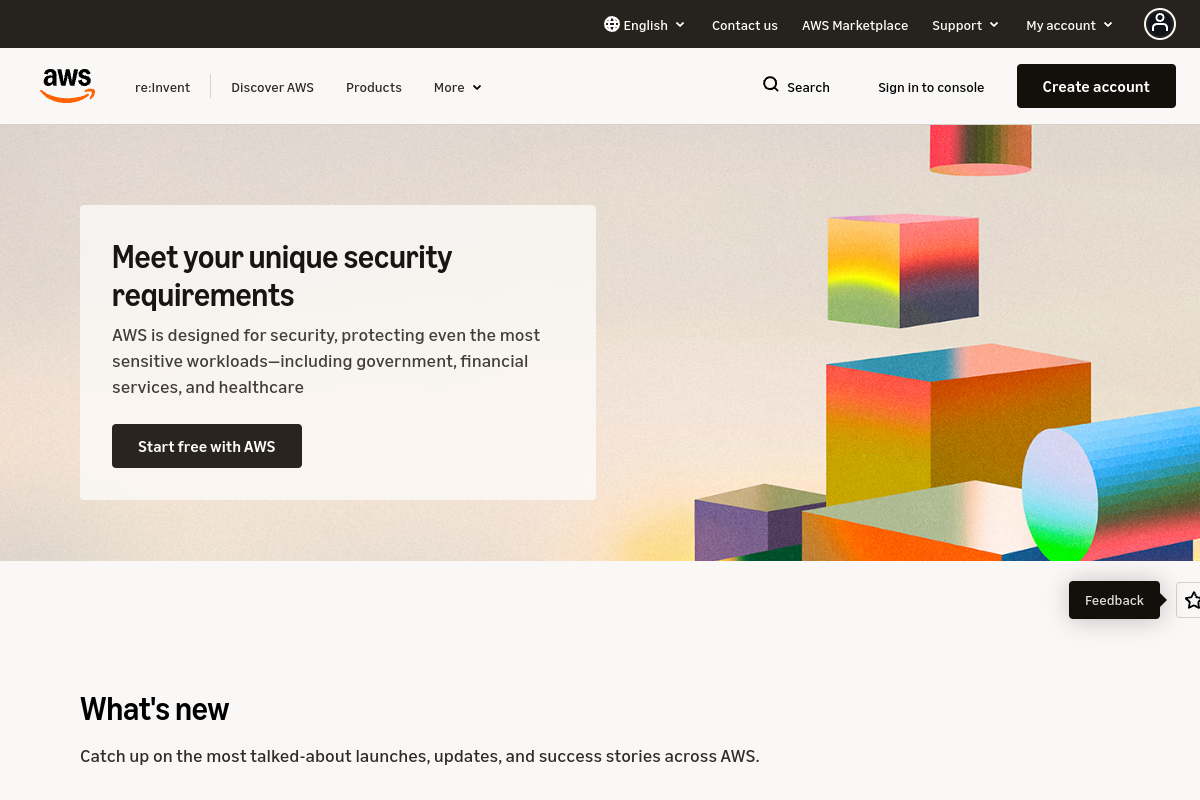
Amazon EC2 is the compute service of Amazon Web Services, the largest cloud platform in this list, with more than 750 instance types across 30-plus regions. Billing is per second with no flat monthly price, and new accounts get 750 hours of the small t3.micro instance free each month for the first year.
The trade off is complexity. EC2 pricing depends on instance type, region, operating system and purchase model, so bills are hard to predict, and support costs extra unless you buy a plan. It suits teams that already run on AWS or need services no smaller host offers.
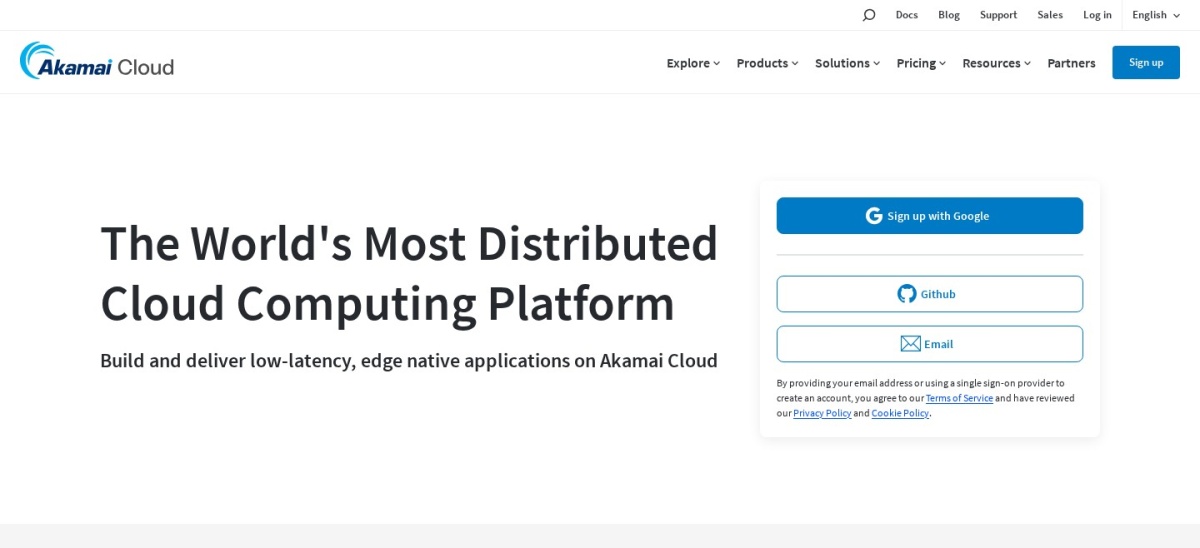
Akamai Cloud (Linode) homepage, captured Nov 2026.
Akamai Cloud (Linode) is the new name for Linode, a long-running developer cloud that Akamai bought and now runs across more than 40 regions. The entry Nanode plan costs $5 a month with 1 vCPU, 1 GB of RAM, 25 GB of SSD storage and 1 TB of transfer, and the price stays flat with no renewal jump.
The trade off is that Nanode servers are unmanaged shared CPU machines, so performance varies under load and you handle setup and security yourself. It suits developers who want a stable, simple cloud server with a price that never changes.
What we like
Flat $5 price with no renewal jump
More than 40 regions worldwide
Clean panel and strong documentation
Watch out for
Unmanaged shared CPU, performance varies
Smaller service catalogue than AWS or Google Cloud
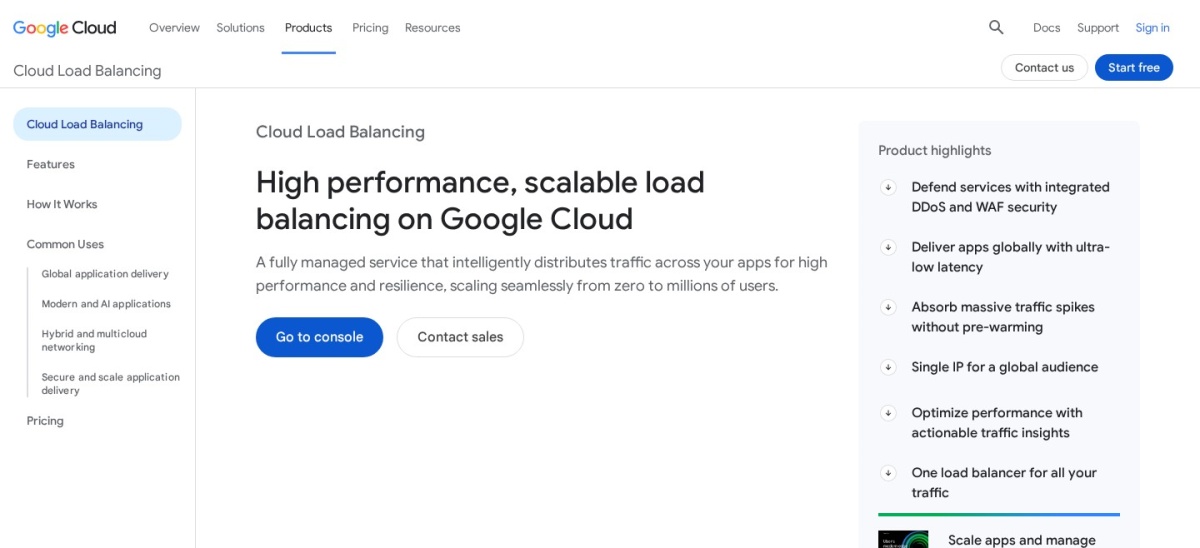
Google Compute Engine homepage, captured Nov 2026.
Google Compute Engine is the virtual machine service of Google Cloud, with per-second billing and sustained-use discounts that lower the price automatically as a VM keeps running. The small e2-micro VM is covered by the Always Free tier in selected regions, so a tiny test server costs nothing, and new accounts also get $300 in credit for 90 days.
The trade off is that the console and pricing feel built for engineers, with many machine families and options that confuse first-time buyers. It suits teams already on Google Cloud or using BigQuery and Google Workspace alongside their servers.
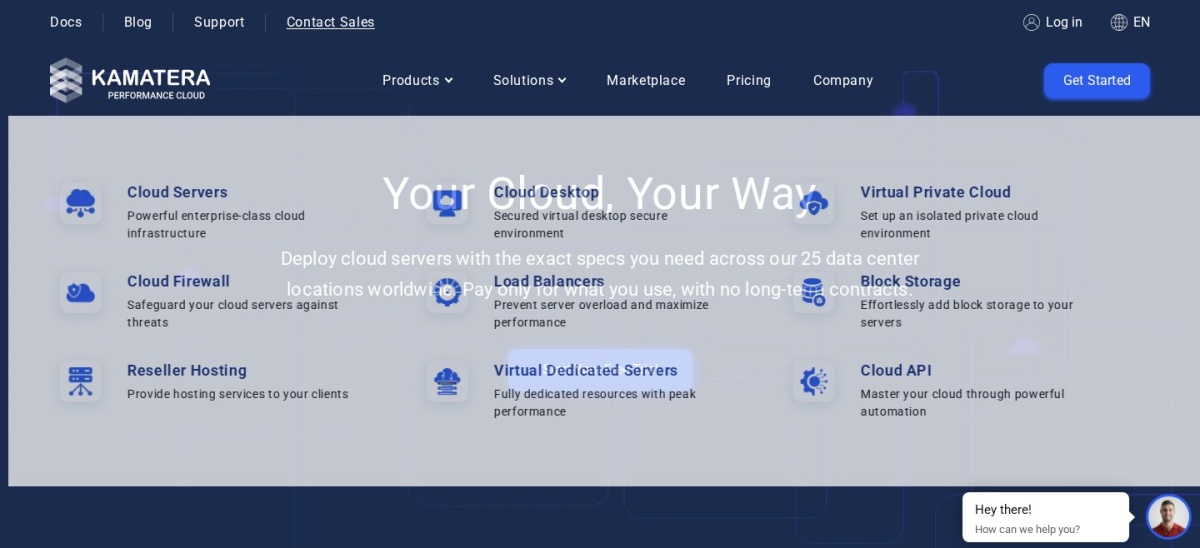
Kamatera is a cloud infrastructure company that lets you size each server yourself, picking CPU, RAM, storage, operating system and region per machine instead of fixed instance sizes. The basic server costs $4 a month with 1 vCPU and 1 GB of RAM, billed per minute, and a 30-day free trial includes $100 in credit.
The trade off is that Kamatera is unmanaged and its G2 rating rests on only 3 reviews, so the score is thin evidence beside the hundreds behind the other tools here. It suits developers who want exact control over server size and are happy to manage the machine themselves.
Hostinger is a large hosting company with more than 3 million customers, and its Cloud Startup plan is a fully managed cloud server with dedicated resources. It includes 4 CPU cores, 4 GB of RAM, 100 GB of NVMe storage, unlimited websites, a dedicated IP address, daily backups and the company's own hPanel dashboard.
The trade off is the renewal jump. Cloud Startup costs $7.99 a month on a 48-month first term, then renews at $25.99 a month, so the long-term cost is more than three times the headline price. It suits beginners who want a managed server and are happy to prepay four years for the low first-term rate.
What we like
Dedicated 4 cores and 4 GB RAM on the entry plan
Fully managed with hPanel and daily backups
Largest customer base in this list
Watch out for
Renews at more than three times the first-term price
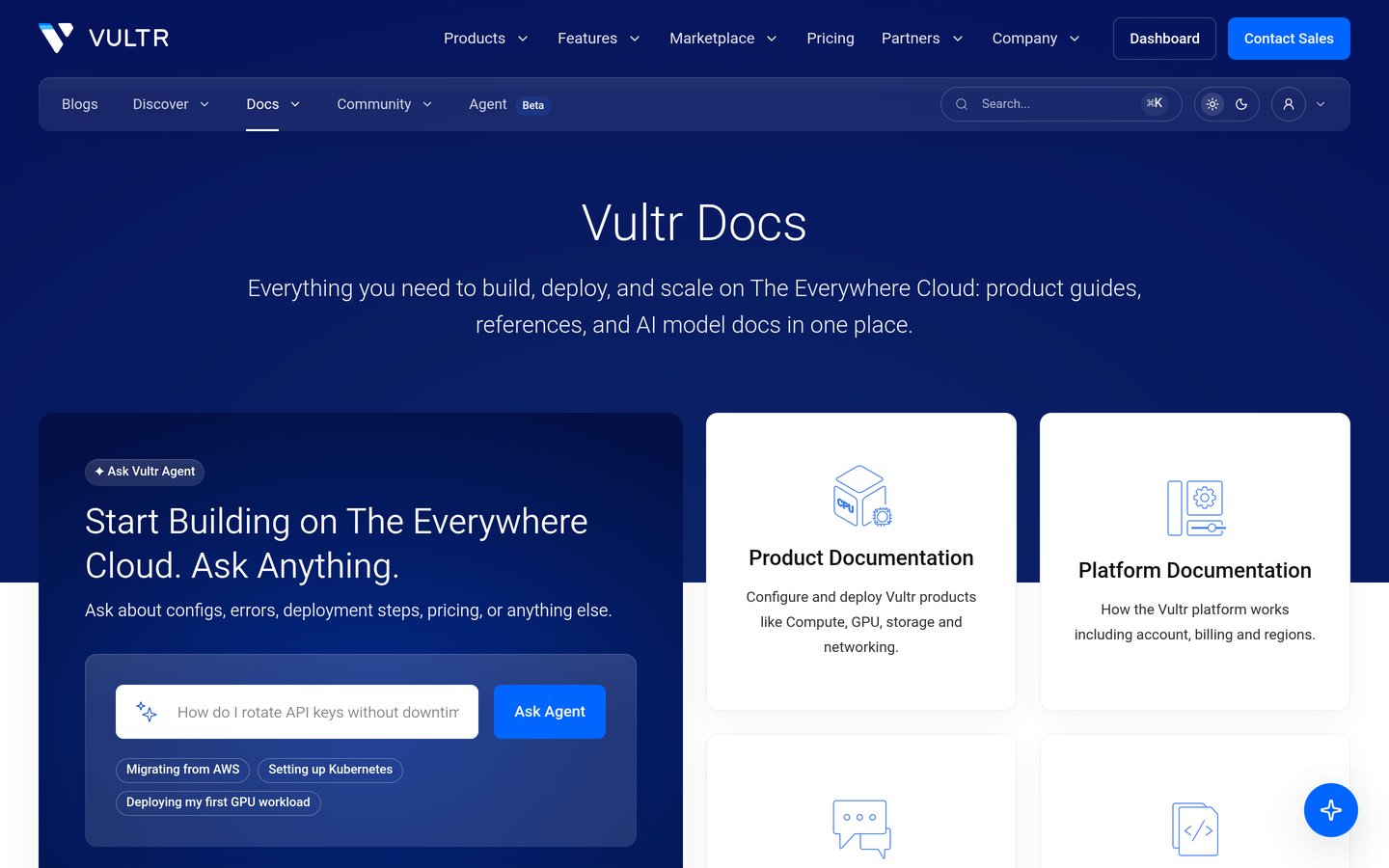
Vultr is a cloud compute company with servers in more than 30 locations worldwide, the widest footprint among the budget tools in this list. Standard cloud compute starts at $5 a month with 1 vCPU, 1 GB of RAM, 25 GB of SSD storage and 1 TB of transfer, billed hourly with no promo pricing or renewal jump.
The trade off is that Vultr servers are unmanaged, so you set up the operating system, firewall and backups yourself, and its G2 rating is the lowest in this list. It suits developers who need a server close to their visitors in a region the bigger names do not cover well.
Raw servers from DigitalOcean, Vultr, Linode, Kamatera, AWS and Google Cloud are cheaper and more flexible, but you install and secure everything yourself.
Managed cloud from ScalaHosting, Cloudways and Hostinger costs more per month because the host runs the server, patches it and answers support tickets.
If you run WordPress, managed hosting usually wins. Our best website hosting platform list covers managed hosts in more detail, and a raw server only pays off if you enjoy server work.
Whichever route you take, budget for the renewal price. Hostinger and ScalaHosting both show low first-term prices that rise sharply on renewal.
How we chose
We started from the cloud hosting companies with a public G2 rating and a listed starting price, then kept nine that cover raw servers, managed cloud and the big hyperscalers.
Prices come from each vendor's pricing page or from price lists quoting the vendor's own pages, checked on 25 November 2026. The list shows the regular renewal price where a vendor discounts the first term, and AWS and Google Cloud bill by usage with no flat price.
We left out providers without a verifiable G2, Capterra or Trustpilot rating. No vendor paid for a place, and we do not claim hands-on testing for this list.
How to choose a cloud hosting company
Start with how much server work you want to do, then match the price to it.
Decide raw or managed. Raw servers are cheaper but you run everything yourself. Managed plans cost more and include support, backups and a control panel.
Check the renewal price. Hostinger and ScalaHosting renew far above their first-term prices. Flat-rate hosts like DigitalOcean, Vultr and Linode charge the same every month.
Pick a location near your visitors. Vultr covers more than 30 locations and Linode more than 40. A server far from your audience adds latency no plan can fix.
Start small and scale up. A $4 to $5 server runs a small site fine. Scale the plan when traffic grows instead of paying for capacity you do not use yet.
FAQ
What is the best cloud hosting company?
ScalaHosting is the best overall pick in this list, with a 4.8 out of 5 G2 rating, fully managed servers and a free control panel. Cloudways is the best managed option if you want to choose the underlying cloud, and DigitalOcean is the cheapest raw server at $4 a month.
How much does cloud hosting cost?
Raw cloud servers start at $4 to $5 a month from DigitalOcean, Vultr, Linode and Kamatera, with flat monthly pricing. Managed cloud starts at $14 a month with Cloudways, while AWS and Google Cloud bill by the second with no flat monthly price.
Is cloud hosting better than shared hosting?
Cloud hosting gives you dedicated resources that scale up and down, while shared hosting splits one server between many sites. Cloud costs more and needs more setup, so shared hosting still suits small sites with little traffic.
Do I need managed cloud hosting?
Choose managed hosting if you do not want to run a server yourself, since the host handles setup, security patches, backups and support. Pick a raw server if you are comfortable with a command line and want the lowest price.
Which cloud host has the best support?
ScalaHosting leads on support in this list, with the highest G2 rating and reviewers praising fast, human help around the clock. Cloudways also scores well for support, while the cheapest raw servers offer limited help on entry plans.
Can I switch cloud hosts later?
Yes, you can move a site between cloud hosts, and several tools here include free migration. Managed hosts like ScalaHosting and Cloudways move sites for you, while raw servers need a manual move with backups and DNS changes.
SaaS SEO and WordPress specialist with about 8 years of experience. Rakib compares WordPress plugins, themes, hosting and software using public pricing, documentation and user reviews. See how we rank.