Duolingo is the best free way to start Italian, with a full course at no cost and a paid plan that removes ads and limits. Babbel suits learners who want grammar explained in short structured lessons, while Pimsleur is the pick for speaking practice by ear.
How we make this list: we compare pricing pages, product documentation and public user reviews, then re-check every price before each update. No product paid for a place. Disclosure.
Duolingo teaches Italian free with a full course, and Super costs $83.99 a year.
Babbel explains grammar in short lessons, with a 12-month plan at $107.40 a year.
Busuu adds corrections from native speakers, and Premium costs $72.99 a year.
Pimsleur builds speaking skill with 30-minute audio lessons, from $14.95 a month.
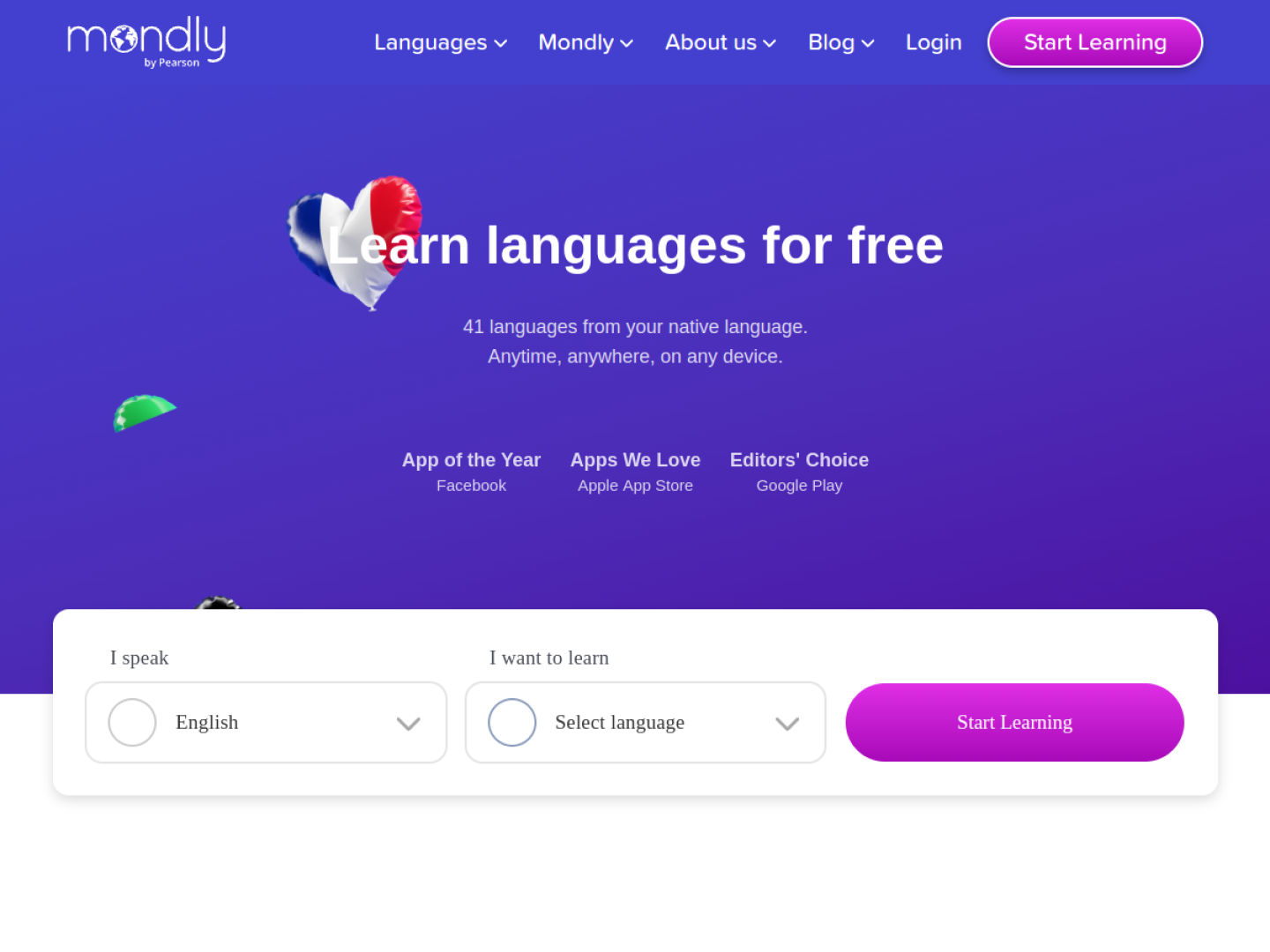
Mondly is the cheapest yearly plan here at $47.99, but its course stays near beginner level.
What to look for in an Italian learning app
Italian rewards daily practice more than long weekend sessions. Ten minutes a day beats two hours once a week, because spaced repetition keeps new words alive.
Look for an app that makes you speak, not just tap. Audio lessons, speech recognition and conversation practice matter more than a big vocabulary list.
A free plan is a good test. Try the free tier for two weeks before paying, and check whether the lessons still feel fresh after the novelty wears off.
Prices vary widely by billing term. Most apps in this list cost far less per year on annual billing than paying month to month, so compare yearly totals, not monthly ones.
1.5/5on Trustpilot (8,301 reviews, checked Nov 2026)
Paid from$83.99/yr
Best free way to start Italian
Italian courseFull course free
Languages40+
Daily lessons5 minutes
Paid planSuper, $83.99/yr
duolingo.com
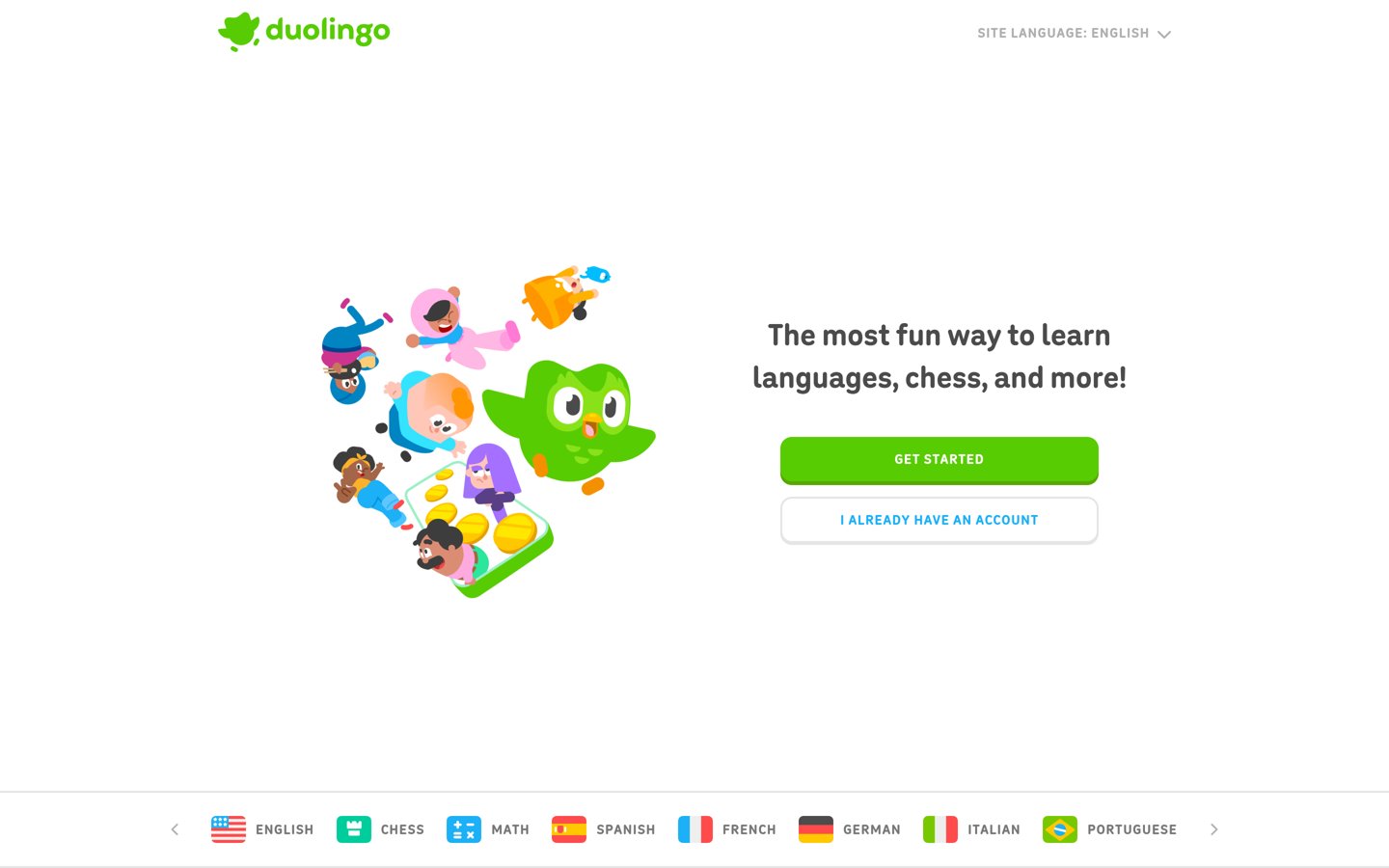
Duolingo homepage, captured Nov 2026.
Duolingo is the most used language app in the world, with 153 million monthly users, and its Italian course is free from the first lesson. Short game-like lessons cover words, grammar, listening and speaking, with streaks and leagues that keep a daily habit going.
The trade off is depth. The free plan caps sessions with an energy limit, and grammar is rarely explained, so learners who want rules spelled out will stall. It suits beginners who want a free daily habit before paying for a deeper course.
4.4/5on Trustpilot (33,493 reviews, checked Nov 2026)
Starts at$107.40/yr
Best structured Italian course
Italian courseBeginner to advanced
Lesson length10 to 15 minutes
Languages14
Paid plan12-month, $107.40/yr
babbel.com
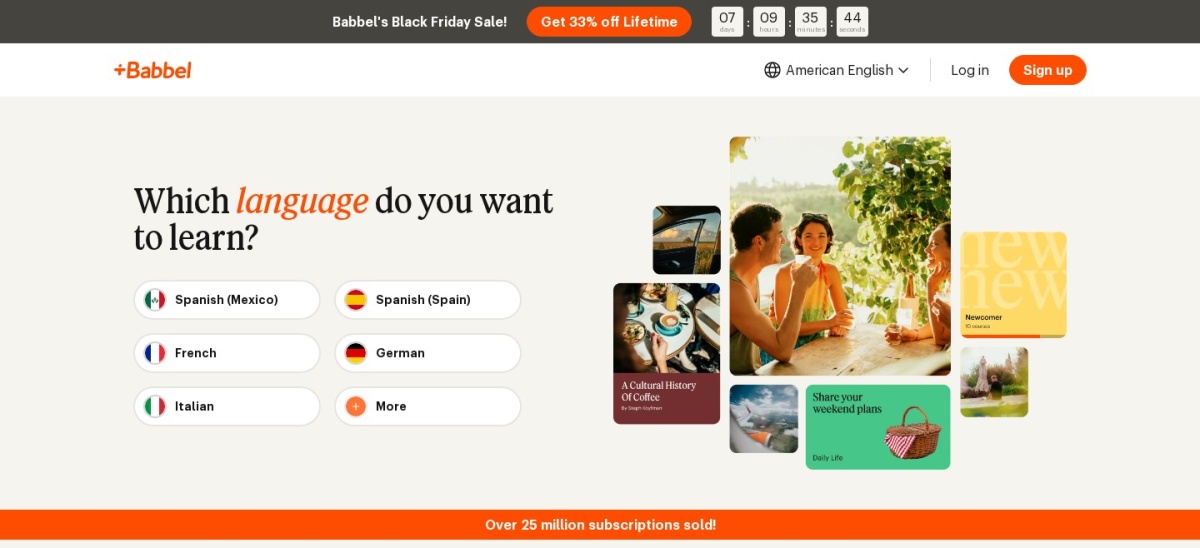
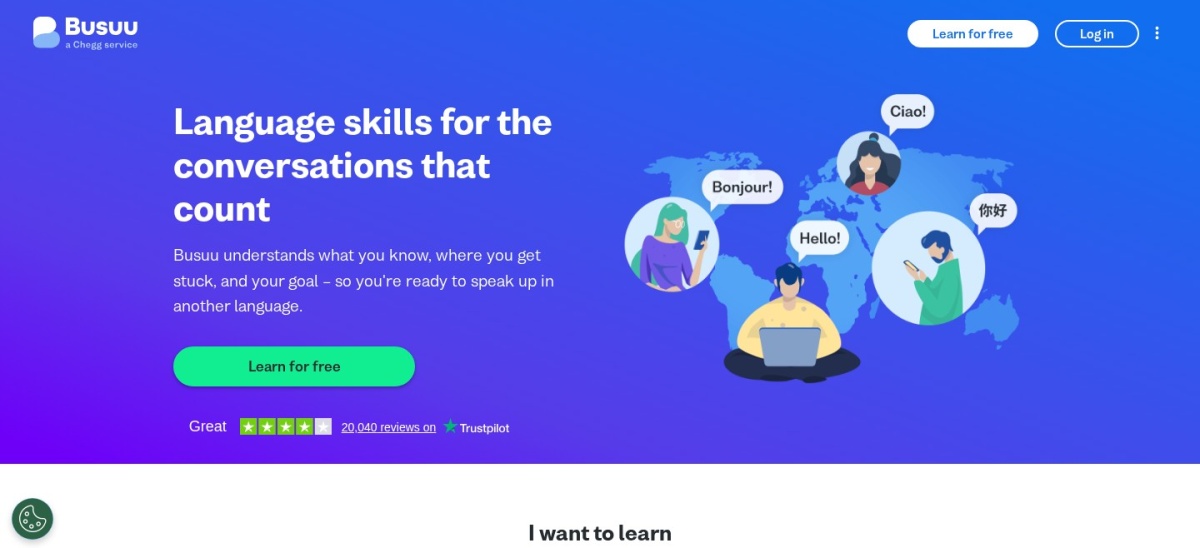
Babbel homepage, captured Nov 2026.
Babbel is a subscription course built by language experts, with Italian lessons that run 10 to 15 minutes and explain grammar in plain English. Dialogues use phrases from real conversations, and review sessions bring back words at set intervals.
The trade off is the free tier. Only the first lesson of each course is free, so real progress needs a subscription, and the 12-month plan costs $107.40 a year. It suits adults who want structure and clear grammar rules.
4.2/5on Trustpilot (19,906 reviews, checked Nov 2026)
Paid from$72.99/yr
Best for feedback from native speakers
Italian courseCEFR levels A1 to B2
Native correctionsYes, from the community
CertificateYes, on Premium
Paid planPremium, $72.99/yr
busuu.com
Busuu homepage, captured Nov 2026.
Busuu is a structured Italian course that follows the CEFR levels from A1 to B2, with grammar and vocabulary review built into each unit. Native speakers correct written and spoken exercises, which is rare at this price.
The trade off is the free plan. It covers only the A1 course, so most learners need Premium at $72.99 a year for the full path. It suits learners who want a clear level to aim for and feedback from real people.
4.3/5on Trustpilot (254 reviews, checked Nov 2026)
Starts at$14.95/mo
Best for speaking Italian by ear
Italian lessons30-minute audio
MethodSpeaking and recall
Languages50+
Paid planAudio-Only, $14.95/mo
pimsleur.com
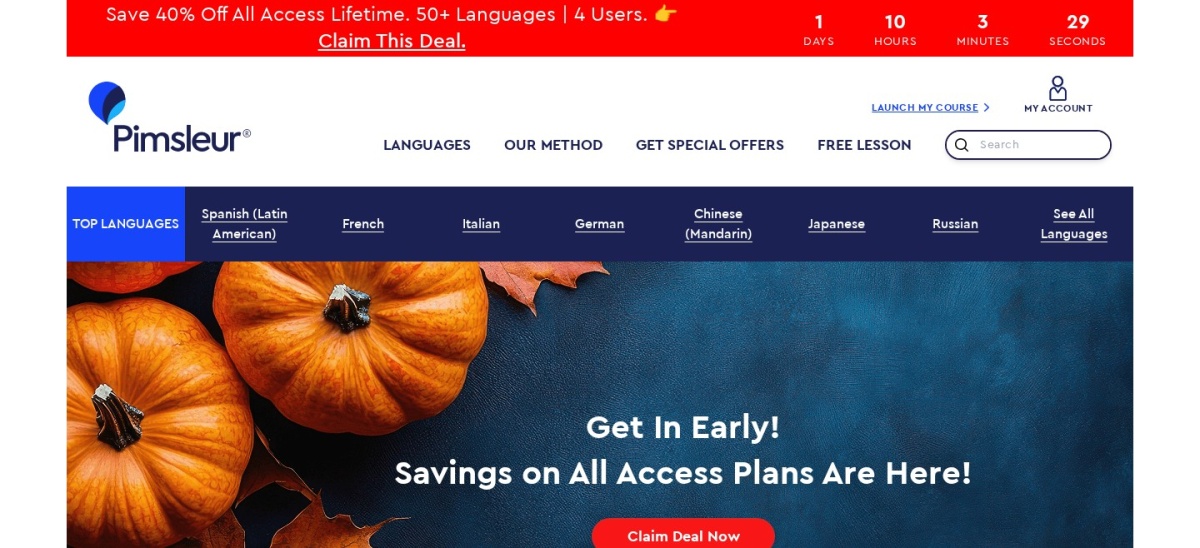
Pimsleur homepage, captured Nov 2026.
Pimsleur is an audio-first Italian course built on 30-minute lessons that ask you to speak from the first minute. A narrator introduces a phrase, prompts you to say it, then brings it back at intervals so recall sticks.
The trade off is price and format. Audio-Only costs $14.95 a month, the most per month here, and there is almost no reading or writing. It suits commuters who want to speak Italian before they can read it.
2/5on Trustpilot (6,972 reviews, checked Nov 2026)
Starts at$159/yr
Best for learning by immersion
Italian courseImmersion, no translation
Speech recognitionTruAccent
Languages25
Paid planSapphire, $159/yr
rosettastone.com
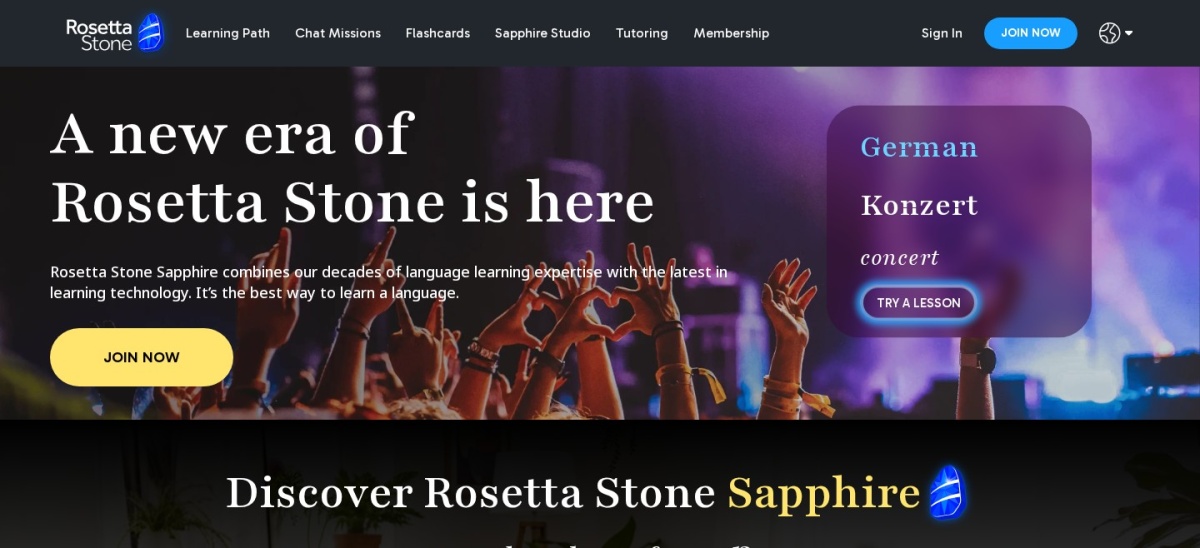
Rosetta Stone homepage, captured Nov 2026.
Rosetta Stone is an immersion course that teaches Italian with pictures, audio and speech recognition, and no English translation from the first lesson. The Sapphire app covers all 25 languages in one subscription.
The trade off is the price and the method. Sapphire costs $159 a year, and learners who want grammar rules spelled out will miss them. It suits visual learners who like to infer rules from context.
1.6/5on Trustpilot (144 reviews, checked Nov 2026)
Paid from$61.99/yr
Best for Italian vocabulary on video
Italian videosNative-speaker clips
AI practiceMemBot chat
Languages149 listed
Paid planPro, $61.99/yr
memrise.com
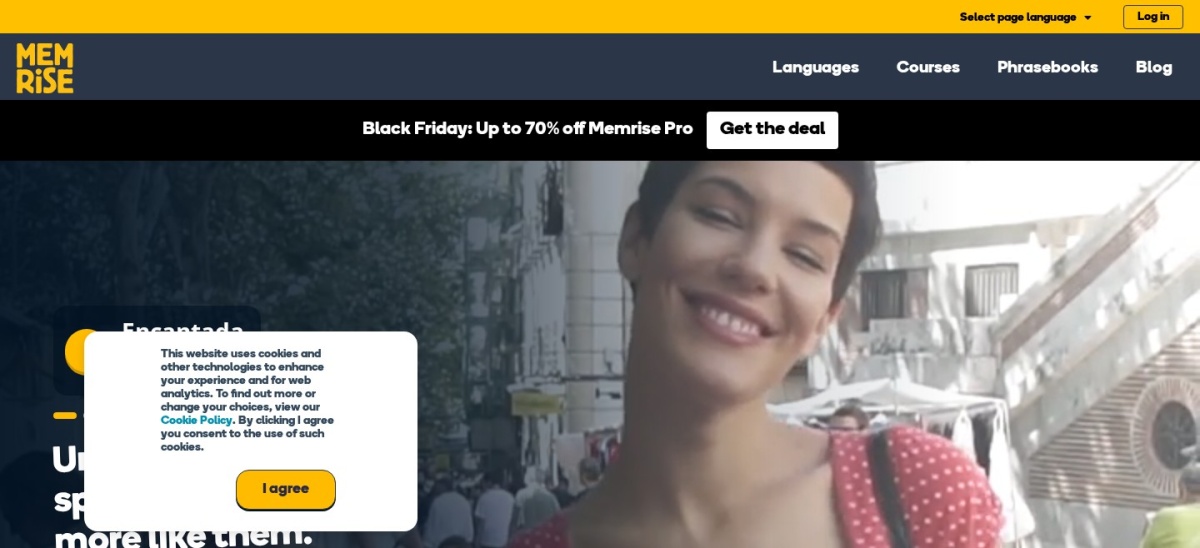
Memrise homepage, captured Nov 2026.
Memrise is a vocabulary app built around short video clips of native speakers using everyday Italian phrases. The free plan includes one speaking session a day, and Pro adds AI chat practice with MemBot.
The trade off is structure. Memrise teaches words and phrases well but offers no full grammar course, so it works best beside a main course. It suits learners who want to hear how Italians really talk.
2.4/5on Trustpilot (787 reviews, checked Nov 2026)
Paid from$47.99/yr
Best cheap start for casual learners
Italian lessonsShort daily topics
Speech recognitionYes
Languages41
Paid planPremium, $47.99/yr
mondly.com
Mondly homepage, captured Nov 2026.
Mondly is a game-like Italian app with short daily lessons, speech recognition and a chatbot for simple conversations. It covers 41 languages, and the yearly plan is the cheapest in this list at $47.99.
The trade off is depth. The course thins out past beginner level, and the company no longer states what level it reaches. It suits casual learners who want fast conversational starts.
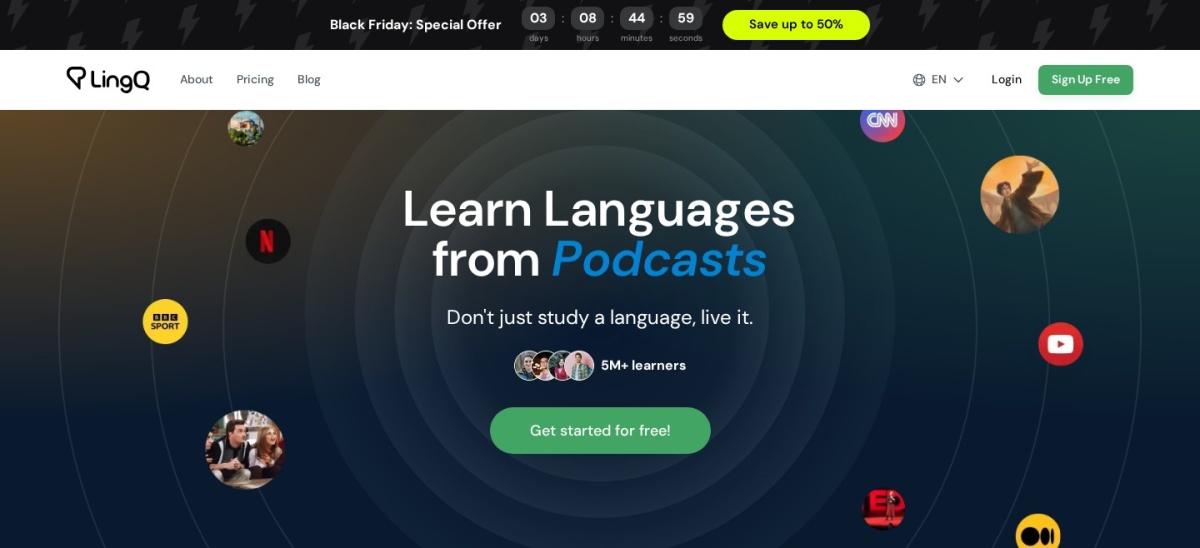
LingQ is a reading and listening app that teaches Italian through real content such as books, podcasts and videos, with a tap to look up any word. Learners can also import their own articles and lessons.
The trade off is price and polish. Premium costs $119.99 a year, and the small Trustpilot base of 24 reviews gives little independent feedback. It suits intermediate learners who learn best from real Italian content.
Free plans cover the basics well. Duolingo, Busuu, Memrise, Mondly and LingQ all teach Italian free, at least at beginner level.
Paid plans mostly add depth and remove limits. You get full courses, offline lessons, more speaking practice and no energy or time caps.
If you only want a holiday phrasebook, the free tiers are enough. For steady progress past beginner level, budget for one paid plan rather than three free apps.
How we chose
We started from the most used Italian learning apps, then kept those with a full Italian course and a published price.
Prices come from each vendor pricing page and app store listings, checked on 25 November 2026. Ratings come from Trustpilot on the same day. Where a vendor shows a sale, the list shows the regular price.
We left out apps with no verifiable rating on Trustpilot, G2 or Capterra. No vendor paid for a place, and we do not claim hands-on testing for this list.
How to choose an app to learn Italian
Start with your goal, then test the free tier before you pay for anything.
Decide what good looks like. Holiday phrases, daily conversation and reading Italian books need different apps, so name your goal before you compare prices.
Try the free plan for two weeks. Use the app every day and see whether lessons still feel fresh. A streak that survives week two is a good sign.
Check the speaking practice. Pick an app with speech recognition, audio lessons or live conversation if you want to talk, not just read.
Compare yearly prices, not monthly ones. Annual billing cuts most of these apps by half or more, so judge each app on its yearly total.
FAQ
What is the best app to learn Italian for free?
Duolingo is the best free start. Its full Italian course costs nothing, with short daily lessons, listening and speaking practice, and streaks that keep a habit going. The free plan caps sessions with an energy limit.
Which app is best for speaking Italian?
Pimsleur is the best pick for speaking. Its 30-minute audio lessons ask you to speak from the first minute and build recall through spaced repetition. Babbel and Busuu add conversation practice with clearer grammar support.
Is Babbel good for Italian?
Yes, Babbel is a strong structured choice for Italian. Lessons run 10 to 15 minutes, explain grammar in plain English and use dialogues from real conversations. Only the first lesson of each course is free.
Can I learn Italian with Duolingo alone?
Duolingo builds a good base of words and simple sentences, but it rarely explains grammar and caps free sessions. Most learners add a speaking app or a grammar course once they pass beginner level.
How much does it cost to learn Italian with an app?
Yearly plans in this list run from $47.99 for Mondly to $159 for Rosetta Stone. Duolingo Super costs $83.99 a year, Babbel $107.40 a year and Busuu $72.99 a year on annual billing.
Which Italian app has the best reviews?
Babbel has the best Trustpilot score in this list at 4.4 out of 5 from more than 33,000 reviews. Pimsleur follows at 4.3, while Duolingo and Memrise score low on Trustpilot despite huge user bases.
SaaS SEO and WordPress specialist with about 8 years of experience. Rakib compares WordPress plugins, themes, hosting and software using public pricing, documentation and user reviews. See how we rank.