Duolingo is the best app to learn Portuguese for most beginners, with a full free course in Brazilian Portuguese and a daily habit that sticks. Babbel is the best structured pick for grammar, while Pimsleur suits learners who want to speak from the first lesson.
How we make this list: we compare pricing pages, product documentation and public user reviews, then re-check every price before each update. No product paid for a place. Disclosure.
Duolingo is the best free start, with a full Brazilian Portuguese course to B2 and Super from $12.99 a month.
Babbel is the best structured course for Brazilian Portuguese grammar, at $8.95 a month on the 12-month plan.
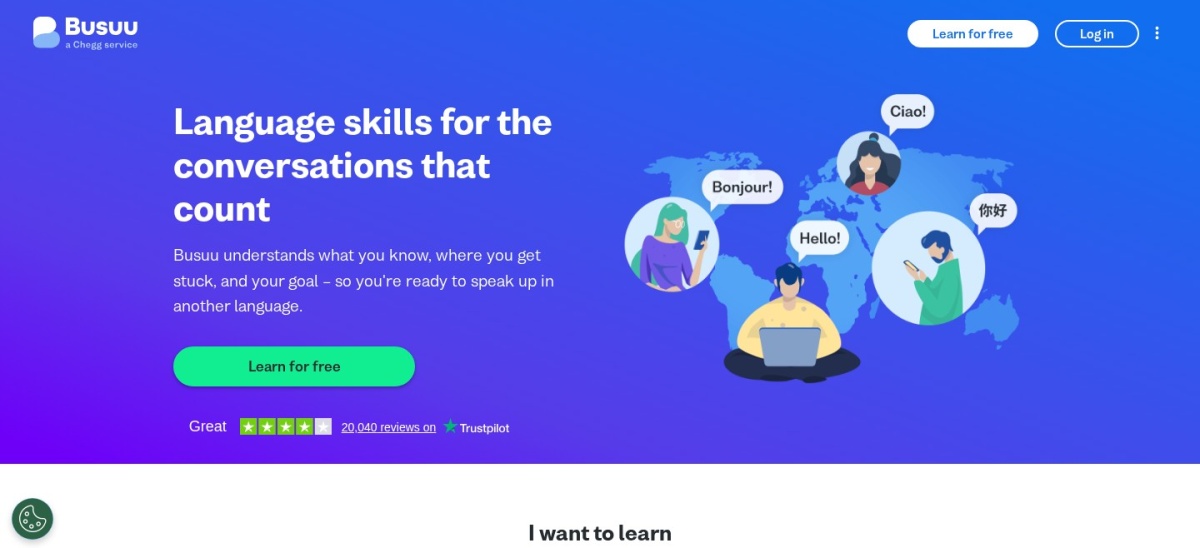
Busuu gives the whole Brazilian course free with native-speaker corrections, and Premium starts at $12.49 a month.
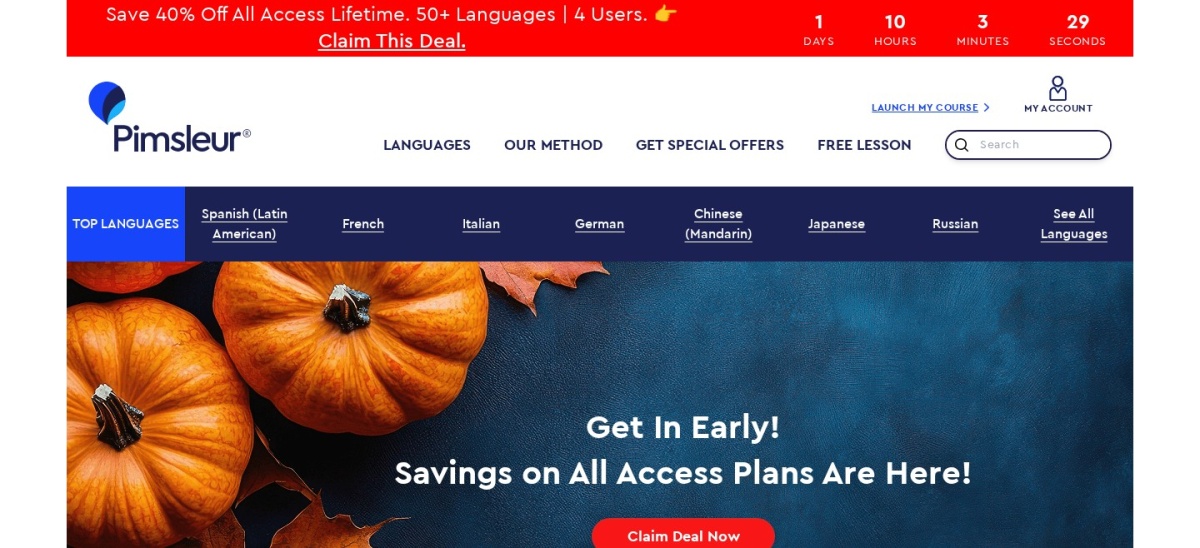
Pimsleur is the only app here with both Brazilian and European Portuguese audio courses, from $14.95 a month.
Memrise, LingQ and Mango cover European Portuguese too; Mango is free through many public libraries.
Brazilian or European Portuguese: pick first
Portuguese has two main varieties, and most apps teach only one. Duolingo, Babbel, Busuu, Rosetta Stone and Mondly teach Brazilian Portuguese, the variety spoken by about 213 million people in Brazil.
Learners headed for Portugal need a European course. Pimsleur sells separate Brazilian and European courses, Memrise has a Portugal course, and LingQ covers European content.
The varieties differ in pronunciation, some grammar and everyday words, but they are mutually intelligible. Starting with the wrong one is not a disaster, but switching later costs time.
Method matters as much as variety. A game-like app builds a daily habit, a structured course teaches grammar, and an audio course builds speaking. Most successful learners pair two apps.
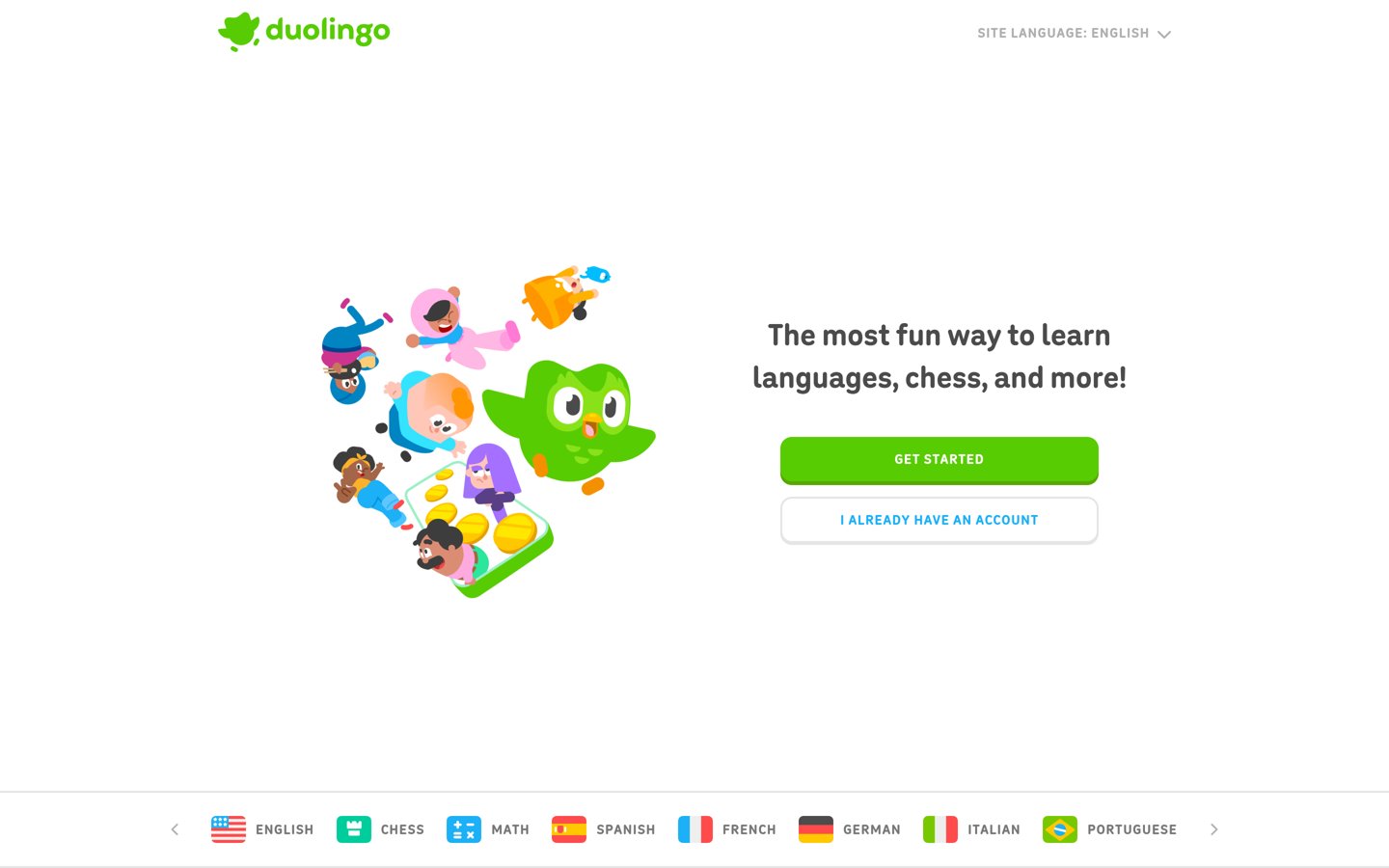
Duolingo is a free language app that teaches Brazilian Portuguese through short, game-like lessons with streaks, leagues and a friendly owl. The full course runs to B2 level and covers vocabulary, listening, speaking and translation in five-minute sessions. Super removes ads and the energy limit, and costs $12.99 a month or $83.99 a year.
The trade off is depth. Duolingo teaches little grammar and no real conversation, so learners plateau after the early levels and need a second app to keep progressing. It suits beginners who want a free daily habit and a gentle start.
4.4/5on Trustpilot (33,124 reviews, checked Nov 2026)
Starts at$8.95/mo
Best structured Portuguese course
Free planFirst lesson of each course
12-month plan$8.95/mo, $107.40/yr
VarietyBrazilian Portuguese only
MethodStructured curriculum, grammar-led
babbel.com
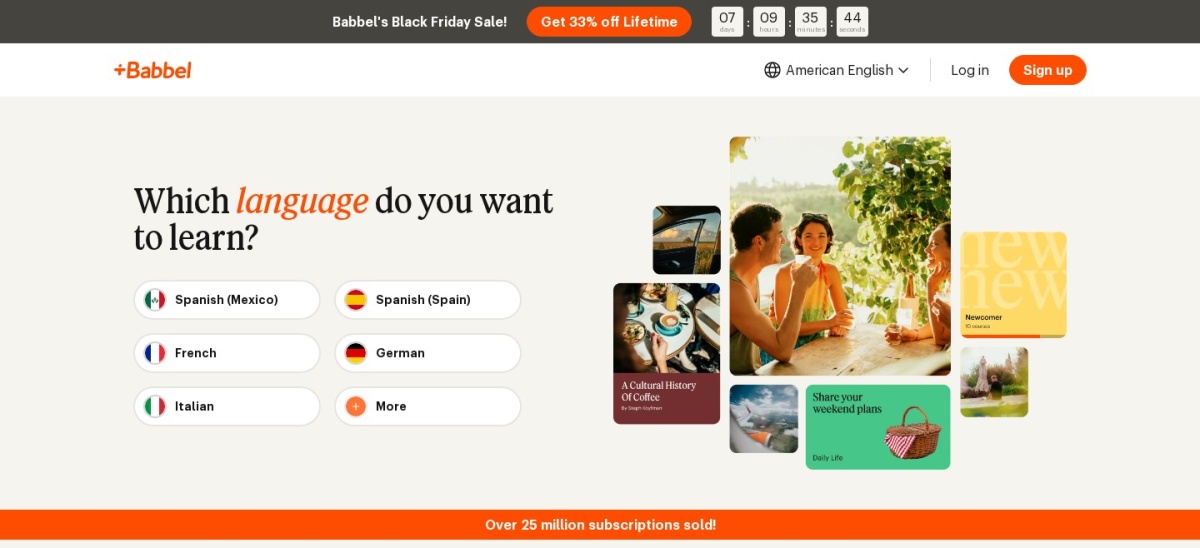
Babbel homepage, captured Nov 2026.
Babbel is a structured language course built by linguists, with grammar explained in plain English and vocabulary tied to real situations like travel, work and daily life. The Brazilian Portuguese course follows a curriculum with speech recognition for pronunciation and a review system for retention. The 12-month plan costs $8.95 a month.
The trade off is that there is no real free plan, only the first lesson of each course, and the language range is smaller than Duolingo. It suits learners who felt Duolingo was fun but shallow and want to understand how Portuguese works.
Busuu is a language app that pairs structured courses with corrections from native speakers. The Brazilian Portuguese course runs from A1 to B2 with 140-plus lessons, grammar tips and vocabulary review, and the free plan covers the whole course with ads. Premium starts at $12.49 a month and adds offline mode and certificates.
The trade off is correction speed. Feedback depends on community activity for Portuguese, and the free tier limits some lessons. It suits learners who want human feedback without paying for a tutor.
4.1/5on Trustpilot (214 reviews, checked Nov 2026)
Starts at$14.95/mo
Best for speaking from lesson one
Free plan7-day trial only
Audio-Only plan$14.95/mo, one language
VarietiesBrazilian and European, separate
Method30-minute audio, spaced repetition
pimsleur.com
Pimsleur homepage, captured Nov 2026.
Pimsleur is an audio course that teaches Portuguese through 30-minute lessons built on spaced repetition and call-and-response. You listen and answer out loud, which builds speaking and listening without a screen. It sells separate Brazilian and European courses, and the Audio-Only plan costs $14.95 a month with a 7-day trial.
The trade off is reading and writing, which receive far less focus, so learners who need literacy should pair Pimsleur with another app. It suits commuters and travellers who want to speak confidently from the first lesson.
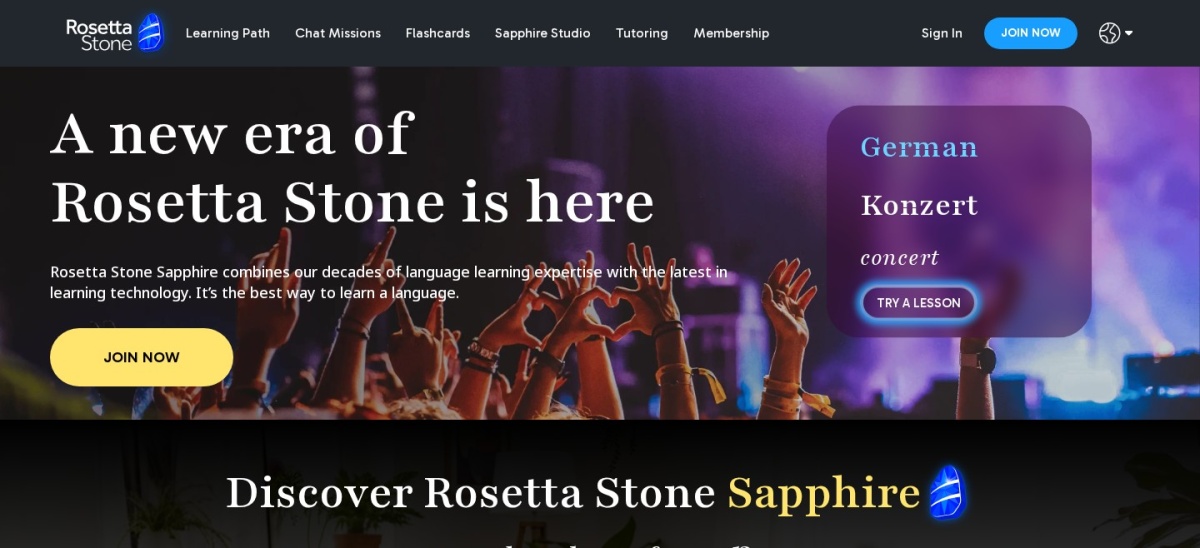
Rosetta Stone is an immersion course that teaches Brazilian Portuguese without translation, using pictures, audio and text so learners connect words directly to meanings. TruAccent scores pronunciation, and the course covers 25 languages in one plan. The monthly plan costs $19.99, or $159 a year, with a 7-day trial.
The trade off is explanation. Grammar rules are rarely explained outright, which frustrates learners who want to know why a form changes, and the price sits above most rivals. It suits visual learners who prefer to absorb patterns through repetition.
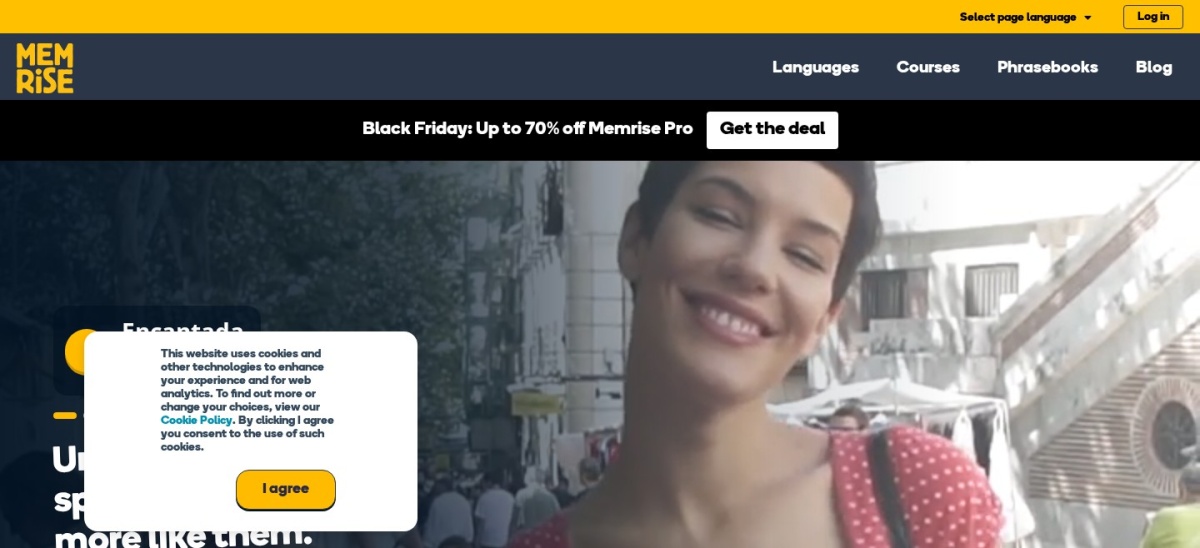
Memrise is a vocabulary app that teaches Portuguese through short videos of native speakers, so learners hear real pronunciation and see real usage. It sells two Portuguese courses: Portugal with 500-plus lessons and Brazil with 200-plus lessons. The free plan includes limited lessons and videos, and Pro costs $24.99 a month or $61.99 a year.
The trade off is price and grammar. The monthly price is far above the annual one, grammar instruction is light, and the G2 base is only 22 reviews. It suits learners who want everyday phrases and native-speaker video for a specific goal.
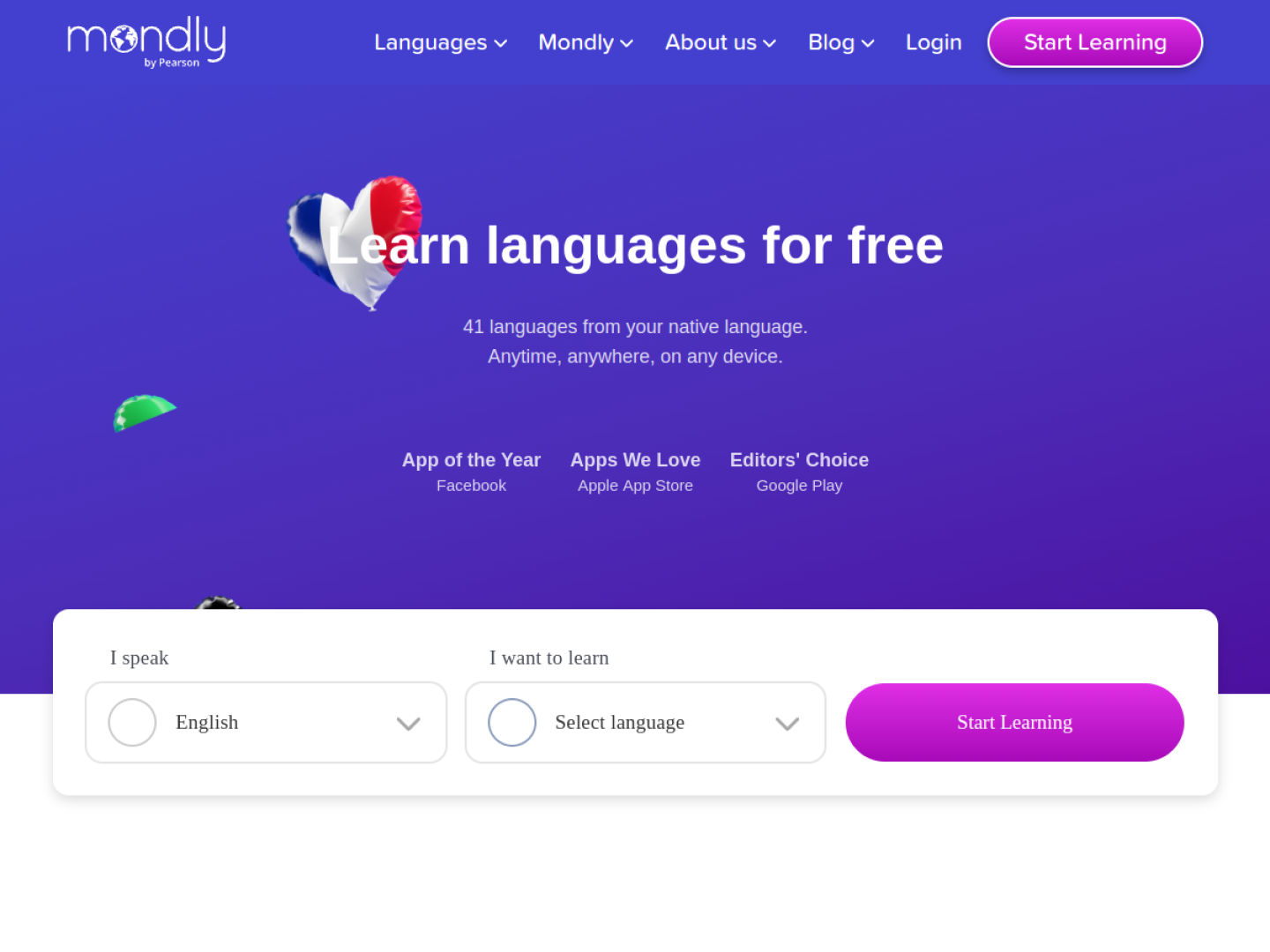
Mondly is a language app from Pearson that teaches Brazilian Portuguese through short daily lessons, a speaking chatbot and tap-to-see verb conjugations. The app promises the 5,000 most useful words and phrases, with lessons built around everyday situations. The free tier covers daily lessons and one chatbot lesson, and Premium costs $12.90 a month.
The trade off is depth. Grammar stays thin, the free tier is a sampler, and the G2 base is only 10 reviews while Trustpilot sits at 2.5 from billing complaints. It suits beginners who want short, gamified lessons and a chatbot to practise with.
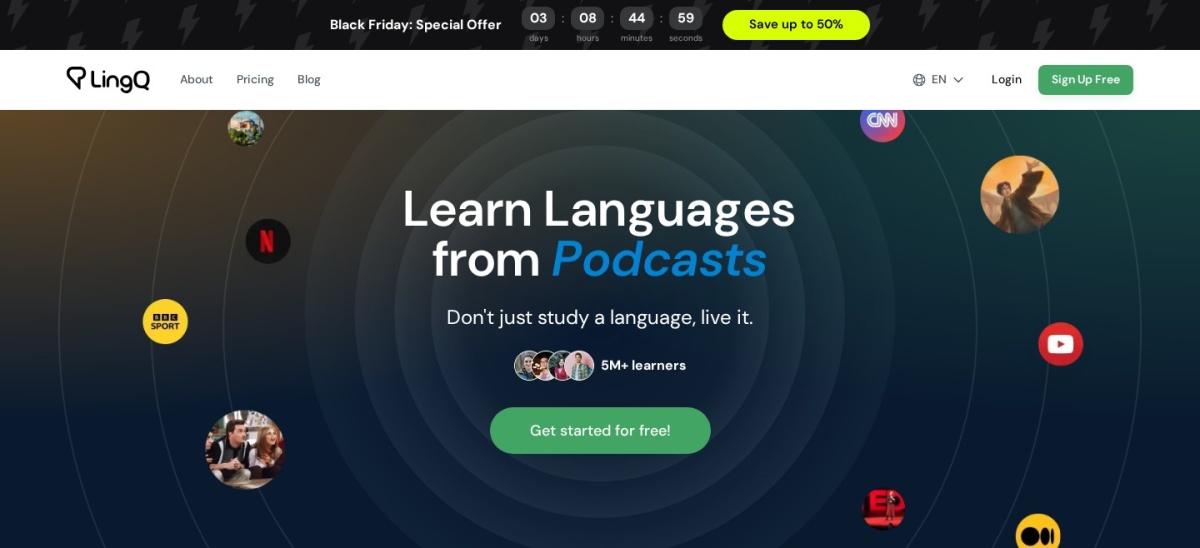
LingQ is a reading and listening app that teaches Portuguese from real content instead of a fixed course. You import or choose articles, books and podcasts, and the app tracks every word you know, are learning or have ignored. The free plan allows 20 saved words and 5 imported lessons, and Premium costs $14.99 a month.
The trade off is guidance. Beginners can feel lost without a set path, the free limit is the strictest here, and the Trustpilot base is only 24 reviews at 2.6. It suits intermediate learners who want to move from exercises to real reading and listening.
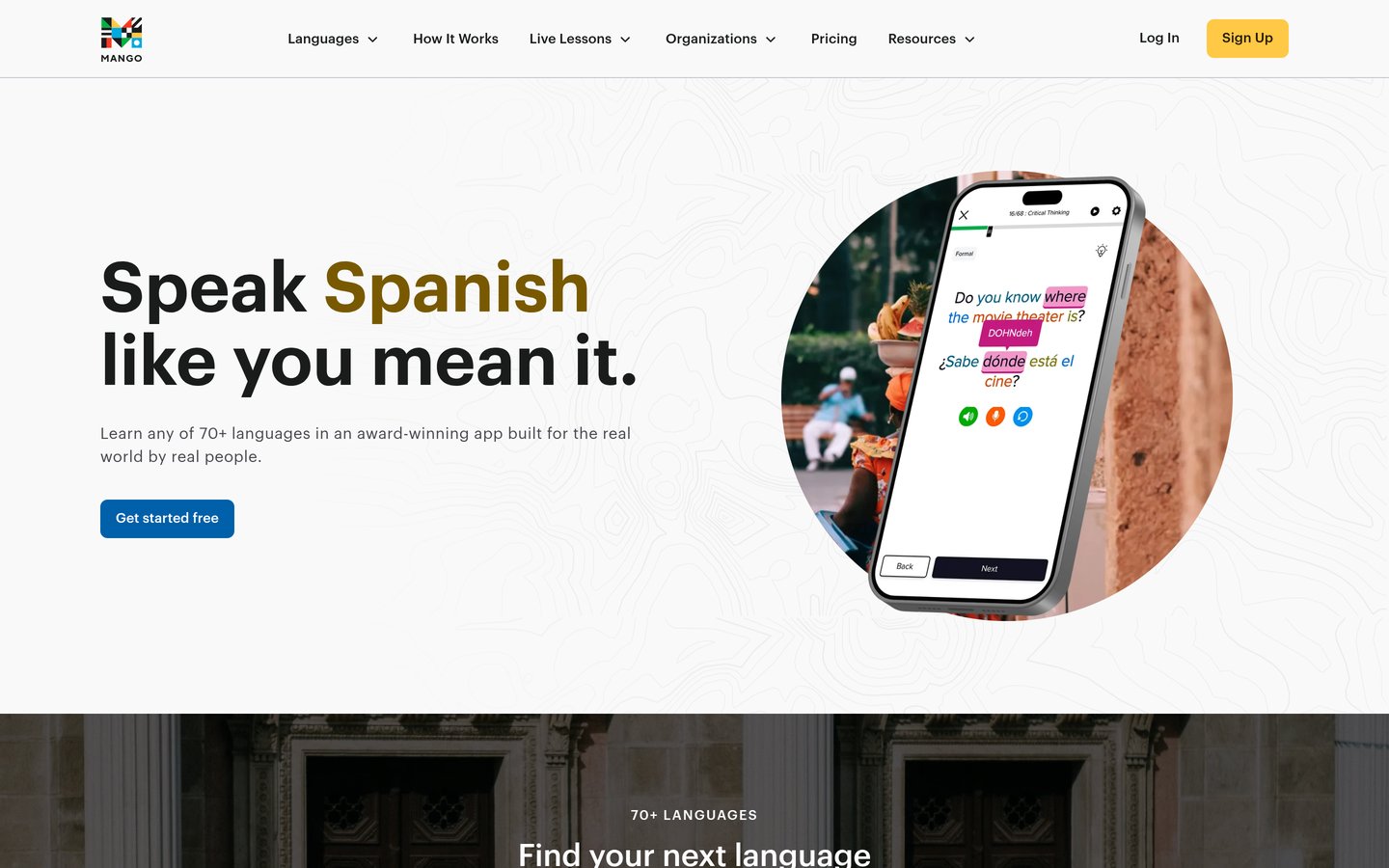
Mango Languages is a conversation-based course that teaches Portuguese through real dialogues, colour-coded translations and cultural notes that explain why phrases work. Lessons are short and built around listening and reading, with voice recognition for pronunciation. A single language costs $7.99 a month, and many public libraries offer it free.
The trade off is depth and polish. The interface looks dated, courses end sooner than rivals, and speaking practice is thinner than Pimsleur. It suits learners with library access who want a proper course at no cost, or busy learners who want short structured lessons.
One app rarely covers everything. Pair a structured course like Babbel or Busuu with a vocabulary app like Memrise, so grammar and words grow together.
Add speaking early. Pimsleur audio lessons or a weekly conversation exchange turn passive knowledge into speech, which exercises alone cannot do.
Reassess after three months. If you can order food, explain a problem and tell a story about your weekend, the pairing works. If not, change the method, not the goal.
How we chose
We started from the language apps with a Portuguese course, a published price and a verifiable rating on G2 or Trustpilot, then kept those with a clear method and a free plan or trial.
Prices come from vendor pricing pages and App Store listings quoted by independent roundups in September to November 2026. Ratings come from G2 or Trustpilot on the same dates, with thin bases flagged.
We left out apps with no published price or no verifiable rating. No vendor paid for a place, and we do not claim hands-on testing for this list.
How to choose an app to learn Portuguese
Pick your variety first, then start free for a week before paying for anything.
Pick your variety first. Brazilian for Brazil, European for Portugal. Pimsleur, Memrise and LingQ cover both; Duolingo and Babbel teach Brazilian only.
Start free for a week. Duolingo and Busuu have full free courses. Use them for seven days before paying for anything.
Add a second method. Pair a course app with an audio or vocabulary app. One method alone rarely builds speaking, reading and grammar together.
Speak every week. Book a tutor or a language exchange from week two. Speaking exposes gaps that exercises hide.
FAQ
What is the best app to learn Portuguese?
Duolingo is the best app to learn Portuguese for most beginners, with a full free Brazilian course and a daily habit that sticks. Babbel is the best structured pick for grammar, and Pimsleur suits learners who want to speak from the first lesson.
Is Duolingo good for Portuguese?
Yes, for beginners. Duolingo's Brazilian Portuguese course is free, goes up to B2 and builds a daily habit with short lessons. It teaches little grammar and no real conversation, so pair it with Babbel or Pimsleur after a few months.
Which app teaches European Portuguese?
Pimsleur teaches both Brazilian and European Portuguese as separate courses, with European in two levels. Memrise has a Portugal course, LingQ covers European content, and Practice Portuguese is a European-only specialist not covered here.
Can I learn Portuguese free?
Yes. Duolingo and Busuu offer full free Brazilian Portuguese courses with ads, and Mango Languages is free through many public libraries. Free plans limit features, but they are enough to test a method before paying.
How long does it take to learn Portuguese with an app?
Reaching conversational level usually takes several months of daily practice. Apps build a foundation in vocabulary and grammar, but speaking with real people accelerates progress far more than exercises alone.
Is Babbel better than Duolingo for Portuguese?
Babbel teaches grammar more explicitly and follows a structured curriculum, which suits learners who want to understand how Portuguese works. Duolingo is more game-like and better for daily habit building, and many learners use both.
SaaS SEO and WordPress specialist with about 8 years of experience. Rakib compares WordPress plugins, themes, hosting and software using public pricing, documentation and user reviews. See how we rank.