Best AI Tools to Animate Image to Video in 2026: 9 Tools Compared
WLWPLegible EditorsLast verified 24 Nov 2026How we rank12 min read
★ Short answer
PixVerse is the best AI tool to animate an image to video for most creators, with a free daily allowance and paid plans from $10 a month. Pick Kling for realistic motion at a low price, and Runway when you want editing and camera control in the same workspace.
How we make this list: we compare pricing pages, product documentation and public user reviews, then re-check every price before each update. No product paid for a place. Disclosure.
PixVerse leads on G2 at 4.9 from 24 reviews, with free daily credits and paid plans from $10 a month.
Kling gives the most realistic motion at $8.80 a month, though its G2 base is only 5 reviews.
D-ID is the cheapest talking-photo option at $5.90 a month, but 10 minutes a month covers short clips only.
Trustpilot scores are poor across the category, from 1.2 to 3.2, mostly over billing and credits.
Luma is the priciest entry at $30 a month with no free tier, but it bundles many frontier models on one subscription.
What AI adds to animating images
AI image-to-video tools turn a still photo into a short moving clip: a product shot that rotates, a portrait that speaks, or a landscape with drifting clouds. The job is the same, but the tools split by what moves and how much control you get.
This list splits into realistic motion, talking photos and cheap social clips. Kling, Hailuo and Runway chase realistic physics, D-ID and Vidnoz animate faces into speech, and PixVerse, Pika and Kaiber cover fast stylised clips for feeds.
Ratings need care here. Four tools hold fewer than 25 reviews on G2, and Trustpilot scores run from 1.2 to 3.2 across the category, mostly over billing and credits. Our guide on choosing AI tools for business explains how to weigh ratings against price.
Prices are credit-based almost everywhere. Cheapest paid plans run from $5.90 to $30 a month, credits expire monthly, and a failed generation can still spend them, so test the free tier on a real photo before paying.
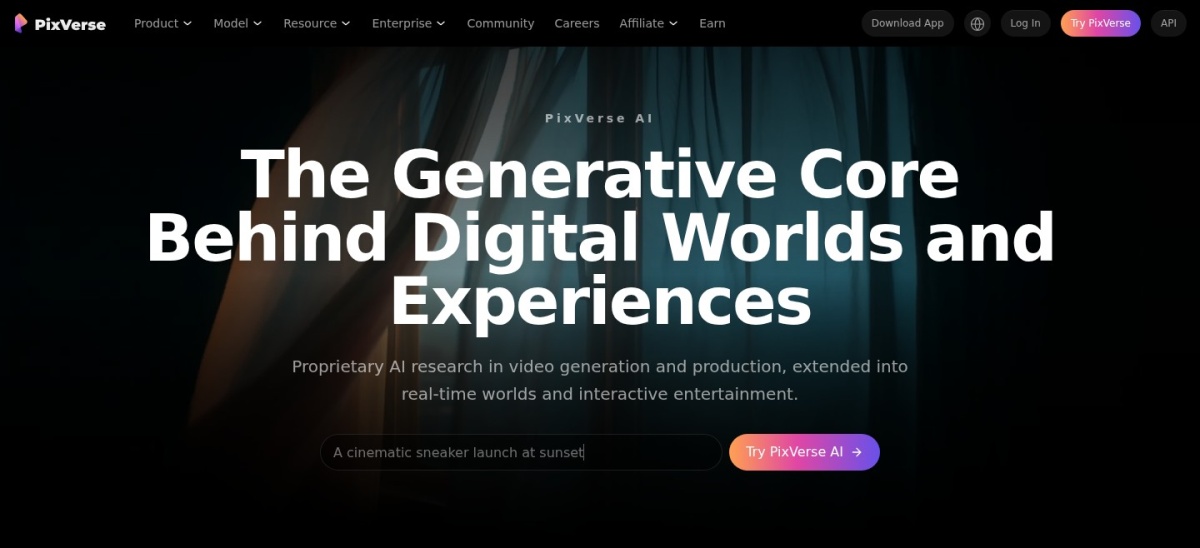
PixVerse is an AI video generator that turns a photo or a text prompt into a short clip, with its own V6 model plus third-party engines such as Seedance and Kling on higher plans. The free Basic plan gives 60 credits at sign-up and 30 a day, and Standard at $10 a month adds 1,200 credits, no watermark and 720p output.
The trade off is trust. Trustpilot shows 2.1 out of 5 from 133 reviews, mostly about credits spent on blocked or failed generations and hard cancellations, so test the free daily credits hard before paying. It suits creators who want cheap product-photo clips for social feeds.
Vidnoz is an AI video platform built around talking avatars, with a separate image-to-video mode that turns a still into a short clip using its own models or third-party engines including Kling, Seedance and Hailuo. The free plan gives daily minutes, and Starter at $26.99 a month removes the watermark and lifts exports to 1080p.
The trade off is polish and reputation. Trustpilot shows 2.3 out of 5 from 83 reviews, with failed generations the main complaint, and avatar quality sits below the pricier specialists. It suits small businesses and trainers who want cheap talking-photo videos without a camera.
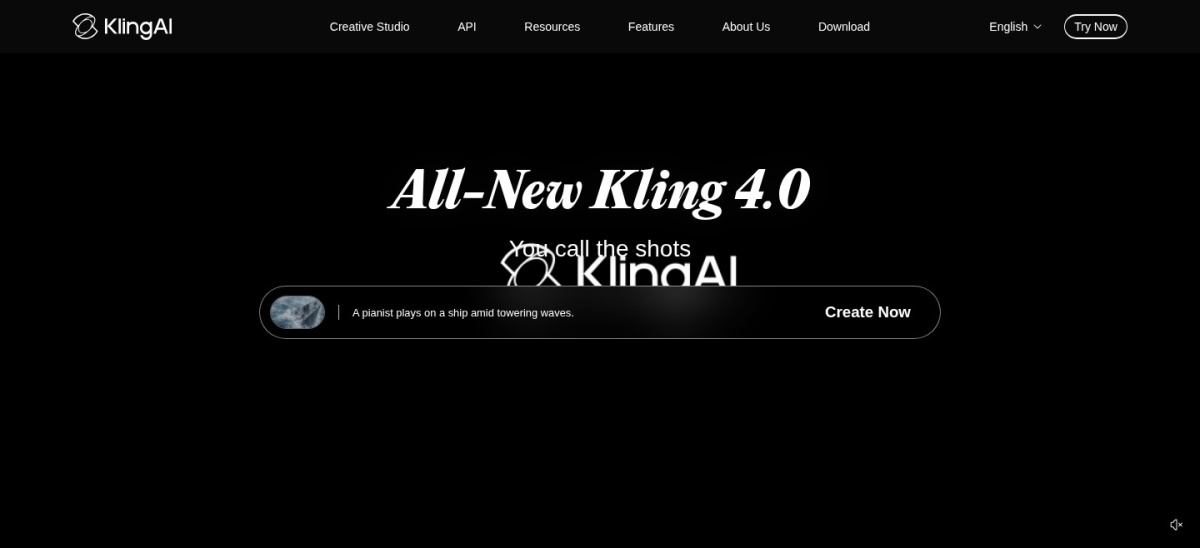
Kling AI is Kuaishou's video model, and its image-to-video mode is the strongest in this list for realistic motion, with fluid physics, believable weight and hair and fabric that respond to movement. The free Basic plan makes watermarked clips, and Standard at $8.80 a month adds 660 credits, no watermark and commercial use.
The trade off is moderation and billing friction. Reviewers report false-positive blocks on swimwear, dance and fashion photos, and Trustpilot shows 1.2 out of 5 from 442 reviews, mostly about credits and payment problems. It suits creators who want the most convincing motion per dollar.
D-ID is an AI avatar platform that animates a still photo into a talking portrait, with lip sync, sentiment control and voices in many languages. A 14-day trial gives 3 minutes of video, and Lite at $5.90 a month adds 10 minutes a month, though outputs stay watermarked and licensed for personal use only.
The trade off is the minute budget. Ten minutes a month covers short clips only, commercial use starts on Pro at $29 a month, and Trustpilot shows 1.5 out of 5 from 27 reviews over billing. It suits anyone who needs a photo to speak rather than a full scene to move.
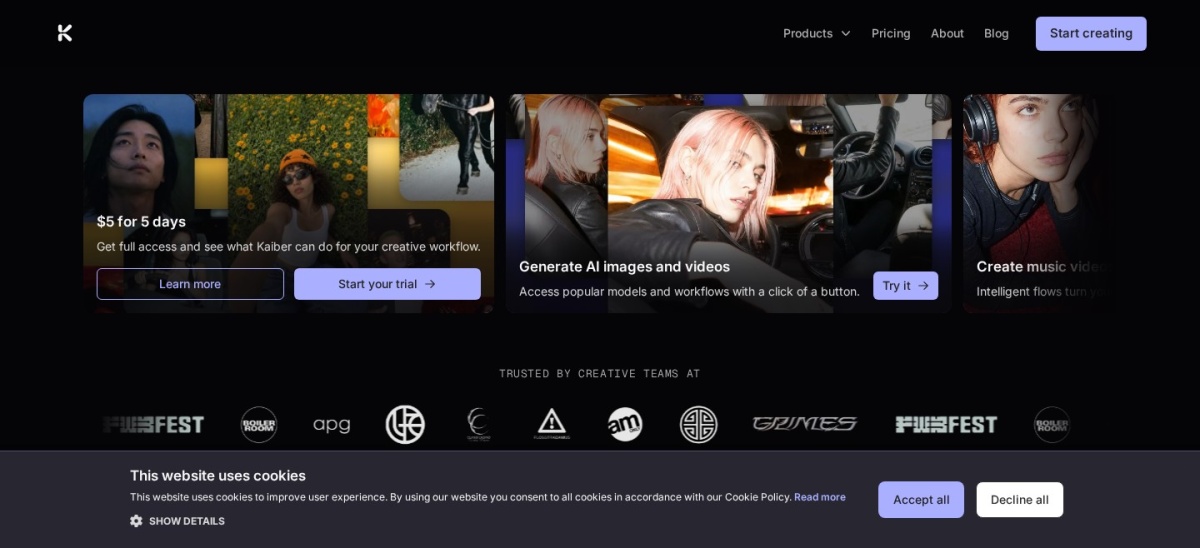
Kaiber is a browser studio that runs several outside video models on one canvas, with a Beat Sync tool that cuts visuals to a music track and a timeline editor for finishing clips. There is no free plan, only a $5 five-day trial, and Starter at $10 a month gives 500 credits a month.
The trade off is credit burn and billing trust. Credits run out fast on Starter, Beat Sync needs Creator at $29 a month, and Trustpilot shows 3.2 out of 5 from 152 reviews with billing complaints. It suits musicians and visual artists who want music-synced animation.
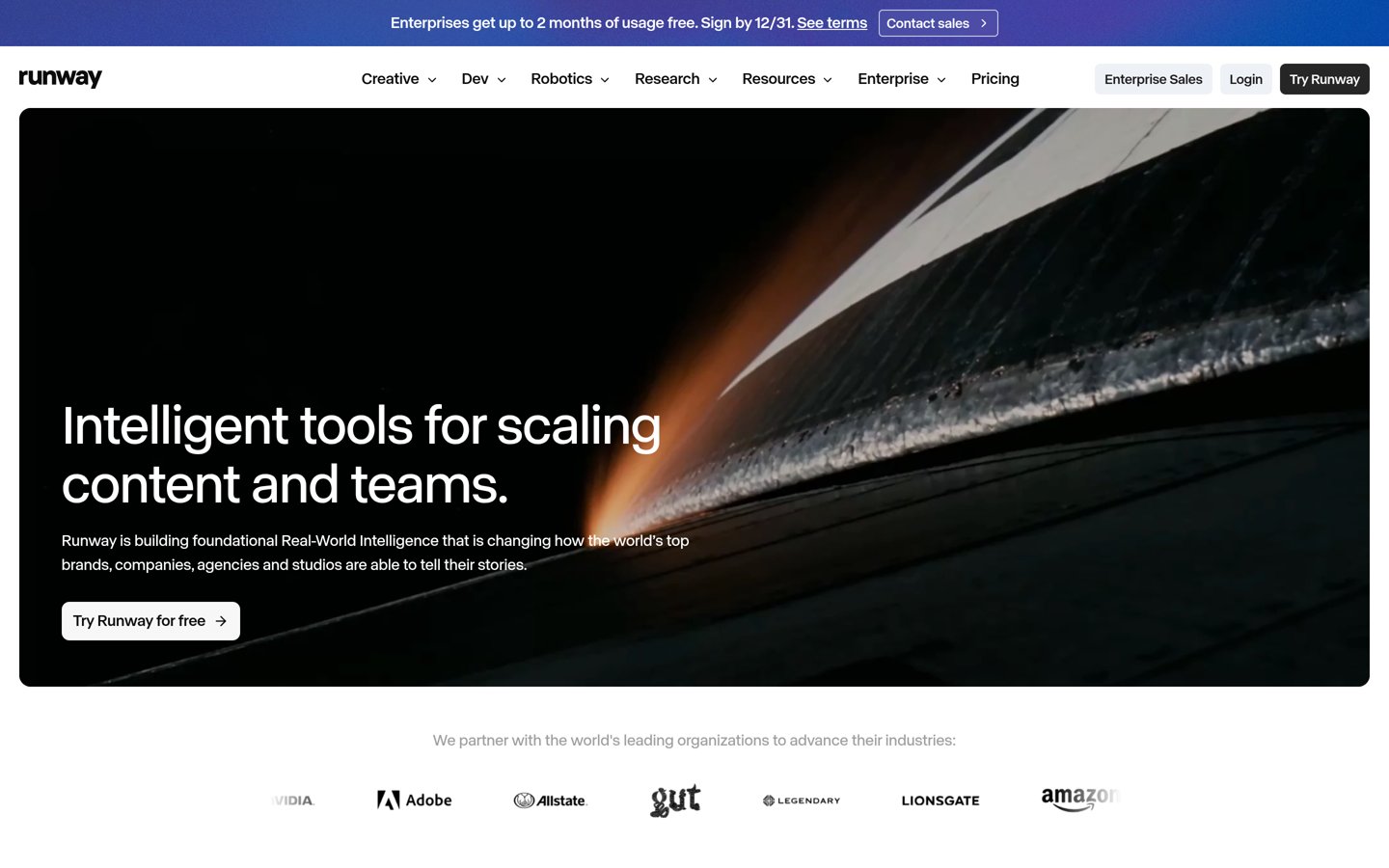
Runway is a video platform built around its own Gen-4.5 model, with image-to-video generation, camera controls and an editor that trims, extends and restyles clips in one workspace. The free plan gives 125 one-time credits, and Standard at $15 a month adds 625 credits a month and watermark-free output.
The trade off is credit cost. Gen-4.5 burns about 12 credits a second, so Standard makes under a minute of flagship video a month, and the free credits never refill. It suits agencies and serious creators who generate and finish a shot in one place.
Pika is a multi-model video studio that turns a photo into a 5 or 10 second clip with its own Pika 2.5 model, plus third-party engines such as Seedance 2.5 and Wan 3.0 on the same credit balance. The free plan gives no monthly credits, only one-time credit packs, and Starter at $10 a month adds credits and a commercial license.
The trade off is reputation and length. Trustpilot shows 2.3 out of 5 from 81 reviews, up from 1.8 from 70 in September, clips top out at 10 seconds, and renders come out silent, so sound needs another tool. It suits creators who want fast, stylised social clips at the lowest paid entry.
Hailuo is MiniMax's video generator, and its image-to-video mode is known for physical motion, with gymnastics, water and cloth rendered more convincingly than most budget rivals. New accounts get a one-time pool of trial credits, and Standard at $9.99 a month adds 1,000 credits a month.
The trade off is trust. Trustpilot shows 1.4 out of 5 from 89 reviews, driven by billing, cancellation and refund complaints, and older models render silent clips. It suits creators who want strong motion physics at the lowest price and can live with the billing risk.
Luma Dream Machine is Luma AI's creative platform, now sold simply as Luma, built around its Ray3.2 video model plus third-party engines including Veo, Kling and Seedance. There is no free tier on the pricing page, and Plus at $30 a month gives 10,000 credits and commercial use.
The trade off is price and reputation. Plus is the most expensive entry here, credits expire monthly and do not roll over, and Trustpilot shows 1.4 out of 5 from 72 reviews over wasted credits. It suits creators who want many frontier models on one subscription.
Thin ratings and low Trustpilot scores: how to read them
Four tools in this list hold thin G2 bases. Kling holds 4.7 from only 5 reviews, Kaiber 4.5 from 12, Vidnoz 4.9 from 16 and PixVerse 4.9 from 24, so one unhappy buyer moves the score a long way. Treat those scores as a hint, not a verdict.
Trustpilot tells a harsher story. Pika scores 2.3 from 81 reviews, Hailuo 1.4 from 89, Luma 1.4 from 72 and Kling 1.2 from 442, with billing, cancellation and credit complaints dominating. The same tools score far better on G2, which surveys business buyers rather than angry subscribers.
The pattern to watch is credits. Reviewers repeatedly report paying for generations that failed, were blocked by moderation, or came back unusable, with no refund. That is a billing risk, not a quality verdict, but it is the risk that decides whether a tool is worth paying for.
When in doubt, spend a week on the free tier. PixVerse, Kling, Pika, Vidnoz and Runway all give free credits, and a real photo run through each one tells you more than any score. Kaiber and Hailuo offer trials only, and Luma has no free tier at all.
How we chose
We started from the most-mentioned AI image-to-video tools in 2026 buying guides, then kept those with a verifiable rating on G2, Capterra or Trustpilot and a published price. Genmo and LeiaPix were left out because no G2, Capterra or Trustpilot rating could be verified for them.
Prices come from each vendor's pricing page or a November 2026 read of it, checked on 24 November 2026. Ratings come from G2 or Trustpilot on the same day. Where a vendor shows a first-month discount, the list shows the regular monthly price.
No vendor paid for a place, and we do not claim hands-on testing for this list. Trustpilot scores are reported alongside G2 scores because the two sources disagree sharply in this category.
How to choose an AI tool to animate image to video
Start with the kind of motion you need, then match the tool to it.
Start with the kind of motion you need. Realistic scene motion, a talking portrait and a stylised social clip are different jobs. Pick the tool built for your motion first, not the one with the longest model list.
Check the review base, not just the score. A 4.9 from 24 reviews means far less than a 4.9 from 255, and Trustpilot scores here run far below G2. Read the one-star reviews for billing and credit patterns.
Test the free tier on a real photo. Five tools here give free credits. Run your actual product shot or portrait through two or three of them before paying, and check the output against the brief.
Confirm the price before you commit. Several vendors repriced during 2026 and sources disagree on some figures. Check the vendor pricing page, and avoid first-month discounts that hide the renewal rate.
FAQ
What is the best AI tool to animate an image to video?
PixVerse is the best all-round pick for most creators. It holds 4.9 out of 5 on G2 from 24 reviews, gives 30 free credits a day, and Standard costs $10 a month for 1,200 credits with no watermark. Kling suits realistic motion better, and Runway suits creators who also want an editor.
How much do AI image-to-video tools cost?
Cheapest paid plans in this list run from $5.90 a month for D-ID Lite to $30 a month for Luma Plus, with most tools at $10 a month. All of them sell credits, not unlimited video, and unused credits expire at the end of each month on every plan here.
Can I animate an image to video for free?
Yes, on five tools here. PixVerse gives 30 credits a day, Kling gives free monthly credits, Pika gives one-time credits only, Vidnoz gives daily free minutes, and Runway gives 125 one-time credits. Free output is usually watermarked or capped at low resolution, and Kaiber, Hailuo and Luma offer trials or no free tier.
Which tool gives the most realistic motion?
Kling gives the most realistic motion per dollar, with fluid physics and believable weight on people, hair and fabric, at $8.80 a month. Hailuo is the budget rival for physical motion, and Runway is the production pick with camera controls. All three still struggle with hands, crowds and complex choreography.
Which tool animates a photo into a talking video?
D-ID and Vidnoz both turn a still photo into a talking portrait with lip sync. D-ID Lite costs $5.90 a month for 10 minutes of video, though outputs stay watermarked and licensed for personal use only. Vidnoz gives daily free minutes and suits trainers who want cheap avatar videos.
Why are Trustpilot scores so low for these tools?
Trustpilot reviews for video generators skew toward billing complaints: credits spent on failed or blocked generations, subscriptions that were hard to cancel, and refunds refused. G2 scores for the same tools run much higher. Read the one-star reviews for billing patterns, then test the free tier before paying.