Best AI Observability Tools in 2026: 7 Tools Compared
WLWPLegible EditorsLast verified 24 Nov 2026How we rank9 min read
★ Short answer
LangSmith is the best AI observability tool for teams building on LangChain, with tracing, evals and prompt management from $39 a seat a month, rated 4.4 out of 5 on G2. Pick Arize for deep evals, and Portkey for the best gateway value.
How we make this list: we compare pricing pages, product documentation and public user reviews, then re-check every price before each update. No product paid for a place. Disclosure.
LangSmith is the best pick for LangChain teams, from $39 a seat a month.
Arize leads on evals, with Pro at $50 a month and a free plan for small teams.
Portkey is the best gateway value, with Production at $49 a month.
Datadog and New Relic charge by usage, so their cost depends on data volume.
Langfuse and Fiddler AI were excluded: their G2 figures could not be verified.
What AI observability means
AI observability means watching what your language models do in production: which prompts went in, what came out, how long it took and what it cost. Without it, a bad model update ships silently and a prompt injection goes unnoticed.
The tools split into two jobs: tracing and evals for LLM apps, and full-stack observability that also covers infrastructure. LangSmith, Arize, Portkey, Helicone and Braintrust do the first; Datadog and New Relic do the second.
Pricing is mostly per seat or per usage, with free tiers for small teams. Datadog and New Relic charge by usage, so their cost depends on how much data you send, not on how many people use them.
Most tools here integrate with LangChain, OpenAI and the major model providers. Our guide on best AI automation tools covers the wider automation picture.
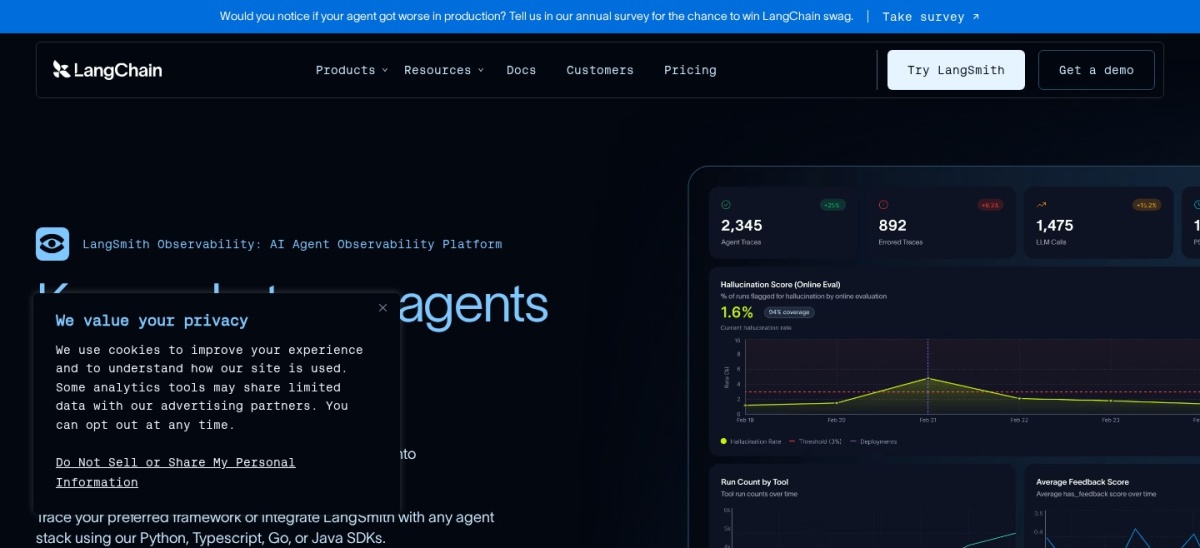
LangSmith is the tracing, evals and prompt management platform from LangChain, and the natural pick for teams already building on LangChain. It traces every call, scores outputs with evals, versions prompts and monitors costs, with a free plan for small teams and Plus at $39 a seat a month.
The trade off is the LangChain tie. LangSmith works best inside the LangChain ecosystem, so teams on other stacks get less from it. It suits LangChain teams that want tracing, evals and prompt management in one place.
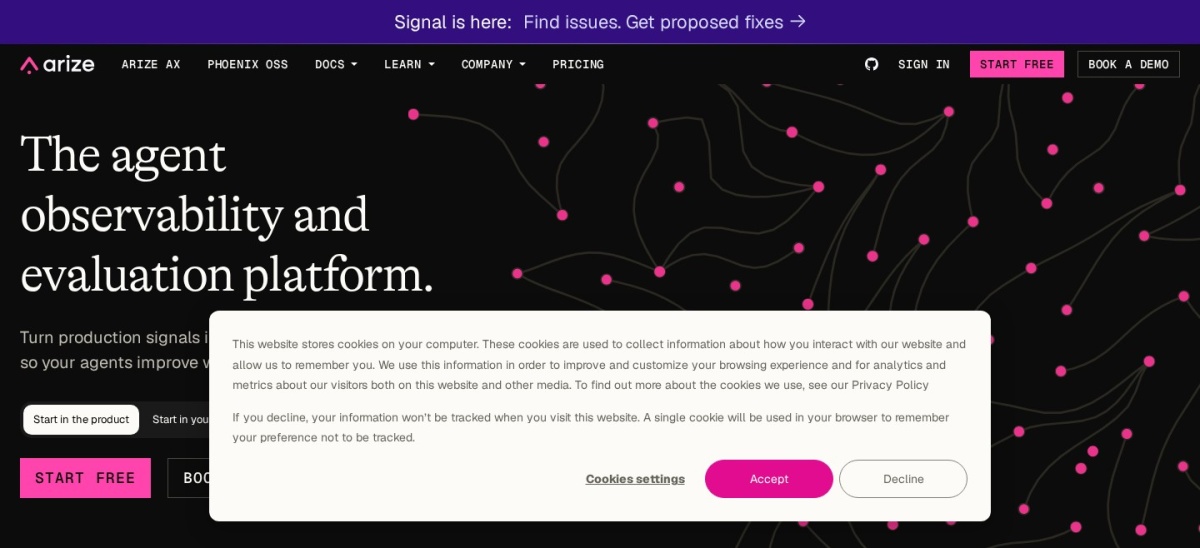
Arize AX is a model-agnostic observability platform built for evals and production monitoring, with prompt playgrounds, offline and online evaluation, and tracing across any LLM stack. Pro costs $50 a month, and a free plan covers small teams.
The trade off is scope. Arize is an evals and monitoring platform, not a prompt management hub, so teams that want prompt versioning need a second tool. It suits teams that want deep evals on any LLM stack.
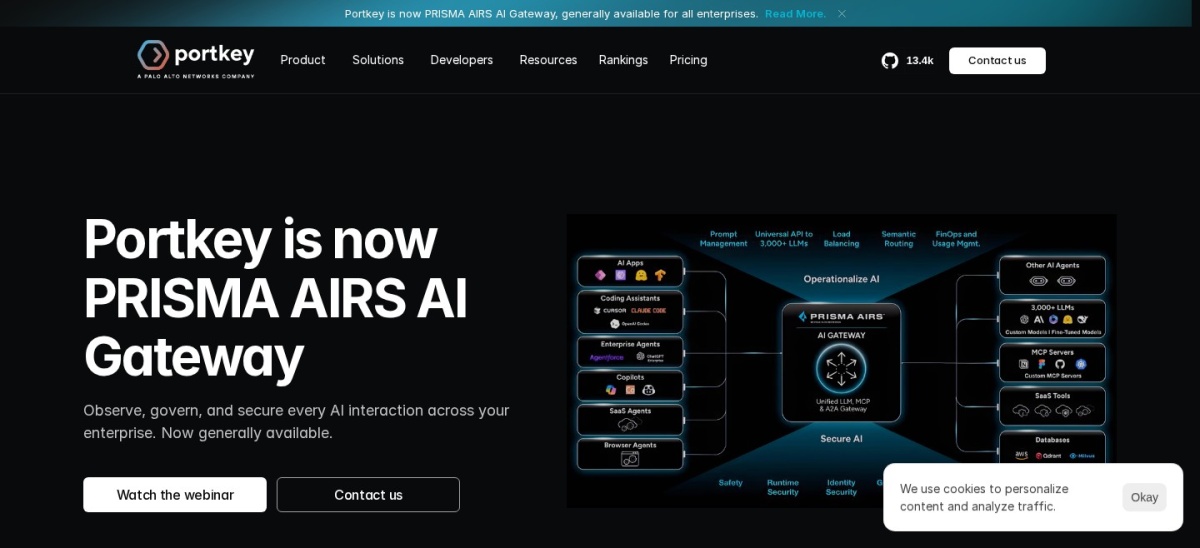
Portkey is an AI gateway that routes, caches and observes LLM calls across providers, with tracing, evals and cost controls in one place. Production costs $49 a month, and a free plan covers small teams, with usage-based pricing for larger volumes.
The trade off is that Portkey is a gateway first. Its observability is strong, but teams that want deep evals may prefer Arize. It suits teams that call many models and want one gateway with built-in observability.
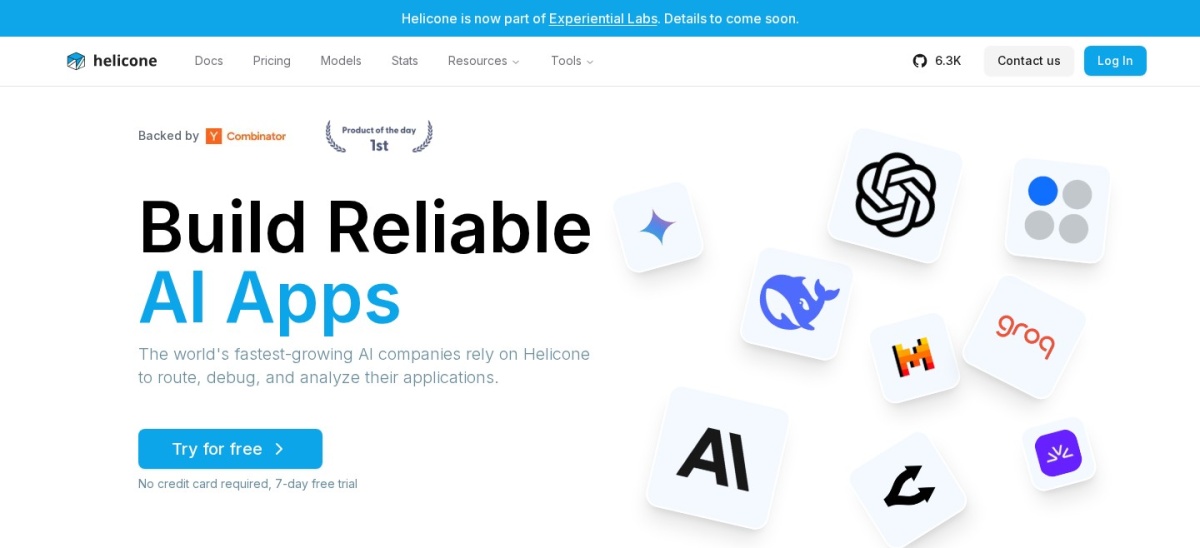
Helicone is an open-source observability platform for LLM apps, with tracing, evals, cost tracking and prompt management. Pro costs $79 a month, and a free plan covers small teams, with self-hosting available for teams that want full control.
The trade off is the thin review base. Helicone is rated 4.5 out of 5 on G2 from only 2 reviews, so the score is weak evidence. It suits teams that want open-source observability with strong cost tracking.
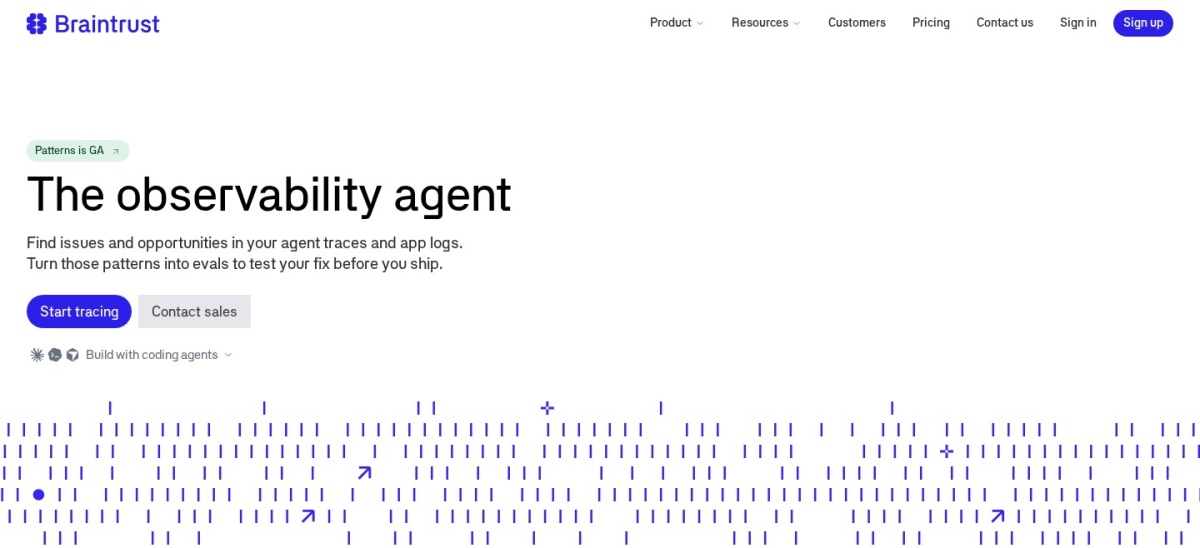
Braintrust is an evals-driven development platform for LLM apps, with datasets, evals, prompt playgrounds and production monitoring. Pro costs $249 a month, and a free plan covers small teams, with enterprise plans for larger teams.
The trade off is price. Braintrust Pro is the most expensive per-seat plan here, and its evals need setup to be useful. It suits teams that build LLM features as a core product and want evals in the development loop.
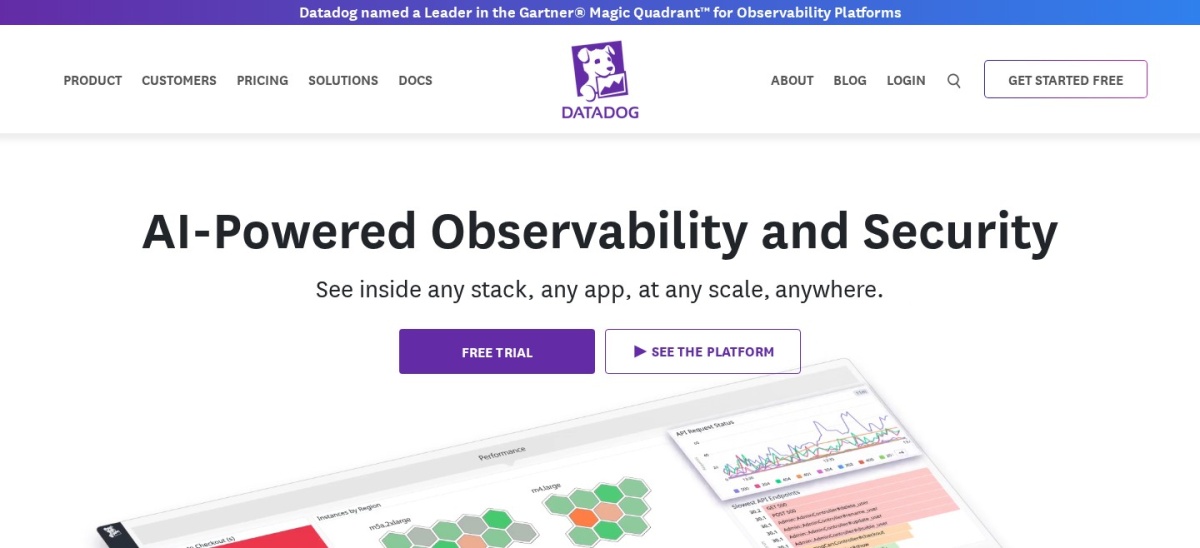
Datadog is the full-stack observability platform that now covers LLM calls alongside infrastructure, logs and traces, with LLM observability tracking prompts, costs and quality in production. Pricing is usage-based, so the cost depends on how much data you send.
The trade off is that Datadog is not a dedicated LLM tool. Its LLM observability is strong, but teams that want deep evals should pair it with Arize or LangSmith. It suits teams already running Datadog for infrastructure.
New Relic is the full-stack observability platform that now covers LLM calls alongside application performance, infrastructure and logs, with AI monitoring tracking prompts, costs and quality. Pricing is usage-based, so the cost depends on how much data you send.
The trade off is the same as Datadog: New Relic is not a dedicated LLM tool, and teams that want deep evals should pair it with Arize or LangSmith. It suits teams already running New Relic for application monitoring.
Free tiers cover small teams well. LangSmith, Arize, Portkey, Helicone and Braintrust all offer free plans, and Datadog and New Relic both offer free tiers for infrastructure.
Paid plans mostly add volume and retention. You get more traces, longer retention and more seats on paid tiers.
Usage pricing is the trap to watch. Datadog and New Relic charge by the data you send, so a noisy app can cost far more than the headline price suggests.
How we chose
We started from the established AI observability tools with a public G2 record, then kept those with a real product a team can buy today.
Prices come from each vendor's pricing page, checked on 24 November 2026. Ratings come from G2 on the same day. Where a vendor charges by usage, the list shows Usage-based.
We left out tools with no verifiable rating, including Langfuse, whose G2 score could not be verified, and Fiddler AI, which has no verifiable G2 review count. No vendor paid for a place, and we do not claim hands-on testing for this list.
How to choose an AI observability tool
Start with your stack: LangChain, a custom LLM app, or a full production platform.
Name your stack first. LangChain, a custom LLM app and a full production platform each point at a different tool.
Check tracing coverage. Confirm the tool traces your models, prompts and costs, not just one provider.
Test evals on your own prompts. Run your real prompts through the evals and check whether the scores match what your team sees.
Price per seat and per trace. Per-seat plans and usage plans hide different costs, so work out both for your volume.
FAQ
What is the best AI observability tool?
LangSmith is the best pick for teams building on LangChain. It offers tracing, evals and prompt management from $39 a seat a month, and is rated 4.4 out of 5 on G2 from 97 reviews.
What is the difference between LangSmith and Arize?
LangSmith is built for LangChain teams and covers tracing, evals and prompt management. Arize is model-agnostic and leads on evals and production monitoring for any LLM stack.
Is there a free AI observability tool?
Yes. LangSmith, Arize, Portkey, Helicone and Braintrust all offer free plans, and Datadog and New Relic both offer free tiers for infrastructure monitoring.
How much does AI observability cost?
Per-seat plans run from $39 a month for LangSmith Plus to $249 for Braintrust Pro. Datadog and New Relic charge by usage, so their cost depends on data volume.
Which tool is best for LLM evals?
Arize AX leads on evals, with offline and online evaluation, prompt playgrounds and production monitoring. LangSmith and Braintrust also offer strong evals.
Do Datadog and New Relic do AI observability?
Yes, as part of full-stack observability. Both track LLM calls alongside infrastructure, but they are not dedicated LLM tracing tools like LangSmith or Arize.