WLWPLegible EditorsLast verified 22 Nov 2026How we rank14 min read
★ Short answer
Databricks is the best AI cloud platform for most teams, rated 4.6/5 on G2 from 1,419 reviews, with data, ML and AI agents on one lakehouse from $0.07 per DBU. Pick Azure OpenAI for OpenAI models inside Azure, or IBM watsonx.ai for governed multi-cloud AI.
How we make this list: we compare pricing pages, product documentation and public user reviews, then re-check every price before each update. No product paid for a place. Disclosure.
Databricks leads on G2 at 4.6/5 from 1,419 reviews, with the largest review base in this list by far.
IBM watsonx.ai Standard from $1,110 a month is the most expensive entry price in the list.
Azure Machine Learning charges no platform fee at all; you pay only for the Azure compute underneath.
Hugging Face PRO at $9 a month is the cheapest entry, but its Trustpilot score is 2.6/5 from 7 reviews.
Dataiku publishes no price, so every deal is a sales conversation, and its 750-plus customers are mostly large enterprises.
What an AI cloud platform actually costs
An AI cloud platform is where models are trained, tuned and served. The big three clouds, Databricks, IBM and Dataiku all sell the same promise, but they bill in different units: DBUs, tokens, compute hours and capacity hours.
No platform in this list charges a flat monthly subscription for its core service, except IBM watsonx.ai Standard and Hugging Face PRO. Every other entry price is a usage rate, so the bill depends on what you run.
Governance is the real split. Databricks, watsonx.ai and Dataiku build audit, access control and model tracking into the platform, while the raw cloud services leave more of that to you.
Before you commit, check what your cloud already includes. Our guide to WordPress cloud hosting covers the hosting side of the same question for smaller sites.
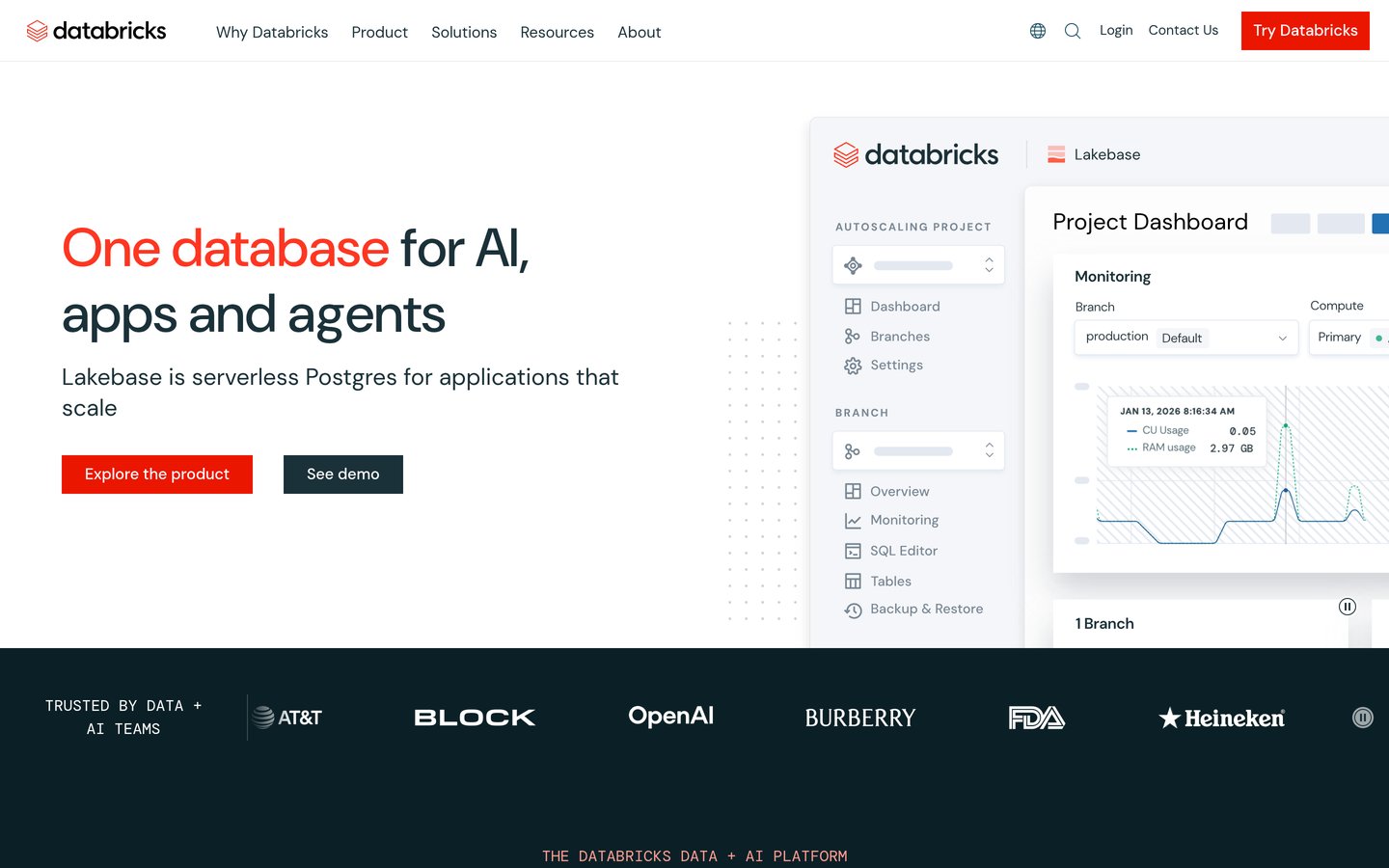
Databricks is a unified data and AI platform that runs data engineering, analytics, machine learning and AI agents on one lakehouse, with Spark under the hood and Unity Catalog for governance. Pricing is pay-as-you-go in Databricks Units, from $0.07 per DBU for Jobs Compute, plus cloud costs.
The trade off is billing clarity. DBU rates vary by workload, tier and cloud, and reviewers say costs can climb fast without close monitoring. It suits teams that already run data and AI on one platform and want governance beside the models.
What we like
Highest G2 rating in this list at 4.6/5
Data, ML and agents governed together
10,000-plus customers including a third of the Fortune 500
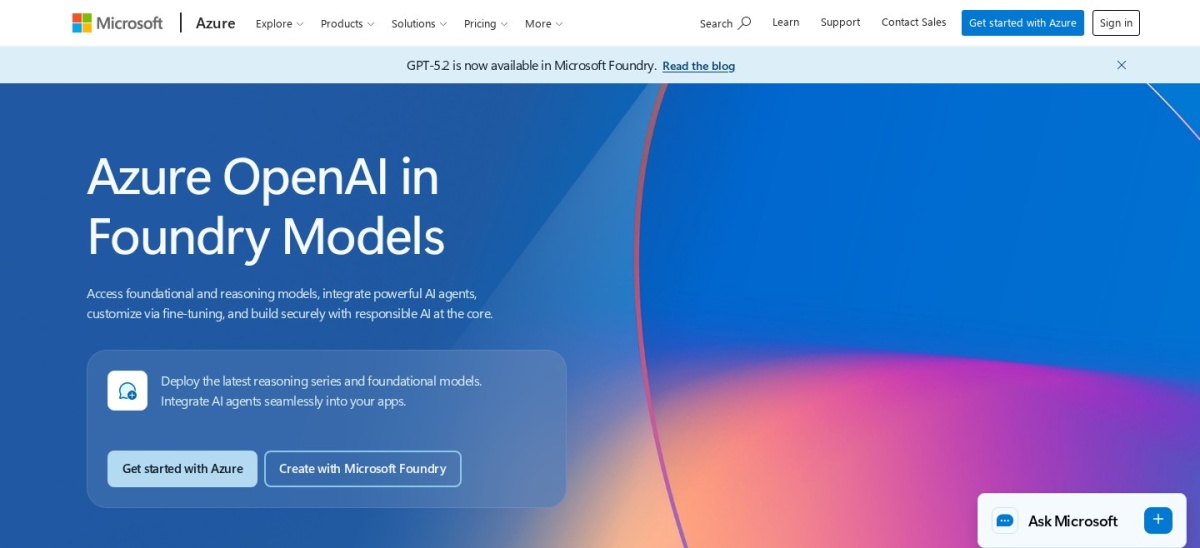
Azure OpenAI Service is Microsoft's managed service for running OpenAI's models on Azure, with the same per-token rates as OpenAI's own API, plus Azure security, private networking and compliance cover. The cheapest listed model, GPT-4o mini, starts at $0.15 per million input tokens.
The trade off is price complexity. Rates vary by model, deployment type and region, and provisioned throughput needs reservations. It suits regulated enterprises that already run on Azure and need OpenAI models inside their own cloud.
IBM watsonx.ai is an enterprise AI studio for building, tuning and deploying models, with Granite and open models, retrieval, agents and governance in one place. The Free Toolbox includes 300,000 tokens a month, and Standard starts at $1,110 a month.
The trade off is cost. Standard is a starting price, and inference, compute hours and support add usage charges on top. It suits regulated companies that need governance, model choice and deployment beyond a single cloud.
What we like
Only flat entry price in this list
Strong governance with watsonx.governance
Granite, Llama, Mistral and more in one studio
Free Toolbox for testing with real tokens
Watch out for
Standard is a starting price, not the full bill
Reviewers cite complex pricing for large projects
Steep learning curve for new teams
Essentials tier is pay-as-you-go from $0 a monthVisit ibm.com
04
Dataiku
4.4/5on G2 (224 reviews, checked Nov 2026)
PricingCustom/yr
Best for governed enterprise AI projects
Entry priceCustom, contact sales
Free trialYes
ModelsLLM Mesh, 15+ providers
GovernanceBuilt-in, audited
dataiku.com
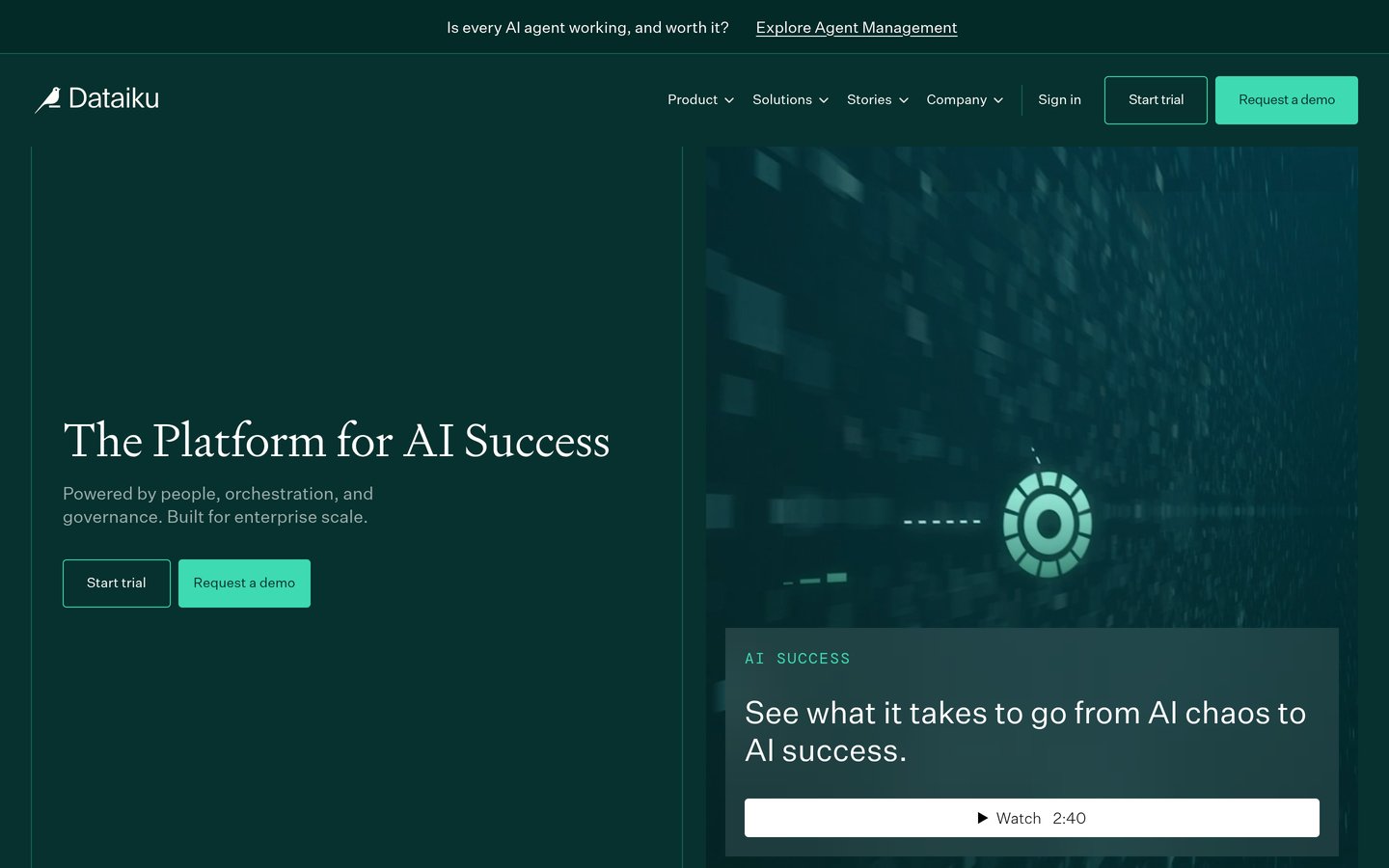
Dataiku homepage, captured Nov 2026.
Dataiku is an enterprise platform for building, deploying and governing machine learning models and AI agents, with visual workflows, code notebooks and an LLM Mesh that routes across more than a dozen model providers. It serves 750-plus enterprise customers.
The trade off is price transparency. Dataiku publishes no list price, so every deal is a sales conversation, and smaller teams can find it out of reach. It suits large companies that need one governed home for data science and agents.
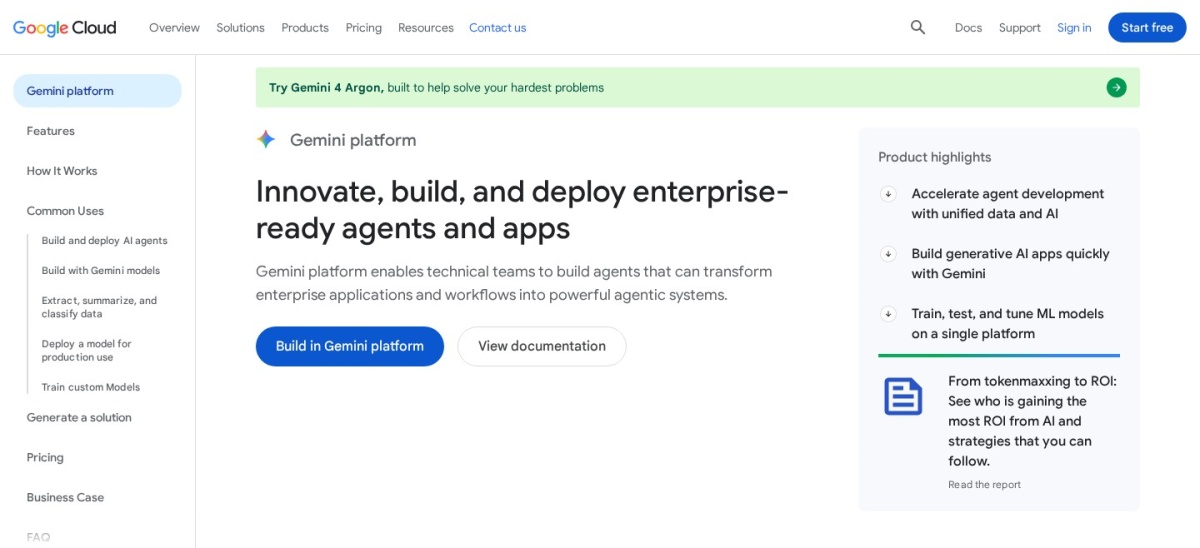
Google Cloud Vertex AI homepage, captured Nov 2026.
Google Cloud Vertex AI is Google's managed machine learning platform, covering custom training, AutoML, deployment and generative AI on one service, with BigQuery beside it. Custom training starts from $0.104 an hour on the smallest machine types, billed in 30-second increments.
The trade off is the bill. Training, prediction, storage and feature store each meter separately, and GPU jobs run into tens of dollars an hour. It suits teams whose data already lives in BigQuery and who build on Gemini.
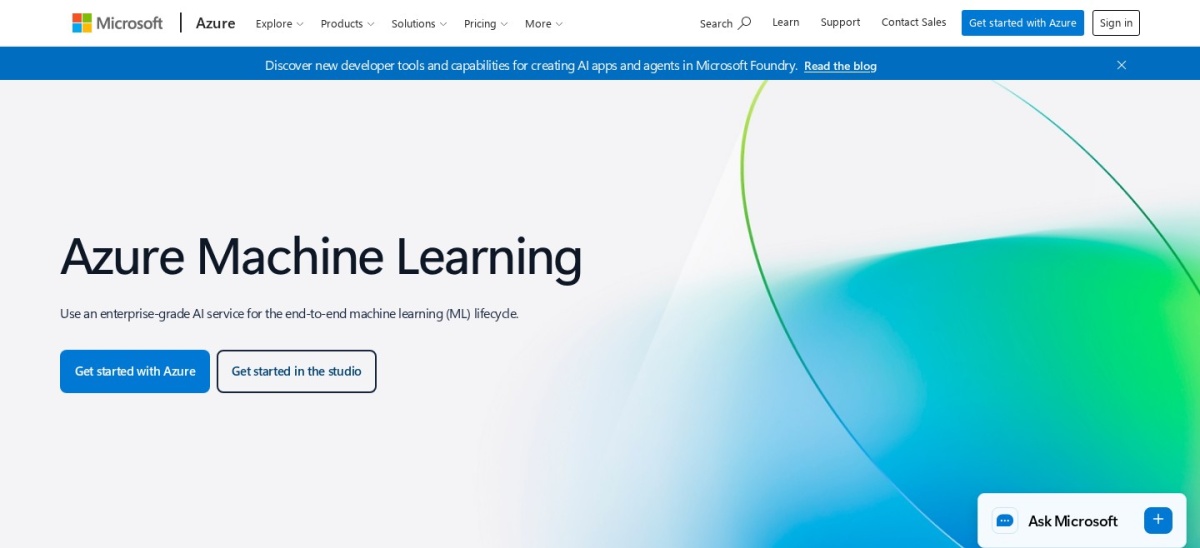
Microsoft Azure Machine Learning homepage, captured Nov 2026.
Microsoft Azure Machine Learning is Microsoft's managed platform for building, training and deploying models, with AutoML, pipelines, MLOps and responsible-AI tools built in. The service itself carries no charge; you pay only for the underlying Azure compute, storage and services.
The trade off is that compute is the whole bill. A GPU training cluster can cost far more than any platform fee would, and the Studio interface draws complaints for speed. It suits enterprises already on Entra ID, Purview and Azure DevOps.
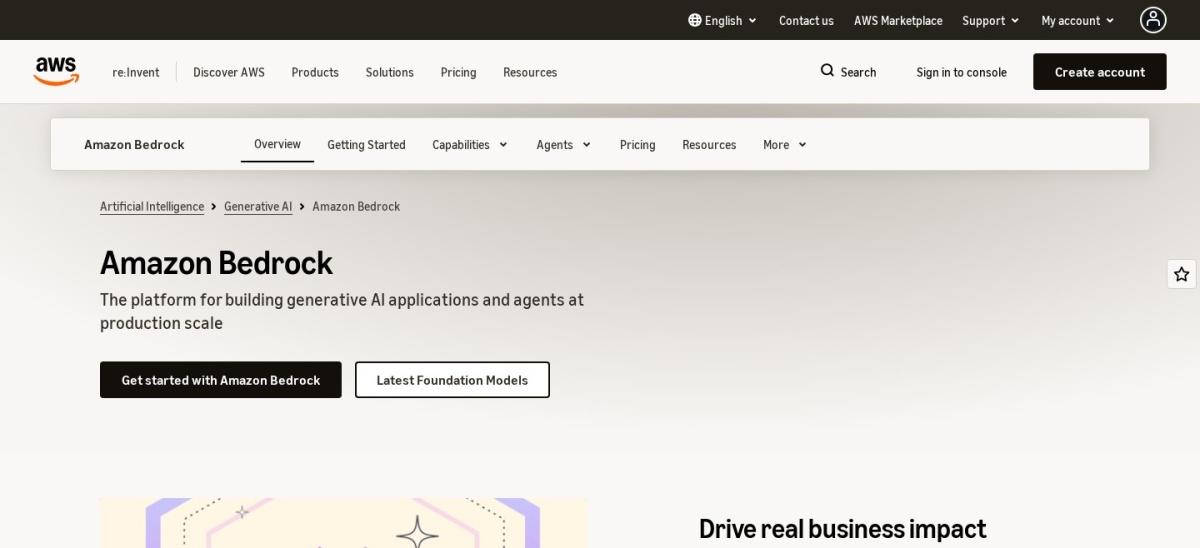
Amazon Bedrock is AWS's fully managed service for calling foundation models through one API, with models from Anthropic, Meta, Mistral and Amazon's own Nova family. On-demand use is pay per token, starting with Nova Micro at $0.035 per million input tokens.
The trade off is cost visibility. Token prices span a wide range by model, and Guardrails, knowledge bases and agents add separate charges. It suits AWS teams that want many models behind one API without running servers.
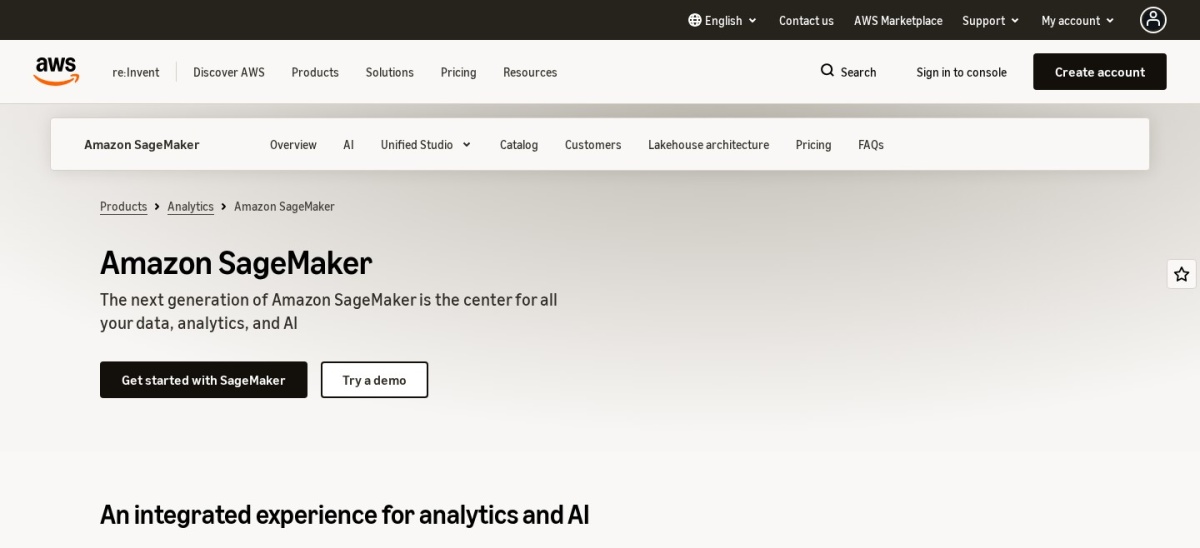
Amazon SageMaker AI is AWS's managed machine learning platform, covering data preparation, training, AutoML, deployment and MLOps in one service. Notebook instances start from $0.05 an hour, and a free tier covers 250 hours a month for the first two months.
The trade off is cost complexity. Reviewers warn that pricing is hard to predict, especially for GPU-heavy work, and the learning curve is steep. It suits AWS enterprises that want the full lifecycle without managing infrastructure.
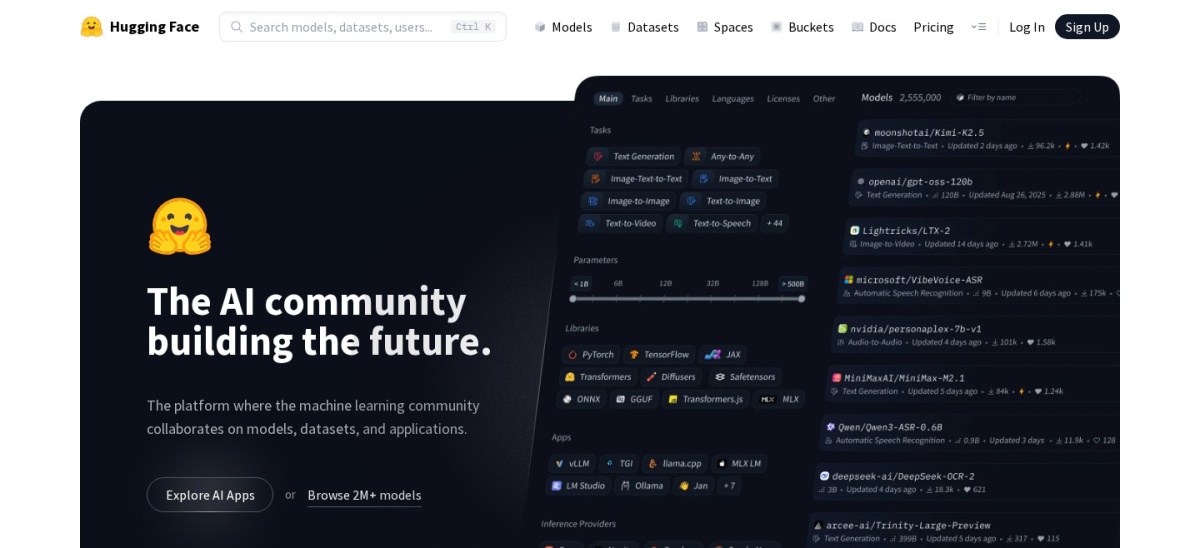
Hugging Face is the main hub for open machine learning, with around 3 million models, datasets and Spaces apps, plus pay-as-you-go compute for hosting and inference. A free account covers the Hub, and PRO costs $9 a month.
The trade off is that it is a hub, not a full MLOps suite. There is no built-in registry, pipeline and monitoring stack, and compute bills separately by usage. It suits teams that work with open models and want the widest catalogue.
Usage billing: why the entry price is not the bill
Every usage-based platform in this list prices its cheapest unit in the open, then charges for the rest separately. Databricks bills DBUs on top of cloud VMs, Vertex AI bills training, prediction and storage on separate meters, and Bedrock adds Guardrails and knowledge bases beside tokens.
That makes the entry price a starting point, not a budget. A single H100 training hour costs $4 to $15 depending on the platform, and a month of steady GPU work runs into thousands of dollars on any of these services.
The fix is to price one real workload everywhere before you choose. Pick a training job or a token volume you already know, run it through each vendor's calculator, and compare those totals instead of the headline rates.
How we chose
We started from the managed ML and generative AI platforms with the largest G2 review bases, then kept the nine with a verifiable rating and a published or clearly custom price.
Prices come from vendor pricing pages checked on 22 November 2026, or from the vendor's G2 listing or a dated secondary check where a page would not open. Ratings and review counts come from G2, or Trustpilot where G2 had too few reviews. Where a vendor shows a sale, the list shows the regular price.
We left out GPU rental clouds with no verifiable review base. No vendor paid for a place, and we do not claim hands-on testing for this list.
How to choose an AI cloud platform
Start with the cloud your data already lives in, then price one real workload on each shortlisted platform.
Start from your cloud. SageMaker on AWS, Vertex AI on Google Cloud and Azure ML on Azure are cheapest where your data already sits.
Price one real workload. Pick a training job or token volume you know, and run it through each vendor's calculator. Headline rates do not compare.
Check the governance you need. Regulated teams should shortlist watsonx.ai, Dataiku and Databricks first, and check audit and access controls before price.
Try the free tier before you commit. Databricks, watsonx.ai, SageMaker and Hugging Face all let you run real work free. See our cloud hosting guide for the same trial-first approach.
FAQ
What is the best AI cloud platform?
Databricks is the best overall pick, rated 4.6 out of 5 on G2 from 1,419 reviews, with data engineering, ML and AI agents on one lakehouse. Azure OpenAI is best for OpenAI models on Azure, and IBM watsonx.ai is best for governed multi-cloud AI.
How much does an AI cloud platform cost?
There is no single price. Databricks starts from $0.07 per DBU, Vertex AI training from $0.104 an hour, Bedrock from $0.035 per million tokens, and watsonx.ai Standard from $1,110 a month. GPU training runs into thousands of dollars a month at steady use.
Is there a free AI cloud platform?
Most have a free tier or trial. Databricks offers a 14-day trial, watsonx.ai has a free toolbox with 300,000 tokens a month, SageMaker gives 250 free hours for two months, and Hugging Face has a free Hub account.
Which AI cloud platform is best for beginners?
Hugging Face is the easiest start, with a free Hub, a $9 PRO plan and the largest open-model catalogue. For managed training, Vertex AI and SageMaker both have free tiers and no-code AutoML options.
Do I need Databricks or can I use my cloud's own ML service?
If your data already lives in one cloud, its own service is usually cheaper and simpler: SageMaker on AWS, Vertex AI on Google Cloud, Azure ML on Azure. Databricks wins when data and AI span clouds or need one governed lakehouse.
What is the difference between Bedrock and SageMaker?
Bedrock is a managed API for calling foundation models by the token, with no training infrastructure to run. SageMaker is a full machine learning platform for training, tuning and deploying your own models.