Sanity is the best of the AEM alternatives for teams that want a modern headless CMS, with the highest G2 rating here and a free plan for 20 seats. Storyblok suits marketers who want visual editing, while Contentful fits large enterprises.
How we make this list: we compare pricing pages, product documentation and public user reviews, then re-check every price before each update. No product paid for a place. Disclosure.
Sanity is the highest rated at 4.7 on G2, with a free plan covering 20 seats.
Storyblok is the most marketer-friendly headless CMS here, with a visual editor included.
Adobe Experience Manager, Sitecore, Contentstack and Optimizely publish no prices; every deal is a custom quote.
WordPress.org is the only free option, but you run hosting, security and updates yourself.
HubSpot Content Hub is the only pick here with a CRM built in, from $20 a seat a month.
How do you choose the best AEM alternatives for your team?
AEM alternatives split into two camps. Headless platforms such as Sanity, Storyblok, Contentful and Contentstack separate content from the front end, while full platforms such as WordPress, Webflow and HubSpot Content Hub bundle editing, hosting and delivery.
Headless fits teams with developers. You gain freedom over the front end and the channels you publish to, but a developer must build and maintain the site.
Price transparency is rare at enterprise scale. Only Sanity, Storyblok, Contentful, HubSpot and Webflow publish prices, while Sitecore, Contentstack and Optimizely quote every deal.
Migration time decides the real cost. G2 reviewers report about six months to implement AEM, while a headless CMS can go live far faster when the front end already exists.
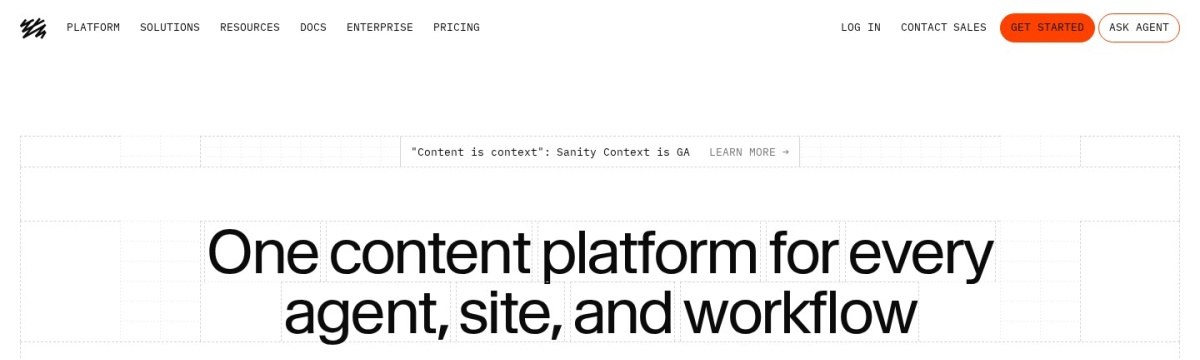
Sanity is a headless CMS with the highest G2 rating here at 4.7, built around a fully customizable content model and real-time collaborative editing. The free plan covers 20 seats and two public datasets, and Growth adds private datasets from $15 a seat a month.
The trade off is developer time. Setup is code, and marketers get a custom studio rather than a ready-made page builder, so a developer must build the front end. It suits content-heavy teams with a developer to spare.
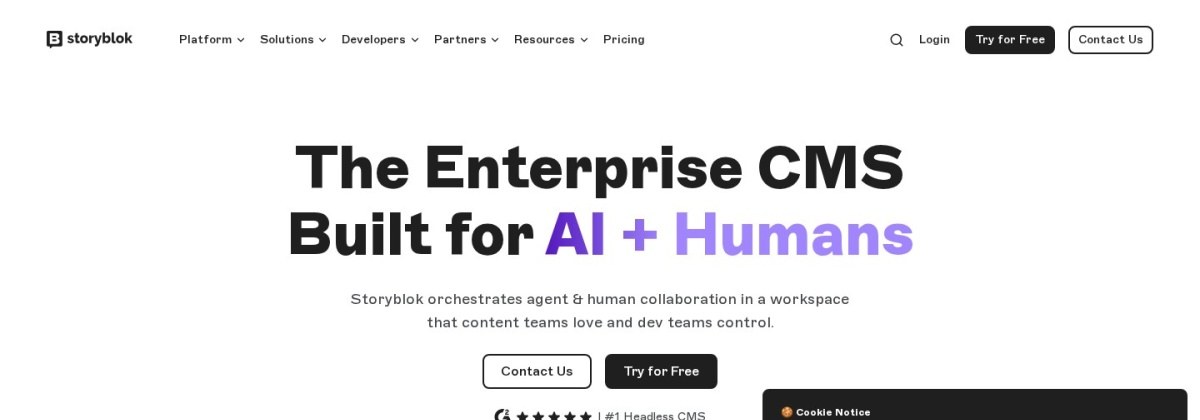
Storyblok is a headless CMS that pairs a visual editor with developer-built components, so marketers assemble pages from a component library without touching code. Growth costs $99 a month per space with five seats, and localization works at field, folder and space level.
The trade off is per-space pricing. Each client site needs its own space, so agency costs grow site by site, and Growth Plus jumps to $349 a month. It suits agencies and marketing teams that want visual editing on headless content.
HubSpot Content Hub is the CMS built into HubSpot's CRM, so website content, contacts, forms and analytics work together in one place. Starter costs $20 a seat a month at list price and adds a custom domain, themes and removal of HubSpot branding.
The trade off is seat pricing and discounts. Every editor is a paid seat, and the $7 a month price on the site is a new-customer offer against the $20 list price. It suits marketing teams already running on HubSpot.
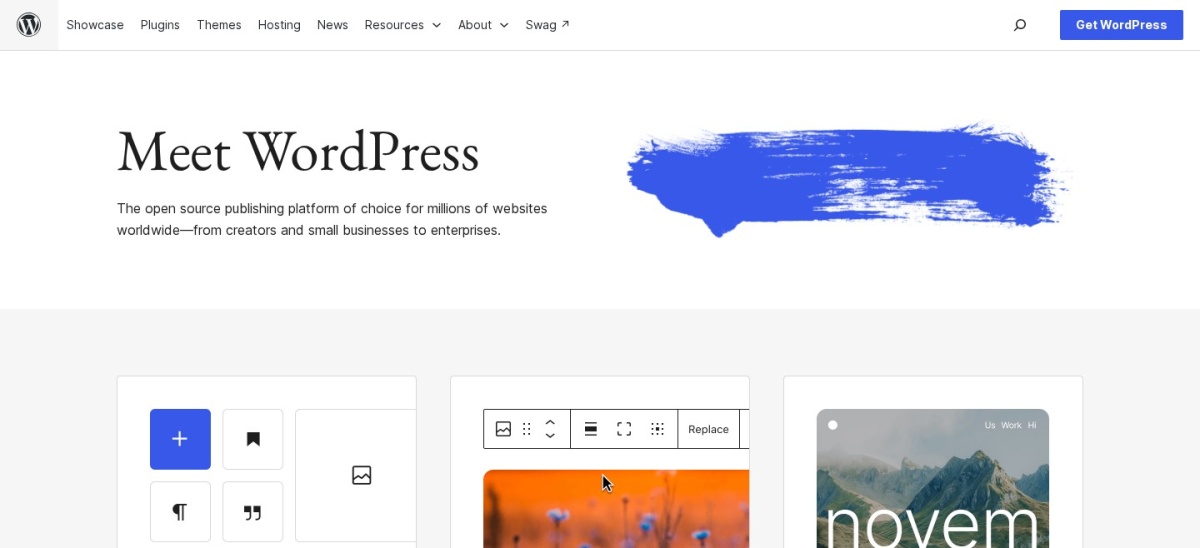
WordPress.org is the free, open-source CMS that powers a large share of the web, with tens of thousands of plugins and thousands of themes. It costs nothing for the software itself, and editors get a familiar block editor with no per-seat fees.
The trade off is that you run it yourself. Hosting, security, updates and backups are your job or your host's, and enterprise features need paid plugins or managed hosting. It suits teams that want full control at the lowest software cost.
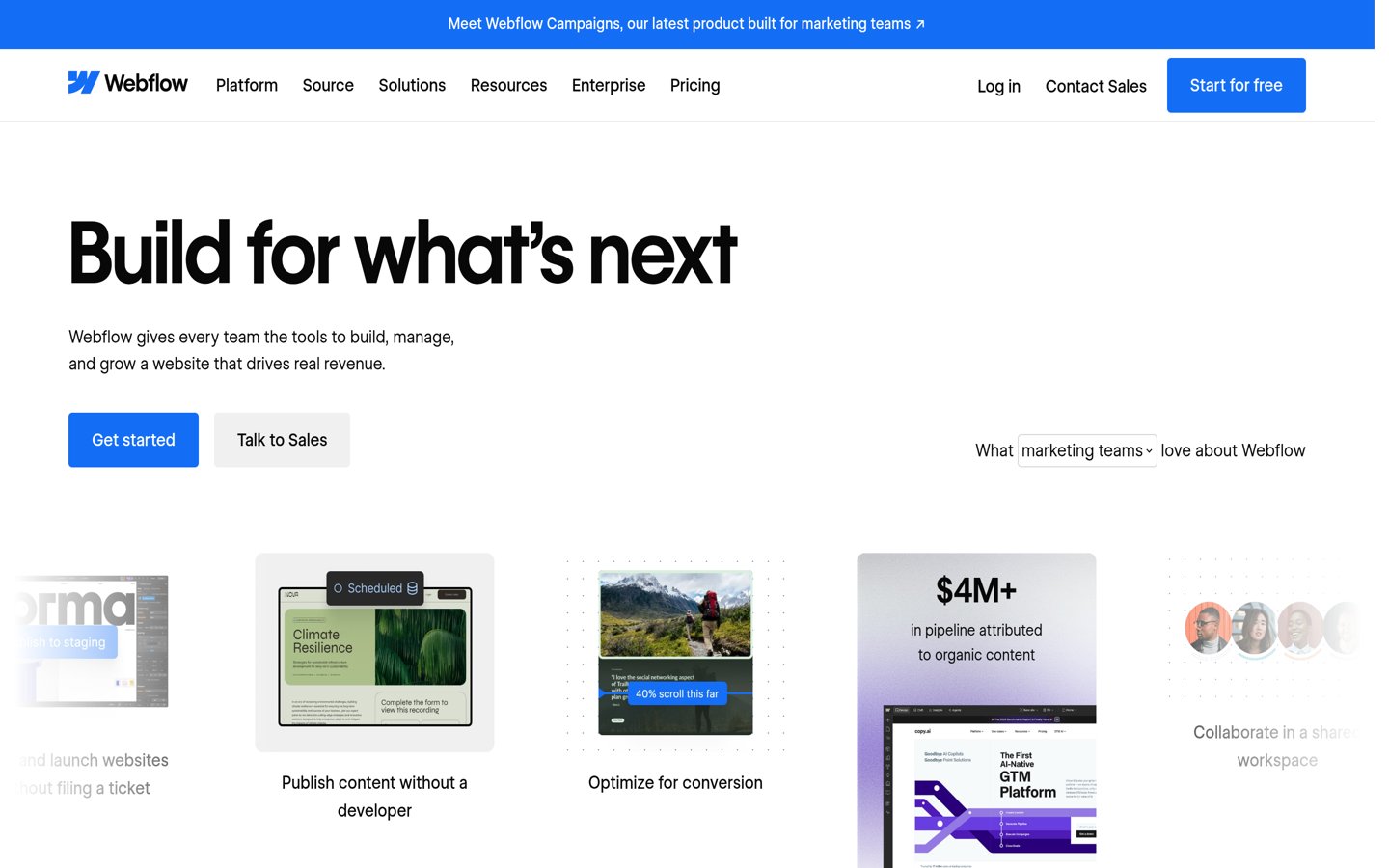
Webflow is a visual website builder with a structured CMS and managed hosting in one platform, so designers build custom sites without handing every change to a developer. The CMS plan costs $23 a month billed annually and adds collections, fields and editor seats.
The trade off is scale and price steps. Webflow suits marketing sites rather than huge enterprise portals, and the CMS plan is the first tier that includes the CMS at all. It suits design-led teams that want visual control.
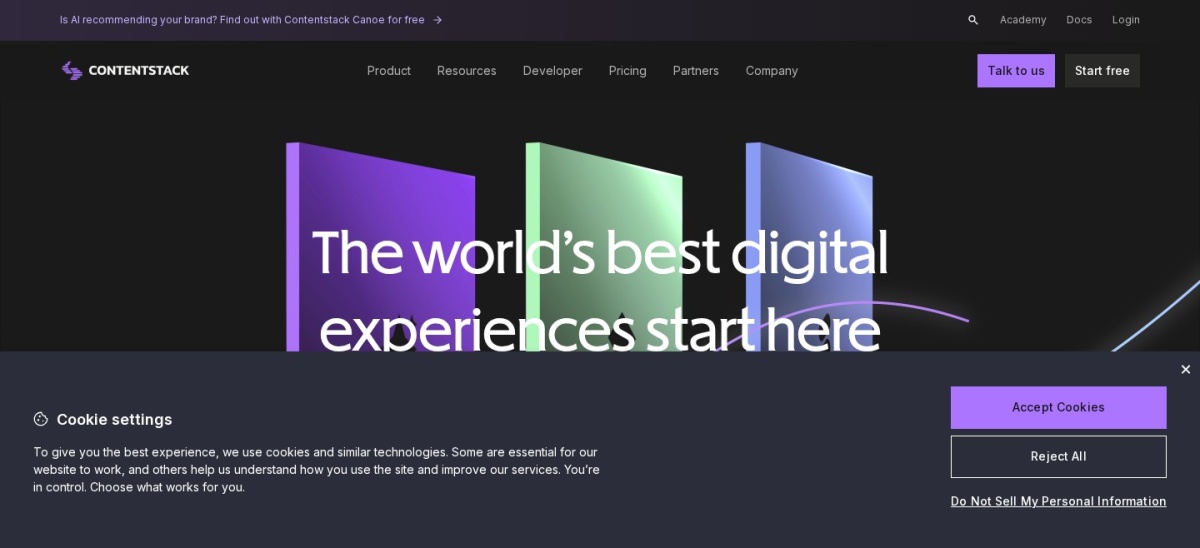
Contentstack is a composable headless platform built for scale, with content, automation and personalization that plug together for large teams. It is the enterprise-grade headless option here, with strong governance and multi-site support.
The trade off is price transparency. Contentstack publishes no prices, so every deal is a custom quote, and implementation needs developers. It suits large teams replacing AEM with a composable stack.
Contentful is the headless CMS that lets marketing teams publish one content model to web, app and portals from a single hub. The free plan covers 10 users, and Lite costs $300 a month for 20 users with a starter space.
The trade off is cost and the visual editor. Lite is $300 a month with no annual discount, and the visual Studio editor is quote-only. It suits enterprises with in-house engineers and many channels.
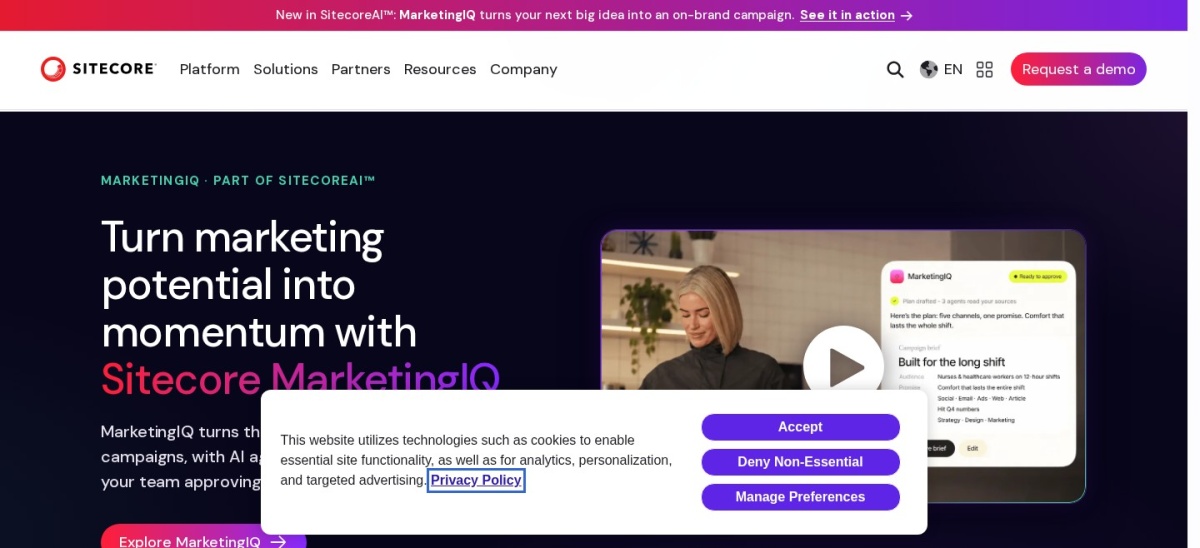
Sitecore is an enterprise DXP whose XM Cloud plan is the SaaS successor to the Sitecore installs many large organizations already run, with hosting handled for you and strong multi-site and multi-language governance. CDP, Personalize and Search plug in as modules when you need them.
The trade off is price and complexity. Sitecore publishes no prices, implementation takes months, and it is built for large teams, not small sites. It suits .NET teams and global brands that need deep personalization.
Optimizely is a suite that pairs its content system with experimentation and personalization from the same vendor, so a marketer can publish a page, run two versions against each other and personalize the winner. Visual Builder lets editors assemble pages by drag-and-drop.
The trade off is price and implementation. Optimizely publishes no prices, implementation most often takes six to twelve months, and its CMS scores 4.0 on G2, the lowest here. It suits testing-led marketing teams.
Headless vs full platforms: which replaces AEM best?
Headless platforms win when you publish to many channels. One content model feeds the website, the app and the portal, and developers pick the front-end stack.
Full platforms win when marketers must ship pages alone. WordPress, Webflow and HubSpot Content Hub include hosting, themes and editors that need no developer.
Budget decides first. Sanity, HubSpot and Webflow all start under $25 a month, while Contentful starts at $300 and the enterprise suites quote custom deals.
Check who edits before you choose. If marketers edit daily, Storyblok or HubSpot fits best. If developers own the site, Sanity or Contentstack fits better.
How we chose
We started from the CMS platforms most often compared with Adobe Experience Manager on G2, then kept the nine with a published price or a quote-only enterprise plan and a verifiable G2 rating.
Prices come from each vendor's pricing page, checked on 29 November 2026. Ratings and review counts come from G2 on the same day. Where a vendor shows a sale, the list shows the regular price.
We left out tools with no public rating, including Drupal, which scores 3.9 on G2, the lowest of the candidates. No vendor paid for a place, and we do not claim hands-on testing for this list.
How to choose an AEM alternative
Start with who edits the site and who builds it, then match the platform to that team.
Count your editors and developers. Many marketers and few developers points to HubSpot or Storyblok. Many developers points to Sanity or Contentstack.
List your channels. Website only fits any platform here. Web, app and portal together needs a headless platform such as Sanity or Contentful.
Ask for a real quote early. Four tools here publish no prices, so get the quote before you shortlist, or the budget decides for you.
Plan the migration. Ask each vendor for a realistic timeline and a migration path from AEM, including content, templates and personalization rules.
FAQ
What is the best AEM alternative in 2026?
Sanity is the best pick for most teams. It has the highest G2 rating here at 4.7, a free plan for 20 seats, and Growth from $15 a seat a month. Storyblok suits marketers who want visual editing.
Is there a free AEM alternative?
WordPress.org is free, with tens of thousands of plugins and no seat fees, though you pay for hosting. Sanity, Storyblok, Contentful, HubSpot and Webflow all offer free plans too.
How much does an AEM alternative cost?
Published prices run from free to $300 a month for Contentful Lite. Sanity starts at $15 a seat a month and Webflow at $23 a month, while Sitecore, Contentstack and Optimizely quote custom deals.
Which AEM alternative is best for enterprises?
Contentful and Sitecore are the enterprise picks here, with multi-site governance and personalization. Contentful publishes prices from $300 a month, while Sitecore quotes every deal.
Sanity or Storyblok for a marketing team?
Pick Storyblok when marketers must build pages themselves with a visual editor. Pick Sanity when developers own the front end and you want the highest-rated headless CMS here.
Can I migrate from AEM to WordPress?
Yes, and WordPress is the cheapest migration target, since the software is free. Budget for hosting, a migration of content and templates, and security hardening after the move.
SaaS SEO and WordPress specialist with about 8 years of experience. Rakib compares WordPress plugins, themes, hosting and software using public pricing, documentation and user reviews. See how we rank.