Blender is the best of the 3ds Max alternatives for most artists: it is free and open source, covers modeling, animation and rendering, and holds a 4.6 out of 5 rating on G2. Pick Maya if you need a studio pipeline match, or Cinema 4D for motion graphics work.
How we make this list: we compare pricing pages, product documentation and public user reviews, then re-check every price before each update. No product paid for a place. Disclosure.
Blender costs $0 and covers modeling, sculpting, animation and rendering, so it is the default pick unless a studio pipeline forces another tool.
Maya is the closest direct replacement for 3ds Max at the same $2,010 a year, with an Indie licence at $330 a year for artists earning under $100,000.
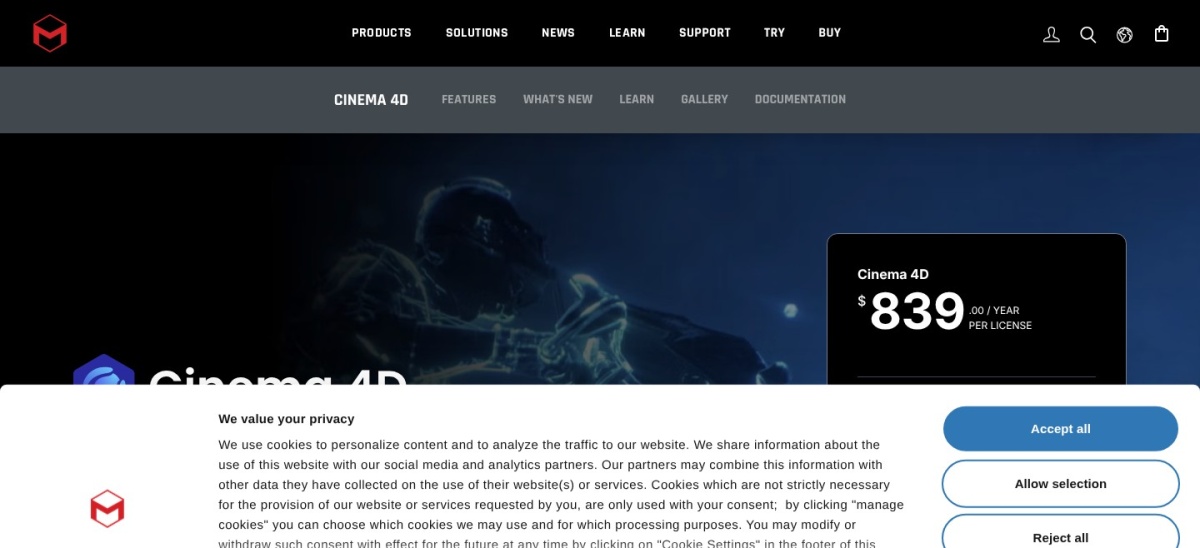
Cinema 4D costs $839 a year and includes the Redshift renderer, making it the motion graphics pick.
Houdini Indie gives the full FX toolset for $299 a year to studios under the $100,000 revenue cap.
Prices in this list run from free to $2,010 a year, and only Rhino sells a one-time licence, at $995.
How do you choose the best 3ds Max alternative?
Start with the work you do most. A 3ds Max user who renders buildings needs different strengths from one who builds game characters, and no single alternative covers both equally well.
Price is the widest gap in this list. Blender costs $0, Houdini Indie costs $299 a year, and Maya costs $2,010 a year, so the cheapest and dearest options differ by the price of a workstation.
Check the file formats and renderers your clients expect before you switch. Most tools here read and write FBX and OBJ, and our guide on building a portfolio site with WordPress shows how to present the finished renders once they are exported.
A free plan or trial is the cheapest way to judge a tool. All nine tools here offer a free plan, a free version for personal use, or a trial of 14 to 90 days, so run a real job through your shortlist before you pay.
Blender is the free, open-source replacement most 3ds Max users try first, and it covers the whole job: modeling, sculpting, UVs, rigging, animation, simulation and rendering in one download. The Cycles and Eevee renderers are built in, it runs on Windows, macOS and Linux, and the GPL licence allows commercial work with no seat limit.
The trade off is the lack of a vendor support desk. Answers come from the community and documentation, and a few large studios still ask for Maya or Houdini scene files. It suits freelancers, students and indie teams who want a complete 3D pipeline for $0.
Autodesk Maya is the studio animation standard for film, television and games, and the closest direct replacement for 3ds Max in a professional pipeline. It covers modeling, rigging, character animation and visual effects, includes the Arnold renderer, and runs on Windows, macOS and Linux.
The trade off is the price. A single seat costs $2,010 a year, or $255 a month, with no free plan for commercial work, although Maya Indie costs $330 a year for artists with annual gross revenue under $100,000. It suits animators and riggers who need to match a studio pipeline.
Cinema 4D is Maxon's 3D software for motion graphics, modeling, animation and rendering, and the friendliest studio tool in this list. It includes the Redshift GPU renderer and five Team Render nodes, offers a 14-day free trial, and is known for MoGraph tools that animate clones, text and procedural motion.
The trade off is price for general modeling. At $839 a year it costs far more than Blender or Houdini Indie while offering less simulation depth than Houdini. It suits motion designers and broadcast artists who work with After Effects every day.
What we like
Strongest MoGraph toolset in this list
Redshift renderer included
Easier to learn than Maya or Houdini
Good After Effects integration
Watch out for
No Linux version
Less simulation depth than Houdini
$839 a year is dear for general modeling
Maxon One at $1,265 a year adds ZBrush, Red Giant and moreVisit maxon.net
04
Houdini
4.5/5on G2 (35 reviews, checked Nov 2026)
Paid from$299/yr
Best for procedural simulation
PriceIndie $299/yr
Free versionApprentice, non-commercial
StrengthProcedural nodes and simulation
Indie limitRevenue under $100K
sidefx.com
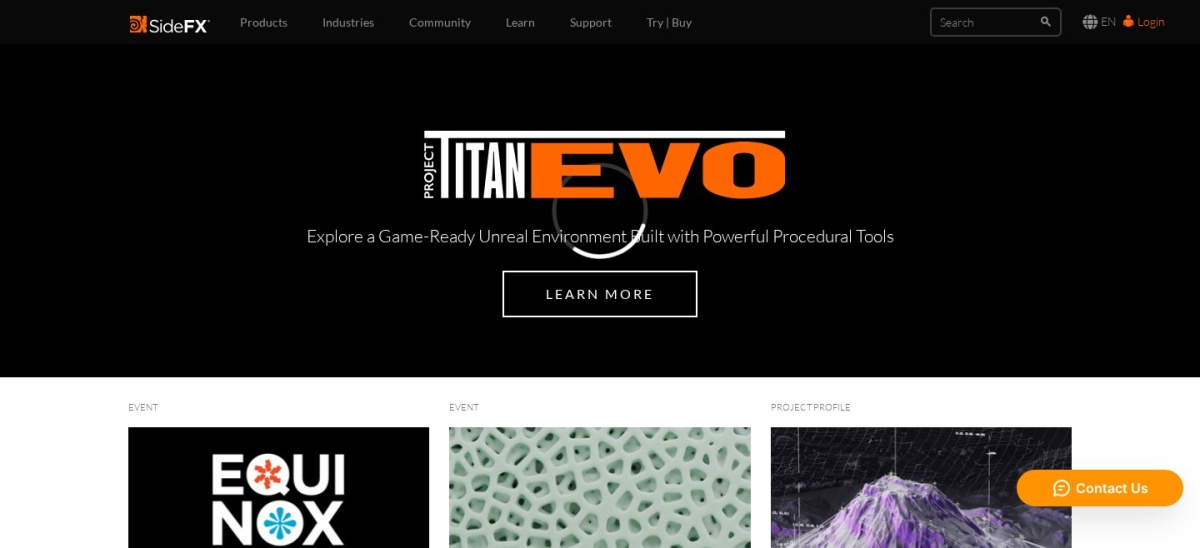
Houdini homepage, captured Nov 2026.
Houdini is a node-based procedural tool from SideFX for modeling, simulation and visual effects, and the simulation leader in this list. Houdini Indie costs $299 a year, or $449 for two years, and gives the full Houdini FX feature set to studios with annual gross revenue under $100,000.
The trade off is learning time and file compatibility. Indie files use a different format from commercial Houdini files, so a project started in Indie cannot move into a commercial pipeline without a fresh setup. It suits FX artists and technical directors who build destruction, fluid, fire and crowd work with nodes.
What we like
Full FX toolset on the Indie licence
Free Apprentice version for learning
Best-value simulation tool in this list
Watch out for
Indie licence caps revenue and 3 licences per studio
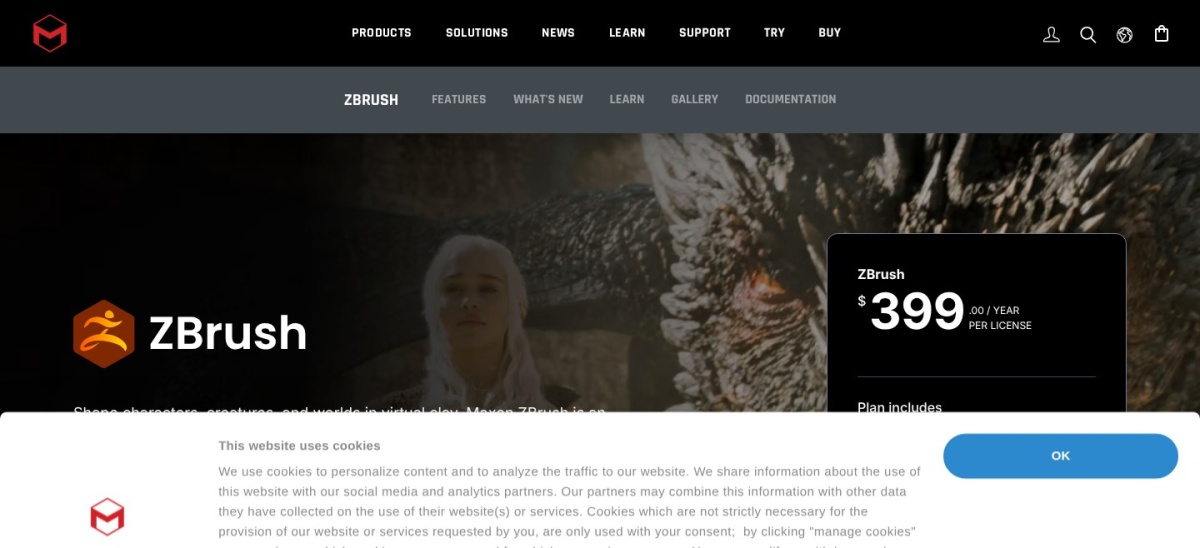
ZBrush is the sculpting specialist in this list, from Maxon. It handles tens of millions of polygons in real time, with more than 200 brushes plus ZRemesher, DynaMesh and Sculptris Pro for organic detail. One subscription costs $399 a year billed annually, or $49 a month, and covers desktop plus ZBrush for iPad.
The trade off is scope. ZBrush is weak for hard-surface modeling, CAD-style work and animation on its own, so most artists pair it with Blender, Maya or Cinema 4D for retopology and rigging. It suits character sculptors, creature artists and game artists who sculpt organic forms and fine detail.
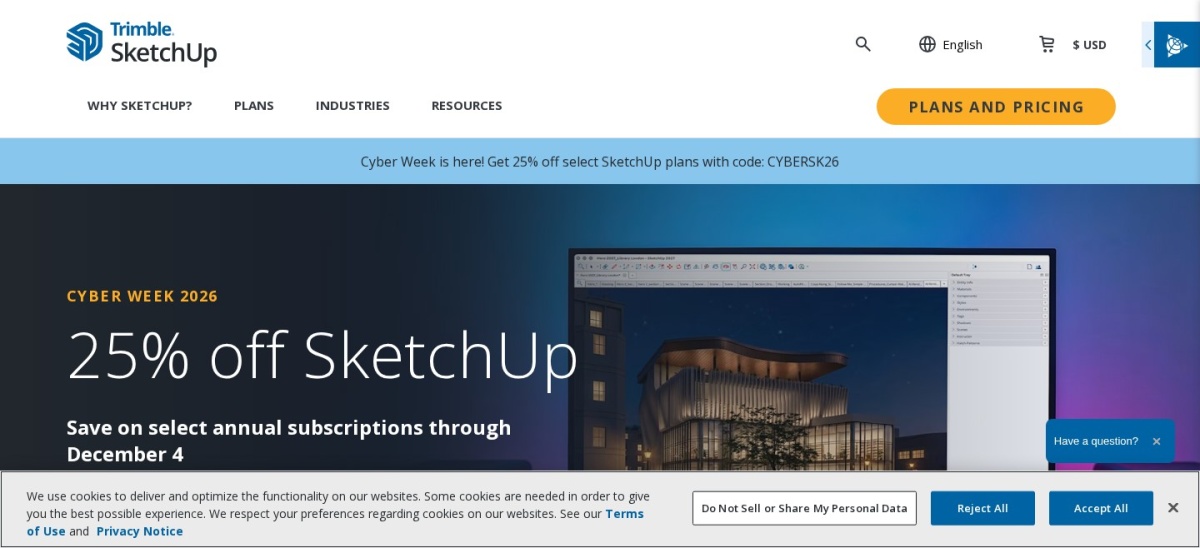
SketchUp is the fastest way to model buildings, interiors and concept designs in this list, from Trimble. Pro costs $399 a year billed annually and includes LayOut for 2D documentation, while a free web version covers personal, non-commercial use and Go costs $129 a year for web and iPad use.
The trade off is rendering and billing. Pro has no built-in photorealistic renderer, so realistic renders need Studio or a separate renderer, and monthly billing at $99.99 a month costs three times the annual total. It suits architects, interior designers and builders who need fast concept models and clear drawings.
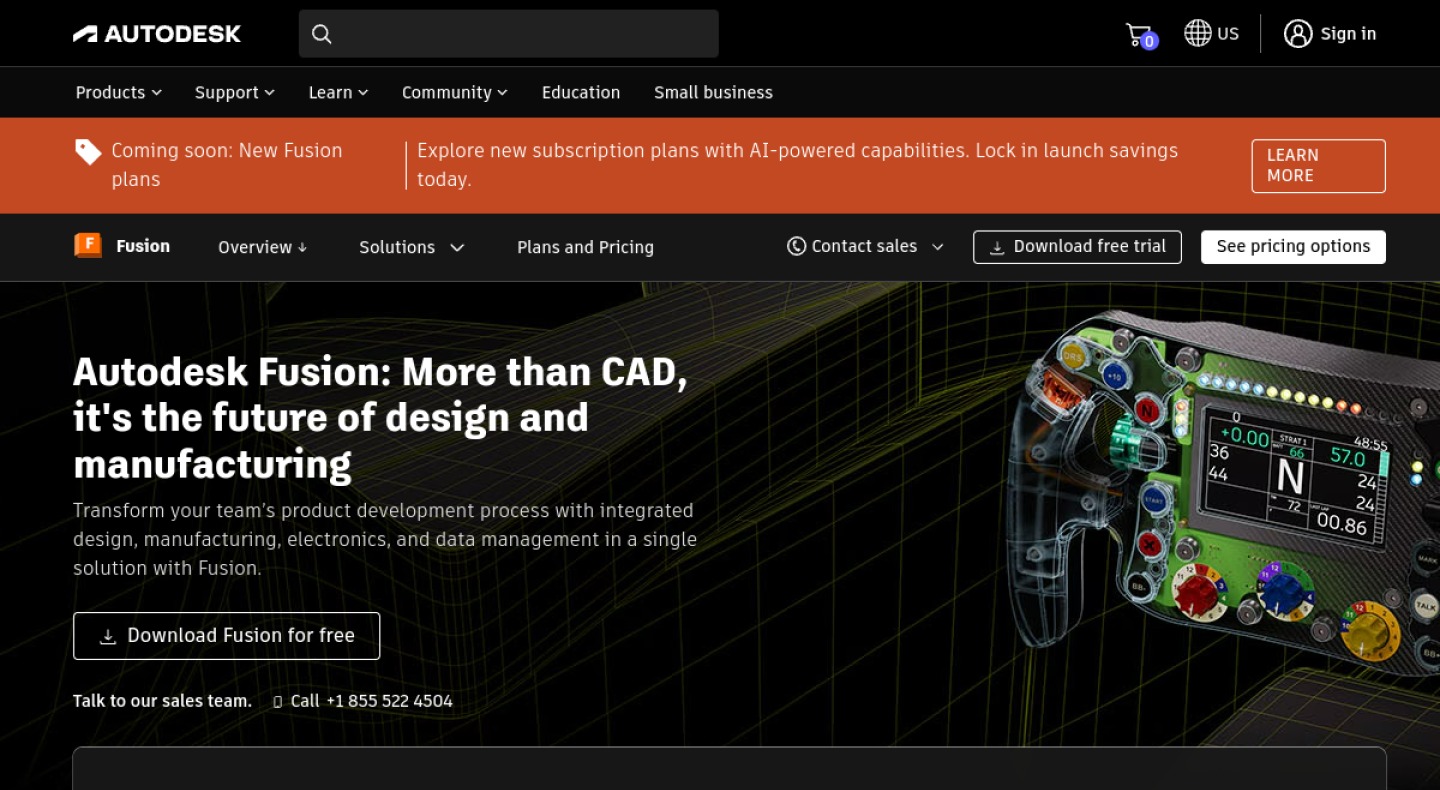
Autodesk Fusion is a cloud-based CAD tool for product design, engineering and manufacturing, and the practical pick here for makers of real objects. It combines parametric modeling, assemblies, simulation and CAM in one workspace, with a free version for personal use and a paid plan at $680 a year.
The trade off is focus. Fusion is built for parts and products with exact dimensions, not for characters, archviz scenes or animation, and the free version limits active projects and exports. It suits product designers, engineers and hobbyists who need to go from model to machine.
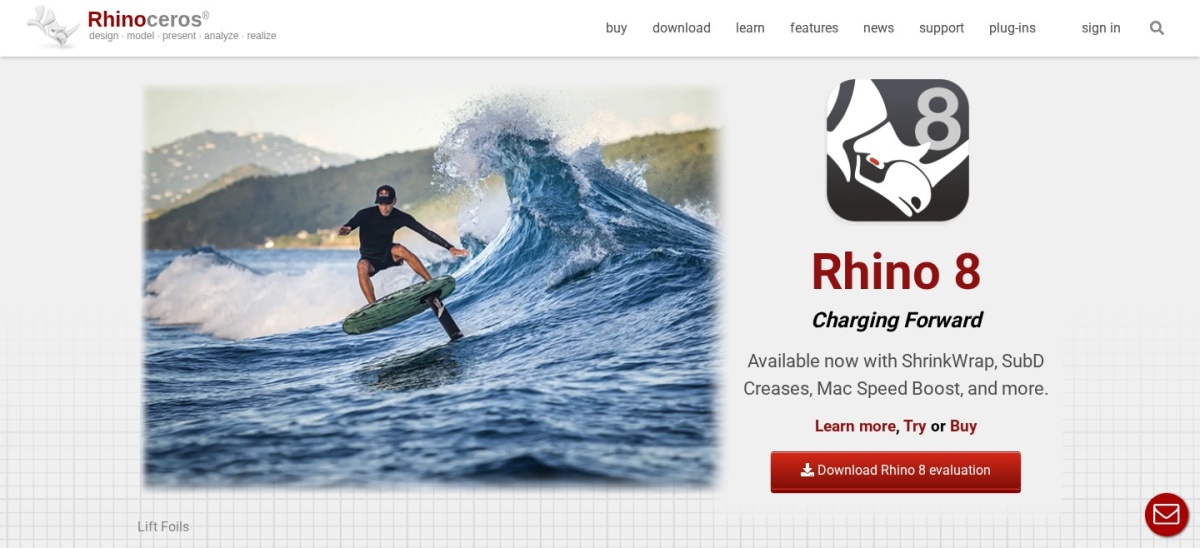
Rhino 3D is a precision NURBS modeler for architecture, product design, jewellery and marine work, from McNeel. A commercial licence costs $995 once, with no subscription and no maintenance fees, and includes Grasshopper for parametric design. Students and faculty pay $195, and a 90-day trial covers every feature.
The trade off is paying upfront and paying again for upgrades. The $995 licence never expires, but a new major version costs extra, with upgrades listed at $595. It suits designers who model exact curves and surfaces for fabrication and want to own the licence outright.
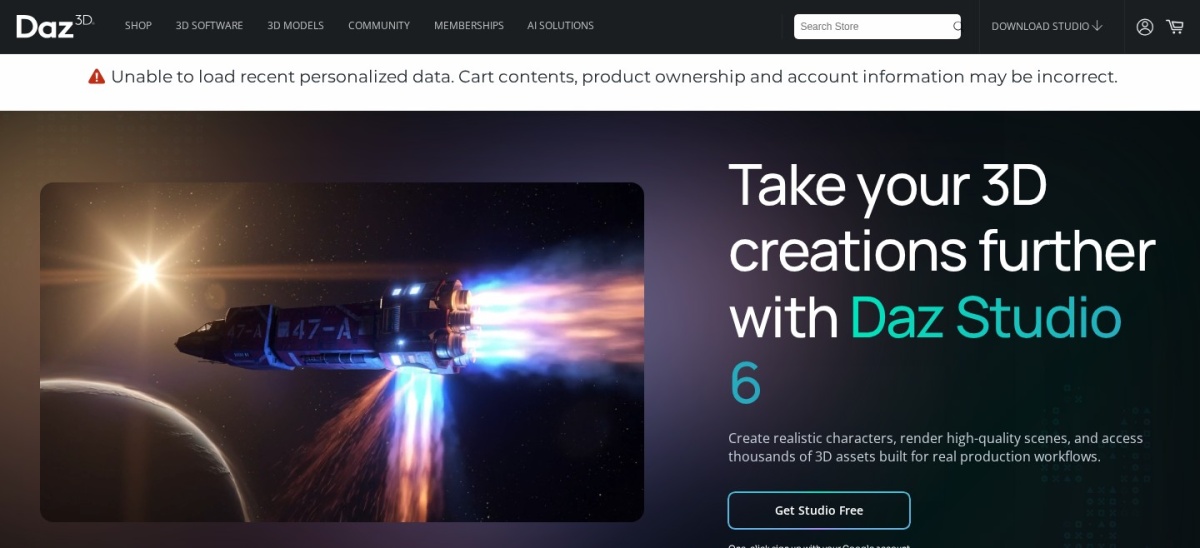
Daz Studio is a free 3D program for posing, dressing and rendering ready-made human figures, built around the Genesis 9 figure platform and the NVIDIA Iray renderer. It ships with Starter Essentials content, runs on Windows and macOS, and the business model is a store that sells figures, clothing and scenes.
The trade off is control and content cost. Daz Studio is not a general modeler, so a custom creature or prop needs another tool, and figures and outfits are bought one by one. It suits illustrators and comic artists who need finished characters fast.
What we like
Full app is free, with figures included
Fastest route to a finished character render
Genesis 9 figures with clothing and poses
Iray renderer included
Watch out for
Not a general modelling tool
Content costs add up in the store
Only 9 Capterra reviews, so the rating is thin
Daz+ at $69 a year adds member pricing; Premier at $199 a year adds more contentVisit daz3d.com
Switching from 3ds Max: what changes
The biggest change is the operating system. 3ds Max runs on Windows only, while Blender, Maya and Houdini run on macOS and Linux too, so a switch can also mean a new machine.
The modifier stack has no exact twin elsewhere. Cinema 4D comes closest with procedural modeling, Houdini replaces it with nodes, and Blender uses its own modifier stack with different names for the same ideas.
Renderers and plug-ins do not all carry over. V-Ray and Corona have versions for several tools here, but a scene built around 3ds Max plug-ins needs rebuilding, so budget time for one conversion project.
File exchange is the easy part. FBX carries models and animation between most tools here, and USD is the format studios use when a scene must move between packages.
How we chose
We started from the 3D tools most often named as 3ds Max replacements in archviz, games, film and product work, then kept nine established products with a current version and a public price.
Prices come from each vendor's pricing page or a page that quotes it, checked on 29 November 2026. Ratings come from G2 on the same day, except Daz Studio, which uses Capterra. Where a vendor shows a sale, the list shows the regular price.
We left out tools with no public price and tools whose maker has stopped active development, including Modo. No vendor paid for a place, and we do not claim to have used these tools ourselves.
How to choose a 3ds Max alternative
Match the tool to the work you bill for, then test it on a real project before you pay.
List the 3ds Max features you use every week. Modifier stack work, rendering, animation and plug-ins point to different tools. A list stops you paying for features you never touch.
Check the file formats your clients need. FBX, OBJ and USD cover most handoffs, but a studio that shares native Max or Maya files will force your choice.
Try the free version or trial on a real job. A weekend test on a paid project shows the learning curve, the render speed and the export gaps better than any feature list.
Add up the first year, not the first month. Annual billing cuts the monthly price sharply, Indie licences carry revenue caps, and Rhino's $995 once-off beats a $2,010 subscription after six months.
FAQ
What is the best alternative to 3ds Max?
Blender is the best alternative to 3ds Max for most artists. It is free, covers modeling, animation and rendering in one download, and holds a 4.6 out of 5 rating on G2 from 320 reviews. Maya is the better pick if you work in a studio that hires for Autodesk skills.
How much does a 3ds Max alternative cost?
From $0 to $2,010 a year. Blender and Daz Studio are free, Houdini Indie costs $299 a year, ZBrush and SketchUp Pro cost $399 a year, Cinema 4D costs $839 a year, and Maya costs $2,010 a year. Rhino is the only one-time licence, at $995 once.
Is there a free alternative to 3ds Max?
Yes. Blender is completely free for commercial work, and Daz Studio is free with optional paid content. Houdini Apprentice, SketchUp Free and the Fusion personal version are also free for learning or personal use, with limits on commercial work.
Which 3ds Max alternative is best for beginners?
SketchUp is the easiest to learn, with push-pull modeling that most people grasp in a day, and a free web version for practice. Blender is the best free starting point if you want a full pipeline, although its learning curve is steeper.
Blender or Maya: which is better than 3ds Max?
Blender is better for freelancers and small teams because it costs $0 and covers the whole pipeline. Maya is better for studio work because it is the industry standard for character animation and its files match what large studios expect.
Which 3ds Max alternative is best for architectural visualisation?
SketchUp is the fastest for concept models and client presentations, while Blender is the free route, with Cycles built in. Rhino suits exact fabrication models, and 3ds Max users who render finished interiors often keep a separate renderer.
Can I open 3ds Max files in these alternatives?
Not directly. Most tools here import FBX and OBJ, so export your models from 3ds Max in those formats before you switch. Materials, modifiers and plug-in effects do not carry over, so expect to rebuild shaders and lighting in the new tool.
SaaS SEO and WordPress specialist with about 8 years of experience. Rakib compares WordPress plugins, themes, hosting and software using public pricing, documentation and user reviews. See how we rank.