Demio is the best of the Zoom alternatives for webinars for most marketing teams, starting at $45 a month billed annually for a 50-attendee room with no downloads. GoTo Webinar suits recurring training at $59 a month for 500 participants, while Livestorm is the pick for lead generation with a free plan.
How we make this list: we compare pricing pages, product documentation and public user reviews, then re-check every price before each update. No product paid for a place. Disclosure.
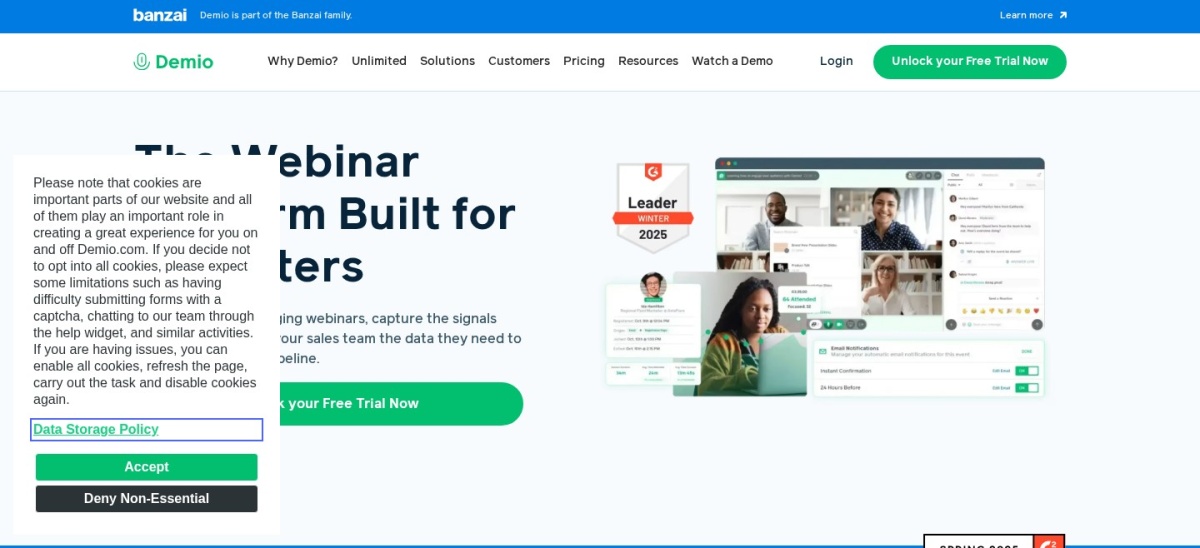
Demio is the simplest switch from Zoom, at $45 a month billed annually for a 50-attendee room with no downloads.
GoTo Webinar gives the biggest entry room here, with 500 participants on Reach at $59 a month billed annually.
Livestorm is the only tool here with a free plan, covering 30 attendee credits a year, while paid Pro starts at $100 a month.
Microsoft Teams Webinars is the cheapest entry at $14 a month, but it needs a Microsoft 365 Business Standard plan.
Webex Webinars lists at $2,700 a year and is currently shown at $675 a year, so confirm the renewal rate before you sign.
Entry prices run from $14 to $225 a month, and every tool here has a G2 rating between 3.6 and 4.6 out of 5.
How do you choose Zoom alternatives for webinars?
Room size drives the price more than features do. A 50-person room can cost under $50 a month, while a 500-person room on the same tool can cost twice as much, so check the attendee cap on the plan you would actually buy.
Browser-based rooms matter if your audience joins from locked-down work computers. Demio, Livestorm and ClickMeeting run fully in the browser with no download, while GoTo Webinar and Webex ask attendees to install an app or join from a browser.
Automation separates marketing webinars from training sessions. Tools such as eWebinar run recorded sessions on a schedule with live chat, while sales-led tools add polls, offers and CRM sync.
Registration pages are where leads are won or lost. A plain form converts less than a branded page with a clear promise, and our guide on creating a landing page in WordPress covers the same basics that apply to webinar sign-up pages.
Demio is a browser-based webinar platform built for marketers, with registration pages, polls, handouts and automated email reminders. Starter covers one host and a 50-attendee room with 3-hour sessions and up to 4 people on stage.
The trade off is room size. The price climbs steeply as you add attendees, and automated webinars need the Growth plan at $80 a month billed annually. It suits small teams running product demos and marketing webinars.
What we like
No download for hosts or guests
Clean setup for marketing webinars
Automated reminders and replays included
Watch out for
Small 50-attendee room on Starter
Price rises fast with room size
Growth adds automated webinars and custom brandingVisit demio.com
02
GoTo Webinar
4.2/5on G2 (804 reviews, checked Nov 2026)
Starts at$59/mo
Best for recurring training webinars
Participants500 on Reach
Organizer seats1 on Reach
Simulive eventsIncluded
Paid planReach, $59/mo
goto.com
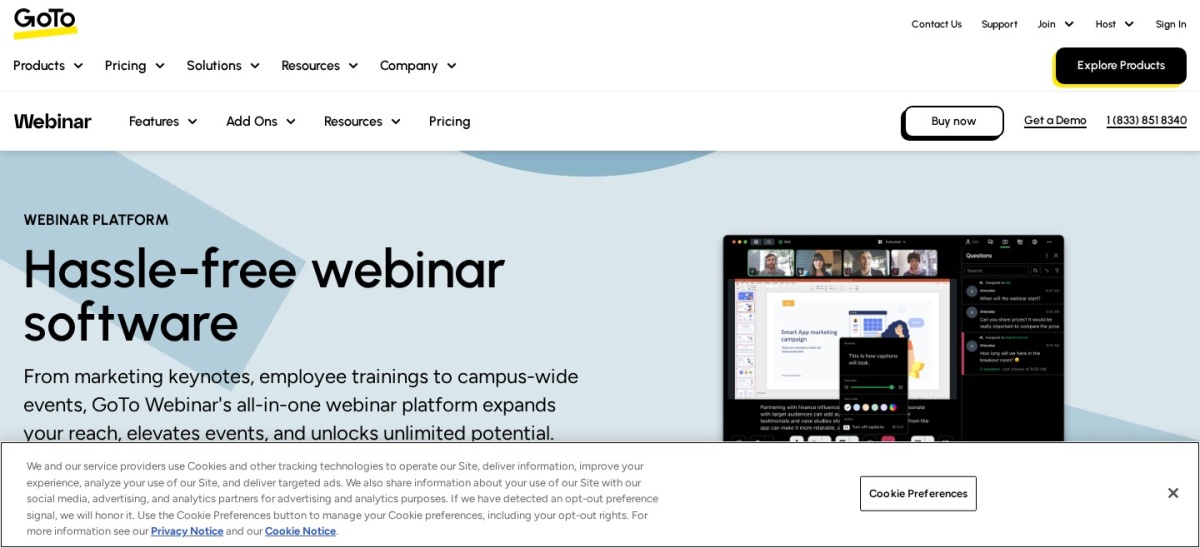
GoTo Webinar homepage, captured Nov 2026.
GoTo Webinar is the longest-running webinar tool in this list, built for recurring corporate webinars and training with polls, Q and A, handouts and detailed attendance reports. Reach covers one organizer seat and up to 500 participants with automated reminders.
The trade off is age. The interface feels dated next to Demio and Livestorm, and the entry plan allows only one organizer. It suits training teams that run the same session every week.
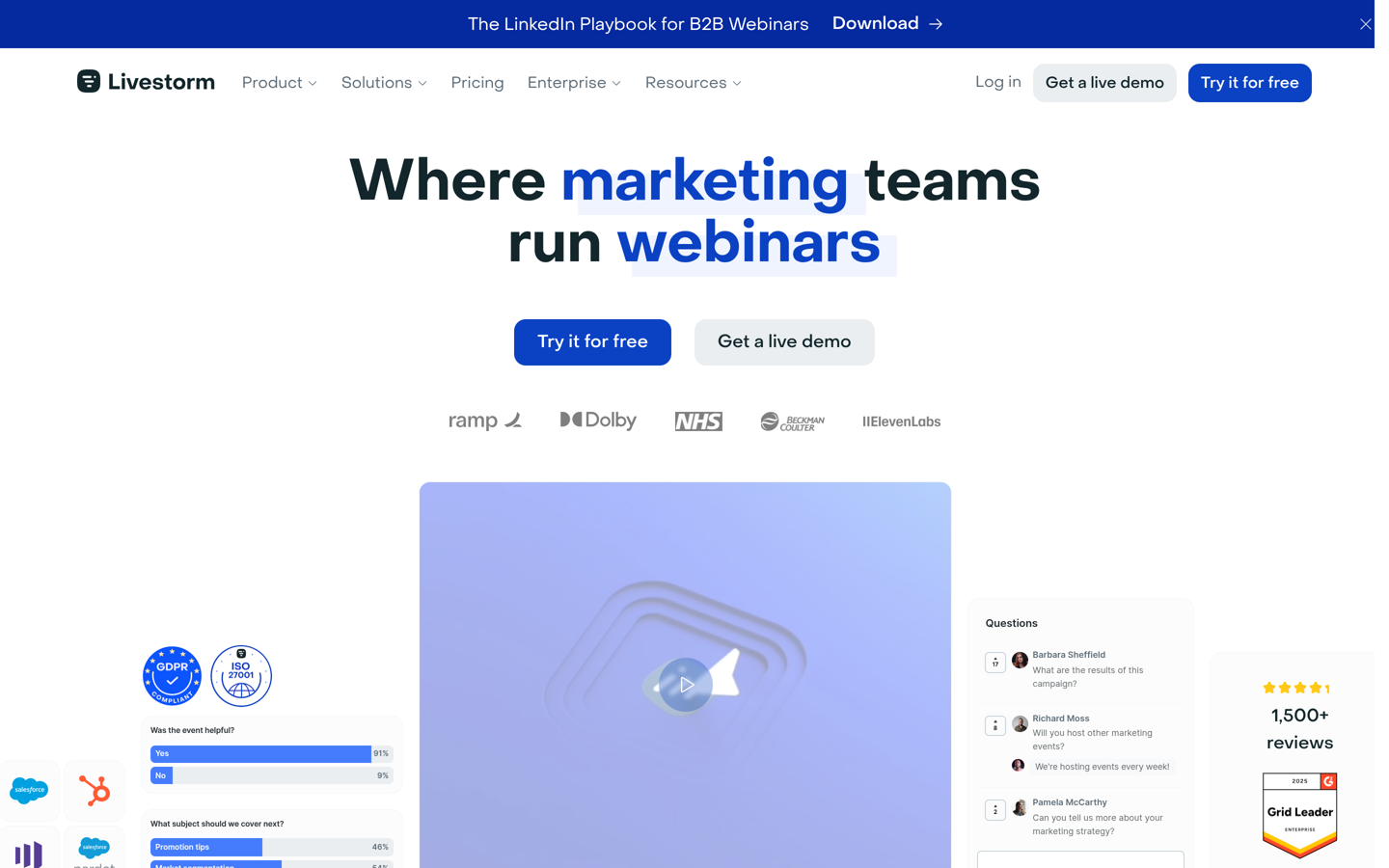
Livestorm is a browser-based webinar platform built around lead generation, with registration pages, attendance tracking and CRM sync to HubSpot and Salesforce. The free plan covers 30 attendee credits a year, and paid plans use credits that only burn when someone joins.
The trade off is the credit model. People who register but never show up cost nothing, yet a busy month of large sessions can burn through a credit pack fast. It suits B2B teams that treat webinars as a lead source.
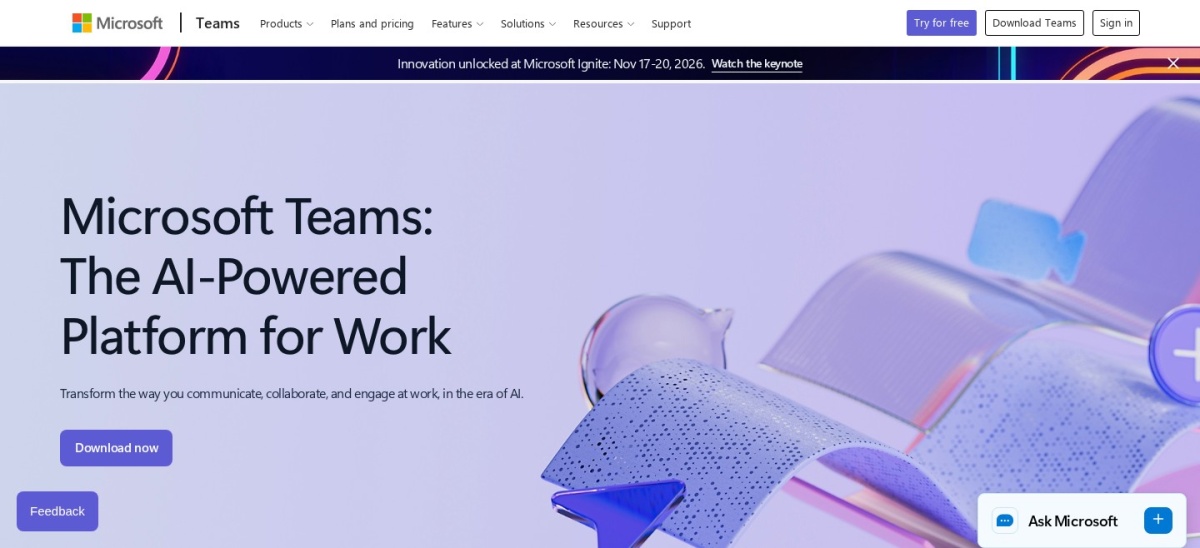
Microsoft Teams Webinars homepage, captured Nov 2026.
Microsoft Teams Webinars is the webinar mode inside Microsoft Teams, included with Microsoft 365 Business Standard. It covers up to 1,000 interactive attendees and 10,000 view-only guests, with registration, Q and A and attendance reports.
The trade off is focus. It is a meeting tool with webinar features, not a marketing platform, so there are no funnels, offers or deep CRM workflows. Webinars need Business Standard at $14 a month; the cheaper Basic plan at $7 does not include them. It suits Microsoft 365 teams that already pay for Teams.
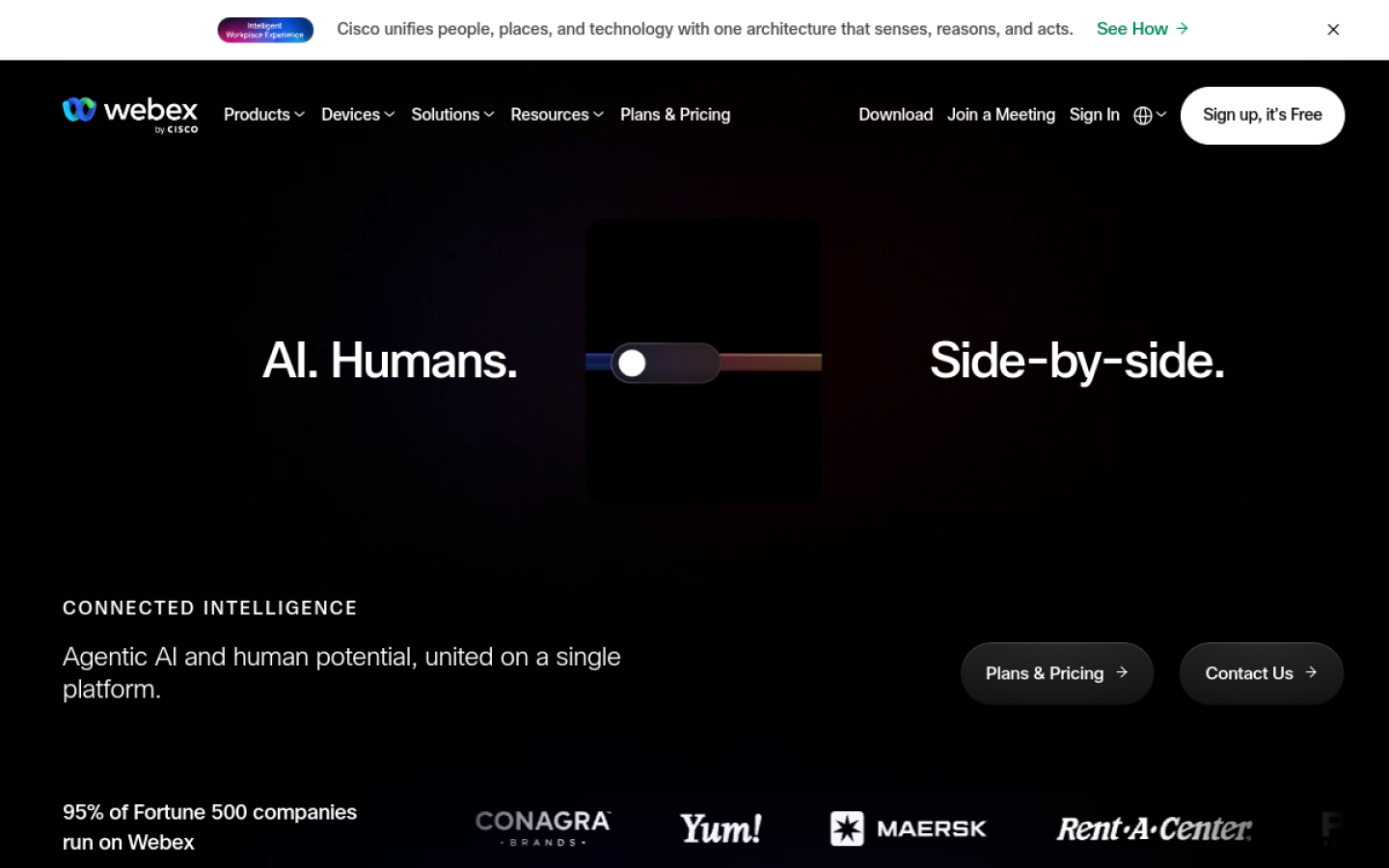
Webex Webinars is the webinar product inside Cisco Webex, built for single-session virtual events, all-hands meetings and training. The entry license covers 1,000 attendees with registration, breakout rooms, practice sessions and closed captions.
The trade off is the list price. The $2,700-a-year license is currently shown at $675 a year, a 75% discount, so confirm the renewal rate before you sign. It suits large teams that need enterprise security and scale.
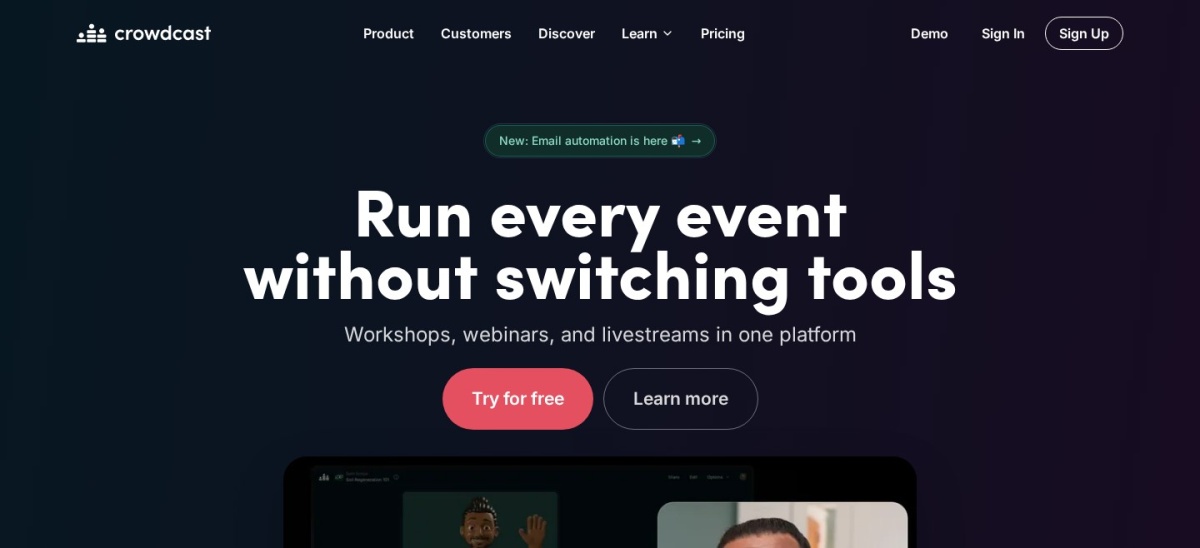
Crowdcast is a live event platform built for creators, coaches and communities, with Q and A, polls, chat and paid ticketed events. The entry plan covers 100 attendees with unlimited events and recordings.
The trade off is scale. It tops out below the enterprise tools here, and marketing automation is lighter than Demio or Livestorm. It suits creators running paid workshops and community calls.
ClickMeeting is a browser-based platform for live meetings, webinars and training sessions, with polls, Q and A, a whiteboard and breakout rooms built in. The Live plan costs $25 a month billed annually for rooms of up to 25 attendees.
The trade off is that the price climbs with room size, so a regular 500-person session costs far more than the entry price suggests. It suits educators and small teams running recurring training.
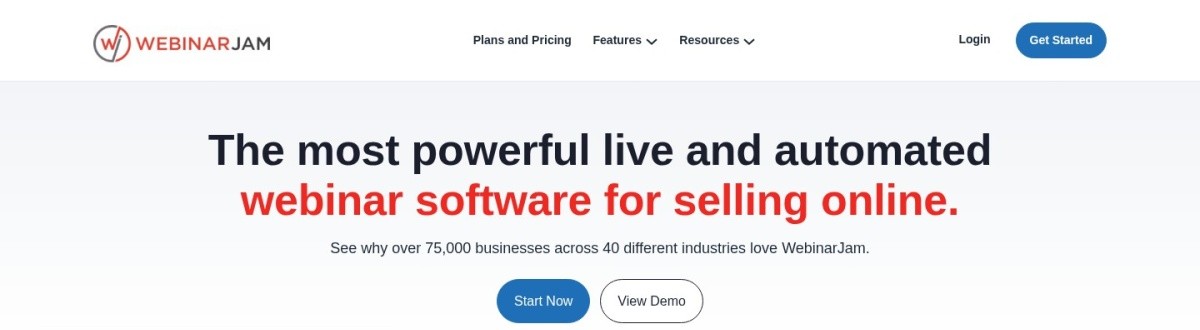
WebinarJam is a sales-led webinar tool built for live selling with one-click purchase buttons, live chat, polls and streaming to YouTube and Facebook. Starter covers 100 attendees and one host with sessions up to one hour.
The trade off is polish. It holds the lowest G2 rating here, and reviewers note an aging interface and thin analytics. It suits creators and small businesses running sales webinars on a budget.
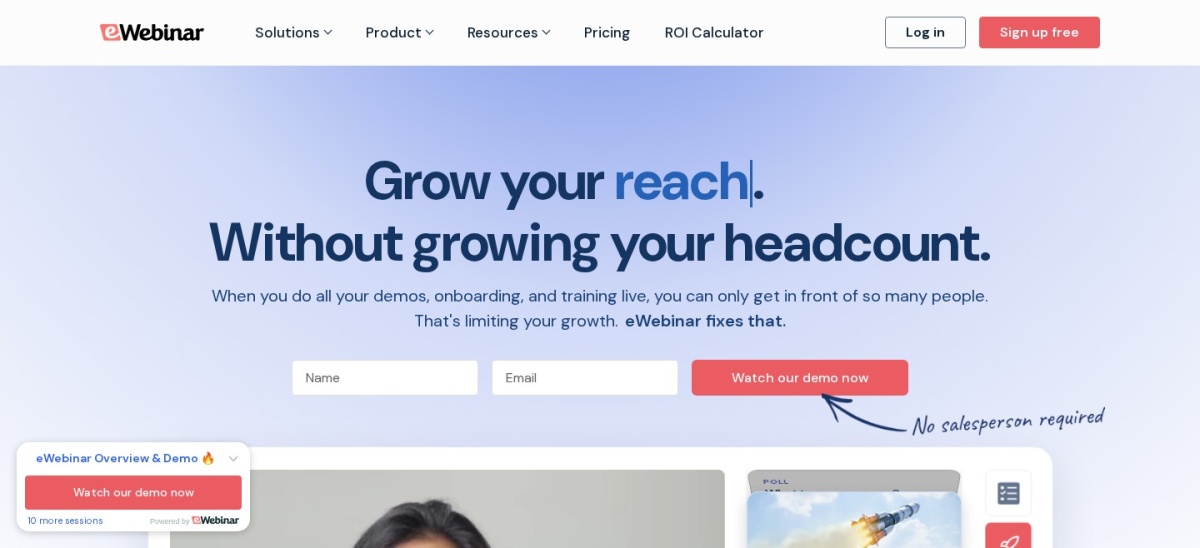
eWebinar is an automated webinar platform that runs recorded sessions with no live host needed. You record once, then the session runs on a schedule or on demand, with real two-way chat answered by your team and polls, Q and A and calls to action.
The trade off is that it never does live events. If you need a live room, you need a second tool. It suits sales and onboarding teams replacing repeat live demos.
Live webinars suit launches, training and Q and A, where a real host answers questions in the moment. Demio, GoTo Webinar and Livestorm all run live rooms well.
Automated webinars suit demos and onboarding that repeat every week. eWebinar runs recorded sessions on a schedule with live chat, so nobody has to present the same demo twice.
Some tools try to do both, but the trade off is real. WebinarJam sells live sessions and needs a separate product for automation, so check the plan before you buy for replays.
How we chose
We started from the established webinar platforms with published prices and public G2 ratings, then kept nine that cover marketing, training, sales and automated sessions.
Prices come from each vendor's pricing page or from November 2026 pricing guides where the vendor page blocked a direct check, checked on 29 November 2026. Ratings and review counts come from G2 on the same day. Where a vendor shows a sale, the list shows the regular price.
We left out tools with no published price and no public rating. No vendor paid for a place, and we do not claim to have used these tools ourselves.
How to choose a Zoom alternative for webinars
Start with your audience size and how often you present, then match the format to the tool.
Count your usual audience. A 50-person room costs far less than a 500-person room, so pick the plan that fits your real attendance, not your mailing list.
Decide live, automated or both. Pick eWebinar for recorded sessions that repeat, Demio or GoTo Webinar for live rooms, and Livestorm if you run both.
Check whether attendees must install anything. Browser-based rooms suit audiences on locked-down work computers, while app-based rooms suit regular internal training.
Run the free trial or free plan first. Test registration, polls and the replay with a small internal session before you move a real webinar over.
FAQ
What is the best Zoom alternative for webinars in 2026?
Demio is the best Zoom alternative for webinars for most marketing teams. It starts at $45 a month billed annually for a 50-attendee room, runs fully in the browser with no downloads, and holds a 4.6 out of 5 G2 rating from 172 reviews.
What is the cheapest Zoom alternative for webinars?
Microsoft Teams Webinars is the cheapest entry here at $14 a month, through Microsoft 365 Business Standard. Livestorm is the only tool with a free plan, covering 30 attendee credits a year, while ClickMeeting starts at $25 a month billed annually.
Is there a free Zoom alternative for webinars?
Yes, Livestorm offers a free plan with 30 attendee credits a year and sessions up to 30 minutes. Demio, GoTo Webinar, Webex and Crowdcast offer free trials instead, so you can test them before paying.
Which Zoom alternative is best for small teams and beginners?
Demio is the easiest pick for small teams, with a clean browser-based setup and no downloads for hosts or guests. Crowdcast is the simplest choice for creators running paid workshops, with ticket sales built in.
Demio vs GoTo Webinar: which is better for webinars?
Demio is better for simple marketing webinars, with a 4.6 G2 rating, no downloads and a $45 a month entry price. GoTo Webinar is better for recurring training, with 500 participants on its $59 a month Reach plan and stronger attendance reporting.
Do these Zoom alternatives need attendees to install software?
Demio, Livestorm and ClickMeeting run fully in the browser with no download for hosts or guests. GoTo Webinar, Webex and Microsoft Teams ask attendees to install an app or join from a browser.
SaaS SEO and WordPress specialist with about 8 years of experience. Rakib compares WordPress plugins, themes, hosting and software using public pricing, documentation and user reviews. See how we rank.