Monarch Money is the top budget software for most households, with budgeting, net worth and investment tracking for about one hundred dollars a year. YNAB suits strict zero-based budgeting, while Quicken Simplifi is the cheapest capable all-rounder for simple spending plans.
How we make this list: we compare pricing pages, product documentation and public user reviews, then re-check every price before each update. No product paid for a place. Disclosure.
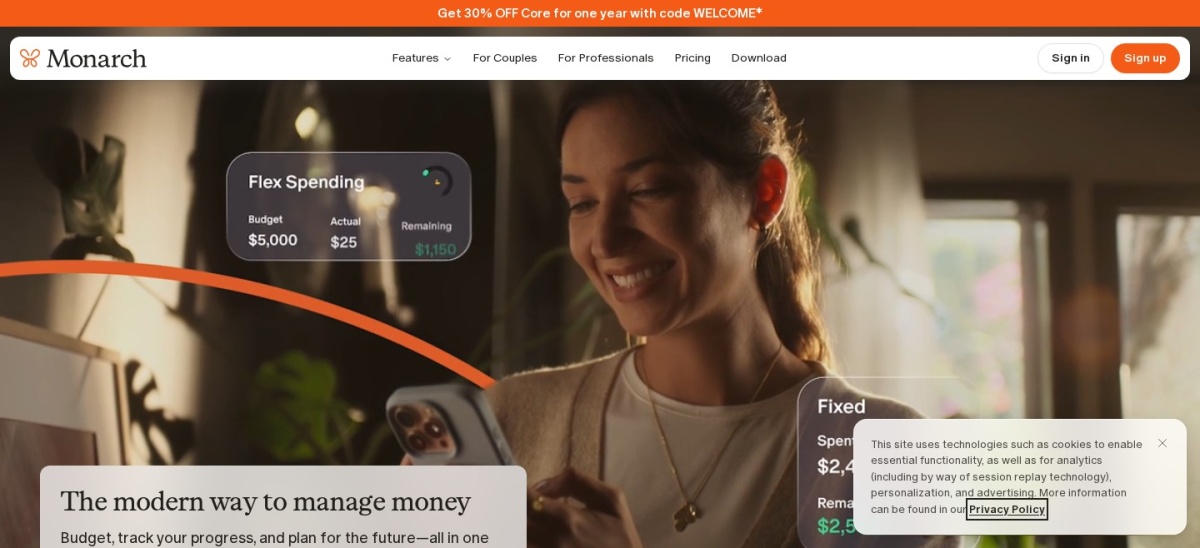
Monarch Money leads for households: budgets, net worth and investments for $99.99 a year with a partner seat included.
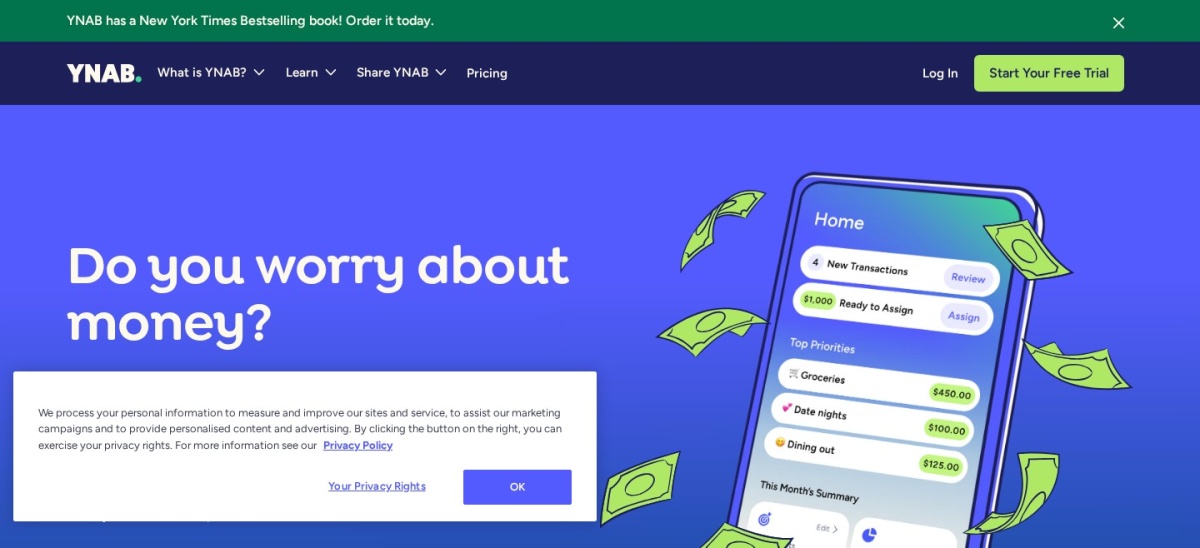
YNAB is the strictest pick, with zero-based budgeting at $109 a year shared with up to six people.
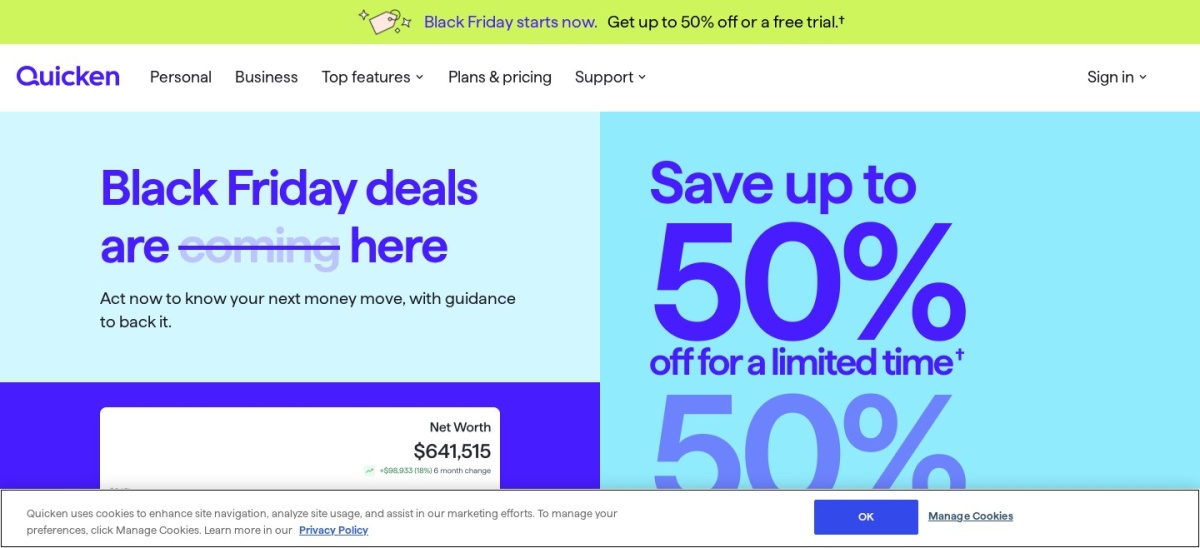
Quicken Simplifi is the cheapest capable all-rounder, with cash-flow forecasts at a regular $83.88 a year.
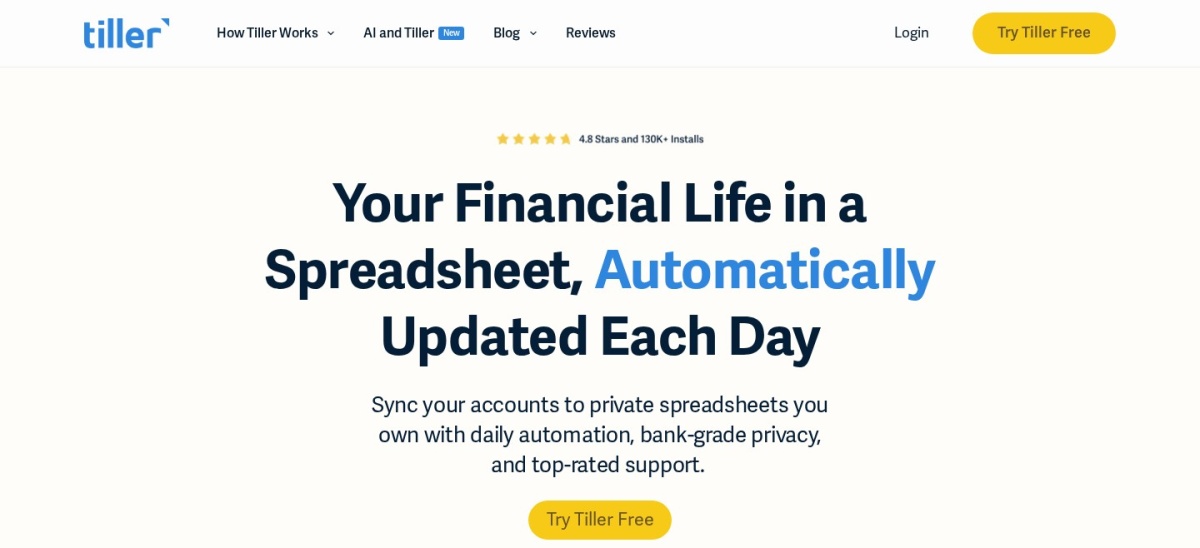
Tiller is the pick for spreadsheet users, feeding bank data into Google Sheets or Excel for $79 a year.
Empower is the only free dashboard here, but its budgeting is basic beside its investment tracking.
How do you choose the top budget software?
Most budget apps do the same job in different ways. Some enforce a method, some watch spending for you, and some hand you a spreadsheet to run yourself.
Price is the easy comparison, but the method matters more. A strict zero-based budget saves more for people who check it weekly, while an automatic tracker suits people who will not.
Free plans are worth checking closely. Empower is free, Rocket Money and PocketSmith offer limited free plans, and the rest charge from about $75 to $120 a year.
Ratings in this niche are thin. Most of these apps are consumer products, so G2 and Capterra hold only a handful of reviews each, and a few scores rest on fewer than 25 reviews.
Monarch Money is a household dashboard that links checking, savings, credit cards, loans and investment accounts into one view, then layers flexible budgets, cash flow tracking, goals and net worth on top. Core costs $99.99 a year or $14.99 a month after a 7-day trial, and a partner gets a login at no extra cost.
The trade off is the price and the thin public rating. There is no free plan, and the G2 rating rests on 3 reviews, so it is a smaller sample than the app store ratings behind it. It suits households that want one shared dashboard for budgets, investments and net worth.
YNAB is a zero-based budgeting app built around one rule: give every dollar a job before you spend it. The single plan costs $109 a year after a 34-day free trial, and one subscription can be shared with up to six people in a household group.
The trade off is the method itself. Zero-based budgeting takes more weekly attention than a dashboard that mostly watches spending for you, and there is no free plan beyond the trial. It suits people who want strict control and are willing to check the plan every week.
Quicken Simplifi is a cloud budgeting app that builds a spending plan from income minus bills, then shows projected balances up to a year ahead. The regular price is $83.88 a year, billed annually, with new members offered $47.88 for the first year.
The trade off is the price after year one. The first-year discount ends and the plan renews at the regular rate, and the app is cloud-only with no desktop version. It suits people who want a simple automatic spending plan without the discipline of zero-based budgeting.
Tiller Money is a budgeting service that feeds bank transactions into Google Sheets or Excel, so the budget lives in a spreadsheet you control. It costs $79 a year after a 30-day trial, with templates for tracking spending, net worth and debt payoff.
The trade off is the spreadsheet itself. There is no polished mobile app experience, and building reports means working with sheets rather than tapping through dashboards. It suits spreadsheet users who want full control of their data and do not mind doing the setup work.
3.9/5on Trustpilot (4,226 reviews, checked Nov 2026)
Paid from$7/mo
Best for finding subscriptions
PremiumFrom $7/mo
Free planYes
Bill negotiationYes, fee applies
Subscription finderYes
rocketmoney.com
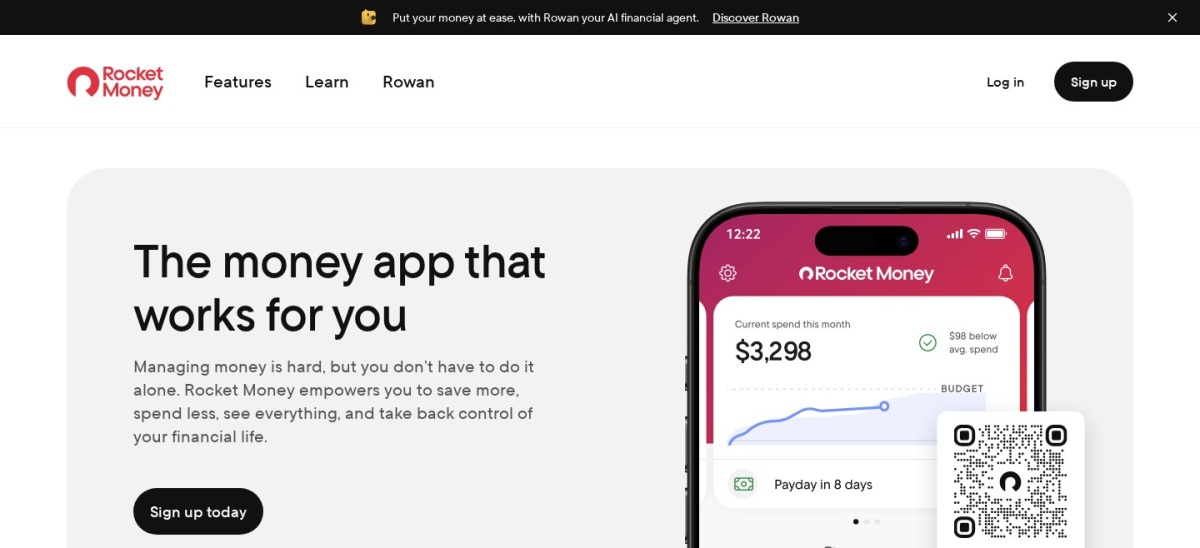
Rocket Money homepage, captured Nov 2026.
Rocket Money is a money app that tracks spending, finds subscriptions and negotiates bills, with budgets and alerts on top. Premium is pay-what-you-choose from $7 to $14 a month, and the free plan covers basic spending tracking and subscription alerts.
The trade off is the sliding price. The cheapest Premium tier is $7 a month only if you choose it, and bill negotiation takes a share of the savings it finds. It suits people who mainly want to find forgotten subscriptions and cut recurring charges.
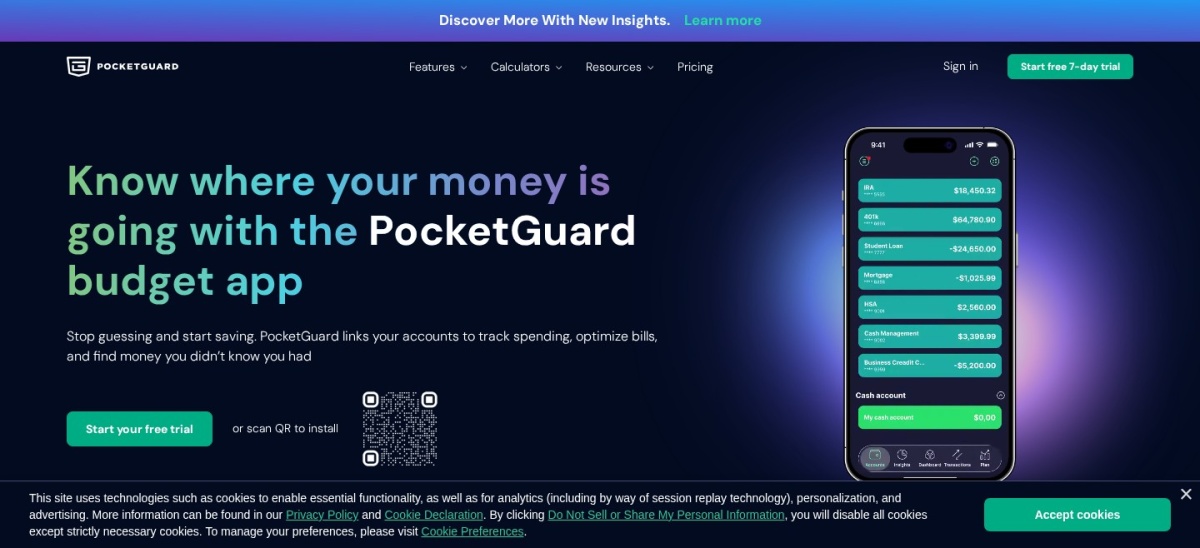
PocketGuard is a budgeting app that shows how much money is safe to spend after bills, goals and savings are set aside. Plus costs $74.99 a year or $12.99 a month, with a lifetime option at $149.99, and it links bank accounts for automatic tracking.
The trade off is the thin public rating. Its Trustpilot score rests on 24 reviews, and the free plan is limited to a small number of linked accounts. It suits people who want one simple number for safe spending rather than a full household dashboard.
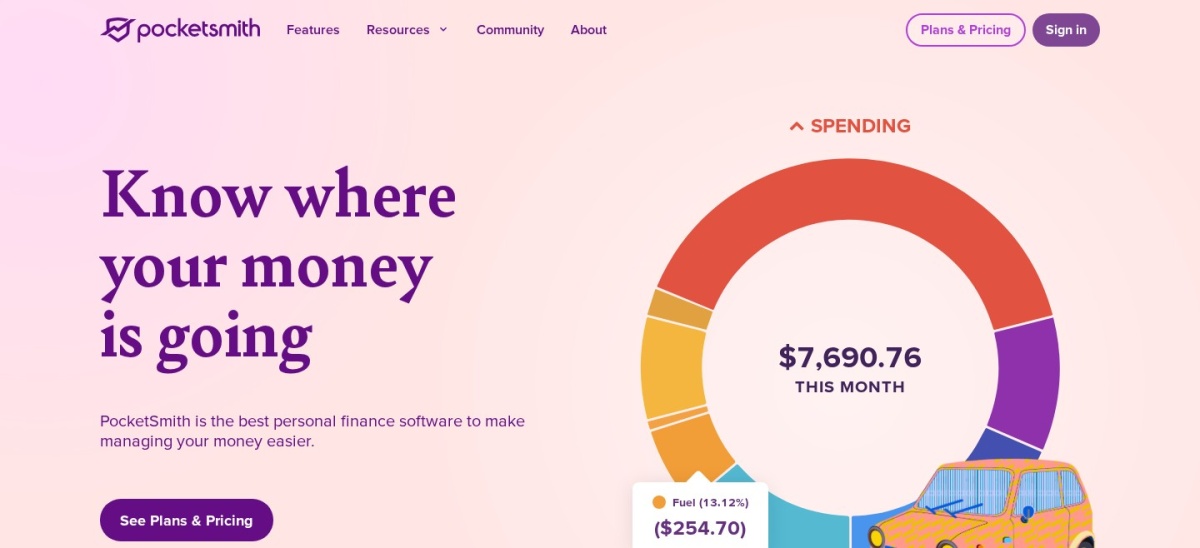
PocketSmith is a budgeting app built around a calendar view that forecasts income, bills and balances months ahead. Foundation costs $119.88 a year, billed annually, and the free plan covers a basic budget with limited accounts and projections.
The trade off is the price for the forecasting depth. It costs more than most rivals here, and its Trustpilot rating rests on only 15 reviews. It suits planners who think in calendars and want to see future balances before they commit money.
2.4/5on Trustpilot (721 reviews, checked Nov 2026)
PriceFree
Best free dashboard
Dashboard priceFree
Advisory fee0.89% of assets
Advisory minimum$100,000
Net worth trackingYes
empower.com
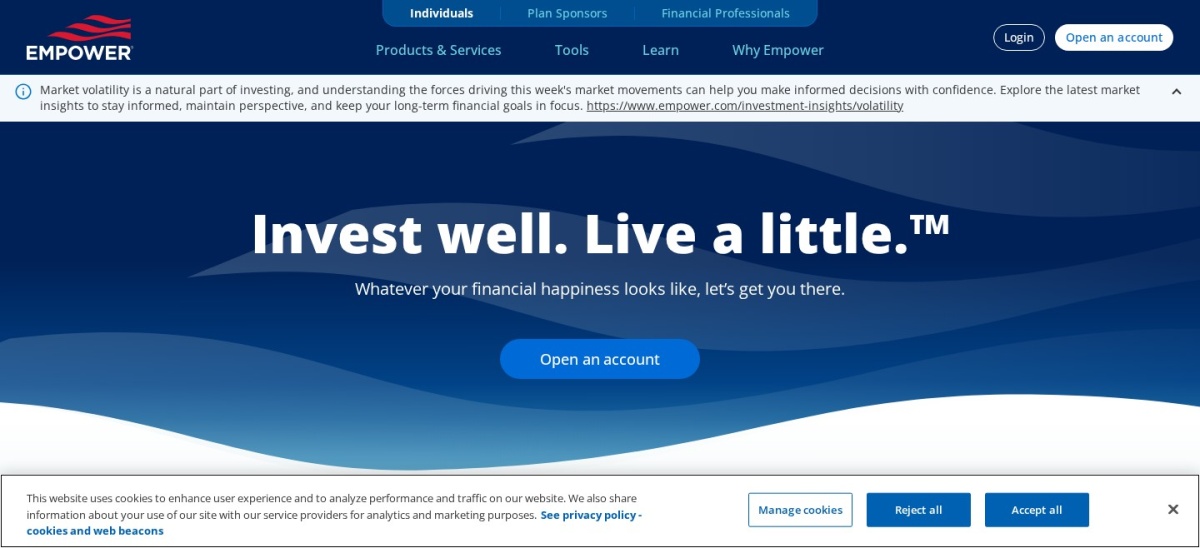
Empower Personal Dashboard homepage, captured Nov 2026.
Empower Personal Dashboard is a free dashboard that links accounts to track spending, net worth and investments in one place. The dashboard itself costs $0, while the optional advisory service charges 0.89% of managed assets with a $100,000 minimum.
The trade off is the focus. Budgeting tools are basic beside the investment tracking, and the Trustpilot profile mostly reflects the advisory service rather than the free dashboard. It suits people who mainly want free net worth and investment tracking with light budgeting.
What we like
Free dashboard with no subscription
Strong net worth and investment tracking
Links accounts across banks and brokers
Watch out for
Budgeting tools are basic
Trustpilot reviews mostly cover the advisory service
Free plans cover the basics well. Empower tracks spending and net worth for free, and Rocket Money finds subscriptions without a subscription.
Paid plans mostly add method and forecasts. You get zero-based budgeting, cash-flow projections and household sharing, which free plans rarely include.
For a household that shares money, the first year of a paid plan often costs less than one month of unnoticed subscriptions.
How we chose
We started from the budgeting apps most often recommended in 2026 roundups, then kept those with a verifiable rating on G2, Capterra or Trustpilot and a price we could confirm.
Prices come from each vendor's pricing page, checked on 29 November 2026. YNAB lists $109 a year, Monarch Core lists $99.99 a year, and Quicken Simplifi lists $6.99 a month billed annually, or $83.88 a year. Ratings and review counts come from G2, Capterra or Trustpilot on the same day.
We left out apps with no verifiable rating on any of the three review sites, including EveryDollar and Goodbudget. No vendor paid for a place, and we do not claim hands-on testing for this list.
How to choose the top budget software
Start with how much attention you will give the budget each week, then match the method to that habit.
Decide how strict you want to be. Zero-based budgeting saves the most but needs weekly checks. An automatic tracker needs less effort but forgives more spending.
Check what the free plan covers. Empower is free, while Rocket Money and PocketSmith limit accounts or features on free plans. Paid plans start near $75 a year.
Count the people who need access. YNAB shares one subscription with up to six people, and Monarch includes a partner seat. Solo users can ignore sharing entirely.
Try the trial before you pay. Most paid apps offer a trial of 7 to 34 days. Connect your main accounts and see whether the method sticks before the trial ends.
FAQ
What is the best budget software in 2026?
Monarch Money is the best budget software for most households in 2026. Its Core plan covers budgeting, net worth and investment tracking for $99.99 a year, with a partner seat included and unlimited account syncing.
How much does the best budget software cost?
Expect $75 to $120 a year for the paid apps here. Tiller costs $79 a year, Quicken Simplifi renews at $83.88 a year, Monarch Core is $99.99 a year, and YNAB is $109 a year. Empower is free.
Is there a free budget app that is actually good?
Yes. Empower Personal Dashboard is free and tracks spending, net worth and investments well, though its budgeting is basic. Rocket Money and PocketSmith also offer limited free plans for basic tracking.
What is the best budget software for beginners?
Quicken Simplifi is the easiest starting point for beginners. It builds a spending plan from income minus bills automatically, shows projected balances a year ahead, and costs $83.88 a year at the regular rate.
Monarch Money vs YNAB: which is better?
Monarch Money suits households that want a shared dashboard with budgets, investments and net worth in one view. YNAB suits people who want strict zero-based budgeting and are willing to check the plan every week.
Can I share one budget app subscription with my partner?
Yes, with the right app. Monarch includes a partner seat on Core at no extra cost, and YNAB shares one subscription with up to six people. Simplifi and Tiller also support sharing with a partner or advisor.
SaaS SEO and WordPress specialist with about 8 years of experience. Rakib compares WordPress plugins, themes, hosting and software using public pricing, documentation and user reviews. See how we rank.