ShipStation is the best top 10 logistics software pick for most sellers, starting at 15 dollars a month for 50 shipments with automation across 300 sales channels. Pick Shippo for low-volume labels, and project44 when freight visibility across many countries matters most.
How we make this list: we compare pricing pages, product documentation and public user reviews, then re-check every price before each update. No product paid for a place. Disclosure.
ShipStation starts at 15 dollars a month for 50 shipments, the cheapest paid start among the shipping tools here.
Shippo gives 30 free labels a month, and its Pro plan costs 17 dollars a month for up to 200 labels.
Easyship covers 250 couriers and handles duties and taxes, with a free plan for 50 shipments a month.
project44 tracks more than 1 billion shipments a year across 180 countries, the widest network in this list.
Every freight visibility tool here is quote only, so budget on a sales call, not a web page.
How do you choose the best top 10 logistics software?
Logistics software splits into two jobs: shipping parcels from a store, and tracking freight across carriers and countries. ShipStation, Shippo and Easyship do the first job, while project44, Descartes MacroPoint and FourKites do the second.
Shipment caps decide the real price. ShipStation charges by shipment band, Shippo charges by label, and Easyship charges by shipment volume, so a seller shipping 600 orders a month pays far more than the starter price. Our guide to the best ecommerce order management software compares the same shipping tools on order handling.
Carrier coverage comes next. Check that your carriers and sales channels are supported before you pay, because a tool that misses your main carrier is useless no matter how cheap it is.
Freight visibility is a different buy. Those tools sell by quote, need carrier onboarding, and take weeks to set up, so shortlist two and ask each for a written quote on your lanes.
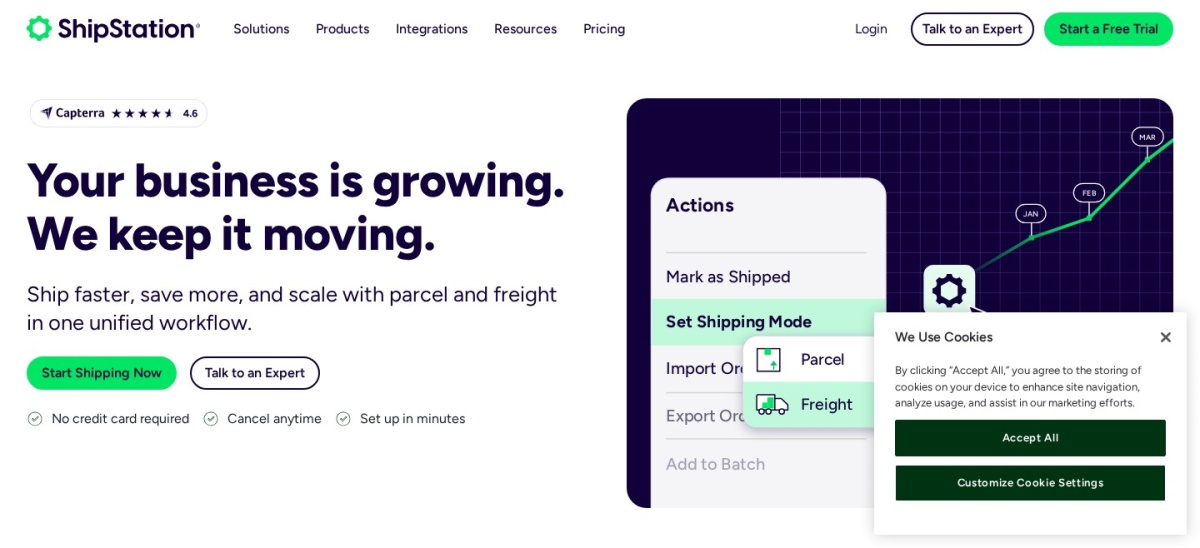
ShipStation is a shipping platform that imports orders from more than 300 carts and marketplaces into one queue, applies automation rules such as choosing a carrier by weight, prints branded labels in batches and sends tracking to customers.
The trade off is the shipment cap. Starter covers 50 shipments a month, and the price rises with volume, so a busy store pays more than the headline rate. It suits multi-channel sellers who need automation across several stores.
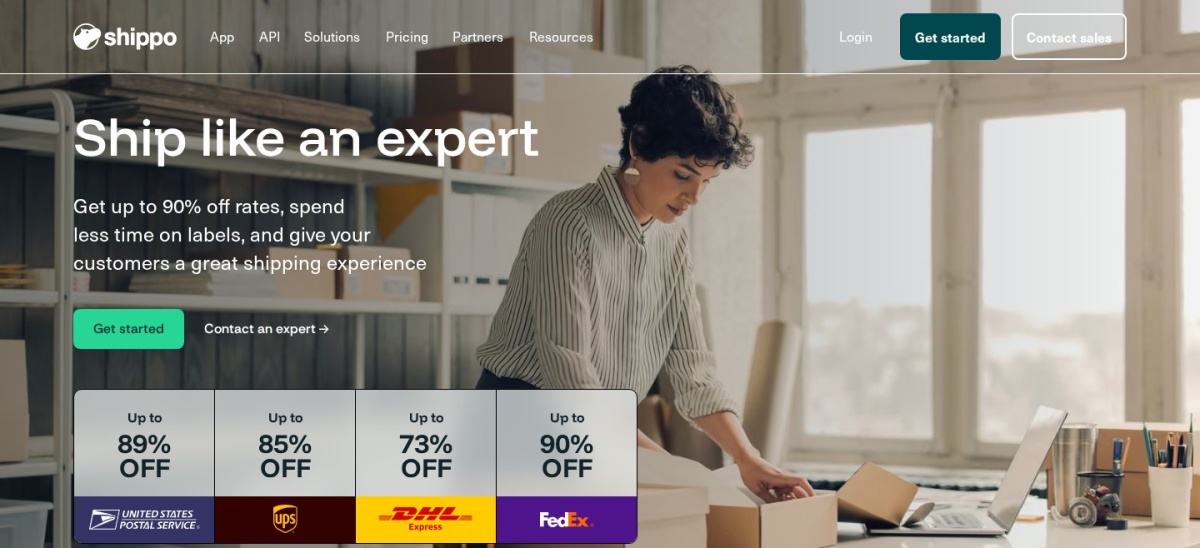
Shippo is a multi-carrier shipping platform that compares rates across USPS, UPS, FedEx and DHL Express, plus dozens of smaller carriers, and prints labels from one dashboard. Its free plan covers 30 labels a month, and Pro costs $17 a month for up to 200 labels.
The trade off is automation depth. Shippo is lighter than ShipStation on complex multi-warehouse rules, so high-volume operations can outgrow it. It suits small stores that want multi-carrier rates without a monthly floor.
4.4/5on G2 (Not published reviews, checked Nov 2026)
Paid from$29/mo
Best for cross-border shipping
Free planYes, 50 shipments a month
Paid planPlus, $29/mo
Couriers250+
Duty calculationYes
easyship.com
Easyship homepage, captured Nov 2026.
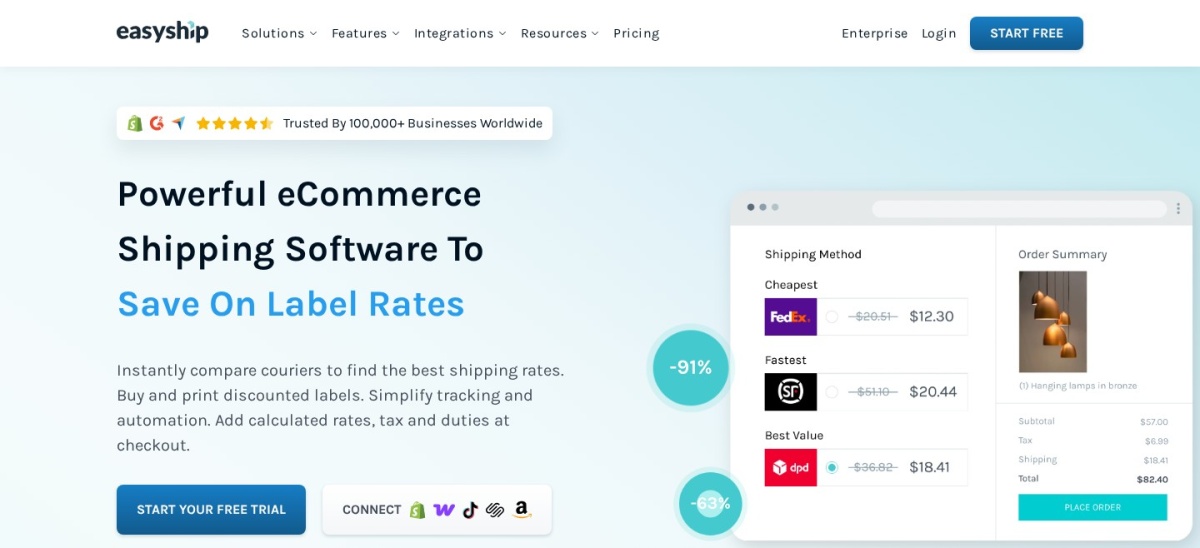
Easyship is a global shipping platform that connects sellers to more than 250 couriers across 220 countries, with import tax and duty calculation, customs documents and live rates at checkout. Its free plan covers 50 shipments a month, and Plus costs $29 a month.
The trade off is the monthly rate. Plus costs $29 a month for 500 shipments, so sellers who only ship domestically pay more than they would on Shippo. It suits stores whose customers are spread across countries.
project44 is a multimodal visibility platform that tracks more than 1 billion shipments a year across 180 countries, with carrier-connected ETAs, dwell and transit reporting across ocean, air, rail and truck.
The trade off is price and setup. project44 sells by quote with no published price, and carrier onboarding takes time before tracking goes live. It suits large shippers that need one view of freight across every mode.
Descartes MacroPoint is a real-time tracking platform for truckload and broker freight, built on GPS and ELD carrier connections with predictive ETAs and detention reporting.
The trade off is scope. MacroPoint is strongest on road freight, so ocean and air visibility need a second tool or a wider Descartes module. It suits brokers and shippers moving most freight by truck.
GoComet is a freight platform that combines shipment visibility with procurement, reverse-auction RFQs and invoice audit, using AI to flag rate and billing errors before they are paid.
The trade off is the sales-led buy. GoComet publishes no price, so budgeting needs a demo and a quote, and the procurement features suit teams that buy freight regularly. It suits shippers that want visibility plus freight spend control.
FourKites is a supply chain visibility platform that tracks shipments across every mode for more than 1,600 brands, with yard and dock management, inventory views and predictive lane analytics.
The trade off is that it is an enterprise buy. FourKites sells by quote, implementations are large, and small shippers will find the shipping tools above cheaper and faster. It suits large shippers with yards and docks to manage.
Freightos is a freight rate and booking platform whose free indices track ocean and air freight rates, while Terminal Pro adds live rates, quoting and booking for forwarders and shippers.
The trade off is depth. The free indices are market data, not shipment tracking, and the full Terminal platform is quoted, so tracking needs another tool. It suits teams that price freight against live market rates.
4.2/5on G2 (Not published reviews, checked Nov 2026)
PricingCustom/yr
Best for 3PL and warehouse fulfilment
Free planNo
Paid planBy quote
Inventory visibilityReal-time
Buyers3PL, D2C and B2B
logiwa.com
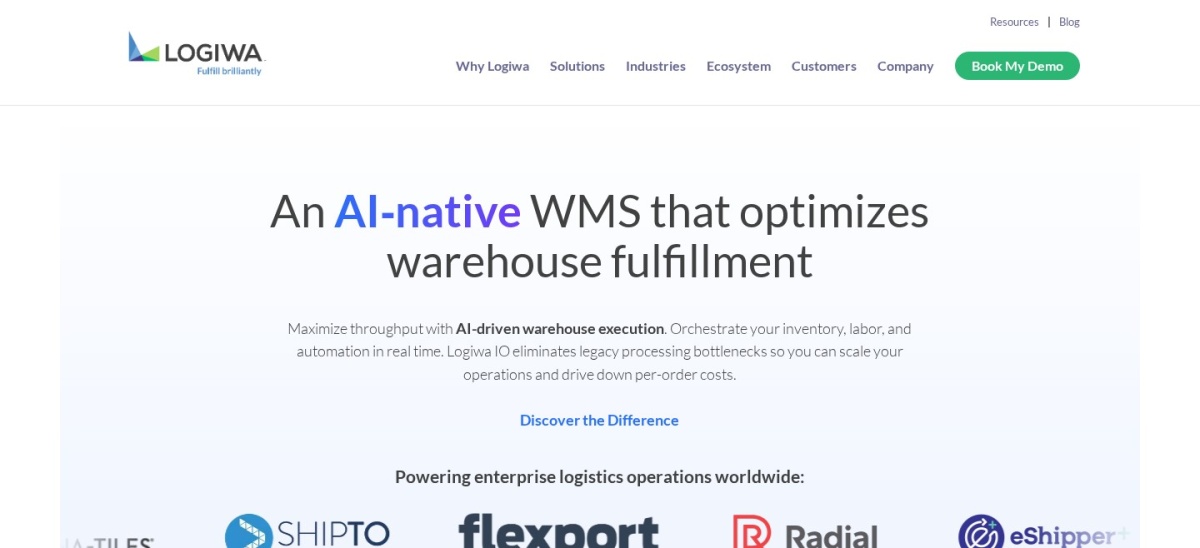
Logiwa homepage, captured Nov 2026.
Logiwa is a cloud warehouse management system for 3PL, direct-to-consumer and B2B fulfilment, with real-time inventory visibility, rate shopping, smart shipment box suggestions and order fulfilment automation.
The trade off is price clarity. Logiwa publishes no list price, so budgeting needs a sales conversation, and the platform suits warehouse operations rather than simple label printing. It suits 3PLs and sellers running their own warehouse.
Shipping software vs freight visibility: two different buys
Shipping software prints labels and moves parcels. It is bought by the month, starts in days, and its price is set by shipment or label volume.
Freight visibility tracks containers and trucks across carriers and countries. It is bought by quote, needs carrier onboarding, and takes weeks to go live.
Do not compare them on price alone. A 15-dollar shipping tool and a quote-only visibility platform solve different problems, and most growing sellers end up with one of each.
How we chose
We started from the shipping and freight platforms most often shortlisted for logistics teams, then kept the nine with a real logistics product and a verifiable G2 or Capterra rating.
Prices come from each vendor's pricing page or published plan, checked on 29 November 2026. ShipStation at $14.99 a month, Shippo Pro at $17 a month and Easyship Plus at $29 a month were read from vendor pricing pages and November 2026 price checks the same day. Ratings and review counts come from G2 or Capterra.
We left out tools without a verifiable rating. No vendor paid for a place, and we do not claim hands-on testing for this list.
How to choose logistics software
Start with what you move, then match the tool to parcels or freight.
Decide parcels or freight first. Sellers shipping parcels need ShipStation, Shippo or Easyship. Shippers moving freight need project44, MacroPoint or FourKites, and should not judge them on a monthly price.
Check your carriers and channels. Confirm that your main carriers and sales channels are supported, with discounted rates where they matter, before you pay for any plan.
Work out the price at your volume. Starter prices cover 50 shipments or 200 labels, so price the tool at your real monthly volume, not at the headline rate.
Ask quote-only vendors for a written quote. Freight tools sell by quote, so get the price, the onboarding time and the carrier coverage in writing before you shortlist.
FAQ
What is the best logistics software in 2026?
ShipStation is the best logistics software for most sellers. Starter costs $14.99 a month for 50 shipments, with automation across 300 sales channels and a 4.3 G2 rating. project44 is the best pick for freight visibility across many countries.
How much does logistics software cost?
Shipping tools in this list start at $14.99 a month for ShipStation, $17 for Shippo Pro and $29 for Easyship Plus, with free plans on Shippo and Easyship. Freight visibility tools such as project44 and FourKites sell by quote, so there is no published monthly price.
Is there free logistics software?
Yes, for shipping. Shippo gives 30 free labels a month, Easyship gives 50 free shipments a month, and Freightos publishes free freight rate indices. Freight visibility tools have no free plan, only demos.
What is the difference between ShipStation and Shippo?
ShipStation is the fuller platform, with automation rules, batch labels and 300 channel integrations from $14.99 a month. Shippo is cheaper and simpler, with a free plan for 30 labels a month and Pro at $17 a month, but lighter automation for complex warehouses.
Which logistics software is best for international shipping?
Easyship is the best pick for international shipping. It covers 250 couriers in 220 countries, calculates duties and taxes at checkout, and its free plan covers 50 shipments a month. ShipStation also handles international labels, but without the same duty maths.
What is freight visibility software?
Freight visibility software tracks shipments across carriers and modes in real time, with predictive ETAs and dwell reporting. project44, Descartes MacroPoint, GoComet and FourKites are the leaders here, and all four sell by quote.
SaaS SEO and WordPress specialist with about 8 years of experience. Rakib compares WordPress plugins, themes, hosting and software using public pricing, documentation and user reviews. See how we rank.