ChatGPT is the best of these Perplexity alternatives for most people, with cited web search from $8 a month on its Go plan and a 4.6/5 G2 rating. Claude suits long documents and careful citations, while Gemini is the cheapest paid route at $4.99 a month and DeepSeek costs nothing.
How we make this list: we compare pricing pages, product documentation and public user reviews, then re-check every price before each update. No product paid for a place. Disclosure.
ChatGPT is the closest Perplexity replacement: cited web search and Deep Research, rated 4.6/5 from 5,748 G2 reviews, paid from $8 a month.
Claude has the highest rating in this list at 4.7/5 from 2,428 G2 reviews, but Pro costs $20 a month and free usage resets every 5 hours.
Gemini now starts at AI Plus for $4.99 a month, not the $19.99 AI Pro plan that older lists quote as the entry price.
DeepSeek is the only tool here with no paid chat plan: the app is free, with a 4.4/5 G2 rating from just 19 reviews.
Four of the nine tools cost under $100 a year on their cheapest paid plan: Gemini, Grok, DeepSeek and Poe.
You.com and Poe rest on the thinnest G2 samples in this list, 20 and 18 reviews, so treat their ratings as a weak signal.
How do you pick the right Perplexity alternatives for research?
Citations are the whole point of Perplexity, so an alternative has to show its sources, not just answer. Every tool in this list searches the live web and links back to the pages behind its answer.
Price is the next split. Perplexity Pro costs $20 a month, and five of these nine alternatives charge $20 a month or less on their cheapest paid plan, while Gemini starts at $4.99 and DeepSeek charges nothing for chat.
Free plans are usable across the list, but they all cap usage. Our guide on how to get cited by ChatGPT shows how much of this research work the free tiers already cover.
The deciding factor is usually where you already work. Gemini fits Google Workspace, Copilot fits Microsoft 365, and Claude fits long documents, so the best pick follows your stack more than any single feature.
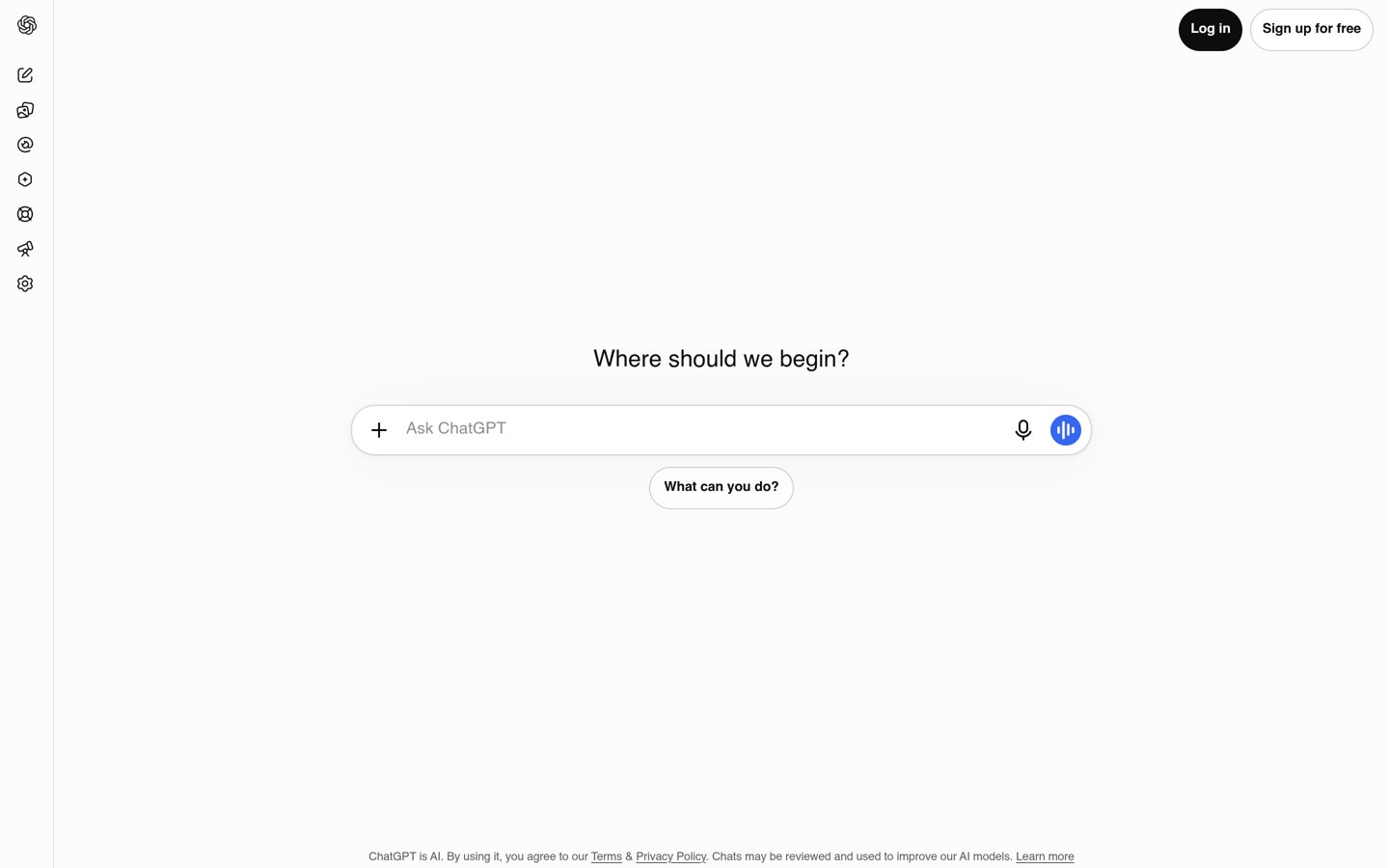
ChatGPT is the most complete Perplexity alternative, with web search that cites its sources, a Deep Research mode for longer reports, and file uploads for working through documents. The free plan covers everyday questions, and Go at $8 a month adds more messages, uploads, images and memory.
The trade off is that Go is still a light plan. It may show ads and it leaves out Agent mode, Deep Research and the top reasoning models, which start with Plus at $20 a month. It suits most people who want one assistant that searches, writes and analyses in the same place.
What we like
Cited web search and Deep Research in one app
Largest review base in this list at 5,748 G2 reviews
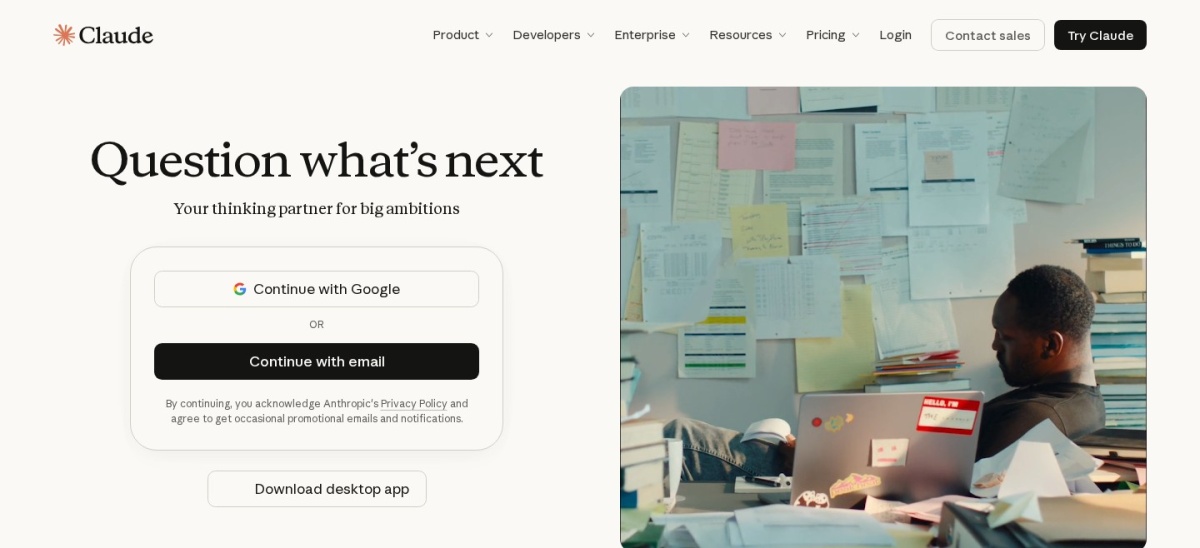
Claude is Anthropic's assistant, and it is the strongest pick here for working through long sources. It searches the web, cites what it finds, and handles large documents with a context window of up to 1 million tokens. The free plan includes web search, file creation and code running, with usage limits that reset every 5 hours.
The trade off is price. Pro costs $20 a month billed monthly, or $17 a month on the annual plan at $200 up front, and free usage is still tight for heavy days. It suits readers and writers who check sources line by line and work with long reports.
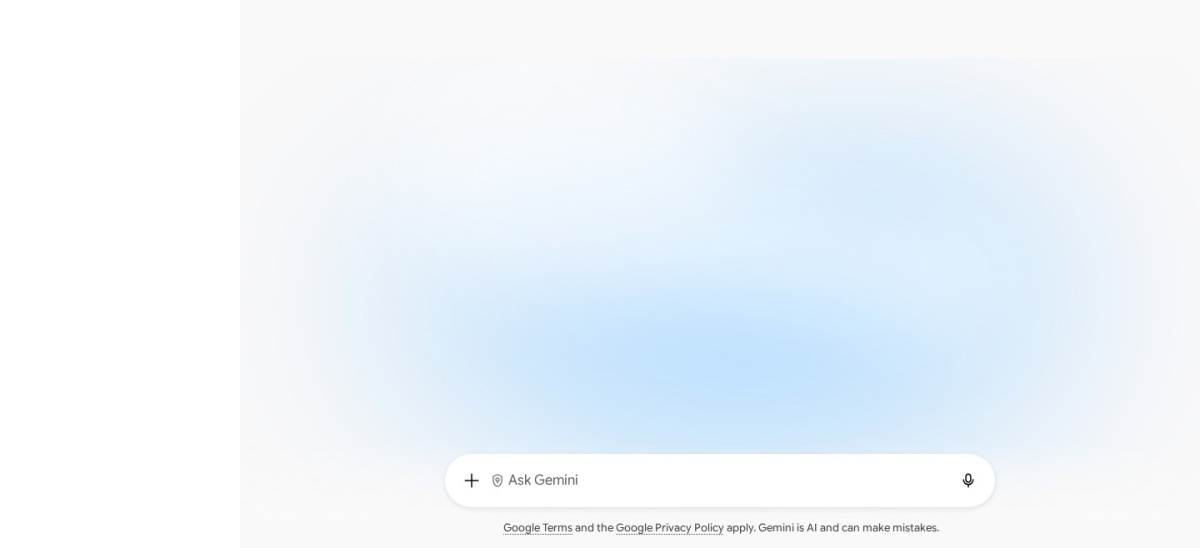
Google Gemini is Google's assistant, and it is the cheapest paid route in this list. AI Plus costs $4.99 a month, doubles the free usage allowance, and adds 400 GB of storage across Gmail, Drive and Photos. It searches with Google's index and links sources in its answers.
The trade off is model access. Free accounts now run mostly on the smaller Flash-Lite model, and AI Plus keeps Flash but not the Pro model, which needs AI Pro at $19.99 a month. It suits anyone already living in Google apps who wants cheap, cited answers.
Microsoft Copilot is Microsoft's assistant, built on Bing search and wired into Microsoft 365. It answers with footnotes to its sources and works inside Word, Excel and Outlook, so research can move straight into a document. The free version covers everyday questions when capacity allows.
The trade off is that the old standalone Copilot Pro at $20 a month is no longer on sale, with support ending on 1 August 2026. The paid route is now Microsoft 365 Premium at $19.99 a month. It suits teams and households already paying for Microsoft 365.
You.com is a search-first assistant that lets you pick which model answers each question, instead of locking you to one lab's model. It cites sources in its answers and adds privacy controls over what it remembers. The free plan covers everyday searches, and Pro costs $15 a month.
The trade off is evidence. Its G2 rating of 4.4/5 rests on only 20 reviews, the second-thinnest sample in this list, and its pricing page now shows API pricing only, so the $15 Pro figure rests on 2026 round-ups. It suits people who want to compare models on the same question.
What we like
Switch models per question
Cited answers with privacy controls
Pro at $15 a month undercuts Perplexity Pro
Search-first design, close to Perplexity
Watch out for
G2 rating rests on only 20 reviews
Consumer pricing no longer listed on its own page
Pro adds more model access and higher limitsVisit you.com
06
Grok
4.2/5on G2 (60 reviews, checked Nov 2026)
Paid from$8/mo
Best for real-time news and X posts
Cited web searchYes, live web and X
Real-time postsYes, from X
Free planYes, limited
Paid planPlus, $8/mo
grok.com
Grok homepage, captured Nov 2026.
Grok is xAI's assistant, and it is the only tool here with direct access to the live X feed. That makes it the fastest pick for breaking news, trending topics and what people are actually saying right now, with web search and citations behind its answers. The free plan covers casual use, and Plus costs $8 a month.
The trade off is depth. Grok is weaker than Claude or ChatGPT for long documents and careful analysis, and its G2 rating of 4.2/5 rests on only 60 reviews. It suits news junkies and X users who want the freshest answer first.
What we like
Live X posts no other tool here can see
Plus at $8 a month, the joint-cheapest with ChatGPT Go
DeepSeek is the only tool in this list with no paid chat plan at all. The app is free, with web search, citations and strong reasoning, and its open weights carry an MIT licence. Paid use exists only for the API, which is priced by usage rather than by subscription.
The trade off is trust and evidence. Its G2 rating of 4.4/5 rests on only 19 reviews, the thinnest sample in this list, and its Trustpilot score is far lower at 2.3/5. It suits budget users who want a capable free assistant and accept the caveats.
Poe is a hub that puts models from many labs behind one subscription, so one question can be run past several chatbots without paying each lab separately. Entry costs $4.99 a month, joint-cheapest in this list with Gemini, and the free plan covers casual chats.
The trade off is that Entry is a light plan. Heavy users need Premium at $19.99 a month, and the G2 rating of 4.5/5 rests on only 18 reviews, the thinnest sample in this list. It suits curious users who compare models side by side.
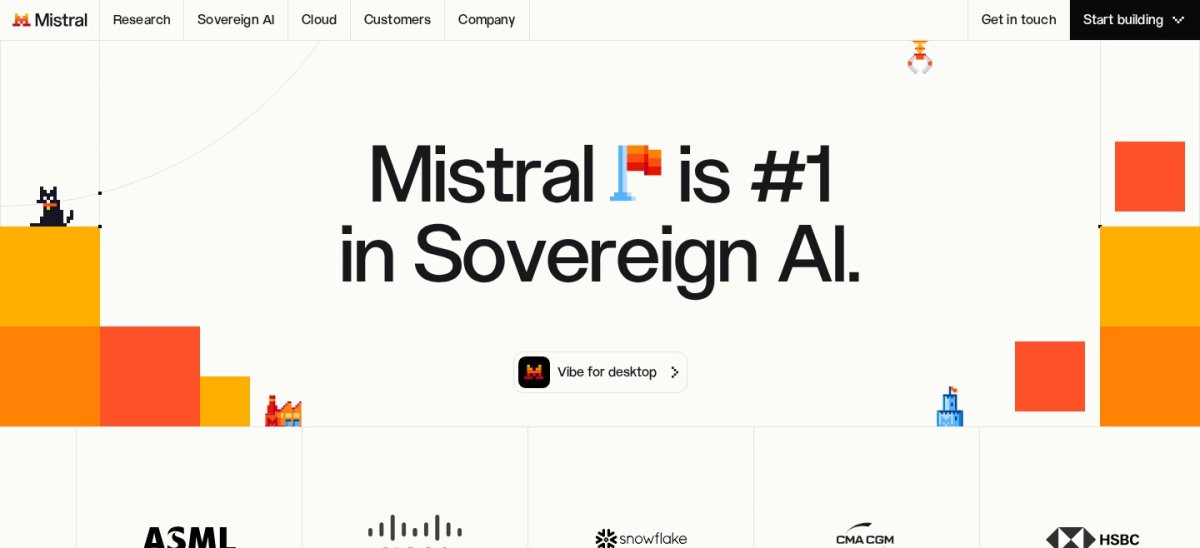
Mistral Le Chat is the European pick in this list, from Mistral AI in France. It answers fast, searches the web with citations, and now sits inside the rebranded Mistral Vibe product, which adds coding tools and a canvas. The free plan covers limited messages and searches, and Pro costs $14.99 a month.
The trade off is that plain chat mode went away in the Vibe rebrand, and the G2 score of 4.2/5 from 57 reviews covers Mistral AI as a whole, not Le Chat alone. It suits users who want a European provider and fast, plain answers.
What we like
Fast answers from a European provider
Pro at $14.99 a month undercuts Perplexity Pro
Vibe adds coding tools and canvas
Students pay $5.99 a month for Pro
Watch out for
G2 score covers Mistral AI as a whole, not Le Chat
Free plans cover everyday research well. Every tool here searches the web and cites sources without payment, so casual questions cost nothing.
Paid plans mostly add usage and models. You get more messages, larger context windows and the stronger models, plus extras such as storage on Gemini or coding tools on Claude and Mistral.
If you ask a few questions a day, the free tier is enough. Our guide on how to write content that AI assistants cite explains what makes an answer worth citing in the first place.
For daily research, the cheapest upgrades are Gemini AI Plus and Poe Entry at $4.99 a month, or ChatGPT Go and Grok Plus at $8 a month.
How we chose
We started from the chatbots and search assistants most often named as Perplexity replacements in 2026 round-ups, then kept the nine with a public numeric rating and a priced or free chat plan.
Prices come from each vendor's pricing page or a 2026 round-up where the vendor page no longer lists consumer plans, checked on 29 November 2026. Ratings and review counts come from G2 on the same day, and the list shows regular monthly prices, not sale prices.
We left out Phind, which shut down on 16 January 2026, and search-only tools such as Brave Search and Kagi, which have no public numeric rating on G2, Capterra or Trustpilot. No vendor paid for a place, and we do not claim hands-on testing for this list.
How to choose a Perplexity alternative
Start with what you ask most often, then match the tool to that job.
Decide whether citations or chat matter more. If every answer must show sources, stay with the search-first picks such as ChatGPT, You.com or Grok. If you mostly write and analyse, Claude leads.
Check the free plan against your daily volume. A few questions a day fit any free tier. Daily research needs a paid plan, and Gemini at $4.99 a month is the cheapest way in.
Match the tool to the apps you already use. Gemini fits Google Workspace and Copilot fits Microsoft 365, so the ecosystem you already pay for usually decides.
Try the free tier before paying. Run your real questions through two or three of these for a week, then pay for the one whose citations you trust most.
FAQ
What are the best Perplexity alternatives in 2026?
ChatGPT is the best Perplexity alternative for most people, with cited web search from $8 a month on Go and a 4.6/5 G2 rating. Claude suits long documents, Gemini is the cheapest paid option at $4.99 a month, and DeepSeek is free.
What is the best free alternative to Perplexity?
DeepSeek is the best free alternative, because its chat app costs nothing and includes web search with citations. ChatGPT, Claude and Gemini also have usable free plans, but all three cap daily usage.
Which Perplexity alternative is cheapest?
DeepSeek costs nothing for chat, since it has no paid chat plan. Among paid plans, Gemini AI Plus and Poe Entry are joint-cheapest at $4.99 a month, followed by ChatGPT Go and Grok Plus at $8 a month.
Is ChatGPT or Claude better than Perplexity?
ChatGPT is the closer Perplexity replacement, with cited web search and Deep Research in one app. Claude is better for long documents and careful citations, with the highest G2 rating here at 4.7/5, but it costs the same $20 a month as Perplexity Pro.
Do Perplexity alternatives cite their sources?
Yes, every tool in this list searches the live web and links its sources. ChatGPT, Claude, Gemini, Copilot, You.com, Grok, DeepSeek and Mistral all cite sources, though the depth and placement of citations varies by tool.
Can I use a Perplexity alternative without paying?
Yes. All nine tools in this list have a free plan, and DeepSeek has no paid chat plan at all. Free plans limit messages, model choice or daily usage, so heavy researchers usually need a paid plan.
Which Perplexity alternative is best for Google users?
Gemini is the best pick for Google users, since it runs on Google Search and works inside Gmail, Docs and Drive. AI Plus costs $4.99 a month and adds 400 GB of storage, which no other tool here bundles.
SaaS SEO and WordPress specialist with about 8 years of experience. Rakib compares WordPress plugins, themes, hosting and software using public pricing, documentation and user reviews. See how we rank.