incident.io is the best of these PagerDuty alternatives, rated 4.8 out of 5 on G2 from 238 reviews, with Slack-native incident rooms and Team plus on-call at $25 per user a month. Zenduty is the cheapest paid pick at $6, while AlertOps at $8 suits teams running many on-call groups.
How we make this list: we compare pricing pages, product documentation and public user reviews, then re-check every price before each update. No product paid for a place. Disclosure.
incident.io has the highest rating here at 4.8 out of 5 on G2 from 238 reviews, but on-call costs $10 more per user a month on top of Team.
Zenduty is the cheapest paid plan at $6 per user a month, and AlertOps follows at $8, both well under PagerDuty Professional at $21.
Rootly splits its product in two: Incident Response and On-Call each cost $20 per user a month, so the pair costs $40.
Opsgenie is not in this list: Atlassian stopped selling it in June 2025 and shuts it down on 5 April 2027.
Eight of the nine tools have a free plan, but only Rootly has no free tier, offering a trial instead.
How do you choose among PagerDuty alternatives?
PagerDuty Professional costs $21 per user a month billed yearly, so the first question is what you actually use. A team that only needs schedules and paging can pay $6 to $9 a user elsewhere and lose nothing it needs.
Check whether on-call is included in the headline price. incident.io charges $10 extra per user for on-call on Team, Rootly charges $20 for a separate On-Call product, and Grafana OnCall adds a $19 monthly platform fee on Pro.
Free plans differ more than prices do. incident.io Basic includes single-team on-call, FireHydrant covers 10 responders free, and xMatters covers 5 users, while Rootly has no free plan at all.
Watch the rebrands and retirements before you buy. Zenduty is now sold as Xurrent IMR, Squadcast is now SolarWinds Incident Response, and the open-source Grafana OnCall was archived in March 2026.
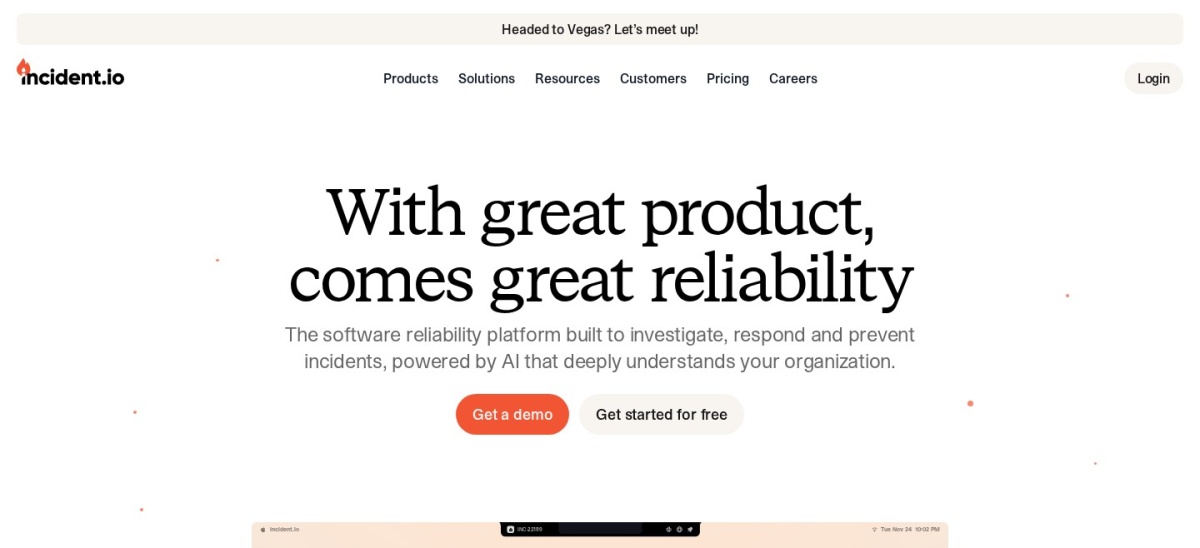
incident.io is a Slack-native incident platform that treats the channel as the incident room. Declaring an incident opens a channel, assigns roles and starts a timeline, while the free Basic plan covers a single on-call schedule and 1 status page. Team costs $15 per user a month billed yearly, and viewers are free and unlimited.
The trade off is that on-call is a paid add-on. Team plus on-call costs $25 per user a month billed yearly, and Pro plus on-call reaches $45. It suits engineering teams that already live in Slack or Teams and want the whole incident in one channel.
What we like
Highest rating here at 4.8 out of 5 on G2
Free Basic plan includes single-team on-call
Viewers are free and unlimited
AI-assisted postmortems on Pro
Watch out for
On-call costs extra on top of the Team plan
Pro plus on-call reaches $45 per user a month
Built around Slack and Teams, not email-first teams
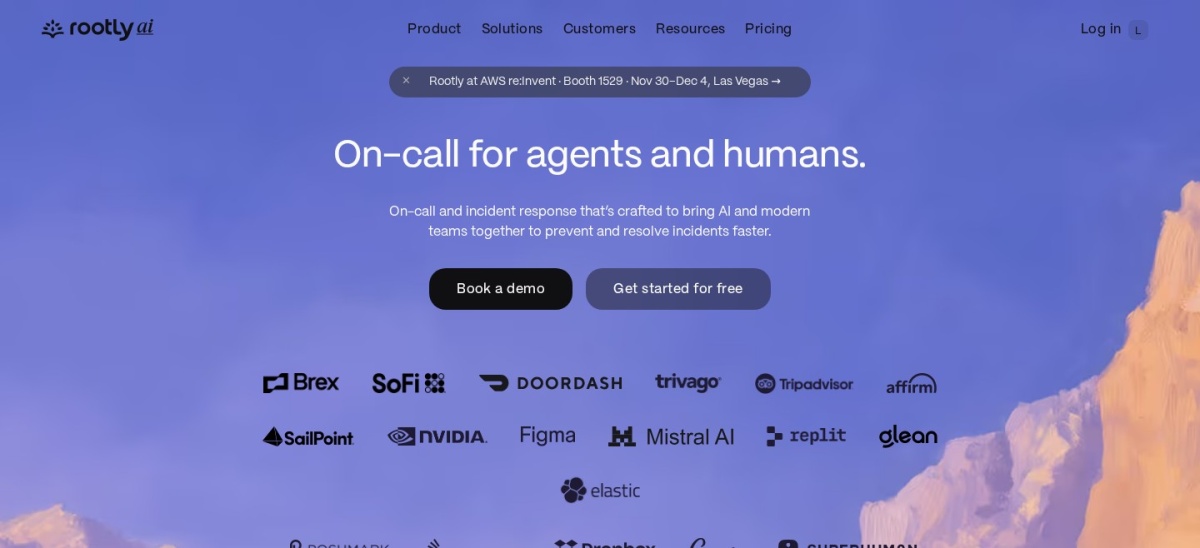
Rootly is an incident response and automation platform that runs workflows, escalations and retrospectives inside Slack, Microsoft Teams or Google Chat. Incident Response costs $20 per user a month and includes AI incident timelines, automated retrospectives, workflows, a service catalog and status pages.
The trade off is that on-call scheduling and paging are a separate $20 per-user monthly product, bringing the standard combined price to $40 per user a month. It suits teams that want repeatable incident workflows and structured post-incident analysis.
What we like
Strong 4.7 out of 5 rating across 219 G2 reviews
AI incident timelines and automated retrospectives
Works in Slack, Teams and Google Chat
Status pages included with Incident Response
Watch out for
On-call is a separate $20 per user product
No permanent free plan, only a trial
Combined $40 a month beats PagerDuty Professional
Adding On-Call doubles the bill to $40 per user a monthVisit rootly.com
03
AlertOps
4.7/5on G2 (155 reviews, checked Nov 2026)
Paid from$8/mo
Best for multi-group on-call scheduling
Free planStarter, 5 users
Standard plan$8/user/mo, annual
Standard user cap10 users
Escalation policies3 on Standard
alertops.com
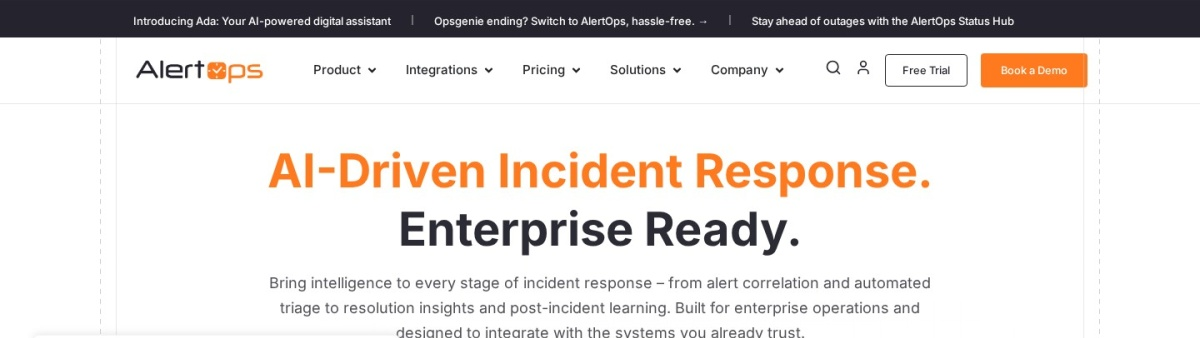
AlertOps homepage, captured Nov 2026.
AlertOps is an incident orchestration platform built around on-call scheduling, with rotating and fixed schedules, override shifts and holiday calendars. The free Starter plan covers 5 users, and Standard costs $8 per user a month billed yearly for up to 10 users, with multi-channel alerts and 3 escalation policies.
The trade off is scale. Standard stops at 10 users, and Premium at $18 per user a month adds single sign-on, while Enterprise at $28 adds live call routing. It suits teams and MSPs that run many on-call groups in one account.
What we like
Low entry price at $8 per user a month billed yearly
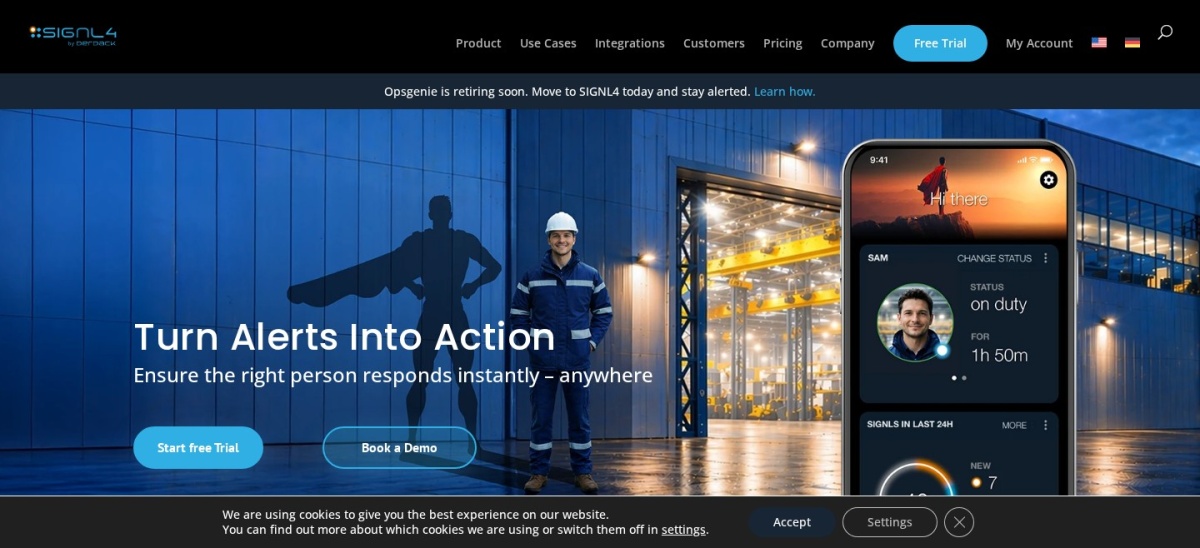
SIGNL4 is a mobile-first alerting tool from Derdack for IT and operations teams. The free Starter plan covers 5 users with mobile push alerts, email and webhook integrations. Notify & Connect costs $9 per user a month and adds text and voice alerts, persistent notifications that repeat until acknowledged, and ChatOps.
The trade off is that scheduling costs more. Automated escalations and shift scheduling need the Optimize plan at $19 per user a month, so a team that only needs paging pays less than one that needs full rosters. It suits teams that must wake someone reliably at night.
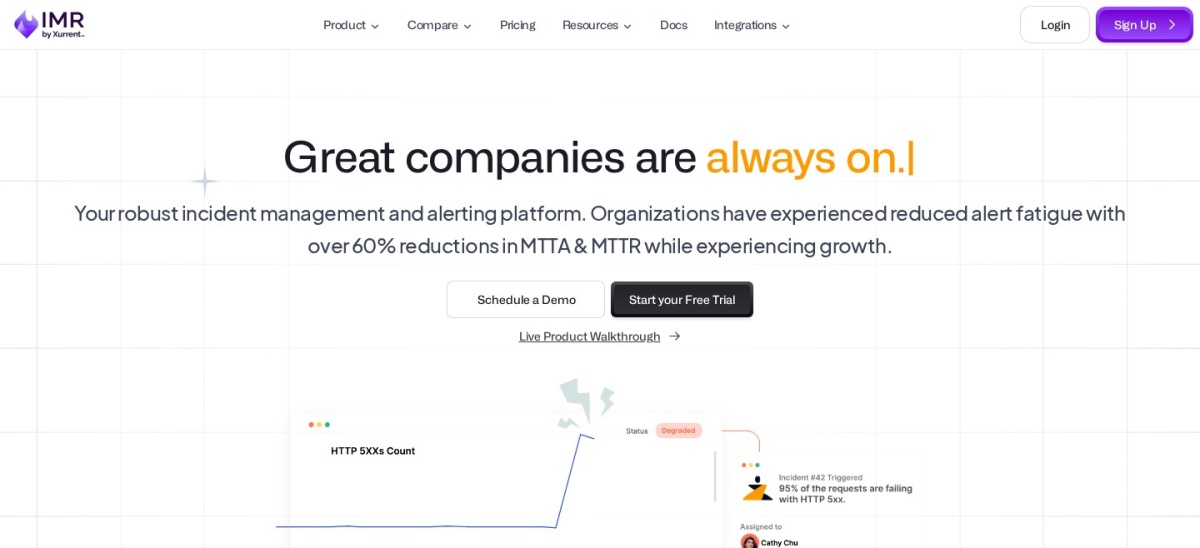
Zenduty is the cheapest paid alerting tool here, now sold as Xurrent IMR after joining the Xurrent platform in November 2025. Starter costs $6 per user a month for up to 5 users and 1 team, and the free tier covers 5 users too. It collects alerts from more than 150 monitoring tools, runs on-call schedules and escalation policies, and pages by phone, SMS, Slack and Teams.
The trade off is the small Starter cap. Growth at $16 per user a month adds unlimited SMS and phone alerts and single sign-on, so a growing team outgrows Starter fast. It suits small DevOps teams that want PagerDuty-style paging without the PagerDuty bill.
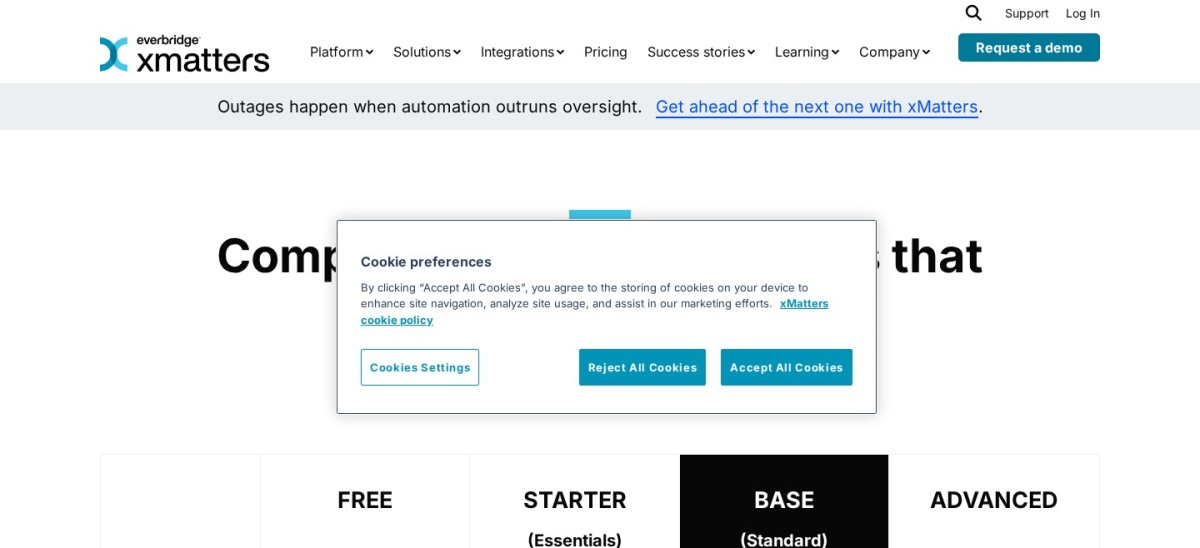
xMatters is the enterprise workflow pick in this list, now part of Everbridge. Its Flow Designer chains alerts, conference bridges, ticket updates and fixes into auditable workflows without code. The free plan covers 5 users, and Starter costs $15 per user a month for up to 25 users with 50 SMS and 10 voice alerts per user a month.
The trade off is the price rise. Starter rose from $9 to $15 per user in summer 2026, and the free cap fell from 10 to 5 users, while status pages need Base at $39. It suits large IT operations teams that automate whole incident workflows.
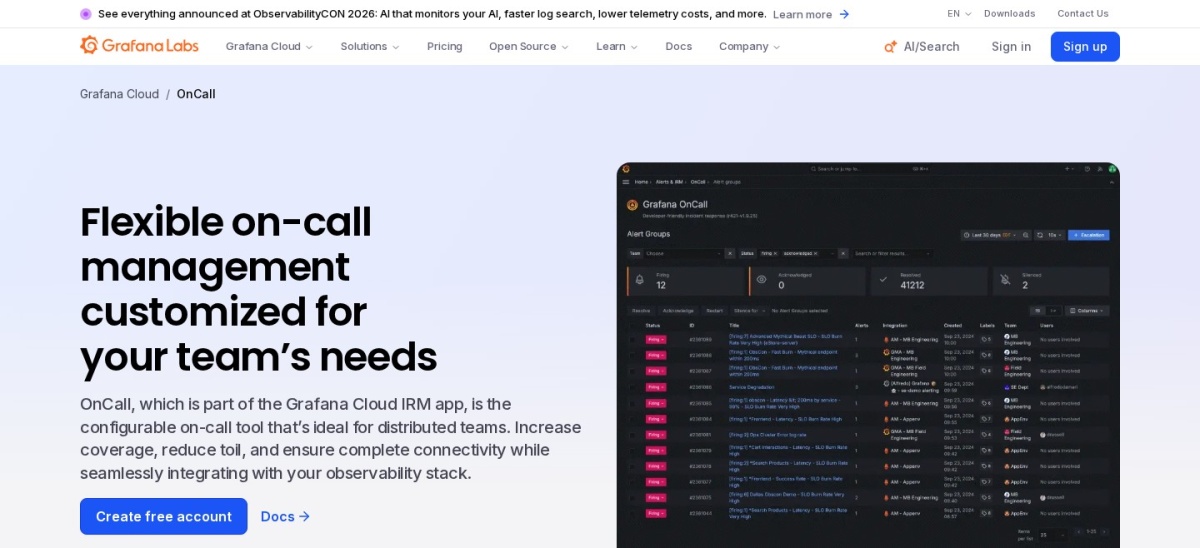
Grafana OnCall is the on-call tool inside Grafana Cloud, now sold as part of Grafana Cloud IRM. It keeps schedules, escalations and alert routing in the same account as Grafana dashboards and alerts. The free tier covers 3 active IRM users, and Pro costs $20 per active user a month plus a $19 monthly platform fee.
The trade off is that the open-source version is gone. Grafana archived the self-hosted OnCall project in March 2026, so the maintained route is the paid cloud version. It suits teams that already send metrics and logs to Grafana Cloud.
What we like
On-call lives beside Grafana alerts and dashboards
FireHydrant is an incident management platform connecting response coordination, runbooks, service information and retrospectives. Its free plan supports up to 10 responders, 2 runbooks, a public status page and 3 integrations. Pro costs $25 per responder monthly billed annually, expanding automation and incident management features.
The trade off is that Pro is billed annually with no monthly price published, and its Signals on-call alerting is charged per alert on top, with SMS and voice sold separately. It suits teams that want standardized response procedures and documented recovery processes.
ilert is an alerting and on-call platform made and hosted in Germany, with ISO 27001 certification. The free plan covers 5 users with 1 on-call schedule, 1 status page and 100 SMS or voice alerts a month. Pro costs $19 per user a month billed yearly, with a 3-user minimum, and adds unlimited SMS and voice, single sign-on and 250 AI credits a month.
The trade off is its small review base. ilert is rated 4.2 out of 5 on G2 from only 10 reviews, so there is less peer feedback to read than for the tools above it. It suits teams that want EU-hosted alerting with unlimited SMS and voice on Pro.
Free plans cover the basics well. Most include on-call schedules, escalation policies and a few SMS or voice alerts each month.
Paid plans mostly add volume and channels. You get unlimited SMS and voice, more escalation steps and status pages.
Watch the add-ons. incident.io charges extra for on-call, Rootly sells on-call as a separate product, and Grafana OnCall adds a platform fee on Pro.
For a team that pages every week, the first year of a paid plan often costs less than one missed alert.
How we chose
We started from the tools listed in G2's incident management and IT alerting categories with published ratings, then kept nine live products with current pricing and a real on-call or incident feature.
Prices come from each vendor's pricing page or vendor-supplied G2 pricing, checked on 29 November 2026. Ratings and review counts come from G2 on the same day. Where a vendor shows a sale, the list shows the regular price.
We left out Opsgenie, which Atlassian stopped selling in June 2025 and shuts down on 5 April 2027, and Squadcast, whose SolarWinds pricing is now $15 on Pro with no free plan. No vendor paid for a place, and we do not claim hands-on testing for this list.
How to choose a PagerDuty alternative
Start with what PagerDuty costs you today, then match the replacement to the job it actually does.
Count your responders and paging volume. Most prices are per user per month, and SMS and voice are often metered. A 10-person rotation at $21 a user costs $2,520 a year before add-ons.
Check whether on-call is included. incident.io charges extra for on-call, Rootly sells it as a separate product, and SIGNL4 puts scheduling on its $19 plan. See how to check your hosting uptime to size the alert load first.
Match the channels to the team. Phone and SMS wake people at night; Slack and Teams work for daytime incidents. Pick a tool that pages on the channel your team actually reads.
Start on the free plan. Eight of the nine tools here have a free tier. Run one real rotation on it before you pay.
FAQ
What is the best PagerDuty alternative in 2026?
incident.io is the best PagerDuty alternative for most teams. It is rated 4.8 out of 5 on G2 from 238 reviews, runs incidents inside Slack or Teams, and Team plus on-call costs $25 per user a month billed yearly.
How much cheaper are PagerDuty alternatives than PagerDuty?
PagerDuty Professional costs $21 per user a month billed yearly. Zenduty starts at $6, AlertOps at $8 and SIGNL4 at $9, so a 10-person team saves $1,200 to $1,800 a year on the cheapest plans before add-ons.
Is there a free PagerDuty alternative?
Yes. Eight of the nine tools here have a free plan, including incident.io, Zenduty, AlertOps, SIGNL4, xMatters, Grafana OnCall, FireHydrant and ilert. Rootly is the only one with no free tier, offering a trial instead.
Which PagerDuty alternative is best for a small team?
Zenduty is the best fit for a very small team, with a free tier for 5 users and Starter at $6 per user a month. AlertOps is the next step up at $8, with stronger multi-group scheduling and holiday calendars.
incident.io vs Rootly: which is better?
incident.io is better for most teams, with a higher G2 rating at 4.8 out of 5 and a free plan. Rootly is better for teams that want automated retrospectives and AI timelines, but its on-call product costs $20 extra per user a month.
Can I still buy Opsgenie instead of PagerDuty?
No. Atlassian stopped selling Opsgenie on 4 June 2025 and shuts the service down on 5 April 2027, when unmigrated data is deleted. Atlassian points existing customers to Jira Service Management instead.
SaaS SEO and WordPress specialist with about 8 years of experience. Rakib compares WordPress plugins, themes, hosting and software using public pricing, documentation and user reviews. See how we rank.