Claude Code is the best of these OpenClaw alternatives for developers, rated 4.7 out of 5 from 518 G2 reviews and included in Claude Pro at $20 a month. Pick ChatGPT for a general assistant that also runs agents, or n8n if you want self-hosted workflow automation instead of a chat agent.
How we make this list: we compare pricing pages, product documentation and public user reviews, then re-check every price before each update. No product paid for a place. Disclosure.
Claude Code and OpenAI Codex share the top G2 score at 4.7/5, but Codex has only 22 reviews against Claude Code's 518.
ChatGPT is the closest personal-assistant match: Plus at $20 a month adds expanded Codex use and Dots, its always-on agents.
n8n is the only self-hosted pick here, with a free Community Edition and Cloud Starter at $20 a month for 2,500 executions.
Cursor's cheapest paid plan is now Plus at $8 a month; the old $20 Pro plan is legacy for new customers.
Entry prices run from $4.99 a month for Gemini AI Plus to $20 a month for five of the nine tools.
What should you look for in OpenClaw alternatives?
OpenClaw is a self-hosted agent that lives in your chat apps and runs tasks for you. The trade-off is the setup: you host it, you wire up the models, and you watch the permissions. Most people looking for an alternative want the agent behaviour without running the server.
Start with where the agent works. Terminal agents such as Claude Code and Codex run inside your codebase, IDE agents such as Cursor and Copilot live in your editor, and general assistants such as ChatGPT and Gemini live in chat. Pick the surface you already work in, because an agent you have to open a new app for gets used less.
Then check who runs the machine. Our guide on using ChatGPT with WordPress shows how a hosted assistant fits into a daily workflow, and the same question applies here: a hosted agent starts in minutes but holds your data, while a self-hosted one such as n8n keeps control with you and needs maintenance.
Price is the last filter, not the first. Five of the nine tools here start at $20 a month, but the cheapest paid plans run from $4.99 to $10 a month, and every tool except Claude Code has a free tier or a free edition to try first.
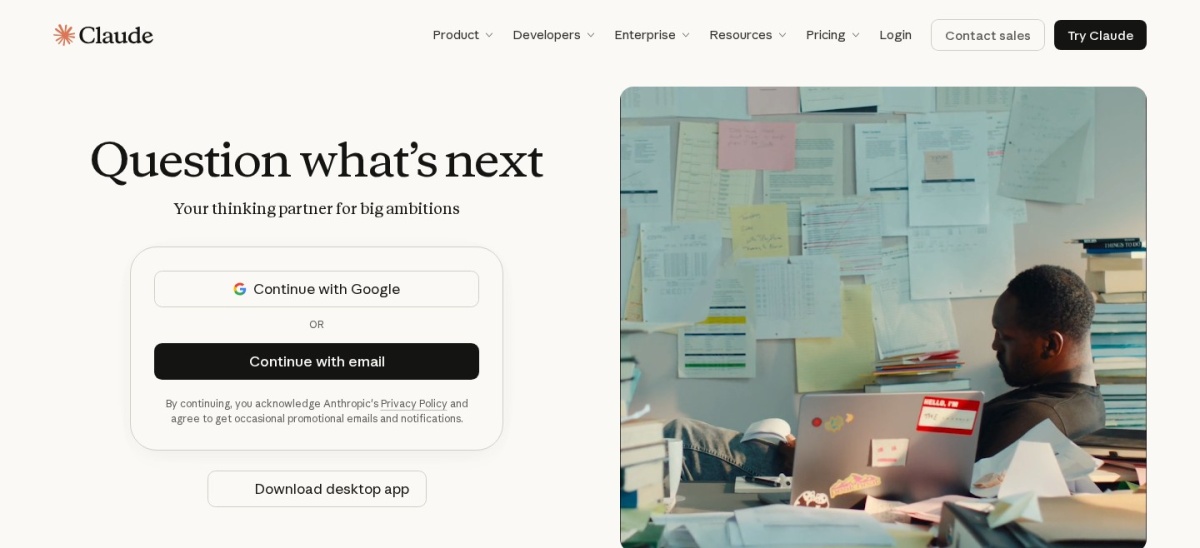
Claude Code is Anthropic's terminal agent for developers. It reads your codebase, edits files across folders, runs commands and handles git work from a prompt, and it is included in every paid Claude plan from Pro at $20 a month.
The trade off is the usage cap. Pro shares one allowance between Claude chat and Claude Code, so heavy terminal days can hit the weekly limit and push you to Max at $100 a month. It suits developers who already live in the terminal and want an agent, not just completions.
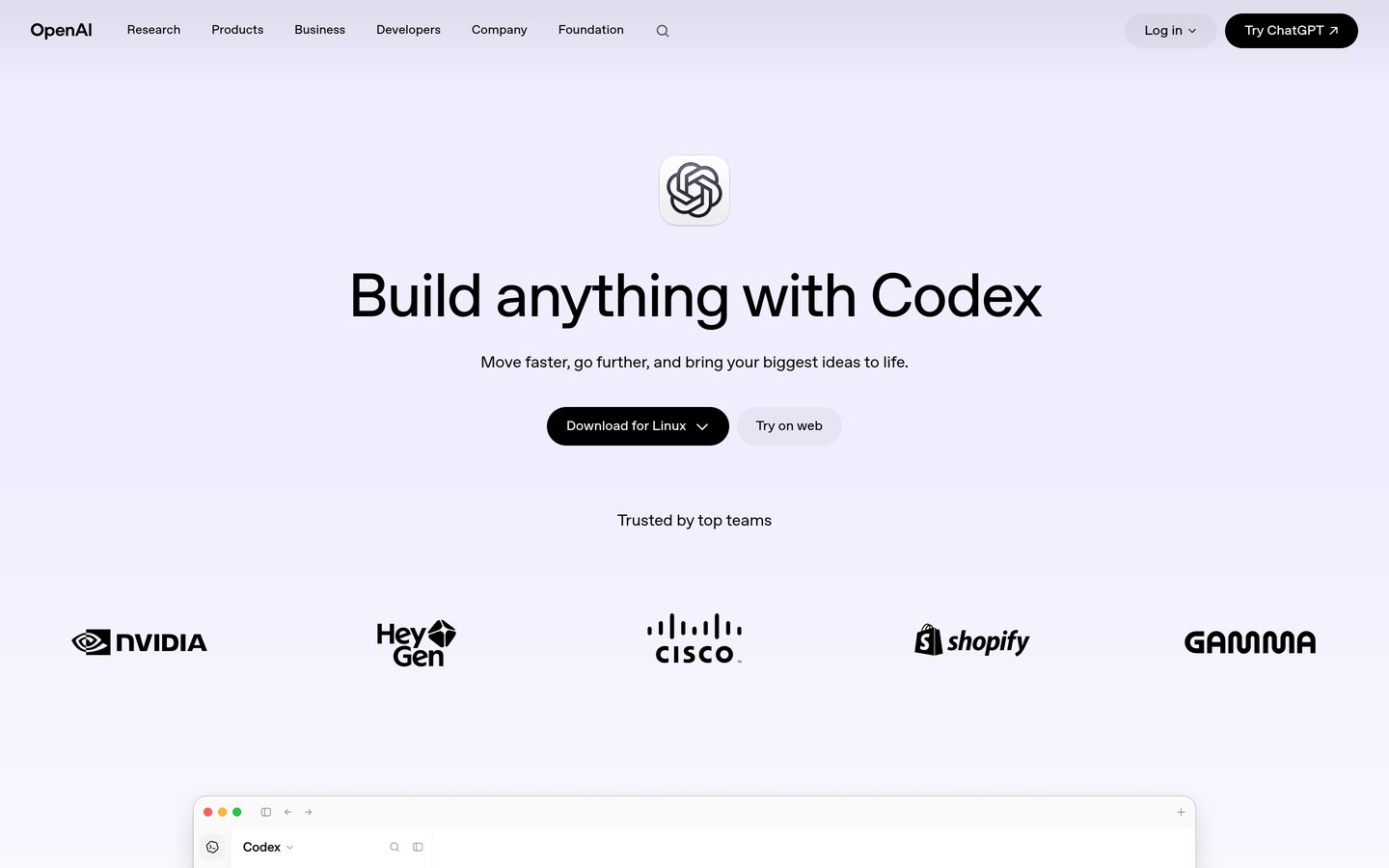
OpenAI Codex is OpenAI's agentic coding tool, built into ChatGPT paid plans from Plus at $20 a month. It takes a task, works through it in the terminal, your IDE or the cloud, and returns a reviewable result, and it can run several tasks in parallel.
The trade off is the thin review record. Codex scores 4.7 out of 5 on G2, the same as Claude Code, but from only 22 reviews, so the score says less. It suits ChatGPT subscribers who want to hand off coding tasks and check the results later.
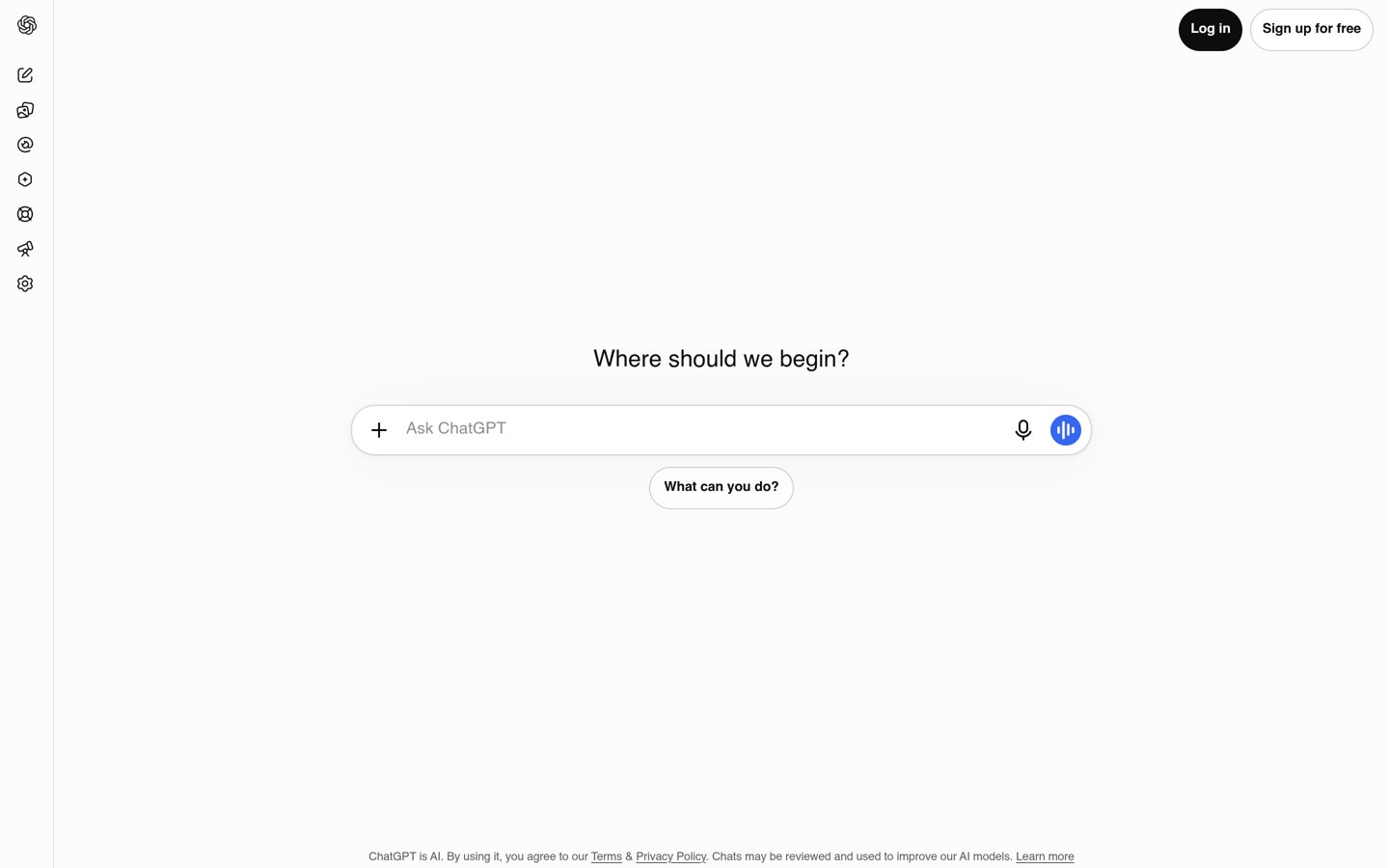
ChatGPT is OpenAI's general assistant, and the paid plans add the agent features OpenClaw buyers look for. Plus at $20 a month includes expanded Codex coding, deep research, scheduled tasks and Dots, the always-on agents that work on tasks without supervision.
The trade off is that it is a hosted chat app, not a local agent. Your files and prompts pass through OpenAI's servers, and the cheaper Go plan at $8 a month has tighter limits. It suits anyone who wants one assistant for writing, research and light automation.
What we like
Closest personal-assistant match to OpenClaw
Most reviewed tool here at 3,108 G2 reviews
Codex, deep research and scheduled tasks in one plan
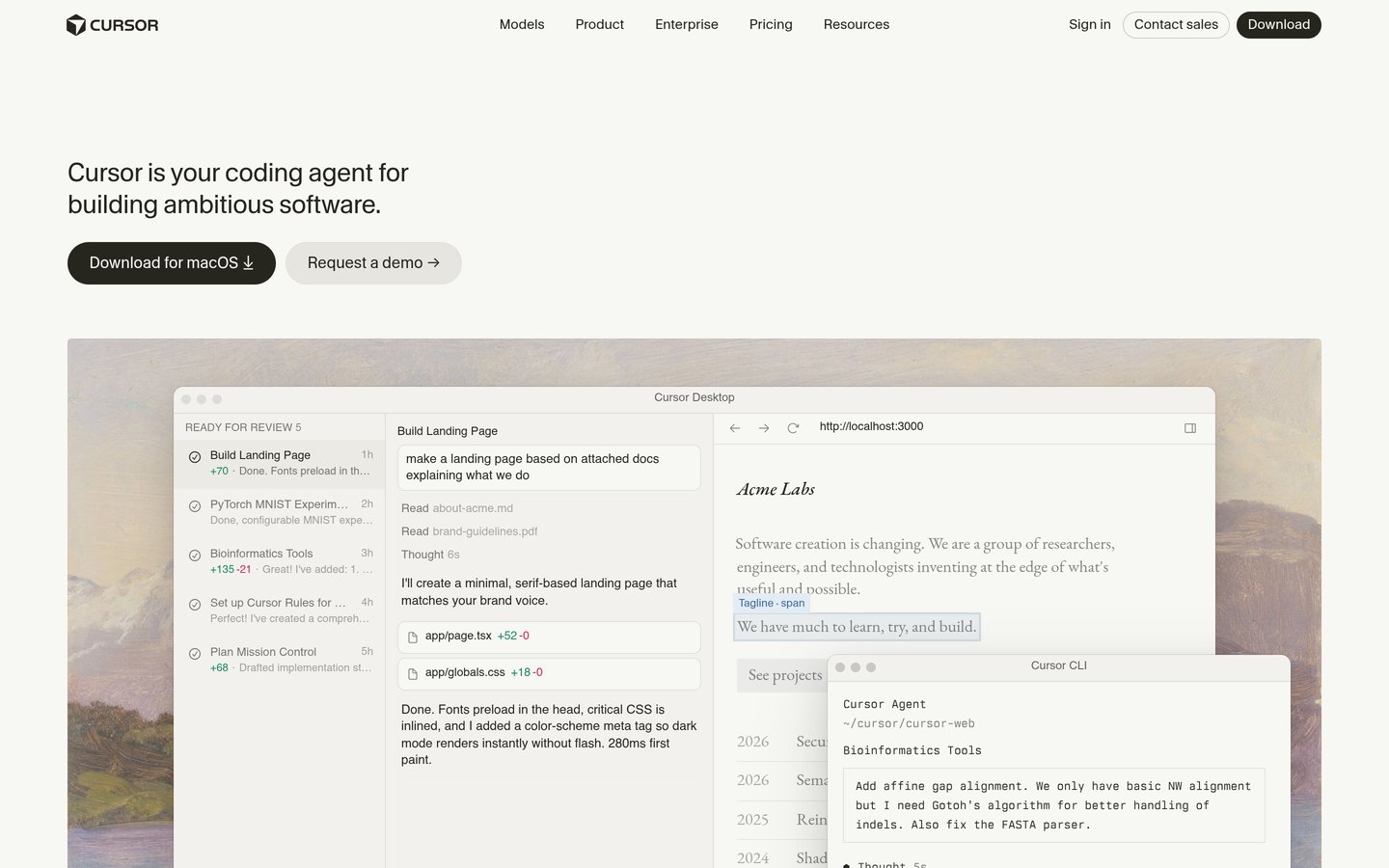
Cursor is an AI-first code editor built on VS Code. Its agent mode plans multi-file changes, runs terminal commands and uses MCP servers, and the Hobby plan is free with limited agent requests.
The trade off is the new pricing. Cursor replaced its plans in 2026: Plus at $8 a month is now the cheapest paid tier, while the old Pro plan at $20 a month is legacy for existing subscribers. It suits developers who want the agent inside the editor they already use.
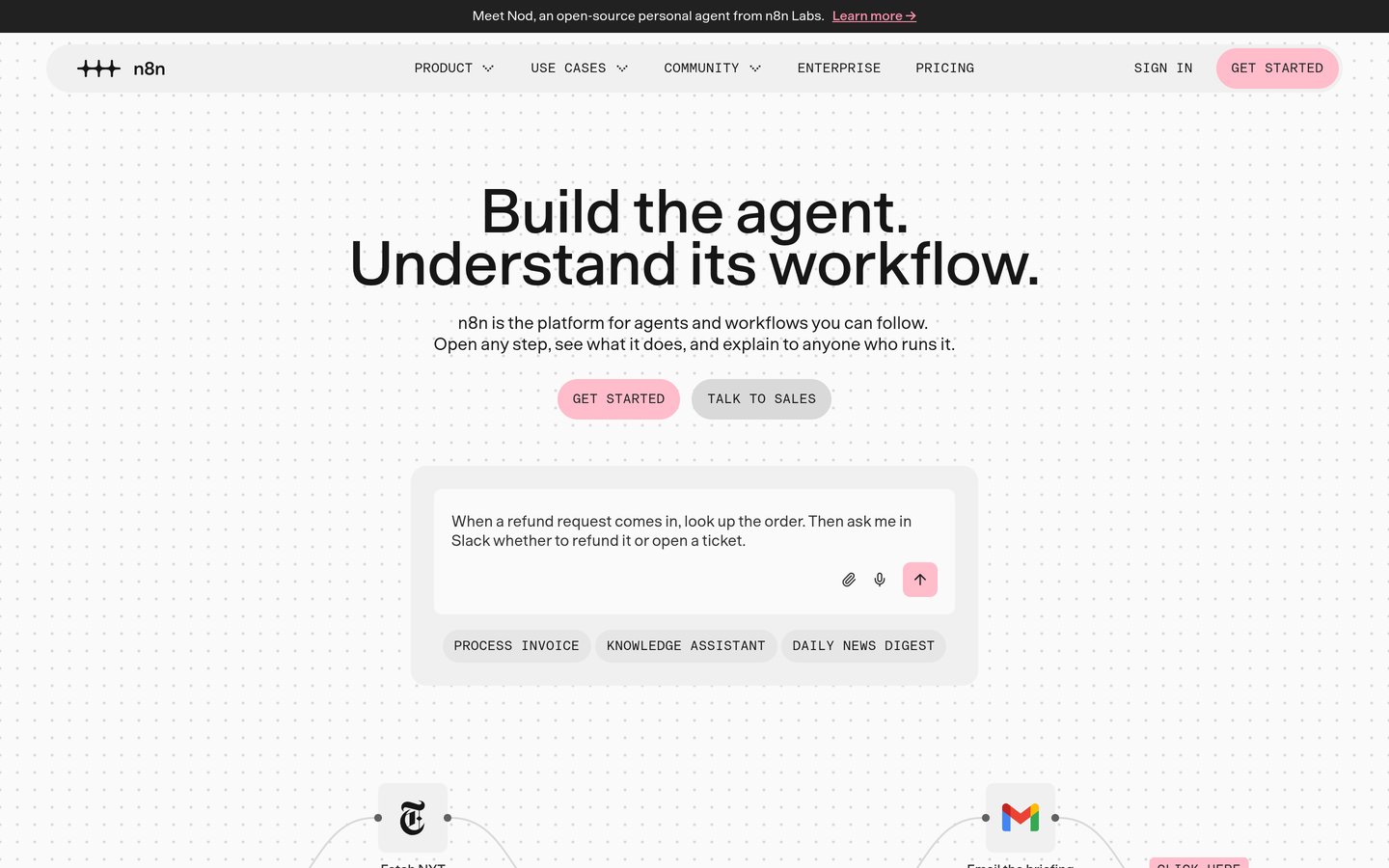
n8n is a workflow automation tool with AI agent nodes, so it builds agents that react to triggers instead of waiting in a chat window. The self-hosted Community Edition is free, and Cloud Starter costs $20 a month billed annually for 2,500 executions.
The trade off is the learning curve. Building a reliable agent means wiring nodes, credentials and error handling yourself, and Starter caps runs at 5 minutes each. It suits people who want automations that run on a schedule or a trigger, not on demand.
What we like
Only self-hosted pick in this list
Free Community Edition, no licence fee
400+ native integrations
Charges per execution, not per step
Watch out for
Visual builder takes time to learn
Starter runs cap at 5 minutes each
Cloud has no permanent free plan, only a trial
Starter is $24 a month if billed monthlyVisit n8n.io
06
Amp
4.5/5on G2 (92 reviews, checked Nov 2026)
Paid from$20/mo
Best for agents with their own cloud machine
Agent typeCLI, apps and web
Cloud machinesOrbs, one per thread
Free planYes, Hobby
Cheapest paidMegawatt, $20/mo
ampcode.com
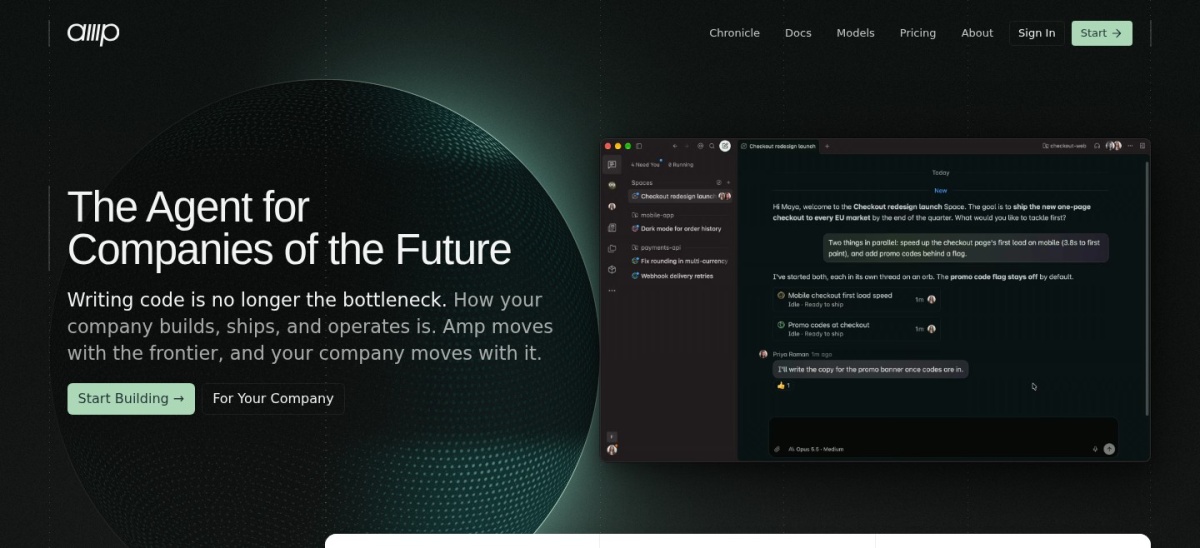
Amp homepage, captured Nov 2026.
Amp is a coding agent from Amp Frontier that gives each thread its own cloud machine, called an orb, so agents keep working after you close your laptop. The Hobby tier is free when you bring your own model subscription or API key, and Megawatt costs $20 a month.
The trade off is the billing. Megawatt includes 45,000 orb minutes a month, but model usage is metered on top, so a heavy month costs more than the headline price. It suits developers who want long-running agents without keeping a laptop awake.
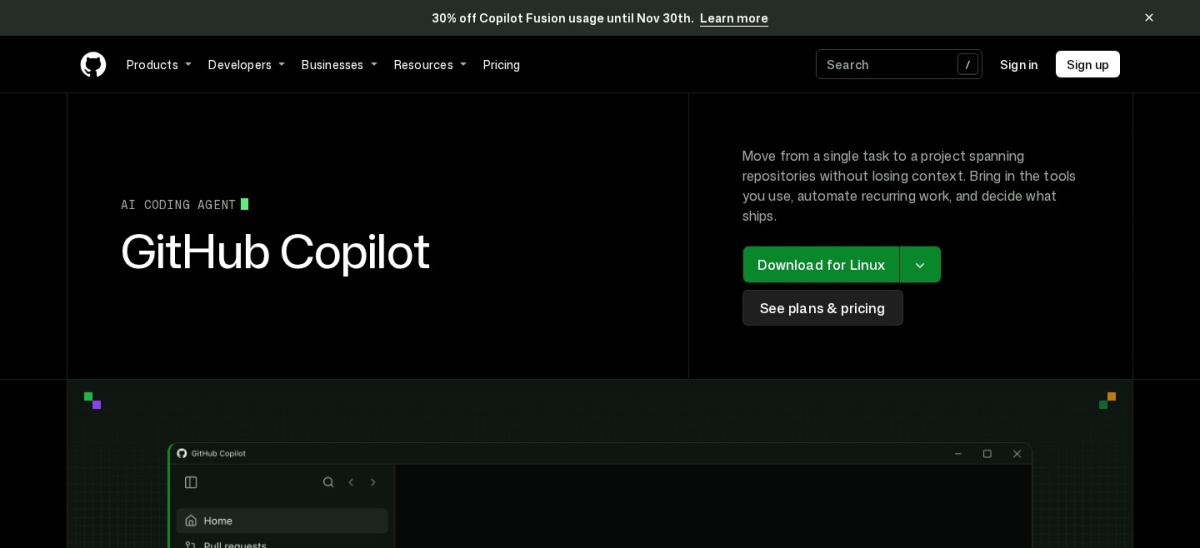
GitHub Copilot is GitHub's assistant across the IDE, the terminal and GitHub.com. Pro at $10 a month adds unlimited completions, chat and agent mode, a cloud agent that opens pull requests, and 1,500 AI credits a month for chat and agent work.
The trade off is the credit meter. Chat and agent work draw down credits at $0.01 each beyond the allowance, so heavy agent months cost more than $10. It suits teams whose code already lives on GitHub and who want the agent where the code is.
Gemini is Google's assistant in the Gemini app, Gmail and Docs. The free tier covers chat, Deep Research and Gemini Live, and Google AI Plus at $4.99 a month is the cheapest paid tier in this list, with higher limits and 400 GB of storage.
The trade off is the tier ladder. The stronger Gemini 4 models and 5 TB of storage need AI Pro at $19.99 a month, so the $4.99 tier is a light upgrade, not the full package. It suits anyone whose mail, files and documents already live in Google's apps.
What we like
Cheapest paid plan in this list at $4.99 a month
Most reviewed Google tool here at 2,959 G2 reviews
Deep Research and Gemini Live included
Works inside Gmail, Docs and Drive
Watch out for
Best models need AI Pro at $19.99 a month
Tighter limits than ChatGPT Plus on the entry tier
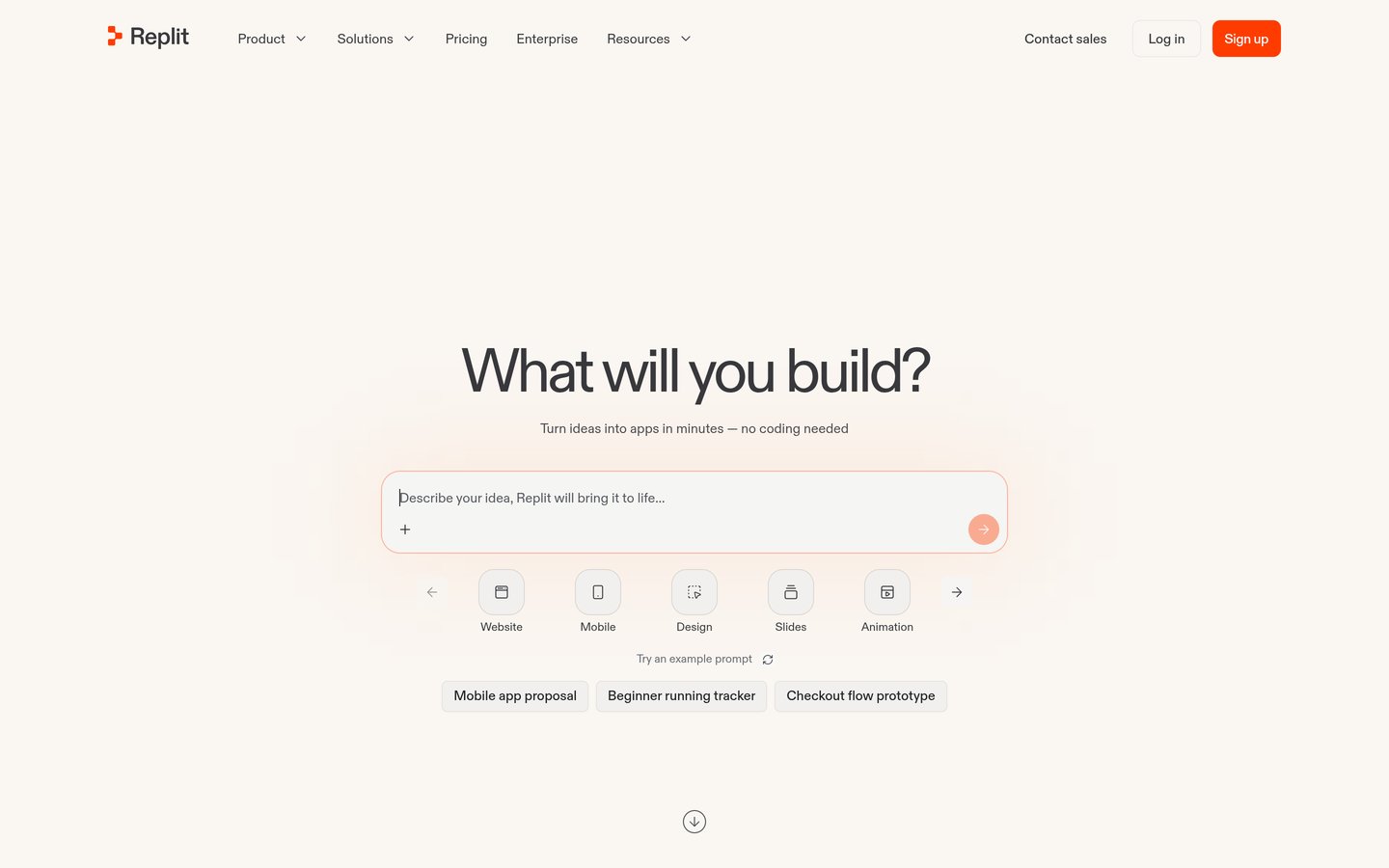
Replit is a browser workspace where its Agent builds apps from a prompt and deploys them without leaving the page. The free plan includes a daily Agent allowance, and Core costs $20 a month on annual billing with more Agent use and private projects.
The trade off is control. You build inside Replit's environment, so moving a finished app elsewhere takes work, and heavy Agent use burns the allowance fast. It suits non-developers and small teams who want a working app, not a codebase to manage.
Self-hosting buys control. With n8n's Community Edition or OpenClaw itself, your data stays on your machine and there is no per-seat bill, but you own updates, backups and security.
Hosted agents buy speed. Claude Code, ChatGPT and the rest start in minutes and handle the infrastructure, but your prompts and files pass through someone else's servers.
For most readers the hosted route wins. Self-host only if you have a clear privacy or cost reason, and count the hours you will spend keeping it running.
How we chose
We started from the direct OpenClaw clones — Hermes Agent, ZeroClaw, NanoClaw, nanobot, IronClaw and NemoClaw — then checked each one for a public rating on G2, Capterra or Trustpilot. None of them has one, so none of them is in the ranked list below; the nine tools here are rated agents that cover the same jobs.
Prices come from each vendor's pricing page, checked on 29 November 2026. Ratings and review counts come from G2 on the same day. Where a vendor shows a sale or an annual discount, the list shows the regular monthly price, with the yearly figure as that monthly price times 12.
We left out Windsurf, now sold as Devin Desktop, because the product was renamed in June 2026 and its G2 page still carries the old Windsurf name. No vendor paid for a place, and this list compares pricing pages, documentation and public reviews rather than claiming any testing.
How to choose an OpenClaw alternative
Start with the job you want the agent to do, then match the tool to it.
Name the job first. Coding, general assistance and workflow automation need different agents. A coding agent will not run your inbox, and a chatbot will not refactor a codebase.
Pick the surface you already use. Terminal, IDE, browser or chat — the agent that lives where you work gets used. Switching surfaces for one feature rarely sticks.
Check the free tier before paying. Eight of the nine tools here have a free plan or a free edition. Run one real task on it before subscribing, and watch what the usage limits do to a heavy week.
Read the price as a monthly figure. Annual billing looks cheaper on some plans — ChatGPT Plus has no annual option, while n8n Starter is $20 a month billed annually and $24 billed monthly. Compare monthly prices, then decide.
FAQ
What is the best OpenClaw alternative in 2026?
Claude Code is the best OpenClaw alternative for developers, rated 4.7 out of 5 from 518 G2 reviews. It runs as a terminal agent with codebase access, and it is included in Claude Pro at $20 a month. ChatGPT is the better pick if you want a general assistant rather than a coding agent.
Is there a free OpenClaw alternative?
Yes. Eight of the nine tools here have a free plan or a free edition, including ChatGPT, Cursor, n8n's self-hosted Community Edition and Amp's Hobby tier. Only Claude Code has no free plan, because the free Claude plan does not include Claude Code.
What is the cheapest OpenClaw alternative?
Gemini is the cheapest paid pick at $4.99 a month for Google AI Plus, followed by Cursor Plus at $8 a month and GitHub Copilot Pro at $10 a month. Five tools start at $20 a month, so the gap between the cheapest and the typical entry price is about $15 a month.
Can I self-host an OpenClaw alternative?
Yes, n8n is the self-hosted pick in this list: its Community Edition is free to run on your own server, and Cloud Starter at $20 a month removes the hosting work. The direct open-source clones of OpenClaw exist, but none of them has a public G2, Capterra or Trustpilot rating yet.
Claude Code vs OpenAI Codex: which is better?
Both score 4.7 out of 5 on G2, but Claude Code has 518 reviews against Codex's 22, so its score rests on far more users. Codex is the better pick for running several coding tasks in parallel from one ChatGPT account, while Claude Code fits developers who live in the terminal.
Do I need to run a server for these alternatives?
No. Eight of the nine tools are hosted services that start in minutes with an account. Only n8n's Community Edition needs your own server, and its Cloud plan removes that step for $20 a month.
SaaS SEO and WordPress specialist with about 8 years of experience. Rakib compares WordPress plugins, themes, hosting and software using public pricing, documentation and user reviews. See how we rank.