Okta is the best OneLogin alternative for most teams, with SSO, MFA and lifecycle tools from $6 per user a month and a 4.5 out of 5 G2 rating. Microsoft Entra ID suits Microsoft 365 shops with a free tier, while Duo is the cheapest fast start at $3 per user a month.
How we make this list: we compare pricing pages, product documentation and public user reviews, then re-check every price before each update. No product paid for a place. Disclosure.
Okta is the strongest all-round replacement, with SSO, MFA and lifecycle tools from $6 per user a month.
Microsoft Entra ID costs nothing extra for many Microsoft 365 teams, and P1 is $7 per user a month standalone.
Duo is the cheapest quick start: free for up to 10 users, then $3 per user a month with SSO on Essentials.
PingOne matches OneLogin on price at $3 per user a month, but its 5,000-user minimum rules out small teams.
Keycloak is the only option with no licence fee at all, and Google Cloud Identity is free for up to 50 users.
How do you choose the best OneLogin alternative?
Single sign-on is the core of the switch. OneLogin Basic covers SSO and MFA for $3 per user a month, so any replacement must at least match that: one login for every app, with a second factor behind it.
Price per user hides the real bill. Okta Starter carries a $1,500 yearly minimum, and PingOne prices from a 5,000-user minimum, so a cheap per-user rate can still mean a large contract. Check minimums before comparing rates.
A free tier only helps if it covers your whole team. Duo is free for up to 10 users, Google Cloud Identity is free for up to 50, Auth0 is free for 25,000 monthly active users, and Keycloak has no cap at all because you host it yourself.
Directory and device coverage decides the winner for small teams. JumpCloud pairs its directory with device management for Windows, Mac and Linux, while Duo and Auth0 cover sign-in only. Our guide on two-factor authentication explains the second-factor side in plain terms.
Okta is a workforce identity platform that covers single sign-on, MFA, a cloud directory and lifecycle management for employees. The Starter suite costs $6 per user a month billed annually and includes SSO, MFA, Universal Directory and 5 Workflows, with an app catalogue of more than 8,000 integrations.
The trade off is the floor price. Starter carries a $1,500 annual contract minimum, and adaptive MFA, lifecycle management and governance sit in the $14 and $17 suites. It suits mid-size and large teams that want one vendor-neutral platform for many SaaS apps.
What we like
Widest app catalogue, with 8,000+ integrations
Rated 4.5 out of 5 from 1,428 G2 reviews
Covers SSO, MFA, directory and lifecycle in one place
Clear published prices for the first three suites
Watch out for
$1,500 annual minimum, even for small teams
Adaptive MFA and governance cost extra
Customer login is a separate, costly product
Higher suites add adaptive MFA, lifecycle and governanceVisit okta.com
02
Microsoft Entra ID
4.5/5on G2 (915 reviews, checked Nov 2026)
Paid from$7/mo
Best for Microsoft 365 shops
SSOYes, SAML and OIDC
Conditional AccessP1
Free planYes, SSO and basic MFA
Paid planP1, $7/user/mo
microsoft.com
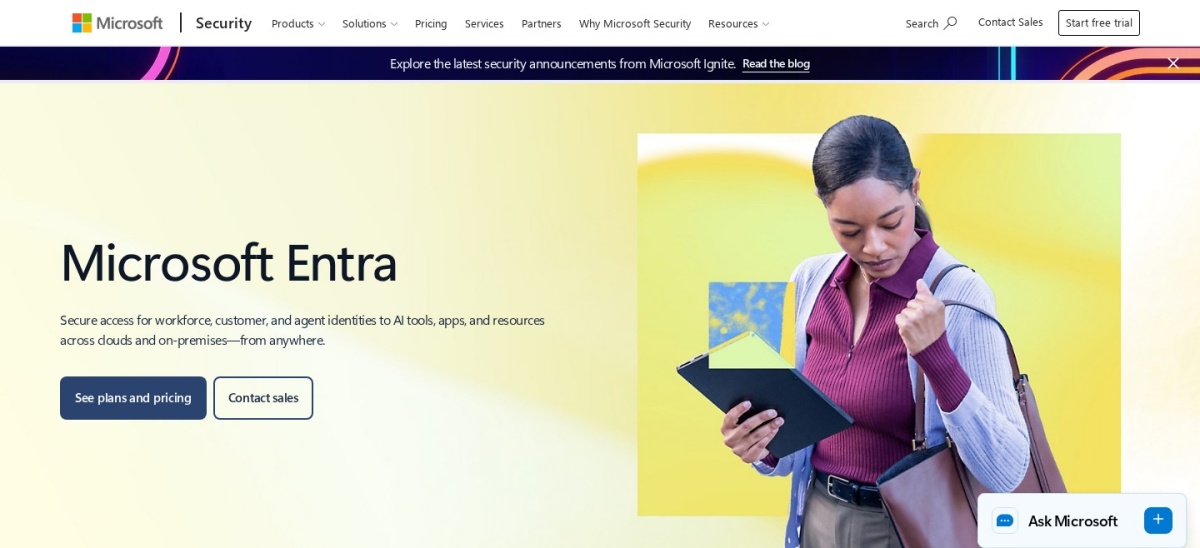
Microsoft Entra ID homepage, captured Nov 2026.
Microsoft Entra ID is the identity layer for Microsoft 365 and Azure. The free tier covers single sign-on, basic MFA and sign-in logs, while P1 adds full Conditional Access, hybrid identity and self-service password reset for $7 per user a month. P1 is already included in Microsoft 365 E3 and Business Premium.
The trade off is licensing sprawl. Identity Protection and privileged identity management need P2 at $10 per user a month, and the price rose from $6 for P1 in July 2026. It suits teams already running Microsoft 365 and Azure.
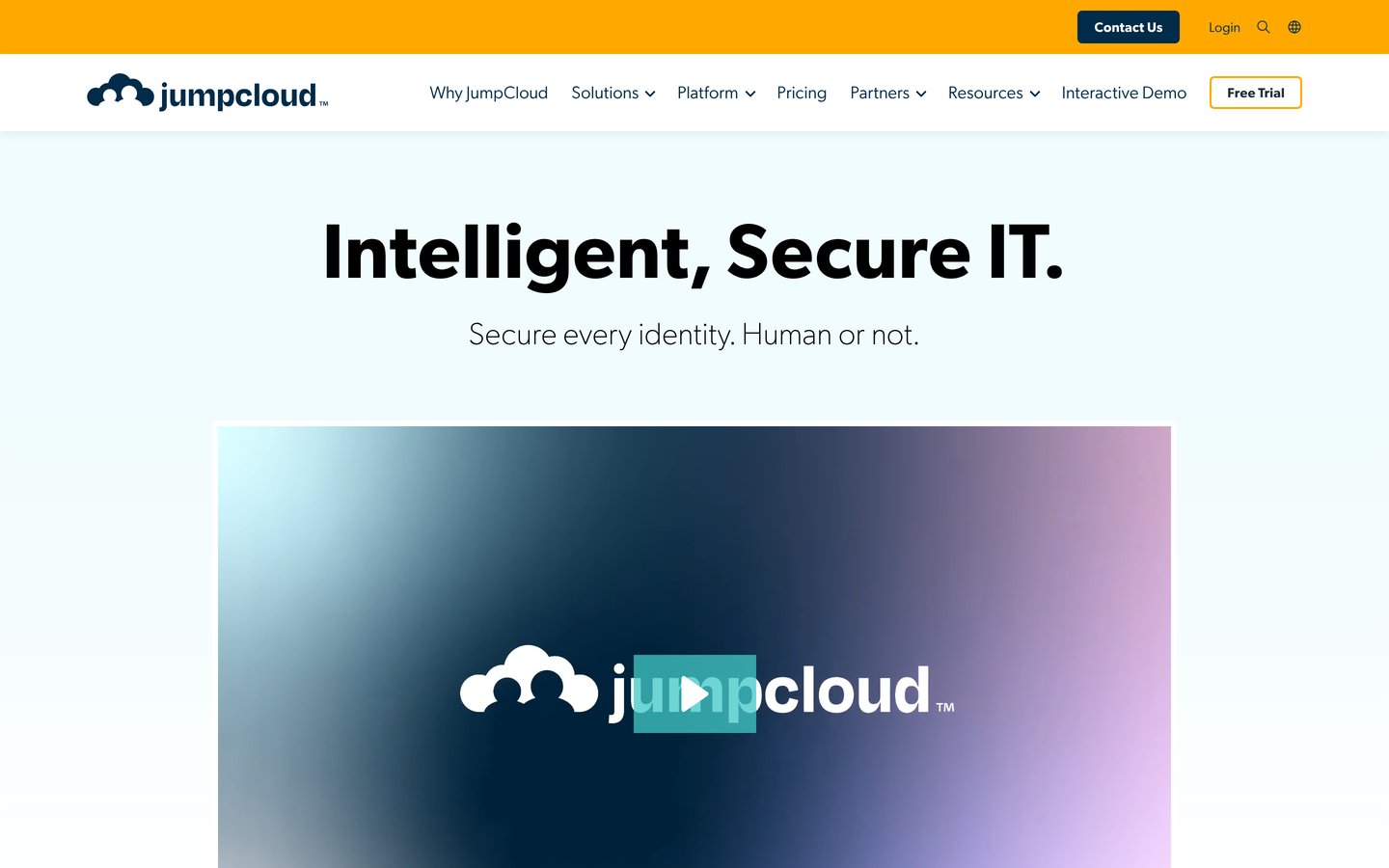
JumpCloud is a cloud directory that replaces on-premises Active Directory for small and mid-size teams. It combines directory services, SSO, MFA, LDAP and RADIUS with device management for Windows, Mac and Linux. The SSO package costs $11 per user a month billed annually.
The trade off is the free tier. Free use for up to 10 users and 10 devices now applies only to accounts created before 1 February 2024, and newer accounts start with a 30-day trial. It suits startups with mixed device fleets retiring a domain controller.
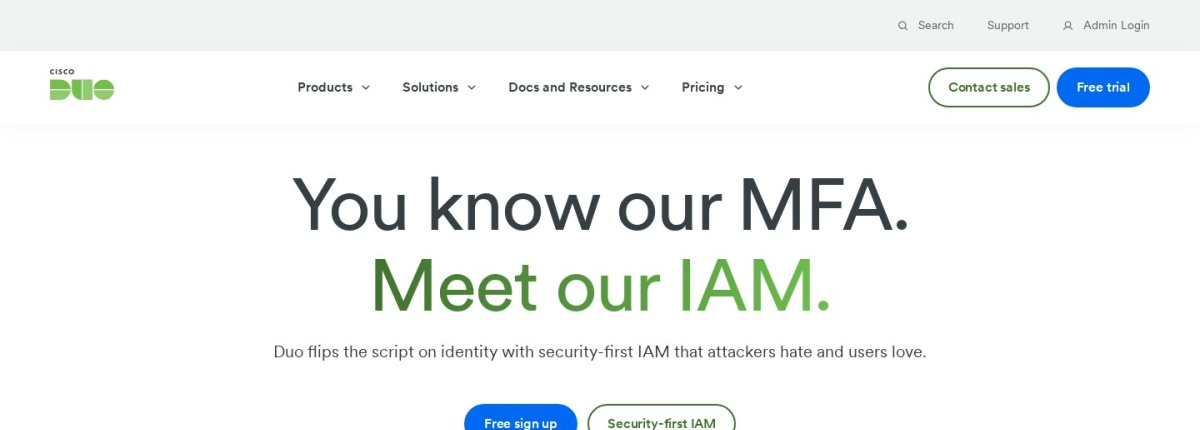
Cisco Duo is an MFA-first identity tool built around push approvals on a phone. The free edition covers up to 10 users with MFA and the Duo authenticator app. Essentials adds Duo Directory, phishing-resistant MFA, passwordless sign-in, single sign-on and Trusted Endpoints for $3 per user a month.
The trade off is scope. Duo is not a full directory or lifecycle platform, so joiner-mover-leaver automation needs another tool, and device health checks sit on higher tiers. It suits teams whose main gap is MFA and who want it live in days.
What we like
Fastest MFA rollout in this list
Free for up to 10 users
Phishing-resistant MFA on Essentials
Rated 4.5 out of 5 from 590 G2 reviews
Watch out for
No full directory or lifecycle tools
Device checks need higher tiers
Licences sold in blocks of 10 or 25
Advantage adds risk-based authentication at $6 a monthVisit duo.com
05
Ping Identity
4.4/5on G2 (378 reviews, checked Nov 2026)
Starts at$3/mo
Best for hybrid enterprise estates
SSOYes, SAML and OIDC
FederationSAML, OIDC, OAuth, SCIM
User minimum5,000 users
Paid planEssential, $3/user/mo
pingidentity.com
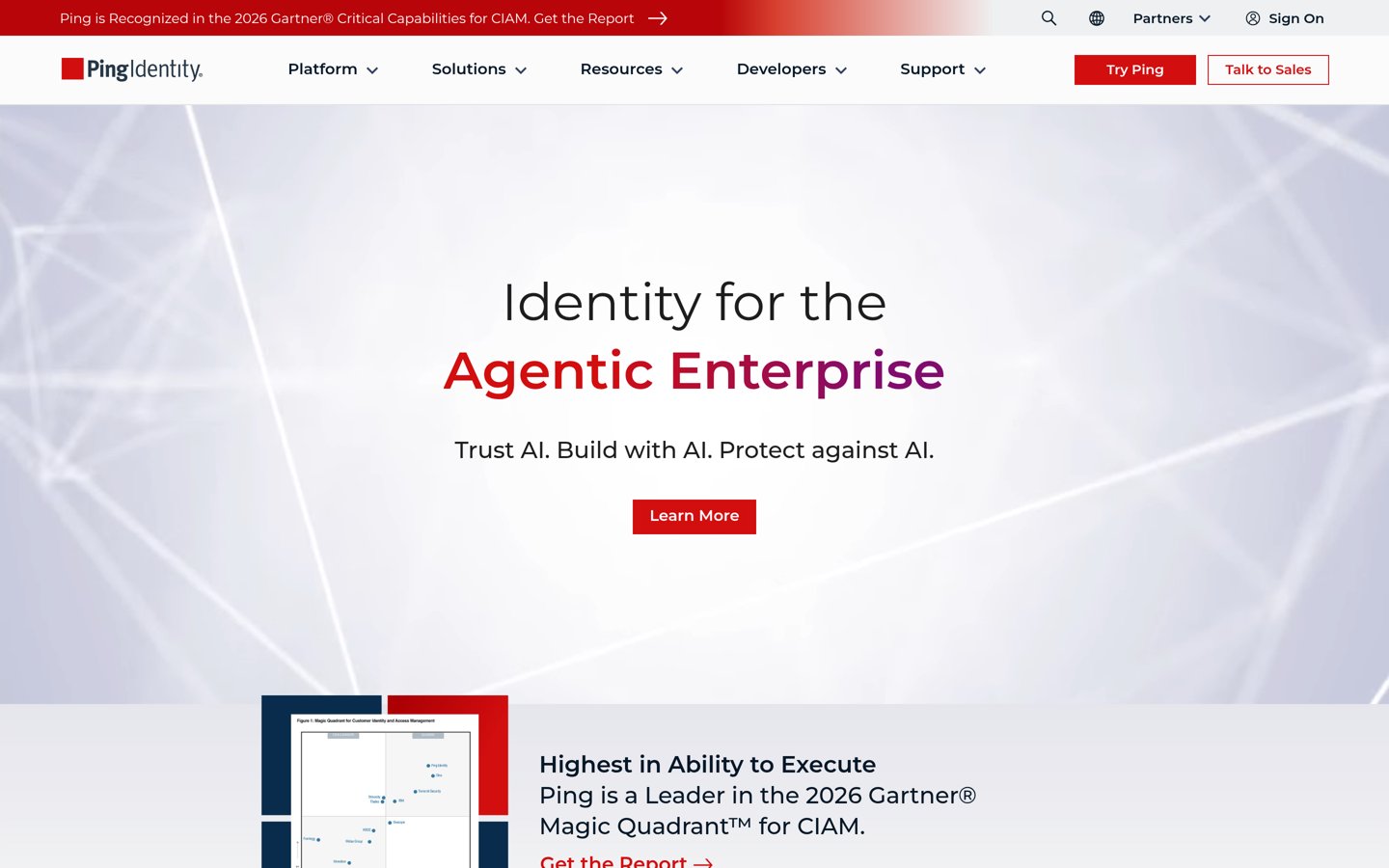
Ping Identity homepage, captured Nov 2026.
Ping Identity is an enterprise IAM platform for workforce, customer and partner sign-in. PingOne for Workforce Essential covers SSO, MFA, a SCIM directory, an app portal and no-code orchestration for $3 per user a month. It supports federation across SAML, OAuth 2.0, OpenID Connect and SCIM.
The trade off is the minimum. Workforce plans carry a 5,000-user annual minimum, so the Essential rate implies a floor near $180,000 a year before discounts. It suits large or hybrid estates with complex federation and regulated workloads.
CyberArk Workforce Identity homepage, captured Nov 2026.
CyberArk Workforce Identity is an access platform that layers SSO and adaptive MFA on privileged access management. Single Sign-On starts at $2 per user a month and Adaptive MFA at $3, with device, location and behaviour checks behind each sign-in. It also brings secrets management and privileged session controls.
The trade off is enterprise weight. Some workforce bundles are sized per deployment and listed as quote-only, and admin setup is heavier than Duo or JumpCloud. It suits security teams that combine privileged access with workforce sign-in.
What we like
Cheapest hosted SSO in this list
Privileged access built in
Strong compliance controls
Rated 4.5 out of 5 from 130 G2 reviews
Watch out for
Some bundles are quote-only
Heavier admin setup than Duo
Prices come from G2 listings, not a vendor price page
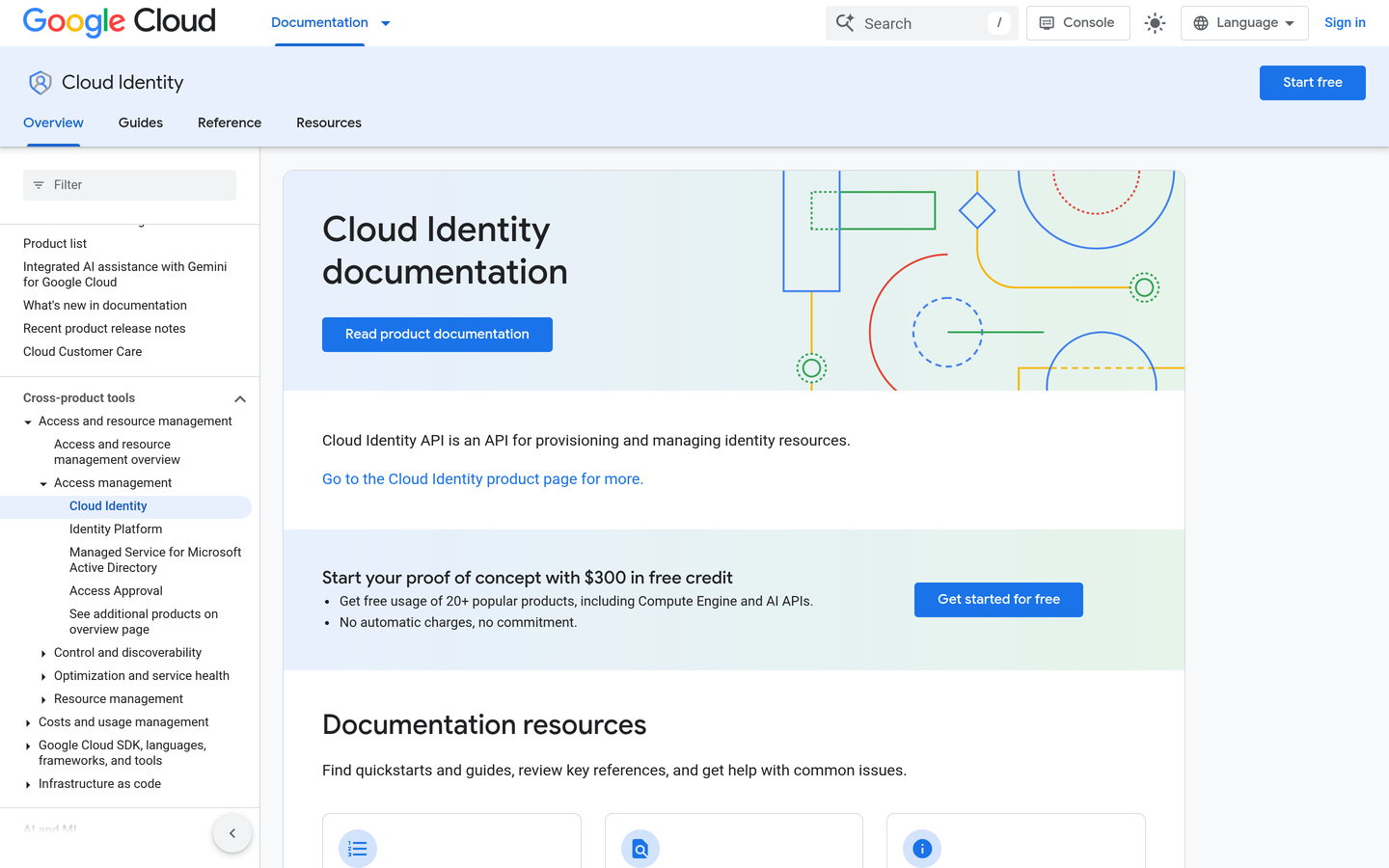
Google Cloud Identity homepage, captured Nov 2026.
Google Cloud Identity is the identity service for Google Workspace and Google Cloud. The free edition covers up to 50 users with 2-Step Verification, single sign-on to SAML apps and directory sync from Active Directory or LDAP. Premium costs $6 per user a month on an annual plan.
The trade off is the ecosystem. Premium adds automated provisioning, secure LDAP and context-aware access, but the free cap forces larger teams onto Premium, and Microsoft-centred teams get little from it. It suits teams already running Google Workspace.
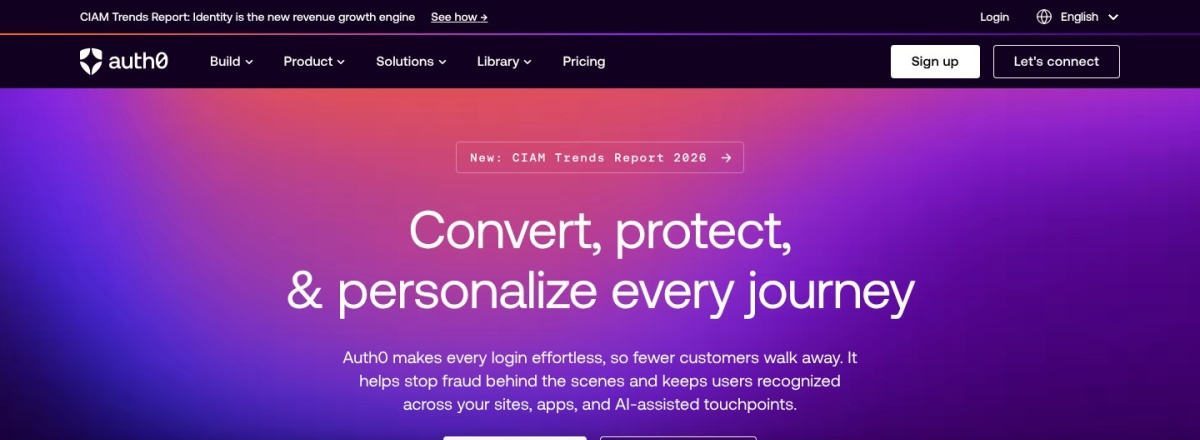
Auth0 is a customer identity platform for adding login to apps and websites. The free tier supports up to 25,000 monthly active users with social logins, passwordless sign-in and basic attack protection. Essentials adds pro MFA, role-based access control and audit log streaming from $35 a month.
The trade off is cost as you grow. Essentials is a flat $35 a month at 500 monthly active users, but Professional jumps to $240 a month, and enterprise SSO sits higher still. It suits software teams that need login without building authentication themselves.
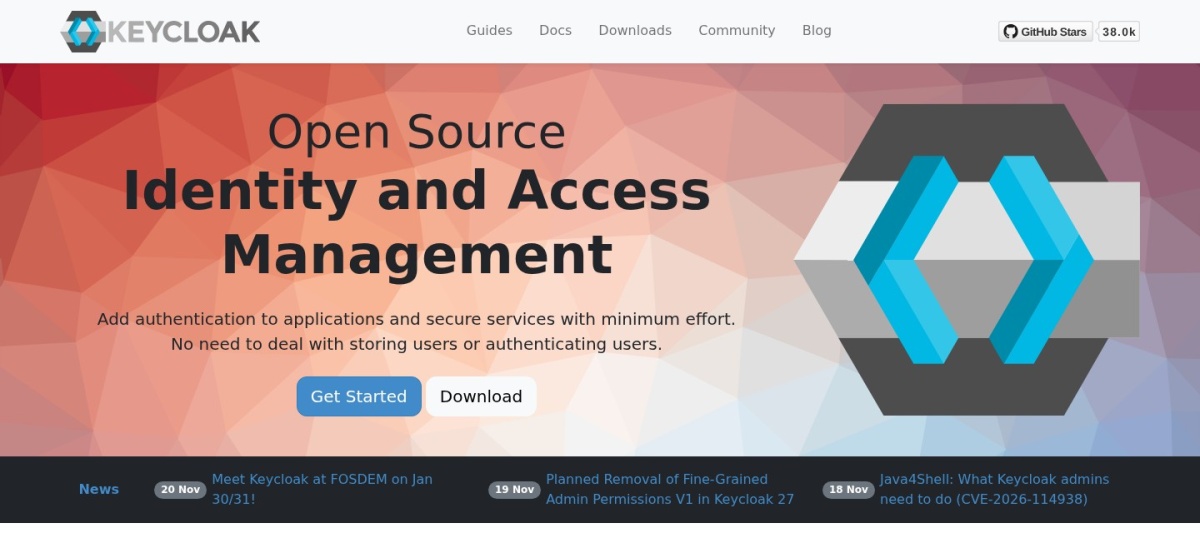
Keycloak is a free, open-source identity platform you host yourself. It covers single sign-on, federation and user management across SAML, OpenID Connect and OAuth 2.0, with no licence fee and no user cap. The project is maintained openly, with releases and documentation anyone can read.
The trade off is the work. There is no vendor support desk, so your team runs the servers, applies updates and fixes problems. It suits teams with the skills to self-host who want full control and zero licence cost.
OneLogin Basic costs $3 per user a month and covers authentication with limited user management. It includes an app catalog, directory integration and context-aware access policies.
Higher tiers add full user management and HR-driven provisioning, and OneLogin is rated 4.4 out of 5 from 291 G2 reviews. There is no free plan, only a 30-day trial.
That $3 entry rate is the number to beat. Duo and PingOne match it, CyberArk undercuts it at $2 for SSO, and Keycloak removes the licence fee entirely.
How we chose
We started from the workforce identity tools most often named as OneLogin replacements, then kept the nine with published prices or vendor-supplied rates and a public G2 rating.
Prices come from each vendor's pricing page, checked on 29 November 2026. CyberArk prices come from its G2 listing because the vendor publishes no price page. Ratings and review counts come from G2 on the same day. Where a vendor shows a sale, the list shows the regular price.
We left out tools with no public rating or no published price. No vendor paid for a place, and we do not claim to have used these tools ourselves.
How to choose a OneLogin alternative
Start with the users and apps you must cover, then let the minimums and free tiers narrow the list.
Count the users you must cover. Free tiers cap fast: Duo stops at 10 users and Google Cloud Identity at 50. If your team is bigger, price the paid tier from the start.
List the apps that need SSO. Check the catalogue for each app you run. Okta lists more than 8,000 integrations, while smaller tools may need custom SAML setup for odd apps.
Check the minimums before the per-user price. Okta has a $1,500 yearly minimum and PingOne prices from a 5,000-user minimum, so small teams should rule those out early.
Run a trial with your real apps. Connect two or three apps you use every day and test sign-in, MFA and deprovisioning. See how to add two-factor authentication to WordPress for the MFA side of the test.
FAQ
What is the best free alternative to OneLogin?
Keycloak is the best fully free alternative to OneLogin, because it has no licence fee and no user cap. If you want a hosted free tier instead, Google Cloud Identity is free for up to 50 users and Auth0 is free for up to 25,000 monthly active users.
How much do OneLogin alternatives cost?
OneLogin alternatives cost from $0 to $7 per user a month. CyberArk SSO starts at $2, Duo and PingOne at $3, Okta at $6, and Microsoft Entra ID P1 and Google Cloud Identity Premium at $6 to $7. Auth0 charges a flat $35 a month instead of per user.
Which OneLogin alternative is best for small teams?
Duo is the best OneLogin alternative for small teams that mainly need MFA, with a free tier for up to 10 users and Essentials at $3 per user a month. JumpCloud fits small teams that also need a directory and device management in the same console.
Is Okta better than OneLogin?
Okta is the stronger platform for most teams, with a deeper app catalogue of more than 8,000 integrations and lifecycle tools OneLogin charges extra for. OneLogin is cheaper at $3 per user a month against Okta Starter at $6, so it still wins for small teams on a tight budget.
What is the best OneLogin alternative for Microsoft 365 users?
Microsoft Entra ID is the best OneLogin alternative for Microsoft 365 users, because it is the native identity layer for Microsoft 365 and Azure. The free tier covers basic SSO and MFA, and P1 adds Conditional Access for $7 per user a month, or nothing extra inside Business Premium and E3.
Can I switch from OneLogin to another SSO tool without downtime?
Yes, if you run both tools side by side during the move. Set up the new provider, connect your apps one at a time, and keep OneLogin live until every app signs in through the new tool. Plan the cutover for a quiet period and keep admin access to both consoles.
Which OneLogin alternative is best for developers building login for an app?
Auth0 is the best OneLogin alternative for developers adding login to an app, with a free tier for up to 25,000 monthly active users, social and passwordless login, and strong docs. Keycloak is the free self-hosted choice if you want full control and no per-user bill.
SaaS SEO and WordPress specialist with about 8 years of experience. Rakib compares WordPress plugins, themes, hosting and software using public pricing, documentation and user reviews. See how we rank.