Shopify is the best of the Magento alternatives for most stores, with hosted checkout, unlimited products and the largest review base here, from 29 dollars a month. WooCommerce is the free pick for WordPress sites, while Squarespace suits design-led brands.
How we make this list: we compare pricing pages, product documentation and public user reviews, then re-check every price before each update. No product paid for a place. Disclosure.
Shopify is the best all-round replacement: Basic at $29 a month, unlimited products and a 4.4 out of 5 G2 rating from 5,159 reviews.
WooCommerce is the only free core here, but hosting runs $25 to $350 a month and extensions cost extra.
Squarespace Basic costs $19 a month billed yearly, yet it adds a 2% fee on sales; Core at $29 removes that fee.
Ecwid changed its plans in November 2026: the free plan is gone and Starter now costs $5 a month.
PrestaShop and OpenCart are free open-source platforms for stores with a developer on hand.
How do you choose the best Magento alternative?
Magento, now Adobe Commerce, is built for large stores with developers on staff, so the first question is how much store you actually need. Most small and mid-size stores do fine on a hosted platform with no code.
The second question is who owns the store. Shopify, Squarespace and BigCommerce host everything for you, while WooCommerce, PrestaShop and OpenCart are free software that you host yourself.
Price means more than the monthly fee. Squarespace Basic adds a 2 percent fee on sales, Shopify adds card fees on top of its subscription, and the free platforms still need hosting and paid extensions.
Migration is the hidden cost. Moving products, customers and order history off Magento takes planning, so pick a platform you can stay on for years, not just the cheapest first month.
Shopify is a hosted commerce platform that covers the store, checkout, payments and inventory in one dashboard. Basic at 29 dollars a month includes unlimited products, a free trial, and card rates from 2.9 percent plus 30 cents online.
The trade off is the add-on bill. Paid apps and themes add up, and using a third-party payment provider adds a fee. It suits most stores that want to sell quickly without hiring a developer.
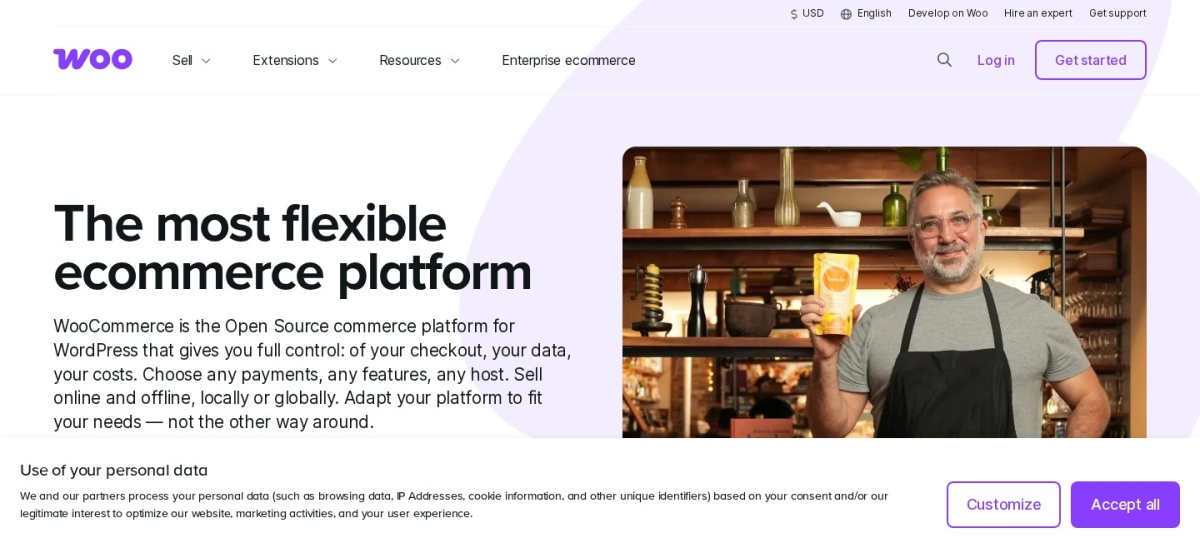
WooCommerce is a free, open-source plugin that turns a WordPress site into a store. The core platform costs nothing, with no monthly subscription, and you choose your own host, payment gateway and extensions.
The trade off is upkeep. Hosting runs 25 to 350 dollars a month for most stores, extensions cost 29 to 299 dollars a year each, and you handle updates and security yourself. It suits WordPress sites that want full control and no platform fee.
Squarespace is a design-led website builder with commerce built in, known for polished templates and a clean checkout. Basic at 19 dollars a month billed yearly includes selling, secure hosting and unlimited bandwidth, with a 2 percent fee on online store sales.
The trade off is that fee. Core at 29 dollars a month removes it and adds advanced discount tools, so busy stores should price Core. It suits small brands and creatives whose store is also their portfolio.
BigCommerce is a hosted platform built for larger catalogs, with no transaction fees and strong built-in features for B2B selling. Core at 29 dollars a month billed yearly covers stores up to 50,000 dollars in yearly online sales, with multi-channel selling included.
The trade off is the sales cap. Cross the revenue threshold and the plan forces an upgrade, and key features like abandoned cart recovery sit on higher plans. It suits growing stores that want built-in features instead of apps.
Wix is a drag-and-drop website builder with a store built in, so the site and the shop share one editor. The free plan lets you build and publish a site, but you need Core at 29 dollars a month before the store accepts payments.
The trade off is the payment wall. The cheapest plans are site-only, and the store features are lighter than Shopify or BigCommerce. It suits small brands that want design freedom and sell beside services or content.
Ecwid is a store widget that drops into any website, WordPress site or social page, so you can sell without rebuilding your site. Starter at 5 dollars a month covers up to 10 products, with no transaction fees from Ecwid on any plan.
The trade off is the product cap. Starter covers only 10 products, and Venture at 29 dollars a month billed yearly is the step up for 100 products. It suits existing sites that want to add a small shop quickly.
PrestaShop is a free, open-source platform with strong multilingual and multi-currency support, so it fits stores that sell across borders. The software costs nothing to download, and a large module marketplace covers payments, shipping and marketing.
The trade off is the module bill. Advanced features come as paid modules, and you need a developer for setup and updates. It suits small stores with technical help that sell in more than one language.
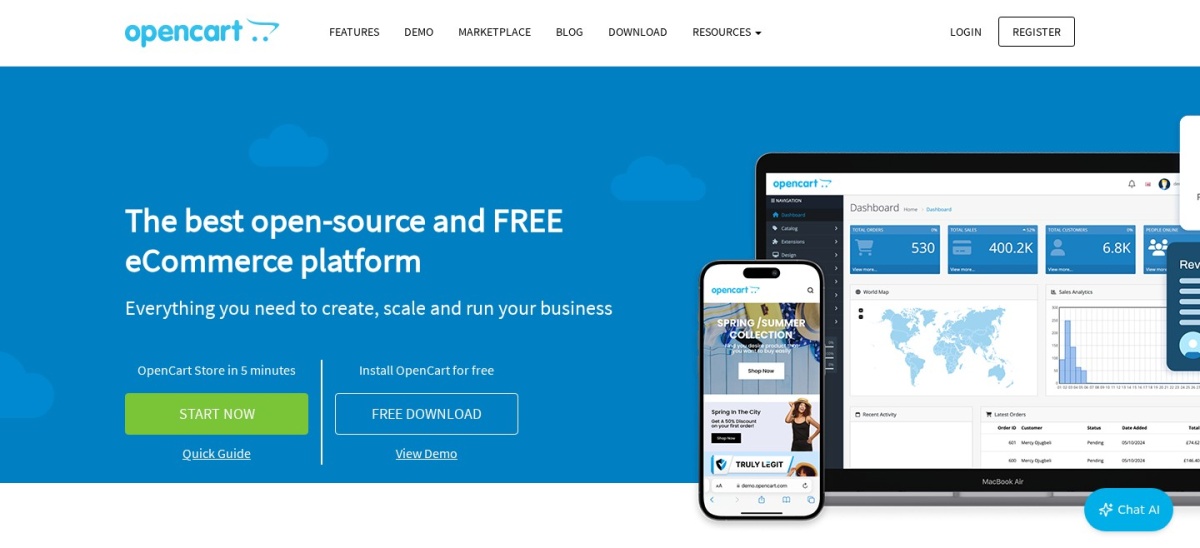
OpenCart is a free, open-source shopping cart that runs on PHP and MySQL, with a simple core that developers can shape freely. The software costs nothing, and thousands of extensions cover payments, shipping and themes.
The trade off is the rough edges. The admin is dated, support comes from the community, and you handle hosting, security and updates yourself. It suits small businesses with a developer who want a low-cost, flexible cart.
Hosted platforms charge a monthly fee and handle security, updates and hosting for you. Shopify, Squarespace, BigCommerce, Wix and Ecwid all work this way.
Open-source platforms are free to download but you pay for hosting, themes and extensions, and you handle updates yourself. WooCommerce, PrestaShop and OpenCart all work this way.
If you have a developer and want full control, WooCommerce is the strongest open-source pick here.
How we chose
We started from the platforms most often named as Magento replacements, then kept those with a verifiable G2 rating and a published price.
Prices come from each vendor's pricing page, checked on 29 November 2026. Ratings and review counts come from G2 on the same day. Where a vendor shows a sale, the list shows the regular price.
We left out Adobe Commerce itself, which is quote-based, and tools with no verifiable rating. No vendor paid for a place, and we do not claim hands-on testing for this list.
How to choose a Magento alternative
Start with your team and your catalog, then match the ownership model to them.
Decide hosted or open source. If you have no developer, pick a hosted platform. If you have one and want control, pick WooCommerce, PrestaShop or OpenCart.
Count your products. Ecwid Starter covers only 10 products, while Shopify and BigCommerce allow unlimited products on every plan.
Add up the real monthly cost. Include card fees, transaction fees, hosting for open-source picks, and the apps you will need.
Check the migration path. Moving products, customers and orders off Magento takes planning, so test the import tools before you commit.
FAQ
What is the best Magento alternative in 2026?
Shopify is the best Magento alternative for most stores. Basic costs $29 a month, it hosts the store for you, and it is rated 4.4 out of 5 on G2 from more than 5,000 reviews.
Is there a free Magento alternative?
Yes. WooCommerce, PrestaShop and OpenCart are all free open-source platforms. You pay nothing for the software itself, but hosting, themes and extensions cost extra, so budget for those separately.
Which Magento alternative is cheapest?
Ecwid Starter is the cheapest hosted start at $5 a month for up to 10 products. WooCommerce is free as software, but hosting usually costs $25 to $350 a month.
Shopify vs WooCommerce: which is better as a Magento alternative?
Shopify wins for stores that want hosting, support and checkout handled for them. WooCommerce wins for WordPress sites that want full control and no monthly platform fee.
Which Magento alternative is best for large catalogs?
BigCommerce is the best pick for large catalogs, with no transaction fees and strong built-in B2B features. Shopify also handles large catalogs well with its app ecosystem.
Can I migrate from Magento to Shopify?
Yes. Shopify offers migration tools and apps that move products, customers and orders from Magento. Plan the move carefully, since URLs, redirects and custom features need checking.
SaaS SEO and WordPress specialist with about 8 years of experience. Rakib compares WordPress plugins, themes, hosting and software using public pricing, documentation and user reviews. See how we rank.