Apidog is the best of the LocalStack alternatives for most teams, with smart mock servers, API testing and docs in one place from $9 per user per month, rated 4.8 out of 5 by 237 reviewers. Pick MinIO for free local S3-compatible storage, or Mockoon for free desktop API mocks.
How we make this list: we compare pricing pages, product documentation and public user reviews, then re-check every price before each update. No product paid for a place. Disclosure.
Apidog is the top pick at $9 per user per month, rated 4.8 out of 5 by 237 reviewers.
Postman has the largest user base here, with 1,804 G2 reviews and mock servers in its platform.
MinIO is the only free local S3-compatible store in the list, rated 4.3 out of 5.
Mockoon's desktop app is free and open source, with cloud hosting from $15 a month.
Stoplight is the priciest pick at $44 a month, with mock servers generated from OpenAPI specs.
Terraform and Pulumi skip emulation and test real AWS resources as code, both with free tiers.
How do you pick the right LocalStack alternatives?
No single tool copies all of LocalStack, so start from the AWS services you actually use. If your tests only touch S3, MinIO replaces that slice for free, while API-heavy apps get more from Apidog, Postman or Mockoon. Teams that test whole stacks should look at Terraform or Pulumi instead, which provision small real environments rather than emulating them.
The closest direct replacements are missing for lack of a verifiable rating. Testcontainers has no listing on G2, Capterra or Trustpilot, and no public rating could be verified for Moto, the open-source AWS mock library, so neither is ranked in this list.
Free plans cover most solo testing, so pay only when mocks must be shared. Apidog, Postman, Mockoon, MinIO, Docker Desktop, Terraform and Pulumi all let one person work for free, and Stoplight's free plan covers 1 user and 1 project. Paid plans here run from $9 to $44 a month, and most charge per user.
Prices are the regular rates from vendor pricing pages and vendor-provided G2 listings, checked 29 Nov 2026. Postman changed its plan names in 2026, so confirm the current Solo price before you buy, and remember that hosted mocks and team features are what usually push teams from free to paid.
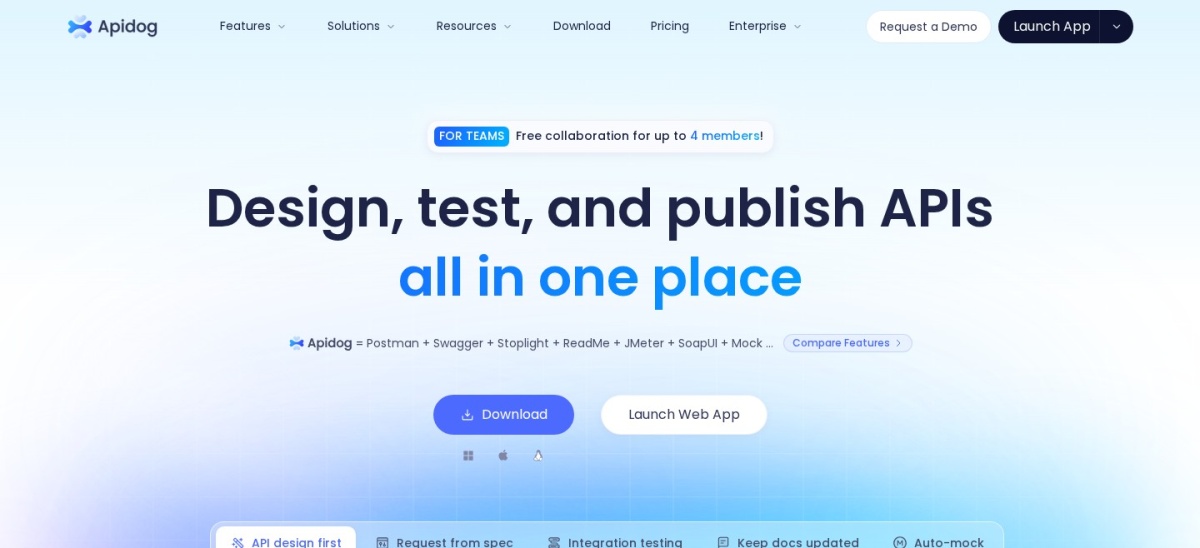
Apidog is an all-in-one API platform that combines visual OpenAPI design, debugging, mocking, automated testing and documentation. The free plan covers up to 4 users with unlimited test and collection runs, 5 projects and 10,000 cloud mock calls a month.
The trade off is the billing choice. Basic is $9 per user a month on annual billing but $12 on monthly billing, and the free plan caps projects at 5. It suits small teams that want design, testing and docs in one shared workspace.
What we like
Free plan covers up to 4 users with full mocking
Design, mock, test and docs in one tool
Rated 4.8 out of 5 by 237 reviewers on G2
Unlimited test runs on every plan
Watch out for
Free plan caps projects at 5
Interface packs in many features, so new users need time to learn it
Monthly billing costs more than annual billing
Basic adds unlimited members and 20 projects at $9 per user a monthVisit apidog.com
02
Postman
4.6/5on G2 (1,804 reviews, checked Nov 2026)
Paid from$14/mo
Best for the largest API community
Free planYes, solo use
Mock serversIncluded in the platform
G2 reviews1,804
Paid planFrom $14/user/mo
postman.com
Postman homepage, captured Nov 2026.
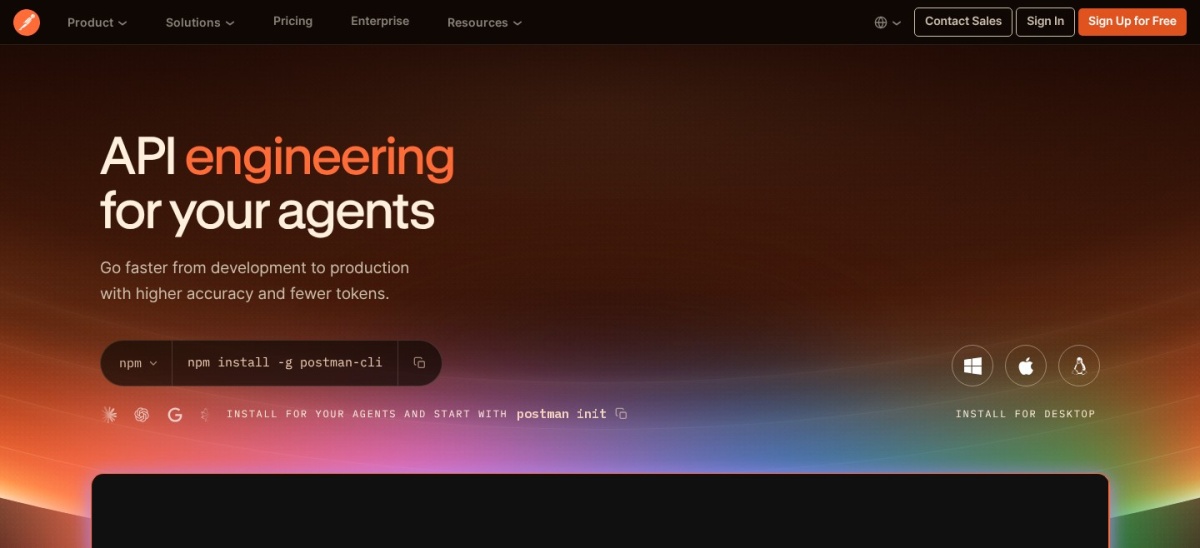
Postman is the most widely used API platform in this list, with collections, environments, mock servers and automated testing in one desktop app. The free plan covers core solo API work, and reviewers praise its collections and environment variables for switching between dev, staging and production.
The trade off is price and weight. Postman changed its plan names in 2026, dropping Basic for new customers, and G2 still lists the earlier Basic plan at $14 per user per month, so confirm the current Solo price before you buy. It suits teams that already live in Postman collections and want mocks beside their tests.
What we like
Largest user base here, with 1,804 G2 reviews
Collections and environments switch easily between dev and prod
Mock servers, testing, docs and monitoring in one app
Strong CI/CD integrations, including Newman
Watch out for
Desktop app can feel slow with large collections
Advanced collaboration features need paid plans
Plan names changed in 2026, so older price lists mislead
Paid plans add shared workspaces, more AI credits and automationVisit postman.com
03
Mockoon
4.5/5on G2 (17 reviews, checked Nov 2026)
Paid from$15/mo
Best free local mock servers
Free planDesktop app, open source
GitHub stars8,502
Mock rulesUnlimited routes
Paid planCloud Solo, $15/mo
mockoon.com
Mockoon homepage, captured Nov 2026.
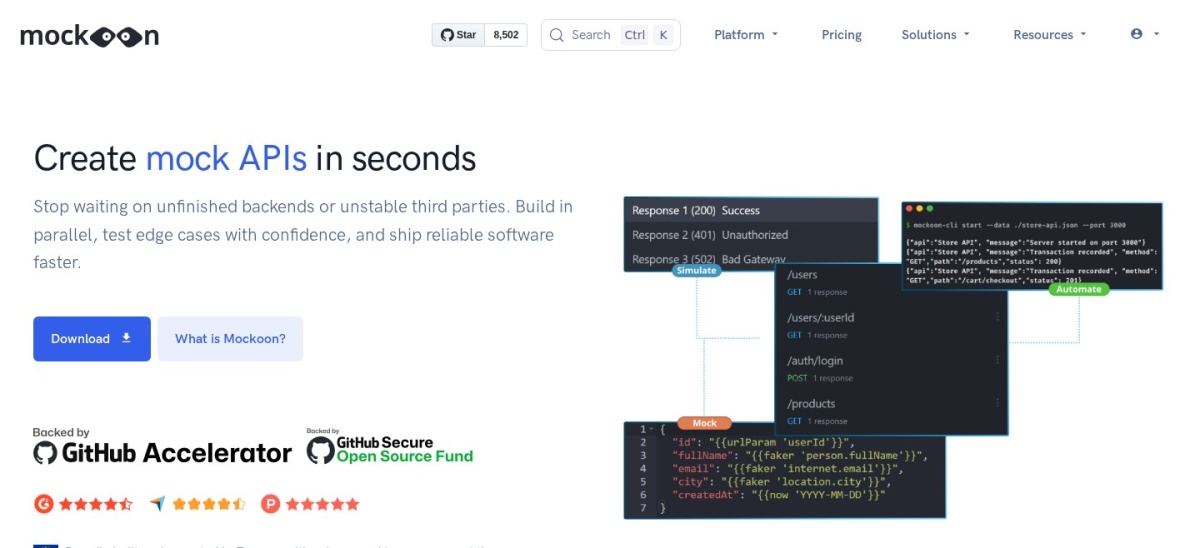
Mockoon is a free, open-source desktop app that creates mock APIs in seconds, with no account needed. It runs mock servers locally, supports templated responses and latency simulation, and its CLI plugs the same mocks into CI pipelines.
The trade off is scope. Mockoon mocks HTTP APIs only, so it cannot stand in for S3, queues or databases the way LocalStack tries to, and team features need the $15-a-month Cloud Solo plan. It suits solo developers who want fast local mocks without touching AWS.
What we like
Desktop app is free and open source, no account needed
Mock APIs up in seconds, with a CLI for CI
More than 8,500 GitHub stars
Cloud plans add team sharing and hosted mocks
Watch out for
HTTP APIs only, no S3, queue or database emulation
Only 17 G2 reviews, so the rating rests on a small sample
Cloud Solo is $15 a month for one user
Cloud Solo adds hosted mocks and team sharing for $15 a monthVisit mockoon.com
04
MinIO
4.3/5on G2 (17 reviews, checked Nov 2026)
PriceFree
Best free local S3-compatible storage
Free planCommunity Edition, open source
S3 compatibilityFull S3 API
G2 rating4.3 out of 5
Paid planAIStor, quoted by sales
min.io
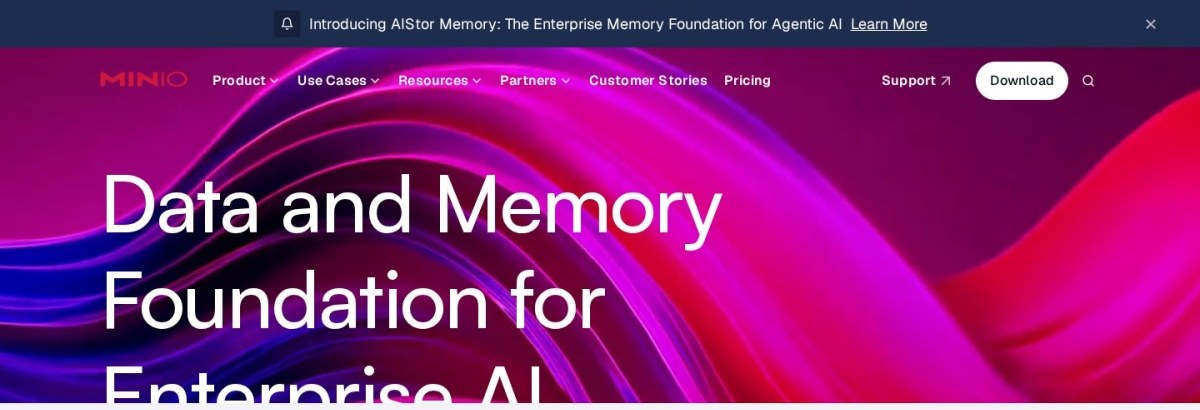
MinIO homepage, captured Nov 2026.
MinIO is an open-source, S3-compatible object store that runs on your own machine or server. It speaks the S3 API, so code written against S3 works unchanged, and reviewers call it fast and easy to set up as a local S3 stand-in.
The trade off is narrow scope. MinIO covers object storage only, so Lambda, SQS, DynamoDB and the rest of AWS still need another tool or the real cloud, and its paid AIStor edition is quoted rather than priced. It suits teams whose LocalStack use is mostly S3.
What we like
Free open-source edition, S3 API compatible
Runs anywhere, including in Docker
Reviewers praise its simple UI and easy setup
Scales from a laptop to production clusters
Watch out for
Object storage only, no other AWS services
Paid AIStor pricing is quoted, not published
Admin and upgrades can be fiddly, reviewers say
AIStor adds enterprise support and is priced on requestVisit min.io
05
Stoplight
4.4/5on G2 (341 reviews, checked Nov 2026)
Paid from$44/mo
Best OpenAPI-driven mock servers
Free plan1 user, 1 project
Mock serversInstant, from OpenAPI
Users on BasicFirst 3 free
Paid planBasic, $44/mo
stoplight.io
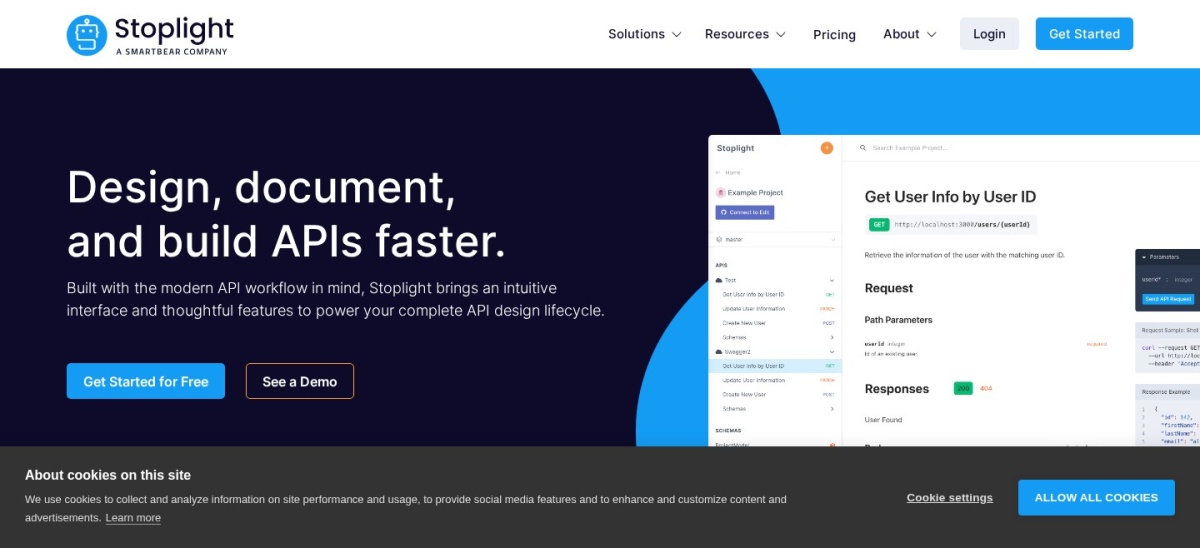
Stoplight homepage, captured Nov 2026.
Stoplight is an API design platform whose Prism mock servers spin up fake APIs straight from an OpenAPI description. The free plan covers 1 user and 1 project with local mock servers, and the Basic plan at $44 a month adds unlimited projects and instant hosted mocks.
The trade off is price. Stoplight costs more than every other pick here, and its strength is API design rather than AWS emulation, so it only replaces the API-mocking slice of LocalStack. It suits teams that already design APIs in OpenAPI and want mocks for free.
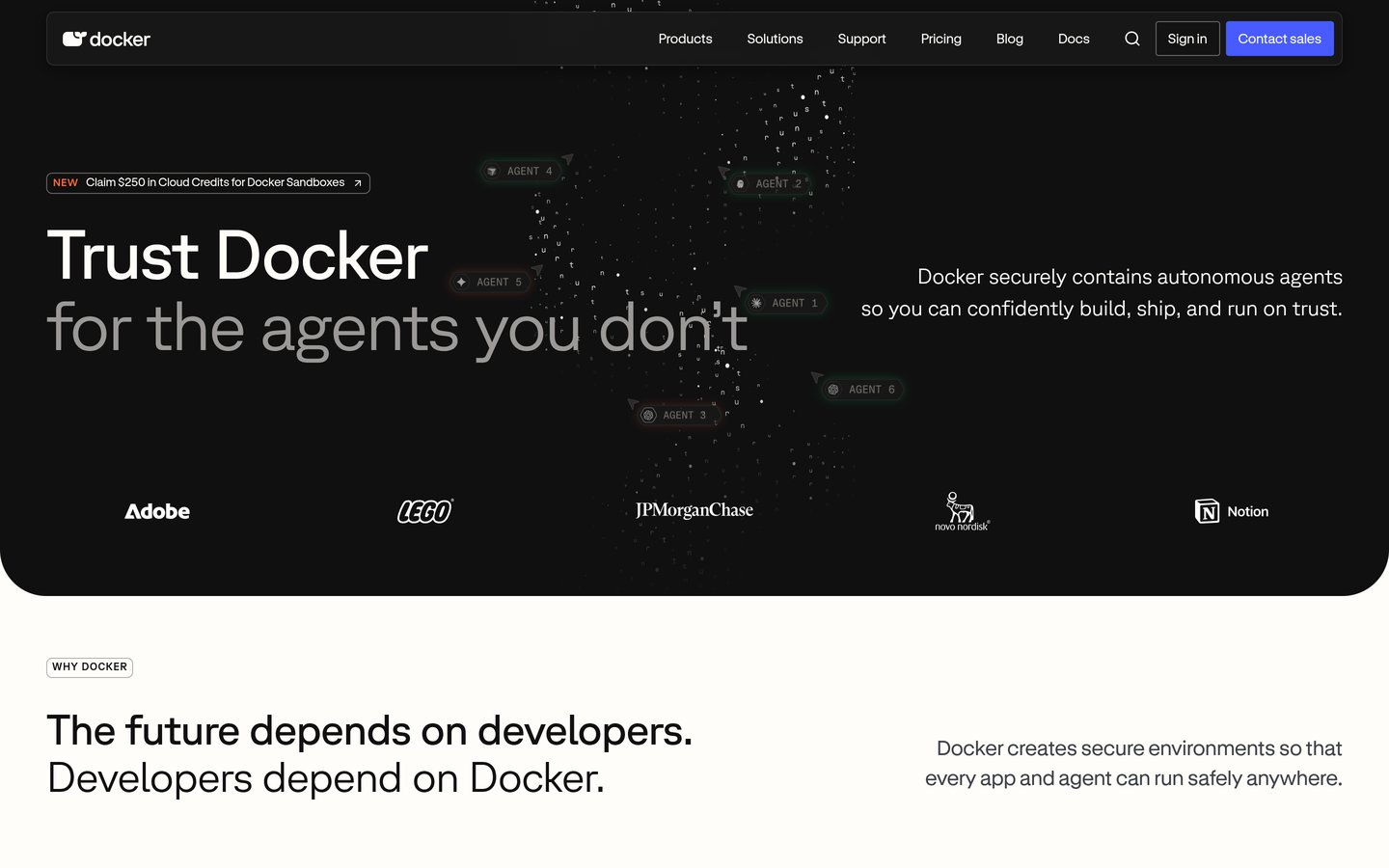
Docker Desktop is a container platform that runs real databases, queues and storage services on your own machine. Instead of emulating AWS, you run the real Postgres, Redis or MinIO image locally, which removes the gap between mocks and production behaviour.
The trade off is setup. Containers need images, volumes and networking of their own, and the Pro plan at $9 a month is for one user, so teams pay per seat. It suits developers who prefer real services over mocks for local testing.
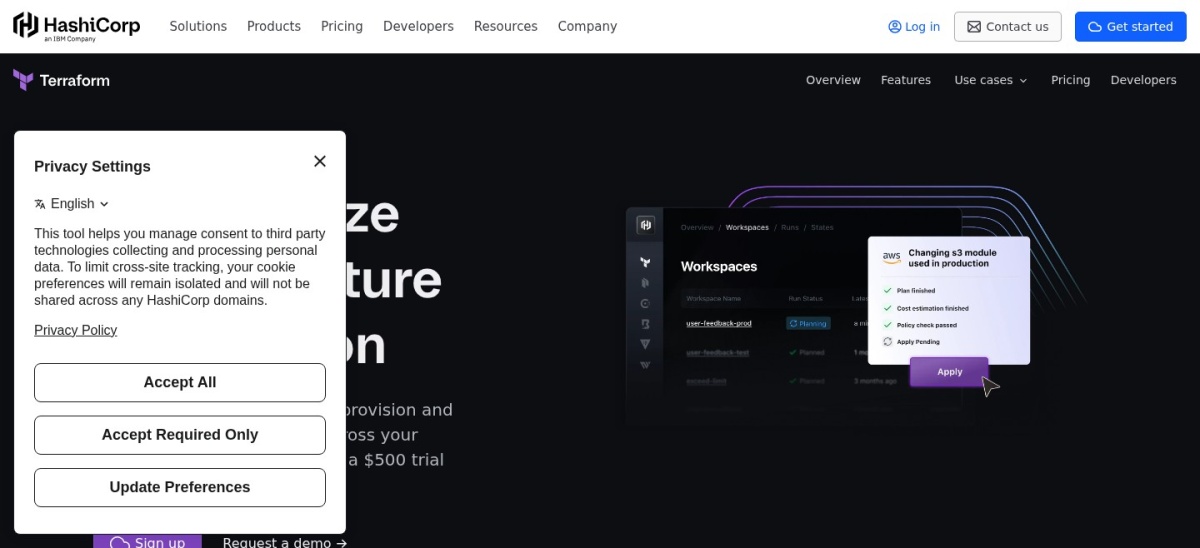
Terraform is an infrastructure-as-code tool that defines AWS resources in files and applies them with a preview of every change. The CLI is free, and its plan step shows exactly what will be created or changed before anything touches real AWS.
The trade off is that nothing runs locally. Terraform provisions real cloud resources, so tests cost money and need a sandbox account, and state files need careful handling. It suits teams that would rather test small real stacks than maintain mocks.
What we like
Free CLI with a clear plan-before-apply workflow
One language covers AWS, Azure and GCP
Huge library of providers and modules
Changes are reviewable in version control
Watch out for
Tests run against real AWS, so they cost money
State files need careful handling at scale
HCL has a learning curve for beginners
HCP Terraform Standard adds collaboration at $20 per user per monthVisit terraform.io
08
Pulumi
4.8/5on G2 (25 reviews, checked Nov 2026)
Paid from$40/mo
Best IaC in real programming languages
Free plan1 user, unlimited stacks
LanguagesTypeScript, Python, Go
Paid planEssentials, $40/mo
G2 rating4.8 out of 5
pulumi.com
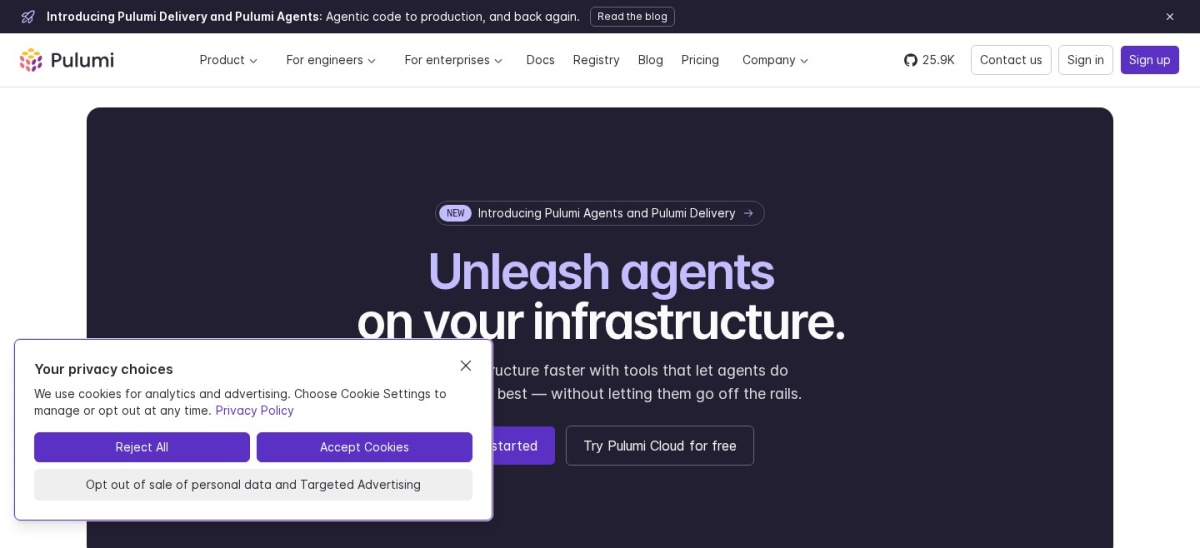
Pulumi homepage, captured Nov 2026.
Pulumi is an infrastructure-as-code tool that defines cloud resources in TypeScript, Python, Go and other real languages. The free tier covers 1 user with unlimited stacks, and code-based definitions make infrastructure easy to unit-test with normal frameworks.
The trade off is cost and youth. Essentials is $40 a month for the whole team, and Pulumi has only 25 G2 reviews, so its 4.8 rating rests on a small sample. It suits developers who want infrastructure code that reads like application code.
What we like
Write infrastructure in real programming languages
Free tier includes unlimited stacks
Unit-test infrastructure code with normal frameworks
Rated 4.8 out of 5 on G2
Watch out for
Only 25 G2 reviews, a small sample
Essentials is $40 a month even for small teams
Some SDKs lag behind in less-used languages
Essentials adds unlimited users and collaboration for $40 a monthVisit pulumi.com
Free vs paid: what the free plans actually cover
Every pick here has a free tier, and for solo local work the free tier is often enough. Apidog covers up to 4 users free, Postman and Mockoon cost nothing for one person, and MinIO, Docker Desktop, Terraform and Pulumi all have free entry points.
Pay when mocks need to be shared or hosted. Team workspaces, hosted mock servers and extra users sit behind the paid plans, which run from $9 to $44 a month here. A staging site follows the same logic: test in private first, share only when the work is ready.
MinIO and Terraform stay free at the point of use. Their paid editions buy support, collaboration and management, not the core tool itself.
Mistakes to avoid when replacing LocalStack
Do not expect one tool to copy all of LocalStack. Pick the tool that matches the AWS service you use most, and accept that S3, queues and Lambda may each need a different stand-in.
Do not test only against mocks. Mocks pass while real services disagree, so run key flows against a small real AWS stack before release, even if day-to-day development stays local.
How we chose
We started from the tools developers name when they move away from LocalStack: API mocking tools, S3-compatible storage, container runtimes and infrastructure-as-code tools. We kept only tools with a public numeric rating and review count on G2, checked on 29 Nov 2026.
Prices are the regular rates from official pricing pages and vendor-provided G2 listings, checked 29 Nov 2026. Apidog, Stoplight, Docker and Pulumi prices come from their own pricing pages; Postman, Mockoon, MinIO and Terraform prices come from G2 vendor listings and free-tier terms. Sale prices were ignored.
We left out Moto and Testcontainers because no public rating could be verified for them, so they cannot be ranked under this list's rules. No vendor paid for a place, and we do not claim to have used these tools ourselves.
How to choose a LocalStack alternative
Start from the AWS services your code actually calls, then match the tool to that list.
List the AWS services you use. Write down every service your tests touch, such as S3, SQS, Lambda or DynamoDB. A mock server covers APIs, MinIO covers S3, and nothing here covers all of them at once.
Decide between mocks and real services. Mocks are fast and free to run, while real services in Docker or a small AWS sandbox catch differences mocks miss. Many teams use both.
Check the free tier first. Every tool in this list has a free plan or tier, so run your own test suite against it before paying. The same test-locally-first habit applies to websites: see our local dev environment guide.
Count the cost per seat. Prices run from $0 to $44 a month, and several charge per user. Multiply by your team size before comparing headline prices.
FAQ
What is the best LocalStack alternative in 2026?
Apidog is the best LocalStack alternative for most teams in 2026. Its free plan covers up to 4 users with full mocking and testing, the Basic plan is $9 per user per month, and it is rated 4.8 out of 5 by 237 reviewers on G2. MinIO is the pick for free local S3 storage.
Is there a free alternative to LocalStack?
Yes. MinIO, Mockoon, Terraform and Docker Desktop all have free tiers that cost nothing for solo use. MinIO covers S3-compatible storage, Mockoon mocks APIs on your desktop, Terraform's CLI is free, and Docker Personal is free for one user.
How much do LocalStack alternatives cost?
Most cost $0 to $44 a month. MinIO and Terraform are free at the point of use, Apidog starts at $9 per user per month, Postman at $14, Mockoon Cloud at $15, Docker Pro at $9, Pulumi Essentials at $40 a month, and Stoplight Basic at $44 a month.
What is the best LocalStack alternative for beginners?
Mockoon is the easiest starting point. Its desktop app is free, needs no account, and creates mock APIs in seconds, so a beginner can test against fake endpoints without setting up AWS credentials or writing config files.
Can I replace LocalStack with MinIO?
Only for storage. MinIO replaces the S3 part of LocalStack with a free, S3-compatible object store that runs locally. It does not emulate Lambda, SQS, DynamoDB or any other AWS service, so pair it with an API mocking tool for the rest.
Apidog vs Postman: which is the better LocalStack alternative?
Apidog wins on price and rating, at $9 per user per month and 4.8 out of 5 from 237 reviews, while Postman wins on community size, with 1,804 reviews. Pick Apidog to save money on an all-in-one tool, or Postman if your team already works in its collections.
Do I still need AWS if I use a LocalStack alternative?
Yes, for final checks. Mocks and local stand-ins catch most bugs early, but they cannot match every AWS behaviour. Run your key flows against a small real AWS stack before release, even if day-to-day development stays local.
SaaS SEO and WordPress specialist with about 8 years of experience. Rakib compares WordPress plugins, themes, hosting and software using public pricing, documentation and user reviews. See how we rank.