Microsoft Sentinel leads the exabeam alternatives for teams already on Azure, with usage pricing from under 3 dollars per gigabyte ingested. Splunk Enterprise Security suits large SOCs with heavy correlation needs, while Elastic Security is the pick for teams that want a free tier.
How we make this list: we compare pricing pages, product documentation and public user reviews, then re-check every price before each update. No product paid for a place. Disclosure.
Microsoft Sentinel is the only option here with public pay-as-you-go pricing, from $2.46 per GB ingested.
Nine of the ten tools are quote-only, so budget planning needs a vendor call before any shortlist.
Cortex XSIAM holds the highest G2 rating in the list at 4.6 from 251 reviews.
Elastic Security is the only pick with a free tier, through its self-managed Basic plan.
CrowdStrike Falcon Next-Gen SIEM has the thinnest review base here, with 45 G2 reviews.
How do you pick between exabeam alternatives?
Pricing is the first shock. Only Microsoft Sentinel publishes a pay-as-you-go rate, at $2.46 per GB ingested, while every other tool here is quote-only.
Data volume decides the bill. Sentinel, Splunk and Sumo Logic all charge by ingestion, so a noisy estate costs far more than the headline rate suggests.
Detection content matters more than the console. Look for built-in rules, MITRE ATT&CK mapping and SOAR playbooks before you compare dashboards.
Check what you already own. Teams on Azure get the most from Sentinel, CrowdStrike shops get the most from Falcon, and our CrowdStrike alternatives guide covers that side of the market.
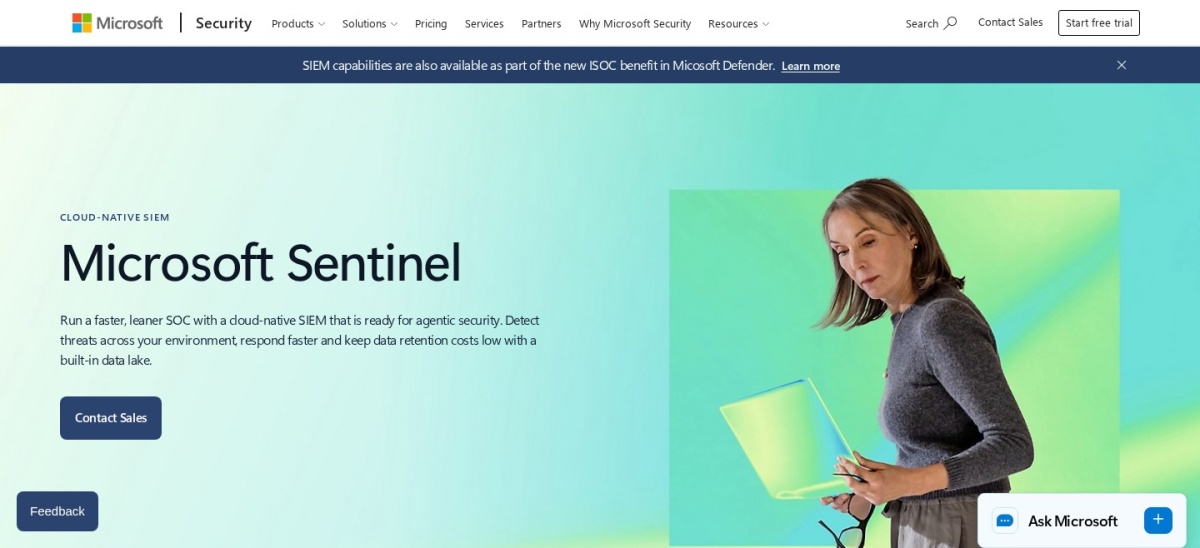
Microsoft Sentinel is a cloud-native SIEM and SOAR service that runs on Azure, with built-in detection rules, workbooks and automation playbooks. It charges $2.46 per GB ingested on pay-as-you-go, with commitment tiers from 100 GB a day at $123 a day.
The trade off is the bill. Ingestion pricing means a noisy estate can cost far more than the headline rate, and some Microsoft 365 logs ingest free while others do not. It suits teams already running Azure and Microsoft 365.
Splunk Enterprise Security homepage, captured Nov 2026.
Splunk Enterprise Security is the SIEM layer on top of the Splunk platform, with risk-based alerting, asset and identity correlation and a large library of security content. Pricing is custom and based on how much data you ingest.
The trade off is cost and complexity. Splunk needs trained staff and a data-onboarding effort, and the bill grows with ingestion. It suits large SOCs that already run Splunk and need deep correlation.
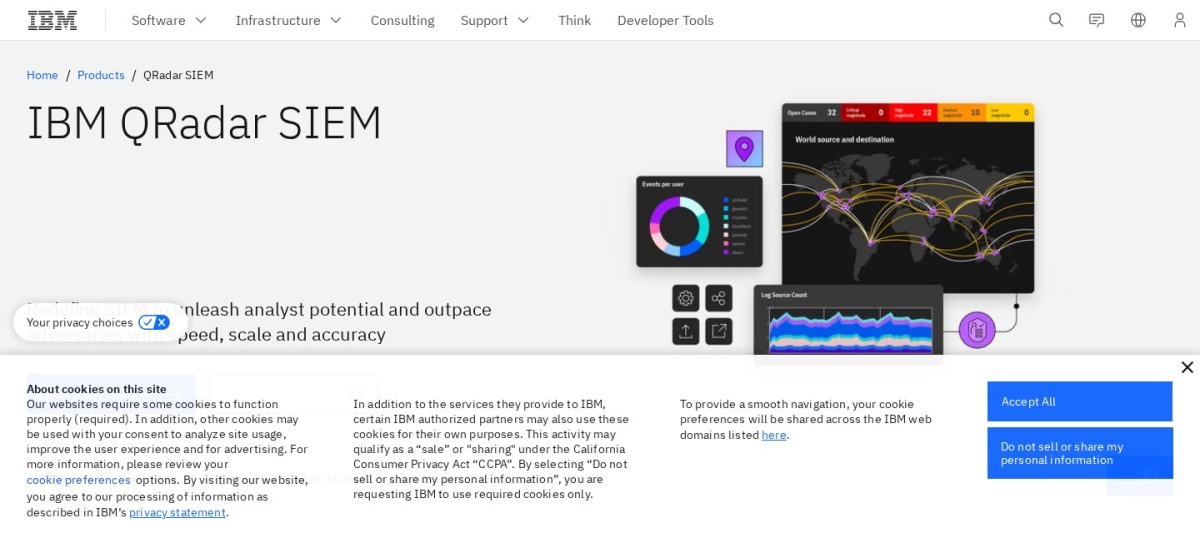
IBM QRadar SIEM is a long-running SIEM with AI-assisted triage, offence management and rules that map to MITRE ATT&CK. Pricing is custom and based on events per second and flows per minute.
The trade off is the learning curve. QRadar is powerful but heavy to tune, and its interface shows its age next to cloud-native rivals. It suits enterprises already invested in IBM security tooling.
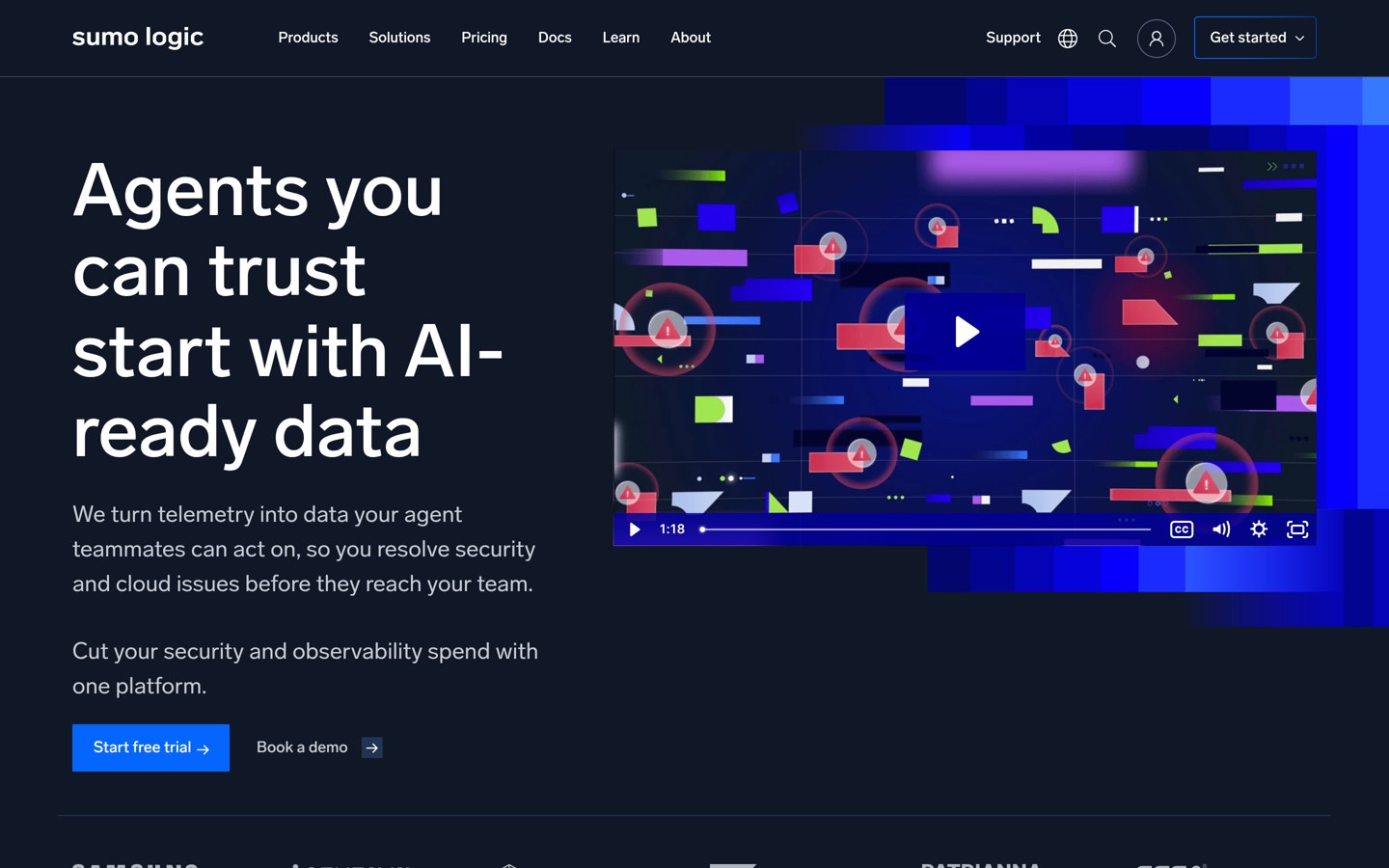
Sumo Logic is a cloud-native log analytics and SIEM platform that ingests machine data from cloud, applications and infrastructure. Its Cloud SIEM adds detection rules and threat intelligence, with pricing custom to ingestion volume.
The trade off is that the SIEM features sit on top of a log platform, so teams that only want a SIEM pay for more than they use. It suits cloud-first teams that already centralise logs in Sumo Logic.
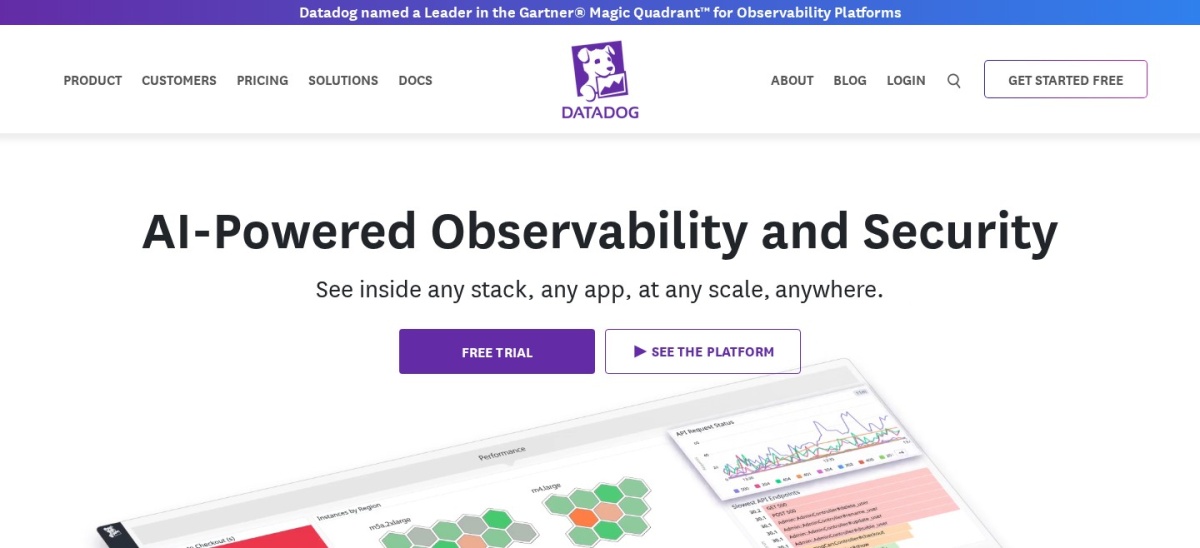
Datadog is an observability platform whose Cloud SIEM adds detection rules, threat hunting and investigation on top of logs, metrics and traces. Pricing is usage-based and custom to the volume you send.
The trade off is scope. Cloud SIEM makes most sense inside a Datadog estate, and the bill follows log volume. It suits teams that already monitor everything in Datadog and want security on the same data.
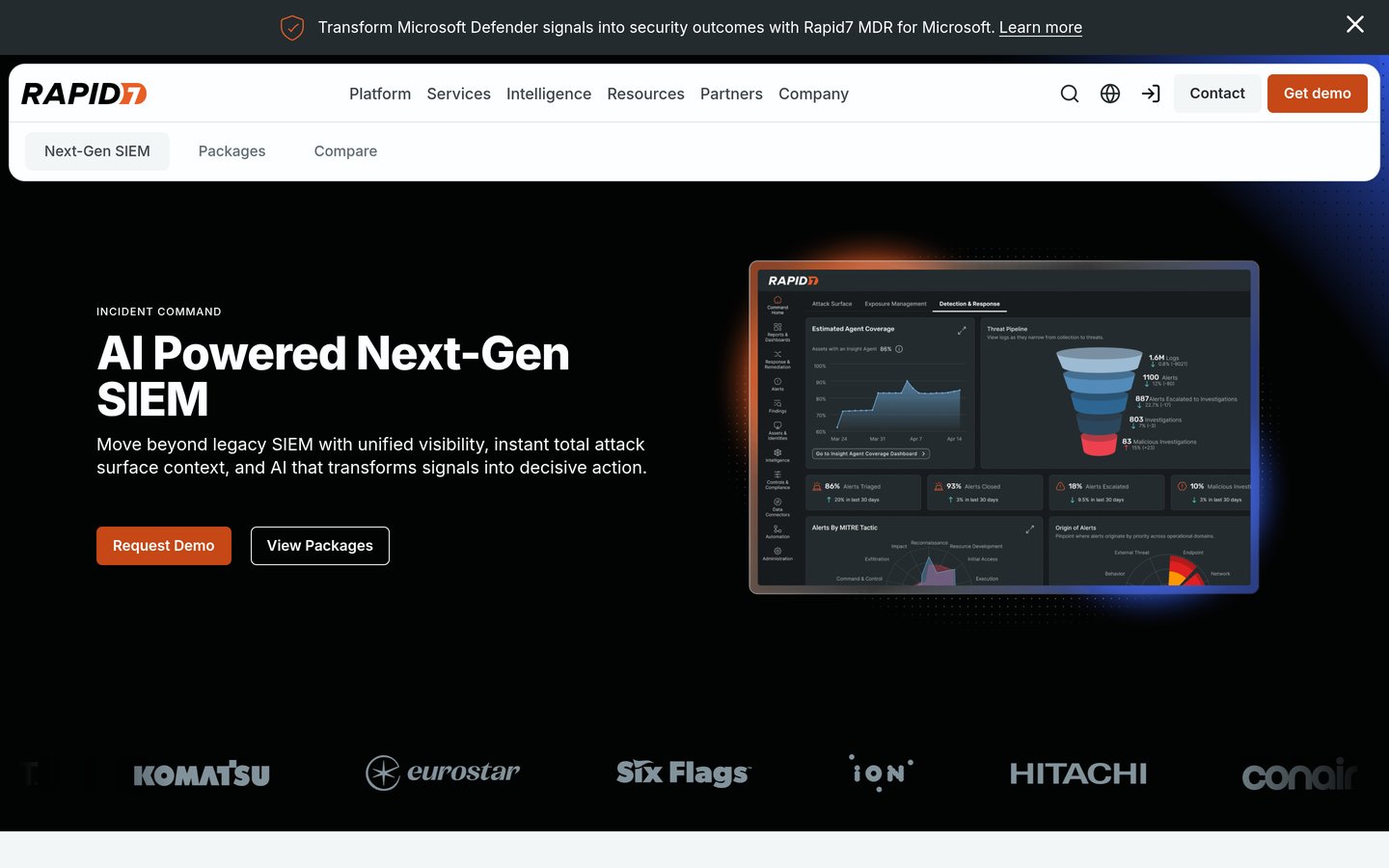
Rapid7 InsightIDR is a cloud SIEM that ships with built-in detections, attacker behaviour analytics and a team of detection experts behind it. Pricing is custom and quote-based.
The trade off is the review base. With 76 G2 reviews, InsightIDR is the least-reviewed paid tool in this list after Elastic Security and Falcon. It suits mid-market teams that want detection working on day one.
LogRhythm SIEM is a security platform with log management, analytics and case management, aimed at teams that need strong compliance reporting. Pricing is custom and based on log sources and data volume.
The trade off is pace. LogRhythm is a mature platform with a smaller community than Splunk or Sentinel, so hiring and answers take longer. It suits regulated teams that value compliance reporting over the newest interface.
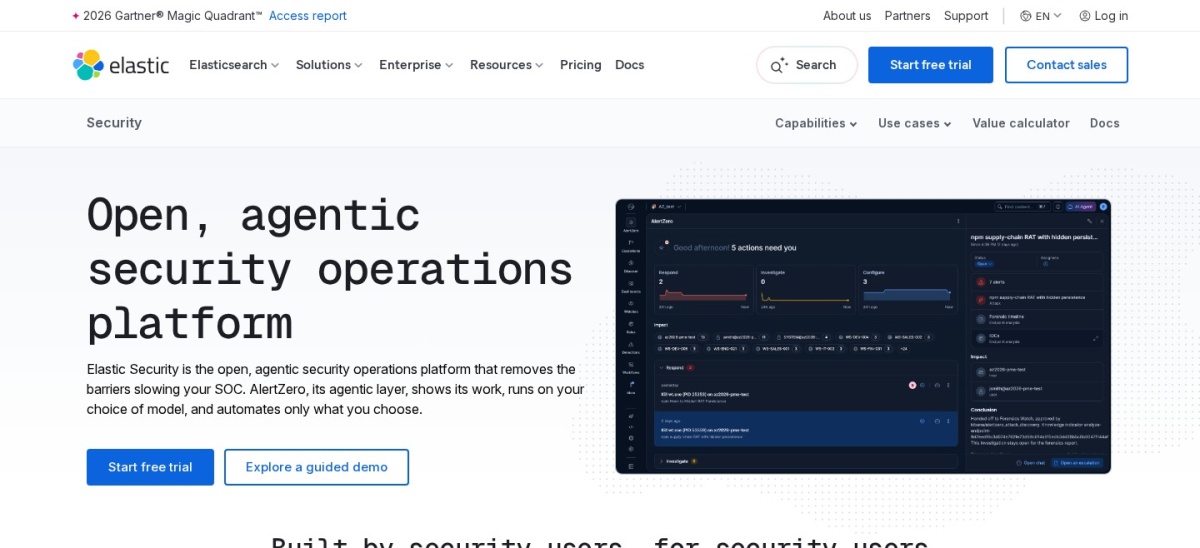
Elastic Security is the SIEM built on Elasticsearch, with detection rules, machine learning and timeline investigation. The self-managed Basic tier is free, while Elastic Cloud runs pay-as-you-go with a custom enterprise quote.
The trade off is the review base. With 39 G2 reviews, Elastic Security is the least-reviewed tool in this list, and running it well takes Elasticsearch skills. It suits engineering-heavy teams that want control and a free starting point.
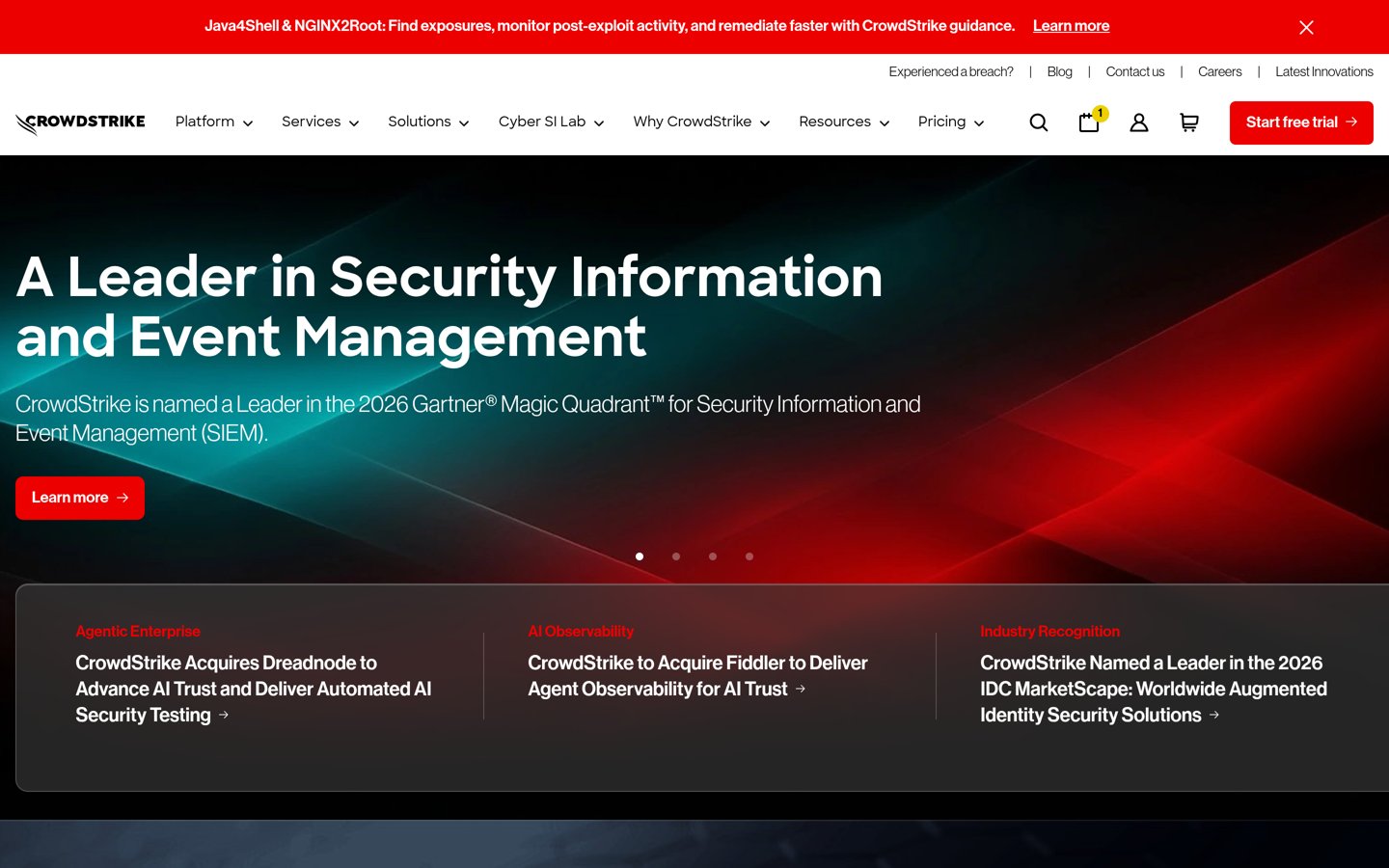
CrowdStrike Falcon Next-Gen SIEM homepage, captured Nov 2026.
CrowdStrike Falcon Next-Gen SIEM is the SIEM inside the Falcon platform, with AI-native detection and the same agent data that powers Falcon endpoint protection. Pricing is custom and quote-based.
The trade off is the review base. With 45 G2 reviews, Falcon Next-Gen SIEM is one of the least-reviewed tools here, and it makes most sense inside a CrowdStrike estate. It suits teams already standardised on Falcon.
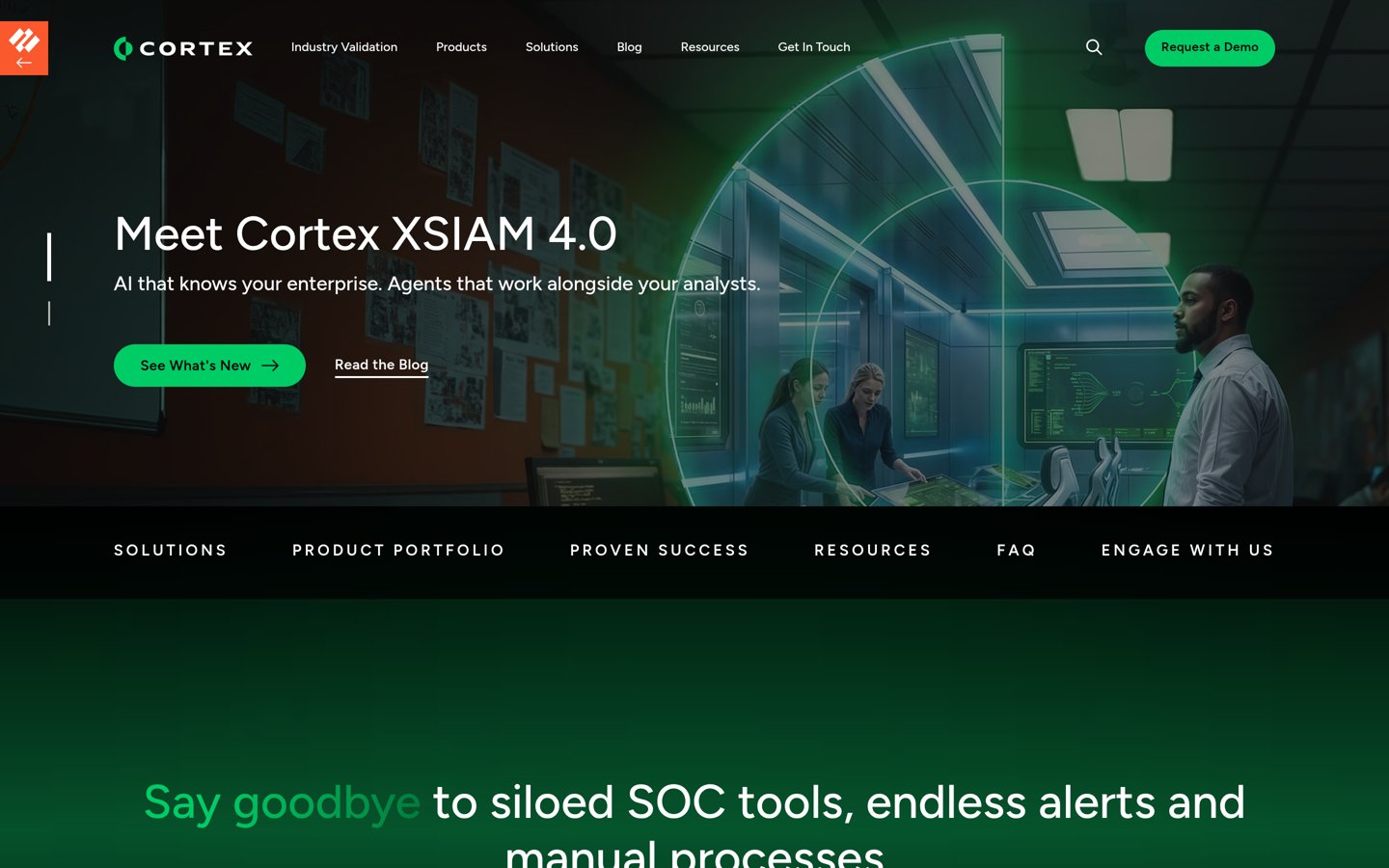
Palo Alto Cortex XSIAM homepage, captured Nov 2026.
Palo Alto Cortex XSIAM is an AI-driven security operations platform that combines SIEM, SOAR and attack surface management. It holds the highest G2 rating in this list at 4.6 from 251 reviews, with pricing custom to endpoints and credits.
The trade off is that XSIAM is a big platform buy, not a point SIEM, and pricing is quote-only. It suits large SOCs that want AI automation across detection, response and exposure management.
Only Microsoft Sentinel publishes a pay-as-you-go rate. Every other vendor prices by ingestion volume, endpoints or log sources, so the quote depends on your estate.
That makes shortlists hard to compare. Ask each vendor for a price at the same daily ingestion volume, with the same retention, before you rank them.
Commitment tiers change the maths. Sentinel cuts its rate by up to 65% on a 100 GB a day commitment, and most rivals offer similar volume discounts once you commit.
Free tiers are rare. Elastic Security offers a free self-managed Basic tier, and QRadar has a free Community Edition, but neither replaces a full enterprise deployment.
How we chose
We started from the SIEMs most often named as Exabeam replacements on G2, then kept the ten with a verifiable G2 rating and a live vendor page.
Prices come from each vendor's pricing page, checked on 29 November 2026. Ratings and review counts come from G2 on the same day. Nine of the ten tools are quote-only, so the list shows Custom where no list price exists.
We left out Securonix, which has a 4.0 G2 rating from only 14 reviews, and tools with no verifiable G2 rating. No vendor paid for a place, and we do not claim hands-on testing for this list.
How to choose an exabeam alternative
Start with your data volume and your existing security stack, then shortlist by detection content.
Measure your daily ingestion. SIEM bills follow log volume. Work out your gigabytes per day before you ask any vendor for a price.
Check what you already own. Sentinel suits Azure shops, Falcon suits CrowdStrike shops, and XSIAM suits Palo Alto estates. The incumbent usually wins on integration.
Compare detection content, not dashboards. Ask for the built-in rules, MITRE ATT&CK coverage and SOAR playbooks. A pretty console with thin rules is a bad buy.
Price the same volume everywhere. Ask every vendor for a quote at the same daily ingestion and retention, so the numbers are comparable.
FAQ
What is the best exabeam alternative in 2026?
Microsoft Sentinel is the best exabeam alternative for most teams, especially those already on Azure. It is the only option here with a public pay-as-you-go price, from $2.46 per GB ingested, and it holds a 4.4 rating from 299 G2 reviews.
How much do exabeam alternatives cost?
Nine of the ten tools here are quote-only, so there is no list price to compare. Microsoft Sentinel is the exception, at $2.46 per GB ingested on pay-as-you-go, with commitment tiers from 100 GB a day at $123 a day.
Is there a free exabeam alternative?
Elastic Security has a free self-managed Basic tier, and IBM QRadar has a free Community Edition for up to 100 events per second. Neither replaces a full enterprise SIEM, but both let a small team start without a quote.
Which exabeam alternative is best for large enterprises?
Splunk Enterprise Security and Palo Alto Cortex XSIAM suit large SOCs best. Splunk offers the deepest correlation, while XSIAM holds the highest G2 rating in this list at 4.6 from 251 reviews.
Microsoft Sentinel vs Splunk: which is better?
Sentinel is better for Microsoft-heavy shops that want cloud-native pricing and fast deployment. Splunk is better for large SOCs that need deep correlation and already run the Splunk platform.
Does Microsoft Sentinel have a free plan?
Microsoft Sentinel has no permanent free plan, but new workspaces get 31 days free. After that, pay-as-you-go billing starts at $2.46 per GB ingested, and some Microsoft 365 security logs ingest free.
SaaS SEO and WordPress specialist with about 8 years of experience. Rakib compares WordPress plugins, themes, hosting and software using public pricing, documentation and user reviews. See how we rank.