Apollo is the cheapest full-featured alternative to ZoomInfo for most teams, with data, sequences and a dialer from $49 a user a month. Snov suits small teams at $29 a month, while UpLead is the pick when every contact must include a verified mobile number.
How we make this list: we compare pricing pages, product documentation and public user reviews, then re-check every price before each update. No product paid for a place. Disclosure.
Apollo is the strongest all-round swap, with data, sequences and a dialer from $49 a user a month.
Snov is the cheapest paid plan at $29.25 a month, and Hunter is the cheapest free start at 50 credits a month.
UpLead gives the best verified data, with an email and a mobile in a single credit from $74 a month.
ZoomInfo lists near $14,995 a year for three seats, so every tool here costs less to start.
RocketReach prices conflict across sources, so confirm the current rate on its pricing page before you budget.
How do you pick a cheaper alternative to ZoomInfo?
Start with the job ZoomInfo does for you. Some teams need the database, others need intent data or website visitor identification, and the cheapest swap depends on which job you are replacing.
Credit math decides the real price. Apollo charges 8 credits for a phone number against 1 for an email, Lusha charges 5, and UpLead charges 1 for both, so compare cost per contact with a phone, not the monthly rate.
Free plans are common here. Apollo, Hunter, Lusha, RocketReach, Seamless and Clay all offer a free plan or free credits, so test accuracy on 40 accounts you already know before you pay.
Quote-only tools hide the real cost. ZoomInfo and Cognism sell annual contracts only, with reported entry packages near $15,000 a year, so a self-serve tool with published pricing is easier to budget.
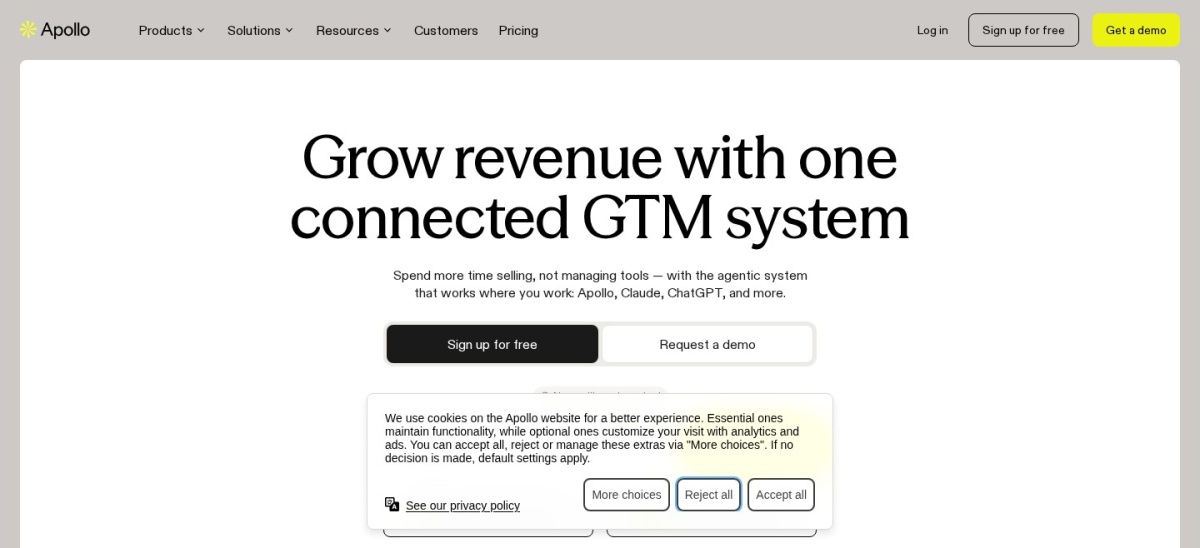
Apollo is a sales platform that combines a database of more than 275 million contacts with email sequencing, a dialer and pipeline tools, so a rep can find, contact and track prospects without leaving one workspace. Basic costs $49 a user a month billed yearly and includes 1,200 export credits a year.
The trade off is credit math. A mobile number costs 8 credits against 1 for an email, so heavy phone prospecting burns the allowance fast. It suits small teams that want data, outreach and a dialer in one seat for a flat monthly price.
What we like
Biggest database here at 275 million contacts
Sequences, dialer and CRM in one seat
Free plan with 900 credits a year
Published pricing with no sales call
Watch out for
Phone numbers cost 8 credits each
Credits do not roll over month to month
Professional adds more credits and call recordingVisit apollo.io
02
UpLead
4.7/5on G2 (821 reviews, checked Nov 2026)
Starts at$74/mo
Best verified data among ZoomInfo alternatives
Cheapest paid planEssentials, $74/mo
Credits170 a month, 2,040 a year
VerificationReal-time, 95% accuracy claim
Free trial7 days, 5 credits
uplead.com
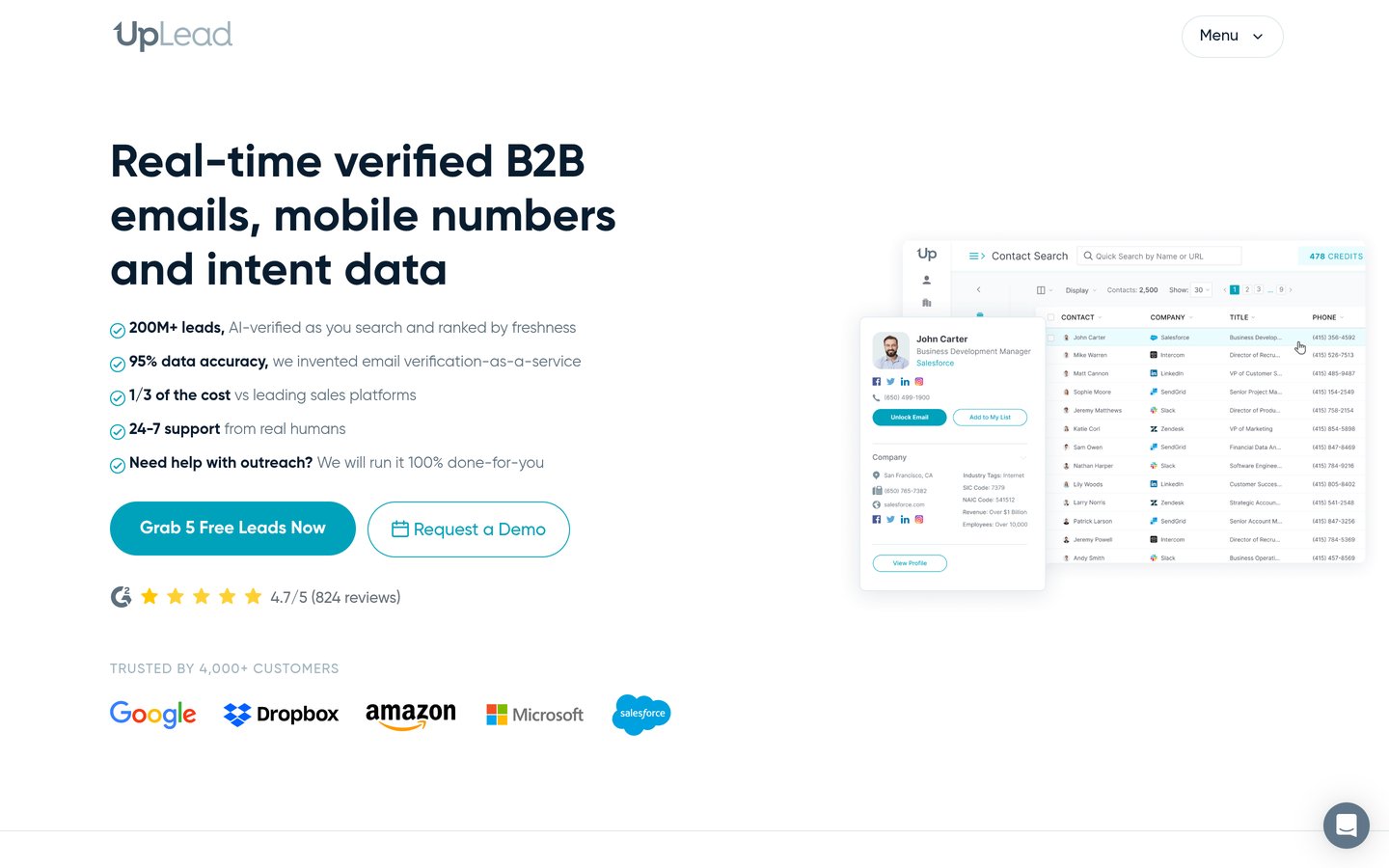
UpLead homepage, captured Nov 2026.
UpLead is a B2B contact database built around one promise: the email is checked before you pay for it. Essentials costs $74 a month billed yearly for 170 credits a month, and every credit buys an email and a mobile together, with a 95 percent accuracy guarantee.
The trade off is volume. 170 credits a month is thin for a team that builds big lists, and Plus jumps to $149 a month for 400 credits. It suits teams that would rather pay for fewer contacts they can trust than a large list full of bounces.
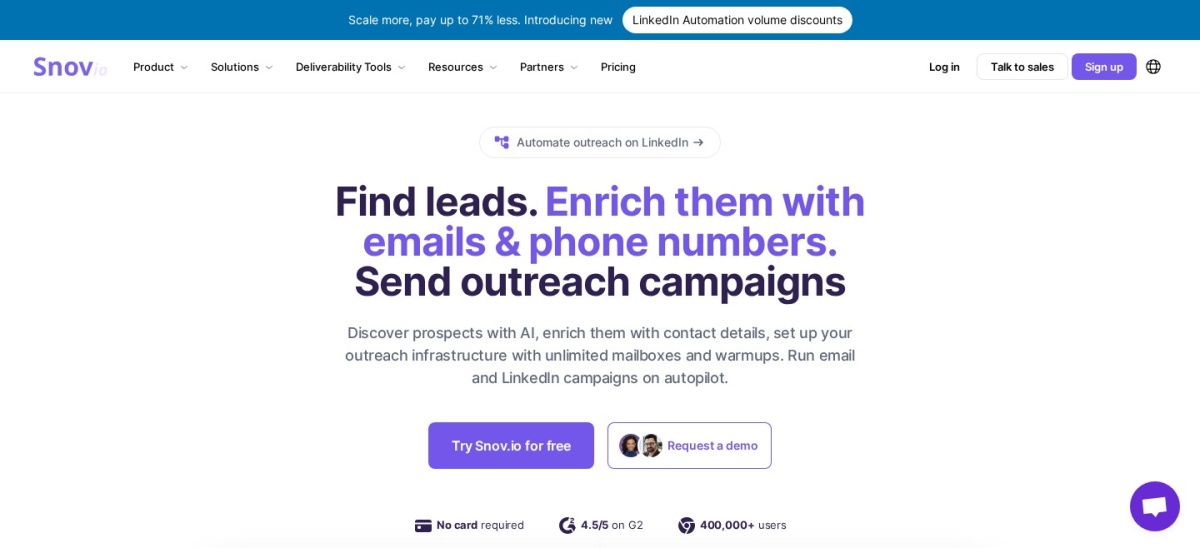
Snov.io is an email outreach platform that pairs a finder and verifier with drip campaigns and a small CRM, so a team can find, verify and email prospects in one place. Starter costs $29.25 a month billed yearly and includes 1,000 credits a month.
The trade off is data depth. Snov covers emails well but has no native phone database like Apollo or UpLead, so teams that call prospects need a second source. It suits small teams that run email-first outbound on a tight budget.
What we like
Cheapest paid plan here at $29.25 a month
Finder, verifier and drip campaigns in one tool
Unlimited users on every plan
Watch out for
No native phone number database
Smaller contact database than Apollo
Higher tiers add more credits and team seatsVisit snov.io
04
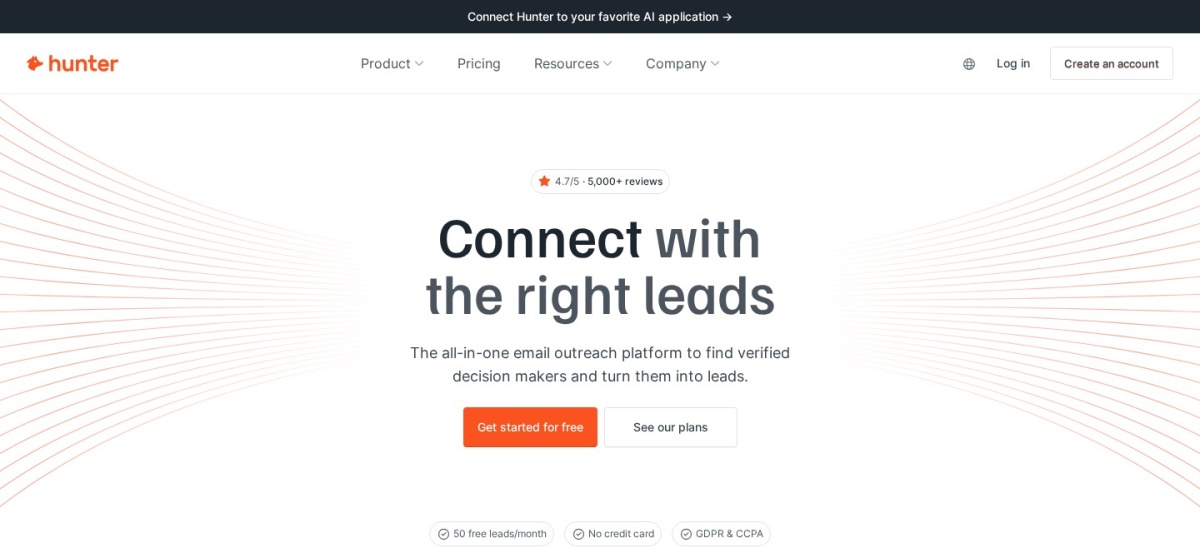
Hunter
4.4/5on G2 (649 reviews, checked Nov 2026)
Paid from$34/mo
Best email finder among ZoomInfo alternatives
Cheapest paid planStarter, $34/mo
Credits2,000 a month
Free plan50 credits a month
VerificationBuilt-in email verifier
hunter.io
Hunter homepage, captured Nov 2026.
Hunter is an email finder and verifier that finds addresses behind a domain and checks them before you send. Starter costs $34 a month billed yearly for 2,000 credits, and the free plan covers 50 credits a month with no card required.
The trade off is scope. Hunter finds and verifies emails only, so teams that need phone numbers or company data must pair it with another tool. It suits teams that run email-only outbound and want the cheapest verified-email workflow.
Lusha is a contact data tool that reveals emails and phone numbers from LinkedIn profiles and company pages through a browser extension. Starter costs $37.45 a month billed annually for 400 credits, and the free plan offers 40 credits a month.
The trade off is credit cost. A phone number costs 5 credits against 1 for an email, so the 400-credit allowance covers only 80 phone reveals a month. It suits reps who work mainly in LinkedIn and need quick one-click reveals.
RocketReach is a people search tool built for fast lookups of verified emails and direct phone numbers across more than 700 million profiles. Essentials costs $33 a month billed annually, and the free plan covers 5 lookups with no card required.
The trade off is the price picture. Published figures for Essentials range from $19 to $33 a month across sources, so confirm the current rate on the pricing page before you budget. It suits teams that need quick one-off lookups without a platform contract.
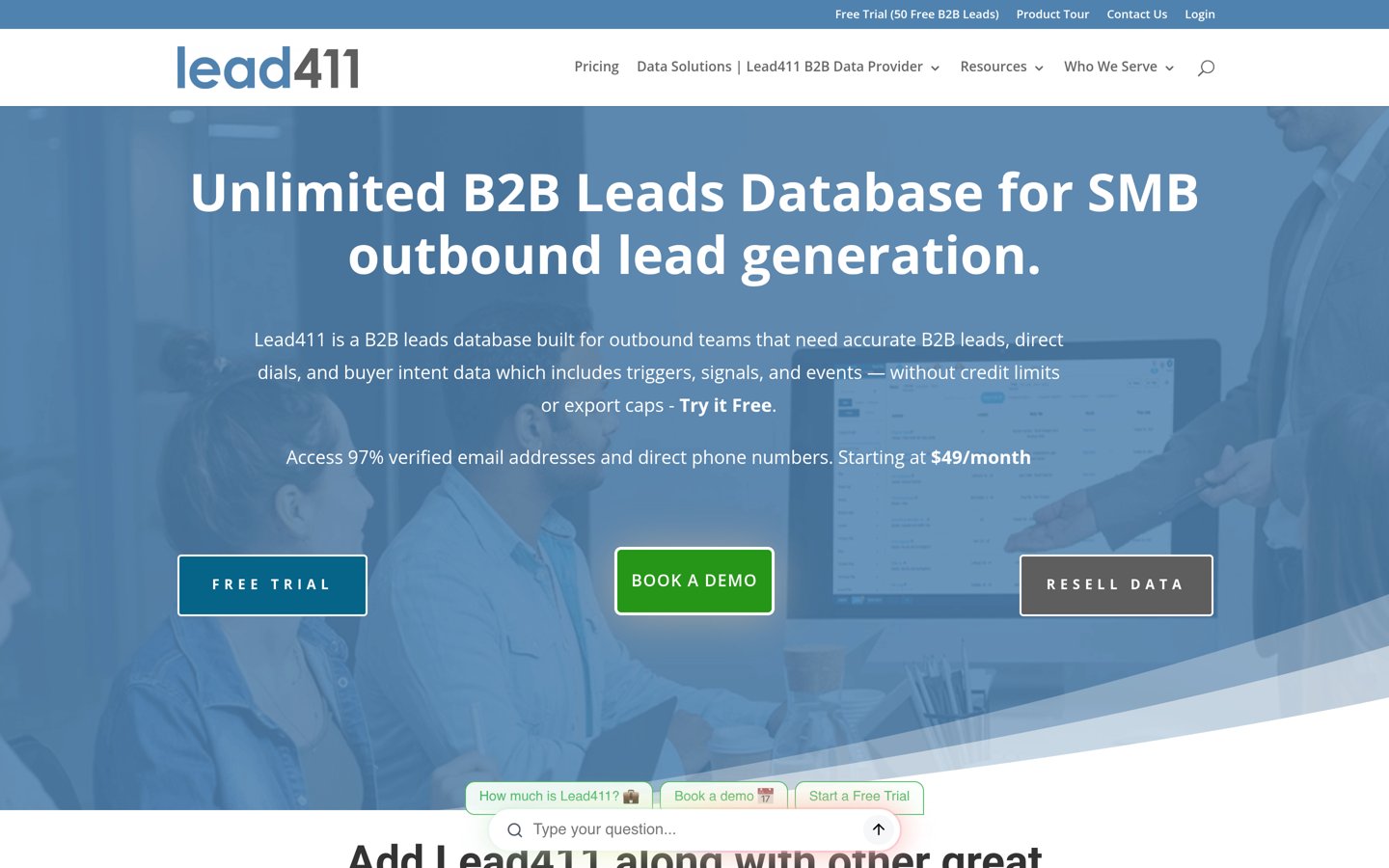
Lead411 is a B2B data platform that pairs verified emails with direct dials and sales triggers like funding rounds and hiring spikes. Spark costs $49 a month and includes 1,000 exports, with unused exports rolling over to the next month.
The trade off is the review base. Its 4.5 G2 rating rests on 478 reviews, and the database is smaller than Apollo or ZoomInfo, so coverage thins outside the US. It suits teams that want the lowest list price per exported contact with a phone number.
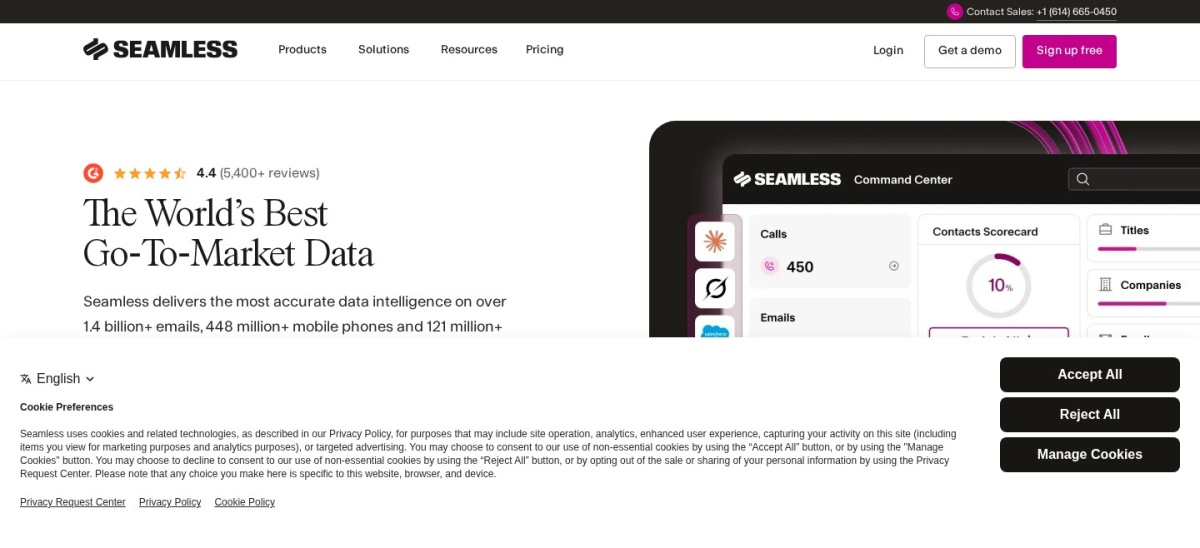
Seamless.AI is a real-time search engine for B2B contact data that verifies emails and phone numbers as you search, with a Chrome extension for LinkedIn and Salesforce. Basic costs $147 a month billed yearly and includes 3,000 credits a year.
The trade off is the contract. Paid plans run on request with annual terms that reviewers call hard to cancel, and the entry price is the highest self-serve rate here. It suits teams that search in real time and want a credit back when an email bounces as invalid.
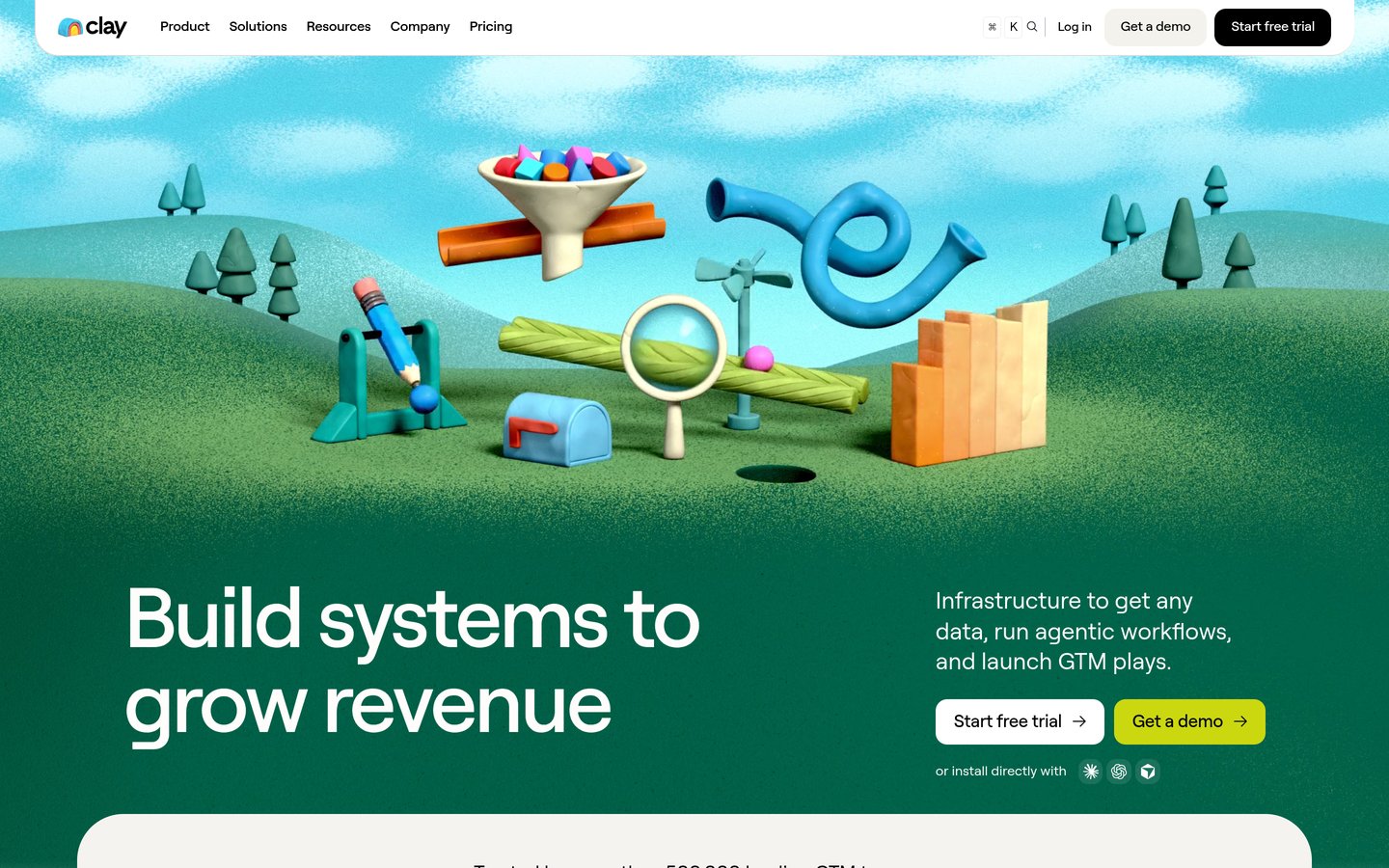
Clay is an enrichment platform that runs waterfall lookups across more than 100 data sources, so a failed lookup in one source falls through to the next automatically. Starter costs $185 a month and suits teams that enrich lists with AI agents instead of buying one fixed database.
The trade off is price and learning curve. Clay costs more than the simple finders here, and building a waterfall takes time to set up well. It suits data-led teams that want the best coverage per contact and already run enrichment as a workflow.
A contact with a phone number costs from about 4 cents on Lead411 to about 75 cents on Lusha at list prices, so the cheapest monthly plan is not always the cheapest contact.
UpLead charges one credit per contact including the mobile, which makes its $74 a month plan cheaper per phone contact than Lusha despite the higher headline rate.
Apollo sits in the middle at about 18 cents per phone contact on Basic, while Seamless is the dearest self-serve option at $147 a month.
How we chose
We started from the contact data tools most often named as cheaper ZoomInfo replacements in 2026, then kept nine with published pricing or a real free plan and a public rating on G2.
Prices come from each vendor's pricing page, checked on 29 November 2026. Ratings and review counts come from G2 on the same day. Where a vendor shows a sale, the list shows the regular price.
We left out tools with no verifiable rating on G2, Capterra or Trustpilot. No vendor paid for a place, and we do not claim hands-on testing for this list.
How to choose a cheaper ZoomInfo alternative
Start with your monthly contact volume, then work out the cost per contact with a phone number.
Count the contacts you need each month. A team that needs 600 contacts a month pays very different amounts on a 170-credit plan than on a 3,000-credit plan.
Work out the phone cost. A mobile costs 8 Apollo credits, 5 Lusha credits and 1 UpLead credit, so the cheapest plan can be the dearest per phone contact.
Test accuracy on accounts you know. Run the same 40 accounts through each free plan and count how many emails and phones come back correct.
Check the contract before you pay. Some tools renew annually with hard-to-cancel terms, so confirm the billing cycle and the cancellation route in writing.
FAQ
What is the cheapest alternative to ZoomInfo in 2026?
Snov is the cheapest paid ZoomInfo alternative at $29.25 a month billed yearly, with 1,000 credits a month. Hunter is the cheapest free start at 50 credits a month, and Apollo is the best all-round swap from $49 a user a month.
How much does ZoomInfo cost?
ZoomInfo publishes no list prices and sells annual contracts only, with its entry package widely reported near $14,995 a year for three seats. Every tool in this list costs less to start, with paid plans from $29.25 a month.
Is there a free alternative to ZoomInfo?
Yes. Apollo, Hunter, Lusha, RocketReach, Seamless and Clay all offer a free plan or free credits, so you can test data quality before paying. ZoomInfo itself offers a free Lite plan with 10 credits a month.
Which ZoomInfo alternative is best for small teams?
Apollo suits small teams best, with data, sequences and a dialer from $49 a user a month. Snov is cheaper at $29.25 a month for email-first teams, and UpLead is the pick when every contact must include a verified mobile.
Apollo vs UpLead: which is better?
Apollo is better for all-in-one outbound, with sequences and a dialer from $49 a user a month. UpLead is better for verified data, with an email and a mobile in one credit, but it has no sequencing or dialer built in.
Does Apollo include phone numbers?
Yes, Apollo includes phone numbers, but a mobile costs 8 credits against 1 for an email, so heavy phone prospecting burns the allowance fast. UpLead includes a mobile in every single-credit contact, which works out cheaper for call-heavy teams.
SaaS SEO and WordPress specialist with about 8 years of experience. Rakib compares WordPress plugins, themes, hosting and software using public pricing, documentation and user reviews. See how we rank.