Framer is the best Carrd alternative on features, pricing and reviews, with a free plan and paid sites from ten dollars a month. Dorik suits buyers who want a one-time payment, while Webflow fits designers who need full control.
How we make this list: we compare pricing pages, product documentation and public user reviews, then re-check every price before each update. No product paid for a place. Disclosure.
Framer leads for design-led one-page sites, with a free plan and Basic at $10 a month billed yearly.
Dorik sells a lifetime licence for $249, the same as one year of its annual plan, so it pays off after year one.
WordPress.com is the cheapest paid plan here at $4 a month, and Strikingly and Unicorn Platform start at $8.
Unicorn Platform holds the highest G2 rating at 4.7 out of 5, but from only 36 reviews, so treat it with care.
Dorik has no free plan, only a 7-day trial, and Squarespace and Duda offer trials only, so check before you build.
How do Carrd alternatives compare on features, pricing and reviews?
Carrd costs $9 a year for its cheapest paid plan, so every alternative here costs more, and the question is what the extra money buys. Framer buys design control, Webflow buys a real CMS, Dorik buys a lifetime licence and WordPress.com buys a full blog.
Features split these builders into three kinds. Framer, Webflow and Squarespace are design-led tools for marketing sites, Dorik, Unicorn Platform and Strikingly are quick one-page builders, and Wix, Duda and WordPress.com are all-rounders that grow past one page. Our guide on website creation platforms compares the same builders on breadth.
Pricing runs from $4 a month for WordPress.com to $19 a month for Squarespace and Duda, with most tools charging per site. Dorik is the odd one out, selling a $249 lifetime licence that costs the same as one year billed yearly.
Reviews favour the established builders. WordPress.com has 2,717 G2 reviews and Wix has 1,888, while Unicorn Platform and Strikingly have fewer than 40 each, so their high scores are weaker evidence.
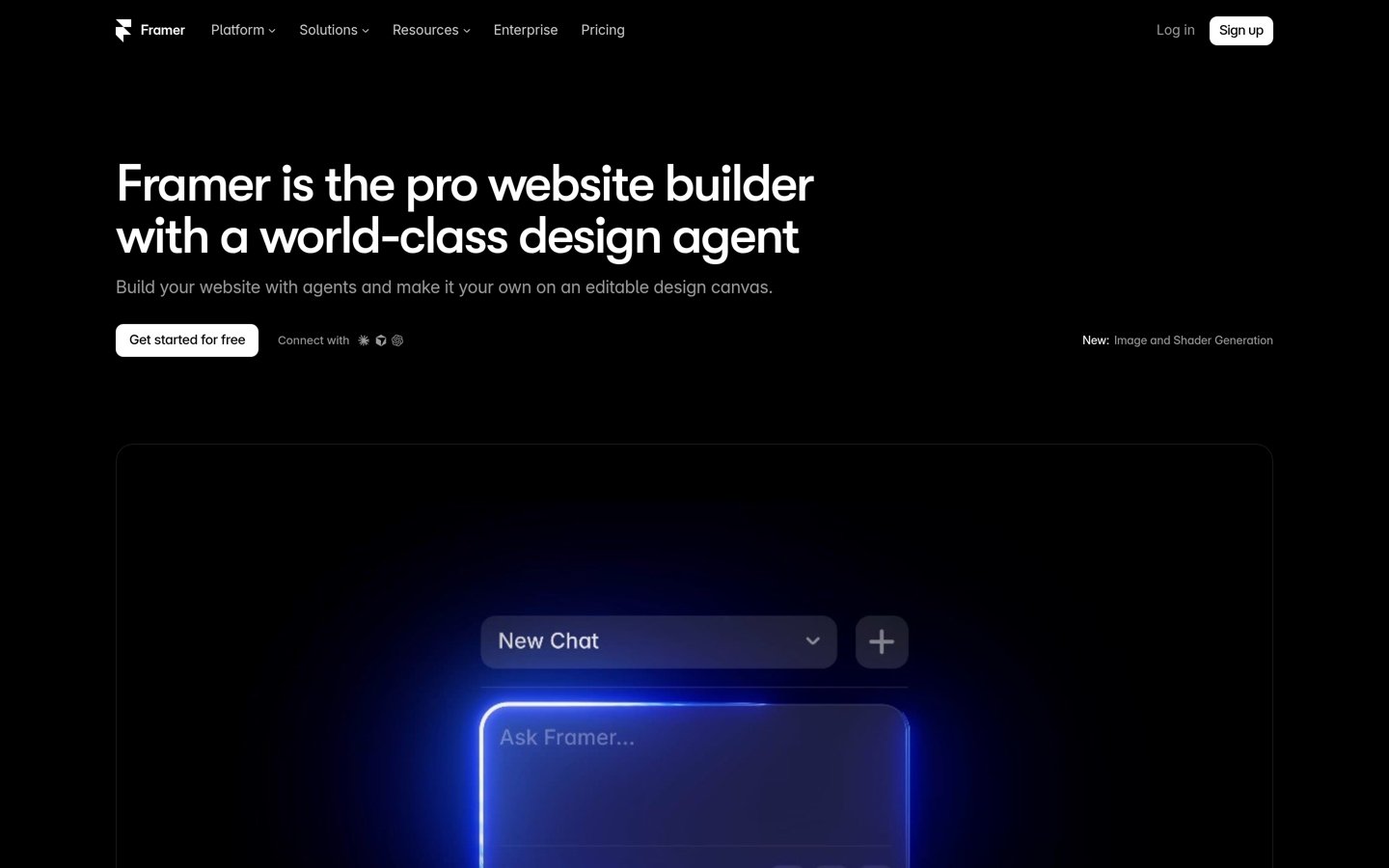
Framer is the closest Carrd alternative for design-led one-page sites, with a visual canvas, templates and an AI agent that drafts pages from a prompt. The free plan publishes on a Framer domain, and Basic costs $10 a month billed yearly with a custom domain, 30 pages and a small CMS.
The trade off is the page cap. Basic stops at 30 pages with no way to buy more, so a growing blog forces the jump to Pro at $30 a month. It suits designers and founders who want a polished site fast.
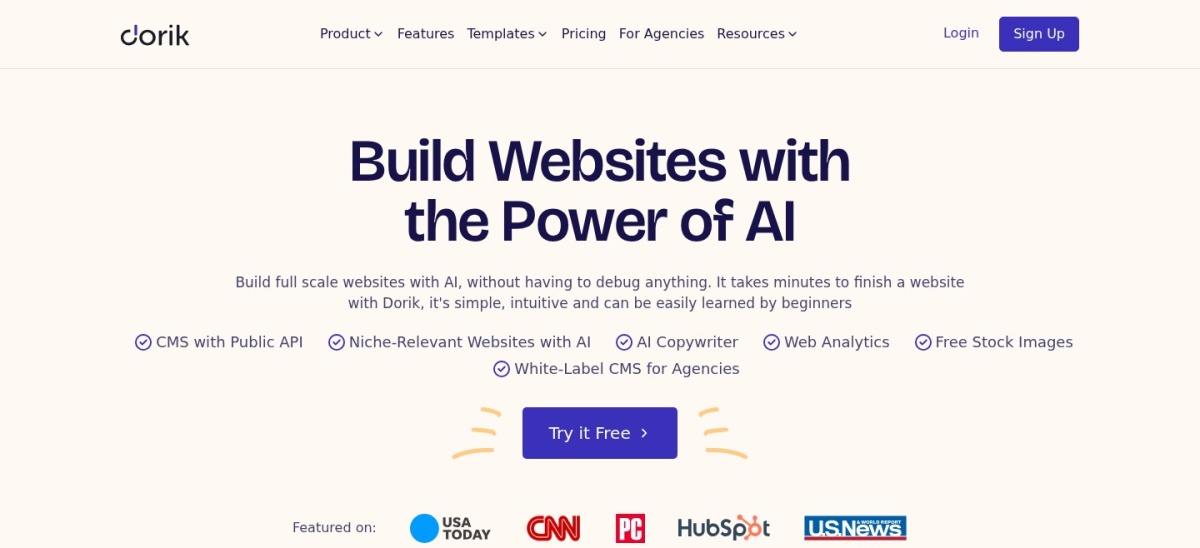
Dorik is an AI-powered no-code builder that drafts a whole site from a sentence, then lets you refine it in a drag-and-drop editor with a blog and white-label CMS. Essential costs $20.75 a month billed $249 a year, and the same Personal feature set is $249 once for life.
The trade off is the trial window. There is no free plan, only a 7-day trial, and Essential caps at 25 pages with no collaborators. It suits solo founders who want one site they own outright.
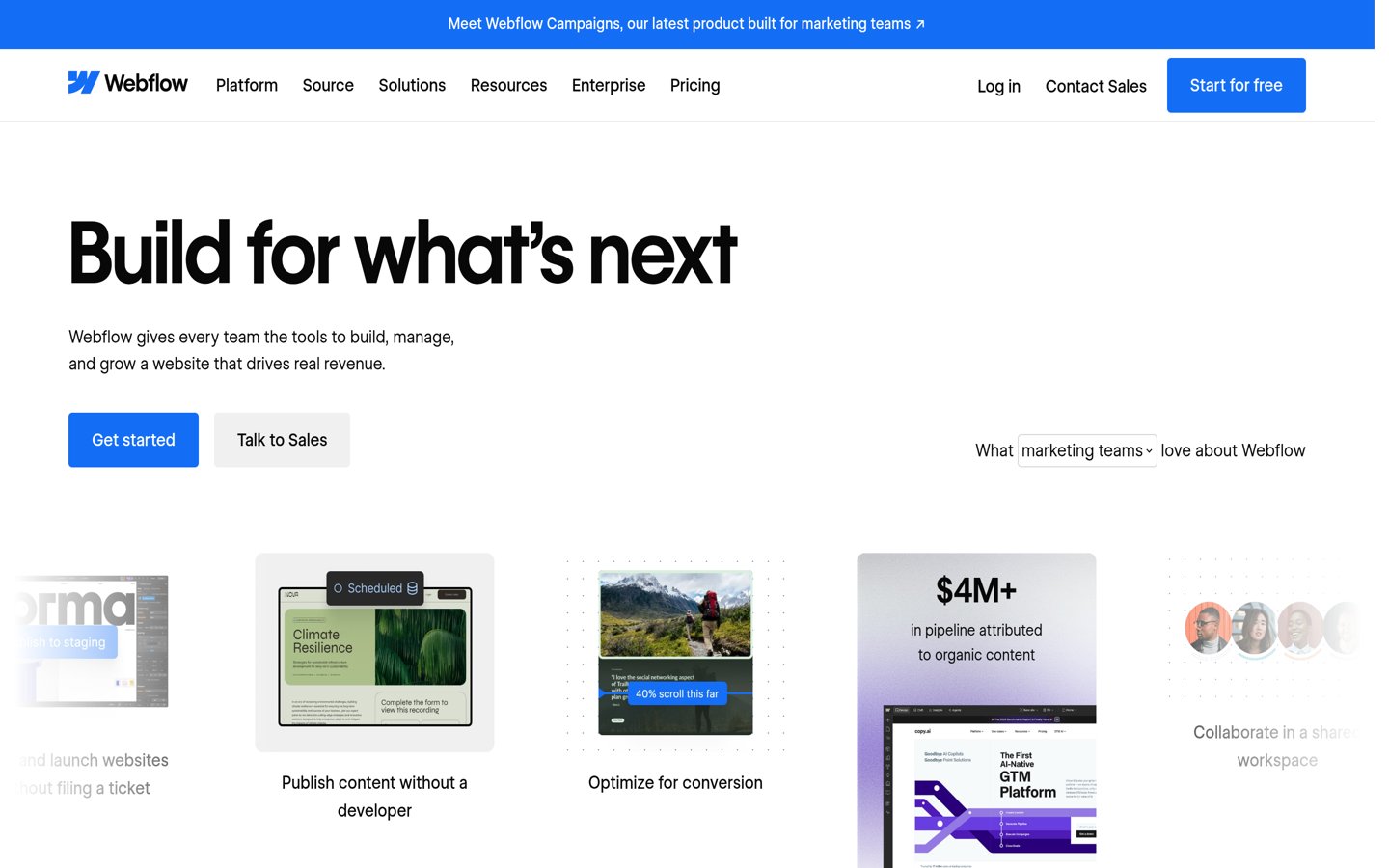
Webflow is the designer's builder, a visual canvas that produces clean, real code with precise responsive control and a proper CMS for structured content. The free Starter plan covers 2 pages, and Basic costs $15 a month billed yearly for a custom domain and 300 static pages.
The trade off is the learning curve and the CMS price. Basic has no CMS at all, so a blog needs Premium at $25 a month. It suits designers who want control close to hand-written code.
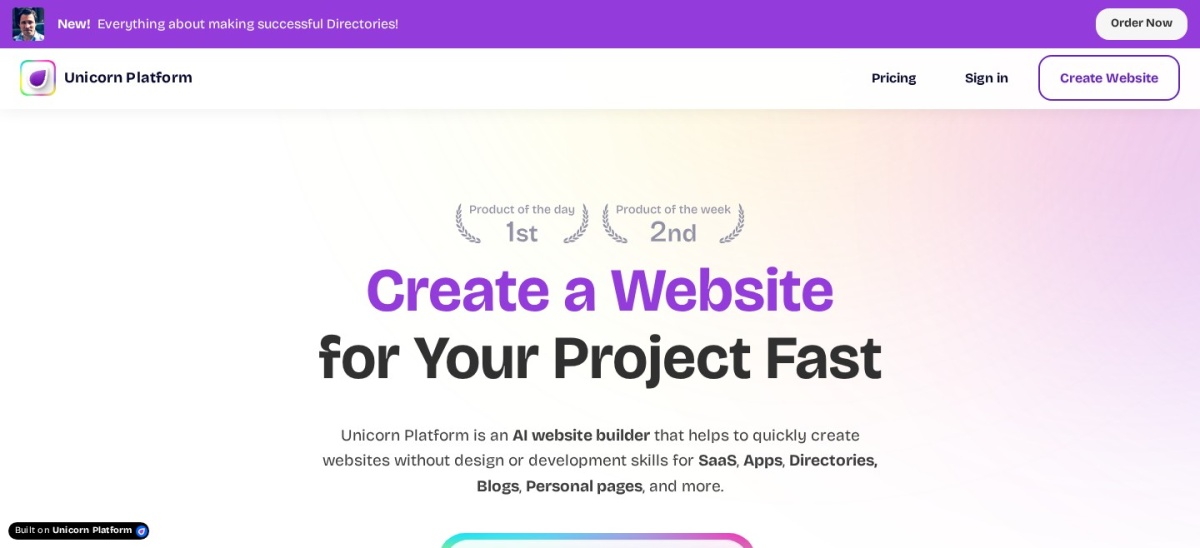
Unicorn Platform is a quick landing-page builder for startups, with templates, a blog and simple analytics that get a launch page live in an afternoon. G2 lists Basic at $8 a user a month, and the free Lurker plan is preview-only, so publishing needs a paid plan.
The trade off is the thin review base. Its 4.7 G2 rating rests on only 36 reviews, and published pricing sources disagree on the entry price. It suits founders shipping one landing page fast.
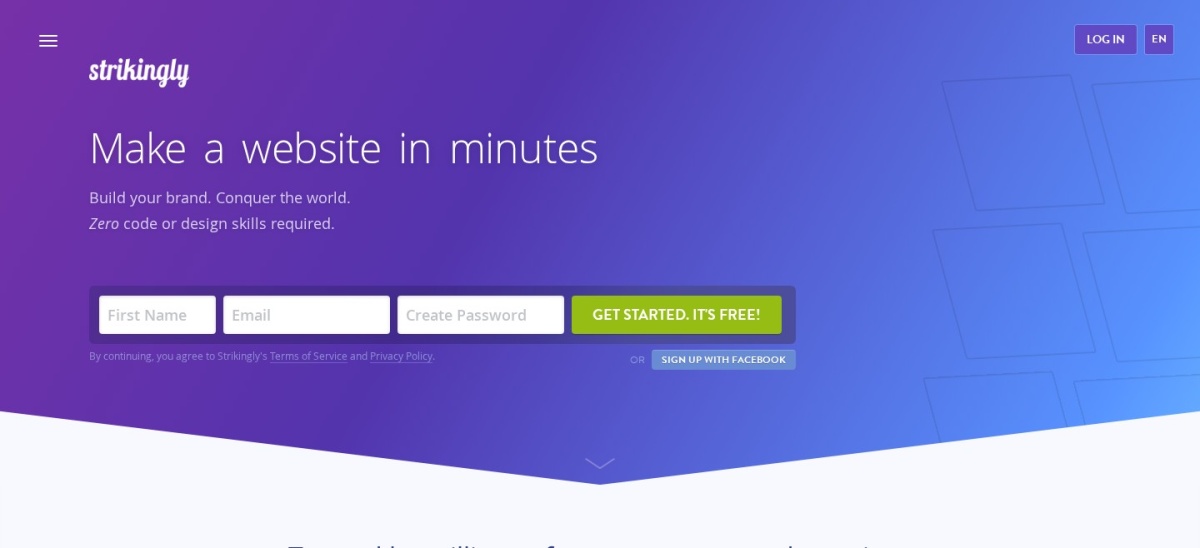
Strikingly is a website builder made for one-page sites, with responsive templates that launch fast and almost no settings to learn. The free plan covers a basic site, and Limited costs $8 a month billed yearly with a custom domain and more pages.
The trade off is simplicity itself. Templates are basic next to Framer or Squarespace, and the rating rests on only 39 G2 reviews. It suits anyone who wants a single page live today.
Wix is the all-rounder most small businesses reach for first, with more than 900 free templates, a drag-and-drop editor and built-in marketing tools. The free plan covers a basic site, while Light at $17 a month billed yearly adds a custom domain and removes Wix branding.
The trade off is weight. Wix does far more than Carrd, so a one-page site carries an app market and marketing tools you may never open. It suits businesses that may grow past one page.
Squarespace is the website builder for design-led sites, with polished templates, built-in SEO and selling tools on every plan. Its Basic plan starts at $19 a month billed annually and includes a free custom domain for the first year.
The trade off is the lack of a free plan, only a 14-day trial, and a 2% transaction fee on Basic sales. It suits portfolios and service businesses that sell their look.
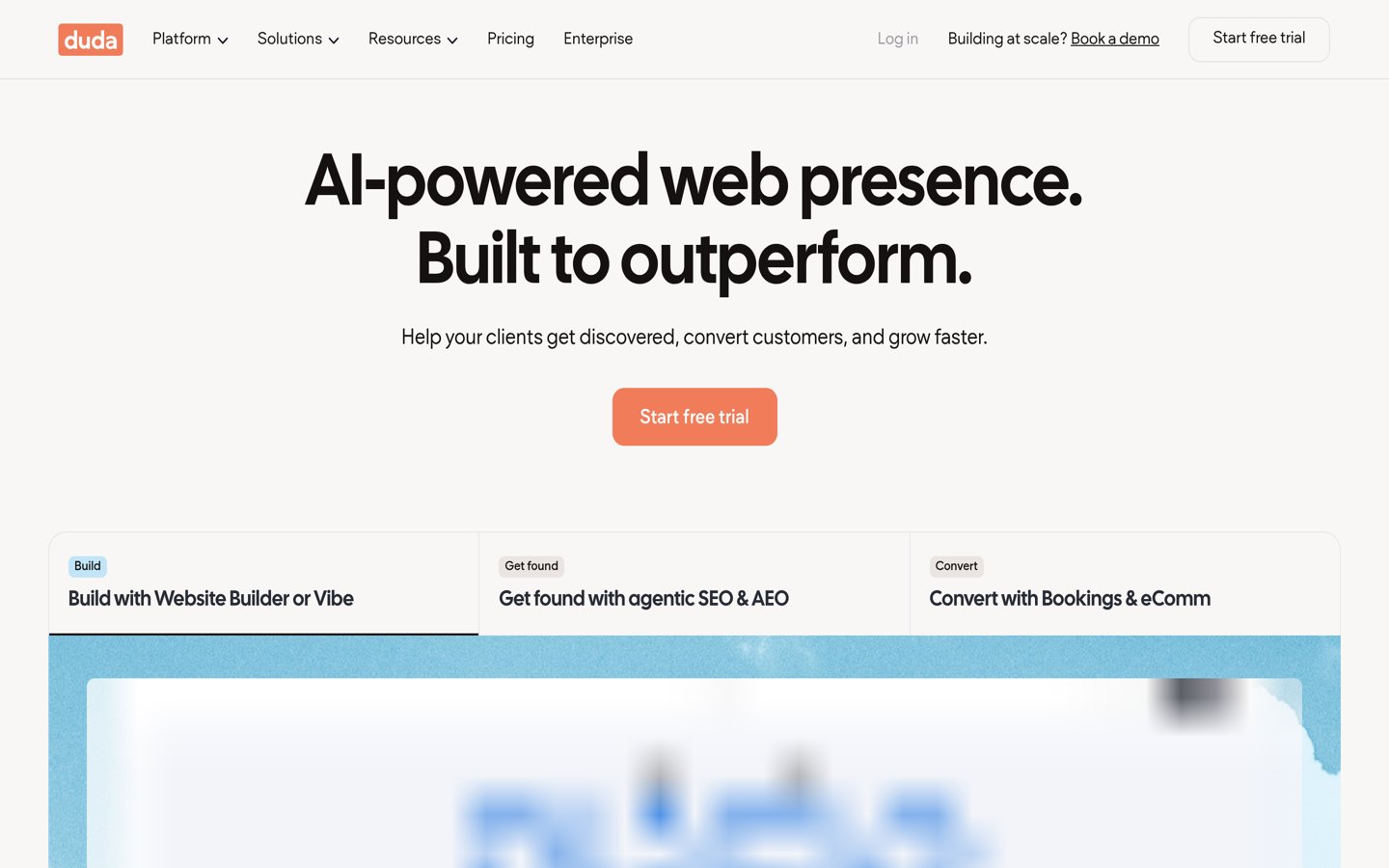
Duda is a website builder aimed at agencies, with white-label client dashboards, client billing and team tools wrapped around a solid drag-and-drop editor. Basic costs $19 a month for one site, and it holds a 4.6 G2 rating from about 790 reviews.
The trade off is focus. Duda is built for people who build sites for others, so a single personal site pays for agency features it may not use. It suits freelancers with several clients.
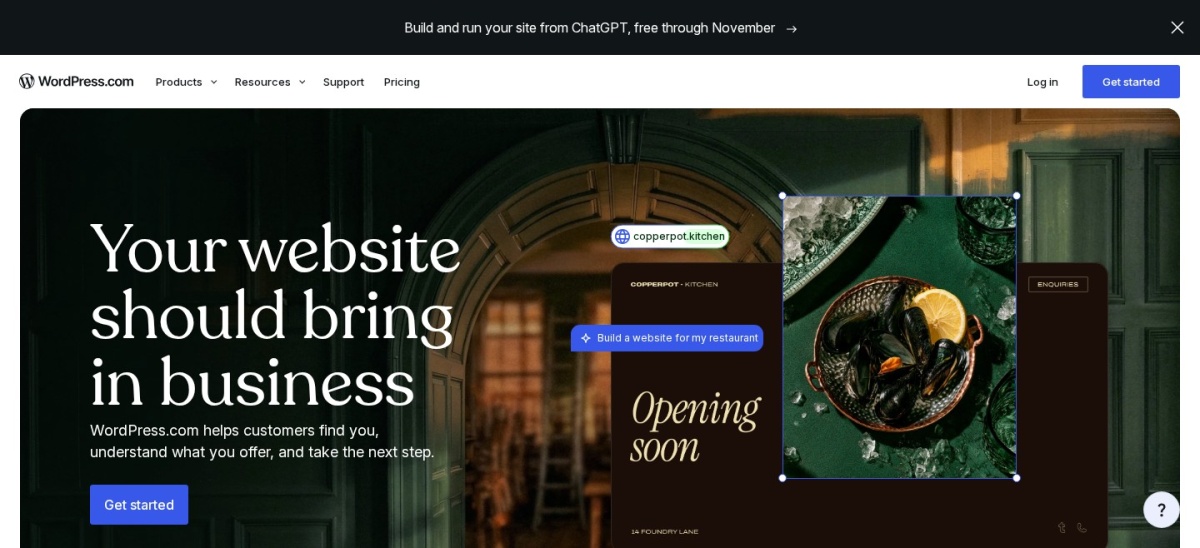
WordPress.com is the cheapest serious option for content sites, with full WordPress blogging, hundreds of themes and a free plan on a WordPress subdomain. Personal costs $4 a month billed yearly with a custom domain and no WordPress ads.
The trade off is design freedom. It is a blogging platform first, so a pixel-perfect one-page design takes more work than in Framer or Dorik. It suits sites that will grow into a blog.
Free plans cover the basics well. Framer, Webflow, Wix, Strikingly and WordPress.com all let you build and publish before paying, though most keep their branding on the page.
Paid plans mostly add a custom domain and remove branding. Framer Basic at $10 a month and WordPress.com Personal at $4 a month are the cheapest honest upgrades.
Dorik breaks the pattern with a $249 lifetime licence. If you plan to keep one site for more than a year, it costs the same as one year of its annual plan.
How we chose
We started from the one-page and small-site builders that appear most often in Carrd alternatives roundups, then kept the nine with a public G2 rating and a real publishing product.
Prices come from each vendor's pricing page, checked on 29 November 2026, and show the annual-billing rate where the vendor lists one. Ratings and review counts come from G2 on the same day.
We left out tools with no verifiable rating on G2, Capterra or Trustpilot. No vendor paid for a place, and we do not claim hands-on testing for this list.
How to choose a Carrd alternative
Start from how many pages you need, then check the price for a custom domain.
Count your pages first. Carrd is a one-page tool, so a single landing page fits Framer Basic or Strikingly, while a blog needs Webflow Premium or WordPress.com.
Check the custom domain price. Every paid plan here includes a custom domain, but the cheapest route is WordPress.com at $4 a month, not the design-led tools.
Try the free plan before paying. Framer, Webflow, Wix, Strikingly and WordPress.com all offer one, while Dorik, Squarespace and Duda offer trials only.
Weigh the lifetime deal honestly. Dorik at $249 once beats a subscription only if you keep the site past year one, so be sure the 25-page cap fits.
FAQ
What are the best Carrd alternatives by features, pricing and reviews in 2026?
Framer is the best Carrd alternative overall, with a free plan, Basic at $10 a month billed yearly and a 4.5 out of 5 G2 rating from 144 reviews. Dorik is the best lifetime deal at $249 once, while Webflow suits designers who need full control.
What is the cheapest Carrd alternative?
WordPress.com is the cheapest paid Carrd alternative at $4 a month billed yearly, with a free plan included. Strikingly and Unicorn Platform start at $8 a month, while Framer Basic costs $10 a month billed yearly.
Is there a free Carrd alternative?
Yes. Framer, Webflow, Wix, Strikingly and WordPress.com all offer a free plan, though most keep their branding on the page. Dorik, Squarespace and Duda offer free trials only, with no permanent free plan.
Which Carrd alternative is best for a portfolio?
Squarespace is the best portfolio pick, with the most polished templates in this list and selling tools on every plan. Framer suits design-led portfolios that need motion, while Wix fits portfolios that may grow into a full business site.
Framer or Webflow: which should I pick?
Pick Framer if you want the fastest route to a polished one-page site, with AI help and a CMS on Basic. Pick Webflow if you need deeper design control and a bigger CMS, and accept the steeper learning curve.
Does Dorik really sell a lifetime plan?
Yes. Dorik lists a Personal lifetime licence at $249 once on its own pricing page, the same as one year billed yearly, with 1 custom domain and 25 pages. Business lifetime costs $599 once for 3 sites.
SaaS SEO and WordPress specialist with about 8 years of experience. Rakib compares WordPress plugins, themes, hosting and software using public pricing, documentation and user reviews. See how we rank.