Apollo is the best of the Breeze Intelligence alternatives for most sales teams, with a Basic plan at $49 a seat a month billed annually and 900 free credits a seat each year, while UpLead suits teams that want verified emails and Lusha fits small teams on a tight budget.
How we make this list: we compare pricing pages, product documentation and public user reviews, then re-check every price before each update. No product paid for a place. Disclosure.
Apollo leads for most teams: Basic is $49 a seat a month billed annually with 900 free credits a seat a year.
UpLead has the strongest accuracy promise, with a 95 percent guarantee on verified emails.
Lusha is the cheapest paid start at $37.45 a month billed annually, with a free plan of 40 credits a month.
Clay is the most powerful enrichment tool here, but it costs $167 a month and takes real setup time.
ZoomInfo and Cognism are quote-only enterprise tools; buyer reports put entry near $15,000 and $22,500 a year.
How do you choose the best Breeze Intelligence alternative?
Credit models decide the real cost. Apollo gives 900 free credits a seat a year, UpLead gives 170 a month on Essentials, and LeadIQ sells a shared pool, so count how many contacts your team actually enriches each month.
Data freshness beats database size. ZoomInfo lists 320 million contacts and Apollo 275 million, but reviewers still report stale numbers, so check your own target accounts before you buy.
Free plans are thin but real. Apollo, Lusha, Clay, Kaspr and Seamless.AI all offer free credits, while UpLead, LeadIQ, ZoomInfo and Cognism start with a trial or a demo.
Compliance matters most in Europe. Cognism is built around GDPR-safe data, while US-first tools need a closer look at consent and data sources before a European rollout.
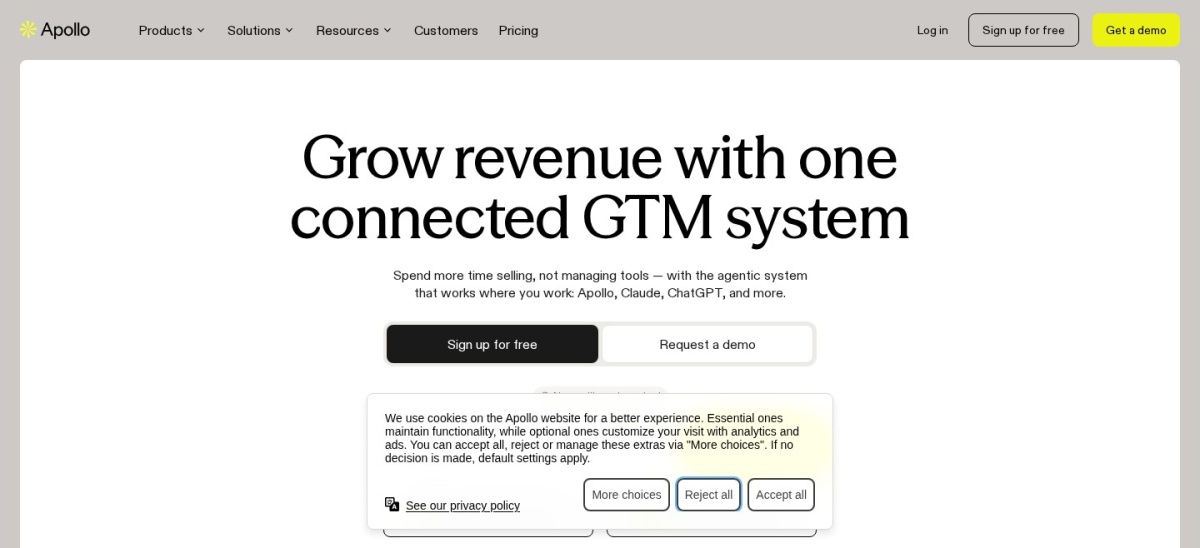
Apollo is a sales intelligence and engagement platform with a database of more than 275 million contacts and a built-in sequencer for email and calls. The Basic plan costs $49 a seat a month billed annually, with 900 credits a seat a year, AI writing help and 1,000 mobile credits per user each month.
The trade off is data quality at scale. Reviewers report stale numbers in some niches and a learning curve for the sequencer, and the free plan is thin for teams that prospect daily. It suits small and mid-sized sales teams that want one tool for finding contacts and running outreach.
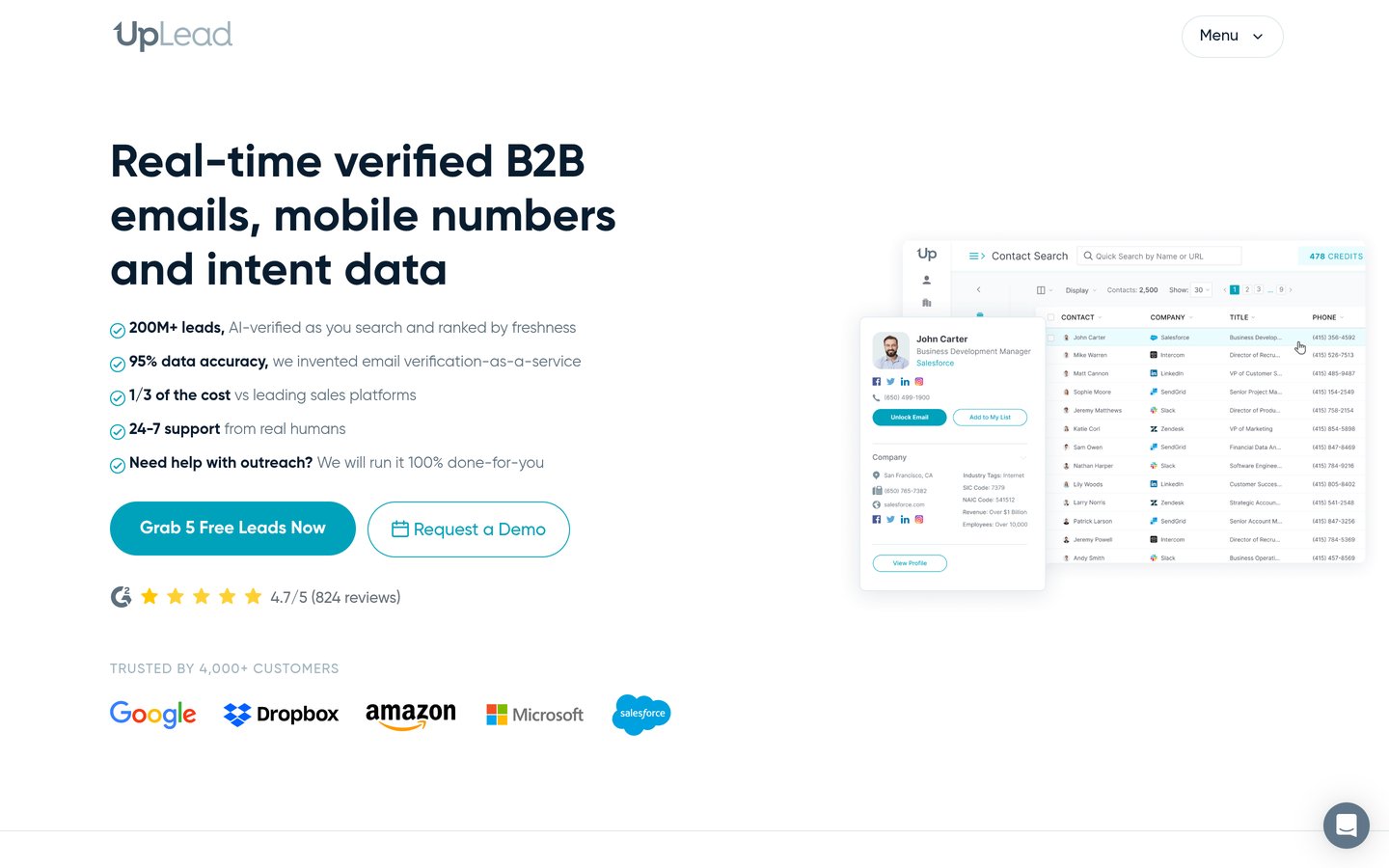
UpLead is a B2B prospecting platform that finds verified emails and direct dials from a database of more than 200 million leads. The Essentials plan costs $74 a month billed annually for 170 credits, with a 95 percent data accuracy guarantee, technographics and CRM integrations.
The trade off is the credit meter. Essentials gives only 170 credits a month, so heavy prospecting needs Plus at $149 a month or Professional at $299, and there is no free plan beyond a 7-day trial with 5 credits. It suits teams that value verified emails over raw database size.
Lusha is a sales intelligence platform that finds direct phone numbers and emails from LinkedIn profiles, websites and CRM records. The Starter plan costs $37.45 a month billed annually, with 480 credits a year, and a free plan covers 40 credits a month for occasional prospecting.
The trade off is the credit limit and the rating. Lusha scores 4.3 out of 5 on G2, the lowest here, and 480 credits a year suits light use only, so busy teams move to Pro at $74.90 a month billed annually. It suits reps who prospect from LinkedIn and want the cheapest paid start.
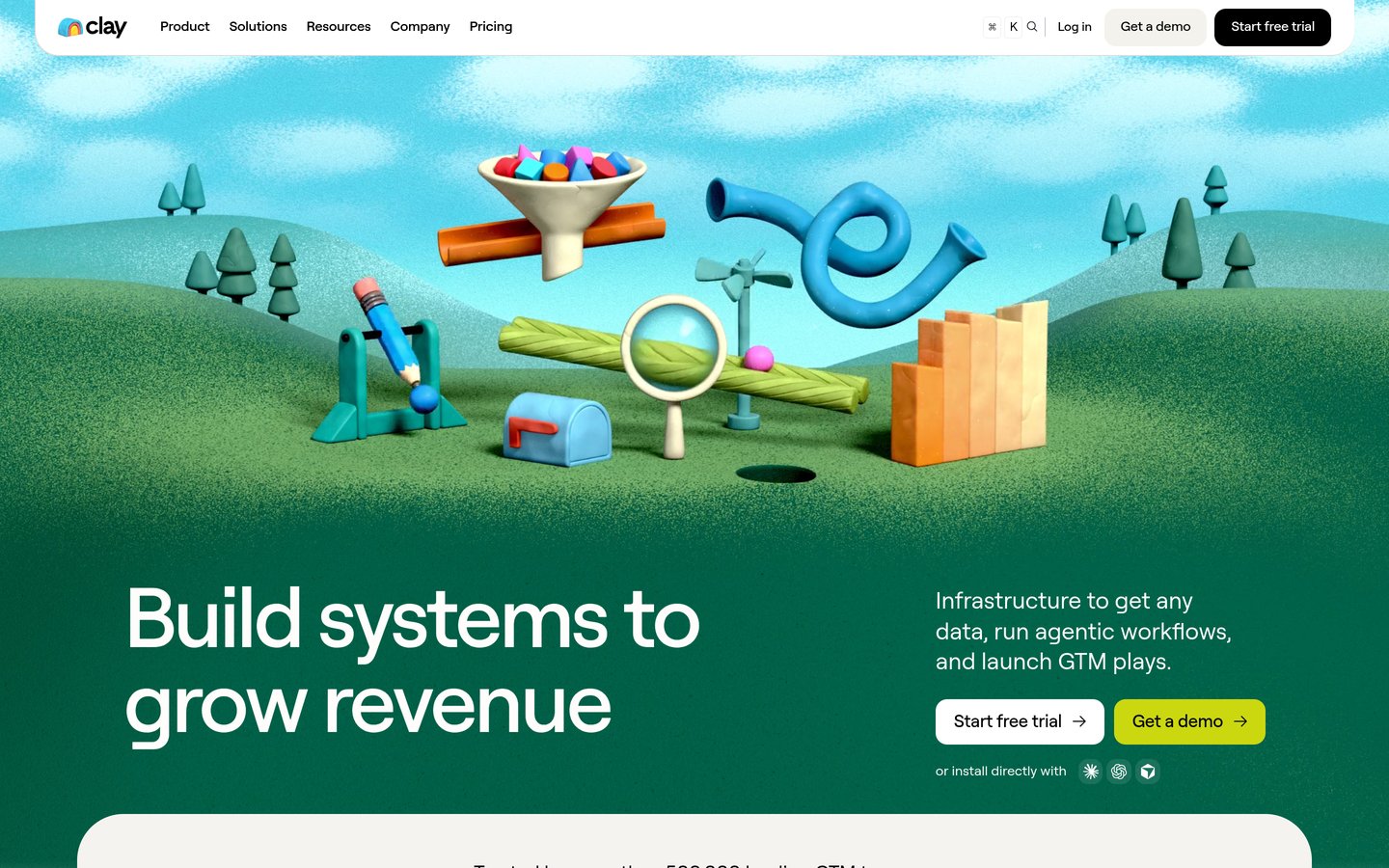
Clay is a data enrichment and prospecting platform that waterfalls more than 100 data providers to find and verify contact details, then enriches them with AI research agents called Claygent. The Launch plan costs $167 a month billed annually with 24,000 credits a year, and a free plan covers 100 credits a month.
The trade off is price and complexity. Clay costs far more than Apollo or UpLead, and building tables and workflows takes real setup time, so it is not a simple list tool. It suits revenue teams that want automated enrichment and research at scale.
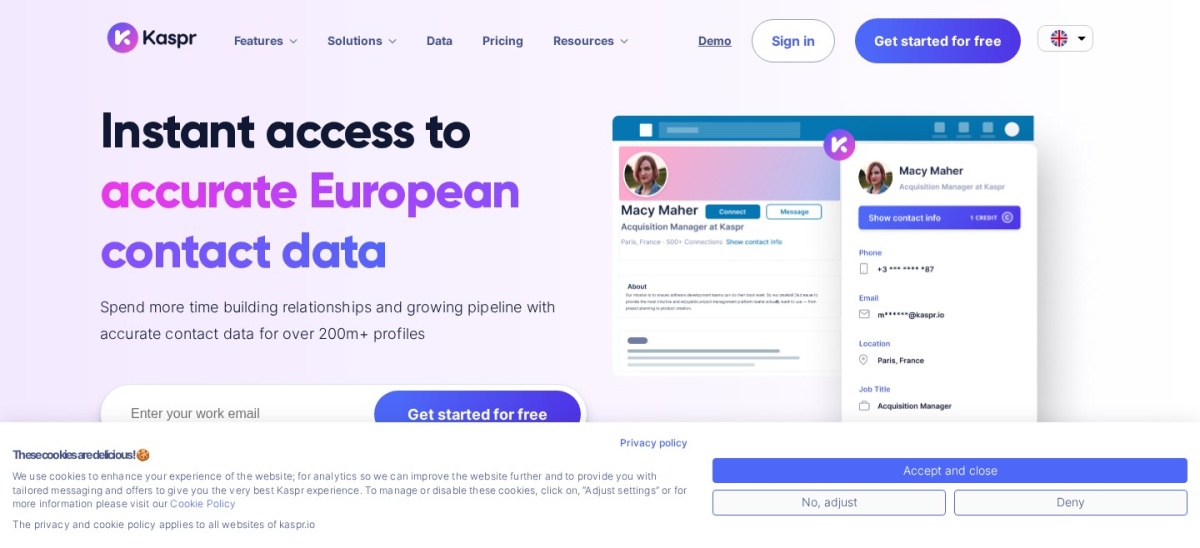
Kaspr is a LinkedIn prospecting tool that pulls verified emails and phone numbers from profiles in one click, with a Chrome extension and HubSpot and Salesforce integrations. The Starter plan costs $49 a month billed annually for 1,200 credits a year, and a free plan covers 5 credits a month.
The trade off is scope and credit size. Kaspr is built for LinkedIn first, so it suits reps who live there, and the Starter credit allowance is small next to Apollo or Lusha. It suits small teams that prospect mainly on LinkedIn and want verified numbers fast.
LeadIQ is a prospecting platform that captures verified emails and phone numbers from LinkedIn and company pages, then pushes them straight into HubSpot or Salesforce. The Pro plan starts from $200 a month as a credit pool for up to 5 users, with annual billing saving 25 percent.
The trade off is the credit model. The $200 is a shared pool, so heavy teams burn through it fast, and the old $75 Starter and $135 Pro tiers listed on G2 are no longer sold. It suits teams that prospect from LinkedIn and live in HubSpot or Salesforce.
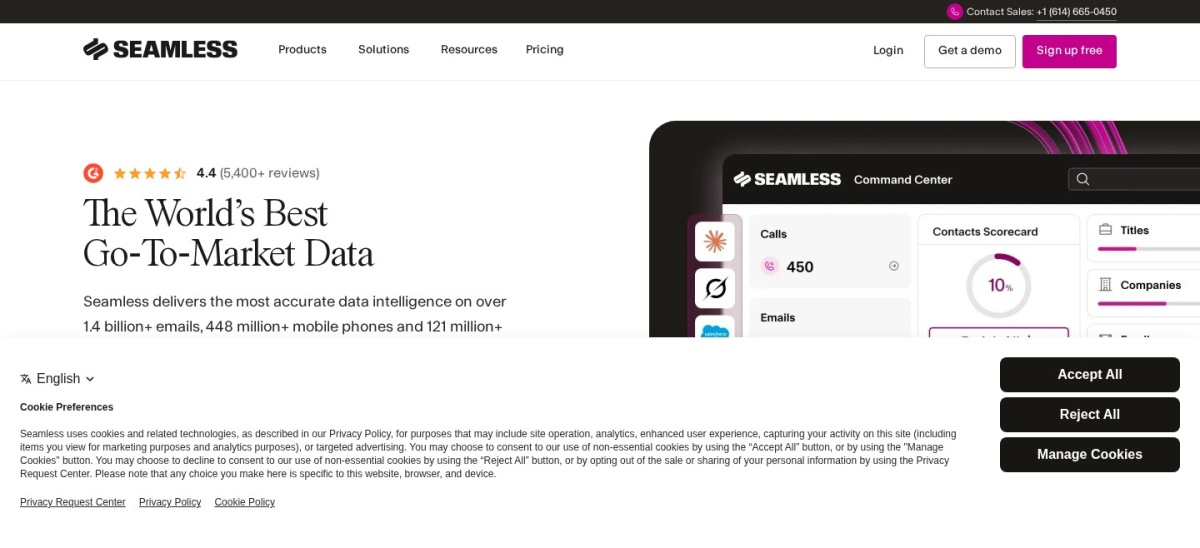
Seamless.AI is an AI-powered prospecting platform that builds contact lists from the live web in real time, with verified emails and direct dials for sales teams. A free plan covers 50 credits once, and paid plans are quoted after a demo, with HubSpot and Salesforce integrations included.
The trade off is price transparency. There is no published price at all, so every deal starts with a demo and a quote, and third-party reports of about $147 a month are unverified. It suits teams that want AI-built lists and a free trial before they talk to sales.
ZoomInfo is an enterprise sales intelligence platform with a database of more than 320 million contacts and 100 million company profiles, plus intent data and web traffic signals. Pricing is quoted by sales, with no published entry price, and the platform is built for large revenue teams.
The trade off is cost and commitment. Buyer reports put entry pricing near $15,000 a year, and contracts are annual, so it is far beyond a small team budget. It suits enterprises that need the deepest data and intent signals across many reps.
Cognism is a sales intelligence platform built for European and global teams, with 10 million phone-verified Diamond Data contacts and a strong focus on GDPR compliance. Pricing is quoted by sales, and the platform pairs data enrichment with intent signals and a browser extension.
The trade off is cost and the G2 price trap. G2 lists a vendor-submitted Basic plan at $1,000 per feature a month, while buyer reports put entry near $22,500 a year, so neither figure is a usable price. It suits EMEA teams that need verified numbers and clean compliance.
Breeze Intelligence still suits HubSpot teams that want enrichment inside their CRM without a second tool. Switch when you need a bigger database, verified phone numbers, or a standalone prospecting workflow.
How we chose
We started from the data enrichment tools sales teams compare with Breeze Intelligence most often, then kept only those with a public rating on G2 and a published price or a clear quote-only model.
Prices come from each vendor's pricing page, checked on 29 November 2026, with G2 ratings and review counts read the same day. Where a vendor shows a sale, the list shows the regular price.
We left out Clearbit because HubSpot acquired it in 2023 and folded it into HubSpot, and we left out tools with no verifiable rating on G2, Capterra or Trustpilot. No vendor paid for a place, and we do not claim hands-on testing for this list.
How to choose a Breeze Intelligence alternative
Start with your prospecting volume, then match the data source to your market.
Count your monthly credits. Add up how many contacts your team enriches each month. Apollo's 900 free credits a seat a year suits light use, while heavy teams need a paid pool.
Test data on your own accounts. Run a trial list of your real target accounts. A big database means nothing if your niche is stale or missing.
Check the CRM fit. Apollo, UpLead and Lusha push data straight into HubSpot and Salesforce. If your CRM is the source of truth, the integration decides the winner.
Ask about compliance. Check GDPR and consent handling before you buy, especially for European contacts. Cognism is built for that, US-first tools need a closer look.
FAQ
What is the best Breeze Intelligence alternative in 2026?
Apollo is the best Breeze Intelligence alternative for most sales teams. Its Basic plan costs $49 a seat a month billed annually, with 900 free credits a seat a year and a database of more than 275 million contacts.
How much does Apollo cost?
Apollo Basic costs $49 a seat a month billed annually, or $588 a seat a year, and includes 900 credits a seat a year. A free plan covers the same 900 credits a seat a year, with limits on sequences and AI features.
Which Breeze Intelligence alternative has a free plan?
Apollo has the most useful free plan, with 900 credits a seat a year. Lusha, Clay, Kaspr and Seamless.AI also offer free credits, while UpLead and LeadIQ start with a trial only.
Is UpLead better than Apollo?
UpLead suits teams that want a 95 percent accuracy guarantee and verified emails above all, while Apollo suits teams that want a bigger database and a built-in sequencer. UpLead Essentials costs $74 a month billed annually, above Apollo Basic at $49.
Which Breeze Intelligence alternative is best for small teams?
Lusha is the best fit for small teams, with Starter at $37.45 a month billed annually and a free plan of 40 credits a month. Apollo also works well, with a free plan and Basic at $49 a seat a month.
How much does ZoomInfo cost?
ZoomInfo publishes no price, so every deal is quoted by sales. Buyer reports put entry pricing near $15,000 a year, which makes it an enterprise tool rather than a small-team option.
SaaS SEO and WordPress specialist with about 8 years of experience. Rakib compares WordPress plugins, themes, hosting and software using public pricing, documentation and user reviews. See how we rank.