Gem is the best software for automating candidate nurturing for most recruiting teams, with multi-touch email and SMS sequences and analytics tied to hires. Radancy leads on AI-driven engagement at scale, while Greenhouse CRM suits teams already on Greenhouse.
How we make this list: we compare pricing pages, product documentation and public user reviews, then re-check every price before each update. No product paid for a place. Disclosure.
Gem is the purest recruiting CRM here, with multi-touch email and SMS sequences and a 4.7 out of 5 G2 rating from 305 reviews.
None of these tools publish pricing or offer free tiers, so expect custom annual contracts and a sales-led buying process.
Greenhouse CRM is an add-on, not a standalone product, so it only fits teams already on Greenhouse.
Avature is the most configurable enterprise option, but implementations are projects that need professional services.
Radancy leads on AI-driven engagement at scale, with agentic AI running candidate journeys for 675+ employers.
What candidate nurturing software does
Most recruiting teams sit on a goldmine they never touch: thousands of past applicants, silver-medalist candidates and sourced prospects going cold in a database. Candidate nurturing software runs automated, personalized email and SMS campaigns that keep those people warm until the right role opens.
There are three types here. Standalone recruiting CRMs such as Gem, Beamery and Avature were built to nurture pipelines. Talent platforms such as Phenom, Eightfold, iCIMS and Radancy bundle nurturing into a broader suite. Greenhouse CRM is an add-on inside an ATS, not a standalone product. Our guide to HR software compares the wider HR stack these tools sit in.
None of these tools publish pricing or offer free tiers. Expect custom annual contracts and a sales-led buying process across the board, with enterprise deals commonly running five figures a year. Our guide to talent management software covers the platforms that bundle nurturing with wider talent work.
Implementation timelines vary widely. Gem and similar point tools can run in weeks, Beamery and Phenom typically take three to six months, and Avature at enterprise scale can take six to twelve months with professional services.
The 8 best software for automating candidate nurturing
01
Gem
4.7/5on G2 (305 reviews, checked Nov 2026)
PricingCustom/yr
Best software for automating candidate nurturing overall
Free planNo free plan
Cheapest planCustom quote
SequencesMulti-touch email and SMS
AnalyticsCampaigns tied to hires
gem.com
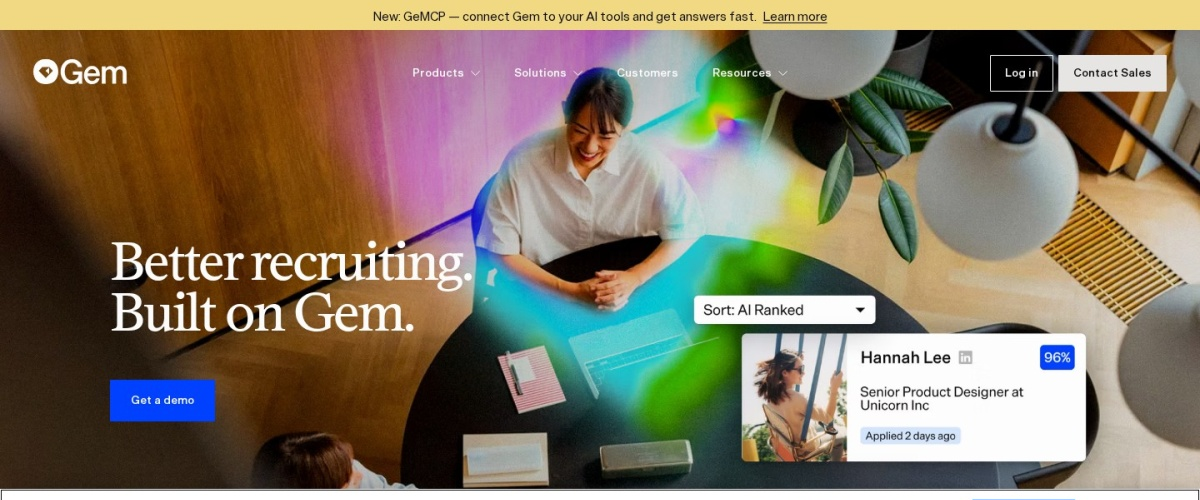
Gem homepage, captured Nov 2026.
Gem is the closest thing this category has to a standard, a recruiting CRM built around outreach and analytics. It runs multi-touch email and SMS nurture sequences, manages talent pipelines and events, and reports which sources and campaigns actually produce hires.
The trade off is the price and the process. Gem sells on custom annual contracts through a sales-led process, and it works best paired with an ATS, which adds a second vendor to manage. It suits recruiting teams that run serious outbound and want sequencing depth.
What we like
Built as a recruiting CRM from the start
Multi-touch email and SMS sequences
Deep analytics tied to hires
Integrates with the major ATS products
Watch out for
Custom pricing, no public tiers
Sales-led buying process
Best value needs a paired ATS
Startup program offers 6 months free under 30 staffVisit gem.com
02
Radancy
4.7/5on G2 (204 reviews, checked Nov 2026)
PricingCustom/yr
Best AI-driven candidate engagement
Free planNo free plan
Cheapest planCustom quote
Employers675+ global employers
AIAgentic AI journeys
radancy.com
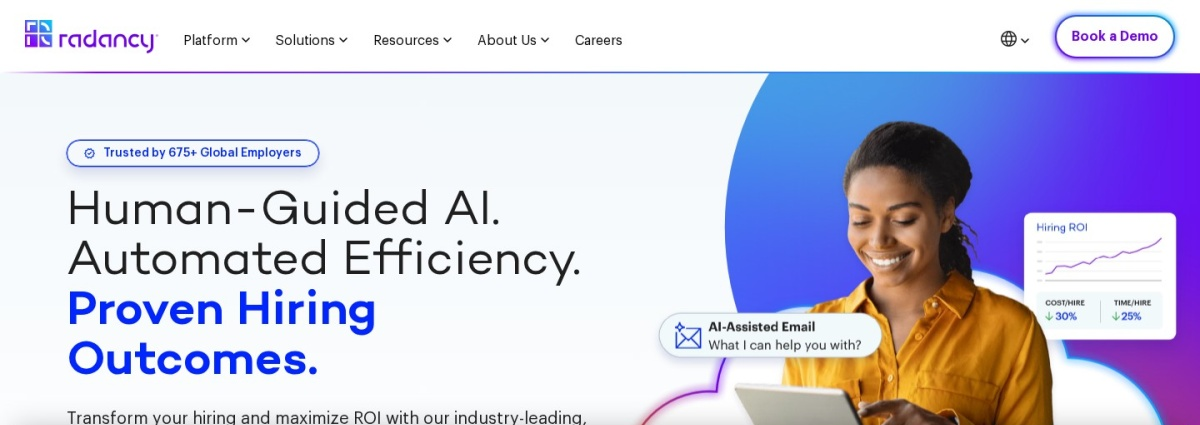
Radancy homepage, captured Nov 2026.
Radancy is a talent acquisition platform used by more than 675 global employers, built around agentic AI that automates recruiting workflows from the first candidate interaction through application. For nurturing, its strength is AI-driven candidate journeys with personalized, branded experiences at scale.
The trade off is that nurturing is one part of a broad platform. Radancy wants to run the whole acquisition journey, which is heavy if you only need drip campaigns, and pricing is custom and enterprise. It suits large employers that want AI-driven engagement at scale.
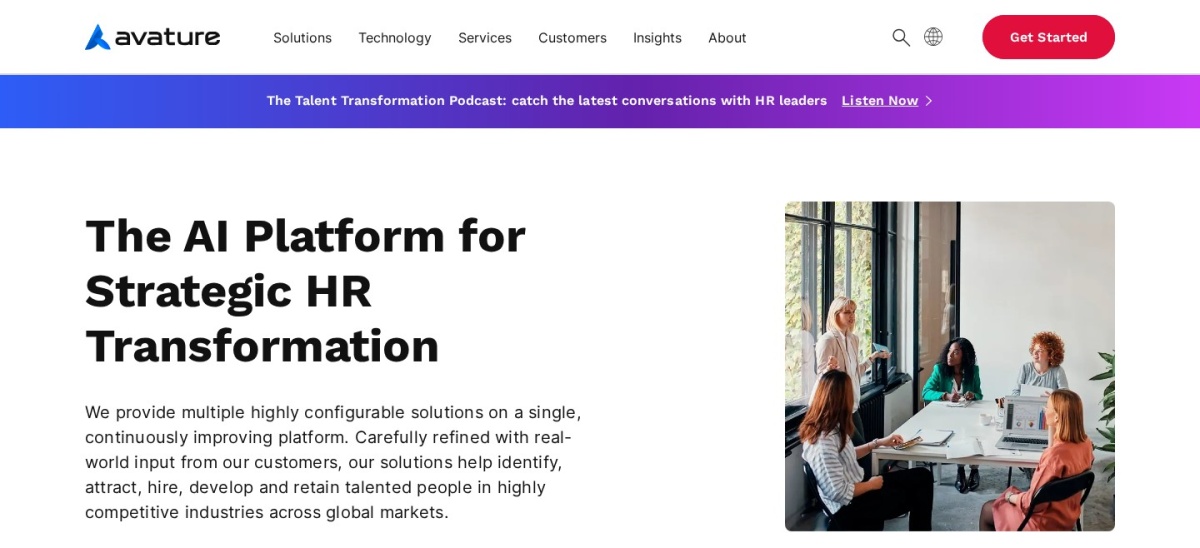
Avature is the most configurable talent platform in this category, a low-code system that models genuinely unique recruiting processes, data models and workflows. Its CRM, ATS, career sites and onboarding modules share one data model, so nurture campaigns draw on everything the system knows.
The trade off is implementation. Avature rollouts are projects, not plug-and-play, and you will likely need professional services, with pricing custom and typically at the top of the market. It suits global enterprises with unusual processes and multi-country compliance needs.
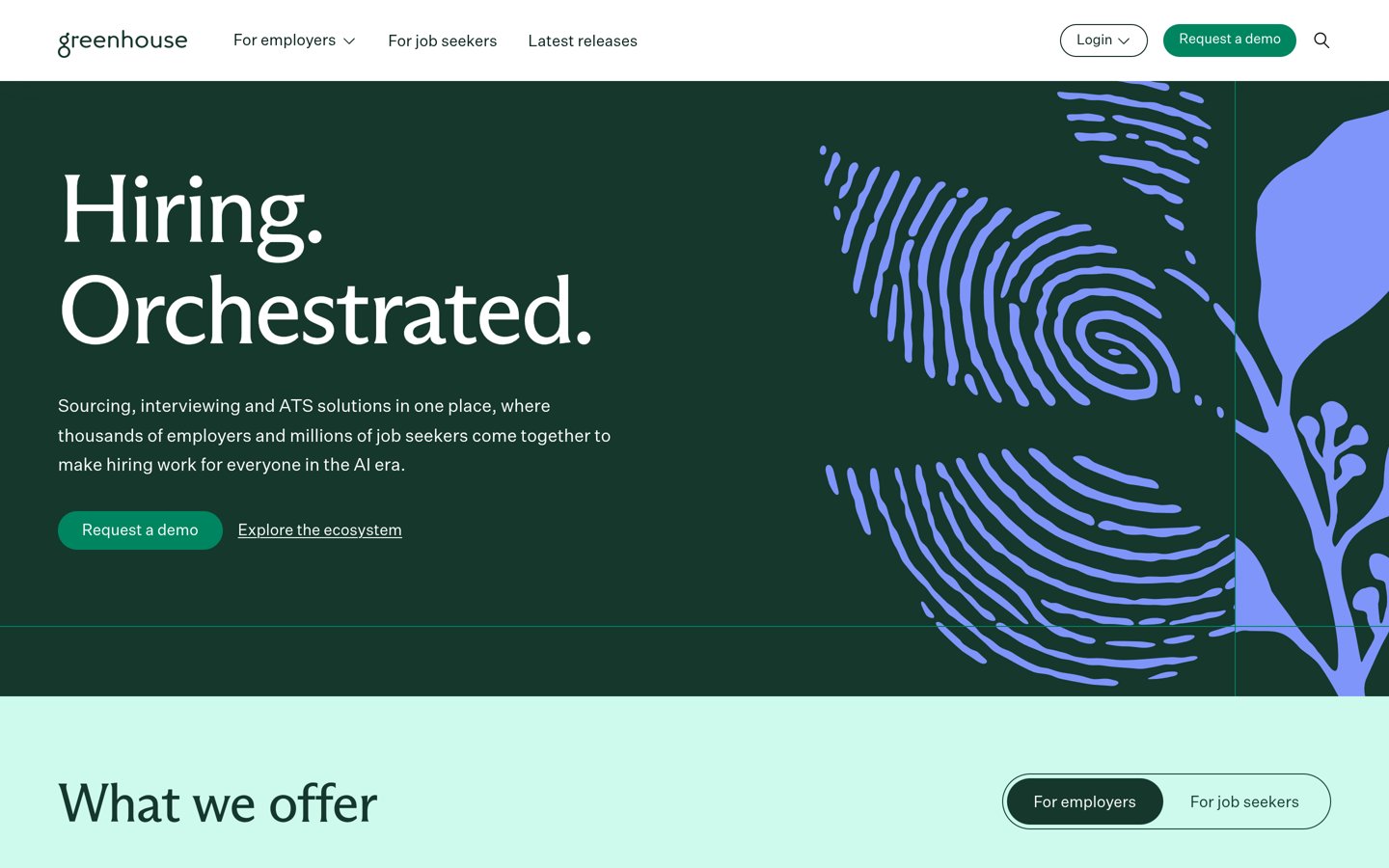
Greenhouse CRM is the nurture add-on inside the Greenhouse hiring platform, not a product you can buy on its own. It adds talent pools, automated outreach campaigns and sourcing workflows on top of the applicant data your recruiters already use in Greenhouse.
The trade off is that it only makes sense for Greenhouse customers. There is no standalone purchase, and pricing is bundled into Greenhouse contracts, so everyone else should evaluate the standalone CRMs above instead. It suits mid-market teams already running Greenhouse.
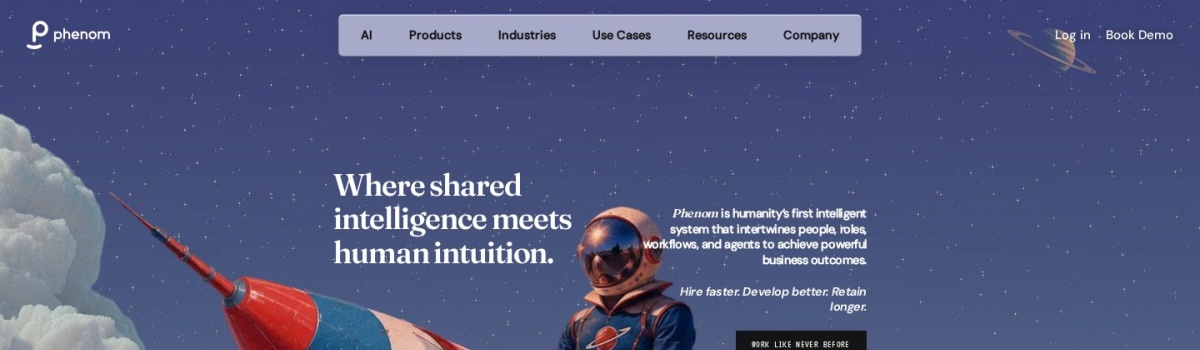
Phenom is an applied-AI platform for HR that spans the candidate journey, with AI agents handling sourcing, screening, scheduling and engagement. For nurturing, its strength is personalization at scale: candidates get relevant job recommendations and content automatically, which keeps them warm without recruiter effort.
The trade off is scope. Phenom wants to be the system for hiring, development and retention, which is great if you are standardizing but heavy if you just want drip campaigns. It suits enterprises that want AI across the whole hiring journey.
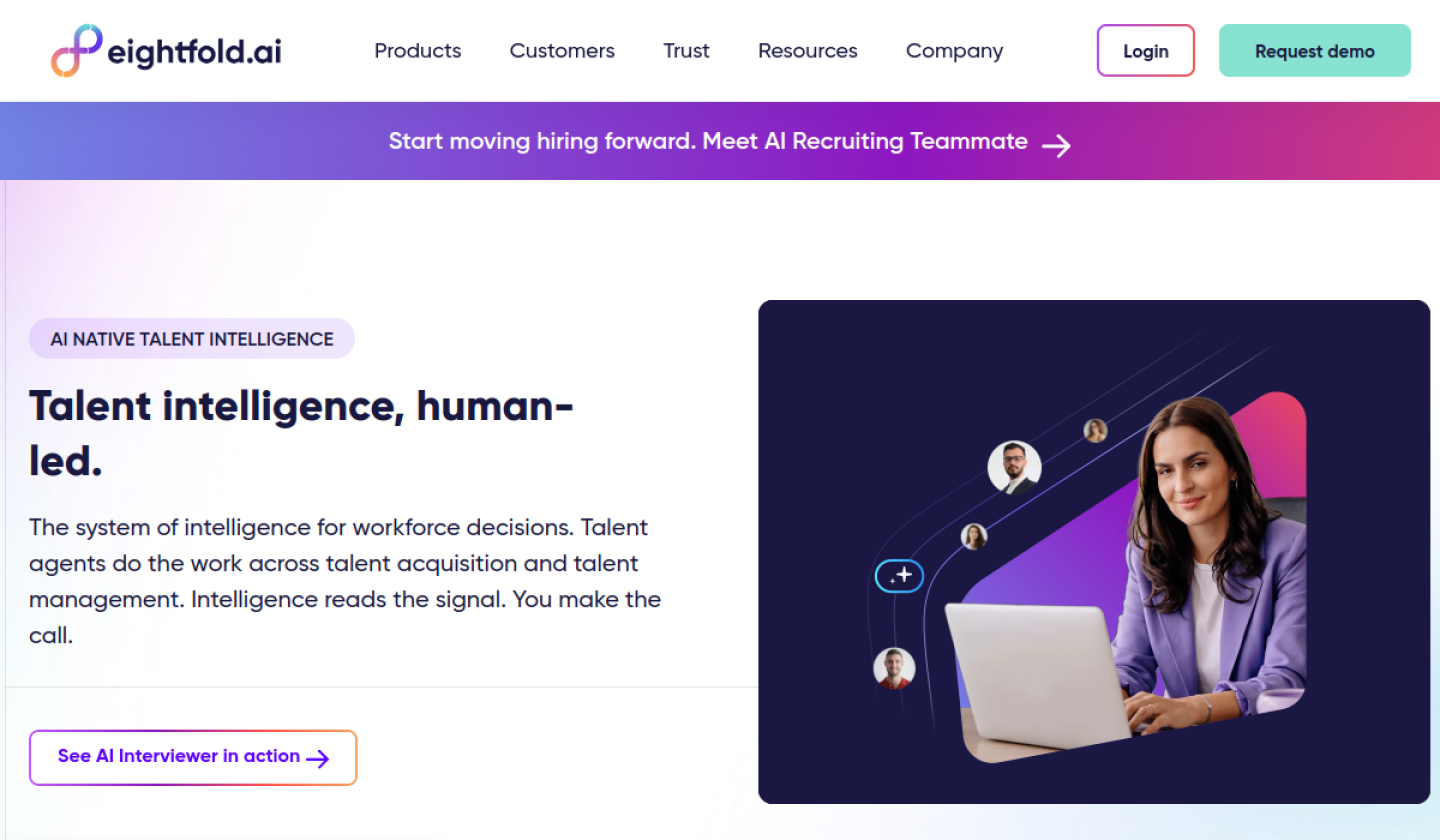
Eightfold is a talent intelligence platform that builds deep profiles from resumes, public data and your ATS history, then uses AI to match people to roles they fit. For nurturing, that means automated rediscovery: when a req opens, the system surfaces warm candidates you already have.
The trade off is trust in the AI. Eightfold works best when you let the AI do the matching, which needs process change and stakeholder buy-in, and teams that want simple scheduled email campaigns will find lighter tools easier. It suits skills-based hiring teams with large databases.
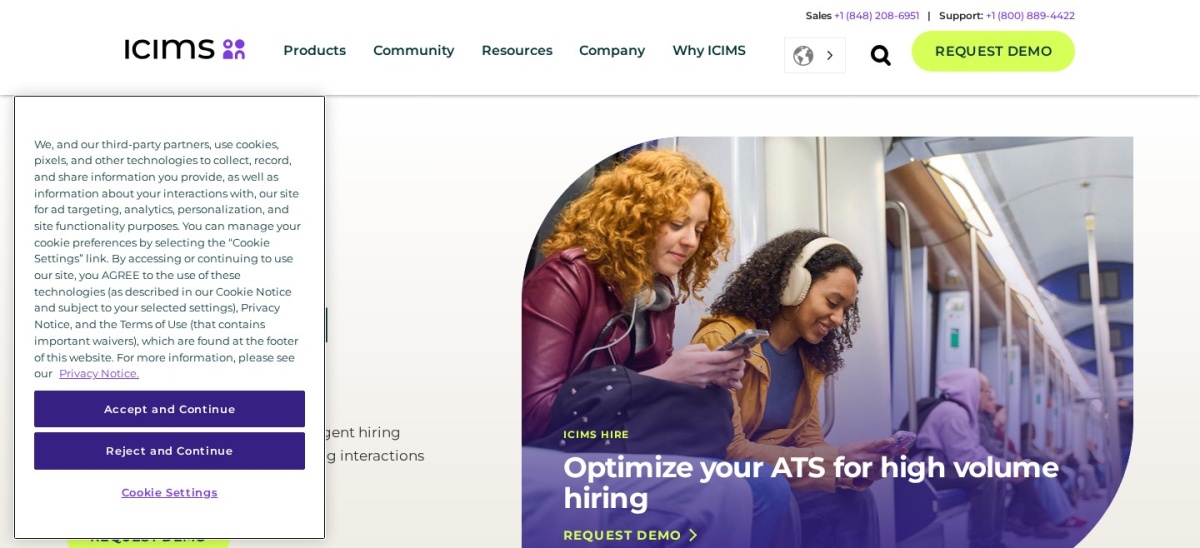
iCIMS is one of the largest recruiting software vendors, and its platform covers the whole journey from attraction to onboarding. Candidate nurturing lives inside its CRM and marketing automation: segmented talent pools, automated email and SMS campaigns, and engagement tracking tied to hiring outcomes.
The trade off is size. This is a standardization play with enterprise pricing and implementation, and the platform needs more administration than point solutions. It suits large organizations that want one vendor, one contract and one data model for all of recruiting.
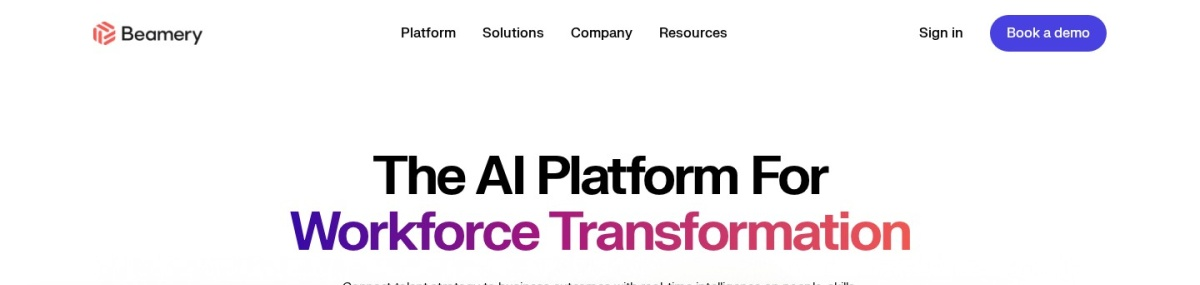
Beamery is a talent CRM built around skills data, with talent pools, targeted campaigns and pipeline analytics for organizations that treat talent pipelines as strategic assets. Instead of just storing resumes, it builds dynamic profiles that re-match old candidates to new openings automatically.
The trade off is that it is enterprise software in the full sense. Pricing is custom, implementation takes services and time, and the platform touches HR beyond recruiting, so mid-size teams should weigh whether they need that breadth. It suits enterprises building skills-based pipelines.
No tool in this list publishes a price or offers a free tier. Gem, Beamery, Avature, Phenom, Eightfold, iCIMS, Greenhouse CRM and Radancy all sell on custom annual contracts, so there is no published figure to compare.
The only public numbers are ranges and programs. Enterprise deals commonly run five figures a year, and Gem runs a startup program with six months free for companies under 30 employees, with a published $130 a month figure for the startup plan.
Budget for implementation as well as the licence. Point tools can run in weeks, while enterprise platforms take three to twelve months with professional services, which is often a bigger cost than the first year of software.
How we chose
We compared vendor sites, pricing pages and product documentation, then cross-checked features and prices against public reviews on G2 and Capterra and recruitment CRM comparisons from November 2026. Every rating here comes from G2 and was checked in October or November 2026.
We ranked purpose-built recruiting CRMs first, because sequence depth and rediscovery are the job. Platform bundles earned places where their nurture automation is strong, and ATS add-ons are marked as such so teams know they only fit existing customers.
No vendor paid for a place, and we do not claim hands-on testing for this list. Every price is shown as Custom because no vendor publishes one, and the Greenhouse CRM rating is the Greenhouse platform rating, since the add-on has no separate G2 profile.
How to choose candidate nurturing software
Start with whether you need a standalone CRM or a platform, then check the ATS sync.
Decide standalone CRM or platform. Gem, Beamery and Avature are standalone CRMs, while Phenom, Eightfold, iCIMS and Radancy bundle nurture into a wider suite. Pick the shape before the features.
Check the ATS sync. Nurture campaigns are only as good as the candidate data behind them, so confirm two-way sync with your ATS before you buy.
Test rediscovery on your own database. Ask each vendor to surface silver medalists and past applicants for a real open role, since that is the feature that pays for the tool.
Budget for implementation, not just the licence. Point tools can run in weeks, but enterprise platforms take three to twelve months with professional services, which often costs more than year one.
FAQ
What is the best software for automating candidate nurturing?
Gem is the best pick for most recruiting teams. It is a purpose-built recruiting CRM with multi-touch email and SMS sequences, talent pipelines and analytics tied to hires, rated 4.7 out of 5 from 305 G2 reviews.
How much does candidate nurturing software cost?
Every tool here sells on custom annual contracts with no published pricing. Enterprise deals commonly run five figures a year, and Gem is the only vendor with a published startup figure at about $130 a month.
What is the difference between a recruiting CRM and an ATS?
A recruiting CRM nurtures talent pipelines proactively with campaigns and sequences before a role opens. An ATS manages applicants after they apply, tracking interviews and offers for open roles.
Is Greenhouse CRM a standalone product?
No, Greenhouse CRM is an add-on inside the Greenhouse hiring platform. It adds talent pools and automated outreach for teams already running Greenhouse, and it cannot be bought on its own.
Can small teams use these tools?
Mostly not, since these are enterprise products with custom contracts. Gem is the exception: its startup program gives companies under 30 employees six months free, which is the only free start in this list.
What is a silver medalist candidate?
A silver medalist is a finalist who did not get the role but was strong enough to hire. Nurture software keeps them warm with campaigns and resurfaces them automatically when a similar role opens.
SaaS SEO and WordPress specialist with about 8 years of experience. Rakib compares WordPress plugins, themes, hosting and software using public pricing, documentation and user reviews. See how we rank.