SE Ranking is the best SEO rank checking software for most sites, tracking 2,000 keywords daily for $129 a month with audits and research in the same login. Pick AccuRanker for agency-grade daily tracking with on-demand refreshes, or SpyFu for the cheapest entry at $39 a month.
How we make this list: we compare pricing pages, product documentation and public user reviews, then re-check every price before each update. No product paid for a place. Disclosure.
SE Ranking tracks 2,000 keywords daily on its $129 Core plan, the most daily tracking per dollar in this list.
AccuRanker is the only tracker here with on-demand refreshes on every plan, but Professional starts at $249 a month.
Ahrefs updates weekly on every plan, so it suits research and rank history more than daily rank checks.
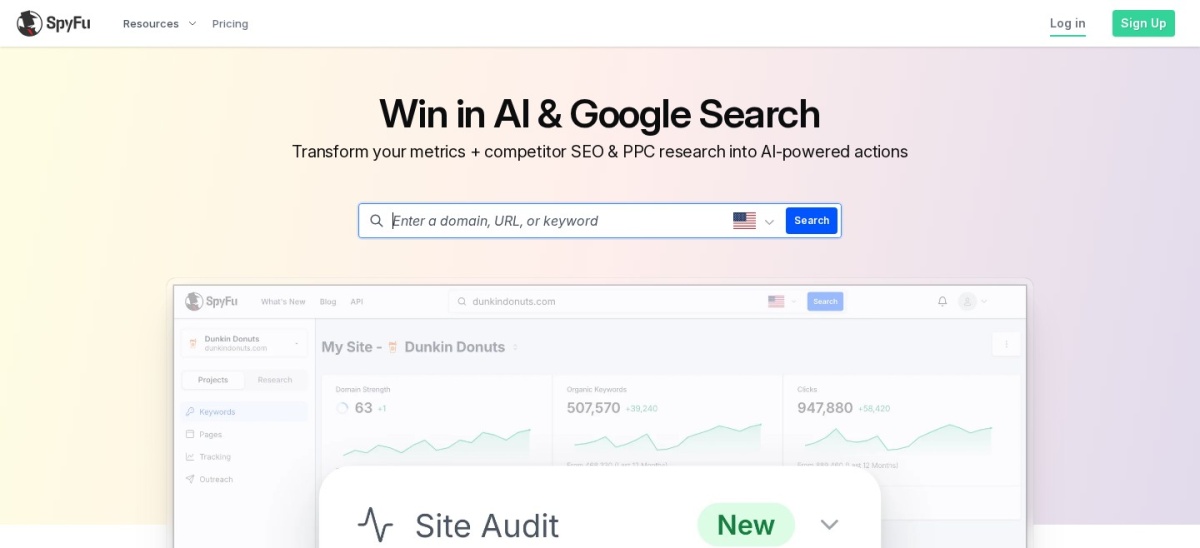
SpyFu is the cheapest entry at $39 a month, tracking 5,000 keywords weekly with 10+ years of competitor history.
Moz Pro Starter covers just 50 keywords for $49 a month, so it fits single-site owners, not agencies.
Only Semrush, Ahrefs and Mangools offer a free plan; the rest start with a trial or a demo.
What to look for in a rank checking tool
Rank checking software watches where your pages sit in search results for the keywords you choose, and alerts you when positions move. The best tools track desktop and mobile separately, cover more than one search engine, and keep a history you can look back on.
Update frequency is the first thing to check. Daily tracking catches sudden drops fast, while weekly tracking is fine for stable sites. Ahrefs and Mangools update weekly on their entry plans, so read the plan details before you buy.
Keyword allowance is the second. Entry plans here range from 50 keywords on Moz Pro Starter to 5,000 weekly keywords on SpyFu Basic. Our guide on keyword research for a WordPress blog shows how to pick the list worth tracking.
Price follows volume. Dedicated trackers charge by the keyword, while suites bundle tracking with audits, research and backlinks. A suite costs more per month but can replace two or three separate subscriptions.
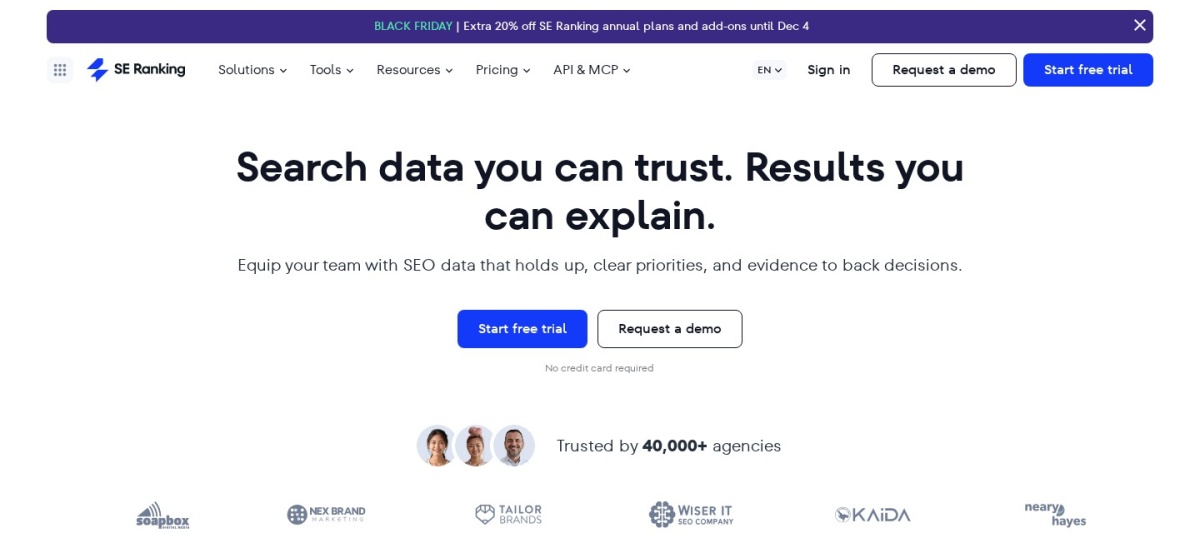
SE Ranking is an all-in-one SEO platform built around its rank tracker, which updates 2,000 keywords daily on the Core plan. The $129-a-month plan covers 10 projects, 250,000 audit pages a month, keyword and competitor research, and AI visibility tracking across 5 engines with 25 prompts a day.
The trade off is price for small sites. Core costs $129 a month ($103.20 billed annually), more than double the old Essential plan it replaced, and white-label reporting needs the $69-a-month Agency Pack. It suits agencies and growing sites that track hundreds of keywords and want audits and research in one login.
What we like
2,000 keywords tracked daily on the entry plan
Audits, research and backlink monitoring included
AI visibility tracking on every plan
14-day free trial with no credit card
Watch out for
Entry price jumped with the Core plan rename
White-label reports cost $69 a month extra
Payments are non-refundable except for undelivered service
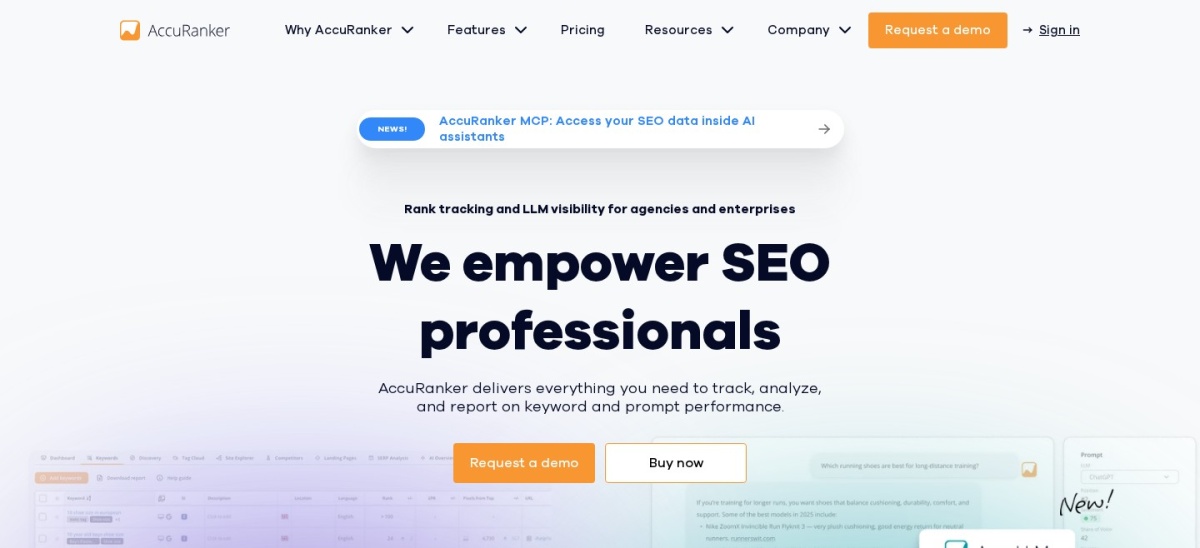
AccuRanker is a dedicated rank tracker that does one job: daily keyword positions with on-demand refreshes when you need a number right now. Professional starts at $249 a month for 2,000 keywords, with tagging, advanced filtering, Search Console and Analytics connections, and reporting built for agency workflows.
The trade off is price. Professional starts at $249 a month ($224 billed annually), and the unlimited read API only arrives on Expert at $849 a month, so small sites overpay for headroom they never use. It suits agencies where ranking data is the product and clients ask for numbers mid-meeting.
What we like
On-demand refresh of single keywords or whole domains
Semrush is a full SEO and brand visibility suite, and its Position Tracking tool updates 500 keywords daily on the SEO plan. The $139-a-month plan covers 5 websites, keyword research, site audits, backlink analysis and AI search tracking, with a limited free plan for trying it first.
The trade off is that you pay for a suite when you only need positions. Tracking alone costs $139 a month, extra seats cost $45 a month each, and multi-location tracking needs the Pro+ plan at $299 a month. It suits teams that want research, audits and rank tracking on one invoice.
What we like
Daily Position Tracking on every paid plan
Keyword research, audits and backlinks in one login
AI visibility tracking across ChatGPT, Gemini and Perplexity
Ahrefs is the reference tool for backlink analysis, and its Rank Tracker rides along with every plan. Lite costs $129 a month for 750 tracked keywords, 5 non-verified projects, 6 months of history and 150 AI prompt checks, with rank history sitting next to one of the largest backlink indexes available.
The trade off is cadence. Rank Tracker updates weekly on every plan, and daily updates need the paid Rank Tracker Pro add-on, so it misses sudden drops that daily trackers catch. It suits teams that already use Ahrefs and want positions beside backlink and keyword data.
Serpstat is a full SEO suite with rank tracking on every plan. Individual costs $69 a month ($50 billed annually) for 5 projects, 10,000 keyword position checks a month, daily updates on desktop and mobile, competitor tracking, site audits and 230 Google databases.
The trade off is the meter. Rank tracking is sold in position checks, not keywords, so 10,000 checks cover roughly 330 keywords checked daily, and heavy daily tracking pushes you up a tier fast. It suits freelancers who want research, audits and tracking on one cheaper bill.
What we like
Keyword research, audits, backlinks and API in one account
ProRankTracker is a specialist: rank tracking is the entire product, not a feature inside a suite. Starter costs $99 a month ($89 billed annually) for 1,000 terms with daily Top-100 updates on Google desktop and mobile, plus Maps, YouTube and AI platform tracking, with white-label reports agencies can schedule and brand.
The trade off is the term math. One term is one keyword on one URL, search engine and device, and each AI prompt costs 2 terms, so a wide list burns through the allowance fast. It suits agencies that report daily positions to clients and want the tracking bill separate from the suite bill.
SpyFu is a competitor research tool with rank tracking built in. Basic costs $39 a month ($29 billed annually) for 5,000 weekly tracked keywords, plus 10+ years of competitor keyword and ad history, so you can see when a rival started ranking for a term you care about.
The trade off is cadence and depth. Tracking updates weekly rather than daily, and SpyFu is a research tool first, so its rank reports are thinner than a dedicated tracker's. It suits marketers who buy it for competitor history and treat rank tracking as a useful extra.
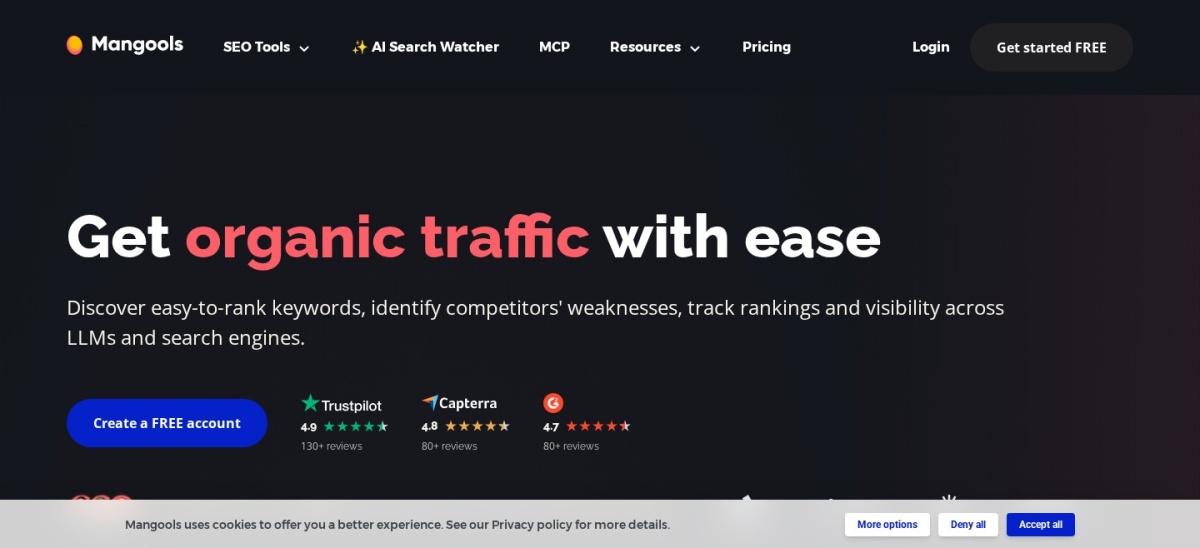
Mangools is a beginner-friendly SEO suite, and SERPWatcher is its rank tracking module. Basic costs $49 a month ($29.90 billed annually) for 200 tracked keywords, with a simple performance index, shareable reports and ranking alerts, plus KWFinder and SERPChecker in the same login.
The trade off is frequency. Basic and Premium update weekly, and daily tracking only arrives on the Agency plan at $129 a month, so fast-moving keywords need the top tier. It suits bloggers and small businesses that want the easiest tracker to read.
What we like
Clean interface aimed at beginners
KWFinder, SERPChecker, LinkMiner and SiteProfiler bundled in
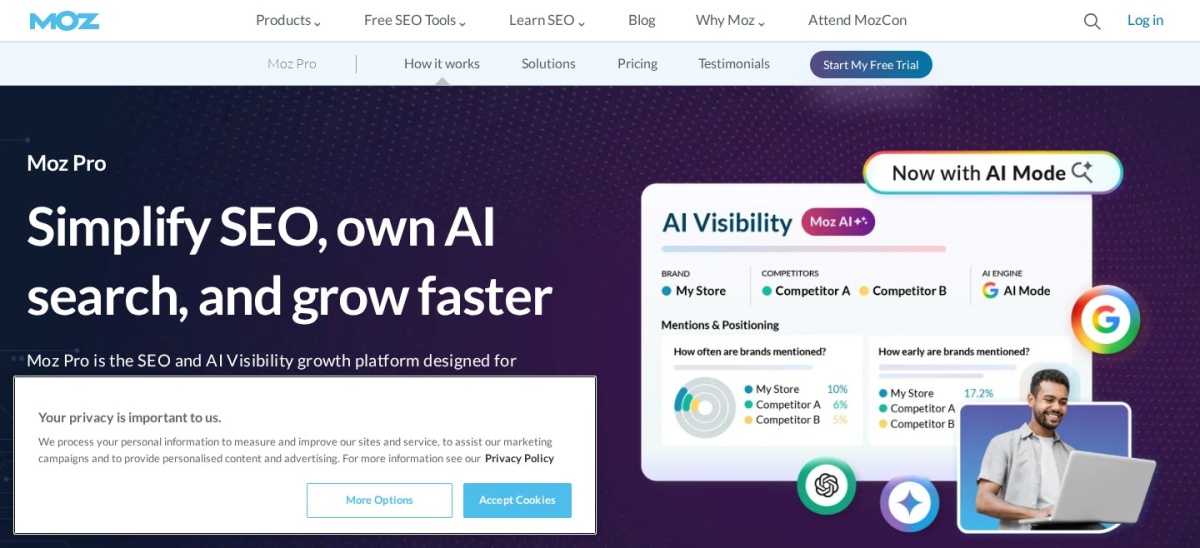
Moz Pro is a long-running SEO suite, and its Rank Tracker follows 50 keywords on the Starter plan. The $49-a-month plan covers 1 site with keyword research, link data and Domain Authority, the 1-100 score many SEOs still use as a quick read on a site's standing.
The trade off is scale. Starter covers 1 site and 50 keywords, so anyone tracking several client sites outgrows it fast. It suits single-site owners and beginners who want simple tracking beside Moz's research tools.
What we like
Simple setup aimed at beginners
Domain Authority and link data included
Keyword research in the same login
Long-running tool with deep documentation
Watch out for
Starter covers only 50 keywords
One site on the entry plan
Lowest G2 rating in this list at 4.3
Standard adds 300 keywords and more campaignsVisit moz.com
Daily vs weekly tracking: which do you actually need?
Daily tracking pays when you publish often, run client SEO, or watch volatile niches where positions swing overnight. Weekly tracking is fine for stable sites with a slow publishing cadence, where a trend line matters more than any single day.
The worst buy is a daily tracker whose update schedule you never look at. Match the cadence to your reporting rhythm: if you report to clients every month, weekly data plus a daily alert for big drops is usually enough.
Check what daily actually costs on the plan you buy. Ahrefs updates weekly on every plan and charges extra for daily, while Mangools only updates daily on its Agency plan. Our guide on using Google Search Console with WordPress shows how to pair free position data with a paid tracker.
How we chose
We started from the rank trackers and SEO suites most often recommended for position tracking, then kept nine with a public pricing page and a public rating on G2.
Prices come from each vendor's pricing page, checked on 25 November 2026. Ratings and review counts come from G2 on the same day. Where a vendor shows a sale, the list shows the regular price.
We left out Nightwatch, which prices in euros, and tools with no public rating. Wincher was removed after its homepage screenshot kept returning a cookie consent modal. No vendor paid for a place, and we do not claim to have used these tools ourselves.
How to choose SEO rank checking software
Start with your keyword list, then match the plan to it.
Count the keywords you actually track. Entry plans range from 50 keywords on Moz Pro Starter to 5,000 weekly keywords on SpyFu Basic. Buy the plan that fits your real list, with room for growth.
Decide how often you need fresh data. Daily updates catch sudden drops; weekly updates suit stable sites. Ahrefs and Mangools update weekly on their entry plans, so check the plan details.
Check locations, devices and search engines. Local businesses need city-level tracking, and mobile-heavy sites need mobile rankings separate from desktop. See how to connect Google Search Console to WordPress for free position data to compare against.
Try the trial before you pay for a year. Most tools here offer a free plan or a 7- to 14-day trial. Track your real keywords through the trial and check the reports you would actually send.
FAQ
What is the best SEO rank checking software?
SE Ranking is the best pick for most sites. Its Core plan tracks 2,000 keywords daily for $129 a month, with audits, keyword research and AI visibility tracking in the same login, and it is rated 4.7 out of 5 on G2.
How much does rank checking software cost?
Entry plans in this list run from $39 a month for SpyFu Basic to $249 a month for AccuRanker Professional. Most small sites pay $49 to $129 a month, and annual billing usually saves 10 to 20 percent.
Do I need daily rank tracking or is weekly enough?
Daily tracking matters when you publish often, report to clients, or track volatile keywords where positions swing overnight. Weekly tracking is fine for stable sites, and it costs less: SpyFu and Mangools both update weekly on their entry plans.
Can I track rankings for free?
Yes, in a limited way. Semrush, Ahrefs and Mangools offer limited free plans, and Google Search Console shows average positions for free. Free plans cover few keywords, so a paid plan is needed for serious tracking.
Which rank tracker is best for agencies?
AccuRanker is the strongest agency pick, with daily updates, on-demand refreshes, tagging and white-label reporting from $249 a month. SE Ranking costs less at $129 a month and adds audits, though white-label reports need its $69 Agency Pack.
What is the difference between rank tracking and rank checking?
They describe the same job: watching where pages rank for chosen keywords over time. Rank checking usually means looking up a position on demand, while rank tracking means scheduled checks with history, alerts and reports.
SaaS SEO and WordPress specialist with about 8 years of experience. Rakib compares WordPress plugins, themes, hosting and software using public pricing, documentation and user reviews. See how we rank.