Best MCP Tools for Building AI Agents in 2026: 8 Tools Compared
WLWPLegible EditorsLast verified 23 Nov 2026How we rank9 min read
★ Short answer
n8n is the best MCP tool for building AI agents for most teams: it is free to self-host, rated 4.7 out of 5 from 327 G2 reviews, and its AI Agent nodes and MCP support cover real agent work. LangChain is the best code framework at 4.5 from 154 reviews, and Zapier is the easiest no-code start.
How we make this list: we compare pricing pages, product documentation and public user reviews, then re-check every price before each update. No product paid for a place. Disclosure.
n8n is free to self-host with unlimited runs, and Cloud Starter costs $20 a month for 2,500 executions.
LangChain's MCP adapters are free and open source, while LangSmith Plus costs $39 a seat a month for tracing and evaluation.
Composio's Hobby plan is free with 100,000 tool calls a month, and Pro costs $29 a month.
Zapier has the most reviews here at 2,108, and its free plan covers 100 tasks a month.
CrewAI has the thinnest review base here at 3 G2 reviews, so treat its 4.5 score with caution.
What to look for in mcp tools for building ai agents
MCP, the Model Context Protocol, is the shared plug shape that lets AI clients call external tools in a structured way. The tools in this list sit at different layers: frameworks, runtimes, connectors and no-code builders.
LangChain and LlamaIndex are code libraries. n8n, Dify and Zapier run the agent. Composio and Arcade supply the authenticated tools the agent calls. A realistic production stack takes one item from several rows, not one tool for everything.
Price follows the layer. Frameworks are free and open source, while the money sits in the hosted products next to them: LangSmith, LlamaCloud and Composio Pro. Our guide on AI agent platforms covers the wider field.
Check the license before self-hosting. n8n is fair code, not open source as the Open Source Initiative defines it, while LangChain and LlamaIndex are MIT licensed.
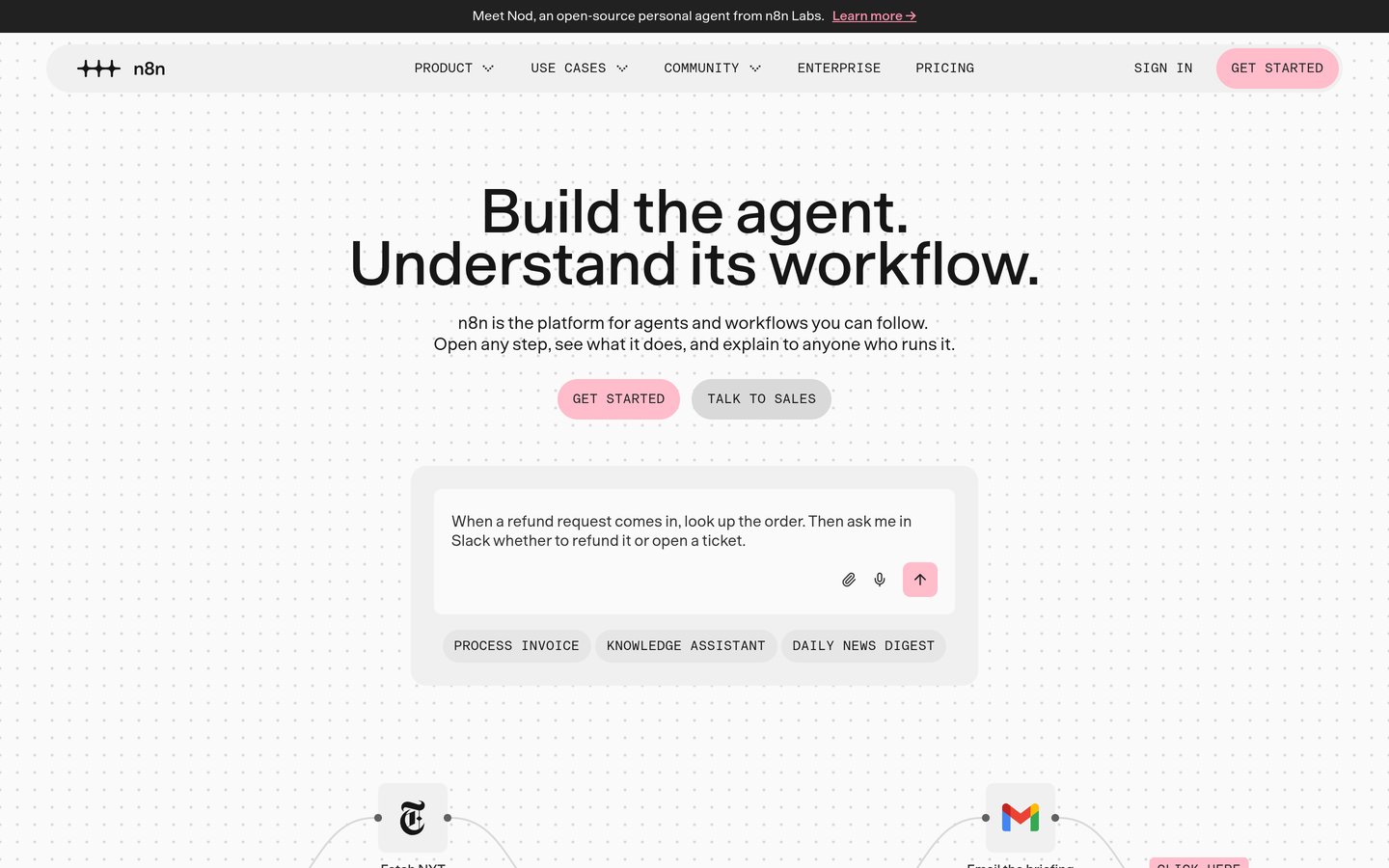
n8n is the workflow tool most technical teams land on for AI agents, rated 4.7 out of 5 from 327 G2 reviews. It pairs a visual node editor with AI Agent nodes built on LangChain, supports the Model Context Protocol, and bills cloud usage by execution rather than by step.
The trade off is the learning curve. The node editor expects some comfort with data structures and code, and the fair-code license restricts reselling it as a hosted service. It fits technical teams that want AI workflows they run themselves.
What we like
Free to self-host with unlimited runs
AI Agent nodes and MCP support
Per-execution billing, not per step
Watch out for
Node editor needs technical comfort
Fair code, not open-source licensed
Cloud plans add more executions and usersVisit n8n.io
02
LangChain
4.5/5on G2 (154 reviews, checked Nov 2026)
Paid from$39/seat/mo
Best code framework for agents
G2 rating4.5/5
G2 reviews154
Free planYes, open source
Entry paid planLangSmith Plus, $39/seat/mo
langchain.com
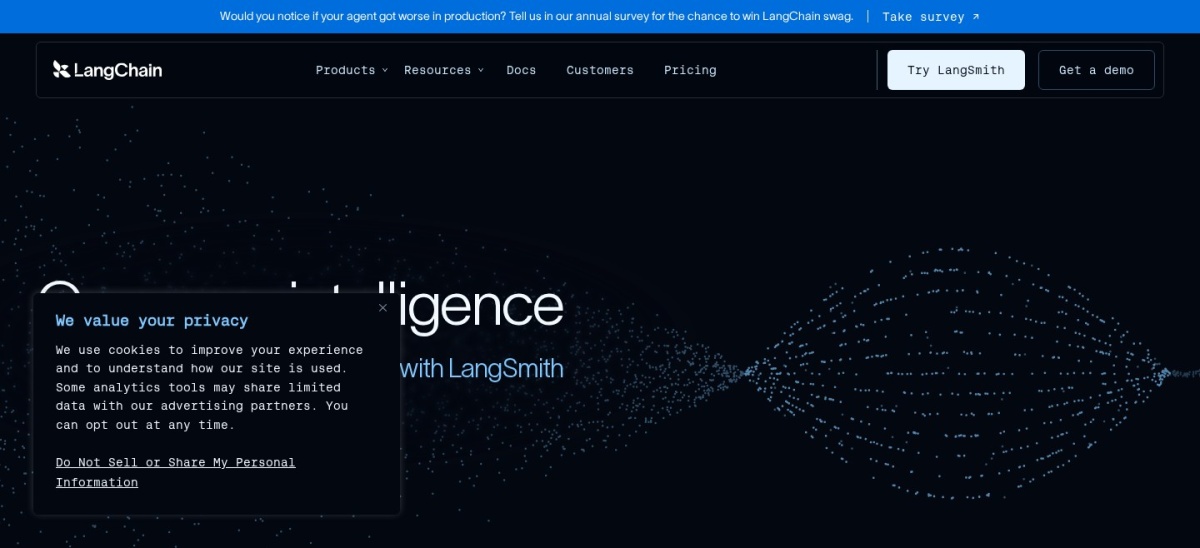
LangChain homepage, captured Nov 2026.
LangChain is the code library of LLM building blocks, rated 4.5 out of 5 from 154 G2 reviews. Its MCP adapters expose tools to any MCP client, and LangGraph adds stateful agent control flow with checkpointing, while LangSmith traces, evaluates and monitors the agents in production.
The trade off is cost at scale. The framework is free and MIT licensed, but LangSmith Plus costs $39 a seat a month plus $5 per 1,000 traces past the included 10,000. It fits teams building agents in code on LangChain or LangGraph.
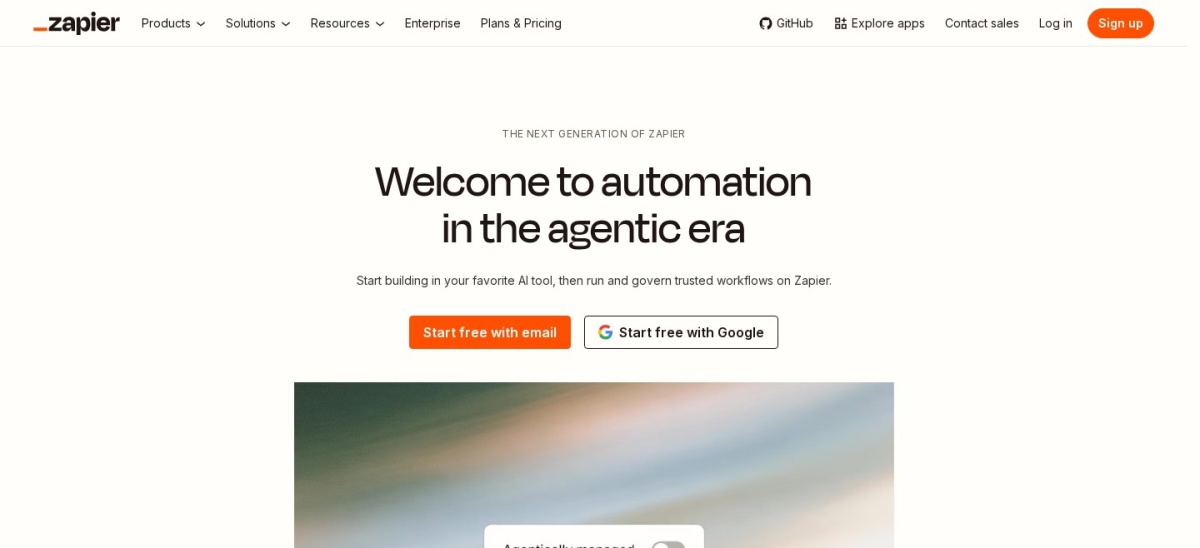
Zapier is the no-code control plane for AI workflows, rated 4.5 out of 5 from 2,108 G2 reviews, the most in this list. It connects more than 9,900 apps, runs Copilot and Agents, and exposes MCP so an agent can call Zapier actions, with a free plan covering 100 tasks a month.
The trade off is task pricing. Starter costs $19.99 a month, and heavy agent work burns tasks fast, so high-volume teams pay more than on n8n. It fits non-technical teams that want agents across the apps they already use.
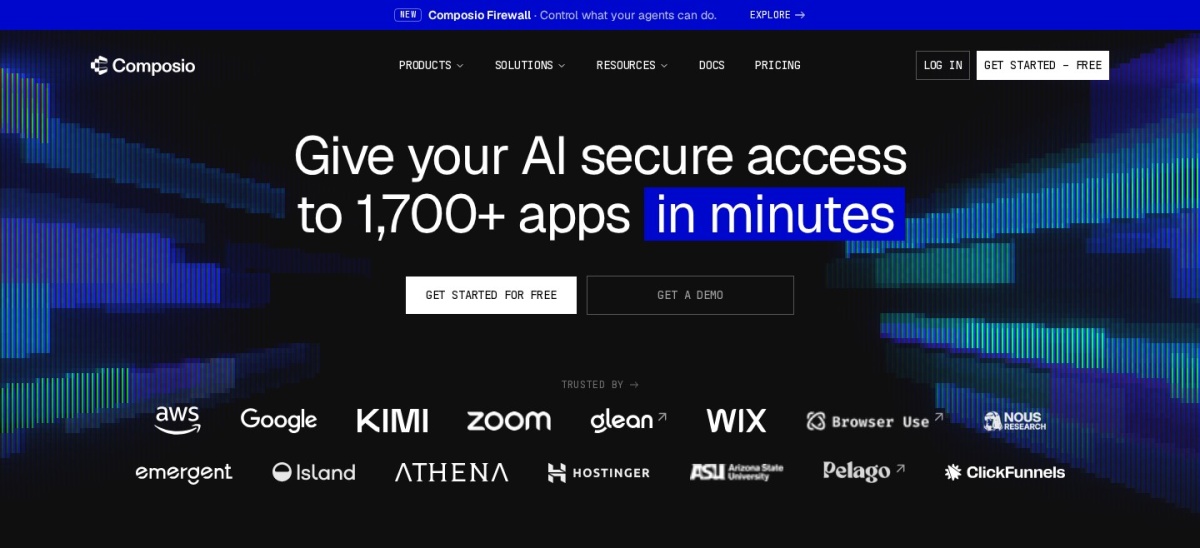
Composio is the managed connector and auth layer for agents, rated 4.7 out of 5 from 14 G2 reviews. It gives AI agents authenticated, per-user access to 1,500+ apps through SDKs and a single MCP gateway, so agents never hold credentials directly.
The trade off is the thin review base and a May 2026 security incident in which an attacker reached internal systems and compromised customer credentials. It fits teams whose agent must act as each of their users.
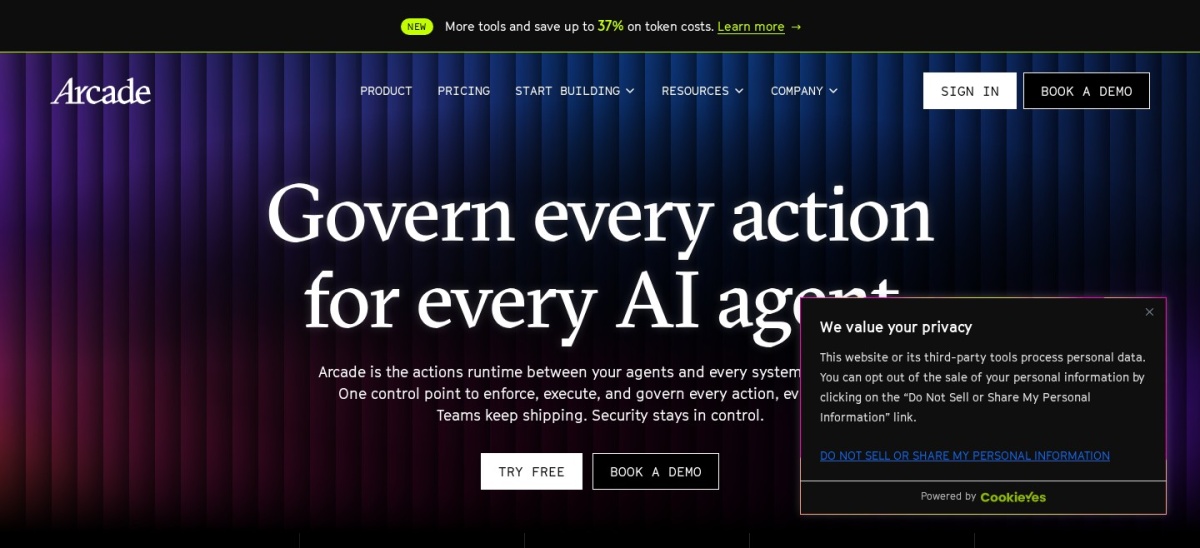
Arcade is the stronger pick when governance and self-hosting decide the deal, rated 4.6 out of 5 from 181 G2 reviews. It exposes tools to agents through MCP with policies, audit trails and managed authentication, and it supports self-hosting for teams that need it.
The trade off is pricing. Arcade publishes no prices, so the cost only appears after a sales conversation. It fits teams that need governed agent actions with an audit trail.
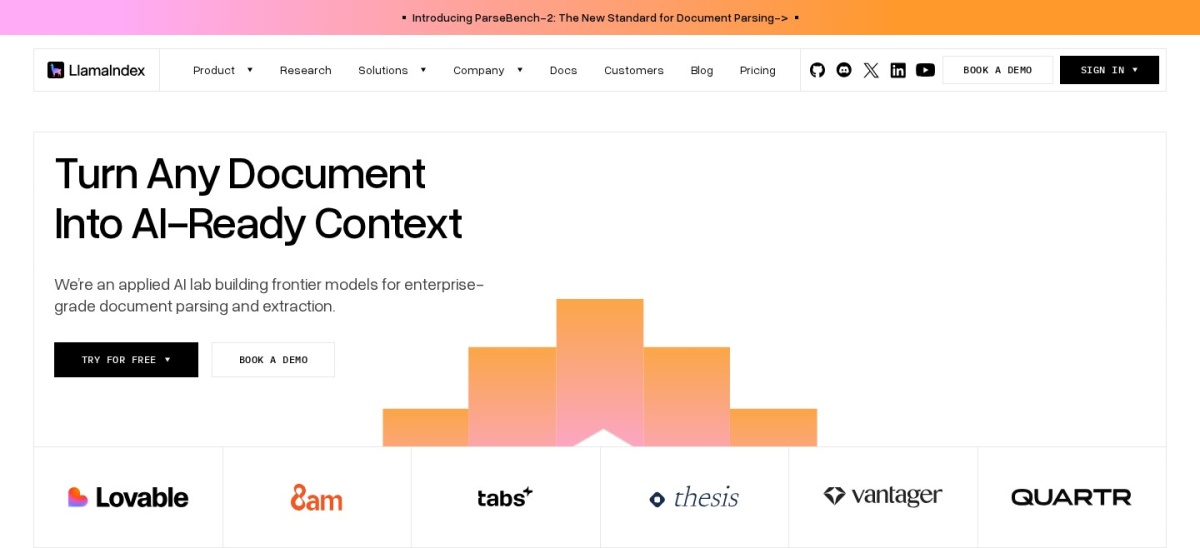
LlamaIndex is a data framework for agents over your data that began as a RAG indexing library, rated 4.3 out of 5 from 55 G2 reviews. Its Workflows runtime adds checkpointing and streaming, while LlamaCloud sells managed parsing, extraction and indexing on credits.
The trade off is the credit model. LlamaCloud Starter costs $50 a month for 40,000 credits, and the price can get unpredictable when document complexity varies. It fits teams whose agents must parse and retrieve messy corporate data.
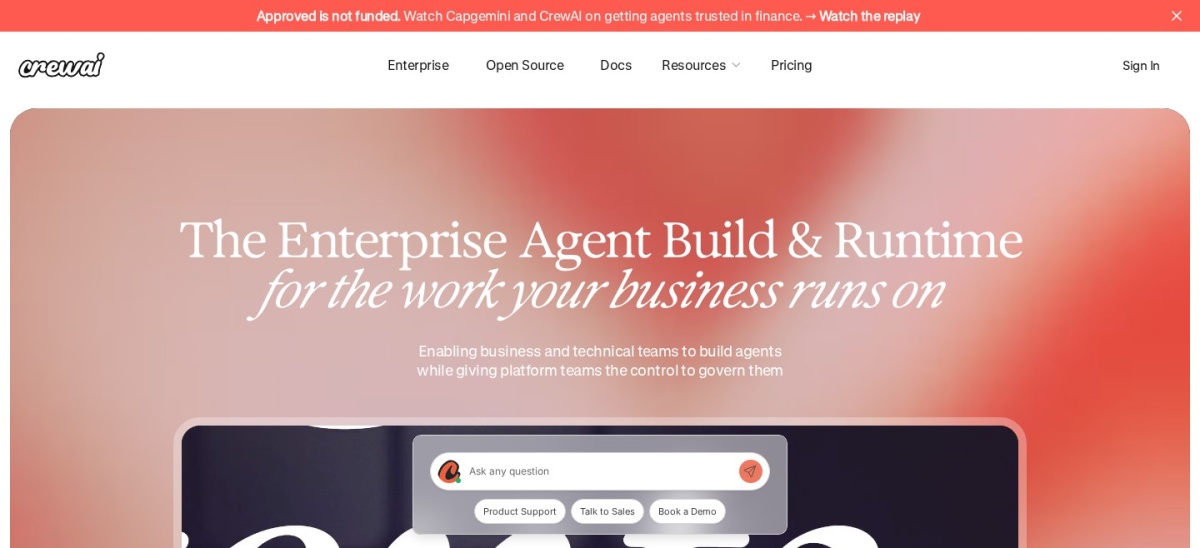
CrewAI is the multi-agent framework in this list, rated 4.5 out of 5 from just 3 G2 reviews. It organises agents into crews with roles, goals and tools, so a research agent, a writing agent and a review agent can work a task in sequence.
The trade off is evidence. Three reviews is the thinnest base in this list, and paid plans are unverified, so the score carries little weight. It fits developers building role-based multi-agent systems in code.
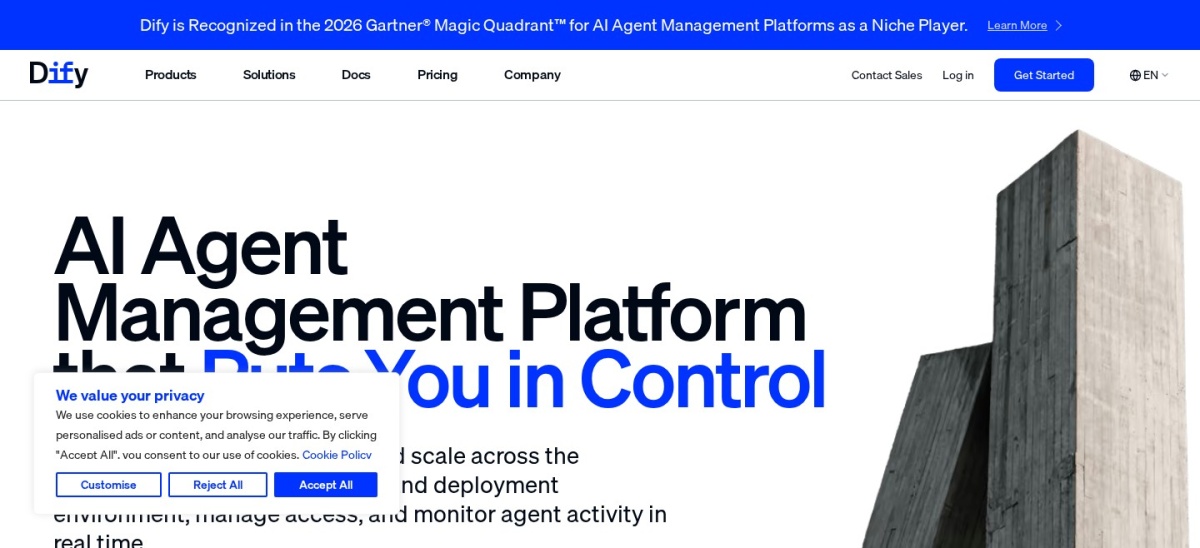
Dify is the open-source agent studio in this list, rated 4.1 out of 5 from 20 G2 reviews. It combines a visual builder, RAG pipelines and model management in one place, and it is free to self-host, with Cloud Professional at $59 a month for teams that want hosting.
The trade off is maturity. It has the lowest rating in this list and the smallest hosted footprint among the builders here. It fits teams that want an open-source agent studio they can run themselves.
Most of these tools are not competitors. MCP and Composio supply tools, LangChain is a library, LangGraph and n8n run the agent, and Zapier and Dify are the builders on top.
A realistic production stack takes one item from several rows: LangGraph for orchestration, Composio or Arcade for tools, and n8n for business triggers and glue.
Pick by job, not by brand. n8n for automation with an LLM step, LangChain for branching agents with approval, and Composio only when the agent acts as each of your users.
How we chose
We started from every MCP tool with a public rating on G2, Capterra or Trustpilot, then kept the ones a buyer can actually evaluate, with a published price or a free plan.
Prices come from each vendor's pricing page, checked on 23 November 2026. Ratings and review counts come from G2 on the same day. Where a vendor shows a sale, the list shows the regular price.
No vendor paid for a place, and this list is based on pricing, docs and reviews, not on using the tools ourselves.
How to choose an MCP tool for AI agents
Start with your layer, then check the license.
Pick your layer first. Frameworks, runtimes, connectors and builders solve different problems, so decide which layer you are buying before comparing tools.
Check the license for self-hosting. LangChain and LlamaIndex are MIT licensed, while n8n is fair code with limits on reselling it as a hosted service.
Count the meter. n8n bills per execution, Zapier per task and Composio per tool call, so the same agent workload costs very different amounts.
Pilot on the free tier. n8n self-hosted, LangChain open source and Composio Hobby all let you build a real agent before any payment.
FAQ
What is the best MCP tool for building AI agents?
n8n is the best MCP tool for most teams. It is free to self-host with unlimited runs, rated 4.7 out of 5 from 327 G2 reviews, and its AI Agent nodes and MCP support cover real agent work, with Cloud Starter at $20 a month for teams that want hosting.
What is MCP?
MCP, the Model Context Protocol, is an open protocol for exposing tools and data to any LLM client in a structured way. It is a plug shape, not a framework or a runtime, and it lets Claude, Cursor, Codex and other clients call the same tools.
Is LangChain free?
Yes. The LangChain framework is free and MIT licensed, and its MCP adapters are open source. The paid product next to it is LangSmith, which costs $39 a seat a month on Plus for tracing, evaluation and monitoring.
How much does n8n cost?
n8n is free to self-host with unlimited runs. Cloud Starter costs $20 a month for 2,500 executions, or $24 billed monthly, and Pro costs $50 a month for 10,000 executions. One full workflow run counts as a single execution.
What is Composio used for?
Composio gives AI agents authenticated, per-user access to 1,500+ apps through SDKs and a single MCP gateway. It manages OAuth and API keys so agents never hold credentials, and its Hobby plan is free with 100,000 tool calls a month.
Is Zapier good for AI agents?
Zapier is the easiest no-code start for agents, with 9,900+ app integrations, Copilot and Agents, and MCP support. The free plan covers 100 tasks a month, but per-task pricing punishes high-volume agent work, so heavy teams pay more than on n8n.