Semrush is the best keyword search software for most sites, with the widest toolset and a 4.5/5 G2 rating from 3,932 reviews. Pick Ahrefs for backlink depth, SE Ranking for the best value at $52 a month, or KeySearch if you need the cheapest paid plan at $24 a month.
How we make this list: we compare pricing pages, product documentation and public user reviews, then re-check every price before each update. No product paid for a place. Disclosure.
Semrush is the top pick: the widest keyword toolset, rated 4.5/5 on G2 from 3,932 reviews, from $139.95 a month.
Ahrefs is the runner-up for keyword depth and backlinks, at $129 a month with a free Webmaster Tools tier.
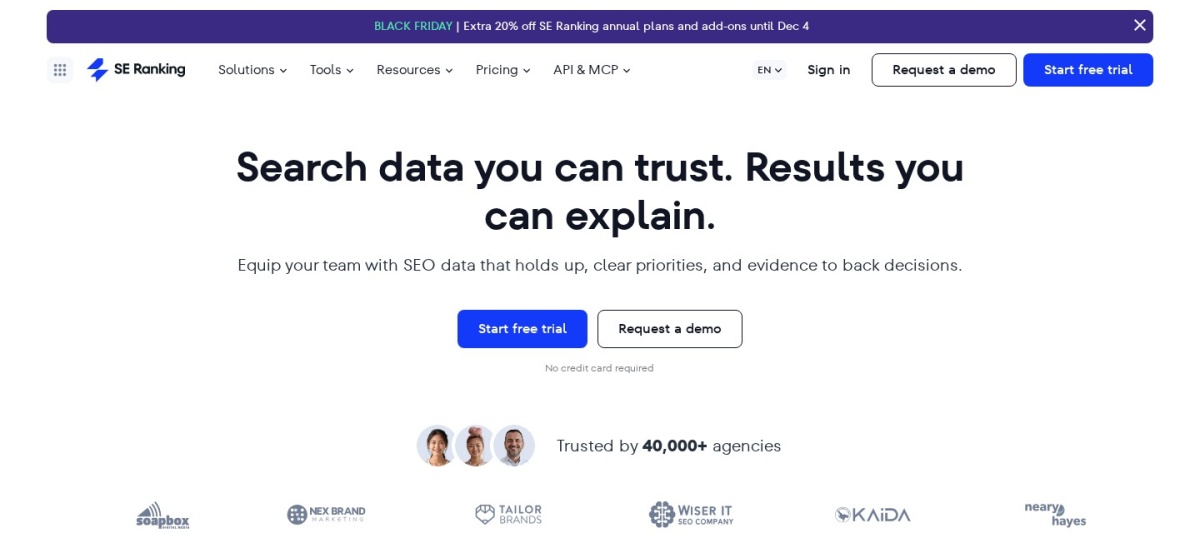
SE Ranking is the best value full suite at $52 a month, with the highest G2 rating here at 4.7/5.
Mangools and KeySearch are the cheapest useful picks: $29.90 and $24 a month, both with a free way to try them.
Prices range from $24 to $139.95 a month, and every tool here has a public G2 or Trustpilot rating.
What keyword search software should cover
Keyword search software turns a seed idea into a list of terms people actually search for, with volume, difficulty and intent attached. The best tools also show who already ranks for each term, so you can judge whether you can win it.
Look for volume and difficulty data you can trust, plus SERP analysis that shows the pages you would need to outrank. Rank tracking matters too: a tool that only finds keywords leaves you guessing whether your work moved the needle.
AI search adds a new check. Our guide on how to do keyword research for a WordPress blog covers the basics, and several tools below now track brand visibility in AI answers as well as Google results.
Price is the widest gap in this list. Entry plans run from $24 to $139.95 a month, and annual billing usually cuts the monthly rate, so compare the same billing term before you decide.
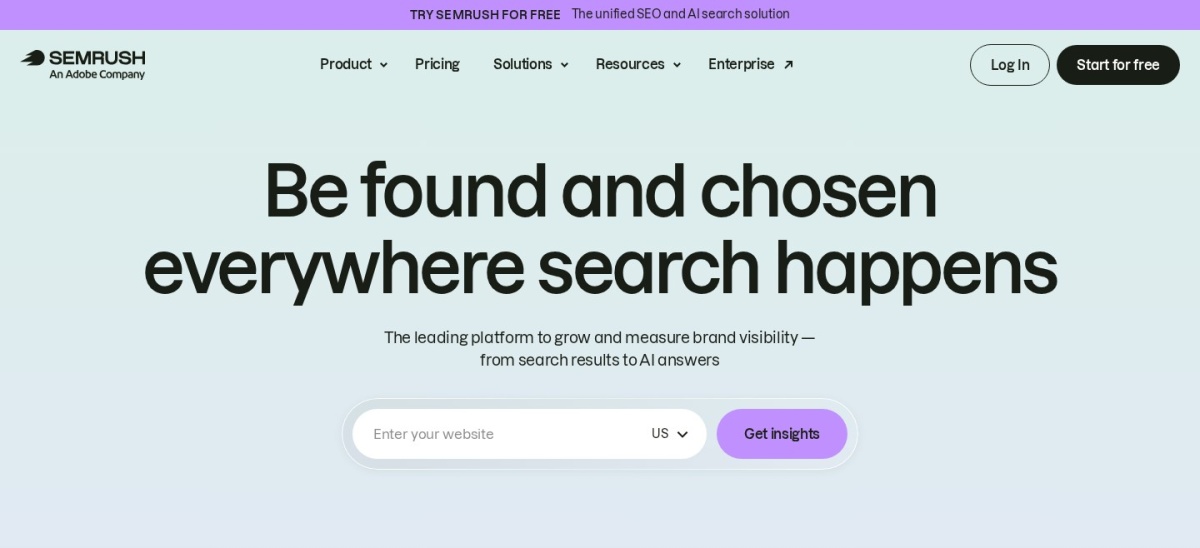
Semrush is the largest all-in-one SEO platform in this list, built around keyword research, rank tracking, site audits and backlink data. The free plan covers a small number of searches a day, while Pro at $139.95 a month opens the Keyword Magic Tool, gap analysis and AI Visibility tracking for search and AI answers.
The trade off is price and size. Pro costs more than every other tool here, and the dashboard packs in so many tools that new users can take a while to find the keyword workflows they need. It suits teams that want one subscription for keyword research, content and AI search visibility.
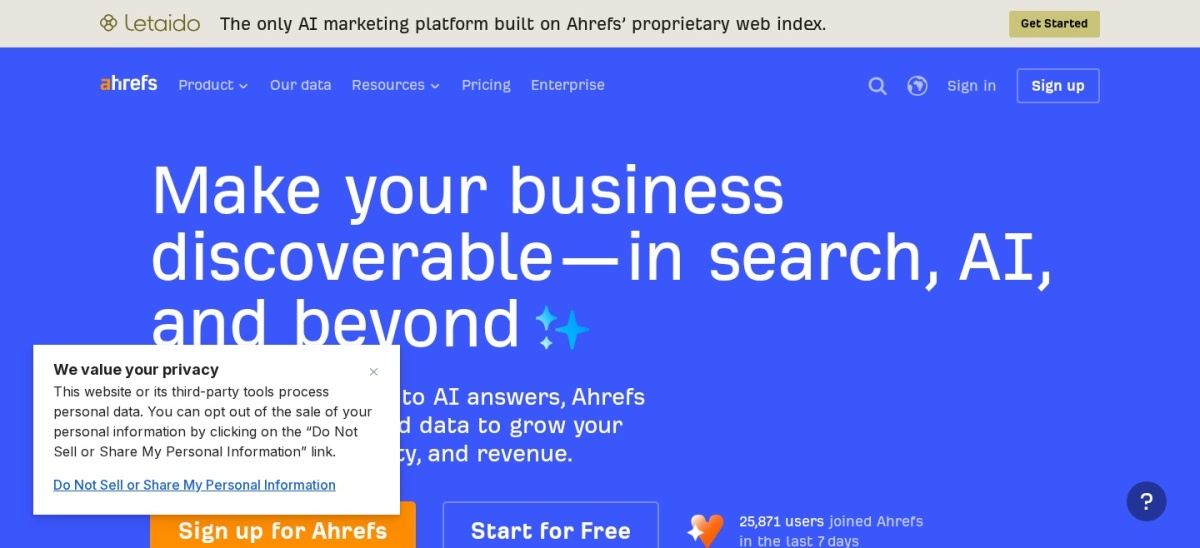
Ahrefs is a research platform known for keyword data and backlink analysis, with Keywords Explorer covering search volume, difficulty and parent topics. Ahrefs Webmaster Tools is free for sites you verify, while the Lite plan at $129 a month adds full keyword research, Site Audit and rank tracking.
The trade off is cost and credits. Lite is the second most expensive plan here, and usage limits on reports and credits can push heavy researchers toward the Standard plan. It suits SEOs who check backlinks and keyword gaps every day and want data they can trust.
What we like
Keyword difficulty and volume data reviewers praise
SE Ranking is an all-in-one SEO platform with keyword research, rank tracking, site audits and backlink checks in one subscription. Essential costs $52 a month and covers the core keyword workflow, with a 14-day free trial and no credit card required.
The trade off is scope. Some advanced features, including AI search tracking, cost extra as add-ons, and the entry plan caps the number of keywords you can track. A seasonal discount on annual plans was running when we checked, so the list shows the regular $52 monthly price. It suits small teams that want one affordable suite.
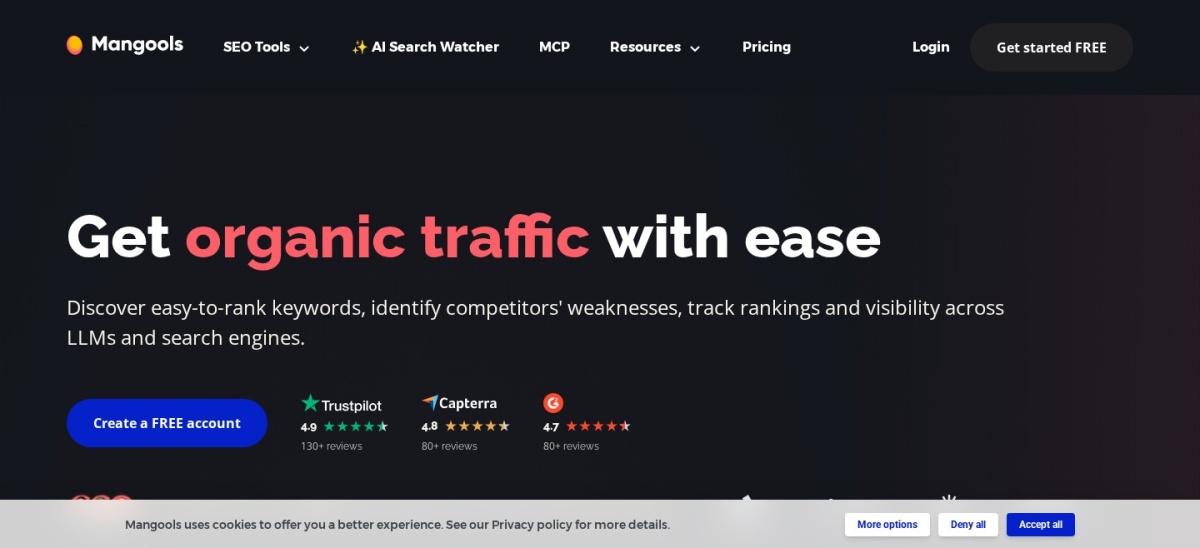
Mangools is a suite of five small SEO tools built around KWFinder, its keyword research tool. A search shows volume, difficulty, trends and CPC on one screen, and Basic costs $29.90 a month billed yearly with 100 keyword lookups a day and a free plan for trying it out.
The trade off is database size. KWFinder covers 2.5 billion keywords, far fewer than the big suites, so niche long-tail terms can return no data. Monthly billing costs $49 instead of $29.90. It suits bloggers and freelancers who want fast, readable keyword difficulty without a big suite.
Competitor keywordsEvery keyword a rival ranks for
PPC dataYes, ad history included
spyfu.com
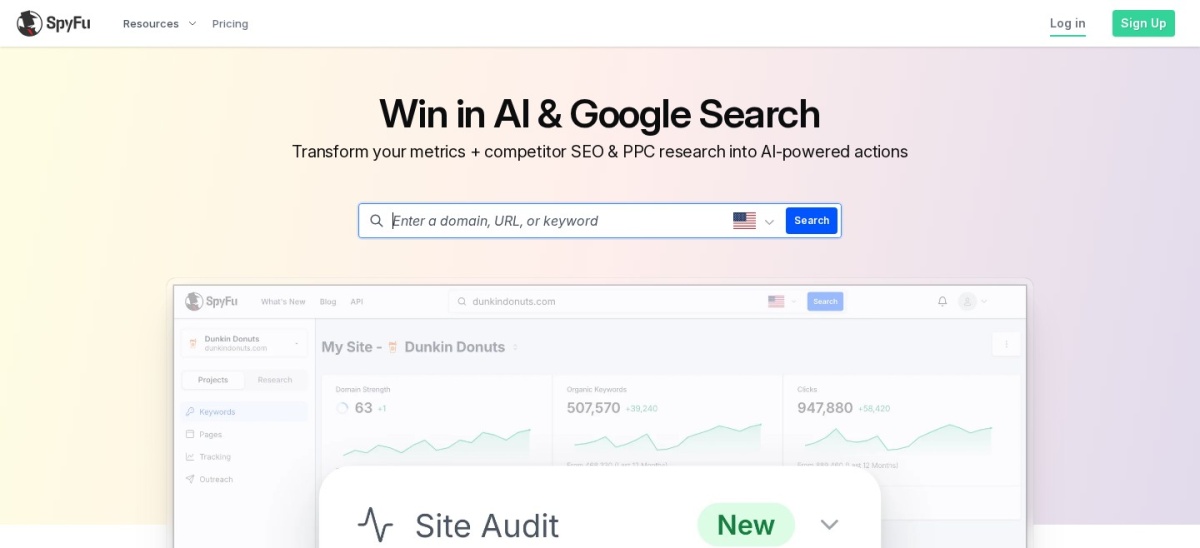
SpyFu homepage, captured Nov 2026.
SpyFu is a competitor research tool that shows every keyword a rival site ranks for, plus its paid search ads and history. Free searches need no account, and Basic at $59 a month adds unlimited searches, keyword grouping and AI-powered actions on the data.
The trade off is price movement. G2 listed Basic at $39 a month in older captures and $59 in the latest one, so check the current price before buying. It is also weaker than the big suites for site audits. It suits marketers who plan content and ads around what competitors already rank for.
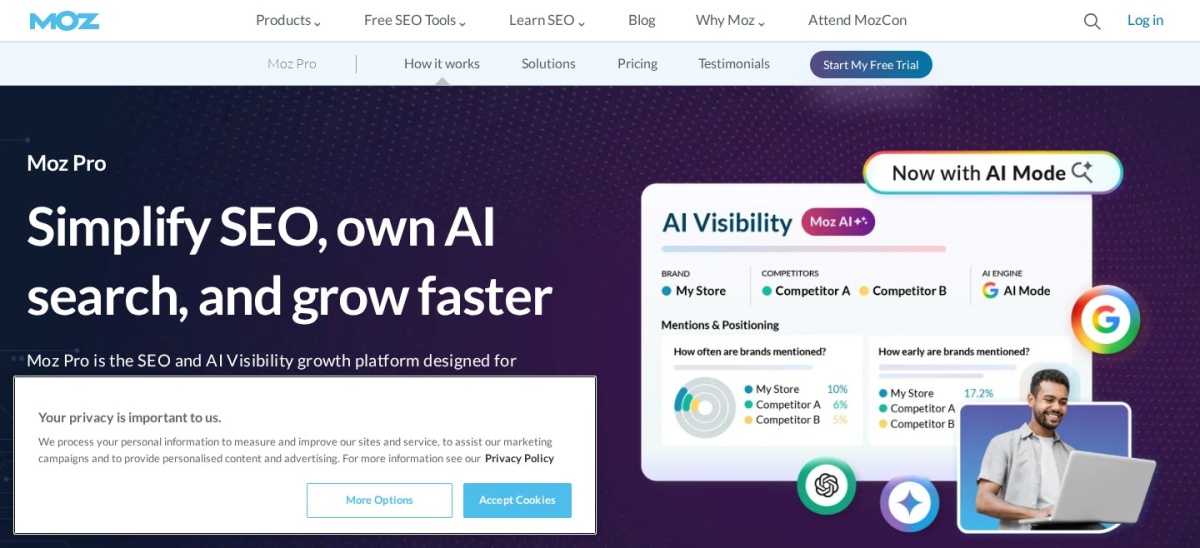
Moz Pro is an SEO platform built around Keyword Explorer, rank tracking, site crawls and Link Explorer, plus Domain Authority, the ranking metric Moz created. Starter costs $49 a month for one website, and a 30-day free trial covers the paid plans.
The trade off is limits. Starter covers one site with tight keyword caps, so growing teams move to Standard at $99 a month sooner than they expect. It suits solo marketers who want clear keyword data and Moz Academy training in one place.
What we like
Domain Authority is a familiar metric for outreach
Beginner-friendly with Moz Academy training
Lowest entry price of the big suites
Watch out for
Starter covers one site only
Lowest G2 rating in this list at 4.3/5
Starter adds Keyword Explorer and rank trackingVisit moz.com
07
Keyword Tool
4.5/5on G2 (19 reviews, checked Nov 2026)
Paid from$89/mo
Best for long-tail autocomplete ideas
Free planYes, suggestions only
Cheapest paid planBasic, $89/mo
Platforms coveredGoogle, YouTube, Amazon
Keyword ideasAutocomplete suggestions
keywordtool.io
Keyword Tool homepage, captured Nov 2026.
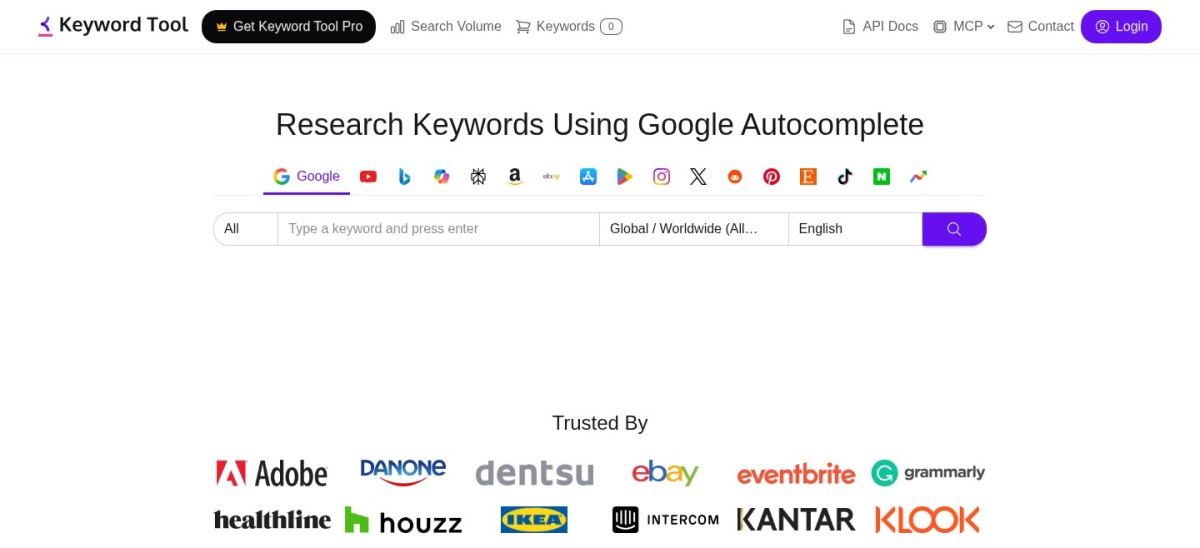
Keyword Tool is a keyword research service that mines autocomplete data, taking a seed term and pulling the suggestions search engines actually offer. The free version shows suggestions without volume data, while Pro adds volume, CPC, competition figures and exports across Google, YouTube, Amazon and more.
The trade off is price for a narrow tool. At $89 a month it costs more than full suites such as SE Ranking, and one recent guide lists a new Starter plan at $68 a month, so confirm the current price first. It suits content teams that need long lists of real searcher phrasing.
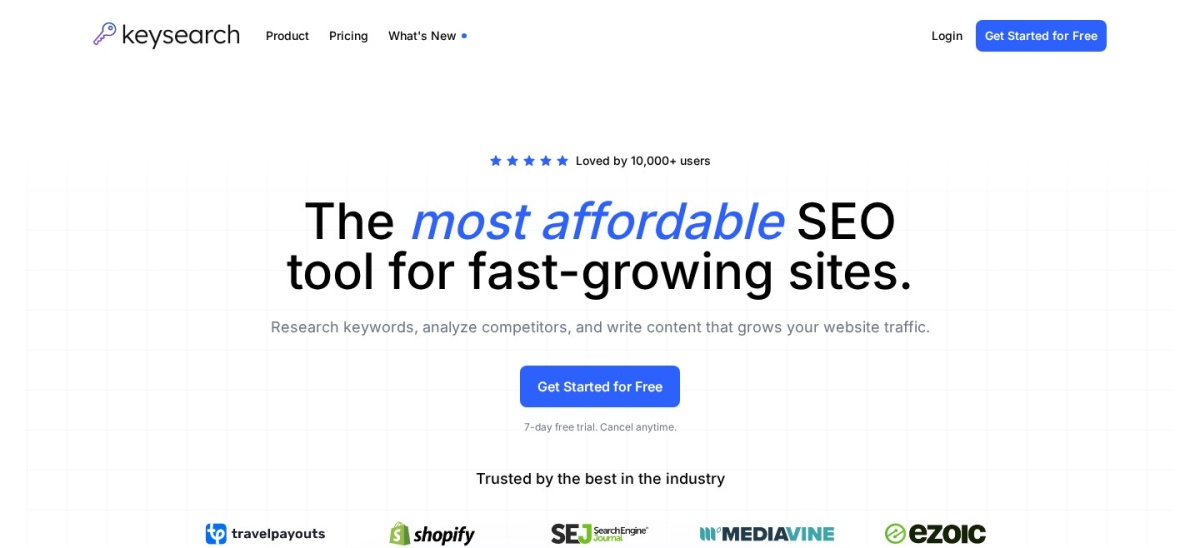
KeySearch is a low-cost SEO toolkit for bloggers and small sites, with keyword research, live SERP analysis, backlink checks, a site auditor and rank tracking in one plan. Starter costs $24 a month and includes 200 keyword searches a day, 80 tracked keywords and 2,000 audited pages.
The trade off is caps and a thin review record. The 200 daily searches run out fast on heavy research days, and its Trustpilot rating is 4.0/5 from only about 27 reviews, with another source reporting 3.5/5. It suits one-site owners whose keyword lists are small and whose budget decides.
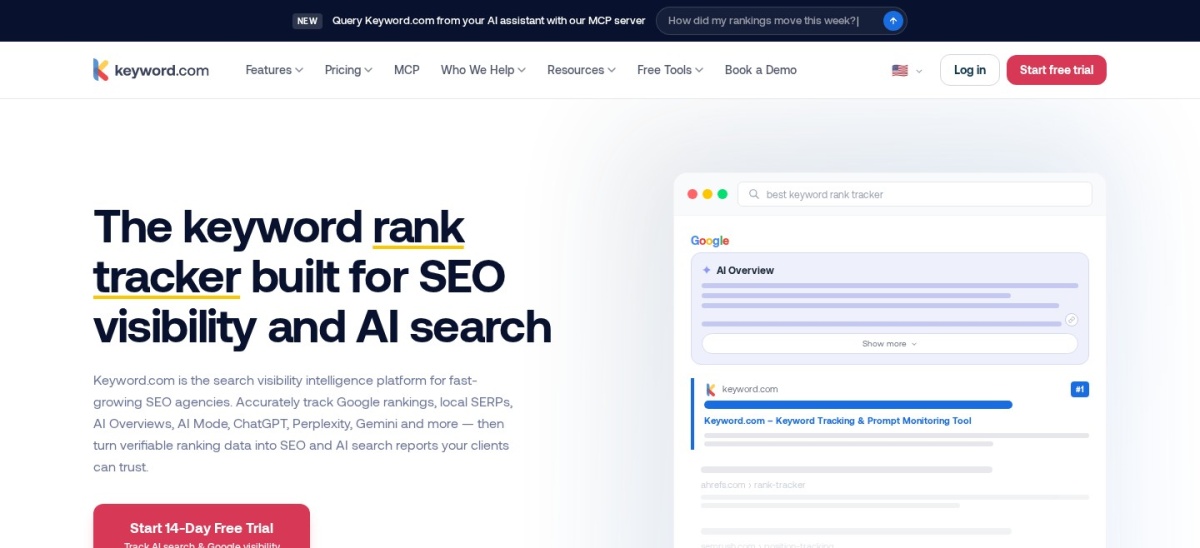
Keyword.com is a search visibility platform built around rank tracking, covering Google rankings, local SERPs, AI Overviews, AI Mode, ChatGPT, Perplexity and Gemini. Plans start at $33 a month, with a 14-day free trial and reports built for agencies.
The trade off is focus. It tracks rankings and AI visibility well, but keyword discovery is thinner than in the research-first tools above. It suits agencies and site owners who already have a keyword list and need to prove where those keywords rank, including in AI answers.
Free plans in this list are samples, not full tools. They cover a few searches a day or show suggestions without volume data.
Paid plans mostly add volume and tracking. You get more searches, tracked keywords, exports and history.
If you research keywords once a month, a free plan plus a cheap month of KeySearch or Mangools may cover you. Our guide to adding SEO keywords in WordPress shows what to do with the list once you have it.
For a site that earns money every day, the first year of a mid-priced plan often costs less than one month of wasted content aimed at the wrong keywords.
How we chose
We started from the established keyword research tools with a public rating on G2 or Trustpilot, then kept the nine that cover keyword discovery, volume and difficulty in a current paid plan.
Prices come from each vendor's pricing page or vendor-supplied G2 pricing, checked on 25 November 2026. Ratings and review counts come from G2 on the same day, except KeySearch, which has no G2 page, so its Trustpilot rating is shown. Where a vendor shows a sale, the list shows the regular price.
We left out tools with no public rating, including LowFruits, and tools whose rating had fallen to 3.0/5 with trust complaints. No vendor paid for a place, and we do not claim to have used these tools ourselves.
How to choose keyword search software
Start with how often you research keywords, then match the tool to that habit.
Count your research days. If you research in bursts, a cheap plan with daily caps may frustrate you. Monthly keyword volume matters more than the feature list.
Check the database for your niche. Run your own seed terms in each free plan or trial. A tool that returns no data for your topics is useless at any price.
Decide whether you need AI search tracking. If clients ask about ChatGPT or AI Overviews, pick a tool that tracks them. Our SEO vs GEO vs AEO guide explains how the three kinds of search differ.
Compare the same billing term. Annual prices look lower than monthly ones. Compare monthly with monthly before you judge value.
FAQ
What is the best keyword search software?
Semrush is the best keyword search software for most sites. It combines keyword research, rank tracking, site audits and AI Visibility tracking, and it is rated 4.5 out of 5 on G2 from 3,932 reviews.
What is the cheapest keyword search software?
KeySearch is the cheapest paid tool in this list at $24 a month for Starter, with 200 keyword searches a day and 80 tracked keywords. Mangools is next at $29.90 a month billed yearly, and both offer a free way to try them first.
Is there a free keyword search tool?
Yes. Semrush, Ahrefs, Mangools, SpyFu and Keyword Tool all have a free plan or free searches, though limits are tight. Free plans usually cover a few searches a day or show suggestions without volume data.
How is keyword search software different from a rank tracker?
Keyword search software finds new terms to target, with volume and difficulty data. A rank tracker watches terms you already target. Most tools here do both, but Keyword.com leans toward tracking while Keyword Tool leans toward discovery.
Do I need AI search tracking?
It depends on your audience. If your readers or clients ask how a brand shows up in ChatGPT, Perplexity or AI Overviews, pick a tool that tracks those answers. If all your traffic still comes from Google, standard rank tracking is enough.
Which keyword tool is best for beginners?
Mangools is the easiest to read, with colour-coded difficulty scores and one-screen results, rated 4.7 out of 5 on G2. KeySearch is the cheapest starting point for bloggers, though its daily search caps need watching.
SaaS SEO and WordPress specialist with about 8 years of experience. Rakib compares WordPress plugins, themes, hosting and software using public pricing, documentation and user reviews. See how we rank.