LingoDeer is the best Japanese learning app for most learners, with grammar explained step by step and native-speaker audio on every sentence, rated 4.0/5 on G2. Start free with Duolingo for kana practice, or book an italki tutor when you want live speaking correction.
How we make this list: we compare pricing pages, product documentation and public user reviews, then re-check every price before each update. No product paid for a place. Disclosure.
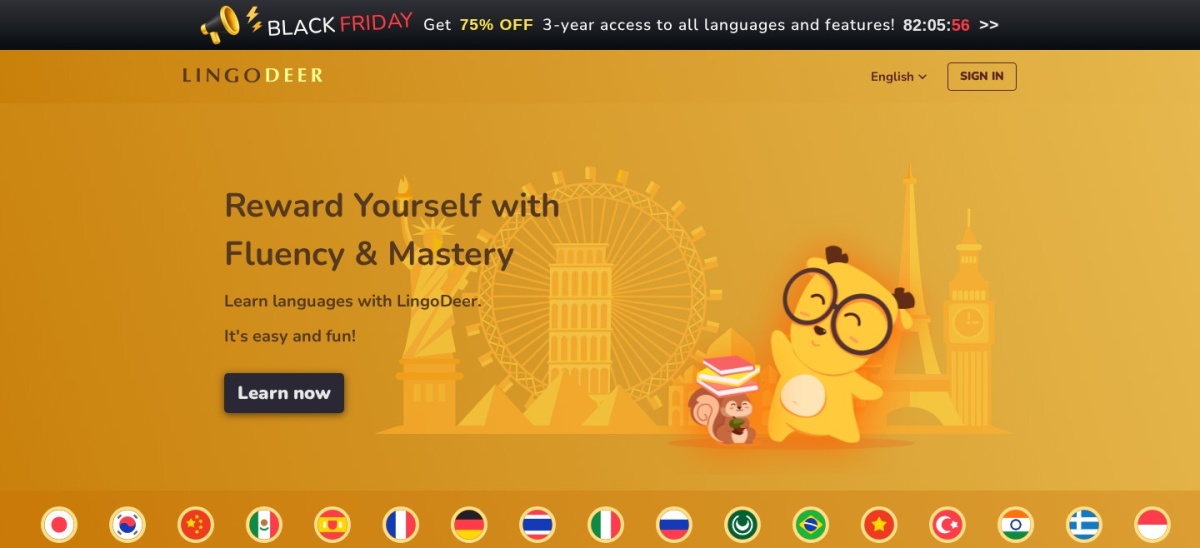
LingoDeer explains Japanese grammar step by step, with native-speaker audio on every sentence, for $95.99 a year.
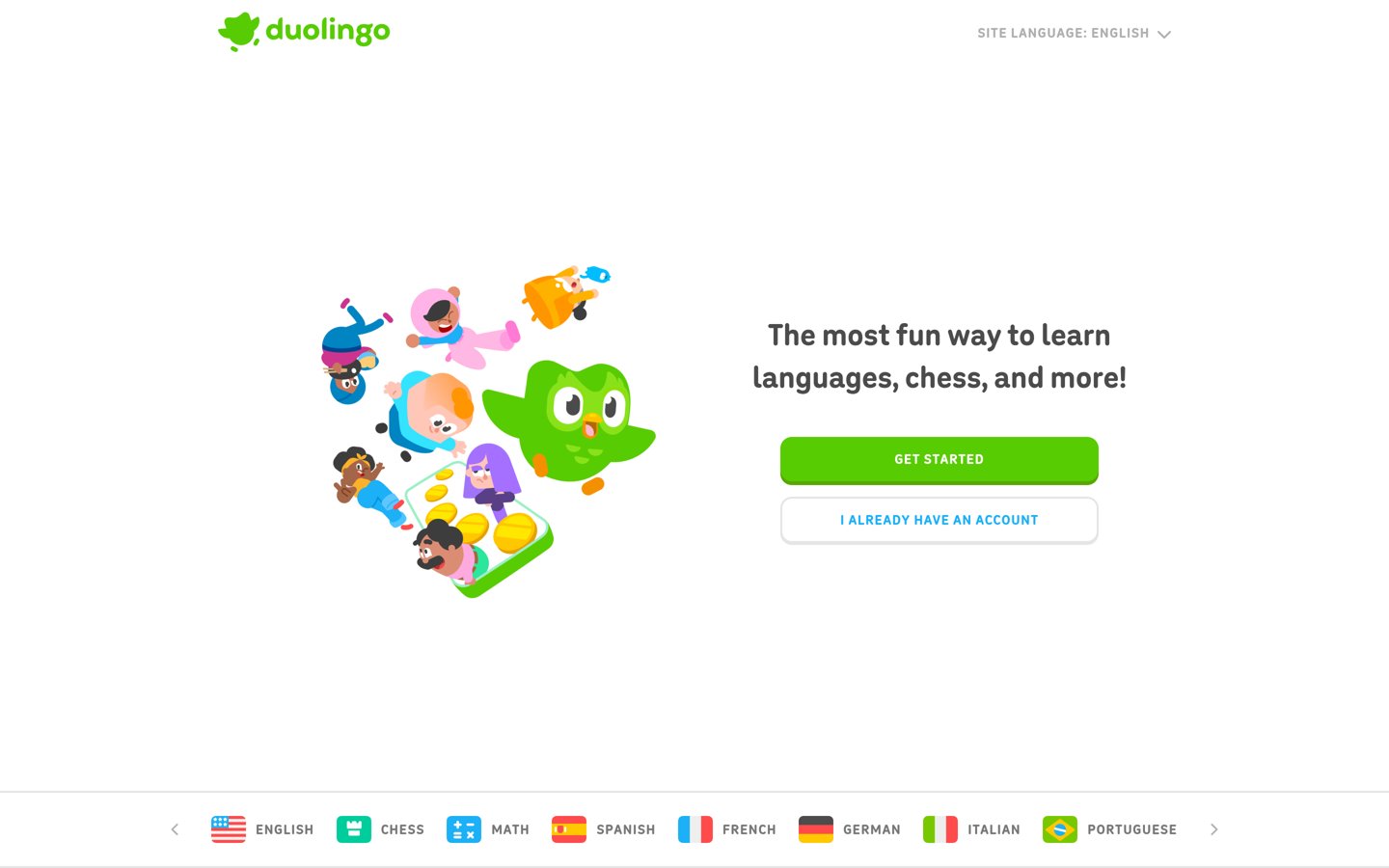
Duolingo is the best free start: its Japanese course teaches hiragana, katakana and kanji with tracing practice.
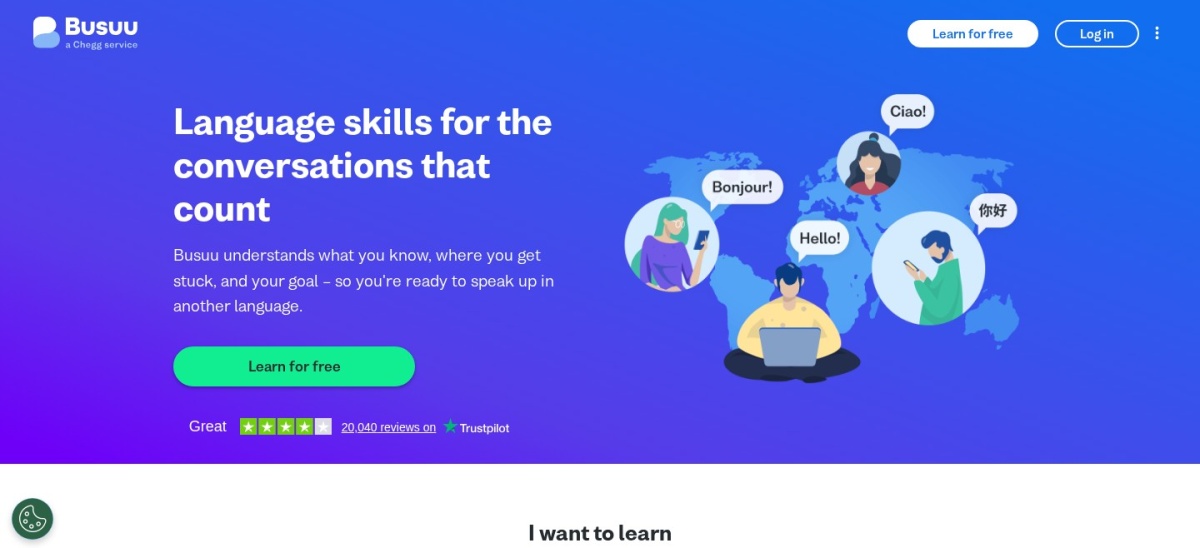
Busuu runs the longest course here, with 570+ lessons from A1 to B2 plus separate kana and kanji tracks.
No single app covers everything: pair a course app with a kanji tool such as WaniKani and a tutor for speaking.
Paid plans run from $61.99 a year for Memrise Pro to $179.40 for Pimsleur audio-only; italki and Preply charge per lesson instead.
What a Japanese learning app should cover
Japanese asks for more than most languages. You learn hiragana and katakana first, then kanji, where one character can carry several readings depending on the word.
A good app should teach the writing system directly, not in romaji. Duolingo has tracing practice for kana and kanji, and Busuu runs separate Hiragana & Katakana and Kanji courses.
Grammar is the other gap. Particles and verb endings decide whether a sentence works, so an app that explains them in English, such as LingoDeer, saves months of guessing.
Most learners need two tools, not one. A free daily app builds the habit, and a second tool covers the gap: grammar, kanji or speaking. Our guide on creating a multilingual WordPress site shows the same pairing idea in a different setting.
LingoDeer is a grammar-first Japanese course that takes learners from A1 to B1. Every sentence and word is voiced by a native speaker, and the lessons explain particles, verb endings and sentence structure in English as they appear.
The trade off is the ceiling. The course stops at B1, so learners aiming for JLPT N2 need other material, and there is no live conversation inside the app. It suits beginners who want Japanese grammar explained step by step in a structured paid course.
Duolingo is the best free way to start Japanese. Its course introduces hiragana first, brings in katakana early and adds kanji gradually inside whole words, with tracing, spelling and reading practice for each character.
The trade off is depth. Kanji arrives slowly by design, and the game format rewards finishing lessons rather than speaking, so JLPT study and conversation need other tools. It suits learners who want a free daily habit while they learn the kana.
What we like
Free course with dedicated kana and kanji practice
Busuu is the longest Japanese course in this list, with more than 570 lessons from A1 to B2. It adds separate Hiragana & Katakana and Kanji courses, plus a Japanese for Travel course, and native speakers correct the short written and spoken exercises learners submit.
The trade off is price spread. Premium costs $72.99 a year, while Premium Plus, which adds AI conversations and speaking practice, costs $87.90 a year, and AI features cover only some languages on mobile. It suits learners who want one long course with feedback from native speakers.
What we like
Deepest course: 570+ lessons to B2
Native-speaker corrections on exercises
Cheapest annual plan among the course apps
Watch out for
Free plan shows an ad before each lesson
AI conversation features vary by language
Certificates do not cover every course
Premium adds review tools, offline mode and certificatesVisit busuu.com
04
italki
4.4/5on Trustpilot (15,122 reviews, checked Nov 2026)
Starts at$15/lesson
Best for live tutor lessons
Japanese tutors1,236
Lesson priceTypically $15-$60/hr
JLPT preparationN4 to N1
Paid planPay per lesson
italki.com
italki homepage, captured Nov 2026.
italki is a tutor marketplace with 1,236 Japanese tutors, split into professional teachers and community tutors. Lessons are booked per lesson with no subscription, and many tutors advertise JLPT preparation from N4 to N1, conversation and business etiquette.
The trade off is cost and consistency. Lessons typically run $15 to $60 an hour, so two lessons a week costs far more than a year of any course app, and quality varies by tutor. It suits learners who want live correction of speaking, pitch accent and exam preparation.
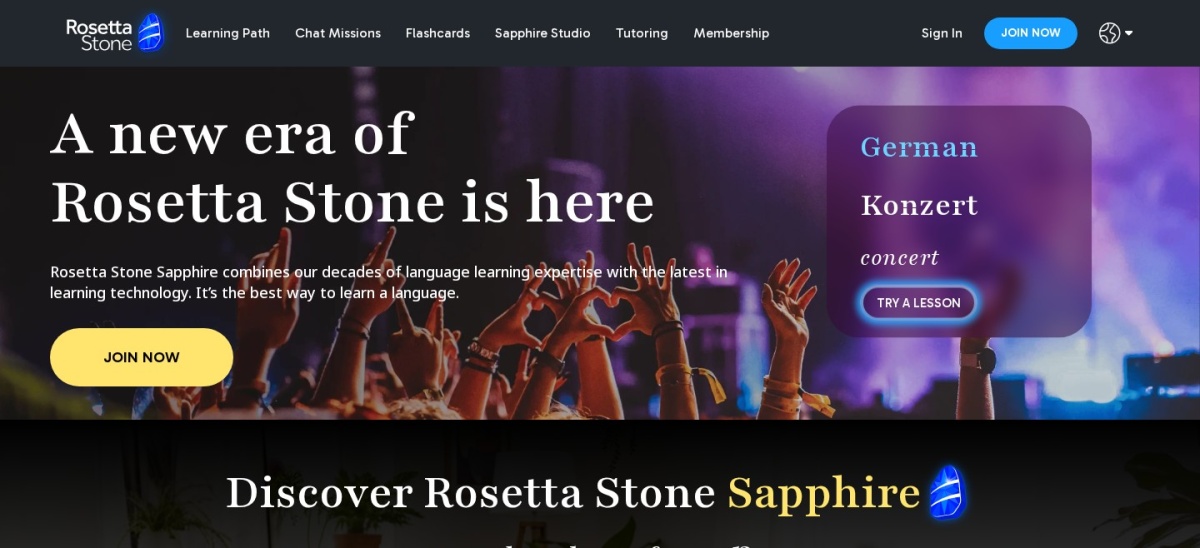
Rosetta Stone is an immersion course that teaches Japanese by matching pictures, sounds and words, with no English translations in the core lessons. The Japanese course covers hiragana and katakana first, then the most common kanji, and every subscription includes all 25 languages.
The trade off is grammar. Learning without translation can feel slow for particles and verb forms, and the yearly plan costs $159, more than LingoDeer or Busuu. It suits learners who like picture-based study and may add a second language later.
4.1/5on Trustpilot (214 reviews, checked Nov 2026)
Starts at$14.95/mo
Best audio-only speaking practice
Lesson lengthAbout 30 minutes
Audio-only plan$14.95/mo
Premium plan$19.95/mo
Free trial7 days
pimsleur.com
Pimsleur homepage, captured Nov 2026.
Pimsleur is an audio-first Japanese course built on 30-minute conversational lessons. It teaches a polite register of Japanese suited to most situations in Japan, and the audio-only plan costs $14.95 a month, with a 7-day free trial.
The trade off is reading. The core lessons are audio, and reading lessons are a separate part of the course, so kana and kanji study needs another tool. It suits commuters who want to speak and understand Japanese without a screen.
Memrise is a phrase-learning app built on short videos of native speakers, with a Hear it, Learn it, Copy it routine. Learners record themselves repeating phrases to match native pronunciation, and Pro adds private AI speaking practice and smart spaced review.
The trade off is structure. Memrise does not publish a Japanese level range or script curriculum on its landing page, so kana and kanji coverage is unclear before you try a lesson. It suits learners who want to hear real Japanese and copy phrases.
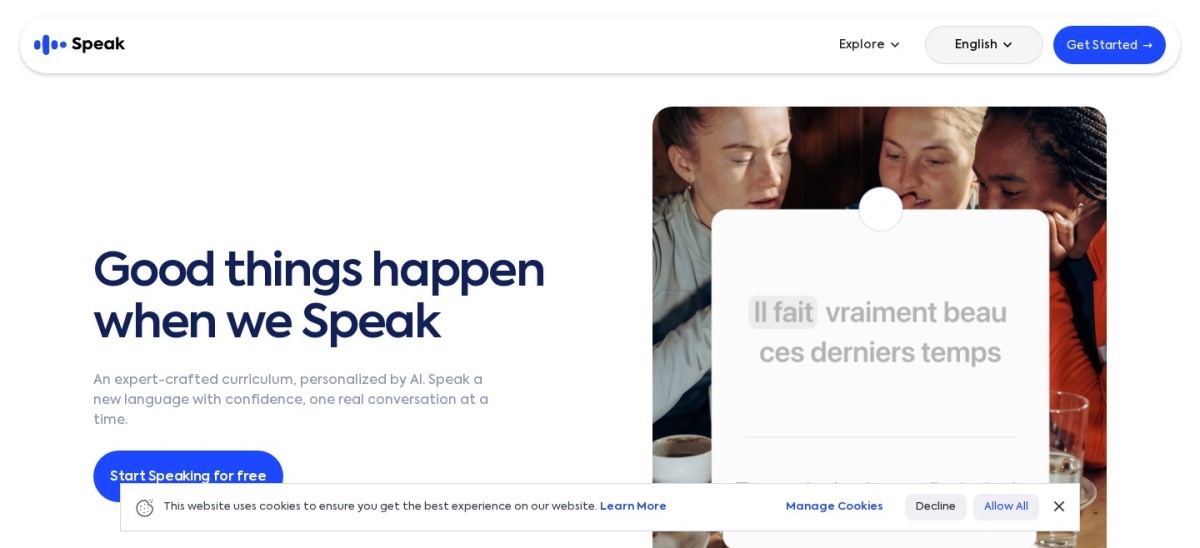
Speak is an AI speaking tutor that has learners speaking from the first lesson. Premium includes the Speak curriculum, roleplay, access to Speak Tutor and a pronunciation coach, and Japanese is one of the six languages it offers English speakers.
The trade off is scope. Speak is a speaking app, not a kana or kanji course, so reading and writing need another tool, and the regular Premium price is $99.99 a year, with sale pages showing $83.99. It suits learners who can read some kana and need daily spoken practice.
4.4/5on Trustpilot (26,535 reviews, checked Nov 2026)
Starts at$15/lesson
Best tutor marketplace for switching tutors
Japanese tutorsDedicated JLPT page
Lesson priceSet by each tutor
Trial lessonFree replacement
Paid planPay per lesson
preply.com
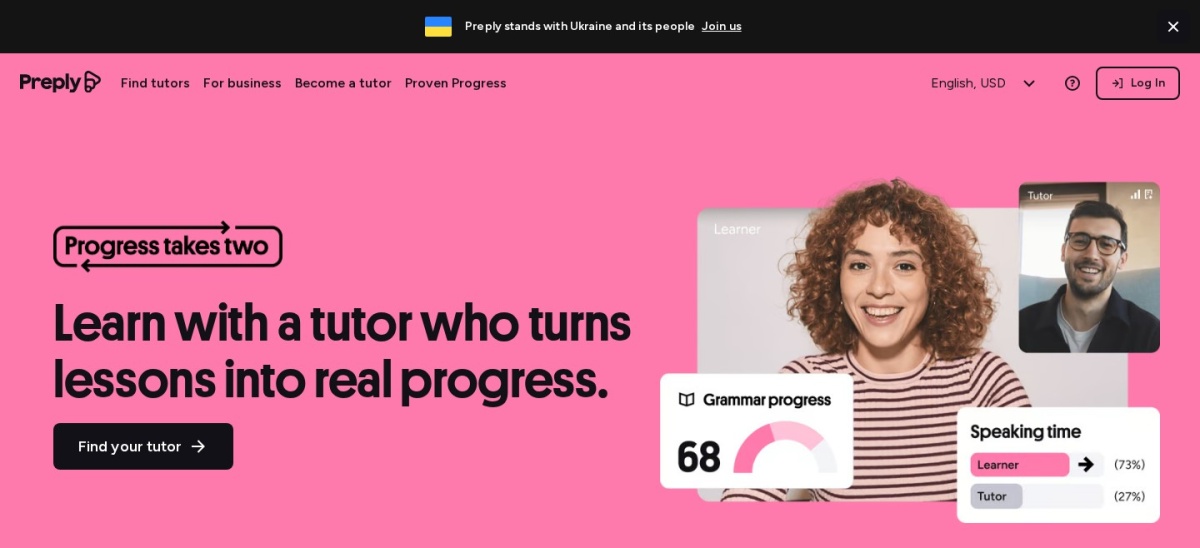
Preply homepage, captured Nov 2026.
Preply is a tutor marketplace where Japanese tutors set their own rates, so learners can match a tutor to their budget instead of paying a fixed plan. It keeps a dedicated JLPT preparation tutor page and a page for Japanese tutors aimed at beginners.
The trade off is fit. Because tutors set price and style, the trial lesson is the real test, and there is no flat monthly rate, so cost scales with how often you book. It suits learners who want an easy way to switch tutors or a tutor focused on the JLPT.
A course app teaches the system: kana, vocabulary, grammar and listening in short lessons. LingoDeer, Busuu and Duolingo all do that job, and each stops somewhere different.
Kanji and grammar reward repetition, so specialist tools exist for them. WaniKani teaches 2,000+ kanji and 6,000+ vocabulary words with mnemonics, free through level 3, then $89 a year, and Bunpro drills 900+ grammar items with a 30-day Premium trial.
Speaking is the cheapest part to fix with a person. A weekly italki lesson at $20 an hour costs about $87 a month, close to a full year of LingoDeer, so budget the tutor separately from the app.
Start with the free route: Duolingo is free, Busuu offers free courses, Rosetta Stone gives a free first lesson, and Pimsleur and Speak have 7-day trials.
How we chose
We started from the Japanese courses on the major language apps, then kept the nine with a published user rating and a Japanese course aimed at beginners.
Prices come from vendor pricing pages and November 2026 price checks, checked on 25 November 2026. Ratings come from G2 or Trustpilot on the same day. Where a vendor shows a sale, the list shows the regular price.
We left out Japanese-only specialists such as WaniKani, Bunpro and Anki because they have no published G2, Capterra or Trustpilot rating. No vendor paid for a place, and we do not claim to have used these tools ourselves.
How to choose a Japanese learning app
Start with your goal, then check whether the app teaches the script, the grammar and the speaking you need.
Learn hiragana in week one. Use a free tracing tool before you pay for anything. If the app shows only romaji, it will slow you down at the first real text.
Check the ceiling of the course. LingoDeer runs A1 to B1 and Busuu runs A1 to B2, so a learner aiming for JLPT N2 will outgrow both. Plan the next step before you pay for a year.
Plan your kanji route on day one. A course app teaches the kanji it needs. Add a specialist such as WaniKani, free through level 3, when you are ready to read.
Budget the tutor separately. At $20 an hour, one lesson a week is about $87 a month. See how to sell courses with WordPress for a reminder of how subscription pricing adds up.
FAQ
What is the best app to learn Japanese?
LingoDeer is the best all-round pick for most learners, with grammar explained step by step and native-speaker audio on every sentence. Duolingo is the best free start for kana, and italki is the best add-on once you want live speaking correction.
Can I learn Japanese with a free app?
Yes, for the first months. Duolingo teaches the full kana and kanji basics free, Busuu offers free courses with ads, and Memrise has a free tier. You will still need a paid plan or a specialist tool for deeper grammar, kanji and speaking.
How much does a Japanese learning app cost?
Paid plans in this list run from $61.99 a year for Memrise Pro to $179.40 a year for Pimsleur audio-only. LingoDeer costs $95.99 a year and Rosetta Stone $159 a year, while italki and Preply charge per lesson instead.
Which app is best for learning kanji?
Busuu has a separate kanji course beside its main path, and Duolingo teaches kanji gradually inside whole words. For systematic study, WaniKani teaches 2,000+ kanji with mnemonics and spaced repetition, free through level 3, then $89 a year.
Do I need a tutor to learn Japanese?
No, not for the basics. A course app covers kana, vocabulary and grammar. A tutor earns its keep for speaking, pitch accent and JLPT preparation, where a person can tell you a sentence is grammatical but still sounds stiff.
Which app is best for speaking Japanese?
Pimsleur builds speaking by ear with 30-minute audio lessons, and Speak adds daily AI roleplay with a pronunciation coach. For live conversation, italki and Preply connect you with Japanese tutors who correct you in real time.
SaaS SEO and WordPress specialist with about 8 years of experience. Rakib compares WordPress plugins, themes, hosting and software using public pricing, documentation and user reviews. See how we rank.