Duolingo is the best Japanese language learning software for most learners, with a full free course rated 4.5 out of 5 on G2. Pick LingoDeer for grammar explanations, Pimsleur for speaking by ear, and italki when you want live lessons with a real tutor.
How we make this list: we compare pricing pages, product documentation and public user reviews, then re-check every price before each update. No product paid for a place. Disclosure.
Duolingo gives the most Japanese for free: a full course with hiragana, katakana and kanji, rated 4.5 out of 5 on G2.
LingoDeer is the only pick built for Japanese grammar first, though its G2 rating rests on a single review.
Pimsleur is the pick for speaking: 30-minute audio lessons at $14.95 a month, with no screen needed.
italki is the only pick with live human lessons, rated 4.4 out of 5 on Trustpilot from 15,122 reviews.
Paid plans run from $12.49 a month for Busuu Premium to $24.99 a month for Memrise Pro, billed monthly.
What to look for in a Japanese learning app
Japanese is hard for English speakers for three reasons: two syllable alphabets, thousands of kanji characters, and grammar that works very differently. An app that only drills vocabulary will leave you unable to read a sentence or hold a conversation.
A good app should teach hiragana and katakana early, explain particles and verb forms, and give you listening practice with real voices. Speaking practice matters too, since reading alone does not build conversation skill.
Most learners need two tools, not one. A free daily app builds the habit, and a second tool covers the gap: grammar, kanji, or speaking. Our guide on creating a multilingual WordPress site shows the same pairing idea in a different setting.
Prices below are the monthly-billed figures, with annual totals noted in the text where the vendor publishes them. Annual billing is much cheaper for most of these apps.
The 9 best Japanese language learning software tools
01
Duolingo
4.5/5on G2 (145 reviews, checked Nov 2026)
Paid from$12.99/mo
Best free start for Japanese
Free planYes, full course
Japanese scriptsHiragana, katakana, kanji
Speaking practiceLimited
Paid planSuper, $12.99/mo
duolingo.com
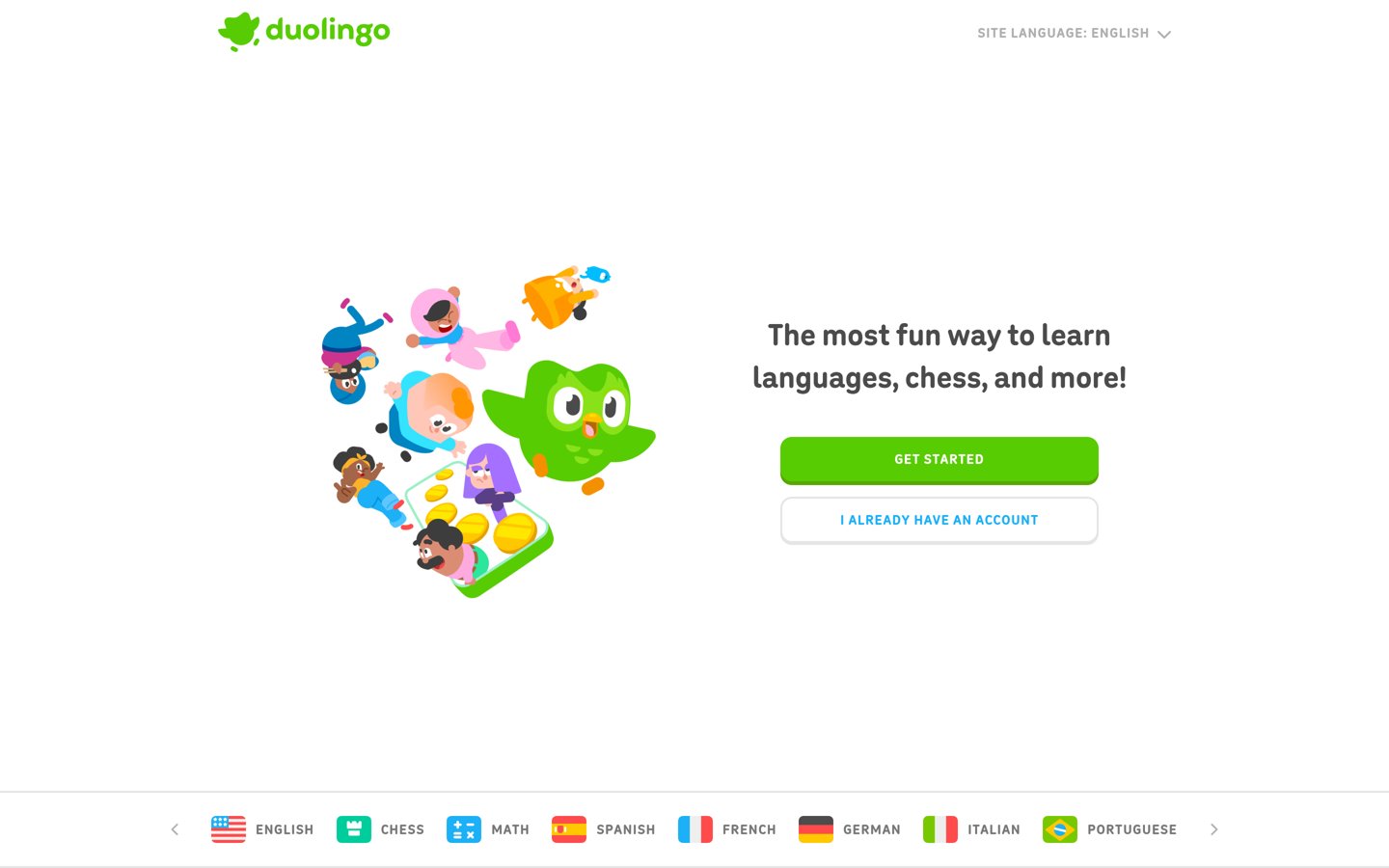
Duolingo homepage, captured Nov 2026.
Duolingo is a free language app with a full Japanese course that covers hiragana, katakana, vocabulary and sentence building in short daily lessons. The free plan includes the whole course, with streaks and leagues to keep practice regular, and Super removes ads and the energy limit.
The trade off is depth. Grammar is taught mostly by pattern, kanji coverage is limited, and speaking practice is light, so most learners need a grammar or conversation tool beside it. It suits beginners who want a free daily habit before paying for anything.
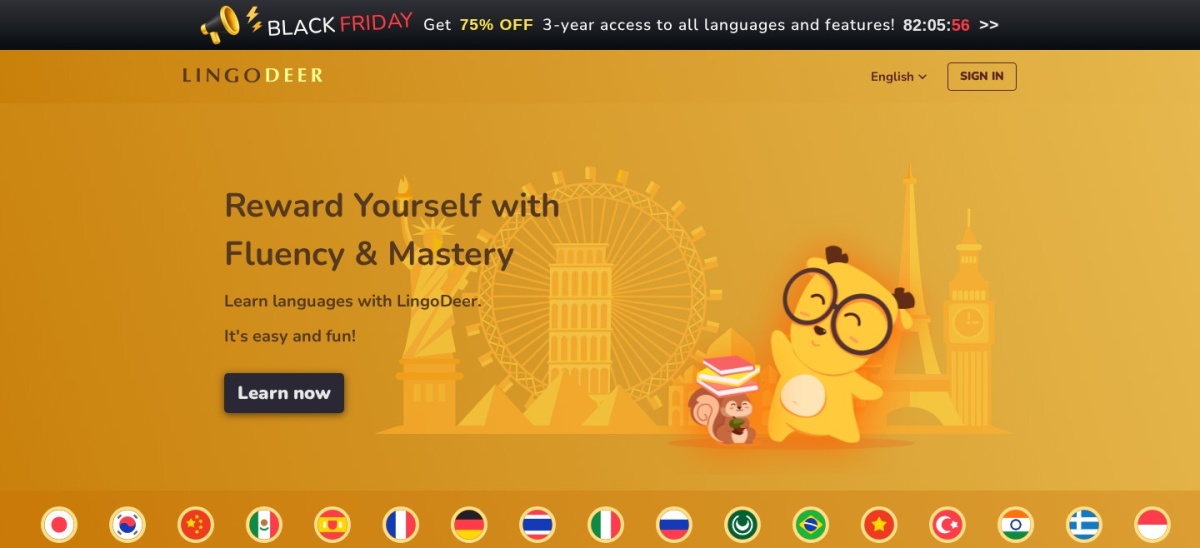
LingoDeer is a grammar-first course built for Japanese, Korean and Chinese, with native-speaker audio on every sentence. Lessons explain particles, verb forms and sentence structure as you go, and the course runs from beginner level to intermediate, with review drills and offline downloads.
The trade off is the rating base. Its G2 score of 4.0 rests on a single review, so treat it as a weak signal, and the full course needs a paid plan at $14.99 a month or $95.99 a year. It suits learners who want grammar explained instead of guessed from examples.
What we like
Grammar explained in detail, not just drilled
Native-speaker audio on every sentence
Built for Japanese, not adapted from European courses
Rosetta Stone is an immersion course that teaches Japanese without English translations, using pictures, audio and speech recognition. Its TruAccent tool gives feedback on pronunciation, and the course covers hiragana and katakana before moving on to common kanji.
The trade off is price and explanation. Grammar is rarely explained in words, and the monthly plan costs $19.99, though the annual plan works out at $159 a year. It suits learners who like to absorb a language by listening and repeating.
4.2/5on Trustpilot (20,015 reviews, checked Nov 2026)
Paid from$12.49/mo
Best for corrections from native speakers
Free planYes, basic lessons
Community feedbackNative speakers
CEFR certificatesPremium
Paid planPremium, $12.49/mo
busuu.com
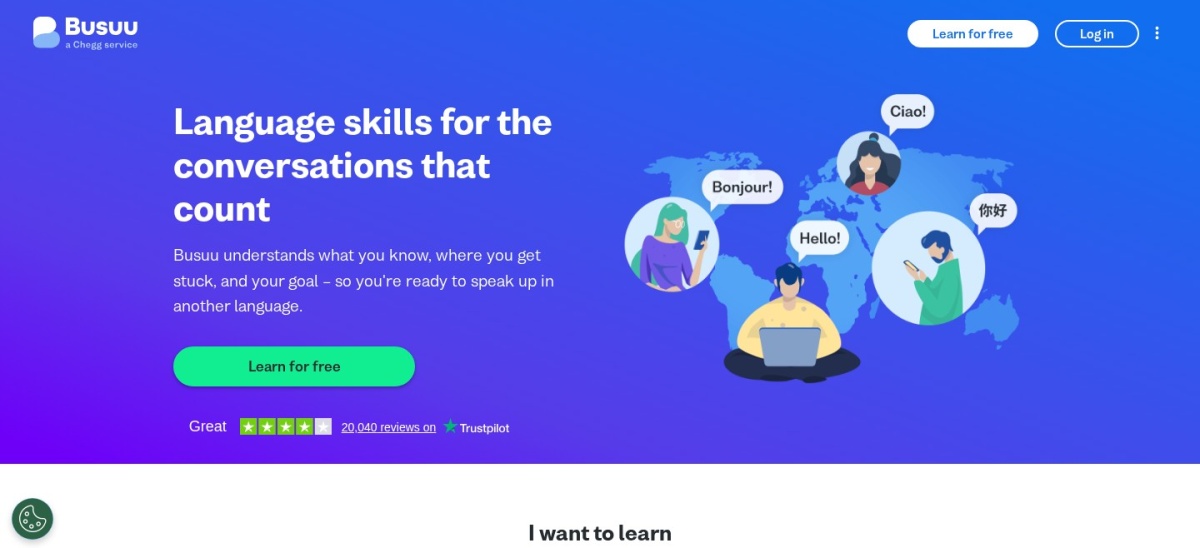
Busuu homepage, captured Nov 2026.
Busuu is a structured Japanese course set out by level, from beginner to upper intermediate, with grammar lessons and vocabulary review. Its standout feature is community feedback: native speakers correct the short written and spoken exercises you submit.
The trade off is that depth sits behind Premium. Grammar review, offline mode and CEFR certificates cost $12.49 a month or $72.99 a year, and AI conversations need Premium Plus. It suits learners who want a clear path plus human corrections.
What we like
Native speakers correct your exercises
Clear level-by-level course structure
Rated 4.2 out of 5 on Trustpilot from 20,015 reviews
4.1/5on Trustpilot (214 reviews, checked Nov 2026)
Starts at$14.95/mo
Best for speaking on the move
Lesson length30 minutes, audio
Voice CoachPremium only
Languages51, incl. Japanese
Paid planAudio-Only, $14.95/mo
pimsleur.com
Pimsleur homepage, captured Nov 2026.
Pimsleur is an audio-first Japanese course built on 30-minute lessons that ask you to listen, repeat and answer aloud. Spaced repetition brings words back at growing intervals, and the course works hands-free, so it fits commutes, walks and chores.
The trade off is the screen. Audio-Only at $14.95 a month has no reading or writing practice, and Voice Coach and flashcards need Premium at $19.95. It suits learners who want to speak and understand Japanese before they read it.
Memrise is a vocabulary and listening app built around short videos of native Japanese speakers saying phrases at natural speed. The free plan covers limited lessons and videos, and Pro adds AI Buddies for speaking practice with grammar and conjugation help.
The trade off is the monthly price. Pro costs $24.99 month to month, though the annual plan is $61.99 a year, and grammar is not taught in a set order. It suits learners who can read some Japanese but struggle to follow real speech.
4.4/5on Trustpilot (15,122 reviews, checked Nov 2026)
Starts at$15/lesson
Best for live lessons with a tutor
Lesson format1-to-1 live video
PricePay per lesson
TutorsSet their own rates
Free planNo, pay per lesson
italki.com
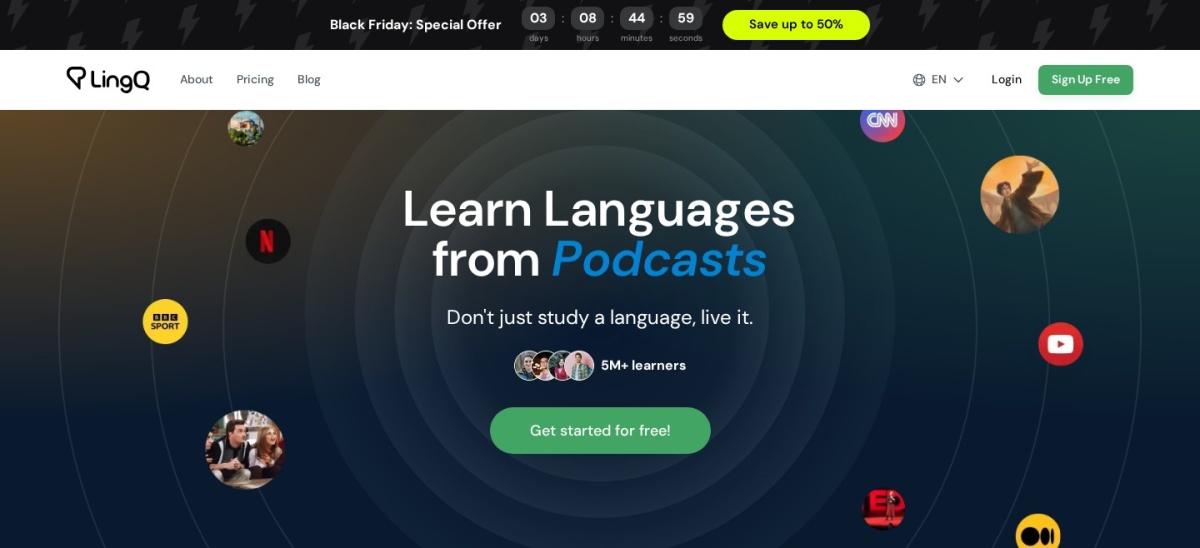
italki homepage, captured Nov 2026.
italki is a marketplace for live one-to-one Japanese lessons with real teachers over video. You pick a tutor by price, rating and focus, from conversation practice to JLPT preparation, and book single lessons instead of a subscription.
The trade off is cost and setup. Lessons are pay per lesson, typically from about $15 an hour for Japanese, so regular study adds up fast, and quality varies by tutor. It suits learners who want real speaking practice with feedback.
What we like
Real human conversation, not an app drill
Tutors for JLPT, business and conversation
Rated 4.4 out of 5 on Trustpilot from 15,122 reviews
LingQ is a reading and listening platform that teaches Japanese through real content: stories, podcasts and books with tap-to-translate words. It tracks the words you know, saves new ones for review, and lets you import your own Japanese texts.
The trade off is polish and proof. Its Trustpilot score is 2.7 from 23 reviews, with complaints about billing and errors, and unlimited imports need Premium at $14.99 a month or $119.99 a year. It suits intermediate learners who learn best by reading.
4.3/5on Google Play (305,820 reviews, checked Nov 2026)
Paid from$12.99/mo
Best for five-minute vocabulary drills
Session length5 minutes, free
Japanese scriptsHiragana, katakana, kanji
VocabularyVisual word drills
Paid planPremium, $12.99/mo
languagedrops.com
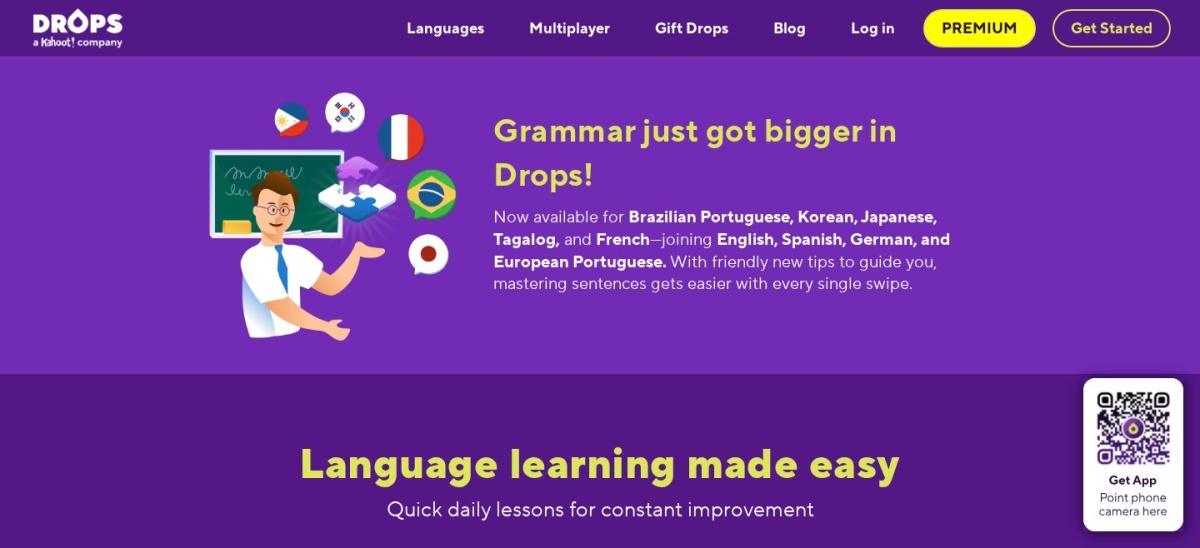
Drops homepage, captured Nov 2026.
Drops is a vocabulary app that teaches Japanese words through quick visual games in five-minute sessions. The free plan covers one short session at a time, with hiragana, katakana and kanji drills, and Premium removes the time limit.
The trade off is scope. Drops drills words and characters but does not teach grammar or conversation, and Premium costs $12.99 a month or $69.99 a year. It suits learners who want a short daily word habit beside a full course.
Free plans cover the basics well. Duolingo gives a full course free, and Busuu, Memrise, LingQ and Drops all let you start without paying.
Paid plans mostly add depth and remove limits. You get grammar lessons, offline mode, unlimited sessions and speaking practice.
The biggest gap is speaking. No free plan here gives real conversation practice, so budget for Pimsleur or italki if speaking matters to you.
Annual billing is the cheapest route for most apps. Memrise Pro drops from $24.99 a month to $61.99 a year, and Busuu Premium from $12.49 a month to $72.99 a year.
How we chose
We started from the best-known Japanese learning apps, then kept only those that teach Japanese and have a published numeric rating with a review count on G2, Trustpilot or Google Play.
Prices come from vendor pricing pages as quoted in November 2026 comparisons, checked on 25 November 2026. Ratings and review counts come from G2, Trustpilot and Google Play on the same day. Where a vendor shows a sale, the list shows the regular price.
We left out apps with no published rating, including WaniKani, Bunpro and JapanesePod101, and apps that do not teach Japanese, including Babbel and Lingvist. No vendor paid for a place, and we do not claim hands-on testing for this list.
How to choose Japanese language learning software
Start with your weakest skill, then pick the tool that fixes it.
Start free for two weeks. Use Duolingo daily and see whether you keep the habit. If you stop, a paid plan will not fix that.
Add grammar once the basics stick. When particles and verb forms confuse you, add LingoDeer. Its lessons explain the rules Duolingo only shows by example.
Add speaking before you feel ready. Book a tutor on italki or start Pimsleur once you know a few hundred words. Speaking early stops the fear of talking from growing.
Check the annual price before you pay. Monthly billing costs far more over a year. See how to sell courses with WordPress for a reminder of how subscription pricing adds up.
FAQ
What is the best Japanese language learning software?
Duolingo is the best start for most learners, with a full free Japanese course rated 4.5 out of 5 on G2. Add LingoDeer for grammar, Pimsleur for speaking, or italki for live lessons with a tutor.
Can I learn Japanese for free?
Yes, to a point. Duolingo gives a full free course, and Busuu, Memrise, LingQ and Drops have free plans. You will still need grammar help and speaking practice, which mostly sit behind paid plans.
Which app is best for learning kanji?
Drops drills hiragana, katakana and kanji in five-minute visual games, and LingoDeer teaches kanji inside its course. Neither replaces a dedicated kanji tool for serious study, so pair one with a kanji deck.
Is Pimsleur or Rosetta Stone better for speaking?
Pimsleur is better for speaking first, since every lesson makes you answer aloud in 30-minute audio sessions. Rosetta Stone builds pronunciation through its TruAccent feedback, but it teaches mostly by listening and repeating pictures.
Do I need a tutor to learn Japanese?
No, but a tutor speeds up speaking. Apps teach vocabulary and grammar, while a tutor on italki corrects your sentences, answers questions and keeps you talking. One lesson a week is enough for most learners.
How much does Japanese learning software cost?
Most paid plans cost $12 to $25 a month when billed monthly, or $62 to $159 a year on annual billing. Duolingo Super is $83.99 a year, Busuu Premium is $72.99 a year, and italki lessons start at about $15 each.
SaaS SEO and WordPress specialist with about 8 years of experience. Rakib compares WordPress plugins, themes, hosting and software using public pricing, documentation and user reviews. See how we rank.