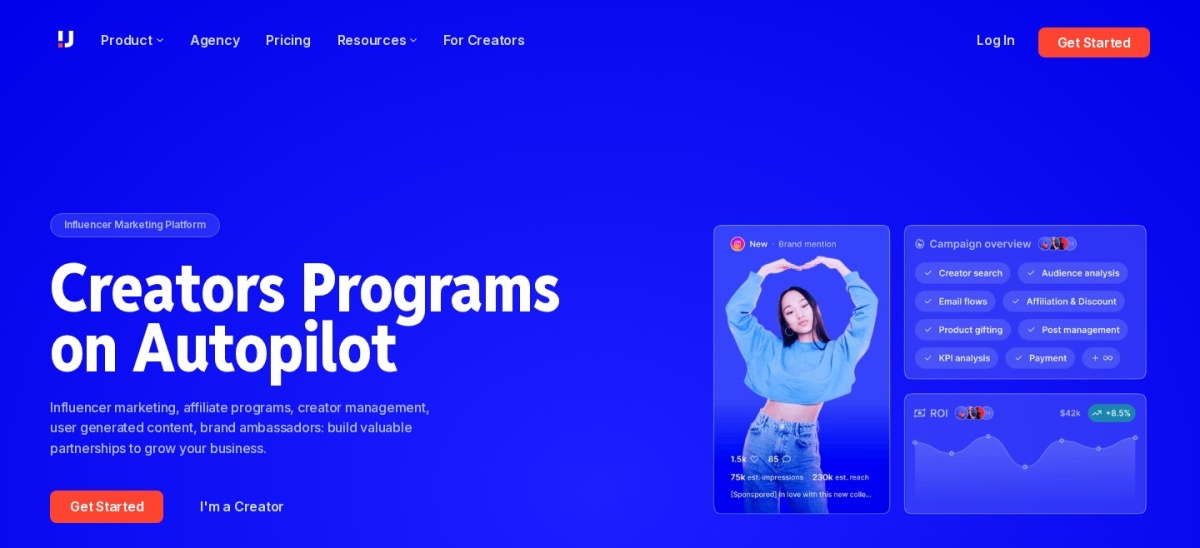
GRIN is the best influencer marketplace for most brands. Its free plan covers 2 live campaigns, and Starter costs $200 a month with gifting, affiliate tracking and a creator marketplace. Pick Aspire for inbound creator applications at scale, and Afluencer if you want to start free on a $49-a-month plan.
How we make this list: we compare pricing pages, product documentation and public user reviews, then re-check every price before each update. No product paid for a place. Disclosure.
GRIN is the only top pick with both a free plan and published prices: $0, $200, $500 and $1,500 a month, plus a fee on wallet deposits.
Aspire, Upfluence, CreatorIQ and Traackr publish no subscription price, so you book a demo and get a custom quote.
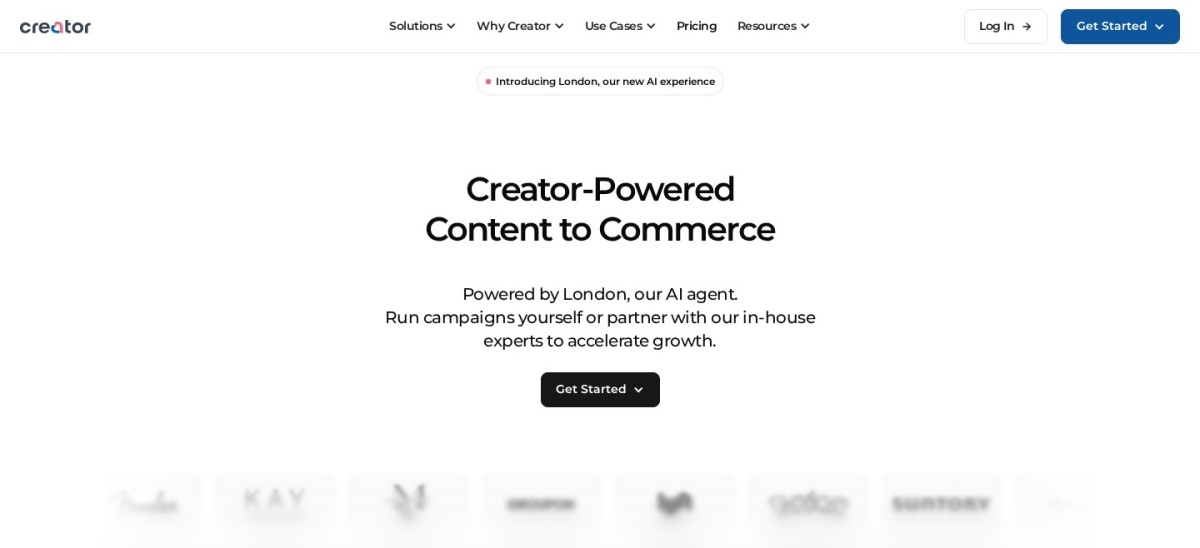
Creator.co Self Serve costs $299 a month, or $199 a month billed yearly, with 100 contact credits and 50 insight reports.
Afluencer is the cheapest paid start in this list at $49 a month, and Shopify Collabs is free to install with a 2.9% fee on payouts.
Modash has the highest G2 rating here at 4.9 out of 5, but from only 22 reviews, so treat that score with care.
What an influencer marketplace should give you
An influencer marketplace is where brands and creators meet. Brands post a brief or browse creator profiles, creators apply or list a price, and the platform handles messages, contracts and payment.
That is different from a search database. A database helps you find creators, while a marketplace adds the hire, the brief and the payout in one place.
Fees matter as much as the subscription. Some tools charge a share of every creator payment, so a low monthly price can still cost more once campaigns run.
Start with the size of your program. Our guide on starting affiliate marketing with WordPress covers the same first step: decide the offer and the tracking before you pick a tool.
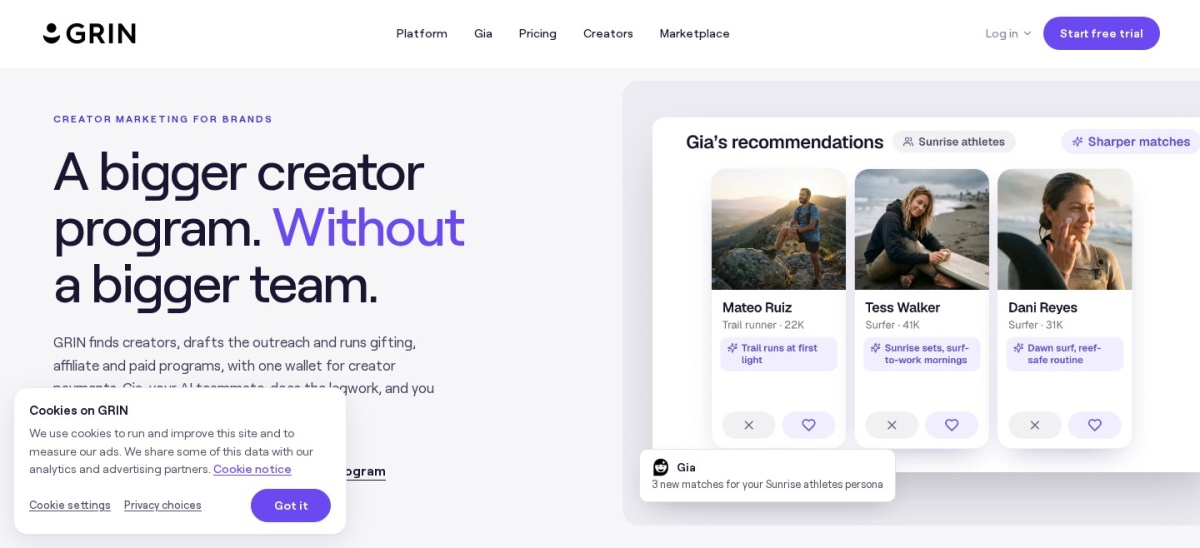
GRIN is a creator program platform with a marketplace, gifting, affiliate tracking and paid campaigns in one place. The free plan covers 2 live campaigns and 10 gifts in total, and every plan includes the Gia AI agent, unlimited CRM contacts and a Shopify integration.
The trade off is the wallet fee. Starter costs $200 a month, and GRIN adds a 10% fee to every deposit into the creator wallet, so costs rise with creator spend. It suits ecommerce brands that gift product at volume and want sales tied to each creator.
What we like
Free plan plus published prices, rare in this list
Gifting, affiliate tracking and payments in one place
Rated 4.5 out of 5 from 483 G2 reviews
Watch out for
Wallet fee adds 10% to creator payments on Starter
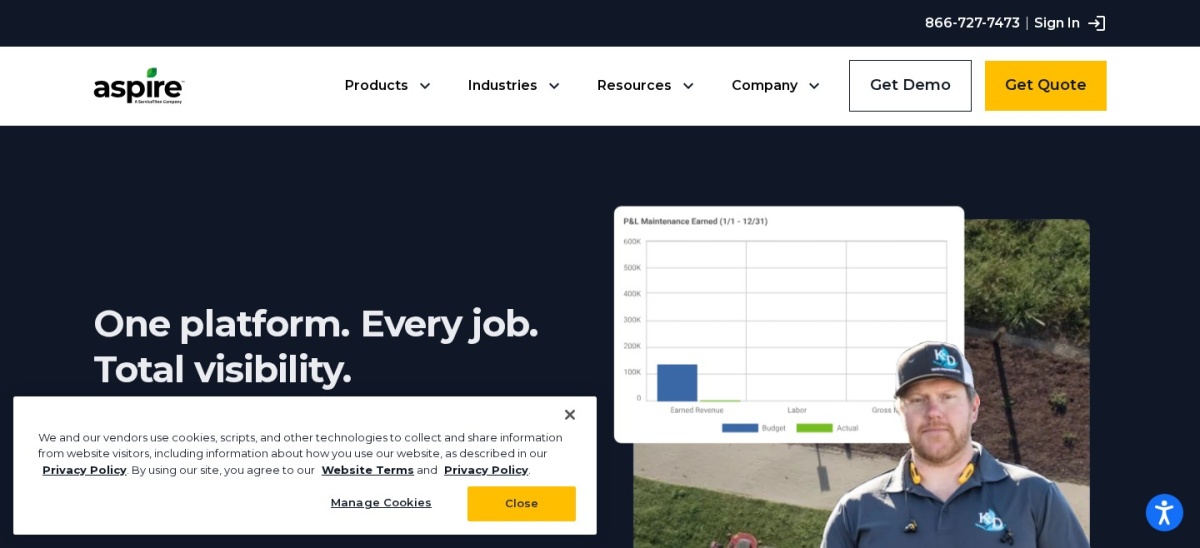
Aspire is a creator platform built around its marketplace, where brands post a campaign brief and creators apply to take part. It covers discovery, content approval, affiliate links, promo codes and Shopify integration, and it lists more than 1.5 million opted-in creators.
The trade off is price. Aspire publishes no subscription price, so you book a demo and get a custom quote, and its terms add an 8.5% handling fee on creator fee budget payments. It suits larger brands running always-on ambassador and affiliate programs.
Creator.co is a creator marketplace and campaign platform with AI matching across a database of more than 400 million creators. Self Serve costs $299 a month with a 3-month minimum and includes 1 seat, 100 contact credits and 50 insight reports a month, with a 14-day trial.
The trade off is the credit cap. Extra contact credits cost $99 per 100, and the managed plan that adds an account manager starts at $1,499 a month billed yearly. It suits brands that want AI-matched creators without running outreach by hand.
What we like
Published self-serve price with a trial
AI matching across a very large creator pool
Discovery, outreach, payments and reporting in one place
Watch out for
Contact credits cap outreach each month
G2 still lists an older $460 a month Self Serve figure
Upfluence is an influencer platform with a database of more than 9 million creators, built for ecommerce brands. It links creator work to store sales through Shopify and Amazon tracking, with affiliate links, promo codes and a creator marketplace beside campaign management.
The trade off is the contract. Pricing is quoted by module after a demo, plans run for 12 months at minimum, and its Growth plan lists at $11,940 a year on its AWS Marketplace page. It suits larger brands running always-on affiliate programs across more than one sales channel.
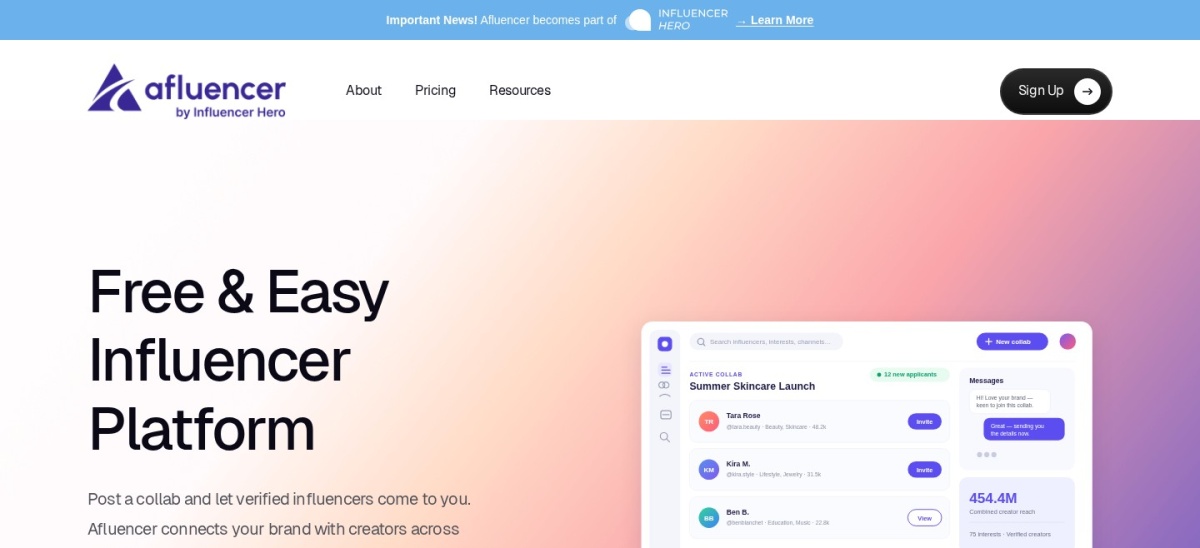
Afluencer is a marketplace where creators apply to your posted collaborations instead of waiting for cold outreach. The free plan covers 1 collab a day and 1 influencer invite a day, and the brand Marketplace plan costs $49 a month with 60 invitation credits.
The trade off is scale. The jump from the $49 Marketplace plan to the $649 Standard plan is steep, and payouts and deeper CRM features sit on the higher plans. It suits small brands running a first campaign with no creator list.
What we like
Free plan to post a first collab
Lowest paid plan in this list
Rated 4.6 out of 5 from 738 G2 reviews
Watch out for
Steep jump to the $649 Standard plan
Now part of Influencer Hero, so its future is shared
Modash is a creator discovery platform with a database of more than 350 million Instagram, TikTok and YouTube profiles. Essentials costs $299 a month and includes 2 seats, 300 opened profiles a month, 150 email unlocks and tracking for 100 creators, plus a 14-day free trial.
The trade off is that Modash is a discovery tool first. It tracks campaigns and pays creators, but it does not produce content or manage usage rights. It suits teams that need to find and vet creators before outreach.
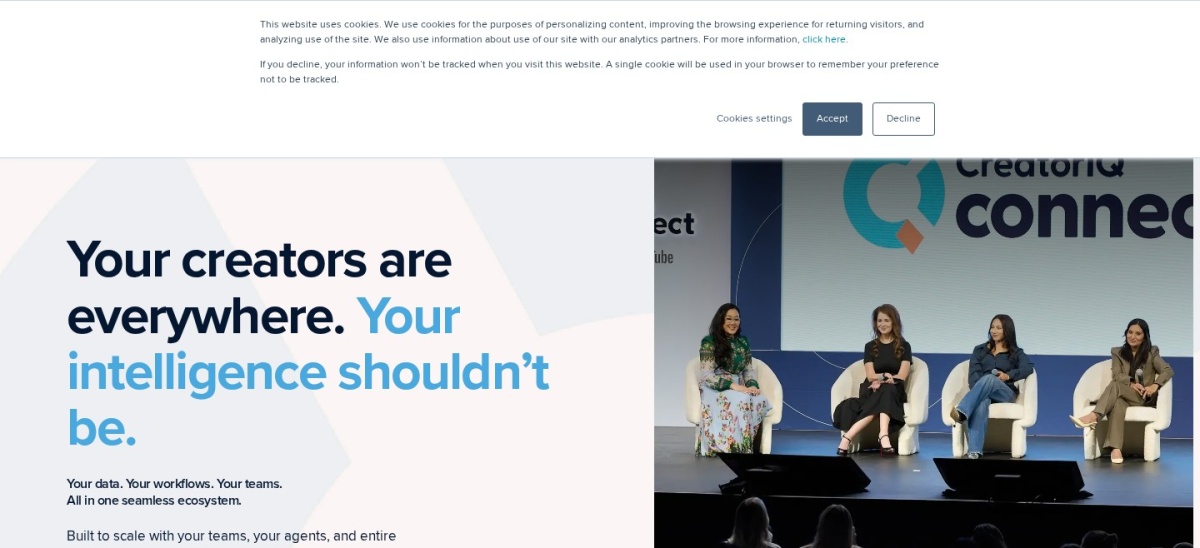
CreatorIQ is an enterprise influencer platform for large brands and agencies running big creator rosters. It covers creator discovery, vetting, campaign management and reporting, with payments and content rights handled inside the same system.
The trade off is access. CreatorIQ publishes no price and no free plan, so every deal starts with a sales call and a custom quote. It suits enterprise teams that need scale and reporting more than a quick self-serve start.
What we like
Largest G2 review base in this list at 568 reviews
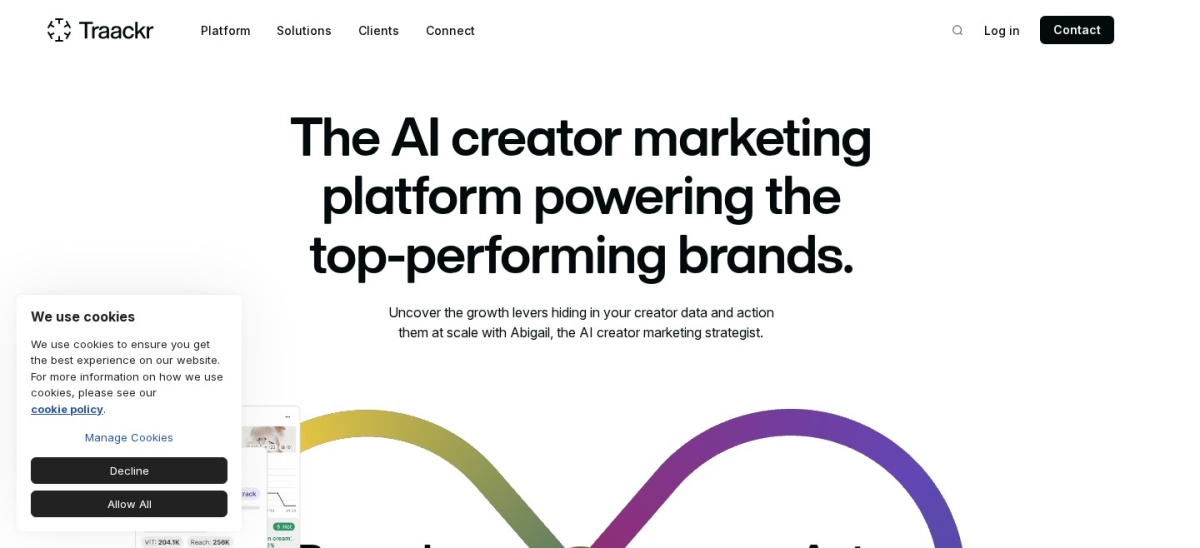
Traackr is a creator marketing platform focused on discovery, vetting and benchmarking, with an AI strategist that works across creator data. It helps brands compare creators, track spend and measure which partnerships drive results.
The trade off is price and start-up effort. Traackr publishes no price, so you contact sales for a quote, and setup takes time before the first campaign runs. It suits brands that vet creators closely and run creator programs as a core channel.
4.2/5on Shopify App Store (457 reviews, checked Nov 2026)
PriceFree
Best free start for Shopify stores
Install costFree
Commission fee2.9% of payouts
Creator searchNo
GiftingYes, as orders
shopify.com
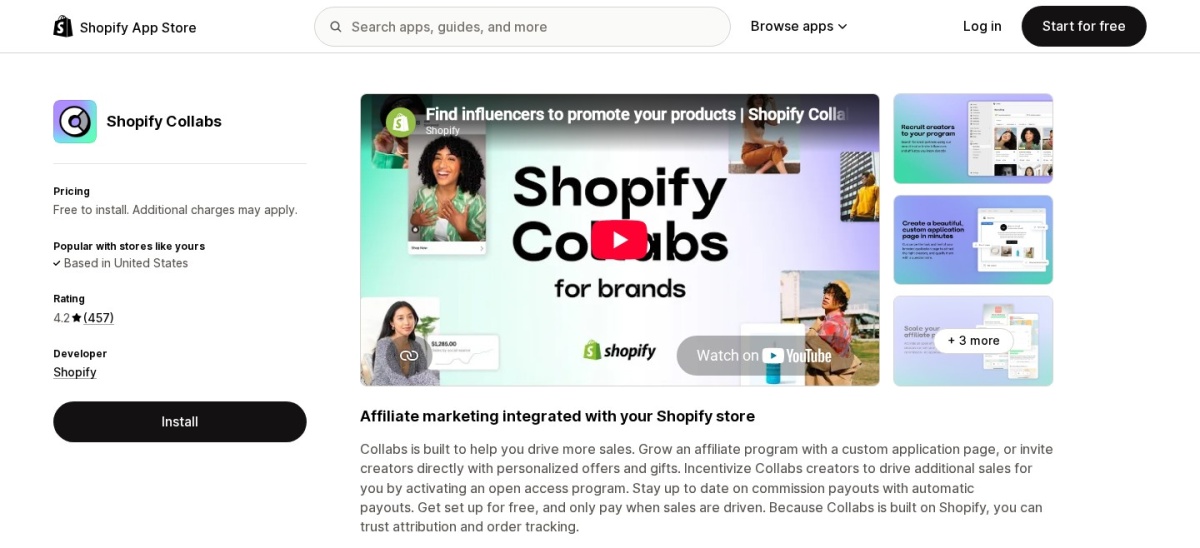
Shopify Collabs homepage, captured Nov 2026.
Shopify Collabs is Shopify's own free app for affiliate and creator programs, and it runs inside the Shopify admin. It includes an application page, product gifting, tracked links and discount codes, and commissions paid through the Shopify bill.
The trade off is discovery. Collabs has no creator search, and new creator sign-ups to its network are paused, so you bring your own creators. It suits stores that already have customers or creators ready to promote them on commission.
A marketplace lists creators who want work. You browse profiles, read listed rates and hire, which is fast for one-off posts and UGC.
A full platform adds the program around the hire: outreach, contracts, gifting, payments and reporting. That suits brands that run creators every month.
Most tools in this list do both, but the balance differs. GRIN, Aspire and Creator.co lean toward the marketplace, while CreatorIQ and Traackr lean toward program management.
How we chose
We started from the best-known influencer marketplaces and creator platforms, then kept the nine with a public rating, a clear marketplace or discovery offer, and a price or a stated quote-only model.
Prices come from each vendor's pricing page, checked on 25 November 2026. Ratings come from G2 or the Shopify App Store on the same day. Where a vendor shows a sale, the list shows the regular price.
We left out tools with no public rating at all. No vendor paid for a place, and we do not claim hands-on testing for this list.
How to choose an influencer marketplace
Start with your budget and your creator list, then match the tool to the job.
Decide if you need a marketplace or a database. Pick a marketplace if creators should apply to you. Pick a discovery tool such as Modash if you need to find and vet creators first.
Add up the fees, not just the subscription. Wallet fees, hiring fees and payout fees rise with spend, so price a typical month of creator payments before you commit.
Check the free plan or trial first. GRIN, Afluencer and Shopify Collabs let you start without paying, which is the cheapest way to learn if the creator pool fits your niche.
Ask for the full contract terms on quote-only tools. Confirm the minimum term, the renewal price and what happens to your creator data if you leave.
FAQ
What is the best influencer marketplace?
GRIN is the best influencer marketplace for most brands. Its free plan covers 2 live campaigns, Starter costs $200 a month, and it combines a creator marketplace with gifting, affiliate tracking and payments.
What is the cheapest influencer marketplace?
Shopify Collabs is free to install for Shopify stores, with a 2.9% fee on commission payouts. Afluencer is the cheapest paid start at $49 a month, and GRIN also has a free plan.
Do influencer marketplaces charge fees on creator payments?
Many do. GRIN adds a wallet fee of 10% on Starter deposits, Aspire adds an 8.5% handling fee on creator fee budgets, and Shopify Collabs charges 2.9% on payouts.
Why do some influencer marketplaces not publish prices?
Enterprise tools such as Aspire, Upfluence, CreatorIQ and Traackr price by brand size, creator volume and contract length. They quote after a demo, so you cannot compare them on a public price alone.
Can small brands use an influencer marketplace?
Yes. Afluencer, GRIN and Shopify Collabs all have a free start, and Creator.co and Modash offer trials. Start with one campaign and a small creator group before you sign a yearly deal.
What is the difference between a marketplace and a platform?
A marketplace is where creators list themselves and apply for work. A platform adds outreach, contracts, gifting, payments and reporting around that hire, which suits brands running creator work every month.
SaaS SEO and WordPress specialist with about 8 years of experience. Rakib compares WordPress plugins, themes, hosting and software using public pricing, documentation and user reviews. See how we rank.