Best Fulfillment Software in 2026: 8 Tools Compared
WLWPLegible EditorsLast verified 22 Nov 2026How we rank13 min read
★ Short answer
ShipStation is the best fulfillment software for most growing ecommerce sellers, with multichannel order imports, shipping automation and a Starter plan at $14.99 per month for 50 shipments. It holds a 4.3/5 G2 rating from 613 reviews. Choose Veeqo for free multichannel shipping or Zoho Inventory for inventory-led order fulfillment.
How we make this list: we compare pricing pages, product documentation and public user reviews, then re-check every price before each update. No product paid for a place. Disclosure.
ShipStation starts at $14.99 per month for 50 shipments and has a 4.3/5 G2 rating from 613 reviews.
Veeqo offers free shipping software with unlimited orders, users and warehouses; its paid Inventory plan starts at $19 per month.
Zoho Inventory has a free plan for 50 monthly orders, while Standard costs $29 per month billed annually.
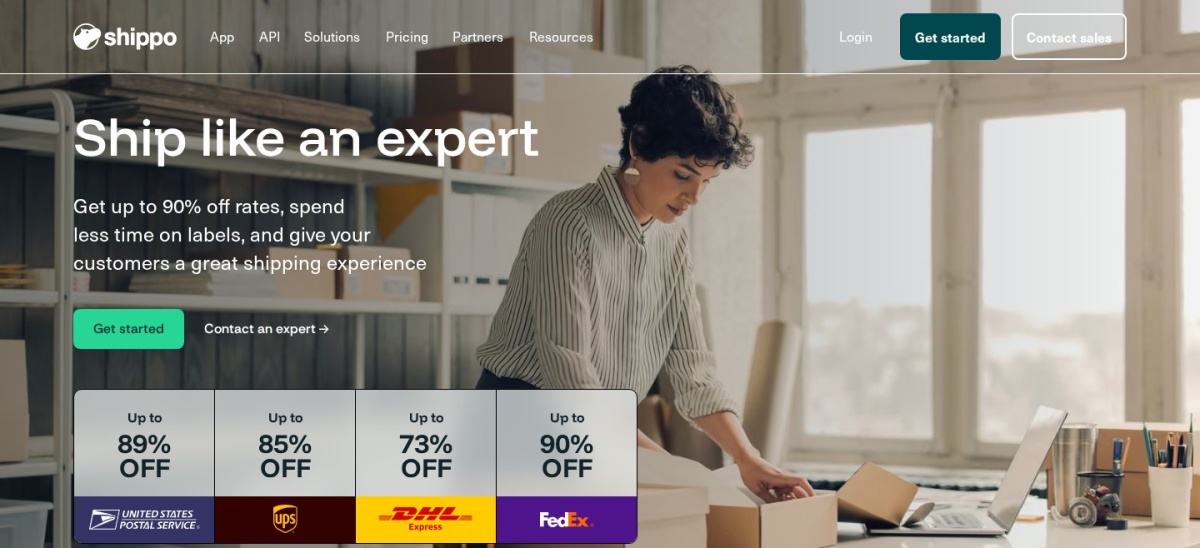
Shippo supports 30 free labels monthly; Pro starts at $17 per month billed annually and adds branded tracking and 5 user logins.
Ordoro provides 100 free monthly shipping labels, while its $59 monthly Advanced plan supports 3,000 orders.
Cin7 Core starts at $349 per month for 5 users and 6,000 annual sales orders, targeting more complex inventory operations.
What fulfillment software should manage
Fulfillment software connects the steps between a customer placing an order and receiving the shipment. Depending on the product, it handles order imports, inventory availability, picking, packing, shipping labels, tracking and returns.
The first distinction is between shipping software and a broader fulfillment management platform. Shipping-focused tools simplify carrier selection and label creation. Inventory-led systems coordinate stock, purchasing and warehouse operations before orders reach the packing station.
Consider where orders originate. Sellers operating multiple online stores or marketplaces need reliable order synchronization, while businesses with several storage locations should prioritize inventory visibility and warehouse workflows.
Compare total operating costs rather than the software subscription alone. Shipment allowances, additional users, carrier charges, integrations and warehouse features can significantly affect the cost of processing orders.
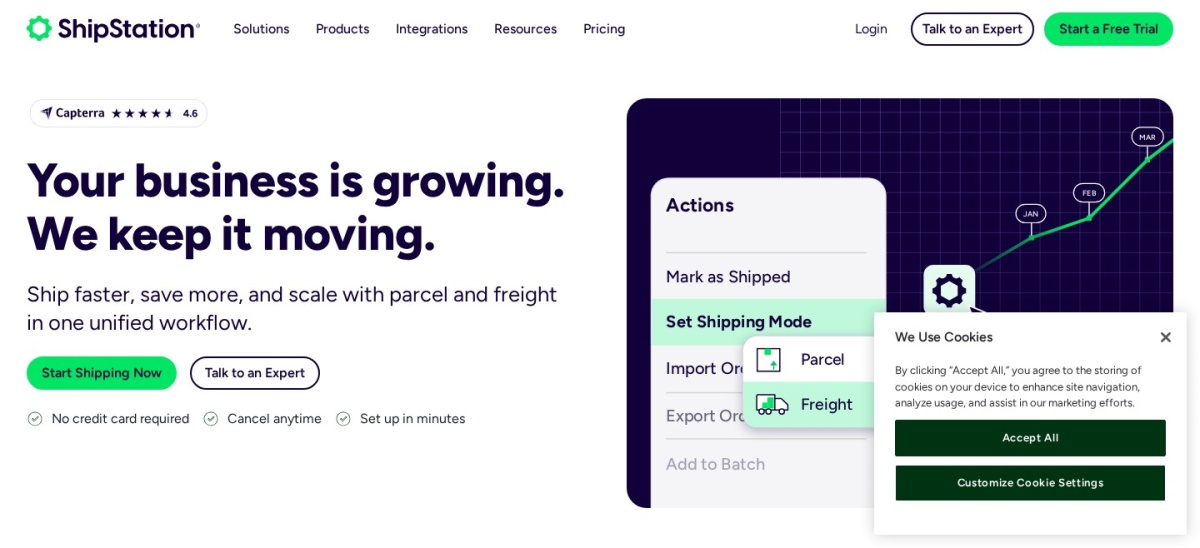
ShipStation is a multichannel shipping and fulfillment platform that imports ecommerce orders, compares carrier services and automates shipping workflows. Its Starter plan costs $14.99 per month for 50 shipments and includes order management, label creation and connected store integrations. Higher tiers provide broader warehouse, inventory and returns capabilities.
The trade off is that shipment volume determines subscription costs, while advanced fulfillment features require higher plans. Standard starts at $29.99 per month, and Premium starts at $349.99 per month. It suits ecommerce sellers who want centralized order processing and an upgrade path toward more advanced operations.
What we like
Imports orders from multiple sales channels
Carrier rate comparison and label printing
Shipping automation and batch workflows
Tracking and returns management options
Upgrade path to advanced warehouse features
Watch out for
No permanent free subscription for the full platform
Starter shipment allowance is limited
Advanced inventory features require Premium
Subscription costs rise with shipping volume
Standard adds broader automation and returns tools; Premium adds advanced inventory and warehouse management.Visit shipstation.com
02
Veeqo
4.5/5on G2 (47 reviews, checked Nov 2026)
Paid from$19/mo
Best free multichannel fulfillment software
Free ordersUnlimited
Free usersUnlimited
Free locationsUnlimited
Paid planInventory, from $19/mo
veeqo.com
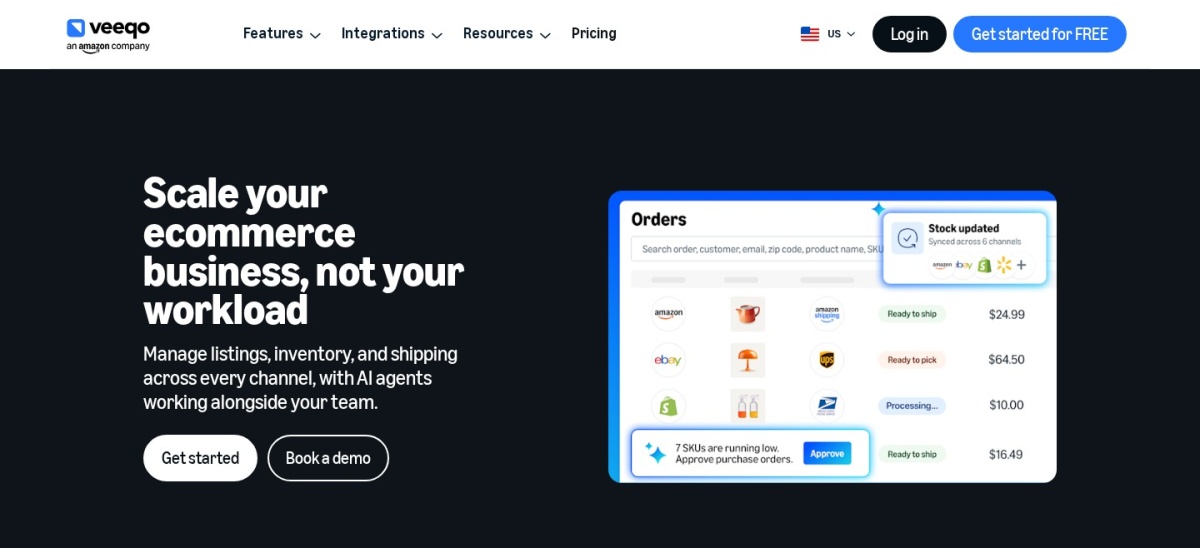
Veeqo homepage, captured Nov 2026.
Veeqo is a multichannel shipping platform that connects ecommerce stores and marketplaces in one workspace. Its free Shipping plan includes unlimited orders, shipments, users, products and warehouse locations. Sellers can compare carrier rates, print labels, process orders in bulk and access shipping and sales reports.
The trade off is that automated inventory synchronization, demand forecasting and digital picking require a paid plan. Veeqo Inventory starts at $19 per month, or $228 annually at that rate, with pricing influenced by monthly order volume. It suits sellers prioritizing low software costs and centralized shipping.
What we like
Free shipping software with unlimited orders
Unlimited users and warehouse locations
Multiple ecommerce and marketplace integrations
Bulk shipping and reporting included
Optional inventory management upgrade
Watch out for
Automated inventory synchronization costs extra
Advanced digital picking requires Inventory
Paid inventory pricing depends on order volume
Carrier and feature availability varies by integration
Inventory adds stock synchronization, forecasting, digital picking and advanced multichannel management.Visit veeqo.com
03
Zoho Inventory
4.4/5on G2 (93 reviews, checked Nov 2026)
Paid from$29/mo
Best for inventory-led order fulfillment
Free orders50
Free users1
Free locations1
Paid planStandard, $29/mo annually
zoho.com
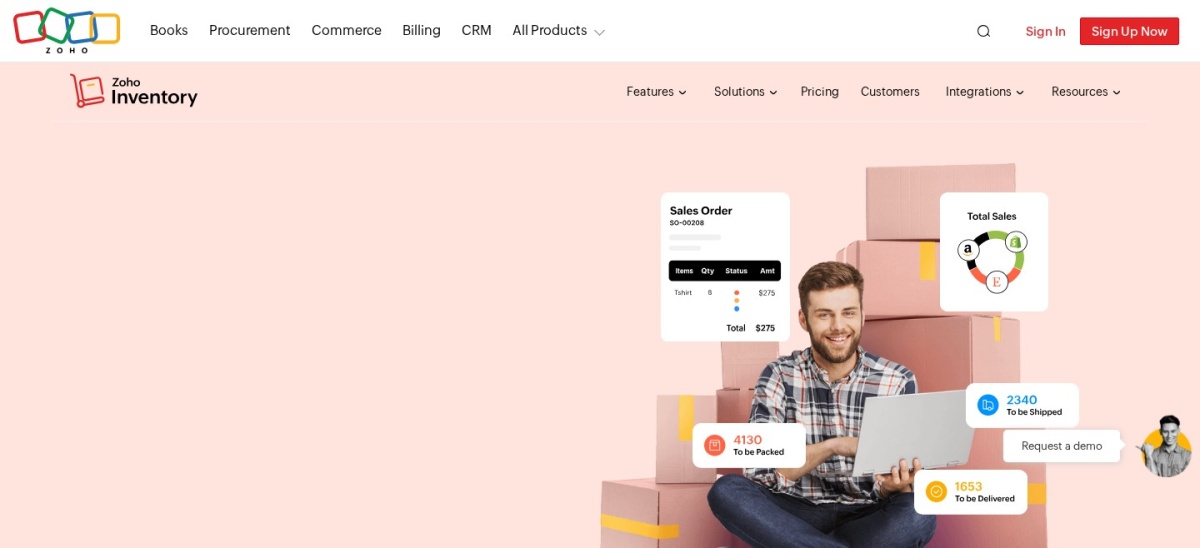
Zoho Inventory homepage, captured Nov 2026.
Zoho Inventory is an inventory and order management platform covering purchasing, sales orders, packing, shipping and stock tracking. Its free plan includes 50 orders, 1 user and 1 location, alongside composite items, dropshipping and backordering features. It connects inventory activities with sales and purchasing workflows.
The trade off is that the free edition has limited order capacity and user access. Standard costs $29 per organization per month billed annually, or $348 yearly, and supports 500 monthly orders, 3 users and 2 locations. It suits businesses that need stock visibility before improving their shipping processes.
What we like
Free inventory and order management plan
Purchase and sales order workflows
Supports dropshipping and backorders
Integrates with ecommerce and accounting applications
Clear upgrade path for higher order volumes
Watch out for
Free plan has a small order allowance
Only 1 free user and location
Advanced warehouse features require upgrades
Carrier integrations depend on supported services
Standard expands orders, users and locations; higher tiers add advanced warehouse and tracking features.Visit zoho.com
04
Shippo
4.2/5on G2 (77 reviews, checked Nov 2026)
Paid from$17/mo
Best for straightforward shipping labels
Free labelsUp to 30/month
Free users1
Store connectionsUnlimited
Paid planPro, from $17/mo annually
goshippo.com
Shippo homepage, captured Nov 2026.
Shippo is a multicarrier shipping platform for ecommerce merchants and developers. Its free Starter plan supports up to 30 labels monthly, unlimited store connections, shipment tracking and basic automation. Sellers can compare carrier rates and create labels without subscribing to a paid plan.
The trade off is the free label allowance and additional charges when connecting your own carrier account. Pro starts at $17 per month billed annually, approximately $204 yearly, and adds branded tracking, pick lists, scan-to-print and up to 5 user logins. It suits smaller businesses with straightforward shipping needs.
What we like
Free plan for low-volume shipping
Unlimited connected stores
Multiple carrier rate options
Tracking and return label support
API access for custom shipping workflows
Watch out for
Free plan capped at 30 labels monthly
Own-carrier accounts incur fees on Starter
Branded tracking requires Pro
Not a complete warehouse management system
Pro adds branded tracking, more users, pick lists, scan-to-print and expanded support.Visit goshippo.com
05
Easyship
4.4/5on G2 (196 reviews, checked Nov 2026)
Paid from$29/mo
Best for international ecommerce shipping
Courier network550+ services
Free planAvailable
Core featuresRates, labels and tracking
Paid planPlus, from $29/mo
easyship.com
Easyship homepage, captured Nov 2026.
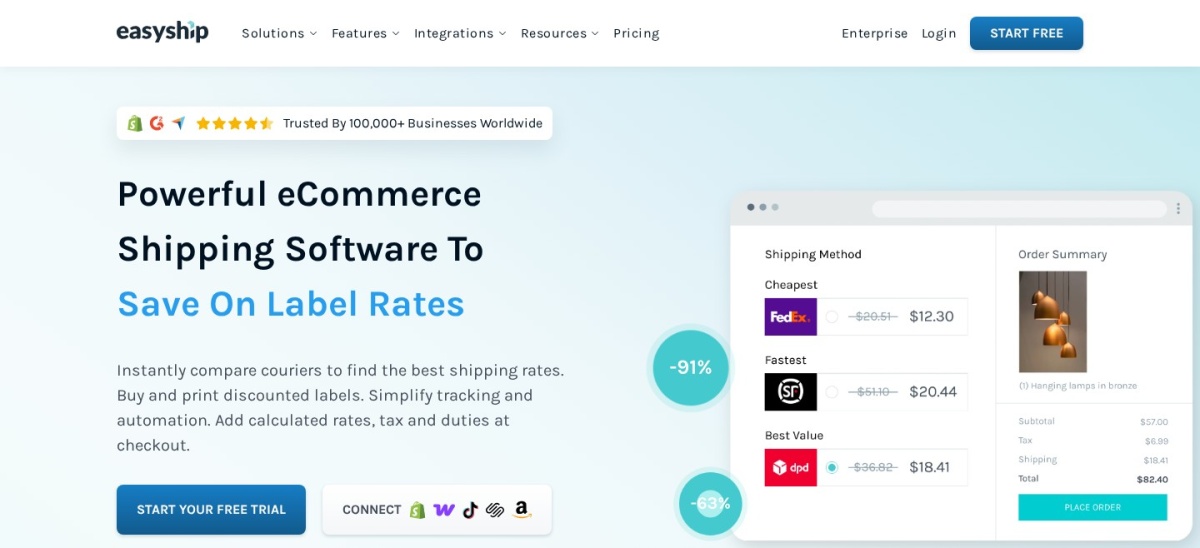
Easyship is a shipping platform that compares more than 550 courier services and connects ecommerce orders with label creation and tracking. Its free plan supports smaller merchants, while the platform provides international shipping tools and customs-related information. Easyship reports serving over 100,000 brands.
The trade off is that advanced shipping rules, linked carrier accounts and certain marketplace shipping features require paid subscriptions. Plus starts at $29 per month, or $348 across a year at the regular monthly rate, with annual-billing discounts advertised separately. It suits merchants handling international shipments and carrier comparisons.
What we like
Large international courier network
Free entry plan available
Shipping rate comparisons and tracking
Customs and duties-related tools
Ecommerce integrations and API options
Watch out for
Advanced automation requires a subscription
Carrier services vary by shipping route
Subscription fees are separate from postage
Detailed pricing depends on shipping requirements
Plus adds advanced shipping rules, expanded API allowances and additional carrier integration options.Visit easyship.com
06
Ordoro
4.7/5on Capterra (79 reviews, checked Nov 2026)
Paid from$59/mo
Best for flexible shipping and inventory operations
Free shipping labels100/month
Free sales channels1
Paid shipping capacity3,000 orders/month
Paid planShipping Advanced, $59/mo
ordoro.com
Ordoro homepage, captured Nov 2026.
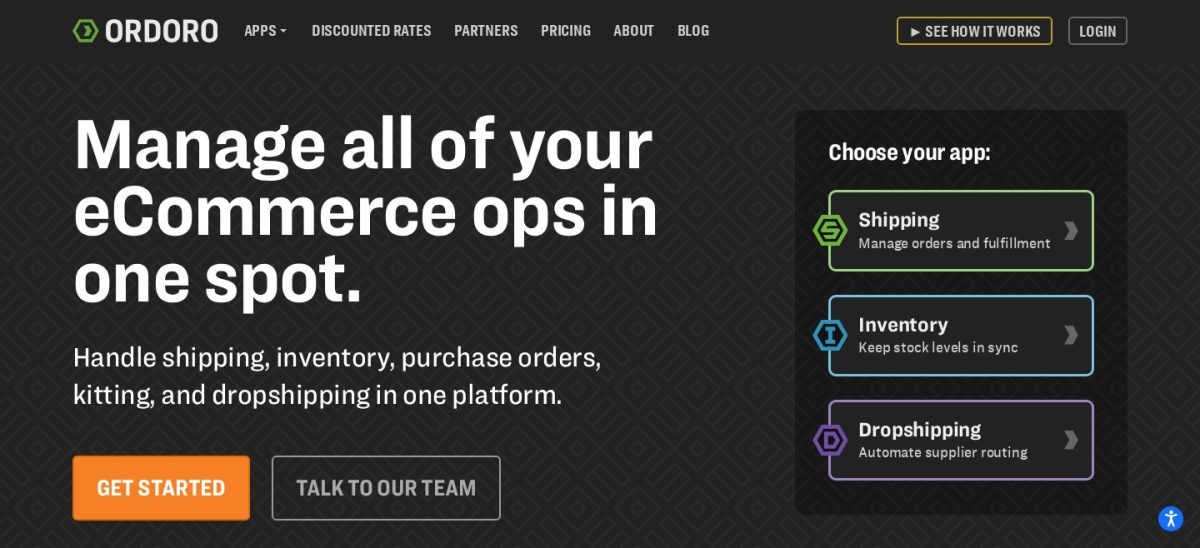
Ordoro is a modular fulfillment platform with separate shipping, inventory and dropshipping applications. Its free Shipping Essential plan supports 100 monthly labels, 1 sales channel, 1 user and barcode scanning for pack verification. It provides discounted carrier options, return labels and basic order processing.
The trade off is that shipping automation, more connected stores and full inventory management require paid plans. Shipping Advanced costs $59 per month, or $708 annually, and supports 3,000 monthly orders with unlimited users. Separate Inventory plans start at $349 monthly. It suits merchants expanding from basic shipping into more structured fulfillment.
What we like
Free shipping tier available
Barcode scanning and pack verification
Separate inventory and dropshipping modules
Advanced plan supports multiple sales channels
Higher plans add automation and batch processing
Watch out for
Free tier limited to 100 labels
Free plan supports only 1 sales channel
Inventory management costs considerably more
Combining applications may increase subscription costs
Shipping Advanced adds automation, analytics and more orders; separate plans add inventory and dropshipping.Visit ordoro.com
07
Cin7 Core
4.3/5on G2 (353 reviews, checked Nov 2026)
Starts at$349/mo
Best for complex inventory and warehouse operations
Standard users5
Annual sales orders6,000
Standard integrations2
Paid planStandard, $349/mo
cin7.com
Cin7 Core homepage, captured Nov 2026.
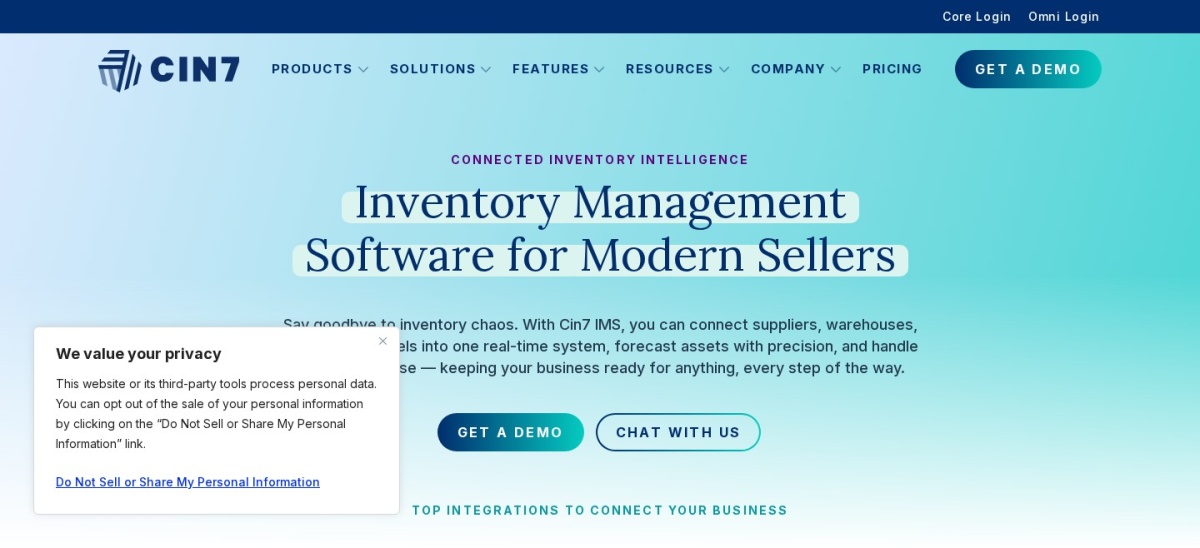
Cin7 Core is an inventory and operations platform for businesses coordinating purchasing, stock, sales and fulfillment. Its Standard plan costs $349 per month and includes 5 users, 2 ecommerce or application integrations, 6,000 annual sales orders and unlimited inventory locations. It supports centralized inventory and order management.
The trade off is the higher subscription cost and setup requirements compared with shipping-only tools. Standard costs $4,188 annually at the published monthly rate, while Pro starts at $599 per month. It suits established ecommerce, wholesale and distribution businesses needing connected inventory and fulfillment processes.
What we like
Integrated inventory and order management
Supports multiple inventory locations
Purchasing and sales workflows
Connects with ecommerce and accounting systems
Upgrade path to advanced warehouse operations
Watch out for
Higher starting subscription cost
No permanent free plan
Some integrations require additional fees
Advanced warehouse features require higher tiers
Pro expands capacity and planning features; Advanced adds warehouse management and higher order limits.Visit cin7.com
08
ShippingEasy
4.6/5on G2 (114 reviews, checked Nov 2026)
Paid from$19.99/mo
Best for low-volume shipping and customer marketing
Free shipments25/month
Free store connectionsUp to 3
Paid shipments26–200/month
Paid planGrowth, $19.99/mo
shippingeasy.com
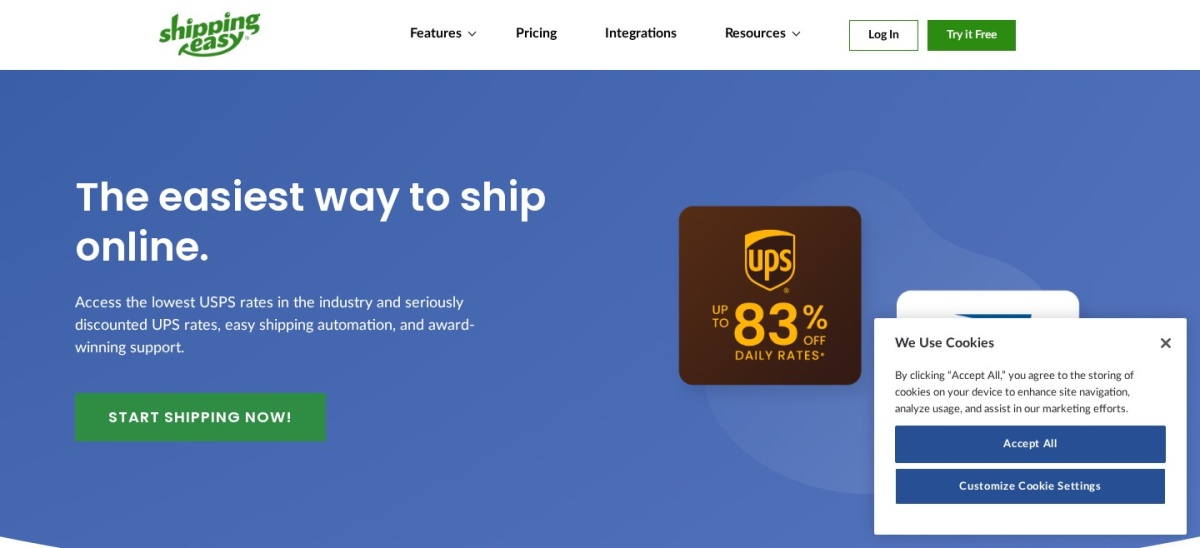
ShippingEasy homepage, captured Nov 2026.
ShippingEasy is an ecommerce shipping platform that imports orders, generates discounted shipping labels and automates routine fulfillment tasks. Its free Starter plan supports up to 25 monthly shipments and automatic order imports from up to 3 stores or marketplaces. It also provides printer integration and shipping workflow tools.
The trade off is the small free shipment allowance and limits on connected sales channels. Growth costs $19.99 per month, or $239.88 annually, for 26–200 monthly shipments, with additional support and store connections. It suits smaller merchants who want shipping tools with optional customer marketing features.
Fulfillment software vs third-party logistics: what is the difference?
Fulfillment software helps a business process orders and coordinate shipping, inventory and warehouse tasks. It does not necessarily provide physical storage, packing staff or delivery transportation.
A third-party logistics provider, often called a 3PL, physically stores inventory and processes orders on behalf of a merchant. The provider may also handle packing, shipping and returns.
Shipping tools such as ShipStation and Shippo are useful when a merchant handles fulfillment directly. Inventory platforms such as Cin7 Core and Zoho Inventory provide more operational coordination.
Businesses outsourcing fulfillment should check whether their software connects with the chosen 3PL. Reliable inventory synchronization and order status updates are important when warehouse operations happen outside the business.
What does fulfillment software actually cost?
Software subscriptions are only one part of fulfillment spending. Merchants also pay shipping carriers, purchase packaging materials and may incur storage or labor expenses.
Shipping-focused platforms generally price around shipment volume and feature access. ShipStation Starter costs $14.99 monthly for 50 shipments, while ShippingEasy Growth costs $19.99 monthly for 26–200 shipments.
Inventory platforms can cost more because they manage purchasing, stock, locations and workflows. Zoho Inventory Standard costs $29 monthly with annual billing, while Cin7 Core Standard costs $349 monthly.
Compare costs at your expected order volume, including additional users, warehouses and integrations. A lower advertised subscription can become more expensive when essential features require separate upgrades.
How we chose
We selected established ecommerce fulfillment, shipping and inventory platforms with publicly documented plans. We compared order imports, shipping workflows, inventory control, warehouse functionality, integrations, plan limits and independent customer reviews from G2 and Capterra.
Published pricing and ratings were reviewed against vendor pages and public review listings during November 2026, with a fresh verification pass on 23 Nov 2026 for this article dated 22 Nov 2026. We used regular entry-plan pricing and distinguished permanently free subscriptions from paid plans and introductory trials.
We excluded quote-only solutions without confirmable public entry pricing, along with services primarily selling physical fulfillment rather than standalone software. We also distinguished shipping tools from broader warehouse management systems so their capabilities are not treated as identical. No vendor paid for a place, and we do not claim testing for this list.
How to choose the best fulfillment software
Start by mapping your current order fulfillment workflow, then compare shipping volume, inventory requirements, integrations and total subscription costs.
Identify your biggest fulfillment problem. Choose a shipping-focused platform when label printing and carrier selection create delays. Prioritize inventory and warehouse software when stock accuracy, purchasing, picking and order coordination are the larger challenges.
Match the plan to your order volume. Review monthly shipment allowances, annual sales order limits and additional user costs. Consider your normal volume and seasonal peaks so the selected plan does not create unexpected restrictions during busy periods.
Check integrations and warehouse workflows. Confirm compatibility with your ecommerce platform, marketplaces, accounting software and shipping providers. If you manage multiple locations, examine stock synchronization, picking methods, packing verification and returns workflows.
Calculate the full operating cost. Include subscription fees, shipping charges, extra users, optional integrations and warehouse costs. Compare the cheapest suitable plan rather than selecting a platform based only on its advertised starting price.
FAQ
What is the best fulfillment software for ecommerce?
ShipStation is our overall recommendation for growing ecommerce sellers because it combines multichannel order imports, shipping automation, carrier options and a scalable plan structure. Veeqo is appealing for free shipping operations, while Zoho Inventory is better when inventory management is central to fulfillment.
Is there free order fulfillment software?
Yes. Veeqo offers free shipping software with unlimited orders, while Shippo, Ordoro and ShippingEasy provide free plans with shipment limits. Zoho Inventory also has a free plan for smaller order volumes. Free software does not mean postage, packaging or warehouse operations are free.
What is the difference between fulfillment software and shipping software?
Shipping software primarily manages labels, carrier rates, tracking and shipment processing. Fulfillment software may additionally coordinate inventory availability, picking, packing, warehouses and order routing. Some platforms combine both areas, while others specialize in only one part of the process.
Which fulfillment software is best for small businesses?
Shippo, Veeqo and ShippingEasy are practical options for smaller merchants focused on shipping. Zoho Inventory is worth considering when stock management and purchasing are also important. Compare order allowances and paid upgrade costs before choosing, because the cheapest option depends on your workflow.
Can fulfillment software connect with Shopify and WooCommerce?
Several platforms support common ecommerce integrations, including ShipStation, Veeqo, Zoho Inventory and Easyship. Integration capabilities differ by platform and subscription tier. Verify whether your store can automatically import orders, update tracking details and synchronize inventory before committing.
How much does fulfillment software cost per month?
Entry prices vary substantially. ShipStation starts at $14.99 monthly, Shippo Pro at $17 monthly with annual billing, and Zoho Inventory Standard at $29 monthly billed annually. More advanced inventory platforms such as Cin7 Core start at $349 monthly. Carrier and operational expenses are separate.
Do I need warehouse management software for fulfillment?
Not always. A merchant processing straightforward orders from one location may only need shipping software and basic inventory tracking. Warehouse management becomes more valuable when multiple locations, barcode scanning, picking teams, stock transfers and complex packing workflows make manual coordination difficult.
Can fulfillment software automate order processing?
Yes. Many platforms can import orders, apply shipping rules, generate labels and update tracking information. More advanced tools may support picking workflows, stock synchronization and routing decisions. Automation availability depends on the product and plan, so review the actual included features.
Is fulfillment software the same as a 3PL service?
No. Fulfillment software provides digital tools for managing orders and operational workflows. A 3PL provider physically stores, picks, packs and ships products for a business. The two can work together when software connects the merchant's sales channels with an outsourced warehouse.