Clockify is the best free tool for time management for most people, with unlimited users, projects and clients on its free plan. Pick Toggl Track for the easiest timer and reports, or Todoist if tasks and deadlines matter more than time tracking.
How we make this list: we compare pricing pages, product documentation and public user reviews, then re-check every price before each update. No product paid for a place. Disclosure.
Clockify is the only tool here with unlimited users, projects and clients on its free plan.
Toggl Track has the highest G2 rating among the pure timers, at 4.6 out of 5 from 1,589 reviews.
Todoist has no built-in timer; TickTick's timer is a Pomodoro focus timer, not a billing log.
Asana's free plan covers only 2 users, the tightest team limit in this list.
Paid upgrades start at $35.99 a year for TickTick and climb to $144 a year for ClickUp at the $12 regular price.
What a free time management tool should cover
Free time management tools fall into three kinds: timers that log hours, task managers that plan the day, and automatic trackers that watch where time goes. Most people need only one kind, plus a calendar.
The free plan is where these tools differ most. Clockify lets unlimited users track time for free, while Asana's free plan stops at two users and Todoist's at five projects. Check the limit that matters to you before you commit.
A timer helps if you bill by the hour or want to see where the week went. A task list helps more if the problem is deciding what to do next. Our guide on creating a content calendar shows the same planning habit applied to publishing work.
Paid upgrades mostly add reports, automation and higher limits. None of the nine tools here needs a paid plan to be useful for one person, and the cheapest upgrades start at $35.99 a year.
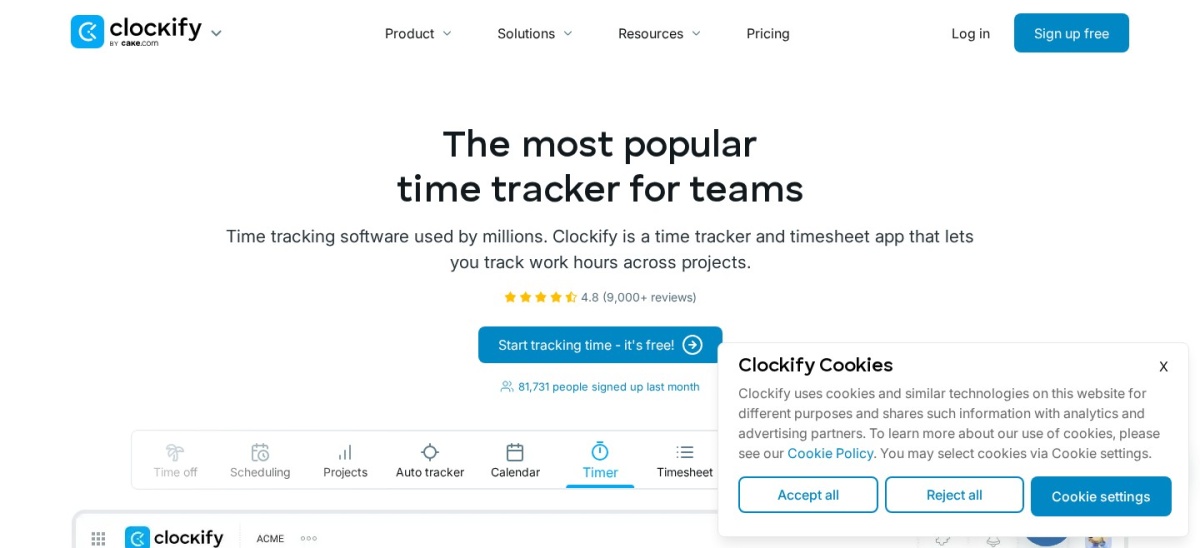
Clockify is a time tracker with a free plan that covers unlimited users, projects, clients and time tracking, which is the most generous free offer in this list. You start a timer or add time by hand, set hourly rates, and build reports to see where the week went. It runs on the web, desktop and mobile.
The trade off is depth. Advanced reports, scheduling, approvals and forecasting sit in paid plans, starting with Basic at $4.99 per user a month. It suits freelancers and small teams who want free, unlimited tracking and simple reports.
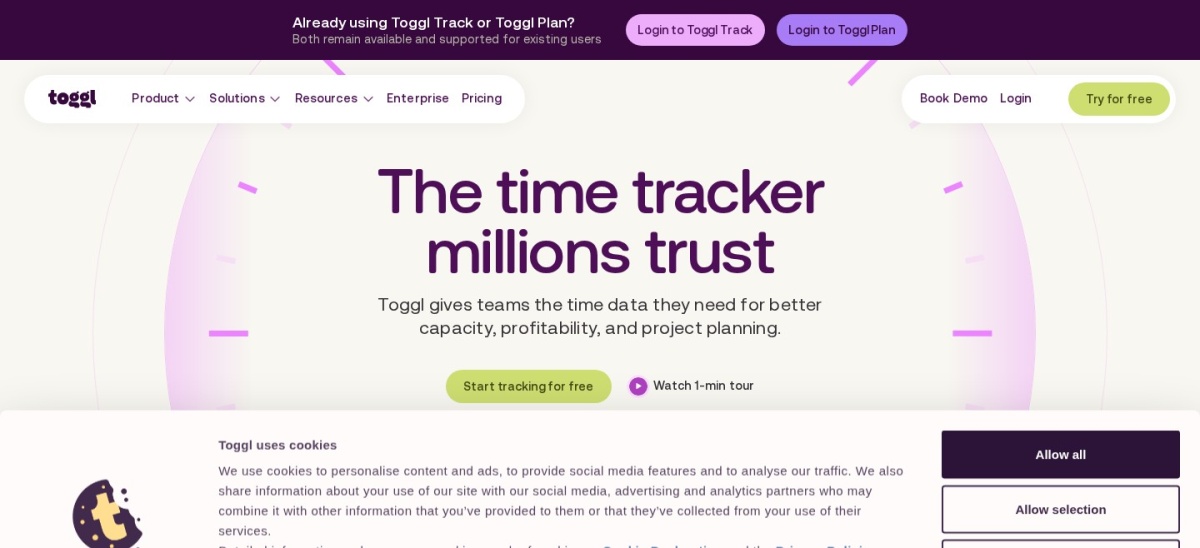
Toggl Track is a simple timer app for logging work by project and client. The free plan covers up to 5 users, with one-click timers, manual entries, basic reports and more than 100 integrations. It runs on the web, desktop and mobile, and syncs across them.
The trade off is price. Paid plans start with Starter at $10 per user a month, and billable rates, project time estimates and rounded time need a paid plan. It suits freelancers and small teams who want the fastest timer and clear weekly reports.
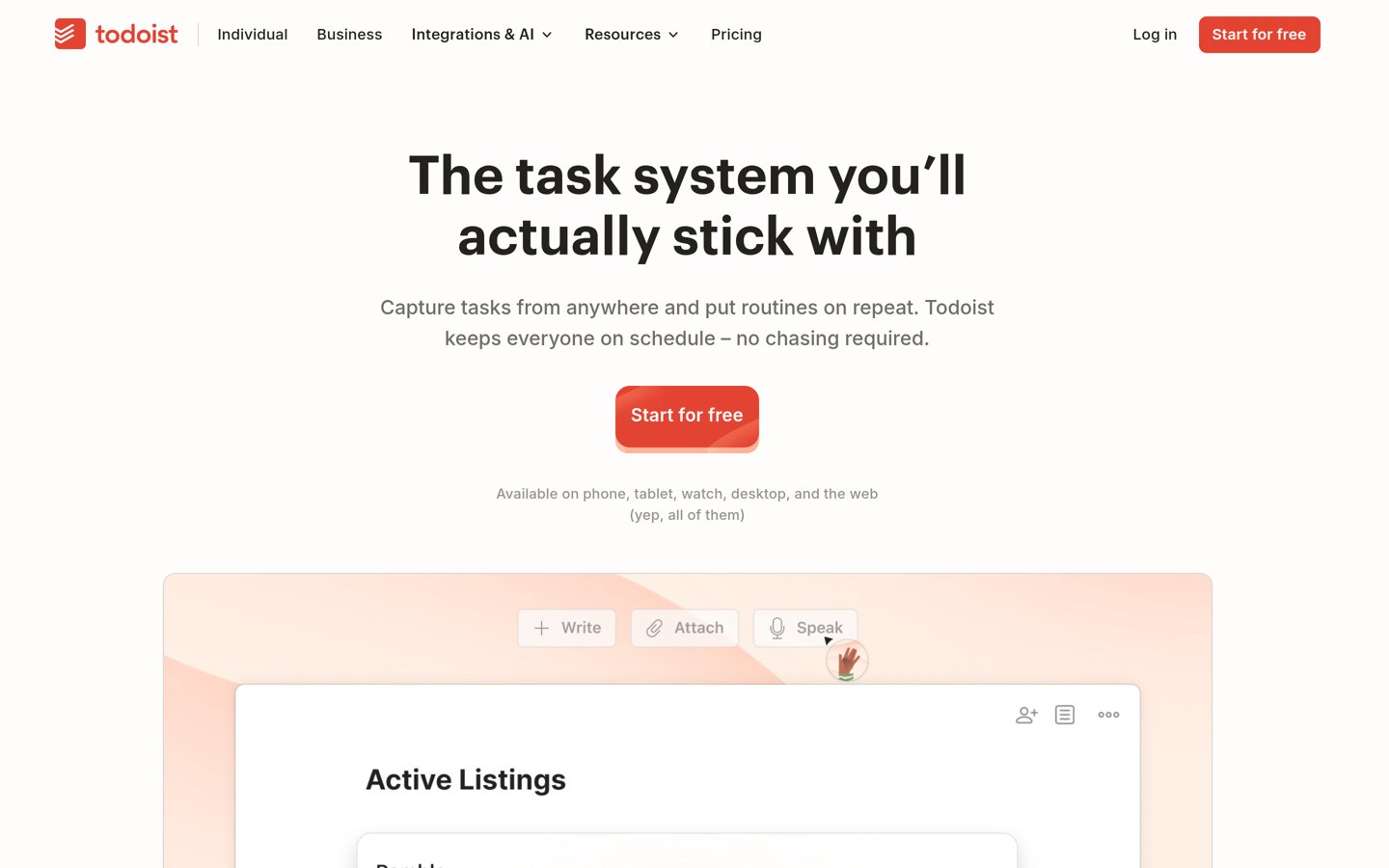
Todoist is a task manager that turns a to-do list into a daily plan. The free Beginner plan covers 5 projects, with natural-language dates, priorities, labels and apps on every platform. Paid plans add reminders, filters and a calendar layout.
The trade off is time tracking. Todoist has no built-in timer, so you plan the day here and track hours in another tool. Pro costs $4 per user a month. It suits people who manage time by planning tasks and deadlines, not by logging hours.
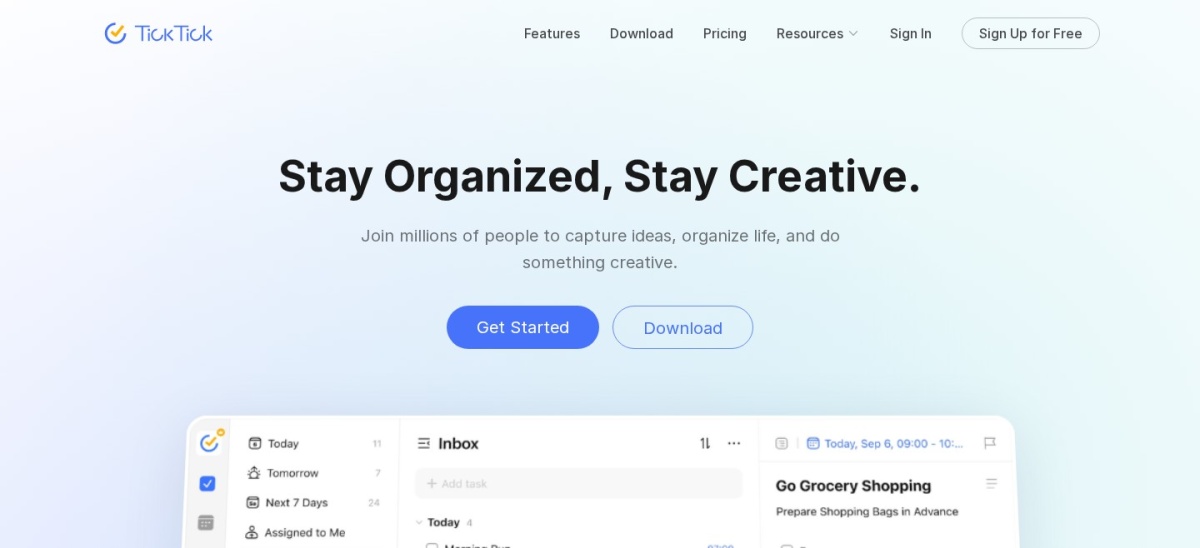
TickTick is a to-do app with a calendar, habit tracker and Pomodoro focus timer in one place. The free plan covers 9 lists with up to 99 tasks each, plus the Pomodoro timer and 5 habits. It runs on the web, desktop and mobile, with sync across them.
The trade off is the calendar. The full calendar view, unlimited lists and detailed statistics need Premium at $35.99 a year. It suits people who want tasks, habits and focus sessions in a single free app.
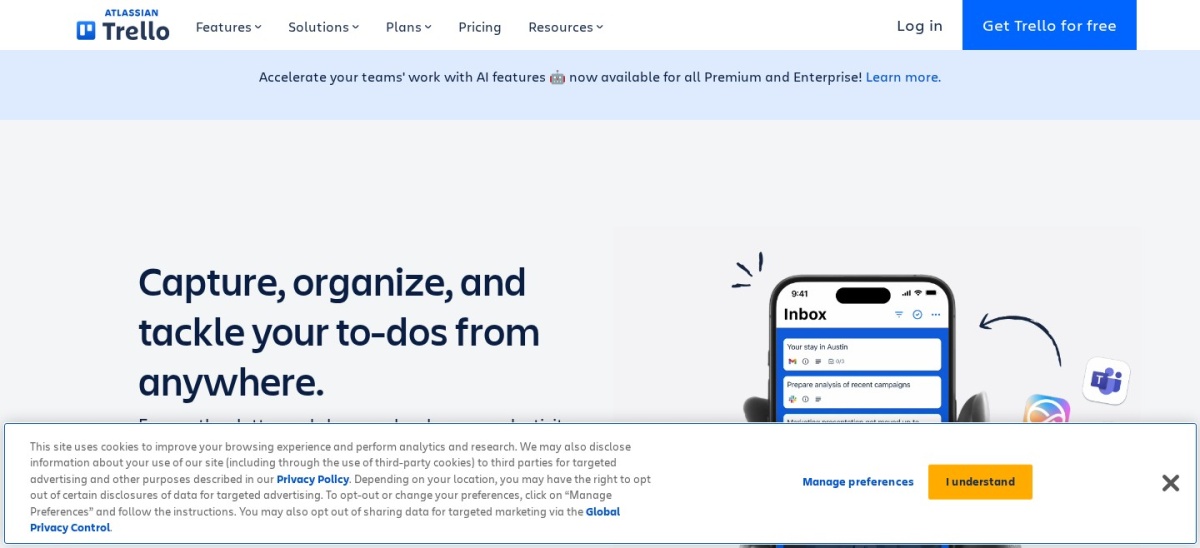
Trello is a visual board tool where each task is a card you drag between lists. The free plan covers up to 10 collaborators per workspace, with unlimited cards, lists and basic automation. It runs on the web and mobile, and fits simple weekly planning.
The trade off is structure. There is no built-in time tracking, and timeline, calendar and advanced automation need Standard at $5 per user a month. It suits visual planners and small teams who like boards more than lists.
What we like
Boards are easy to read at a glance
Free plan covers 10 collaborators
Simple to learn, with little setup
Watch out for
No built-in time tracking
Weak for dated tasks and deadlines
Standard adds timeline, calendar and more automationVisit trello.com
06
Notion
4.6/5on G2 (12,176 reviews, checked Nov 2026)
Paid from$10/mo
Best for a custom planning system
Free plan1 person
Paid planPlus, $10/mo
Page history7 days
File uploadsUp to 5 MB
notion.com
Notion homepage, captured Nov 2026.
Notion is an all-in-one workspace for notes, tasks, databases and calendars. The free plan covers one person, with unlimited pages, 7-day page history, 5 MB file uploads and 10 guests. You can build a daily planner, a habit tracker and a project board in one place.
The trade off is setup time. Notion gives you blank pages, not a ready-made time system, and shared workspaces hit block limits on the free plan. Plus costs $10 per member a month. It suits people who enjoy building a custom planning system.
Asana is a work manager for tasks, projects and team deadlines. The free Personal plan covers up to 2 users, with unlimited tasks, projects and messages, plus list, board and calendar views. It fits a solo worker or a pair planning shared work.
The trade off is the seat limit. Teams of three or more need Starter at $10.99 per user a month, and timeline views and workflow automation are paid too. It suits small teams who want clear task ownership and deadlines.
ClickUp is an all-in-one workspace with tasks, docs, whiteboards, chat and native time tracking. The free plan covers unlimited tasks and members, with 60 MB of storage, kanban boards and basic custom fields. It is the broadest free plan in this list after Clockify.
The trade off is complexity. ClickUp takes longer to set up than a simple timer or list, and its many views can feel crowded. The regular price used here is $12 per user a month. It suits teams who want tasks, docs and time tracking in one tool.
RescueTime is an automatic tracker that records which apps and websites you use, then scores the day for focus. The free Lite plan covers basic automatic tracking and reports, with two weeks of history and one goal. It runs on desktop and mobile.
The trade off is control. Lite cannot log offline activity or run Focus Sessions, and detailed tracking needs Solo at $7 a month billed annually. It suits people who want to see where their time actually goes without starting a timer.
Free plans cover the basics well. Timers run, lists sync and automatic trackers record the day, all without paying.
Paid plans mostly add reports, automation and higher limits. You get deeper history, billable rates, timeline views and more seats.
If you bill clients by the hour, a paid timer often pays for itself in one invoice. Our guide on scheduling posts in WordPress shows the same idea: a small routine, kept every week, beats a big plan kept once.
For personal use, start free and pay only when a limit blocks real work. Most people in this list never need to upgrade.
How we chose
We started from the best-known free time tools: timers, task managers and automatic trackers with a permanent free plan, then kept the nine with the strongest public ratings and the clearest free limits.
Prices come from each vendor's pricing page and G2 pricing pages, checked on 25 November 2026. Ratings and review counts come from G2 on the same day. Where a vendor shows a sale, the list shows the regular price.
We left out tools with no permanent free plan and tools with no public rating. No vendor paid for a place, and we do not claim to have used these tools ourselves.
How to choose a free time management tool
Start with the job you need done each day, then pick the simplest free plan that covers it.
Work out whether you need a timer, a task list, or both. Billable work needs a timer such as Clockify or Toggl Track. Planning your day needs a list such as Todoist or TickTick.
Check the free plan limit that will hit you first. Asana stops at 2 users, Todoist at 5 projects and TickTick at 9 lists. Clockify has no user limit on its free plan.
Try the free plan for one full week. A week of real work shows whether the timer, the list or the automatic tracker fits your habits. Do not judge a tool from its homepage.
Pay only when a limit blocks real work. Upgrade for reports, billable rates or more seats, not for features you might use one day.
FAQ
What is the best free time management tool?
Clockify is the best free pick for most people. Its free plan covers unlimited users, projects and clients, with time tracking and reports included, and it is rated 4.5 out of 5 on G2.
Is there a completely free time tracker?
Yes. Clockify and Toggl Track both have permanent free plans. Clockify's free plan is more generous, with no user limit, while Toggl Track's free plan covers up to 5 users.
Can I manage my time without tracking hours?
Yes. Todoist and TickTick plan the day with tasks, deadlines and priorities instead of logging hours. That suits people whose problem is deciding what to do next, not billing time.
Which free tool is best for a small team?
Clockify is the safest free choice for a team, because its free plan has no user limit. Trello's free plan covers 10 collaborators, while Asana's free plan stops at 2 users.
Do free time management tools have a Pomodoro timer?
TickTick includes a Pomodoro focus timer on its free plan, with habits and tasks in the same app. RescueTime's Focus Sessions, which block distractions during a session, need the paid Solo plan.
When should I pay for a time management tool?
Pay when a free limit blocks real work, such as needing billable rates, deeper reports or more seats. For most personal use the free plans in this list are enough.
SaaS SEO and WordPress specialist with about 8 years of experience. Rakib compares WordPress plugins, themes, hosting and software using public pricing, documentation and user reviews. See how we rank.