Best Email Sequence Software in 2026: 9 Tools Compared
WLWPLegible EditorsLast verified 23 Nov 2026How we rank12 min read
★ Short answer
Instantly is the best email sequence software for most teams, with unlimited inboxes, warmup and a 450M+ contact database, rated 4.8 out of 5 on G2 from 4,164 reviews. Pick Mailshake for the simplest sequences at $29 a month, or Outplay if you want a free plan to start.
How we make this list: we compare pricing pages, product documentation and public user reviews, then re-check every price before each update. No product paid for a place. Disclosure.
Instantly leads this list with a 4.8 out of 5 G2 rating from 4,164 reviews, with unlimited inboxes and warmup from $47 a month.
QuickMail is the deliverability-first pick for agencies, with unlimited senders and a 4.7 rating from 119 reviews.
Mailshake is the simplest sequence tool here at $29 a month, with unlimited campaigns and A/B testing.
Saleshandy bundles sequences with a 700M+ contact lead database from $41 a month.
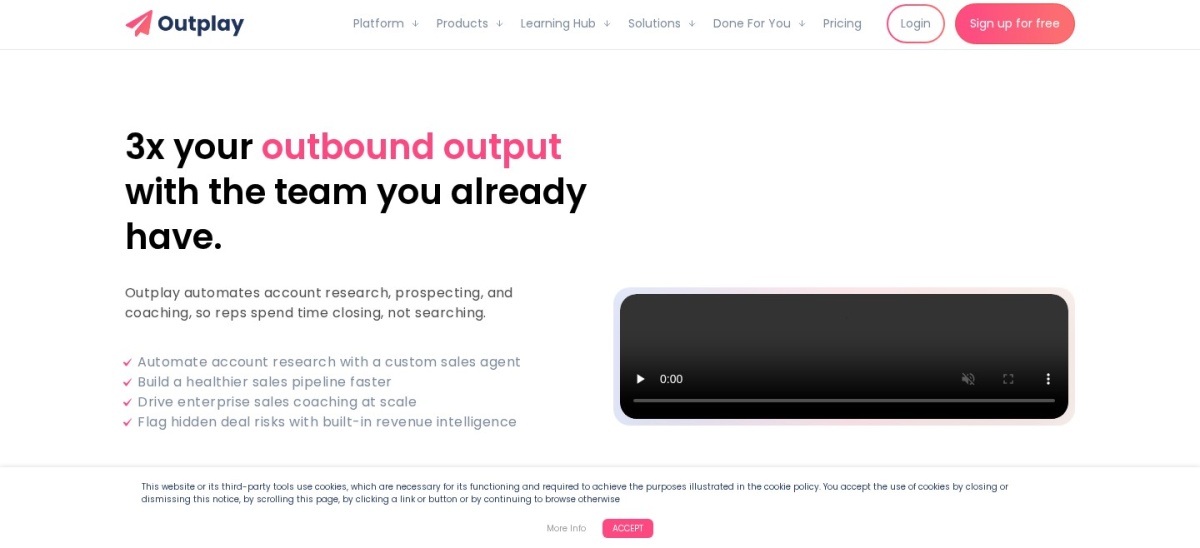
Outplay is the only tool here with a free plan, covering 2,000 active prospects a month.
What to look for in email sequence software
Email sequence software automates follow-ups: you build a chain of emails, calls, LinkedIn touches and tasks, and the tool sends each step on schedule until the prospect replies or books. A good sequence turns one cold email into five or six chances to connect.
Deliverability decides whether sequences work at all. Unlimited inboxes, warmup and inbox rotation spread sending across many accounts so no single mailbox looks like a spammer. Check those features before you compare prices.
Most tools in this list charge per user or per account, not per email. A flat $39 or $49 a month can cover unlimited senders, while a $69 per-user plan gets expensive fast once the team grows.
Sequences are not a licence to spam. Keep lists clean, honour opt-outs, and check the sending rules in every country you contact, or your domains will end up blocked.
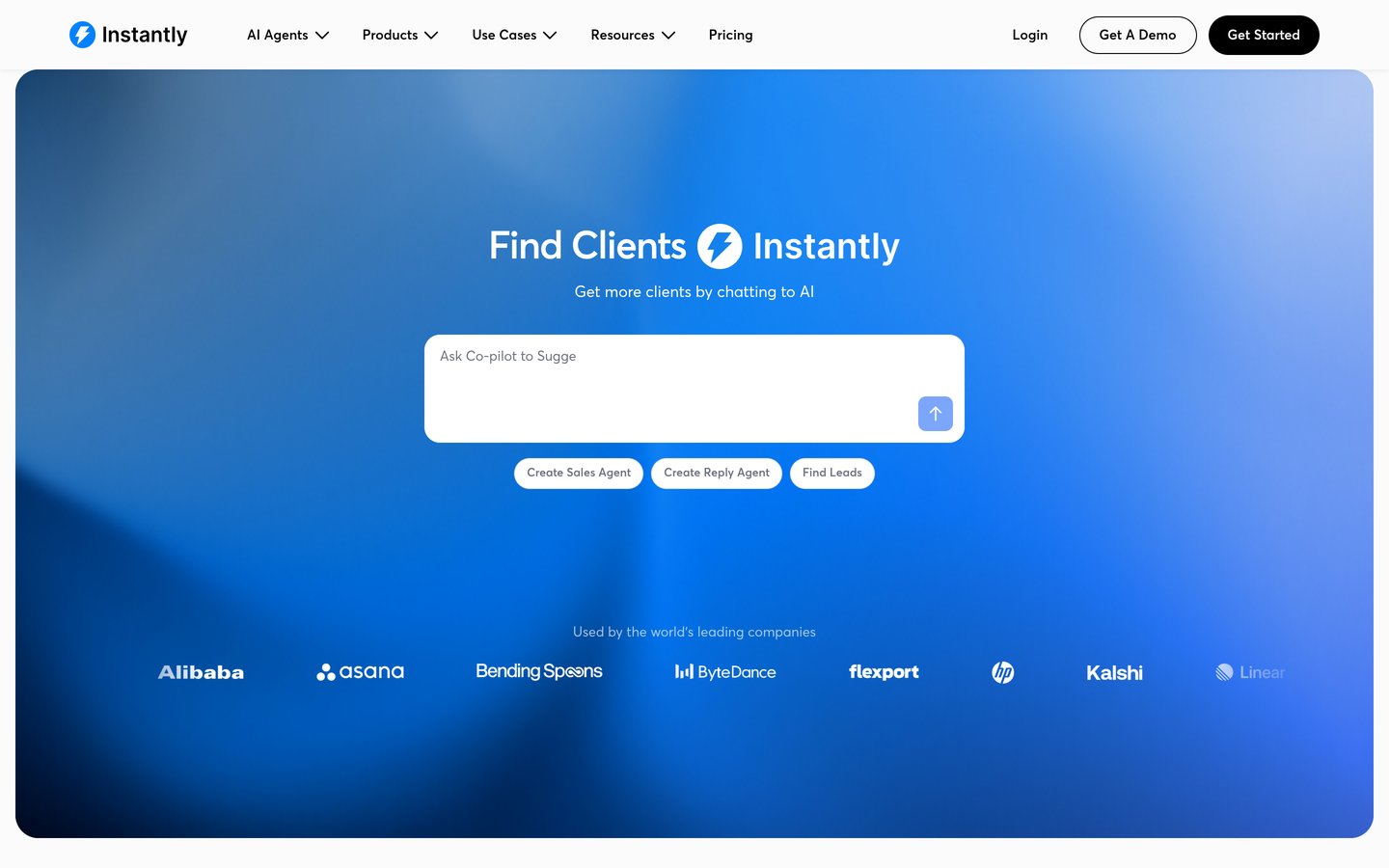
Instantly is an AI outreach platform built for high-volume cold email, with unlimited sending accounts, warmup, inbox rotation and a 450M+ contact database. The Growth plan costs $47 a month and includes 5,000 monthly emails, with a 14-day free trial.
The trade off is that Instantly is email-first, with no built-in dialer, and reviewers report slow support. It suits teams sending thousands of cold emails a month across many domains.
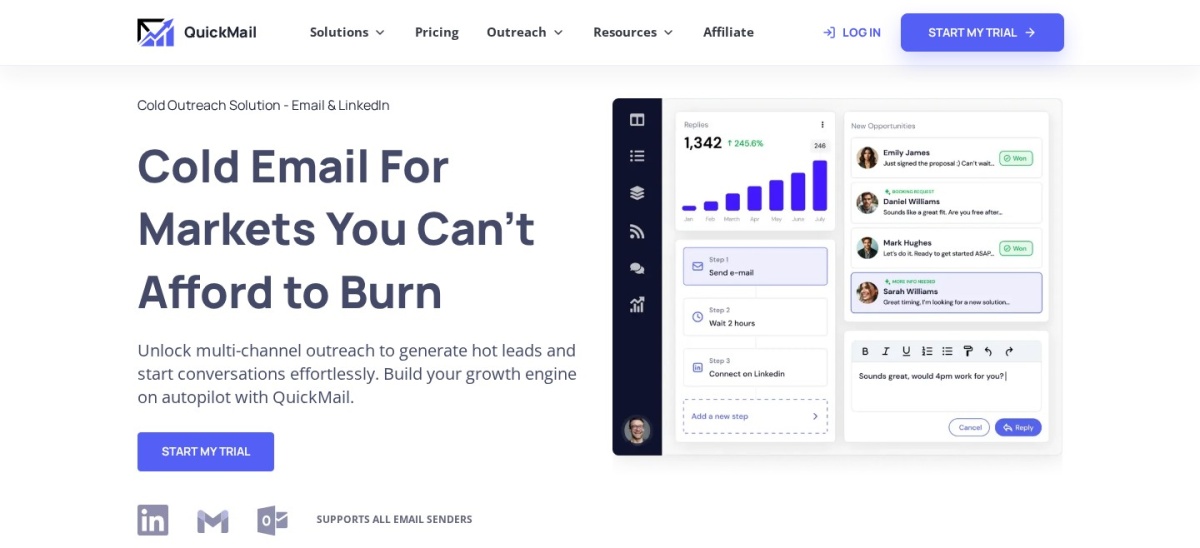
QuickMail is a cold email platform built for agencies and outbound teams running volume across many mailboxes. The Starter plan costs $49 a month for 5,000 emails and 1,000 contacts, with unlimited senders and users, free AutoWarmer and LinkedIn steps on every tier.
The trade off is the workflow. Reviewers call the bucket-then-schedule flow unintuitive next to Lemlist or Mailshake, and there is no lead database. It suits agencies that already have their data and want inbox placement above all.
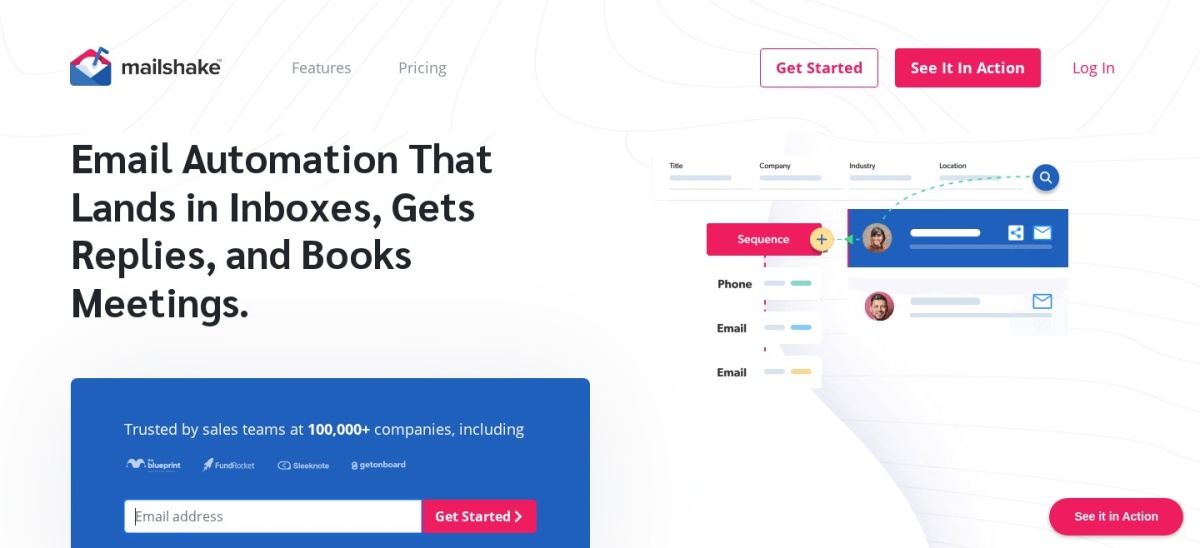
Mailshake is a sales engagement platform for cold email outreach, with unlimited campaigns, A/B testing and a simple interface that small teams pick up fast. The Starter plan costs $29 a month for 1,500 monthly sends on one mail account.
The trade off is scale. The entry plan covers one mail account and 1,500 sends, so growing teams pay more per seat. It suits solo sellers and small teams that want sequences running in an afternoon.
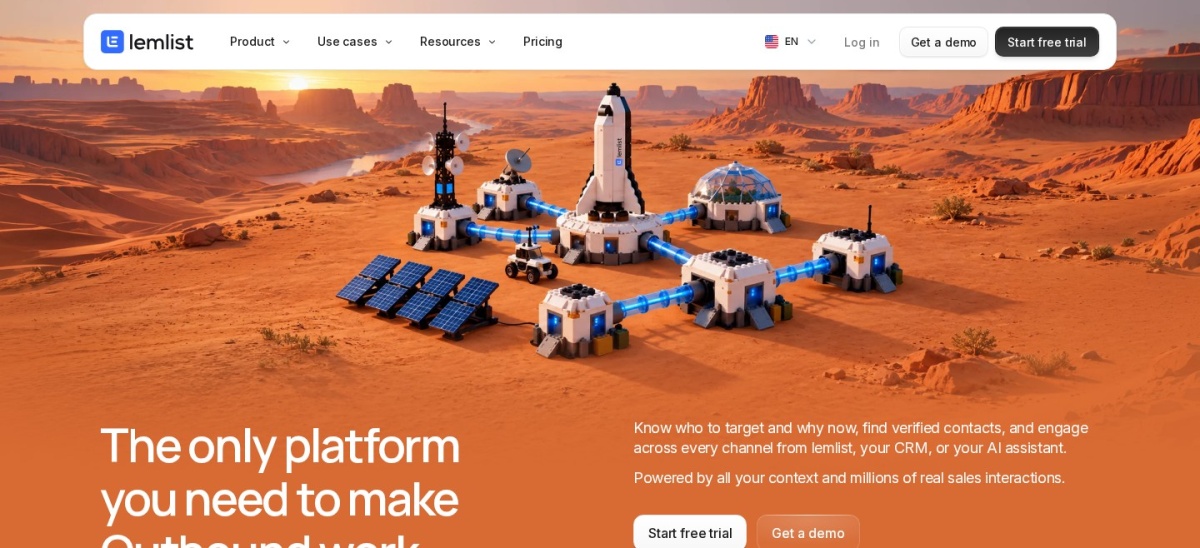
Lemlist is a multichannel outreach platform that runs email, LinkedIn and SMS steps in one sequence, with AI personalisation and a 650M+ contact database. The Email plan costs $69 a month for 50,000 monthly emails, confirmed on its pricing page.
The trade off is price. Multichannel plans cost more per user, and the entry plan is email-only. It suits teams that personalise at scale and treat LinkedIn as a real channel, not an afterthought.
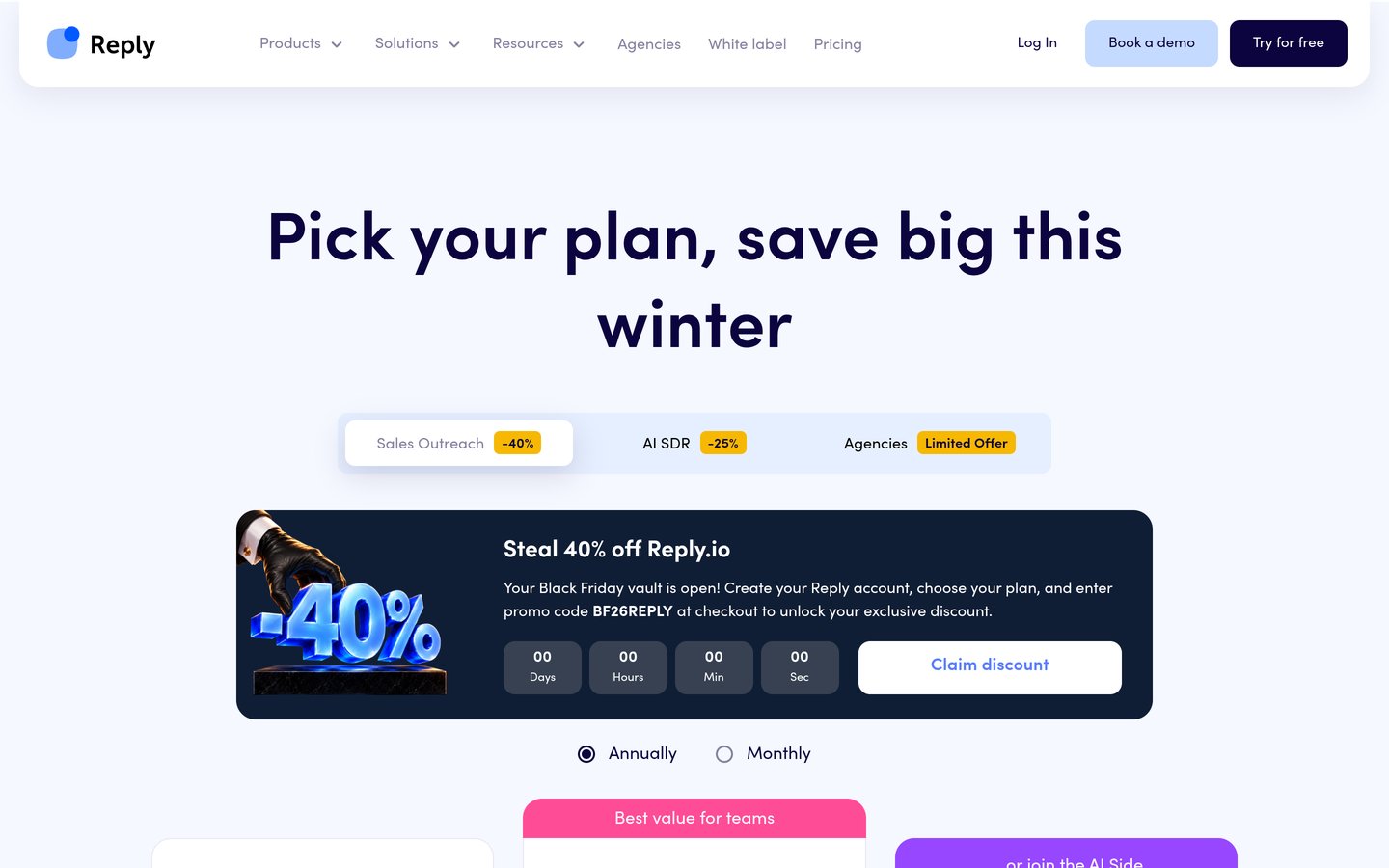
Reply.io is a sales engagement platform with email, LinkedIn, calls and SMS in one sequence builder, plus an AI SDR that handles replies. The entry plan costs $59 a month for 1,000 active contacts a month, with a 14-day free trial.
The trade off is the contact cap. The entry plan covers 1,000 active contacts a month, so high-volume teams upgrade fast. It suits teams that want calls and AI handling inside the same sequence.
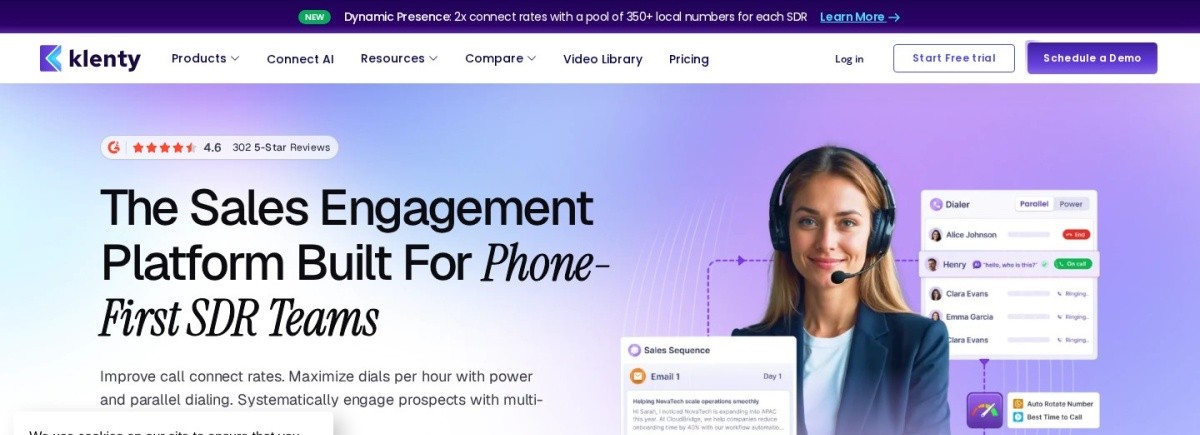
Klenty is a sales engagement platform that automates email, phone, LinkedIn and SMS from one dashboard. The Starter plan costs $50 a month flat, with unlimited users and mailboxes on a single domain, 15,000 contacts and 75,000 emails a month.
The trade off is that Growth and Plus switch to per-user pricing at $70 and $99, and the parallel dialer is a separate add-on around $45 a user. It suits small teams that want one flat price for email-first sequences.
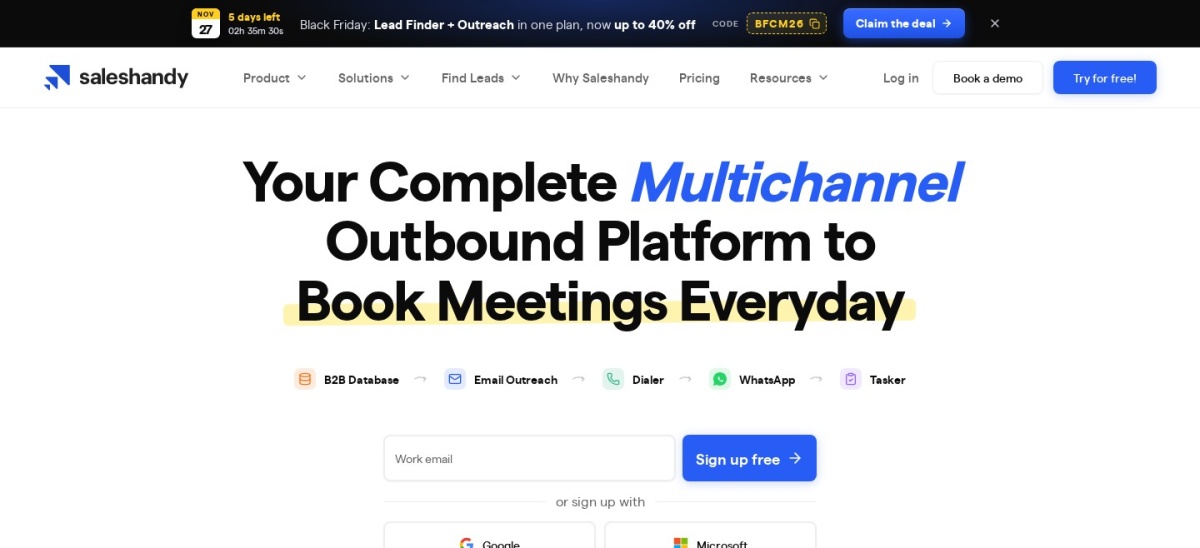
Saleshandy sequences cold email with warmup, multichannel steps and a credit-metered lead database in one account. The Starter plan costs $41 a month for 2,000 active prospects and 6,000 emails, with 1,500 Lead Finder credits and unlimited connected email accounts.
The trade off is add-on pricing. Lead Finder and inbox placement testing cost extra, CRM integrations need the Pro plan, and reviewers flag warmup scores that do not reflect real inbox placement. It suits teams that want sequencing, deliverability and lead sourcing under one login.
Outplay is a multichannel sales engagement platform with email, calls, SMS, LinkedIn and WhatsApp steps in one sequence builder, plus a built-in dialer and conversation intelligence. The Free Forever plan covers 2,000 active prospects a month with manual email, and Starter costs $39 a month for one user.
The trade off is that the free plan is manual-only, extra seats need Growth at $89 a user, and LinkedIn automation is a paid add-on. It suits small teams that want to test multichannel sequences before spending.
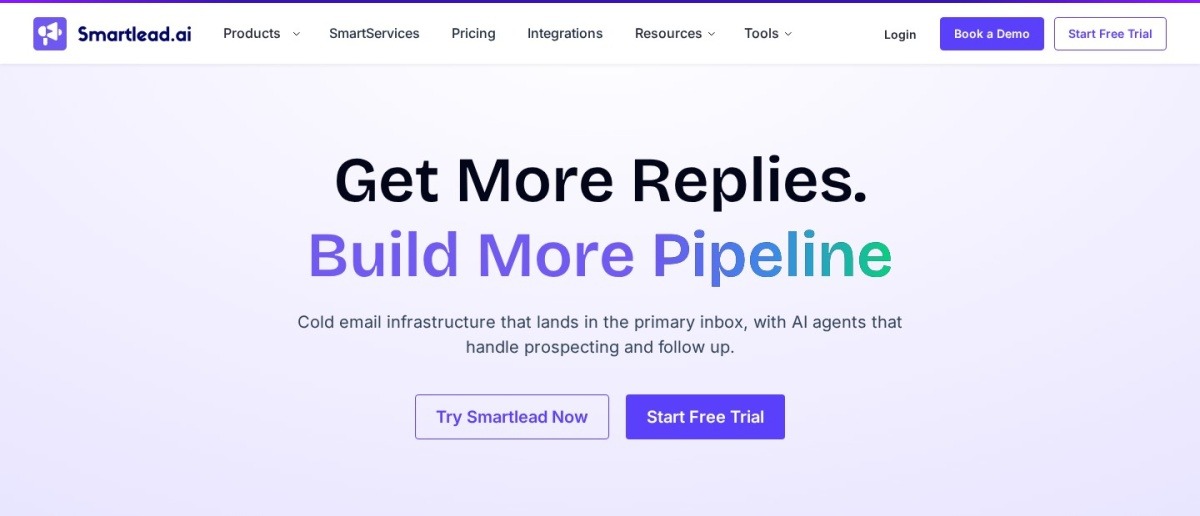
Smartlead is a cold email platform built for high-volume sending, with unlimited mailboxes, unlimited warmup and auto-rotating inboxes. The Basic plan costs $39 a month for 6,000 monthly emails, with a 14-day free trial.
The trade off is the interface. Reviewers call it less polished than Lemlist or Instantly, and the G2 rating of 4.4 is the lowest here. It suits teams sending large volumes across many mailboxes on a tight budget.
Start with three to five steps over two weeks: an opener, a value follow-up, a social proof nudge and a break-up email. Longer sequences add replies, but each extra step needs a reason to exist.
Vary the channel. A sequence that mixes email with a LinkedIn visit and a call gets more replies than email alone, which is why Lemlist, Reply and Klenty score well here.
Personalise the first line, not the whole email. A single sentence about the prospect's company beats a fully templated message, and AI personalisation on Lemlist and Reply can write it at scale.
Stop the sequence on reply. Every tool here pauses automatically when a prospect answers, but check that it also stops on a bounce or an out-of-office, or you will keep emailing people who cannot read it.
How we chose
We started from the sales engagement and cold email tools with the most G2 reviews, then kept nine that cover high-volume sending, multichannel sequences, agencies and budget options.
Prices come from each vendor's pricing page or G2 vendor-supplied pricing, checked on 23 November 2026, and are regular monthly-billing rates. Ratings and review counts come from G2 on the same day. Where pricing sources conflict, the newer vendor-page figure is used and the conflict is noted.
QuickMail's G2 pricing page still shows the old $49, $89 and $129 tiers, while its live pricing page shows $49 Starter with different limits; we used the live page. No vendor paid for a place, and we do not claim hands-on testing for this list.
How to choose email sequence software
Start with your volume, then with the channels you actually use.
Count your mailboxes, not your emails. A tool with unlimited inboxes at $47 a month beats a $29 per-user plan once you connect five domains for deliverability.
Decide if you need more than email. If LinkedIn and calls belong in your sequences, pick Lemlist, Reply, Klenty or Outplay. If email alone is enough, Mailshake or QuickMail cost less.
Check the warmup situation. New domains need warmup before they send at volume. Instantly, Smartlead and QuickMail include it; check whether your pick charges extra.
Trial with one real campaign. Run a 500-prospect sequence for two weeks and measure reply rate, bounce rate and spam placement before you move the whole team.
FAQ
What is the best email sequence software?
Instantly is the best pick for most teams, with unlimited inboxes, warmup and a 450M+ contact database, rated 4.8 out of 5 on G2 from 4,164 reviews. Mailshake is the simplest at $29 a month, and Outplay is the only tool here with a free plan.
How much does email sequence software cost?
Entry plans in this list run from $29 a month for Mailshake to $69 for Lemlist, with most tools at $39 to $50. Several charge a flat monthly rate with unlimited users, while Lemlist, Reply and Klenty charge per user, so check the seat math before you buy.
What is the difference between Instantly and Lemlist?
Instantly is built for high-volume cold email with unlimited inboxes and warmup from $47 a month. Lemlist is built for multichannel sequences with LinkedIn steps, AI personalisation and a 650M+ contact database from $69 a month. Pick Instantly for volume and Lemlist for personalisation.
Do email sequence tools include warmup?
Most do. Instantly, Smartlead and QuickMail include unlimited warmup, and Saleshandy bundles it through TrulyInbox. Warmup gradually raises sending volume from a new mailbox so providers trust it, and it matters most when you connect fresh domains.
Which email sequence tool is best for agencies?
QuickMail is the best agency pick, with unlimited senders and users, sub-campaigns and a $49 Starter plan. Smartlead also suits agencies with unlimited mailboxes from $39 a month. Both keep client campaigns separate without charging per seat.
Can I run sequences for free?
Outplay offers a Free Forever plan with 2,000 active prospects a month and manual email sending. Every other tool here offers a free trial of 7 to 14 days, but no permanent free plan.