Headspace is the best app for self improvement for most people, with guided meditation and sleep content rated 4.8 out of 5 by 974,000 App Store reviewers. Pick Calm for sleep, Finch for daily habits, and Duolingo to build a language habit.
How we make this list: we compare pricing pages, product documentation and public user reviews, then re-check every price before each update. No product paid for a place. Disclosure.
Headspace leads the list at 4.8 out of 5 from 974,000 App Store ratings, with meditation, sleep and focus in one app.
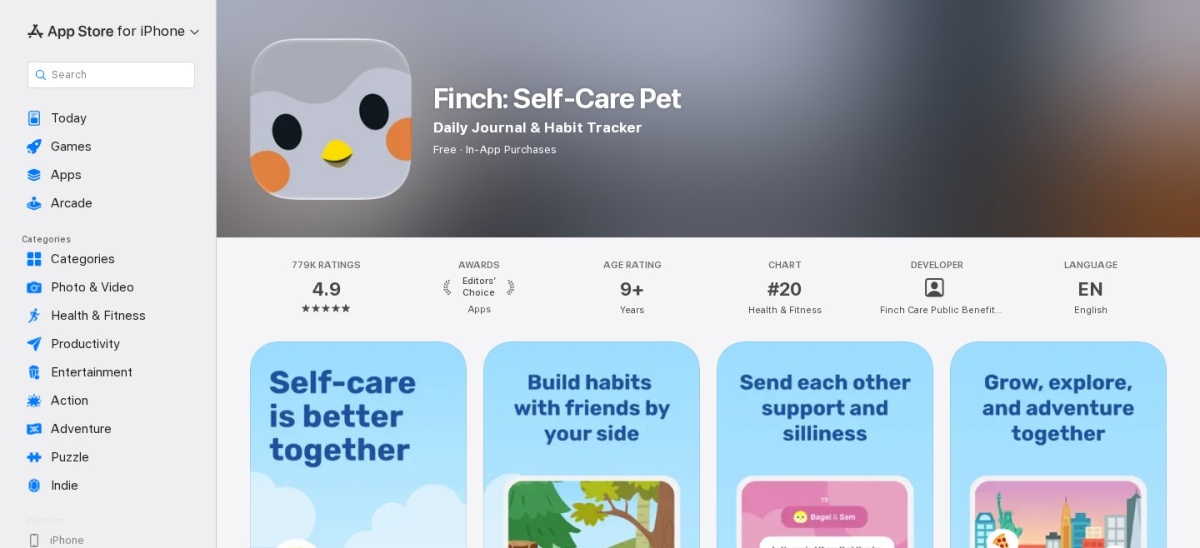
Finch has the highest rating here, 4.9 out of 5 from 779,000 ratings, and its free plan covers daily check-ins and habits.
Duolingo is the only full free course in the list, with Super at $83.99 a year to remove ads and the energy limit.
TickTick is the cheapest paid plan that covers tasks, calendar and habits, at $35.99 a year.
All 8 apps have a free plan. Paid upgrades run from $35.99 to $120 a year.
What a self-improvement app should do
Self-improvement apps cover different habits, so the best pick depends on the habit you want. Meditation, sleep, learning, journaling and task habits each have a leading app, and no single app does all of them well.
A good app makes the habit easy to repeat. Look for a free plan you can try first, reminders at a set time, and a streak or chart that shows progress without extra work.
Planning matters as much as tracking. Our guide on creating a content calendar shows how a simple weekly plan keeps a habit visible, and the same idea works for a meditation or study routine.
Prices below are the regular annual prices from each app's App Store listing or pricing page, checked on 25 November 2026. Some apps also show lower prices inside the app, so check the payment screen before you subscribe.
4.8/5on App Store (974K reviews, checked Nov 2026)
Paid from$69.99/yr
Best self-improvement app overall
Free planLimited meditations
Sleep contentSleepcasts and wind-downs
Focus toolsFocus music and courses
Paid planPlus, $69.99/yr
headspace.com
Headspace homepage, captured Nov 2026.
Headspace is a meditation and sleep app with guided sessions, sleepcasts, breathing exercises and focus music. The free plan includes a small set of meditations and sleep content, while the full library covers stress, sleep, focus and movement. It also runs short courses that teach meditation in steps.
The trade off is the price after the first year. Headspace shows 50% off the first year, and the regular price is $69.99 a year on renewal. It suits people who want one app for meditation, sleep and focus rather than three separate apps.
What we like
Covers meditation, sleep and focus in one app
Rated 4.8 out of 5 from 974,000 App Store ratings
Short courses teach meditation step by step
Watch out for
First-year discount hides the $69.99 renewal price
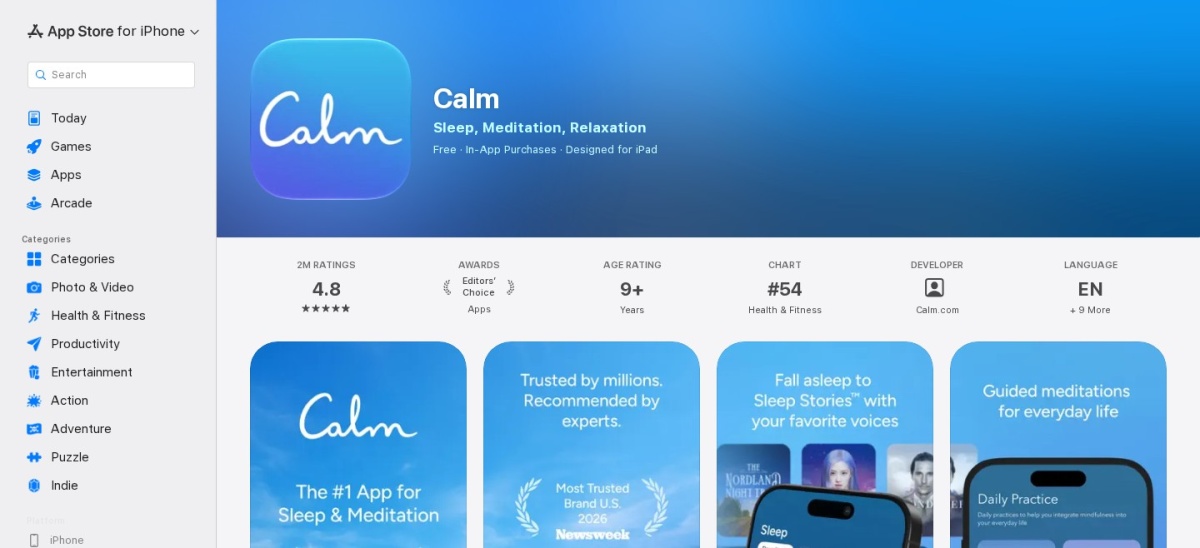
Calm is a sleep and meditation app built around Sleep Stories, guided meditations, breathing exercises and relaxing music. The free plan includes a daily meditation, some sleep content and breathing tools, with most of the library behind Premium. It also offers masterclasses and music for focus and relaxation.
The trade off is that the free plan is thin. Most Sleep Stories and programs need Premium at $79.99 a year from the web checkout, while the App Store lists an annual item at $69.99. It suits people who struggle to fall asleep and want stories read by familiar voices.
What we like
Largest Sleep Stories library in this list
Rated 4.8 out of 5 from about 2 million App Store ratings
Daily meditation gives new free content each day
Watch out for
Most Sleep Stories need the paid plan
Two different annual prices appear across web and app store
Premium unlocks the full Sleep Stories and program libraryVisit calm.com
03
Finch
4.9/5on App Store (779K reviews, checked Nov 2026)
Paid from$69.99/yr
Best for daily self-care habits
Free planPet, check-ins and habits
JournalDaily journal entries
Peer supportFriend encouragement
Paid planPlus, $69.99/yr
finchcare.com
Finch homepage, captured Nov 2026.
Finch is a self-care app where a virtual pet grows as you complete daily check-ins, habits and journal entries. The free plan covers the pet, daily check-ins, basic habits and breathing exercises. It also adds peer support, with friends able to send encouragement inside the app.
The trade off is that the pet theme is not for everyone. Finch Plus costs $69.99 a year and adds more goals, deeper insights and extra pet customisation, while the App Store also lists lower-priced annual options. It suits people who stick with habits better when progress feels playful.
Duolingo is a free language app that teaches through short daily lessons, streaks and leagues across more than 40 languages. The free plan includes the full course, with ads and an energy limit that pauses practice after mistakes. It also covers maths and music in the same app.
The trade off is depth. Duolingo builds a daily habit and covers the basics well, but it will not make you fluent on its own. Super costs $83.99 a year, or $12.99 a month, and removes ads and the energy limit. It suits beginners who need a low-effort daily routine.
Notion is a workspace app that combines notes, tasks, databases and journals in one place. The free plan covers unlimited pages and blocks for individuals, with templates for habit trackers, journals and goal plans. It also syncs across phone, tablet and desktop.
The trade off is setup time. Notion is a blank page until you build or install a template, so it takes longer to start than a purpose-built habit app. Plus costs $10 a month billed yearly, or $120 a year. It suits people who want their journal, tasks and plans in one system.
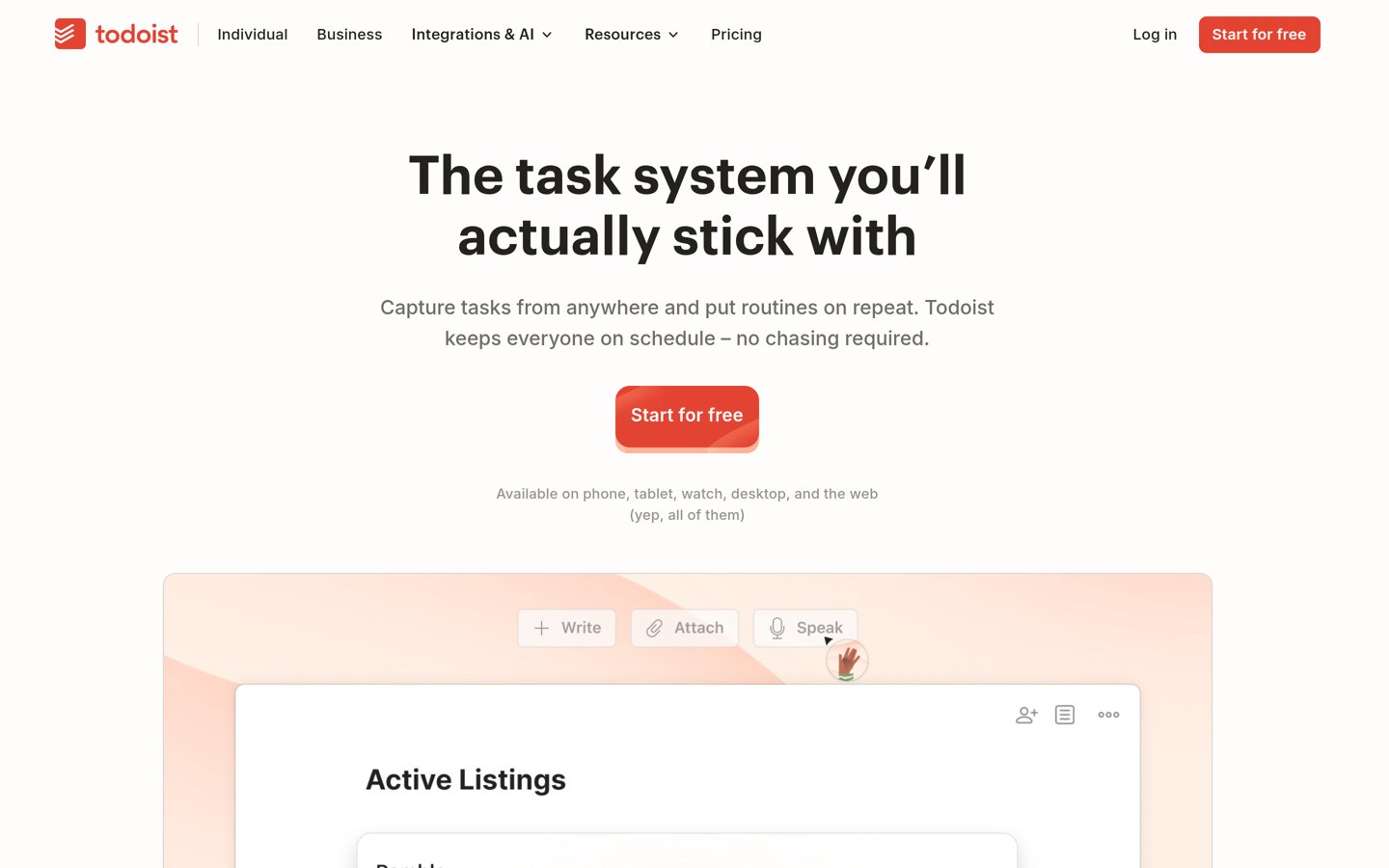
Todoist is a to-do list app with natural-language task entry, projects, labels, filters and reminders. The free plan covers 5 projects, 5 collaborators per project and 3 filters. It also tracks habits through recurring tasks and Karma points for completed streaks.
The trade off is that goals need manual setup. Todoist retired its Goals beta in July 2026, so tracking a goal means building it from recurring tasks. Pro costs $5 a month billed yearly, or $60 a year, and adds reminders, 300 projects and filters. It suits people who turn goals into daily tasks.
What we like
Fastest task entry in this list
Rated 4.5 out of 5 from 866 G2 reviews
Recurring tasks work well for daily habits
Watch out for
No built-in goal tracker since the Goals beta ended
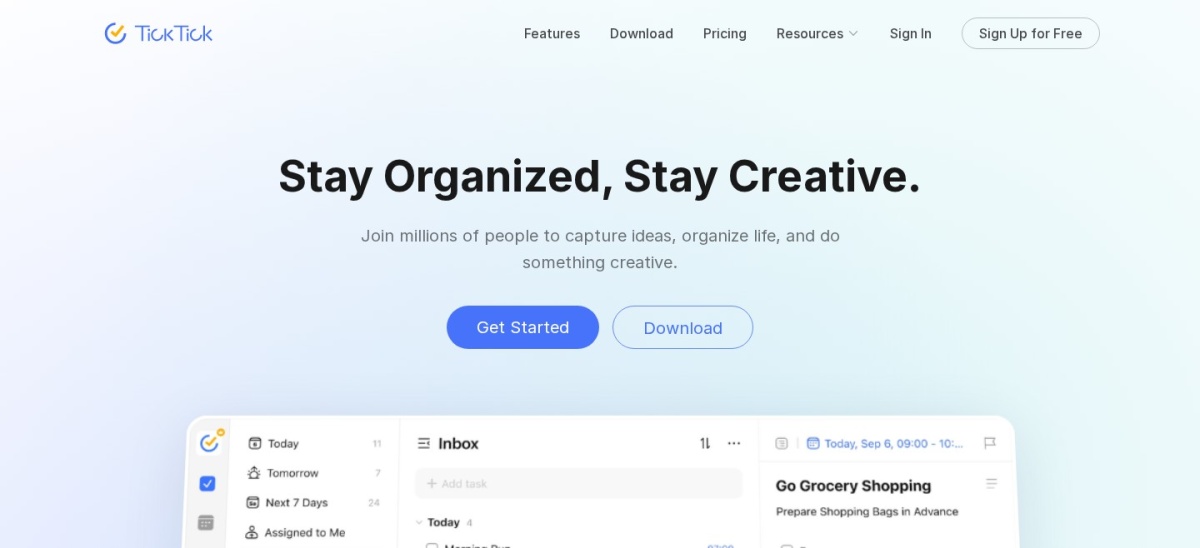
TickTick is a to-do list app with tasks, calendar, reminders and a built-in habit tracker. The free plan covers 9 lists, 99 tasks per list, 5 habits and basic reminders. It also adds a Pomodoro timer and a view that sorts tasks by urgency.
The trade off is the crowded interface. TickTick packs tasks, calendar, habits and focus tools into one app, so the first week takes some learning. Premium costs $35.99 a year and adds unlimited lists, custom smart lists and full calendar views. It suits people who want tasks and habits in one cheap plan.
What we like
Cheapest paid plan in this list at $35.99 a year
Habit tracker is built in, not an add-on
Calendar and Pomodoro timer included
Watch out for
Interface feels crowded at first
Smallest G2 review base in this list at 114 reviews
4.8/5on App Store (19,290 reviews, checked Nov 2026)
Paid from$39.99/yr
Best dedicated habit tracker
Free plan3 trackers
ChartsStreaks and averages
RemindersYes
Paid planPlus, $39.99/yr
stridesapp.com
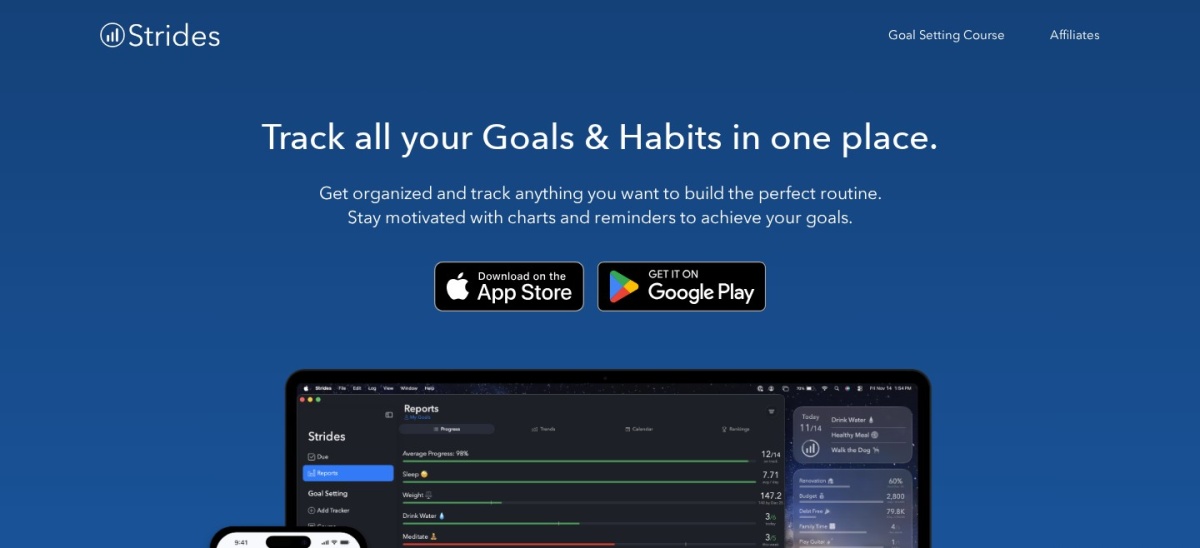
Strides homepage, captured Nov 2026.
Strides is a dedicated habit and goal tracker with streaks, charts, reminders and averages for each tracker. The free plan covers 3 trackers, with charts and reminders included. It also supports target goals, such as a set number of workouts a week, and average-based goals like a daily step count.
The trade off is that it only tracks. Strides records habits and shows progress, but it does not teach meditation, languages or sleep. Plus costs $39.99 a year and removes the 3-tracker limit. It suits people who already know their habits and want clear charts.
Free plans cover the basics well. Duolingo gives a full course free, and Finch, Headspace and Calm all let you start without paying.
Paid plans mostly remove limits. You get more trackers, no ads, full libraries and reminders, but the core habit loop is free in every app here.
If a free plan already covers your habit, do not pay yet. Upgrade when you hit a limit you actually feel, such as the 3-tracker cap in Strides or the energy limit in Duolingo.
How we chose
We started from the most widely used self-improvement apps across meditation, sleep, learning, habits and planning, keeping those with a public rating and a published price.
Prices are the regular annual prices from each app's App Store listing or pricing page, checked on 25 November 2026. Ratings come from the App Store or G2 on the same day. Where an app shows a sale, the list shows the regular price.
We left out apps that have closed or retired their consumer version, and apps with no public rating. No vendor paid for a place, and we do not claim to have used these tools ourselves.
How to choose a self-improvement app
Start with one habit you want to change, then pick the app built for it.
Pick one habit first. Meditation, sleep, learning and task habits need different apps. One clear goal beats three half-used apps.
Try the free plan for two weeks. A streak you keep for 14 days tells you more than any feature list. If you stop opening the app, no paid plan will fix that.
Put the habit on a calendar. A daily reminder at the same time works better than willpower. Our guide on creating a content calendar shows a simple weekly layout.
Check what the paid plan actually adds. Most paid plans remove ads and limits. If the free plan already covers your habit, do not pay yet.
FAQ
What is the best app for self improvement?
Headspace is the best app for self improvement for most people. It covers meditation, sleep and focus in one app, and it is rated 4.8 out of 5 from 974,000 App Store ratings.
Are self-improvement apps free?
All 8 apps in this list have a free plan. Duolingo gives a full course free, while Headspace, Calm and Finch offer a limited free set and charge $69.99 to $79.99 a year for the full library.
Which self-improvement app is best for sleep?
Calm is the best pick for sleep. Its Sleep Stories library is the largest in this list, and the app is rated 4.8 out of 5 from about 2 million App Store ratings.
Can an app really build a habit?
An app helps with reminders, streaks and charts, but the habit itself comes from repeating one small action daily. Pick one habit, set a daily reminder, and keep the streak going for at least two weeks.
Which self-improvement app is cheapest?
TickTick has the cheapest paid plan in this list at $35.99 a year, and it covers tasks, calendar and habit tracking. Strides is next at $39.99 a year for unlimited habit trackers.
Is Duolingo enough to learn a language?
Duolingo builds a daily habit and covers the basics well across more than 40 languages. To reach fluency you will still need speaking practice and grammar study beyond the app.
SaaS SEO and WordPress specialist with about 8 years of experience. Rakib compares WordPress plugins, themes, hosting and software using public pricing, documentation and user reviews. See how we rank.