BuiltWith is the best Wappalyzer alternative for building lead lists, tracking 414 million domains across 111,904 technologies. Apollo.io adds verified contacts from $49 a seat a month, while Datanyze is the cheapest paid route at $29 a month.
How we make this list: we compare pricing pages, product documentation and public user reviews, then re-check every price before each update. No product paid for a place. Disclosure.
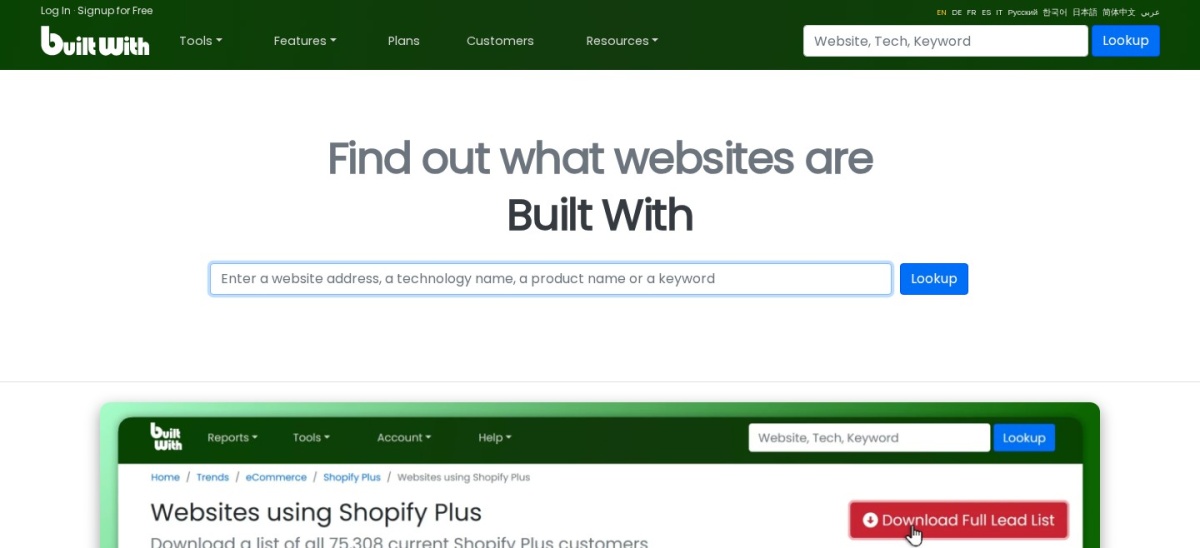
BuiltWith tracks 414M domains and 111,904 technologies, the largest database here, but Basic costs $295 a month for only 2 technologies.
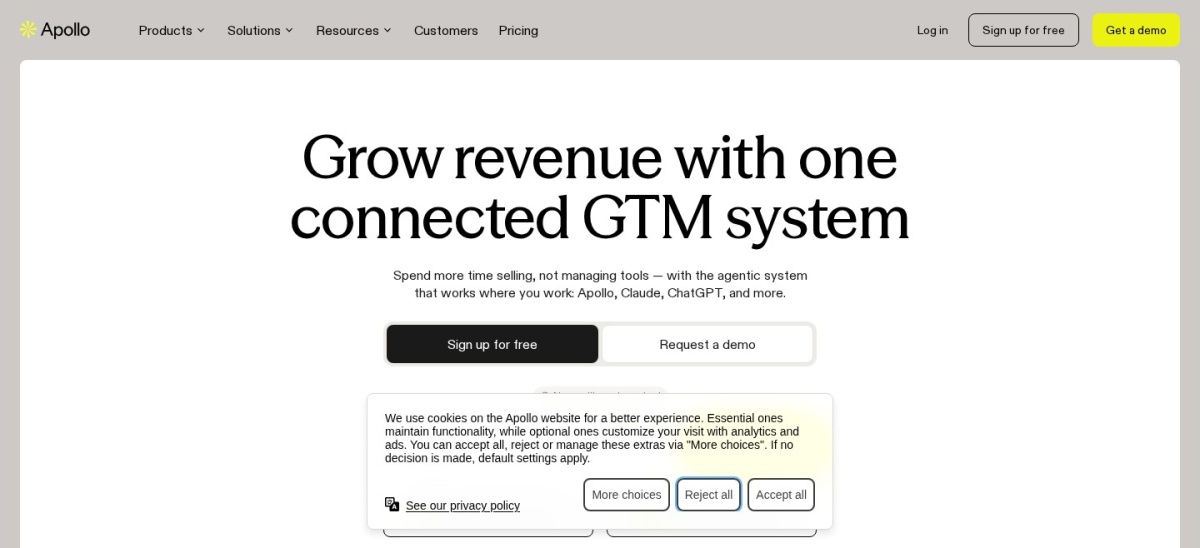
Apollo.io pairs tech filters with 240M+ contacts from $49 a seat a month, and it is the highest-rated tool with real volume at 4.7/5 from 9,817 reviews.
Datanyze is the cheapest paid plan at $29 a month, with a free Lite tier of 10 credits a month for 90 days.
Free lookups cover one-off checks: BuiltWith, SimilarTech and the free tiers cost nothing to start, but lists and exports need a paid plan.
SimilarTech's extension has not been updated since November 2022, and its pricing is not published on its own site.
What should a Wappalyzer alternative do that the free extension cannot?
Wappalyzer's free extension answers one question: what does this site run? A paid alternative must answer the next one: which companies run this technology, and who works there?
Lead lists are the dividing line. BuiltWith, Apollo.io and Datanyze turn a technology into a list of companies, while free extensions only inspect the page in front of you.
Market share data tells you where the volume is. Our ecommerce platform market share guide shows the same winner-takes-most pattern that makes BuiltWith's 414M-domain index so useful for prospecting.
History matters when you time outreach. BuiltWith keeps 41 years of adoption data, so you can see when a company adopted a tool, not just that it runs it now.
Free tools are enough for occasional checks. If you look up a few sites a week, the free extensions and free tiers in this list do the job at no cost.
BuiltWith is the largest technographic database in this list, tracking 111,904 technologies across 414 million domains. Free individual lookups show any site's stack in the browser, and paid plans add list building, keyword reports and exports.
The trade off is price and scope. Basic costs $295 a month and covers only two technologies, so most regular list builders need Pro at $495 a month. It suits sales and marketing teams that build big prospect lists every week.
Apollo.io is a sales platform that pairs technology filters with a contact database of more than 240 million people. The free plan includes 900 credits a year, and Basic adds 30,000 credits per seat a year plus email sequences.
The trade off is focus. Apollo.io is a full sales platform, so its technology filters are one feature among many, and credits do not roll over. It suits small sales teams that want the stack signal and the contact in one search.
Datanyze is a Chrome extension that shows the technologies and contact details behind the sites and LinkedIn profiles you visit. Nyze Lite is free with 10 credits a month for 90 days, and Pro 1 costs $29 a month for 80 reveals.
The trade off is freshness and support. G2 reviewers rate its data accuracy its lowest category, and several report slower support since the ZoomInfo acquisition. It suits solo founders who need cheap technographic data with contact reveals.
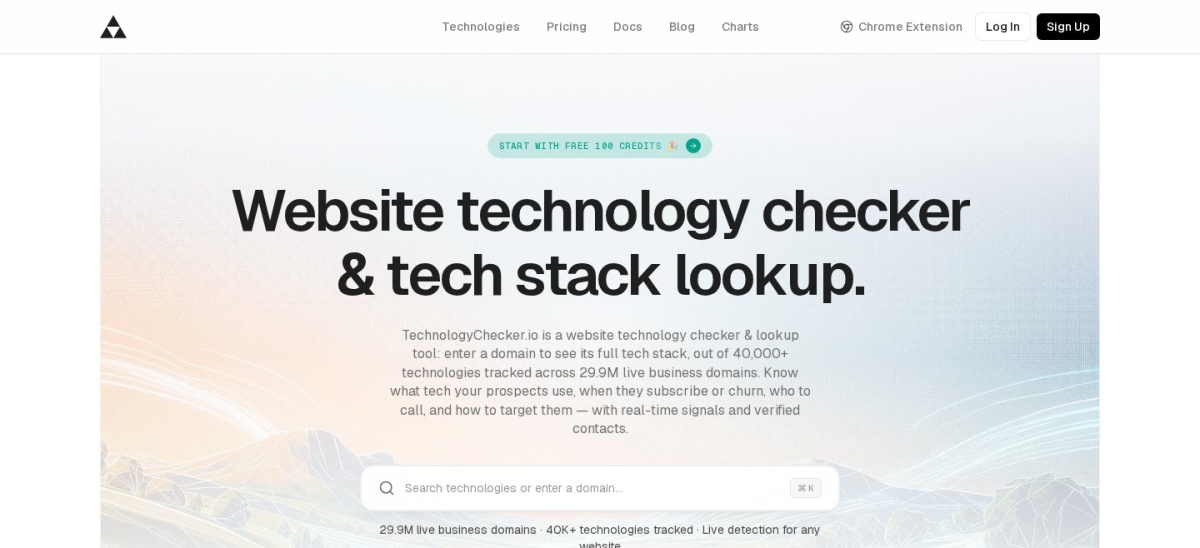
TechnologyChecker.io is a technographic search tool that tracks more than 40,000 technologies, including backend and full-stack signals other scanners miss. The free plan includes one credit a month, and Pro costs $89 a month for 10 credits.
The trade off is a thin review record. Its 4.9 out of 5 on G2 rests on only 7 reviews, so treat the score as a weak signal. It suits sales teams that need full-stack data with real-time signals at a mid-range price.
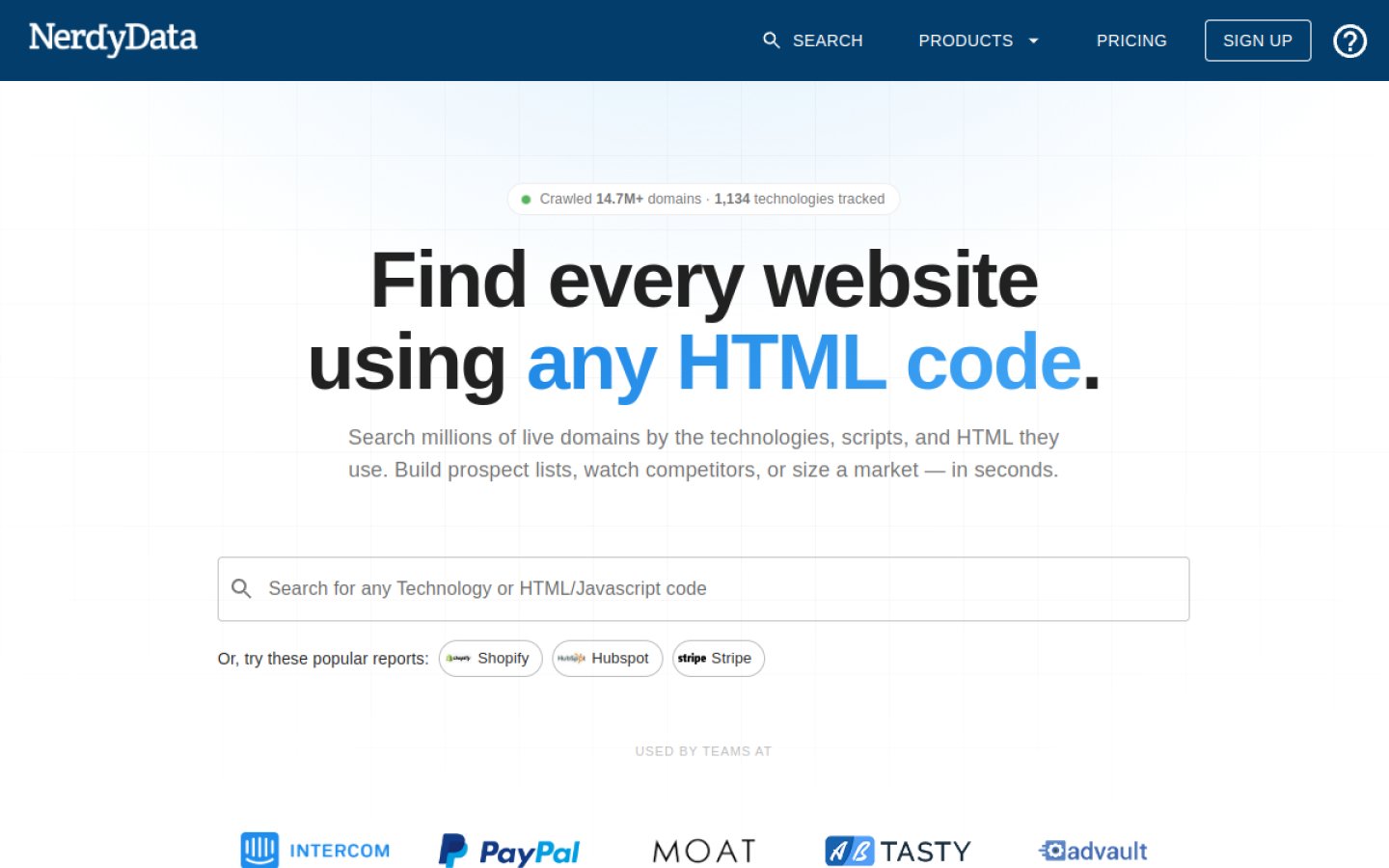
NerdyData is a code search engine for the web that finds technologies by searching HTML, scripts, cookies and headers across millions of live domains. Its crawler renders JavaScript first, so it catches tools that load after the page opens.
The trade off is a tiny review base. Its 4.3 out of 5 on G2 comes from only 2 reviews, and row caps limit each download on Basic. It suits agencies and developers hunting for a specific tracking pixel or code snippet.
SimilarTech is a Similarweb company that tracks technology adoption across more than 100 million websites, with market share trends and alerts when a prospect adds or drops a tool. Its free browser extension shows the stack of any site you visit.
The trade off is momentum. G2 lists only 12 reviews, the extension was last updated in November 2022, and pricing is not published on its own site. It suits market researchers tracking which technologies are gaining or losing share.
Snov.io is an all-in-one outreach tool with a technology checker that finds companies by the stack they run, then adds email finding, verification and sequences in the same account. The free trial includes 50 credits a month, and Starter costs $39 a month for 1,000 credits.
The trade off is depth. Technology detection is one feature inside an email tool, so its index is thinner than BuiltWith or NerdyData. It suits small teams running low-volume outbound who want one dashboard for finding, verifying and sending.
Free extensions answer single-site questions. They show the stack of the page you are on, and that is all.
Paid plans add lists, history and exports. That is the whole upgrade: turning one lookup into hundreds of companies you can contact.
Credits are the hidden cost. Most paid tools in this list charge per lookup, reveal or export, so a $29 plan can cost more than a $295 plan once volume rises.
Start free, then pay for one list. Run a single campaign on a free tier first, and only upgrade when the list, not the lookup, is the bottleneck.
How we chose
We started from every established technology detection tool named in 2026 comparisons of Wappalyzer alternatives, then kept the seven with a public price and a public 1-5 rating with a review count.
Prices come from each vendor's pricing page or G2's vendor-supplied listing, checked on 29 November 2026. Ratings and review counts come from G2 on the same day. SimilarTech does not publish pricing on its own site, so its $200 figure comes from G2. Where a vendor shows a sale, the list shows the regular price.
We left out Wappalyzer itself, free tools with no public rating such as WhatRuns, TechPeeker and W3Techs, and enterprise tools with no public pricing such as ZoomInfo and 6sense. No vendor paid for a place, and we do not claim hands-on testing for this list.
How to choose a Wappalyzer alternative
Start with the job, not the tool: one lookup, a list, or a campaign.
Decide whether you need lists or lookups. If you only check sites one at a time, a free extension is enough. Lists, history and exports are what paid plans sell.
Count the technologies you will target. BuiltWith Basic covers 2 technologies at $295 a month, while Datanyze and Apollo.io charge per seat or credit with no technology cap.
Check whether you also need contacts. Apollo.io, Datanyze and Snov.io add emails to the stack signal. BuiltWith and NerdyData do not, so budget for a second tool if you need addresses.
Try the free tier on a real campaign. Build one list and export it before paying, and check the rows against sites you already know.
FAQ
What is the best Wappalyzer alternative in 2026?
BuiltWith is the best Wappalyzer alternative for most teams that build lead lists. It tracks 414 million domains across 111,904 technologies with 41 years of history, and its free lookups cover one-off checks. Apollo.io is the better pick when you also need verified contacts.
Is there a free Wappalyzer alternative?
Yes. BuiltWith and SimilarTech offer free lookups and extensions, and Apollo.io, Datanyze, TechnologyChecker.io and NerdyData all have free tiers. Free tools cover single-site checks, but building and exporting lists needs a paid plan.
What is the cheapest Wappalyzer alternative?
Datanyze is the cheapest paid option here at $29 a month for Pro 1, with 80 contact reveals a month. Snov.io starts at $39 a month and Apollo.io at $49 a seat a month. BuiltWith is the most expensive entry point at $295 a month.
BuiltWith or Apollo.io: which is better?
BuiltWith is better for pure technographic research, with the largest database and 41 years of history. Apollo.io is better for outbound, because it adds 240 million contacts, sequences and a dialer to the same technology filters. Pick BuiltWith for research and Apollo.io for campaigns.
Which Wappalyzer alternative is best for small teams?
Apollo.io is the best fit for most small teams, with a free plan and Basic at $49 a seat a month. Datanyze suits solo founders at $29 a month. Both add contacts to the stack data, so a small team can run a campaign from one tool.
Can Wappalyzer alternatives detect backend technologies?
Mostly poorly. Frontend scanners only see what a site exposes, so databases and internal tools are often missed. NerdyData's code search and TechnologyChecker.io's full-stack signals go deeper, but no tool in this list reliably detects backend systems.
SaaS SEO and WordPress specialist with about 8 years of experience. Rakib compares WordPress plugins, themes, hosting and software using public pricing, documentation and user reviews. See how we rank.