Apollo is the best of the Mixmax alternatives for most sales teams, pairing a 275M-contact database with sequencing from 49 dollars a user a month. Yesware is the closest inbox-native swap for Gmail and Outlook users, while Reply suits teams that need multichannel outreach with unlimited mailboxes.
How we make this list: we compare pricing pages, product documentation and public user reviews, then re-check every price before each update. No product paid for a place. Disclosure.
Apollo is the best all-round Mixmax alternative: database, sequencing and dialer from 49 dollars a user a month.
Yesware is the closest direct swap for Gmail and Outlook sellers, with a free plan and Pro from 15 dollars a seat a month.
Reply.io is the multichannel pick, with unlimited mailboxes from 59 dollars a user a month.
Instantly has the highest G2 rating here at 4.8 out of 5, but it only does cold email.
Salesloft and Outreach publish no prices at all, so budget for a quoted enterprise deal.
How do you choose the best Mixmax alternatives?
Start with where your reps actually live. If they sell from Gmail or Outlook all day, an inbox-native tool like Yesware keeps them in the compose window, while a platform like Apollo or Reply pulls them into a separate workspace.
Price per seat is only half the bill. Credit caps, contact limits and add-ons for LinkedIn or calling can double the monthly cost, so check what the entry plan really includes before comparing headline prices.
Match the tool to the motion. Cold email volume favours Instantly or Saleshandy, multichannel sequences favour Reply or lemlist, and teams that need prospecting data as well should look at Apollo first.
Free plans are real but narrow. Apollo, Yesware and HubSpot all offer free tiers, yet campaign limits and seat caps push most working teams onto a paid plan within weeks.
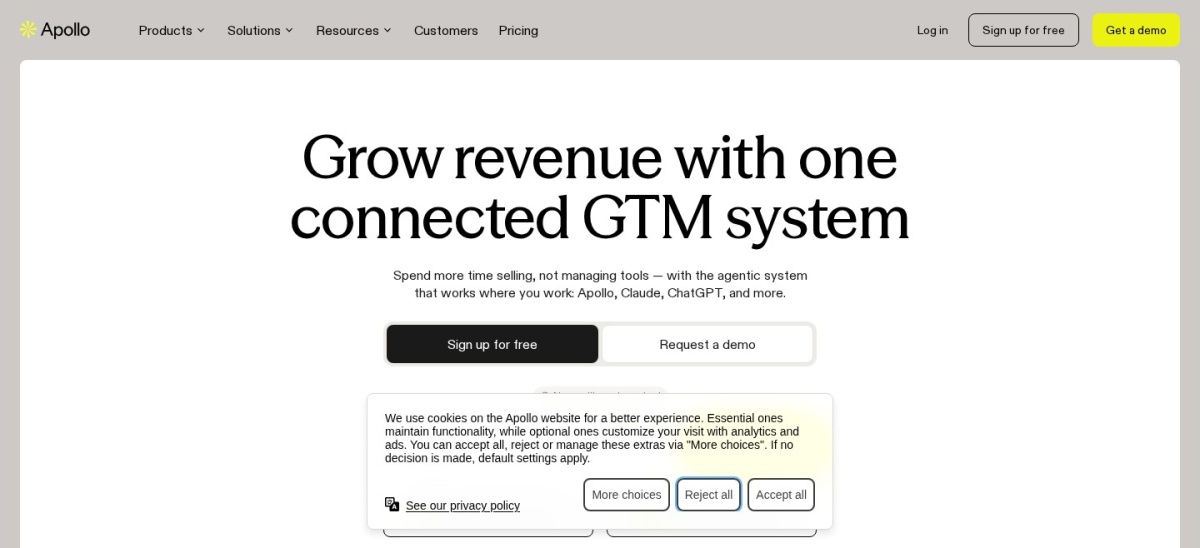
Apollo.io is an all-in-one sales platform that pairs a 275M-contact database with email sequencing, a dialer and deal tracking. The free plan covers 900 credits a year, and Basic adds unlimited sequences with 30,000 credits. More than 600,000 companies use it, and it holds a 4.7 out of 5 rating on G2.
The trade off is credits. Every email reveal, phone number and enrichment burns credits, and heavy teams can run through the Basic allowance fast. Professional at 79 dollars a seat a month raises the cap. It suits teams that want prospecting data and outreach in one subscription.
What we like
Huge contact database built into the price
Free plan with sequencing included
Highest G2 rating in this list at 4.7 out of 5
Dialer included from Basic
Watch out for
Credit limits cap heavy prospecting
Data accuracy varies by contact
Reporting depth needs the top tiers
Professional adds more credits and call recordingVisit apollo.io
02
Yesware
4.4/5on G2 (821 reviews, checked Nov 2026)
Paid from$15/mo
Best for Gmail and Outlook inbox selling
Free planYes, 10 recipients/mo
Works inGmail and Outlook
CampaignsPremium and up
Paid planPro, $15/seat/mo
yesware.com
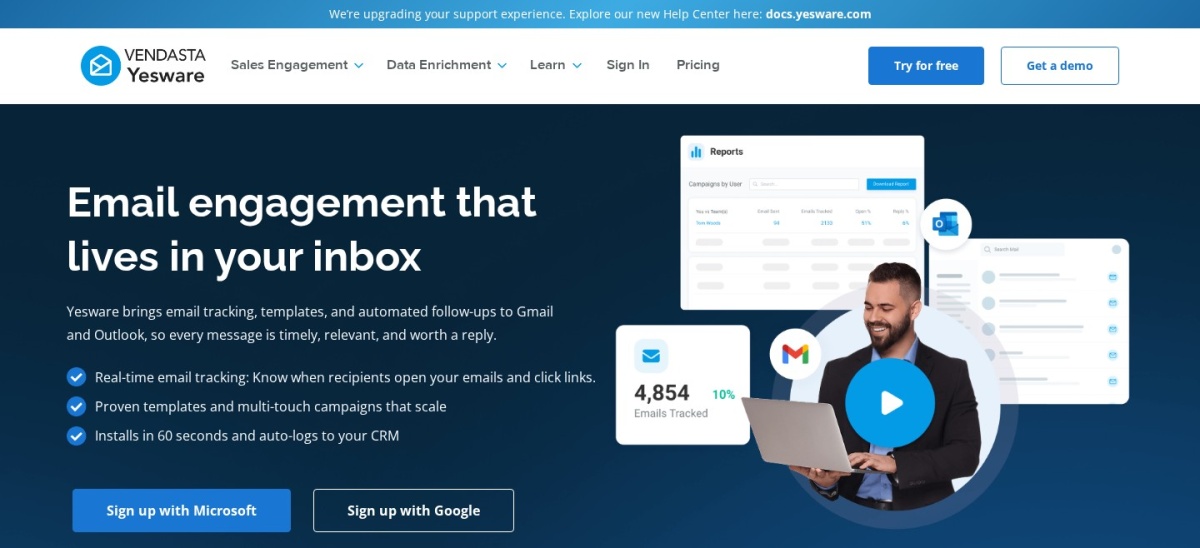
Yesware homepage, captured Nov 2026.
Yesware is an inbox-native sales tool that lives inside Gmail and Outlook. The free plan covers basic open tracking, 10 campaign recipients a month and a meeting scheduler. Pro adds unlimited tracking, templates and personal reports for 15 dollars a seat a month on annual billing.
The trade off is campaign size. Pro caps campaigns at 20 recipients a month, so real outreach needs Premium at 35 dollars a seat a month. Support has also drawn complaints since the Vendasta takeover. It suits solo reps who want tracking without leaving the inbox.
Reply.io is a multichannel sales engagement platform for email, LinkedIn, calls and SMS. Email Volume plans start at 59 dollars a user a month and include unlimited mailboxes, unlimited emails and a 14-day free trial. More than 3,000 companies use it, and it holds a 4.6 out of 5 rating on G2.
The trade off is add-ons. LinkedIn automation costs 69 dollars per account a month extra, and calls and SMS add 29 dollars more. The entry plan also limits active contacts. It suits SDR teams running multichannel sequences at volume.
What we like
Unlimited mailboxes and emails on every plan
True multichannel sequences
Built-in warm-up and deliverability tools
Watch out for
LinkedIn and calling cost extra
No free plan, trial only
Contact limits on the entry plan
Multichannel plan adds LinkedIn and calling stepsVisit reply.io
04
lemlist
4.6/5on G2 (2,240 reviews, checked Nov 2026)
Starts at$69/mo
Best for personalised multichannel campaigns
Free planNo, 14-day trial
Lead database650M+ leads
ChannelsEmail, LinkedIn, calls
Paid planEmail, $69/mo
lemlist.com
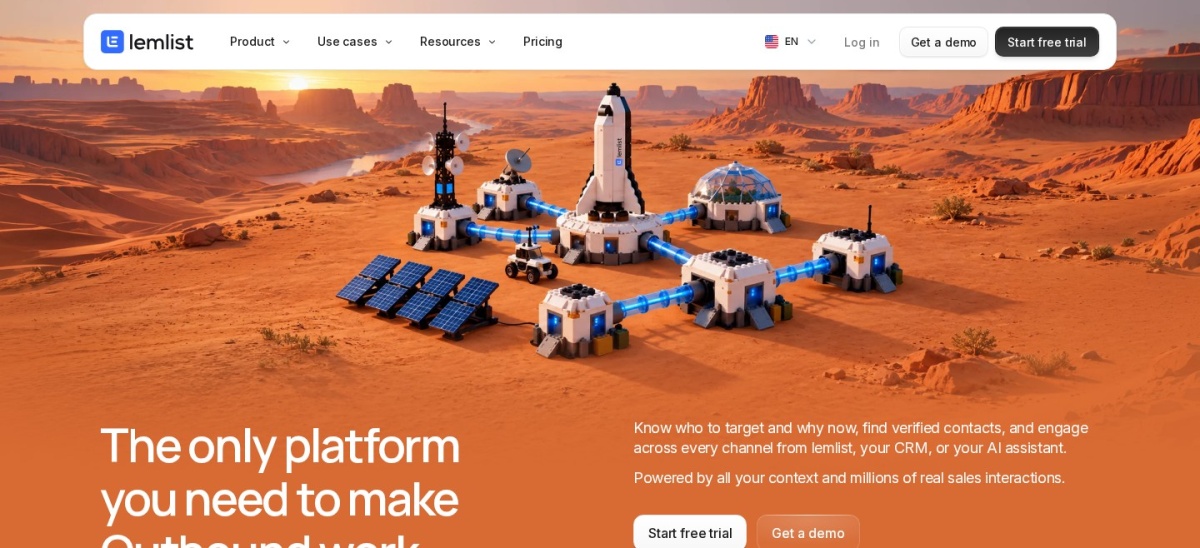
lemlist homepage, captured Nov 2026.
lemlist is a multichannel outreach platform for email, LinkedIn and calls. The Email plan covers unlimited users and senders, a 650M-lead database and warm-up tools, with a 14-day free trial. It holds a 4.6 out of 5 rating on G2 from more than 2,200 reviews.
The trade off is price. The Email plan lists at 69 dollars a month, with a 55-dollar offer shown on the pricing page, and the Multichannel plan rises to 87 dollars. Data enrichment is a separate add-on. It suits teams that personalise every touch with images and video.
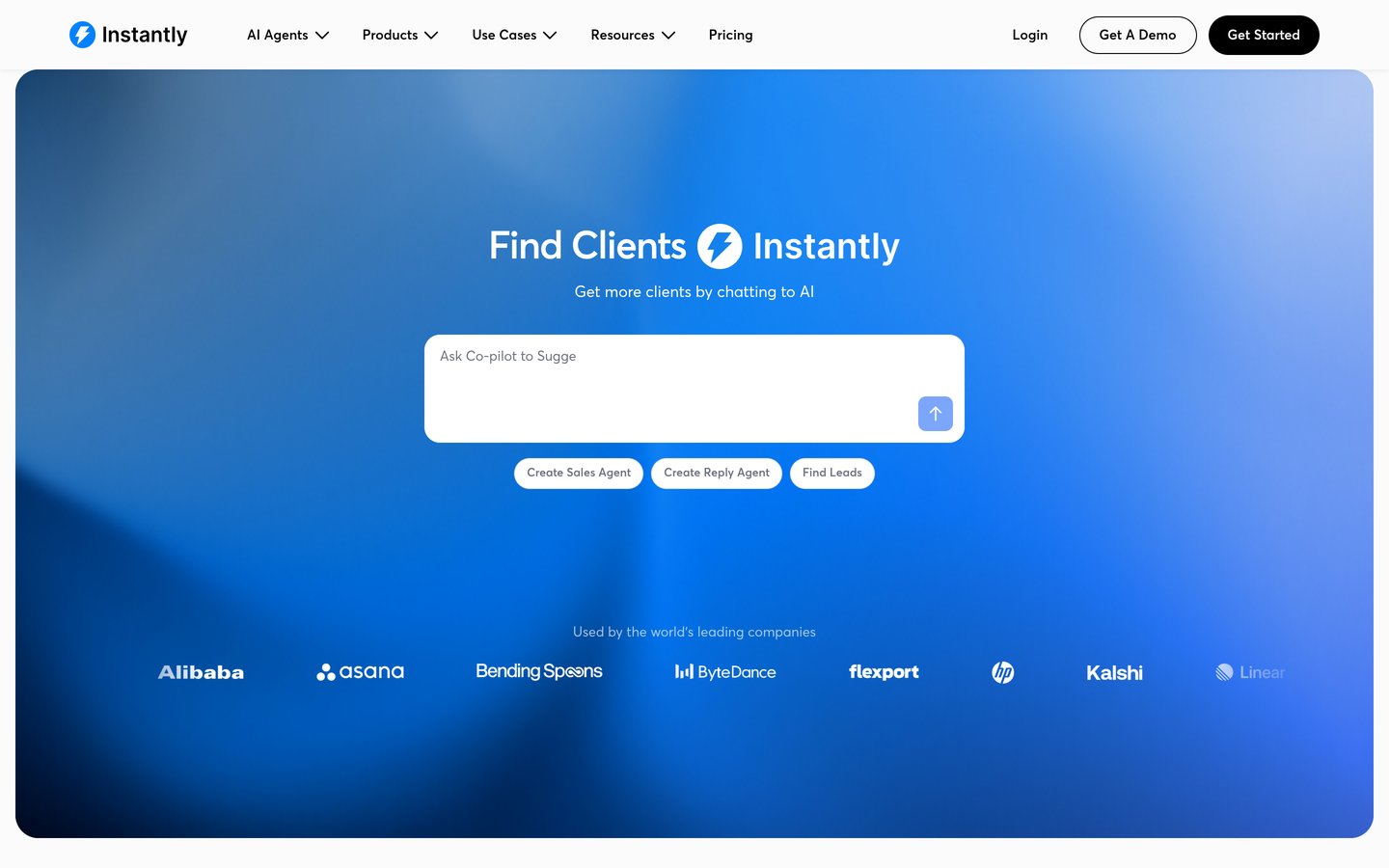
Instantly is a cold email platform built for high-volume sending. Growth costs 37 dollars and 60 cents a month on annual billing and includes unlimited mailboxes, unlimited warm-up, 5,000 emails a month and a 450M-lead database. It holds a 4.8 out of 5 rating on G2.
The trade off is modular pricing. The lead database, CRM and inbox placement tools each bill separately, so the real stack can pass 150 dollars a month. It is email-only, with no LinkedIn or calling steps. It suits senders whose whole motion is cold email at volume.
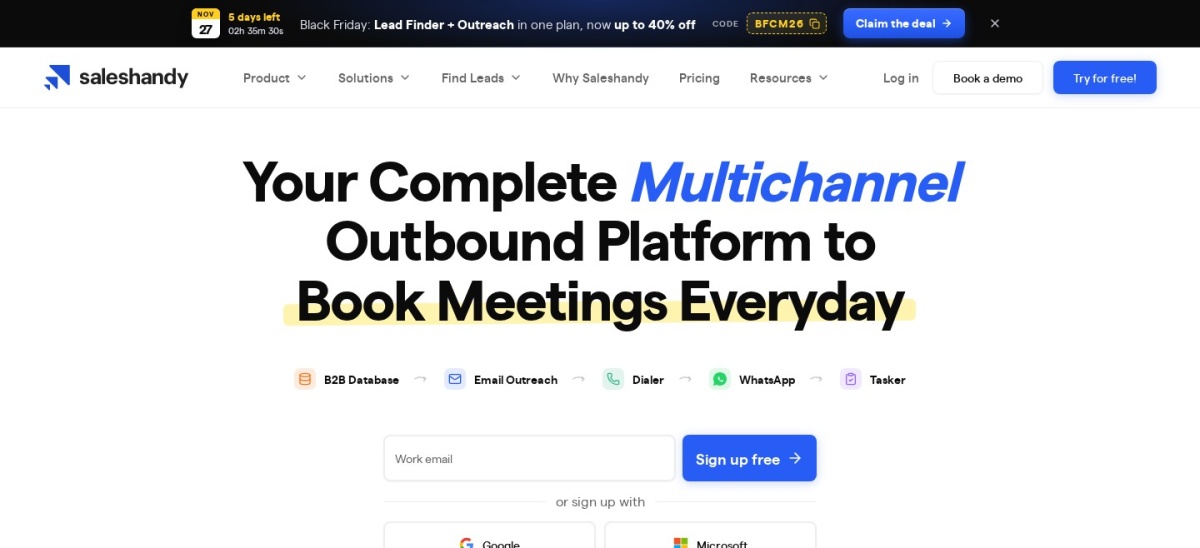
Saleshandy is a budget cold email platform for outbound teams. Starter costs 25 dollars a month on annual billing and includes unlimited connected email accounts, 2,000 active prospects and 6,000 emails a month. More than 25,000 businesses use it, and it holds a 4.6 out of 5 rating on G2.
The trade off is add-ons. Lead Finder and inbox placement testing bill separately, and CRM integrations need the Pro plan at 69 dollars a month. Warm-up runs through a separate product. It suits small teams that send cold email and nothing else.
HubSpot Sales Hub is a CRM with email tracking, sequences and pipelines built in. The free plan covers 2 users, contact and deal management, and Starter adds sequences and calling for 20 dollars a seat a month. It holds a 4.4 out of 5 rating on G2 from more than 14,000 reviews.
The trade off is the upgrade cliff. Professional jumps to 100 dollars a seat a month with a 5-seat minimum and a 1,500-dollar onboarding fee. Sequences are also weaker than in dedicated engagement tools. It suits teams that want one CRM instead of a stack of tools.
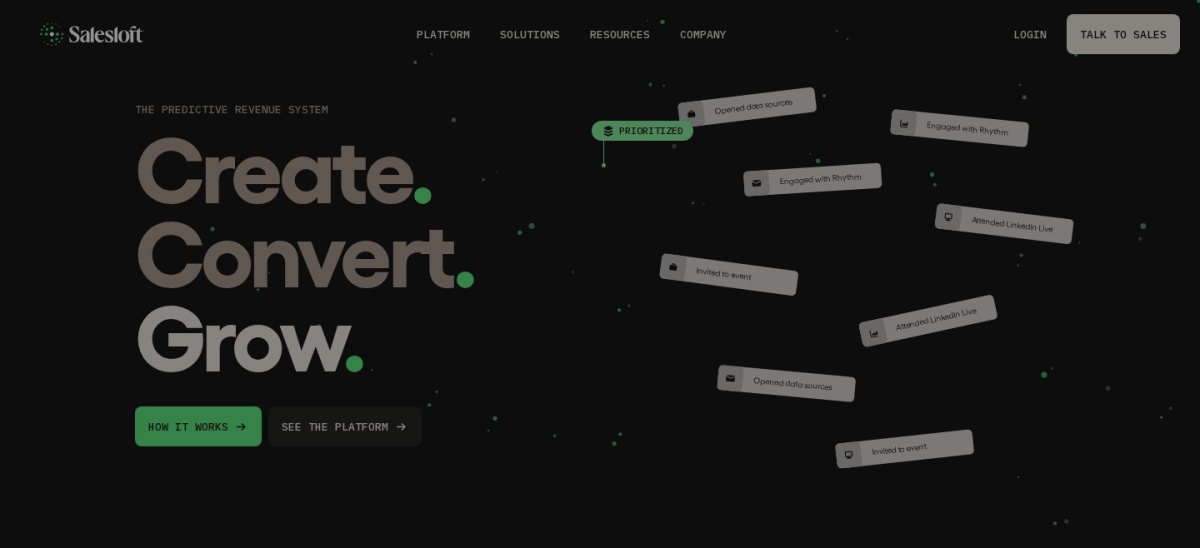
Salesloft is an enterprise revenue orchestration platform for cadences, coaching and conversation intelligence. Its Cadence builder, Rhythm prioritisation and Conversations call analysis cover the full outbound motion. It holds a 4.5 out of 5 rating on G2 from more than 4,200 reviews.
The trade off is price and setup. Salesloft publishes no prices and sells on quote, and its pricing page now redirects to a contact form. Implementation is heavier than inbox tools. It suits larger sales organisations with structured processes and coaching needs.
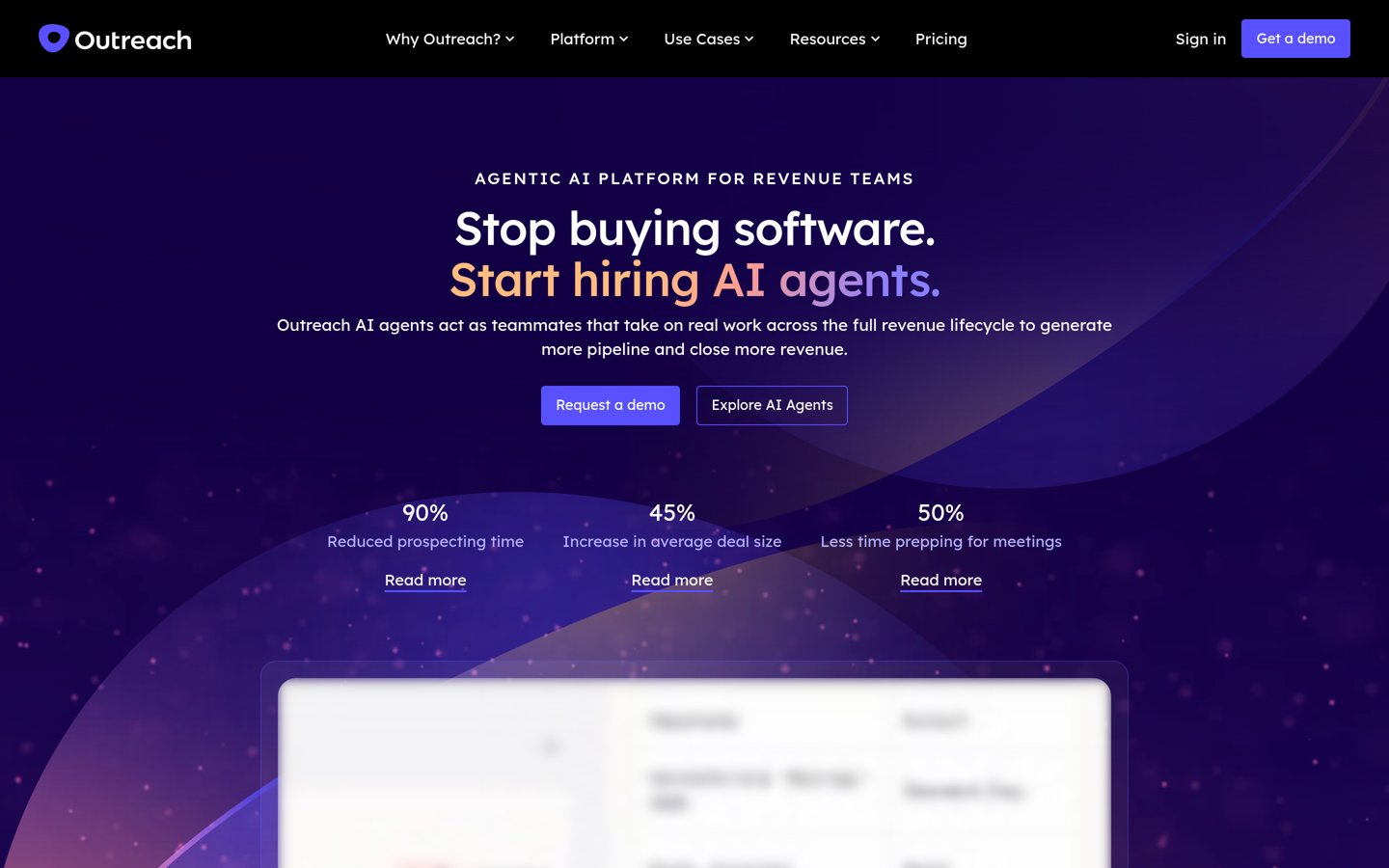
Outreach is an enterprise sales execution platform for sequences, forecasting and deal management. It pairs multichannel sequencing with AI guidance and conversation intelligence across the pipeline. It holds a 4.3 out of 5 rating on G2 from more than 3,500 reviews.
The trade off is cost and complexity. Outreach publishes package names with no dollar figures, so every deal is quoted, and the platform needs admin time to run well. It suits large revenue teams that need forecasting beside their sequences.
Inbox tools like Yesware live inside Gmail or Outlook. They are fast to adopt and cheap per seat, but they stop at email.
Full platforms like Apollo, Reply and Salesloft run sequences across email, calls and LinkedIn, with coaching and analytics. They cost more and need setup time.
Pick the inbox tool when one or two reps send warm one-to-one email. Pick the platform when a team runs structured outbound with targets and coaching.
How we chose
We started from G2's Mixmax alternatives page and the most cited sales engagement tools, then kept nine with a verifiable G2 rating and a live pricing page or a published quote-only model. Every tool here has at least 800 G2 reviews.
Prices come from each vendor's pricing page, checked on 29 November 2026. Apollo's page renders prices in scripts, so its 49-dollar Basic price was read from a screenshot of the live page taken the same day. Saleshandy's 25-dollar Starter price is corroborated by reviews quoting its pricing page. Where a vendor shows a sale, the list shows the regular price.
We left out tools with no verifiable rating on G2, Capterra or Trustpilot, and tools that have shut down. No vendor paid for a place, and we do not claim hands-on testing for this list.
How to choose a Mixmax alternative
Start with your inbox, then count the real monthly cost before you commit.
Check where your reps sell. If they live in Gmail or Outlook, an inbox tool keeps them fast. If they run structured outbound, a platform earns its keep.
Count seats and credits together. A 49-dollar seat with a credit cap can cost more than a flat 59-dollar plan once enrichment and extra mailboxes are added.
Trial the top two side by side. Run the same sequence in each for a week and compare reply rates, not feature lists.
Confirm the renewal price. First-year discounts and promo prices expire, so ask for the regular annual price in writing before you sign.
FAQ
What is the best Mixmax alternative in 2026?
Apollo is the best Mixmax alternative for most sales teams. It combines a 275M-contact database with sequencing and a dialer from 49 dollars a user a month, and it holds a 4.7 out of 5 rating on G2 from more than 9,600 reviews.
What is the cheapest Mixmax alternative?
Yesware is the cheapest paid option here, with Pro from 15 dollars a seat a month on annual billing. Saleshandy is cheaper for pure cold email volume at 25 dollars a month flat, while Apollo and HubSpot both offer usable free plans.
Is there a free alternative to Mixmax?
Yes. Apollo, Yesware and HubSpot Sales Hub all offer free plans. Apollo's free plan includes 900 credits a year and sequencing, Yesware covers basic tracking for 10 campaign recipients a month, and HubSpot's free CRM covers 2 users.
Which Mixmax alternative is best for Gmail?
Yesware is the best Mixmax alternative for Gmail sellers. It lives inside the Gmail compose window with tracking, templates and scheduling, and Pro costs 15 dollars a seat a month. Apollo also connects Gmail accounts on every plan.
Apollo vs Yesware: which is the better Mixmax alternative?
Apollo is better for teams that need prospecting data and multichannel outreach in one place. Yesware is better for solo reps who want cheap inbox tracking in Gmail or Outlook, with Pro from 15 dollars a seat a month against Apollo's 49 dollars.
Do Mixmax alternatives work with Outlook?
Yes. Yesware is the strongest Outlook option, with full tracking and templates inside Outlook as well as Gmail. Apollo, Reply and HubSpot also connect Outlook accounts, while Instantly and Saleshandy work through any mailbox via SMTP.
SaaS SEO and WordPress specialist with about 8 years of experience. Rakib compares WordPress plugins, themes, hosting and software using public pricing, documentation and user reviews. See how we rank.