Buffer is the best FeedHive alternative for most small teams, with a free plan for 3 channels and paid plans from $5 per channel a month. Later suits visual brands, Metricool suits analytics-first teams, and Publer is the cheapest paid route at $5 per account a month.
How we make this list: we compare pricing pages, product documentation and public user reviews, then re-check every price before each update. No product paid for a place. Disclosure.
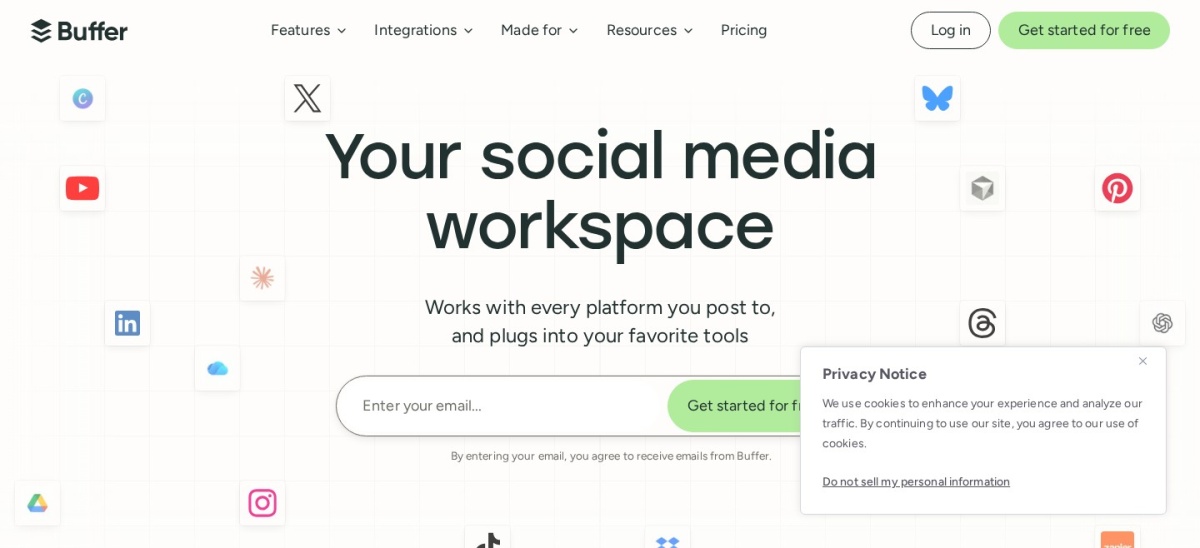
Buffer is the top pick: free for 3 channels, then $5 per channel a month billed yearly.
Later Starter costs $18.75 a month billed yearly and is the best visual planner here.
Metricool pairs scheduling with deep analytics from $20 a month billed yearly.
Publer is the cheapest paid route at $5 per account a month, with a free plan for 3 accounts.
Hootsuite and Sprout both start at $99 a user a month and suit larger teams, not solo creators.
How do you choose the best FeedHive alternatives for your team?
Price is the first split. FeedHive itself costs $15 a month for Creator and $22 for Brand, so most rivals here undercut it at the small end.
Per-channel pricing punishes big rosters. Buffer at $5 a channel and Publer at $5 an account stay cheap to 3 channels, then climb with every profile you add.
AI drafting is now table stakes. Buffer, Metricool, Later and SocialBee all include AI captions or ideas, while FeedHive's AI learns from your brand voice.
Analytics decide the upgrade. Metricool tracks competitors and ad performance, while Sprout and Hootsuite add listening and reporting that small tools skip.
Buffer is the simplest scheduler here, built around a clean queue and per-channel pricing. The free plan connects 3 channels with 10 scheduled posts per channel and an AI assistant, while Essentials at $5 per channel a month billed yearly adds unlimited scheduling, advanced analytics and a hashtag manager.
The trade off is depth. Buffer has no unified inbox on the free plan and no listening tools, so larger teams outgrow it. It suits solo creators and small teams with 2 to 4 channels who want scheduling without a learning curve.
What we like
Free plan covers 3 channels with AI help
Cheapest per-channel paid price here
Simplest setup in this list
Watch out for
No unified inbox on the free plan
No social listening tools
Essentials adds unlimited scheduling and advanced analyticsVisit buffer.com
02
Later
4.5/5on G2 (384 reviews, checked Nov 2026)
Starts at$18.75/mo
Best visual planner
Free planNo, trial only
Paid planStarter, $18.75/mo
Social set1 set, 8 profiles
G2 rating4.5 from 384 reviews
later.com
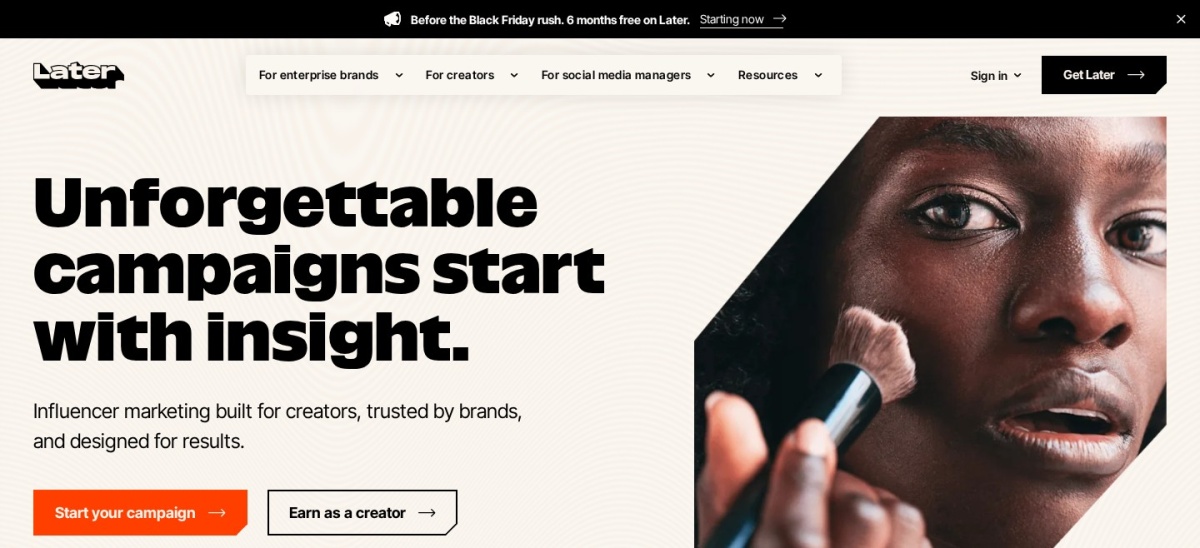
Later homepage, captured Nov 2026.
Later is built for brands that think in pictures, with a drag-and-drop calendar and an Instagram grid preview. Starter costs $18.75 a month billed yearly for 1 social set of 8 profiles and 30 posts per profile, with Link in Bio and AI caption ideas included.
The trade off is the free plan, which Later no longer offers. Starter also caps analytics history at 3 months. It suits visual brands on Instagram and TikTok that plan feeds in advance and care how the grid looks.
What we like
Best visual calendar and grid preview
Link in Bio included on Starter
AI caption ideas on every plan
Watch out for
No free plan
Analytics history capped at 3 months on Starter
Growth adds 180 posts per profile and a year of analyticsVisit later.com
03
Metricool
4.4/5on G2 (111 reviews, checked Nov 2026)
Paid from$20/mo
Best for analytics
Free plan1 brand, 20 posts
Paid planStarter, $20/mo
Brands5 on Starter
G2 rating4.4 from 111 reviews
metricool.com
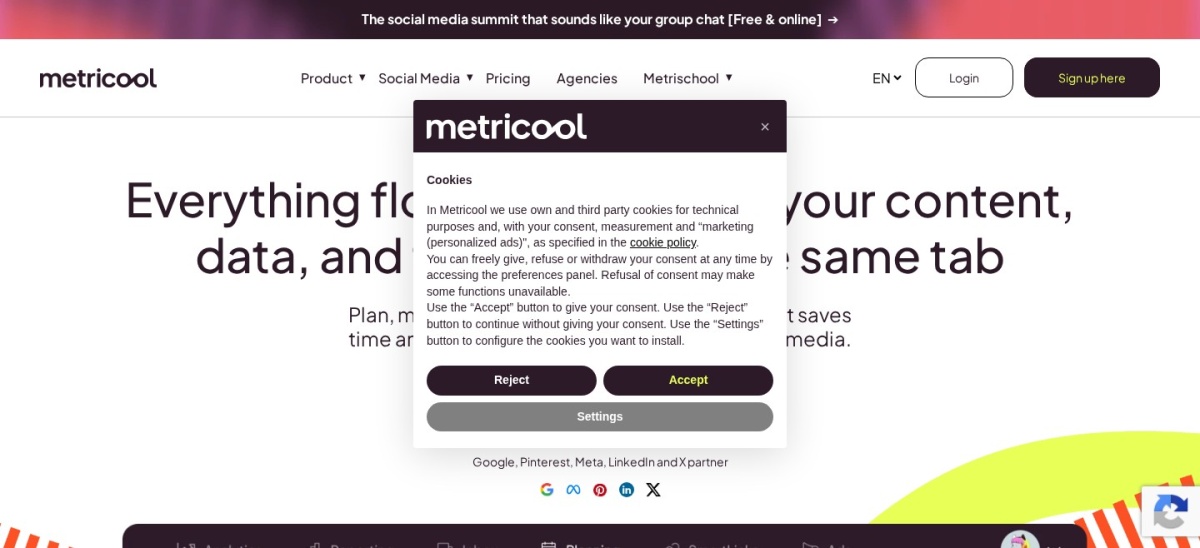
Metricool homepage, captured Nov 2026.
Metricool is a publishing and analytics tool that pairs scheduling with deep analytics and competitor tracking at a small-team price. The free plan covers 1 brand with 20 posts a month, and Starter costs $20 a month billed yearly with 5 brands, ad performance data and reports clients can read.
The trade off is a small review base, with 111 G2 reviews against Buffer's 1,043, and per-brand pricing that rises as you add clients. It suits teams that care most about what is working, not just what is scheduled.
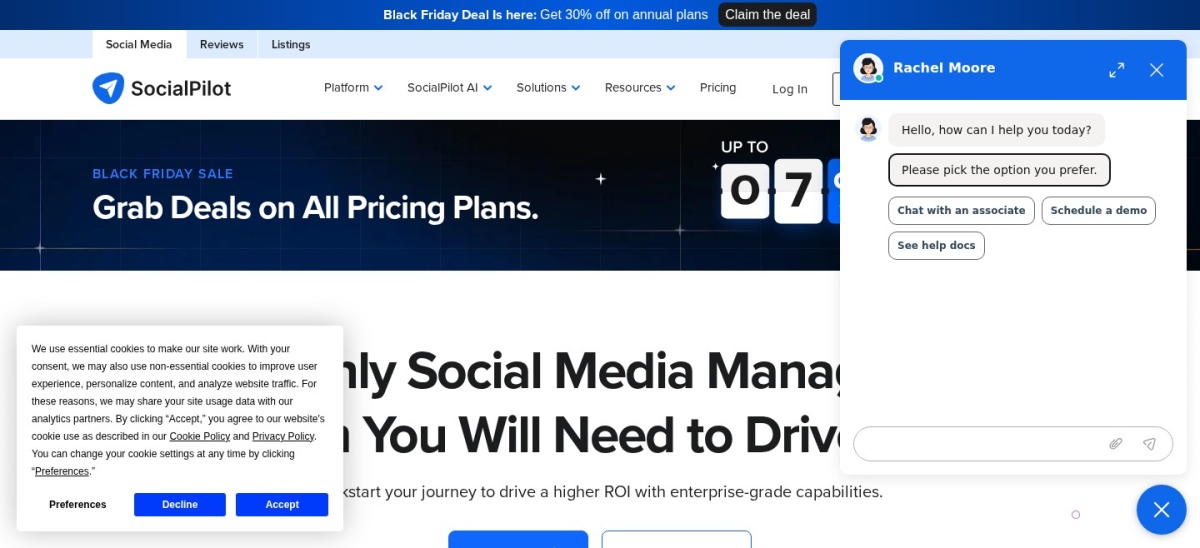
SocialPilot is the value pick for small teams and agencies, with flat pricing per plan instead of per seat. Essentials costs $25.50 a month billed yearly for 7 accounts and 1 user, with bulk scheduling, a content calendar and 500 AI credits.
The trade off is the missing free plan, with only a 14-day trial, and client seats and white-label reports wait for the $100 Premium tier. It suits small teams that schedule for several accounts and want one flat bill.
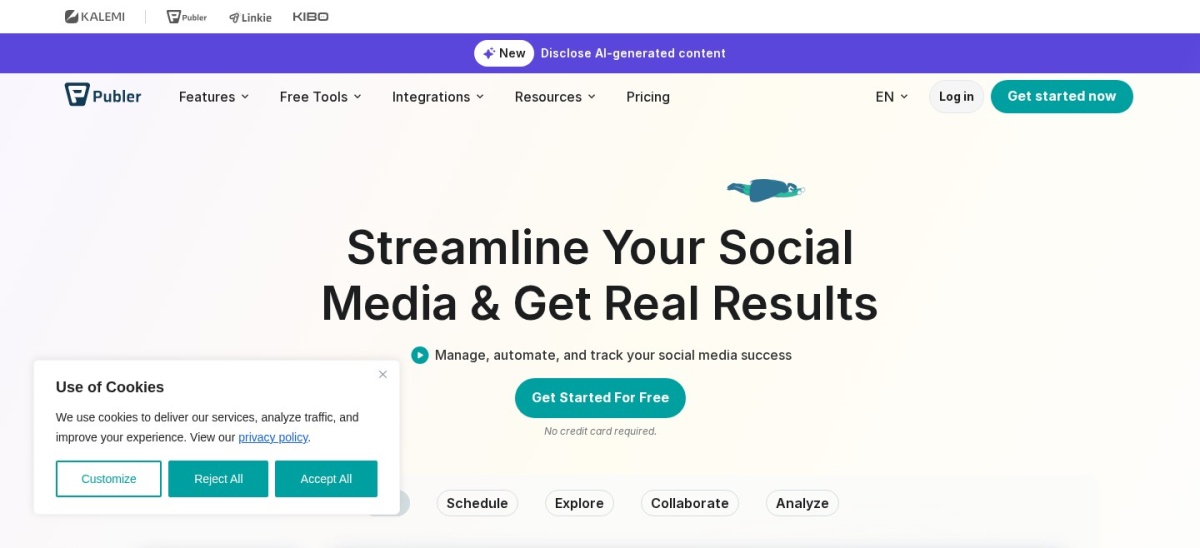
Publer is the cheapest paid route here, charging per account instead of per plan. The free plan covers 3 social accounts with 10 scheduled posts each, and Professional starts at $5 per account a month billed monthly, or $4 billed yearly, with X posting included.
The trade off is depth. There is no social inbox and AI prompts are unlimited only on the Business tier, so support-heavy teams need more. It suits solo creators on a tight budget who mainly need reliable scheduling.
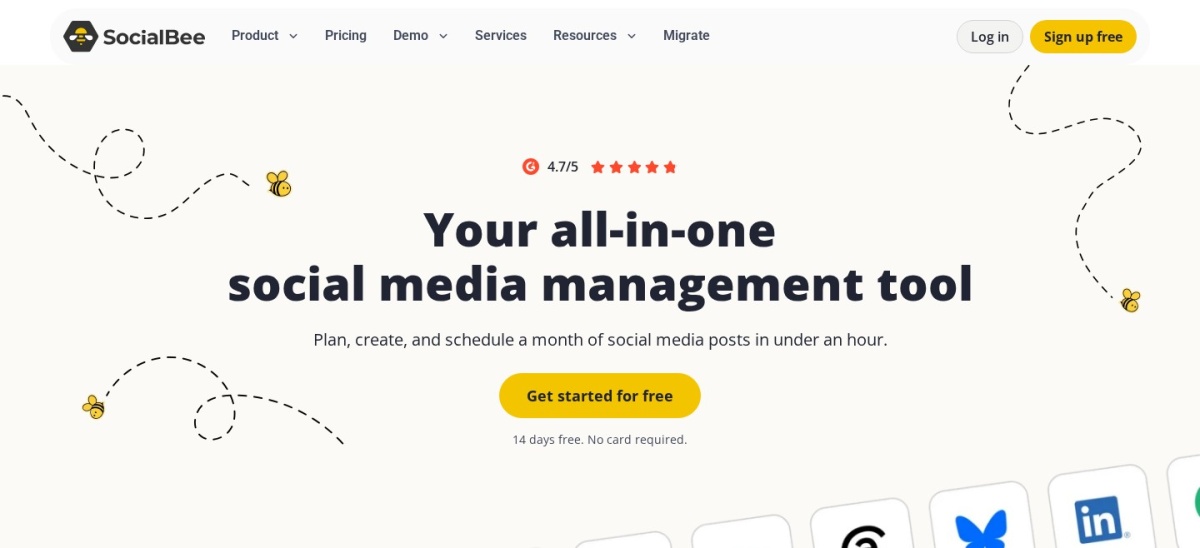
SocialBee is a scheduler with an AI copilot that suggests a posting strategy, not just captions. Bootstrap costs $29 a month billed yearly for 5 profiles, with category-based scheduling that recycles evergreen posts and a Copilot that drafts the plan.
The trade off is price for the AI. Bootstrap is $29 a month with no free plan, only a 14-day trial, and the Copilot's suggestions still need a human eye. It suits small business owners who want the tool to propose the plan.
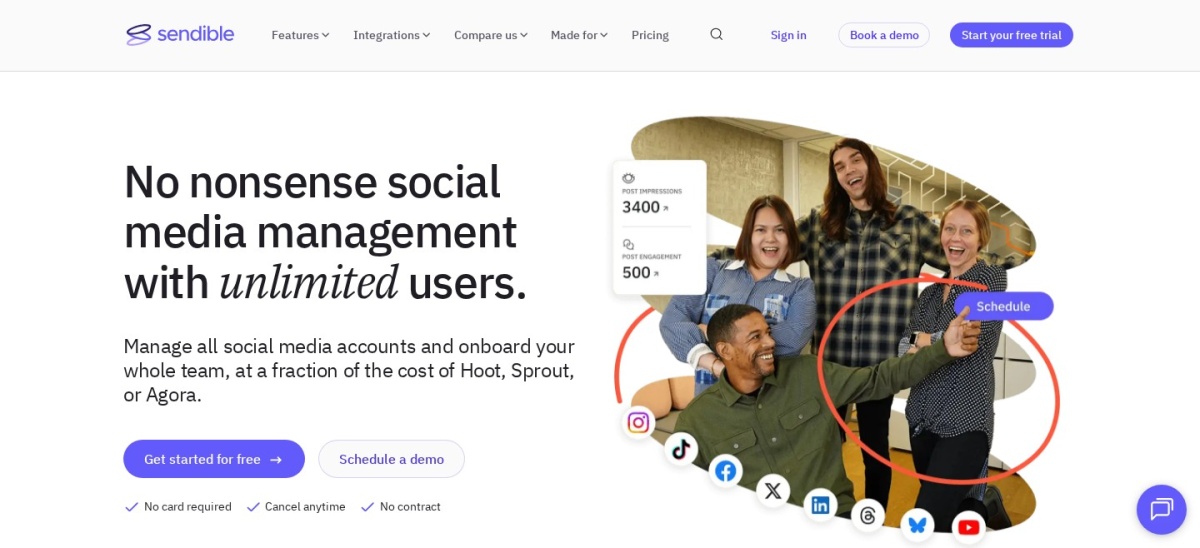
Sendible is the agency tool for client approvals and white-label reports. Core starts at $35 a month with scheduling, a priority inbox, listening and branded reports, plus approval workflows that let clients sign off posts before they go live.
The trade off is the entry price for solo users. Core at $35 a month has no free plan, and daily sending limits can pinch busy accounts. It suits agencies managing 3 to 7 client brands that need approvals and client dashboards.
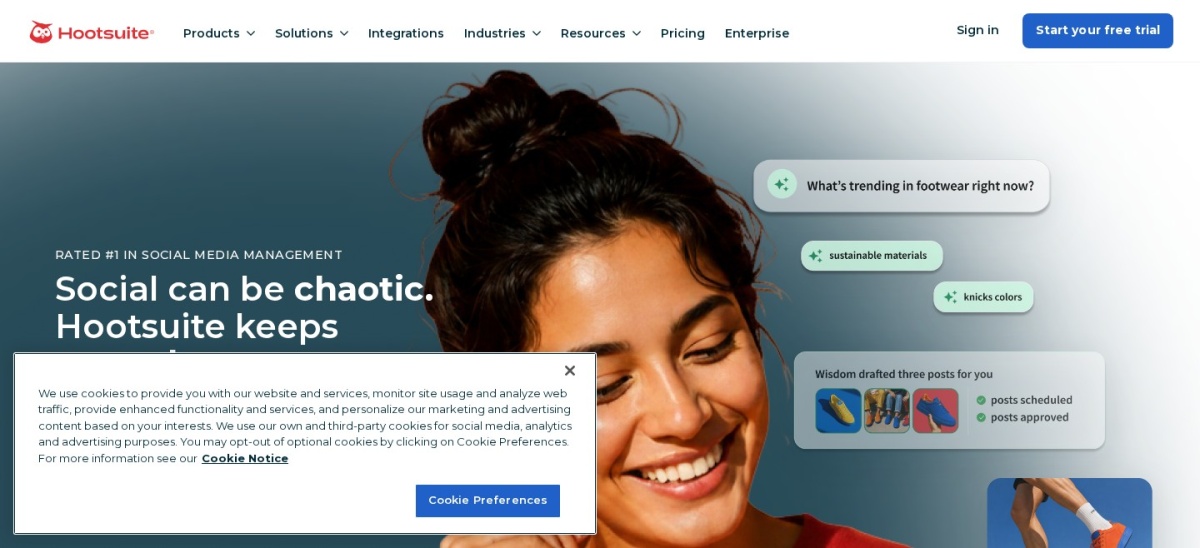
Hootsuite is the enterprise suite with the broadest integrations and the largest review base here. Standard costs $99 per user a month billed yearly, with scheduling, analytics, social listening on higher tiers and support for every major network.
The trade off is cost and weight. At $99 per user a month it is far beyond a solo creator's budget, and the interface carries years of added features. It suits mid-size teams and enterprises that need listening, approvals and deep reporting.
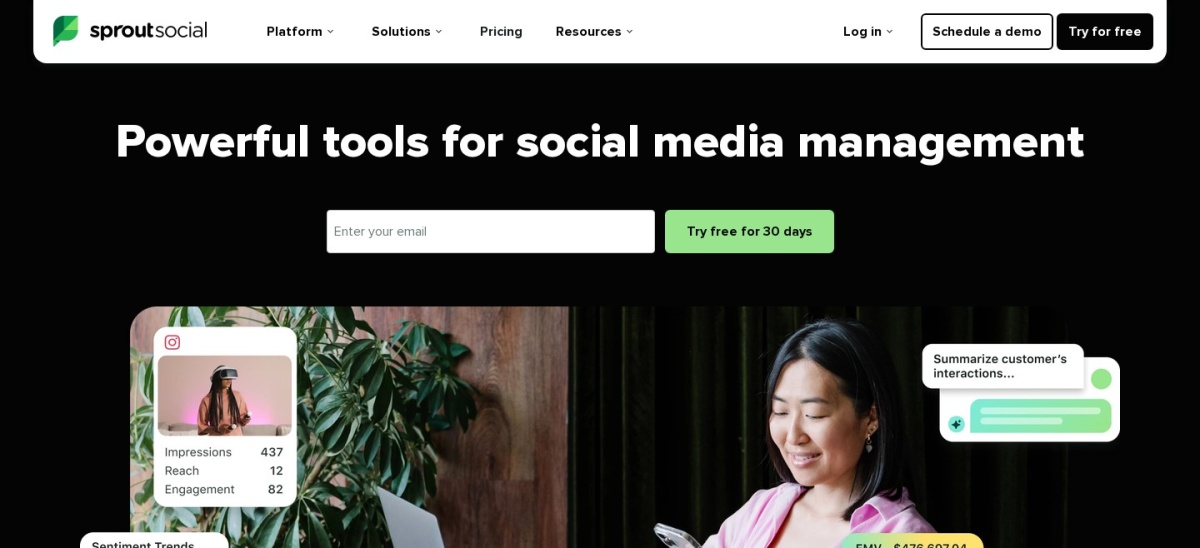
Sprout Social is the analytics-led platform in this list, with smart inboxes, listening and reports executives actually read. Standard costs $99 per seat a month, with scheduling, a unified inbox, 100 AI agent credits a month and strong reporting.
The trade off is the same as Hootsuite: $99 per seat a month prices out small teams, and the 30-day trial is the only free taste. It suits larger teams where social data feeds real business decisions.
Free plans cover the basics well. Buffer, Metricool and Publer all schedule posts free for a small number of channels.
Paid plans mostly add volume and analytics. You get unlimited scheduling, longer history and team seats.
The gap that matters most is approvals. Client sign-off, white-label reports and listening sit on paid tiers at Sendible, Hootsuite and Sprout.
For one person with 3 channels, a free plan is often enough. Once you manage 5 or more accounts, the cheapest paid plan here costs $5 to $20 a month.
How we chose
We started from the tools G2 reviewers name most often as FeedHive replacements, then kept the nine with a verifiable G2 rating and a live pricing page.
Prices come from each vendor's pricing page, checked on 29 November 2026, at the smallest paid tier. Ratings and review counts come from G2 on the same day.
We left out tools with no verifiable rating and tools aimed only at large enterprises. No vendor paid for a place, and we do not claim hands-on testing for this list.
How to choose a FeedHive alternative
Count your channels first, then match the tool to how visual or data-led your work is.
Count your channels first. Under 3, a free plan may be enough. Over 5, compare per-channel prices, since Buffer and Publer charge per account.
Decide how visual your work is. Instagram-first brands need Later's grid preview. Text-heavy teams can save money with Buffer or SocialPilot.
Check the analytics you need. Basic stats come free almost everywhere. Competitor tracking needs Metricool, and listening needs Hootsuite or Sprout.
Try the free plan before paying. Schedule a week of posts, check the AI drafts and confirm every network you use posts cleanly.
FAQ
What is the best FeedHive alternative in 2026?
Buffer is the best FeedHive alternative for most small teams in 2026. Its free plan covers 3 channels, Essentials costs $5 per channel a month billed yearly, and it is rated 4.3 from more than 1,000 G2 reviews.
What is the cheapest FeedHive alternative?
Publer is the cheapest paid route at $5 per account a month, or $4 billed yearly, with a free plan for 3 accounts. Buffer matches it at $5 per channel a month billed yearly.
Is there a free FeedHive alternative?
Yes. Buffer is free for 3 channels, Metricool is free for 1 brand with 20 posts a month, and Publer is free for 3 accounts. Later, SocialPilot and Sendible offer trials instead of free plans.
Which FeedHive alternative is best for Instagram?
Later is the best pick for Instagram-first brands. Its drag-and-drop calendar and grid preview show exactly how a feed will look, and Starter costs $18.75 a month billed yearly.
Buffer or Later: which is better?
Buffer is better for simple scheduling across many networks at a low price, with a free plan for 3 channels. Later is better for visual planning, with a grid preview and Link in Bio that Buffer does not match.
Does any FeedHive alternative include AI writing?
Yes. Buffer includes an AI assistant with unlimited credits on every plan, Metricool adds AI reports, and SocialBee's Copilot suggests a whole posting strategy rather than just captions.
SaaS SEO and WordPress specialist with about 8 years of experience. Rakib compares WordPress plugins, themes, hosting and software using public pricing, documentation and user reviews. See how we rank.