Linode is the best of the DigitalOcean alternatives for most developers, with Nanode servers from $5 a month and a 4.6 out of 5 G2 rating from 406 reviews. Choose Hetzner for the most RAM per dollar, or Cloudways if you want a managed server instead of running one yourself.
How we make this list: we compare pricing pages, product documentation and public user reviews, then re-check every price before each update. No product paid for a place. Disclosure.
Linode is the closest DigitalOcean replacement, with Nanode servers from $5 a month and a 4.6 out of 5 G2 rating from 406 reviews.
Kamatera is the cheapest entry at $4 a month, and Hetzner gives the most RAM per dollar with 4 GB for about $4.40 a month.
Vultr has the widest reach, with servers in more than 30 locations and a 1 GB server for $5 a month.
Cloudways is the only managed pick: it runs your server for you from $14 a month, on DigitalOcean, Vultr or Linode underneath.
Hostinger lists its VPS at $4.99 a month, but that is a first-term offer; the regular price is $9.99 a month, so budget for the renewal.
How do you pick the right DigitalOcean alternative?
Most DigitalOcean users leave for price, not performance. A basic Droplet does the same job on Linode, Vultr or Hetzner for $4 to $5 a month, so the switch is usually about the monthly bill and the control panel, not raw speed.
Raw servers and managed platforms are different products. A raw server gives you a blank machine to set up yourself, while a managed platform handles updates, backups and security for a higher monthly price. Our guide on what a VPS is explains the difference in plain terms.
Ratings in this list come from G2, except Contabo, which uses Trustpilot. A high score from only a few reviews means less than the same score from hundreds, so check the review count beside every rating here.
Check the renewal price before you commit. Hostinger and Contabo both advertise a lower first-term rate, and the price you pay in year two is the one that matters.
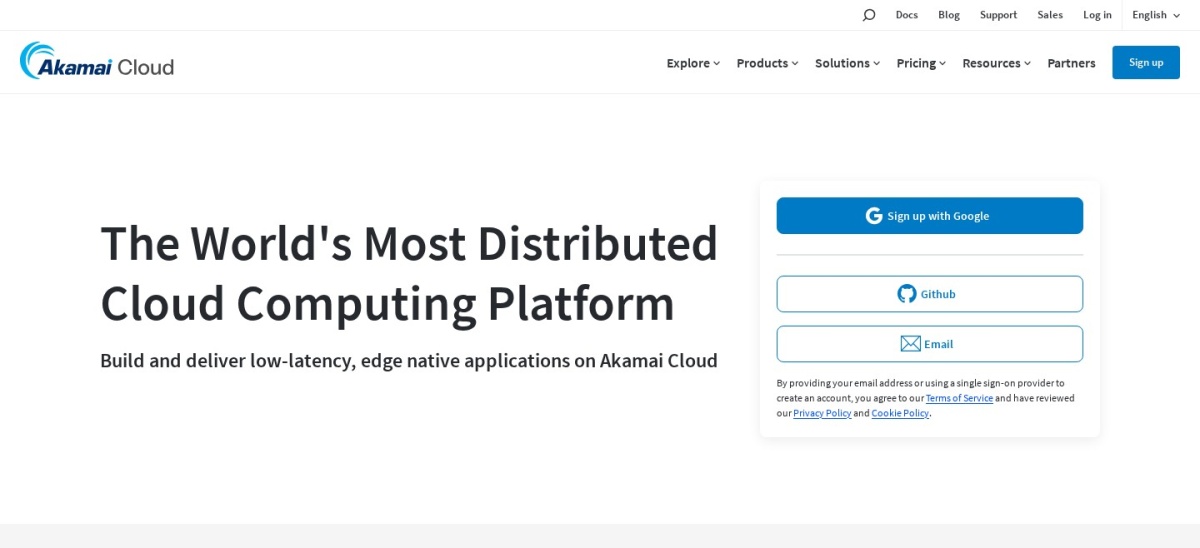
Linode (Akamai Cloud) homepage, captured Nov 2026.
Linode (Akamai Cloud) is the closest like-for-like replacement for DigitalOcean, with simple virtual machines, managed Kubernetes and block storage. The entry Nanode costs $5 a month for 1 vCPU, 1 GB of RAM, 25 GB of storage and 1 TB of transfer, and new accounts get $100 in credit for 60 days.
The trade off is that larger Linode servers cost more than budget rivals, with a 2 GB server at $12 a month. It suits developers who value stable flat pricing, strong documentation and the backing of Akamai's network.
What we like
Closest match to DigitalOcean's simple model
Excellent documentation and guides
Transparent hourly billing capped at the monthly rate
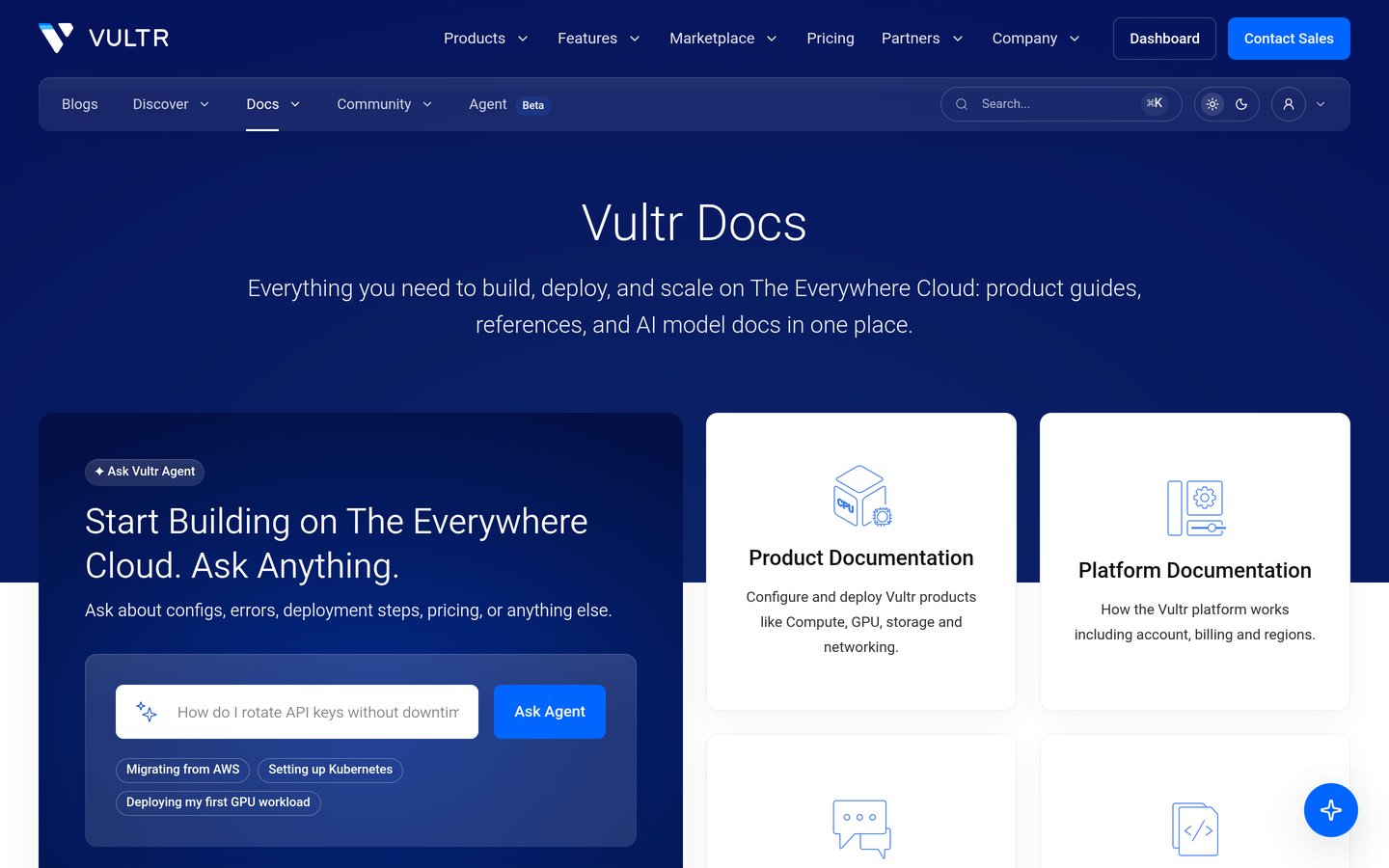
Vultr is an independent cloud provider with Cloud Compute servers in more than 30 locations, plus bare metal, GPUs and managed Kubernetes. The 1 GB server costs $5 a month with 1 vCPU, 1 GB of RAM, 25 GB of SSD storage and 1 TB of transfer, billed hourly with a monthly cap.
The trade off is that Vultr servers are unmanaged, so you install and patch the system yourself, and new accounts can face strict fraud checks. It suits developers who want a cheap server in many regions and can manage it themselves.
What we like
Widest footprint in this list
Cheaper small plans at $3.50 and $2.50 a month
Bare metal and GPU options
Hourly billing with a monthly cap
Watch out for
No free plan or trial
Unmanaged servers only
Trustpilot reviews flag account suspensions
High-frequency and optimized servers cost more than the entry planVisit vultr.com
03
Hetzner Cloud
4.5/5on G2 (13 reviews, checked Nov 2026)
Starts at$4.40/mo
Best price-to-performance VPS
Entry planCX22, about $4.40/mo
Entry specs2 vCPU, 4 GB RAM, 40 GB NVMe
Traffic20 TB included
Locations6 data centres
hetzner.com
Hetzner Cloud homepage, captured Nov 2026.
Hetzner Cloud is a European cloud provider known for low prices and fast NVMe servers. Its CX22 plan lists at €3.79 a month, about $4.40, for 2 vCPU, 4 GB of RAM, 40 GB of NVMe storage and 20 TB of traffic, more memory than any other entry server here.
The trade off is scope and support. Hetzner covers servers, storage, networking and Kubernetes, but support is ticket-only and new accounts sometimes face ID checks. It suits technical teams that want strong specs per dollar and can manage their own servers.
What we like
Most RAM per dollar at the entry price
Fast NVMe storage on cloud servers
Generous 20 TB of included traffic
Simple hourly billing with a monthly cap
Watch out for
G2 rating rests on only 13 reviews
Ticket-only support, no live chat
Prices rose several times in 2026
Backups, snapshots and load balancers are billed separatelyVisit hetzner.com
04
Kamatera
4.5/5on G2 (3 reviews, checked Nov 2026)
Starts at$4.00/mo
Best for custom server sizes
Entry Basic$4/mo, 1 vCPU, 1 GB, 20 GB SSD
Free trial30 days, up to $100
ScalingUp to 104 vCPUs per server
Data centres23 regions worldwide
kamatera.com
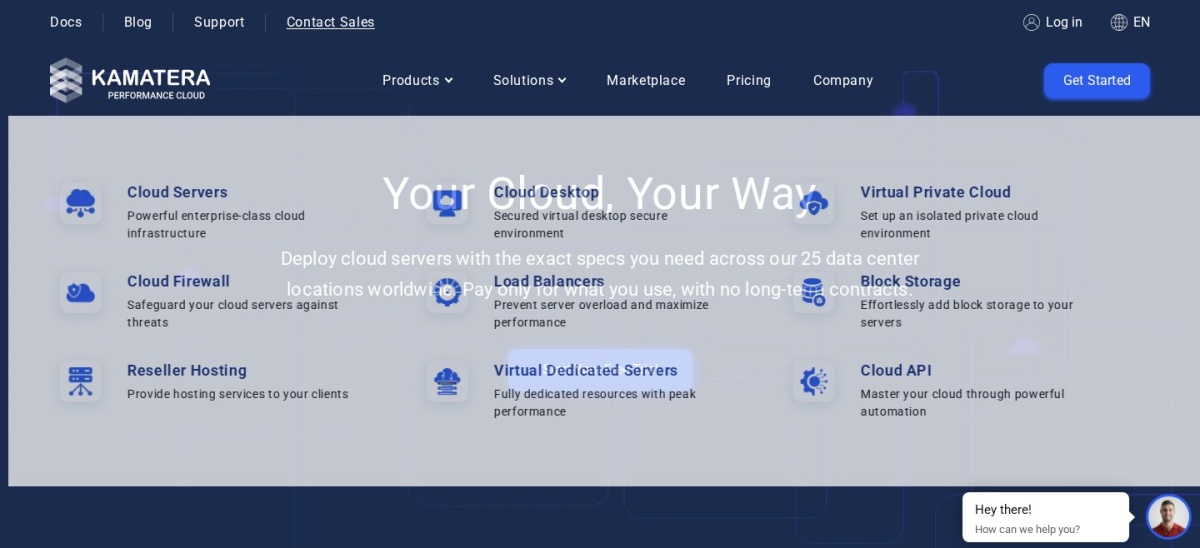
Kamatera homepage, captured Nov 2026.
Kamatera is a cloud provider that lets you size each server part by part instead of picking a fixed plan. The entry Basic server costs $4 a month with 1 vCPU, 1 GB of RAM, 20 GB of SSD storage and 5 TB of transfer, and a 30-day trial worth up to $100 lets you test a server before paying.
The trade off is thin public feedback. Kamatera holds 4.5 out of 5 on G2, but from only 3 reviews, so there is little independent evidence to lean on. It suits experienced users who know exactly what size server they need.
What we like
Pick your own vCPU, RAM and storage mix
Cheapest entry price in this list
30-day trial worth up to $100
Per-minute billing with no contract
Watch out for
Only 3 G2 reviews, so the rating is thin evidence
Only 20 GB of storage on the entry plan
Servers are unmanaged unless you pay for management
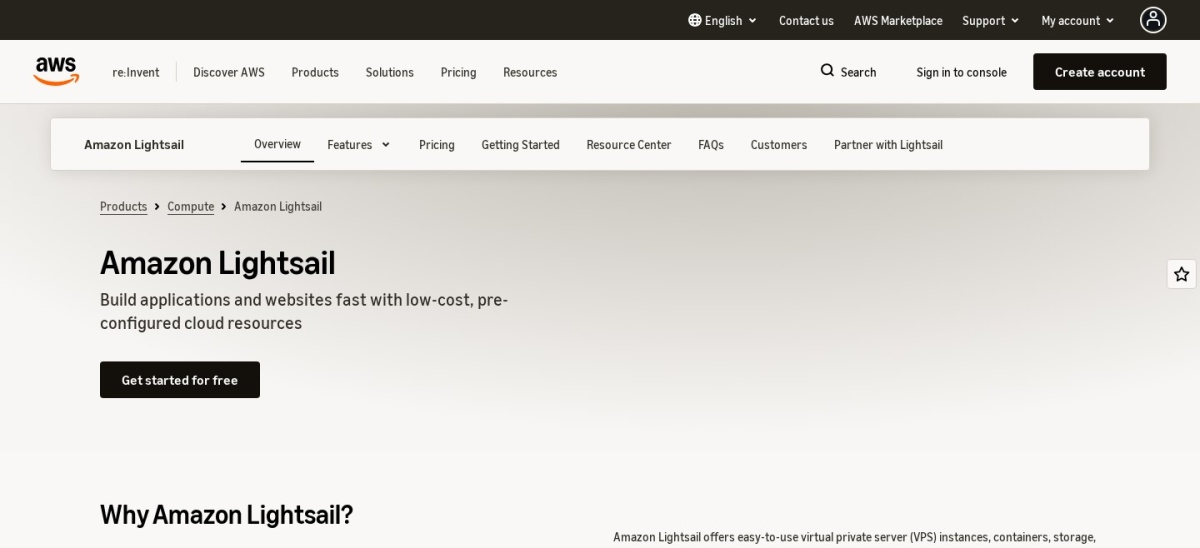
Amazon Lightsail is the simple end of AWS, with fixed-price bundles of a server, storage and transfer. The cheapest bundle with a public IPv4 address costs $5 a month with 2 vCPU, 0.5 GB of memory, 20 GB of SSD storage and 1 TB of transfer, and an IPv6-only bundle costs $3.50 a month.
The trade off is headroom. The $5 bundle has only 0.5 GB of memory, and prices climb fast for larger workloads, so heavy sites outgrow Lightsail quickly. It suits small projects that want predictable bills and an easy upgrade path into full AWS services.
What we like
Fixed monthly price with no surprise bills
Pre-configured stacks for WordPress and other apps
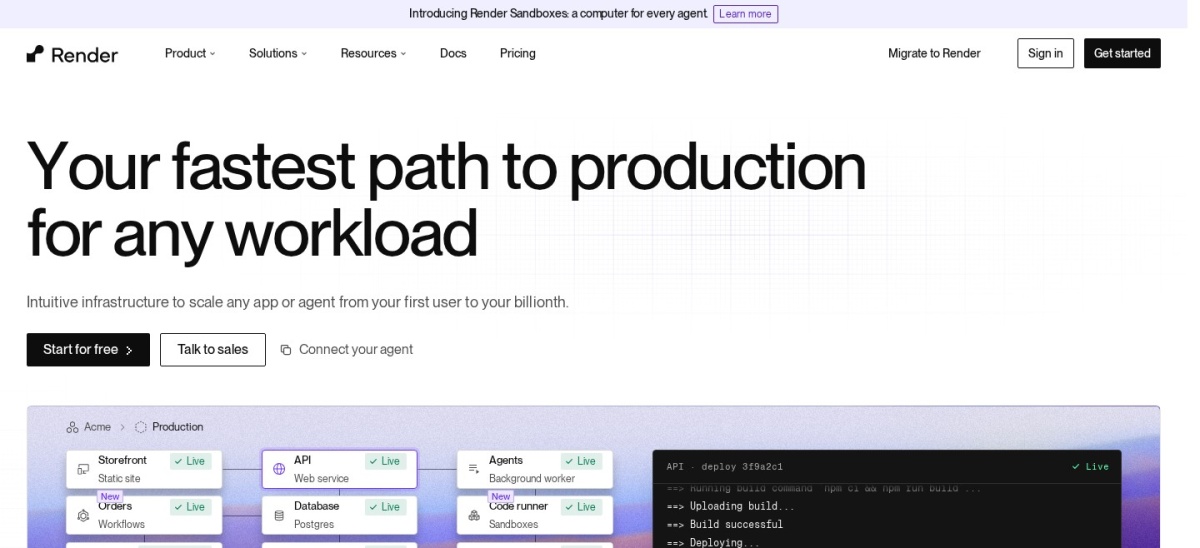
Render is a cloud platform that deploys web services, background workers and cron jobs from a Git repository. The smallest paid web service, Starter, costs $7 a month for 0.5 CPU and 512 MB of memory, and a free tier covers static sites and small web services.
The trade off is cost at scale. Render is cheap to start, but the bill grows as you add services, and the free tier sleeps, so it is not for always-on production apps. It suits small teams that want git-push deploys without managing a server.
What we like
Rated 4.7 out of 5 from 84 G2 reviews
Free tier for static sites and small services
Git-push deploys with auto scaling
One dashboard for apps, jobs and databases
Watch out for
Free tier sleeps, so it is not for production
Costs rise as you add services
Standard services from $25 a month add more CPU and memoryVisit render.com
07
Cloudways
4.7/5on G2 (1,126 reviews, checked Nov 2026)
Starts at$14/mo
Best managed option
Entry planMicro, $14/mo, DigitalOcean
Entry specs1 vCPU, 1 GB RAM, 25 GB NVMe
Free trial3 days, no card needed
Underlying cloudsDigitalOcean, Vultr, Linode, AWS, Google Cloud
cloudways.com
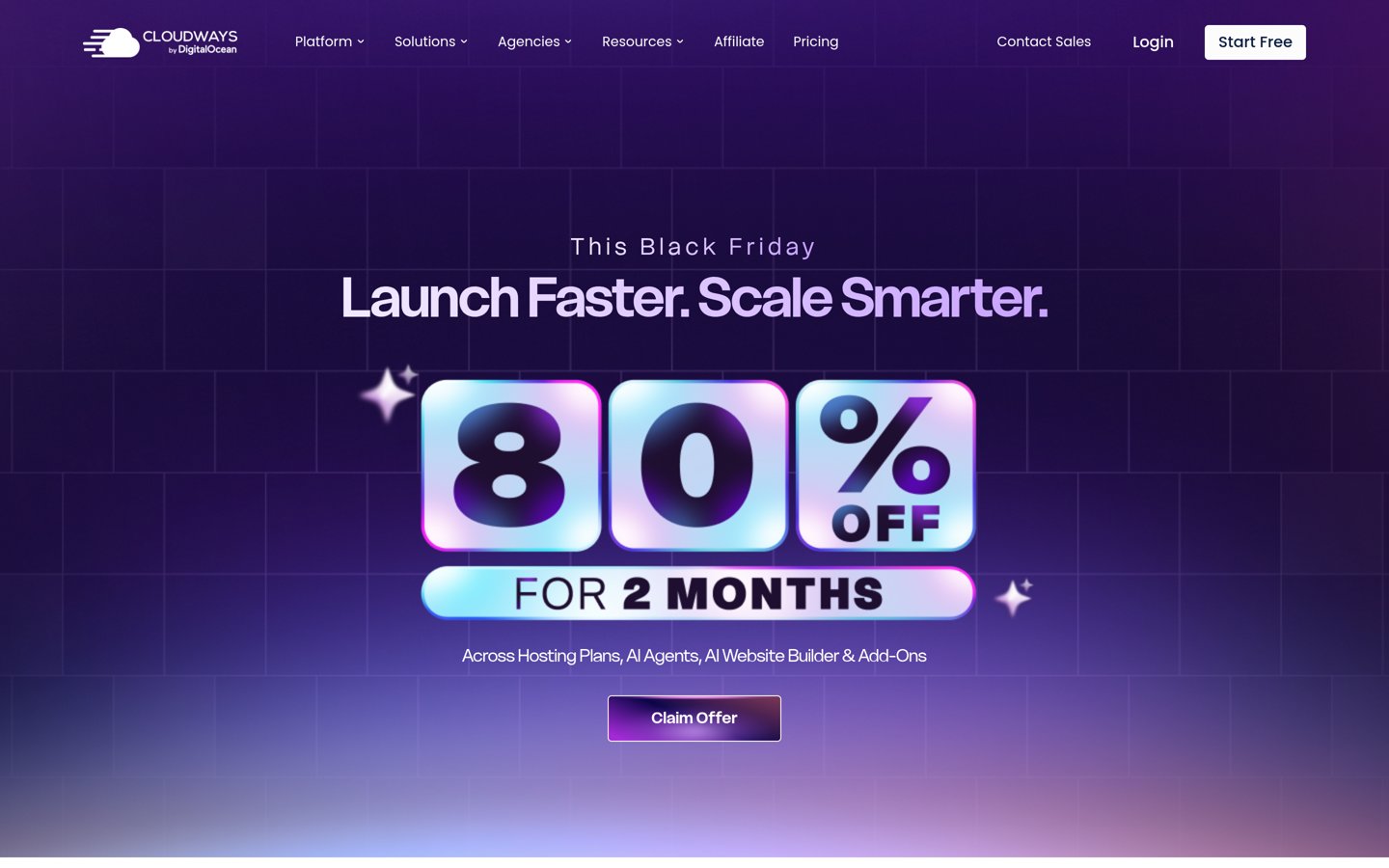
Cloudways homepage, captured Nov 2026.
Cloudways is a managed cloud platform that rents a server from DigitalOcean, Vultr, Linode, AWS or Google Cloud and runs it for you. The cheapest DigitalOcean plan, Micro, costs $14 a month for 1 GB of RAM, 1 vCPU, 25 GB of NVMe storage and 1 TB of bandwidth, with a 3-day free trial.
The trade off is price and ownership. Cloudways costs more than the raw server underneath, and DigitalOcean owns Cloudways, so it is a managed layer rather than a fully separate cloud. It suits site owners who want cloud power without server work.
Hostinger is a KVM-based virtual server with NVMe storage and a beginner-friendly control panel. The entry KVM 1 plan lists at $4.99 a month for a first term, but the regular price is $9.99 a month, for 1 vCPU, 4 GB of RAM and 50 GB of NVMe storage, with a 30-day money-back guarantee.
The trade off is the renewal jump. The $4.99 price doubles to $9.99 a month after the first term, so the long-term cost is higher than the headline suggests. It suits beginners who want a guided VPS setup with plenty of RAM for the price.
4.6/5on Trustpilot (11,887 reviews, checked Nov 2026)
Starts at$6.16/mo
Best value for the money
Entry planCloud VPS 4, $6.16/mo
Entry specs4 vCPU, 8 GB RAM, 100 GB SSD
TrafficUnlimited, fair-use policy
Locations11 data centres in 9 regions
contabo.com
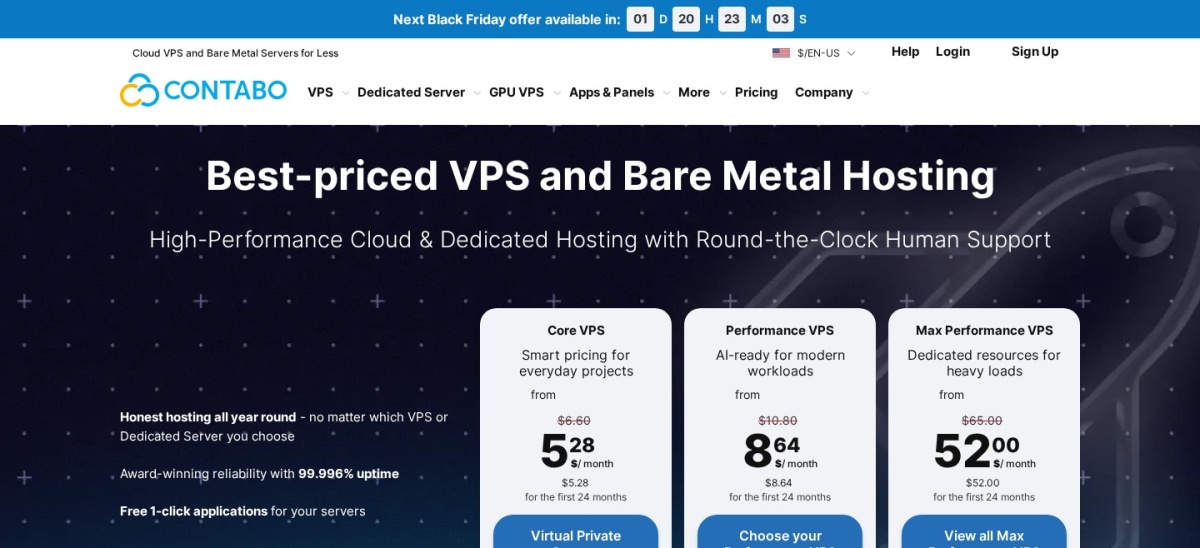
Contabo homepage, captured Nov 2026.
Contabo is a German provider that sells the most hardware per dollar in this list. Its entry Cloud VPS 4 costs $6.16 a month on a monthly term for 4 vCPU, 8 GB of RAM and 100 GB of SSD storage, with unlimited traffic under a fair-use policy and a 200 Mbit/s port.
The trade off is support. Reviewers praise the specs but report slow ticket-only support, and longer prepaid terms cut the monthly rate further. It suits buyers who can run an unmanaged server themselves and want the most hardware per dollar.
What we like
Most RAM and CPU per dollar in this list
Unlimited traffic with no metered overage
Rated 4.6 out of 5 on Trustpilot from 11,887 reviews
Unmanaged servers give you a blank machine and root access. You install the software, apply updates and fix problems yourself, which is why Linode, Vultr, Hetzner, Kamatera, Lightsail and Contabo cost $4 to $6 a month.
Managed platforms do that work for you. Cloudways installs and maintains the stack, while Render removes the server entirely with git-push deploys, and both cost more per month than a raw server.
We started from the cloud providers most often named as DigitalOcean replacements, then kept nine with published prices and public ratings.
Prices come from each vendor's pricing page, checked on 29 November 2026. Ratings come from G2 on the same day, except Contabo, which uses Trustpilot. Where a vendor shows a sale, the list shows the regular price.
We left out providers with no public rating and hyperscaler plans with no fixed entry price. No vendor paid for a place, and we do not claim to have used these tools ourselves.
How to choose a DigitalOcean alternative
Match the server to the workload first, then compare the monthly bill.
Work out how much RAM you need. A small site runs on 1 GB, but WordPress with plugins is safer on 2 GB or more. Hetzner and Contabo give the most RAM per dollar here.
Decide whether you want to manage the server. If you can use the command line, a raw server from Linode or Vultr saves money. If not, Cloudways or Render handles the server for you.
Check the renewal price, not just the first month. Hostinger doubles from $4.99 to $9.99 a month after the first term. Linode, Vultr, Kamatera and Cloudways keep the same price.
Pick a region near your visitors. Vultr has the most locations, while Hetzner and Contabo are strongest in Europe. A closer server means faster page loads.
FAQ
What is the best DigitalOcean alternative in 2026?
Linode is the best DigitalOcean alternative for most developers. Its Nanode servers start at $5 a month, it is rated 4.6 out of 5 on G2 from 406 reviews, and it offers the same simple virtual machines, managed Kubernetes and block storage.
How much does a DigitalOcean alternative cost?
Entry servers cost $4 to $14 a month. Kamatera starts at $4, Linode, Vultr and Lightsail at $5, and Cloudways, the managed option, at $14. Larger servers cost more, so match the plan to the RAM your site needs.
Is there a free DigitalOcean alternative?
There is no free raw server in this list, but Render has a free tier for static sites and small web services. Kamatera offers a 30-day trial worth up to $100, Cloudways a 3-day trial, and Linode $100 in credit for 60 days.
Which DigitalOcean alternative is best for beginners?
Amazon Lightsail is the easiest raw server, with fixed-price bundles and pre-configured WordPress stacks. If you want no server work at all, Cloudways manages the server for you from $14 a month.
Linode vs Vultr: which is better?
Linode is the better pick for most people, with a higher G2 rating of 4.6 out of 5 from 406 reviews against Vultr's 4.3 from 288, plus stronger documentation. Vultr wins on reach, with servers in more than 30 locations, and on cheaper small plans.
Is Hetzner a good DigitalOcean alternative?
Yes, if you can manage your own server. Hetzner gives 2 vCPU and 4 GB of RAM for about $4.40 a month, the most memory per dollar here. Its G2 rating of 4.5 rests on only 13 reviews, and support is ticket-only.
Can I move from DigitalOcean to another provider easily?
Yes. Most moves mean setting up a fresh server, copying your files and database, and pointing your domain at the new address. Managed platforms such as Cloudways can handle the move for you, while raw servers need you to do it yourself.
SaaS SEO and WordPress specialist with about 8 years of experience. Rakib compares WordPress plugins, themes, hosting and software using public pricing, documentation and user reviews. See how we rank.