Ticket Tailor is the best ticket selling platform for most organizers, with a flat $0.65 fee per ticket and a 4.8 out of 5 G2 rating from 198 reviews. Pick Eventbrite when you need a large built-in audience, and Zeffy when you are a registered nonprofit and want no platform fee at all.
How we make this list: we compare pricing pages, product documentation and public user reviews, then re-check every price before each update. No product paid for a place. Disclosure.
Ticket Tailor is the cheapest flat-fee option here at $0.65 per ticket, or from $0.25 with prepaid credits, and it is rated 4.8 out of 5 on G2.
Eventbrite is the only platform here with a large public marketplace, but its 3.7% plus $1.79 fee is the highest on a cheap ticket.
Zeffy charges registered nonprofits no platform fee at all and is rated 4.9 out of 5 from 3,373 G2 reviews.
TicketSpice pays weekly, while Eventbrite usually pays after the event, so check payout timing before you commit.
A 3% fee beats a $0.99 flat fee on tickets under $33, so compare fees on your real ticket price.
What to look for in a ticket selling platform
Selling tickets online means paying for the sale twice: a platform fee and a payment processing fee. Most platforms in this list charge one or both, and the two together decide what you keep from each ticket.
Flat fees win on expensive tickets. A $0.99 flat fee costs the same on a $10 ticket and a $100 ticket, while a percentage fee grows with the price.
Discovery is the other half of the choice. Only Eventbrite and a few entertainment apps bring buyers to you; the rest expect you to drive traffic yourself. Our guide on using The Events Calendar in WordPress shows how to list events on your own site beside a ticket platform.
Payout timing matters as much as the fee. TicketSpice pays weekly, Ticket Tailor sends money to your own payment account, and Eventbrite usually pays after the event.
Price ladder: fee per paid ticket (percentage fees worked on a $50 ticket)
List prices, USD, checked Nov 2026
ZeffyFree
ShowpassFREECustom
PurplepassCustom
AcceleventsCustom
TicketTailorFREE$1
TicketSpice$1
Tito$2
HumanitixFREE$2
EventbriteFREE$4
The 9 best ticket selling platforms
01
Ticket Tailor
4.8/5on G2 (198 reviews, checked Nov 2026)
Paid from$0.65/ticket
Best ticket selling platform overall
Fee per ticket$0.65 pay as you go
Prepaid creditsFrom $0.25 per ticket
Free eventsFree
PayoutsYour own Stripe, PayPal or Square
tickettailor.com
Ticket Tailor homepage, captured Nov 2026.
Ticket Tailor is a flat-fee ticket selling platform for independent organizers, small venues, museums and community groups. Paid tickets cost $0.65 each on pay as you go, or from $0.25 each with prepaid credits, and free events carry no platform fee. Payments go to your own Stripe, PayPal or Square account, so ticket income is not held in a platform payout cycle.
The trade off is reach. Ticket Tailor has no large public marketplace, so you must bring your own audience, and prepaid credits need planning ahead. It suits organizers who already have buyers and want to keep more of each sale.
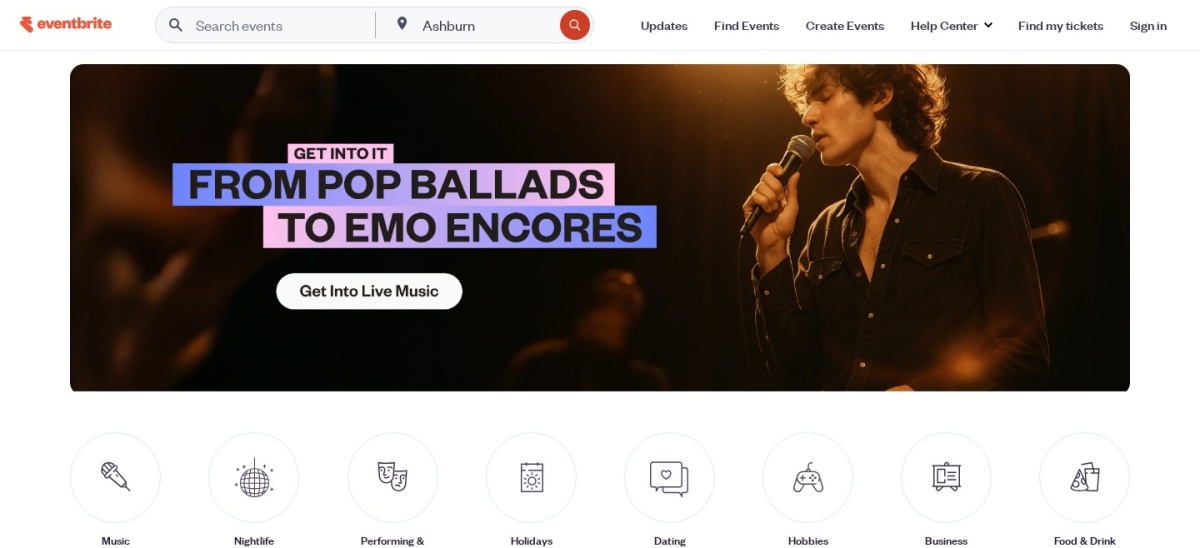
Eventbrite is the largest ticket selling platform in this list, with a public marketplace where buyers browse concerts, classes, festivals and business events. Publishing is free and free events carry no fee. Paid tickets carry a service fee of 3.7% plus $1.79 each, plus 2.9% payment processing per order.
The trade off is cost on cheap tickets. The fixed $1.79 fee takes a visible share of a low-priced ticket, and payouts usually arrive after the event. It suits first events, tours with many dates and any public event where new buyers matter more than saving a dollar per ticket.
TicketSpice is a flat-fee platform from Webconnex for attractions, festivals and recurring events. Paid tickets cost $0.99 each, or $0.49 for tickets priced at $5 or less, with card processing charged separately. A drag-and-drop builder covers branded pages, timed entry, reserved seating, donations and merchandise.
The trade off is that there is no free plan for paid events, so a one-off free community event fits a rival better. Payouts arrive weekly, which helps cover deposits and venue costs while tickets are still selling. It suits organizers with real upfront costs who want predictable fees and early cash flow.
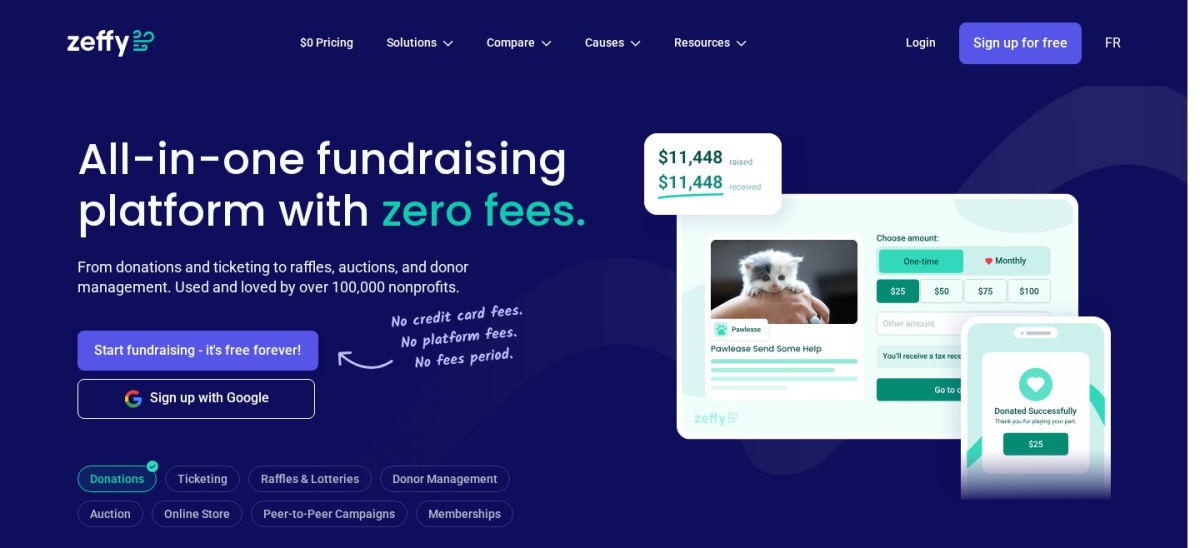
Zeffy is a ticket selling platform only for registered nonprofits, and it charges no platform fee at all. The company earns money from optional tips that donors can add or remove at checkout. Tickets sit beside donations, raffles, auctions and memberships, with a donor CRM and email tools included.
The trade off is scope. Businesses cannot use Zeffy, and very large festivals may need deeper seating or access control tools. It suits schools, churches, rescue charities and arts nonprofits that want every ticket dollar to stay with the mission.
What we like
No platform fee for nonprofits
Tickets plus donations and memberships in one place
Humanitix is a nonprofit ticket selling platform that puts 100% of its booking fee profits toward charitable causes. Paid tickets cost 2.1% plus $0.99 each, with charities and schools paying 1% plus $0.99, and payment processing of 2.9% plus $0.30 on top. Free events are free.
The trade off is price. The total fee runs higher than the cheapest flat-fee options, and large conferences may want deeper registration or seating tools. It suits galas, fundraisers, school events and community festivals where the fee also buys goodwill with sponsors and donors.
What we like
Booking fee profits go to charity
Reduced rates for charities and schools
Clean checkout with express payment options
Simple setup with no contracts
Watch out for
Total cost is higher than the cheapest flat-fee options
Tito is a ticket selling platform built to sit inside your own event website with a short embed. Paid tickets cost 3% each, plus payment processing through Stripe, and there is no large public marketplace. Setup is fast, and the checkout feels like part of your own brand rather than a detour to another site.
The trade off is evidence. Tito holds a 4.0 out of 5 G2 rating from only 4 reviews, so the score is thin, and the percentage fee adds up on expensive conference tickets. It suits conferences, meetups and workshops where the organizer already controls promotion.
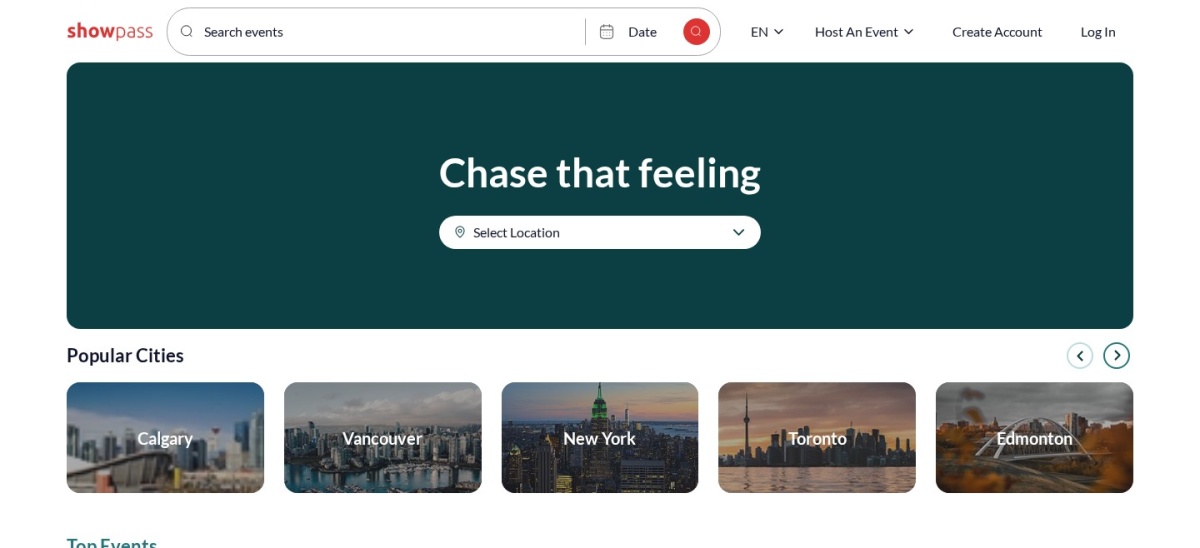
Showpass is a ticket selling platform focused on live entertainment, from concerts and comedy to festivals and venue series. Buyers can browse events, buy in the app and manage tickets on a phone, and organizers get venue and promoter tools with support for partners such as Facebook, Google and Square.
The trade off is pricing. Showpass does not publish a simple per-ticket rate, so you must request a quote for your ticket price and volume and confirm who pays the fee. It suits venues and promoters running a regular program of live shows.
What we like
Strong live entertainment focus
Mobile app for buyers
Venue and promoter tools
Discovery through the Showpass app
Watch out for
Pricing is not published as a simple per-ticket rate
Purplepass is a ticket selling platform for live events, and it holds the joint-highest rating in this list: 4.9 out of 5 on G2 from 102 reviews and 4.9 out of 5 on Capterra from 304 reviews. It is built for promoters and venues selling tickets to concerts, festivals and shows.
The trade off is pricing. Purplepass does not publish a simple per-ticket rate, so you need a quote before you can compare it against flat-fee rivals. It suits live-event promoters who value a highly rated platform and can confirm the fee structure first.
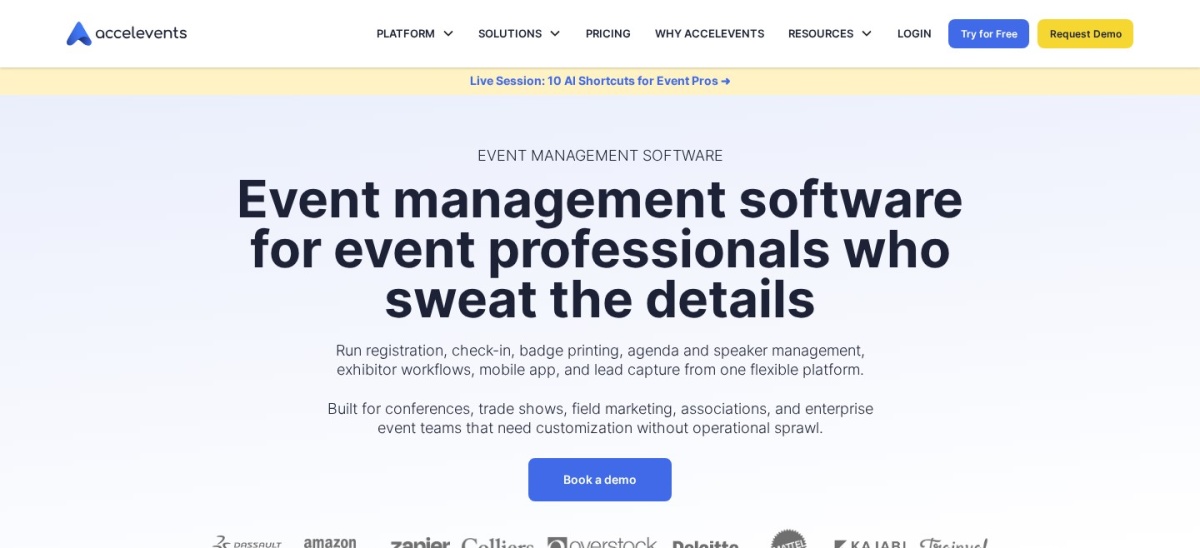
Accelevents is an event management platform with ticketing for conferences, trade shows and expos. It holds a 4.7 out of 5 G2 rating from 177 reviews, and it covers registration, badging, check-in and exhibitor tools beside ticket sales. It is built for multi-day professional events rather than single gigs.
The trade off is price and weight. Pricing is by quote, so small organizers cannot compare it at a glance, and the full platform is more than a one-off event needs. It suits conference teams that want registration and ticketing in one system.
A flat fee is easy to forecast. You know the cost per ticket before you set the price, and the fee stays the same whatever the ticket costs.
A percentage fee is cheaper on low-priced tickets. Tito charges 3% per ticket, which is $0.15 on a $5 ticket and $1.50 on a $50 ticket, against $0.99 flat on TicketSpice either way.
Add processing before you compare. Most platforms charge about 2.9% plus $0.30 per transaction on top of the platform fee, so the headline rate is never the full cost. Our guide on creating a payment form in WordPress explains how card processing works on your own site.
Work the fee on your real ticket price, not the cheapest ticket. A fee that looks small on a $100 gala ticket can take a quarter of a $10 community ticket.
How we chose
We started from the ticket selling platforms with public G2 or Capterra ratings and a published fee structure, then kept nine that cover flat fees, percentage fees, nonprofit ticketing and live entertainment.
Fees come from vendor pricing pages and G2 pricing data, checked in October and November 2026. Ratings and review counts come from G2 or Capterra on the same dates. Where a vendor shows a sale, the list shows the regular price.
We left out platforms with no public rating, such as DICE, and platforms that only sell tickets through a closed marketplace. No vendor paid for a place, and we do not claim to have used these tools ourselves.
How to choose a ticket selling platform
Start with your real ticket price, then check fees, payouts and door tools in that order.
Work out the fee on your real ticket price. A flat fee and a percentage fee cross over at a different price for every event. Run both on your cheapest and most expensive ticket before you choose.
Check who pays each fee. Some platforms let you pass the fee to buyers at checkout, and some expect you to absorb it. Confirm the service fee, the processing fee and any monthly plan.
Ask when you get paid. Weekly payouts help cover deposits and venue costs while tickets are still selling. Payouts after the event leave you funding the event yourself.
Check the door tools. A free check-in app, offline scanning and a guest list search matter more on a busy night than a pretty event page. See how to add a booking calendar to WordPress if you also take bookings on your own site.
FAQ
What is the best ticket selling platform?
Ticket Tailor is the best pick for most organizers. It charges a flat $0.65 per ticket with no percentage fee, and it is rated 4.8 out of 5 on G2 from 198 reviews, with payments going to your own Stripe, PayPal or Square account.
How much does Eventbrite charge per ticket?
Eventbrite charges a service fee of 3.7% plus $1.79 per paid ticket, plus 2.9% payment processing per order. On a $50 ticket that is $3.64 in service fees plus processing, and there is no per-ticket fee cap.
Which ticket platform is free for nonprofits?
Zeffy is free for registered nonprofits, with no platform fee and no per-ticket charge. It runs on optional donor tips and includes a donor CRM, email tools and forms, so a small charity can sell gala tickets without a subscription.
What is the cheapest way to sell tickets online?
For nonprofits, Zeffy costs nothing. For everyone else, Ticket Tailor at $0.65 per ticket or TicketSpice at $0.99 per ticket are the cheapest verified flat fees, and a 3% fee from Tito wins on tickets under about $33.
Do ticket platforms charge for free events?
Most do not. Ticket Tailor, Eventbrite, Zeffy, Humanitix and Showpass all list free events at no platform fee. TicketSpice and Tito have no free plan, so check their terms before listing a free event.
When do I get paid for ticket sales?
It varies by platform. TicketSpice pays weekly, Ticket Tailor sends money to your own payment account as sales happen, and Eventbrite usually pays after the event. Confirm the payout schedule before you commit to venue deposits.
SaaS SEO and WordPress specialist with about 8 years of experience. Rakib compares WordPress plugins, themes, hosting and software using public pricing, documentation and user reviews. See how we rank.