Kinaxis Maestro is the best supply chain planning software for large operations, with concurrent planning that recalculates demand, supply, inventory and capacity together. Pick SAP IBP if you run SAP, or MRPeasy from $49 per user a month if you are a small manufacturer.
How we make this list: we compare pricing pages, product documentation and public user reviews, then re-check every price before each update. No product paid for a place. Disclosure.
Kinaxis Maestro leads on concurrent planning: demand, supply, inventory and capacity are recalculated together, with fast what-if scenarios.
SAP IBP is the strongest choice for companies already running SAP, rated 4.3/5 from 310 G2 reviews, but G2 reports an average implementation of 7 months.
Seven of the nine tools publish no price at all. Only Katana, from $299 a month, and MRPeasy, from $49 per user a month, list one.
Anaplan has the highest rating in this list at 4.6/5 from 488 G2 reviews, but it is a general planning platform, not a dedicated supply chain suite.
MRPeasy is the cheapest entry point at $49 per user a month, built for manufacturers with 10 to 200 employees.
What supply chain planning software should cover
Supply chain planning covers four jobs: demand forecasting, sales and operations planning (S&OP), inventory planning and production scheduling. They used to live in separate tools, and the best planning software now keeps them in one plan.
The key test is whether a demand change flows into supply, inventory and capacity without re-keying. Look for concurrent or integrated planning, not separate modules that sync overnight.
Forecast accuracy is the first thing to check. Ask each vendor to run a forecast on your last year of sales before you sign, because a demo on sample data hides the gaps that matter.
Pricing is mostly hidden in this market. Seven of the nine tools in this list are quote-only, so budget for implementation and training as well as the subscription. Our guide on managing stock and inventory shows how far a built-in inventory tool can go before a separate planning suite pays off.
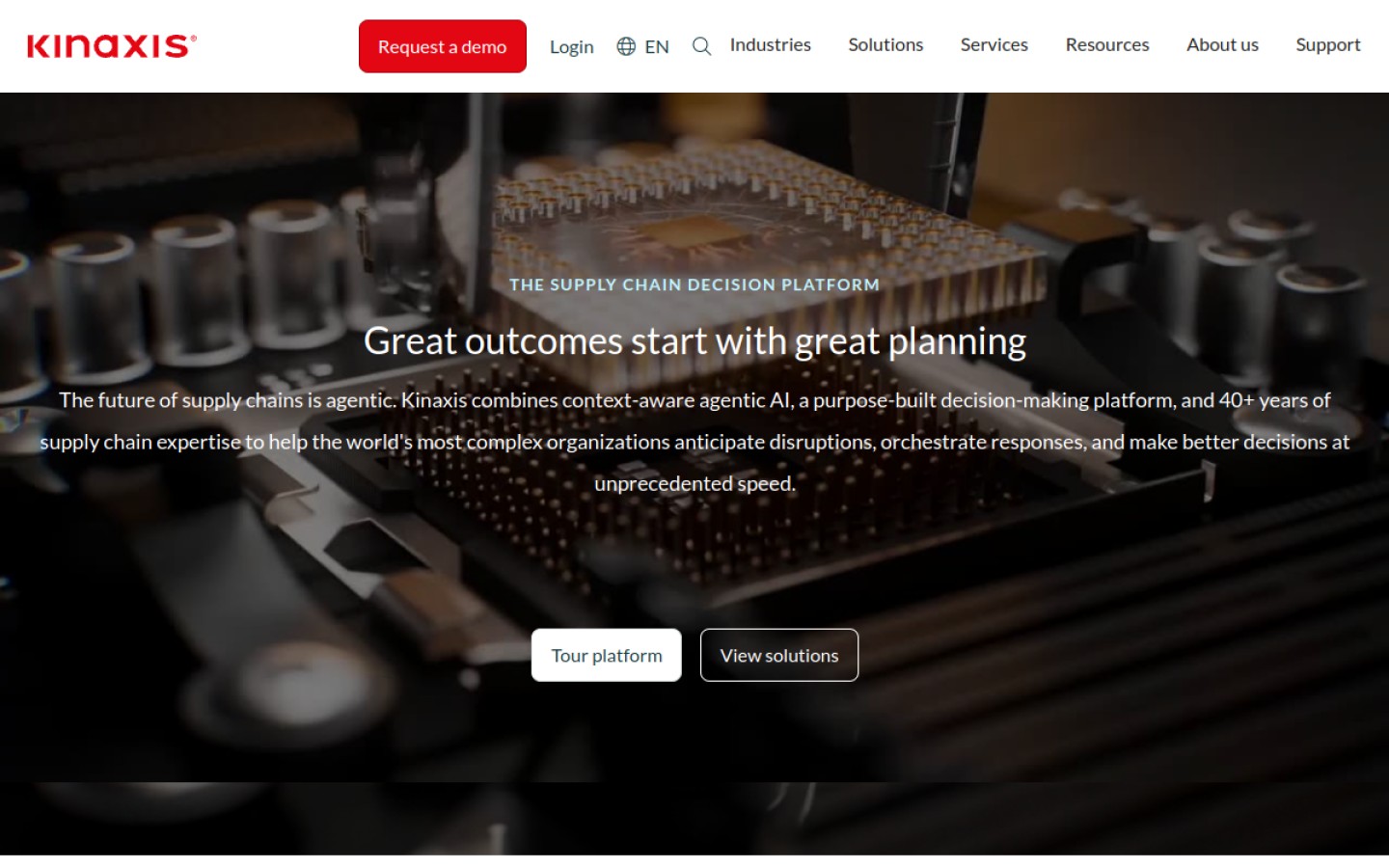
Kinaxis Maestro is a cloud planning platform built around concurrent planning, where demand, supply, inventory and capacity are recalculated together instead of one after another. Formerly called RapidResponse, it lets planners run what-if scenarios and see the effect across the whole chain at once, which suits fast-moving supply chains that face frequent disruption.
The trade off is a thin review base and hidden pricing. It holds 4.0/5 on G2 from only 14 reviews, and Kinaxis publishes no public price, so costs only come from a quote. It suits global companies where reacting to a disruption a day sooner is worth an enterprise contract.
What we like
Concurrent planning recalculates the whole chain at once
Fast what-if scenarios for disruption response
Strong real-time visibility across functions
Watch out for
Only 14 G2 reviews, so the rating is thin
Quote-only pricing with no public list price
Reviewers note a steep learning curve for new users
Paid plans are quoted per customer; pricing depends on scope and usersVisit kinaxis.com
02
SAP Integrated Business Planning
4.3/5on G2 (310 reviews, checked Nov 2026)
PricingCustom/yr
Best for companies running SAP
Planning styleIntegrated, demand to S&OP
ImplementationAbout 7 months (G2)
Free planNo
PricingQuote only
sap.com
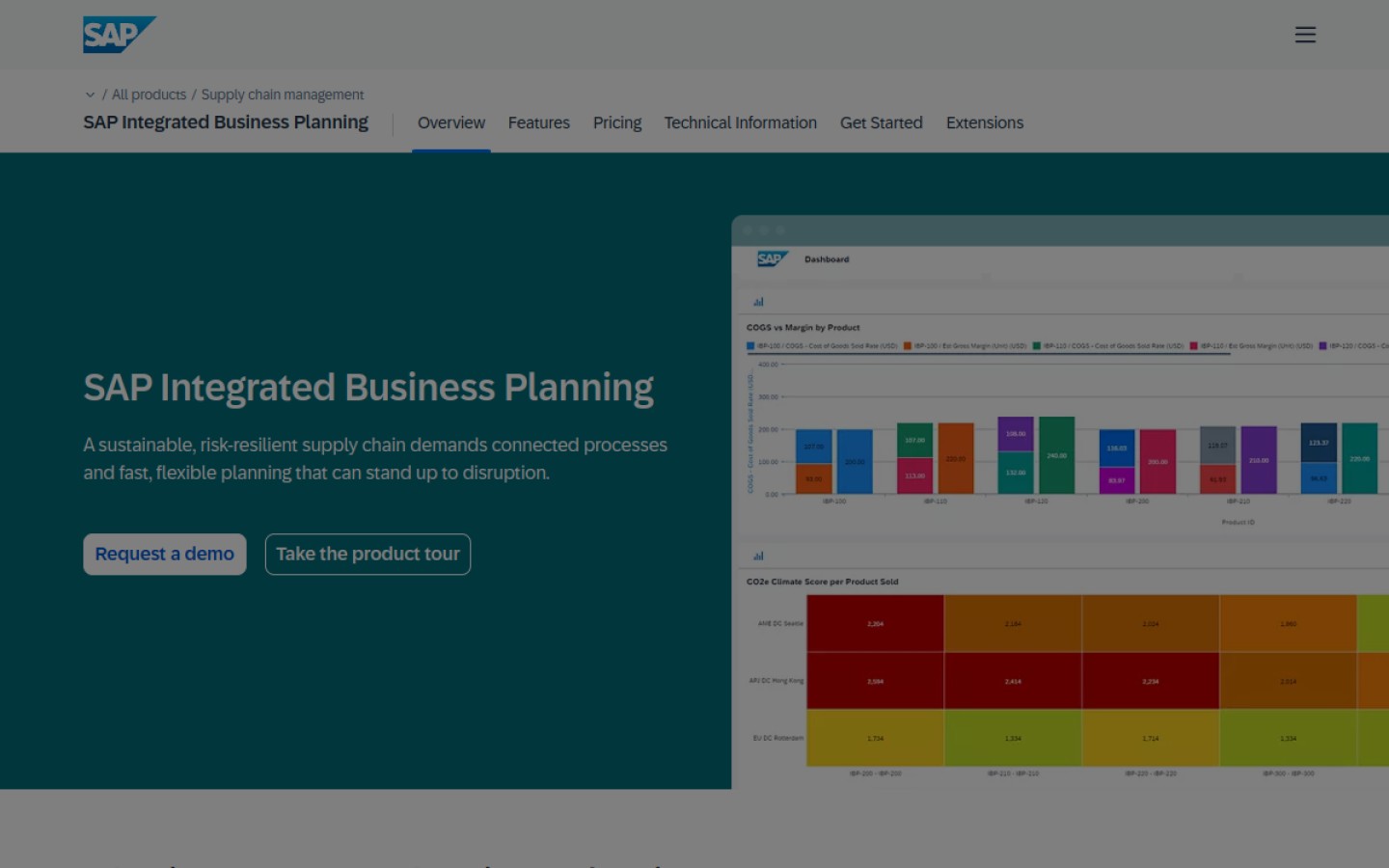
SAP Integrated Business Planning homepage, captured Nov 2026.
SAP Integrated Business Planning is SAP's cloud platform for demand planning, supply planning, inventory optimization and S&OP. It runs on SAP HANA and works best beside S/4HANA, with an Excel-style front end that planners already know. It holds 4.3/5 on G2 from 310 reviews, the largest review base among the enterprise planning suites here.
The trade off is implementation time and complexity. G2 reports an average implementation of 7 months, and reviewers warn the setup is complex without SAP experience. It suits manufacturers and retailers already standardized on SAP who want planning inside that stack.
What we like
Demand, supply, inventory and S&OP in one platform
Excel-style front end planners already know
Largest review base among the enterprise suites here
Watch out for
7-month average implementation, per G2
Complex setup without SAP experience
Quote-only pricing with no public list price
SAP IBP is quoted per customer; ask SAP for a scoped priceVisit sap.com
03
o9 Solutions
4.2/5on G2 (19 reviews, checked Nov 2026)
PricingCustom/yr
Best AI-driven integrated planning
Planning styleIntegrated business planning
AI forecastingYes, with what-if analysis
Free planNo
PricingQuote only
o9solutions.com
o9 Solutions homepage, captured Nov 2026.
o9 Solutions is an AI-powered planning platform that joins demand planning, supply planning and S&OP on one model, with an Enterprise Knowledge Graph linking data across functions. Reviewers praise its advanced analytics and scenario planning, and it holds 4.2/5 on G2 from 19 reviews.
The trade off is a complex, resource-heavy setup and a thin review base. Reviewers describe the initial implementation as complex and the cost as high, and 19 reviews is a small sample. It suits large enterprises that want one AI-driven plan across demand, supply and finance.
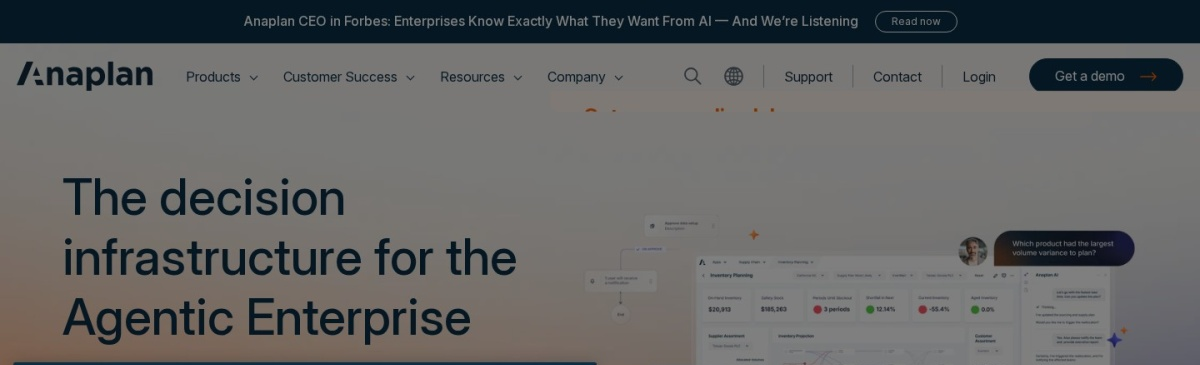
Anaplan is a connected planning platform that links supply chain, finance and sales models in real time, so a demand change flows into budgets and headcount plans without re-keying. Its PlanIQ forecasting adds machine learning to demand plans, and it holds 4.6/5 on G2 from 488 reviews, the highest rating in this list.
The trade off is that it is a general planning platform, not a dedicated supply chain suite, and reviewers call the licensing expensive for smaller teams. Building good models takes trained staff. It suits large companies that want supply chain planning joined to finance and sales planning.
What we like
Highest rating in this list, 4.6/5 from 488 reviews
Flexible real-time modeling across functions
Links supply chain planning to finance
Watch out for
Expensive licensing for smaller teams
General platform, not supply-chain-only
Needs trained staff to build good models
Anaplan is quoted per customer; pricing depends on users and modelsVisit anaplan.com
05
Blue Yonder
4.1/5on G2 (55 reviews, checked Nov 2026)
PricingCustom/yr
Best for deep supply planning
Planning styleDemand and supply planning
MRP and MPSYes
Free planNo
PricingQuote only
blueyonder.com
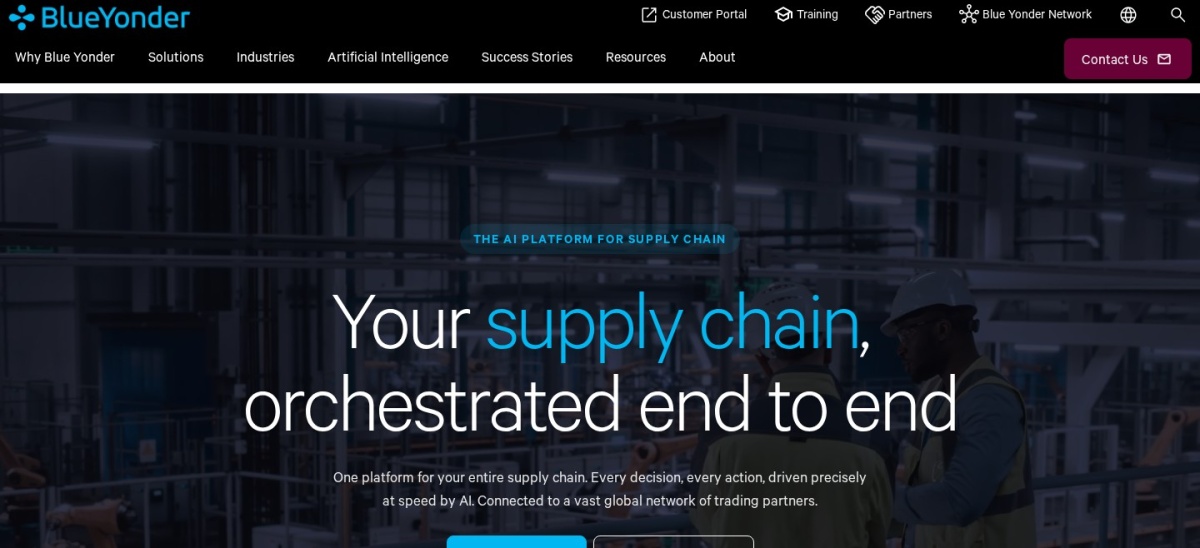
Blue Yonder homepage, captured Nov 2026.
Blue Yonder is a supply chain planning suite covering demand planning, supply planning, MRP and MPS for complex, multi-site supply chains, with deep customization for unusual planning rules. Reviewers praise its stability and demand accuracy, and it holds 4.1/5 on G2 from 55 reviews.
The trade off is age and support. Reviewers report occasional software bugs, manual re-runs and slow support, and pricing is quote-only. It suits large consumer goods and retail companies with complex planning needs and the staff to run it.
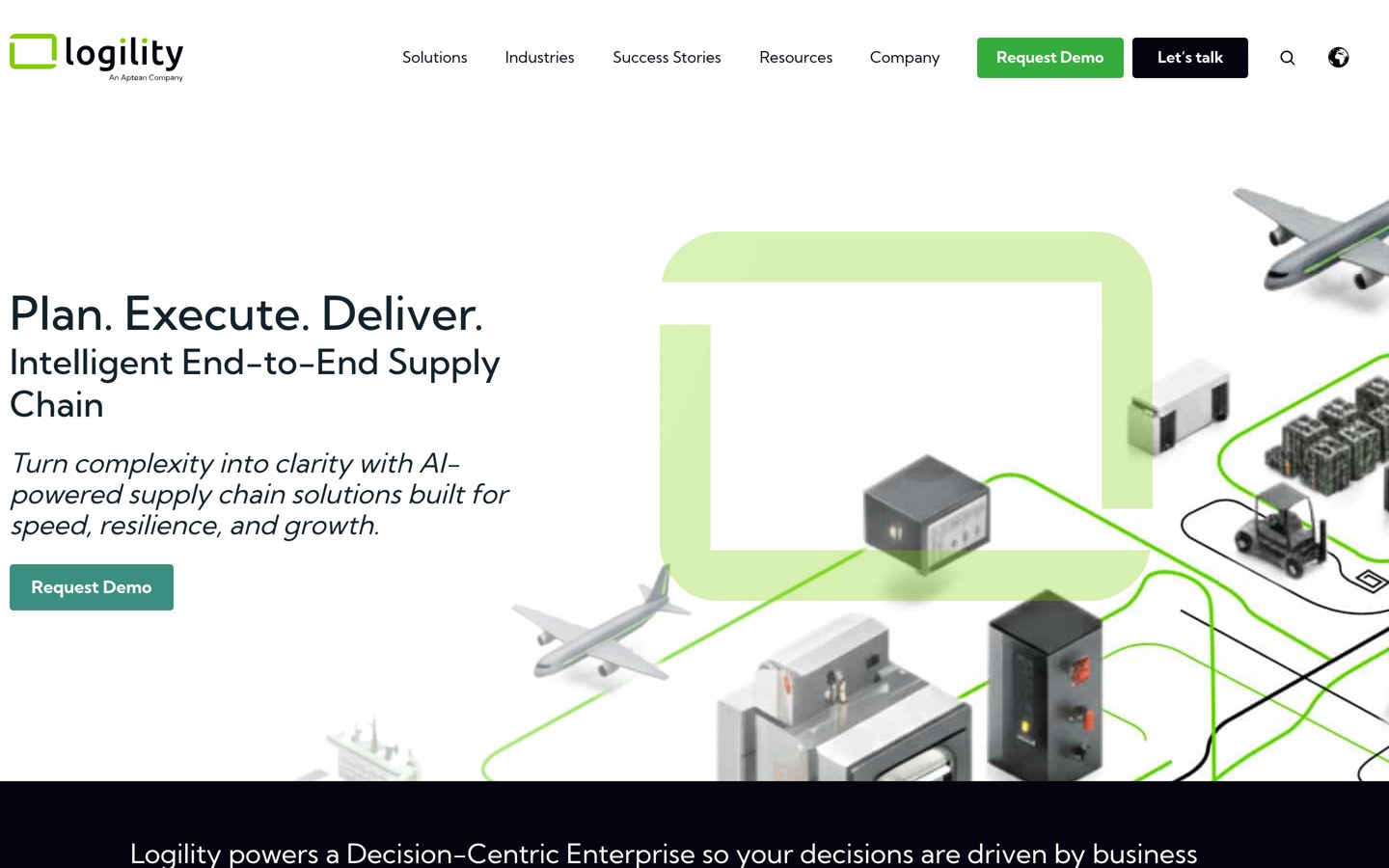
Logility is a planning platform for demand forecasting, inventory planning and S&OP, now sold by Aptean with AI modules called DemandAI+ and InventoryAI+. Reviewers praise its forecast accuracy and ease of use, and it holds 4.2/5 on G2 from 132 reviews. G2 reports an average implementation of about 4 months.
The trade off is an interface reviewers call dated and slow at times, and pricing is quote-only with no public list. It suits mid-market and enterprise manufacturers and retailers that want strong forecasting without the biggest suites.
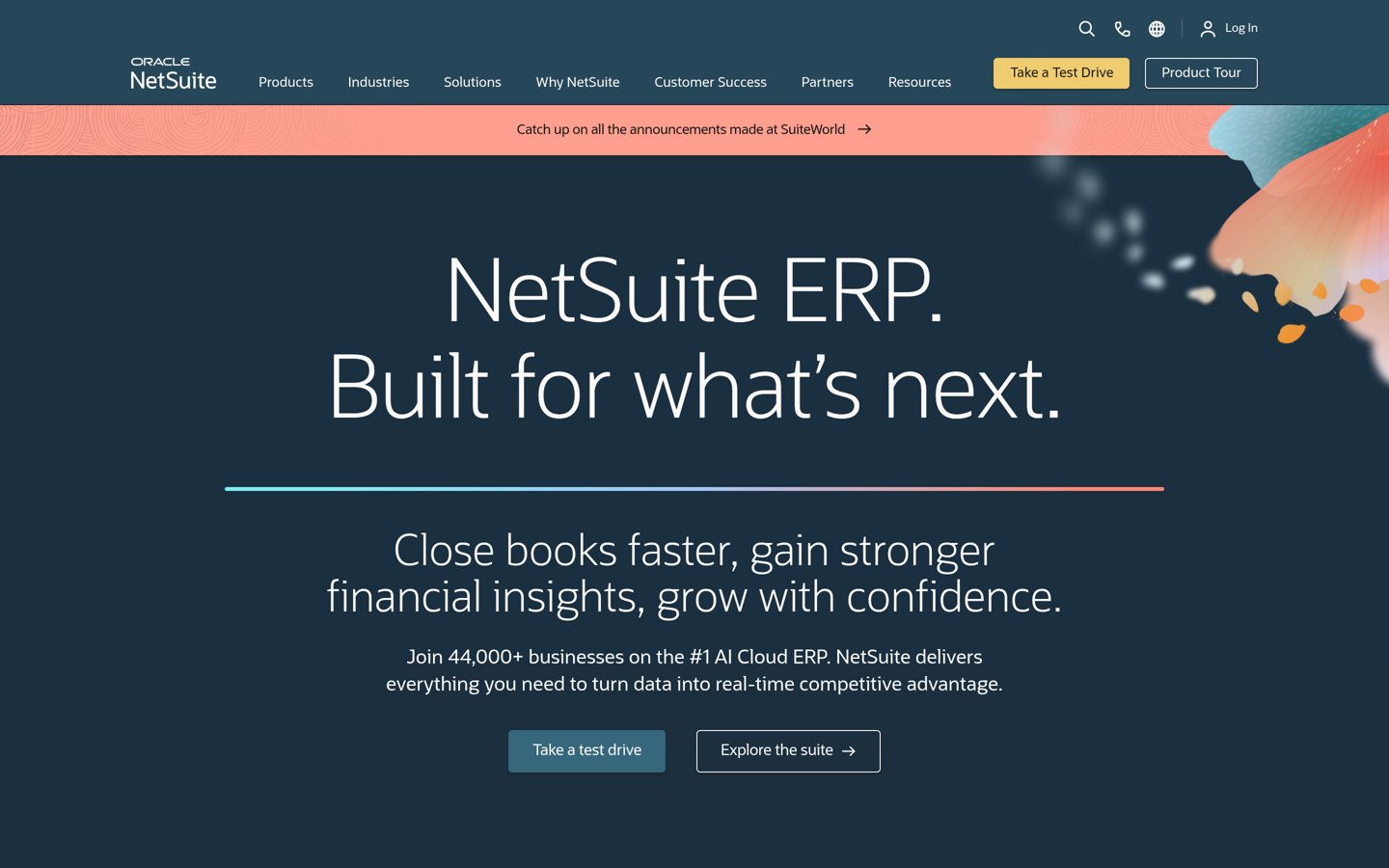
Oracle NetSuite is a cloud ERP with demand planning, supply planning and inventory management built into the same system as finance, orders and warehousing. Planning data never leaves the ERP, so forecasts feed purchasing and production directly. It holds 4.1/5 on G2 from 5,272 reviews, by far the largest review base in this list.
The trade off is that planning is one part of a big ERP, not a specialist tool, and NetSuite publishes no list price, so costs come from a quote. G2 reports an average implementation of 6 months. It suits companies that want planning inside their ERP rather than a separate suite.
What we like
Planning inside the ERP, no separate system
Largest review base here, 5,272 G2 reviews
190+ integrations, per G2
Watch out for
Planning is not specialist-grade
Quote-only pricing with no public list price
6-month average implementation, per G2
NetSuite is quoted per customer; demand planning is an add-on moduleVisit netsuite.com
08
Katana
4.4/5on G2 (131 reviews, checked Nov 2026)
Paid from$299/mo
Best for small manufacturers
Planning styleInventory and production
Free planYes, 30 SKUs
UsersUnlimited on paid plans
Paid planCore, $299/mo
katanamrp.com
Katana homepage, captured Nov 2026.
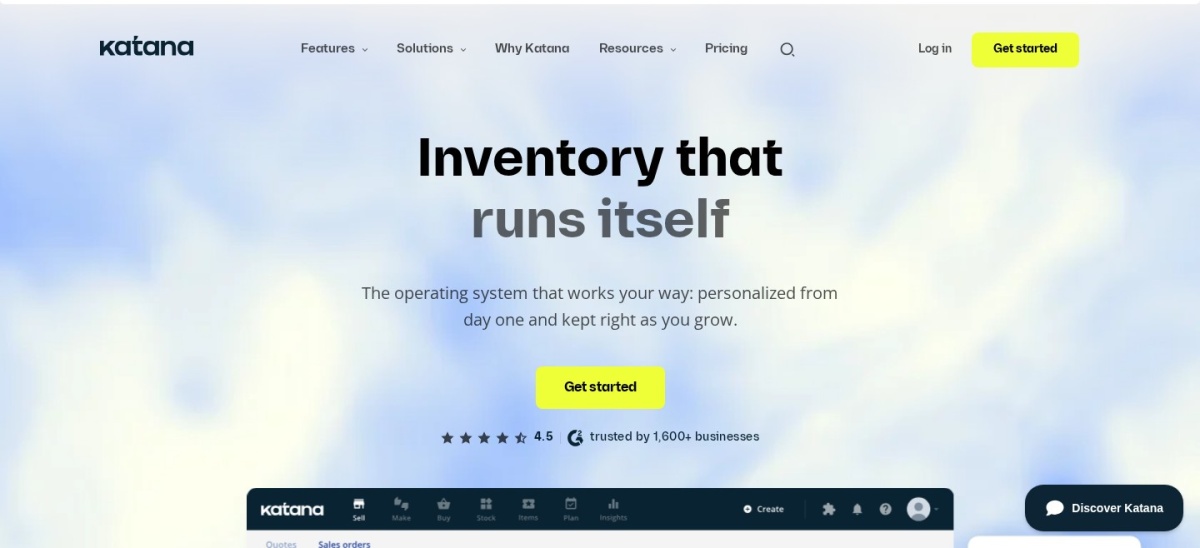
Katana is an inventory and production planning tool for small manufacturers, linking raw materials, bills of materials and production orders to live stock. The free plan covers 30 SKUs across 3 locations, and the paid Core plan starts at $299 a month with forecasting and multi-channel orders. It holds 4.4/5 on G2 from 131 reviews.
The trade off is price and scope. Reviewers flag rising costs and paid add-ons, including manufacturing management as an extra, and Katana is built for makers, not multi-site enterprise planning. It suits small manufacturers that build stock to order and want planning beside inventory.
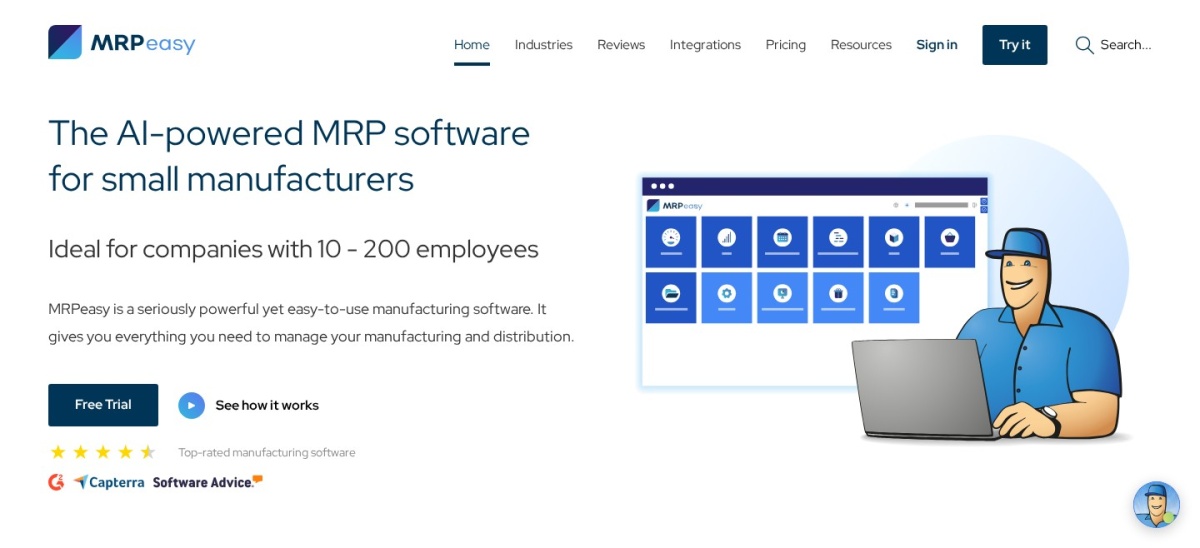
MRPeasy is a cloud MRP system for manufacturers with 10 to 200 employees, covering production planning, bills of materials, inventory, purchasing and CRM. The Starter plan costs $49 per user a month, the lowest entry price in this list, and it holds 4.6/5 on G2 from 66 reviews.
The trade off is per-user pricing and a dated interface. Costs grow with every seat, the Unlimited plan needs at least two users, and some reviewers call the interface old-fashioned. It suits small manufacturers that want real MRP without enterprise cost or complexity.
What we like
Lowest entry price in this list
Real MRP for small teams
Strong value ratings from reviewers
Watch out for
Per-user pricing adds up as teams grow
Interface called old-fashioned by reviewers
Unlimited plan needs 2 users minimum
Higher plans add quality control, barcodes and multi-siteVisit mrpeasy.com
What quote-only pricing means in practice
Seven of the nine tools in this list publish no price. That is normal for enterprise planning software: the vendor quotes on users, sites and modules after a scoping call.
Implementation time is part of the price. G2 reports average implementations of about 4 months for Logility, 6 months for NetSuite and Anaplan, and 7 months for SAP IBP.
Ask for the full quote in writing before you compare tools: licence, implementation, training and support. A licence quote without implementation time is not a full price.
How we chose
We started from the best-known supply chain planning platforms, Kinaxis, SAP IBP, o9, Anaplan, Blue Yonder, Logility and Oracle NetSuite, then added two priced tools for smaller manufacturers, Katana and MRPeasy.
Prices come from each vendor's pricing page, checked on 26 November 2026. Seven tools publish no price, so the list shows Custom. Ratings and review counts come from G2 on the same day. Where a vendor shows a sale, the list shows the regular price.
We left out inventory-only tools and tools with no public rating. No vendor paid for a place, and we do not claim to have used these tools ourselves.
How to choose supply chain planning software
Start with the planning job you actually run every week, then match the tool to it.
Name the planning job first. Demand forecasting, S&OP, inventory planning and production scheduling need different depth. A maker scheduling builds needs Katana or MRPeasy; a global S&OP cycle needs Kinaxis or SAP IBP.
Check what your ERP already plans. NetSuite, SAP and Odoo users may already own planning modules. Paying for a second planning system on top of an ERP is the most common waste in this category.
Ask for implementation time in writing. G2 reports average implementations from 4 months for Logility to 7 months for SAP IBP. A quote that skips implementation time is not a full price.
Trial the forecasting on your own data. Ask each vendor to run a forecast on your last year of sales before you sign. A demo on sample data hides the gaps that matter.
FAQ
What is the best supply chain planning software?
Kinaxis Maestro is the best overall pick for large operations, with concurrent planning that recalculates demand, supply, inventory and capacity together. It holds 4.0/5 on G2 from 14 reviews. Pick SAP IBP if you run SAP, or MRPeasy if you are a small manufacturer.
How much does supply chain planning software cost?
Seven of the nine tools in this list publish no price and are quoted per customer, so enterprise costs vary widely. The two priced tools are Katana from $299 a month and MRPeasy from $49 per user a month. Budget for implementation and training on top of the licence.
What is the difference between supply chain planning and inventory management?
Planning forecasts demand and schedules what to make and buy, while inventory management tracks the stock you already hold. Planning decides future orders and production; inventory records what exists, where it is and what it cost.
Is SAP IBP or Kinaxis better?
SAP IBP is better if you already run SAP, with 4.3/5 on G2 from 310 reviews and deep S/4HANA integration, though G2 reports a 7-month average implementation. Kinaxis is better for concurrent planning and fast disruption response outside the SAP stack.
Can small manufacturers use supply chain planning software?
Yes. MRPeasy starts at $49 per user a month for manufacturers with 10 to 200 employees, and Katana has a free plan for up to 30 SKUs. The enterprise suites in this list are built for larger teams and are usually overkill for a small maker.
Does supply chain planning software replace spreadsheets?
It can. Anaplan, Kinaxis and o9 replace spreadsheet planning with shared models and scenarios that update in real time. Spreadsheets still work for a single planner with a small catalog, but they break down once several teams plan from the same numbers.
SaaS SEO and WordPress specialist with about 8 years of experience. Rakib compares WordPress plugins, themes, hosting and software using public pricing, documentation and user reviews. See how we rank.