Best Social Media Competitor Analysis Tools in 2026: 9 Tools Compared
WLWPLegible EditorsLast verified 24 Nov 2026How we rank14 min read
★ Short answer
Rival IQ is the best social media competitor analysis tool for most teams: its Drive plan tracks 10 companies across 7 networks for $239 a month, and it is rated 4.5 out of 5 on G2. Pick Socialinsider for cheaper benchmarking at $99 a month, or Sprout Social if you also need publishing and an inbox.
How we make this list: we compare pricing pages, product documentation and public user reviews, then re-check every price before each update. No product paid for a place. Disclosure.
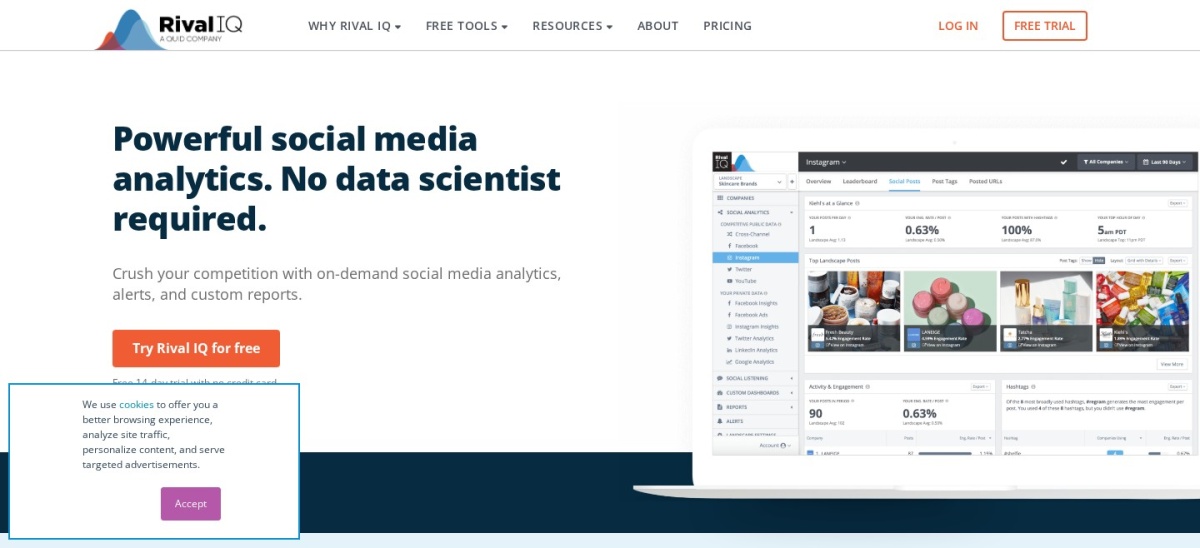
Rival IQ is the most focused benchmarking tool here: 10 tracked companies, 7 networks and 6 months of history on Drive at $239 a month.
Socialinsider is the best value for benchmarking: competitor comparisons on every plan from $99 a month, rated 4.7 out of 5 on G2.
Sprout Social is the biggest suite, but competitor reports need a higher tier and listening is a paid add-on, on top of $79 per seat a month.
Brand24 raised its entry price to $199 a month in 2026, up from $119 in older price lists, for 3 keywords and 2,000 mentions a month.
Awario is the cheapest paid option at $29 a month, but its G2 rating of 3.9 from 48 reviews is the thinnest in this list.
What to look for in a competitor analysis tool
Competitor analysis on social media means watching what rivals publish, how their audience reacts, and what people say about them. The first two jobs need benchmarking tools; the third needs listening tools. Most teams need one of each, or a suite that covers both.
Start with the rivals that matter. Pick 3 to 10 competitors, note which networks they actually post on, and check the same numbers every month: follower growth, posting frequency, engagement rate and top posts. A tool earns its price when it turns that routine into a report you can hand to a client or a manager.
Price structures differ more than features. Some tools charge per seat, some per profile, and Rival IQ charges per tracked company. Work out the cost for your team size before you compare headline prices. Our guide on Google Analytics vs privacy-friendly analytics for WordPress covers the same kind of trade-off for your own site numbers.
Free trials are the honest way to compare. Every tool in this list offers a trial of 7 to 30 days, so run the same 3 rivals through two shortlisted tools before you pay.
Rival IQ is a benchmarking tool built around the companies you name, not the accounts you connect. The Drive plan covers 10 tracked companies across Facebook, Instagram, X, LinkedIn, YouTube, Pinterest and TikTok, with 6 months of data history and 1 user account. It shows engagement, posting frequency and top posts side by side, and exports the charts for client reports.
The trade off is price. Drive costs $239 a month billed monthly, or $199 a month billed annually, and each extra block of 5 companies costs $50 a month. There is no LinkedIn competitor comparison, and listening needs the Engage plan. It suits agencies and teams that benchmark the same rivals every month.
Socialinsider is an analytics and benchmarking platform that compares your profiles with any public competitor profile. The Adapt plan covers 20 social profiles across Facebook, Instagram, TikTok, LinkedIn, YouTube and X, with 3 months of post history and 1 seat. Benchmarking is included on every plan, with content pillars and automated reports.
The trade off is scope. Socialinsider measures published posts and profile performance; it does not listen for brand mentions across the web, so you still need a listening tool for that job. History is short on Adapt at 3 months. It suits in-house teams that want fast, regular benchmark reports without per-seat pricing.
Sprout Social is a full social media suite with publishing, a shared inbox, reporting and listening. The Essentials plan costs $79 per seat a month billed annually and covers 5 social profiles, publishing and scheduling, a unified inbox and basic analytics. It is the largest suite in this list, rated 4.4 out of 5 on G2 from 6,873 reviews.
The trade off is that competitor analysis is not in the entry plan. Competitor reports sit on the higher tiers, and listening is a separate paid add-on, so the bill grows past the headline price. Per-seat pricing also adds up fast with each teammate. It suits larger teams that want publishing, inbox and reporting in one place.
Semrush is a marketing platform whose Pro plan covers keyword research, site audits, position tracking and backlinks. Pro costs $139.95 a month, or $117.33 a month billed annually, and covers 5 projects and 500 tracked keywords a day. A limited free account exists for basic searches. It is rated 4.4 out of 5 on G2 from 4,028 reviews.
The trade off is that social competitor analysis is not in the base plan. The Social Toolkit is a paid add-on, so the cost of tracking rivals on social sits on top of the Pro price. Pro also has no historical data or content marketing tools. It suits teams that already pay for Semrush for search and want rival data in the same account.
Hootsuite is a social media management suite for scheduling, inbox, analytics and listening. The Professional plan costs $99 a month billed annually and covers 1 user, 10 social accounts and unlimited scheduling, plus OwlyWriter AI for captions. It is rated 4.3 out of 5 on G2 from 7,413 reviews, the largest review count in this list.
The trade off is the ceiling on the entry plan. One user and 10 accounts is tight for a team, and deeper competitor benchmarking and listening sit on the higher tiers. There is no free plan, only a 30-day trial. Hootsuite ran a 50% off sale on its Standard plan in November 2026; the list price above is the regular price. It suits solo managers and small teams that want one familiar suite.
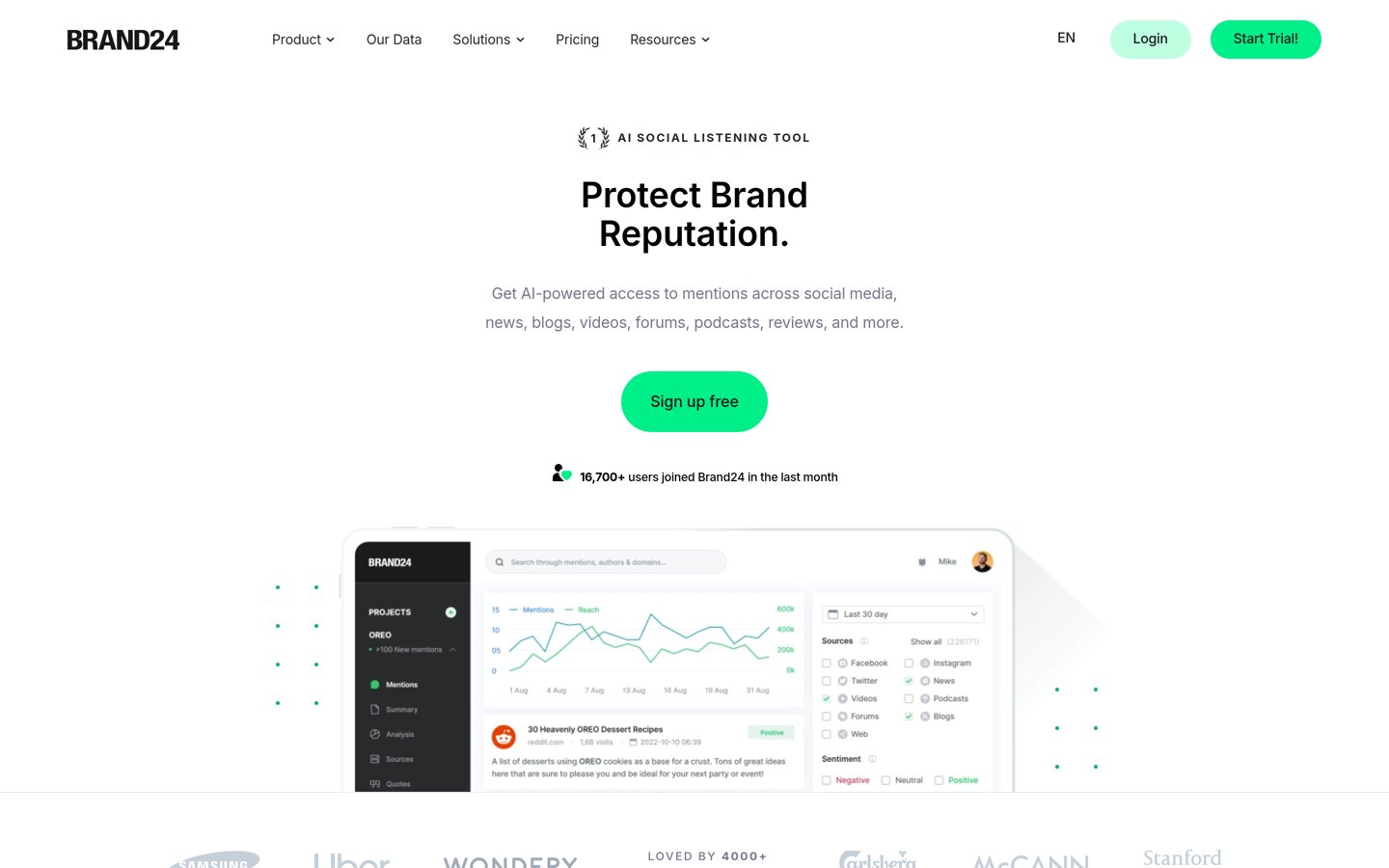
Brand24 is a listening tool that tracks mentions of your brand, products and competitors across social media, news, blogs, forums, podcasts and reviews. The Individual plan costs $199 a month billed annually and covers 3 keywords, 2,000 mentions a month, 1 user and AI sentiment analysis, with updates every 12 hours. It is rated 4.6 out of 5 on G2 from 356 reviews.
The trade off is the keyword cap. Three keywords and 2,000 mentions a month is thin if you track several rivals, and the price rose from $119 a month in older lists to $199 now. Hourly updates need the Team plan at $299 a month. It suits small brands that want to hear what people say about them and their rivals.
BuzzSumo is a content research platform that searches a database of billions of articles to find what performs best by topic. The Content Creation plan costs $199 a month billed annually and covers 1 user and 2 alerts, with content analysis, monitoring and influencer discovery. It is rated 4.5 out of 5 on G2 from 107 reviews.
The trade off is that it is a research tool, not a benchmarking dashboard. It shows which rival content earns engagement, but it does not track rival follower growth or post schedules the way Rival IQ or Socialinsider do. The media database and outreach tools need the $299 plan. It suits content teams that plan articles and social posts around proven topics.
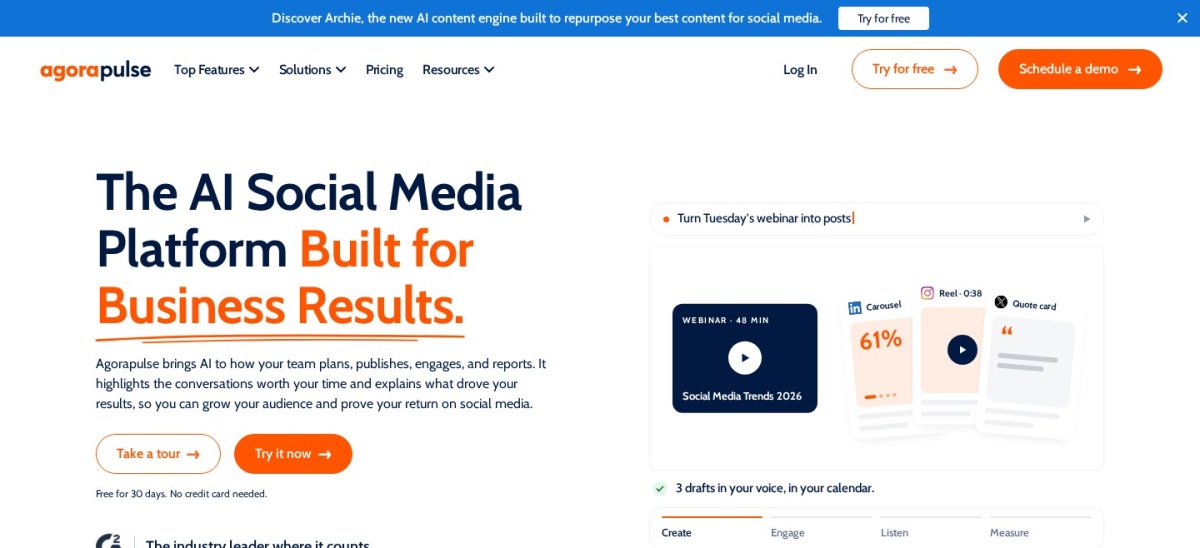
Agorapulse is a social media suite with scheduling, a unified inbox, team collaboration and ROI reporting. The Standard plan costs $79 per user a month billed annually and covers 10 social profiles, unlimited scheduling, one inbox and basic reports. It is rated 4.5 out of 5 on G2 from 973 reviews, and every paid plan includes a 30-day trial.
The trade off is that listening costs extra. Social listening is a paid add-on, and the free plan was retired in July 2026, so there is no free way in. Per-user pricing also means three users on Standard cost $237 a month. It suits small teams that live in the inbox and want clean reports for clients.
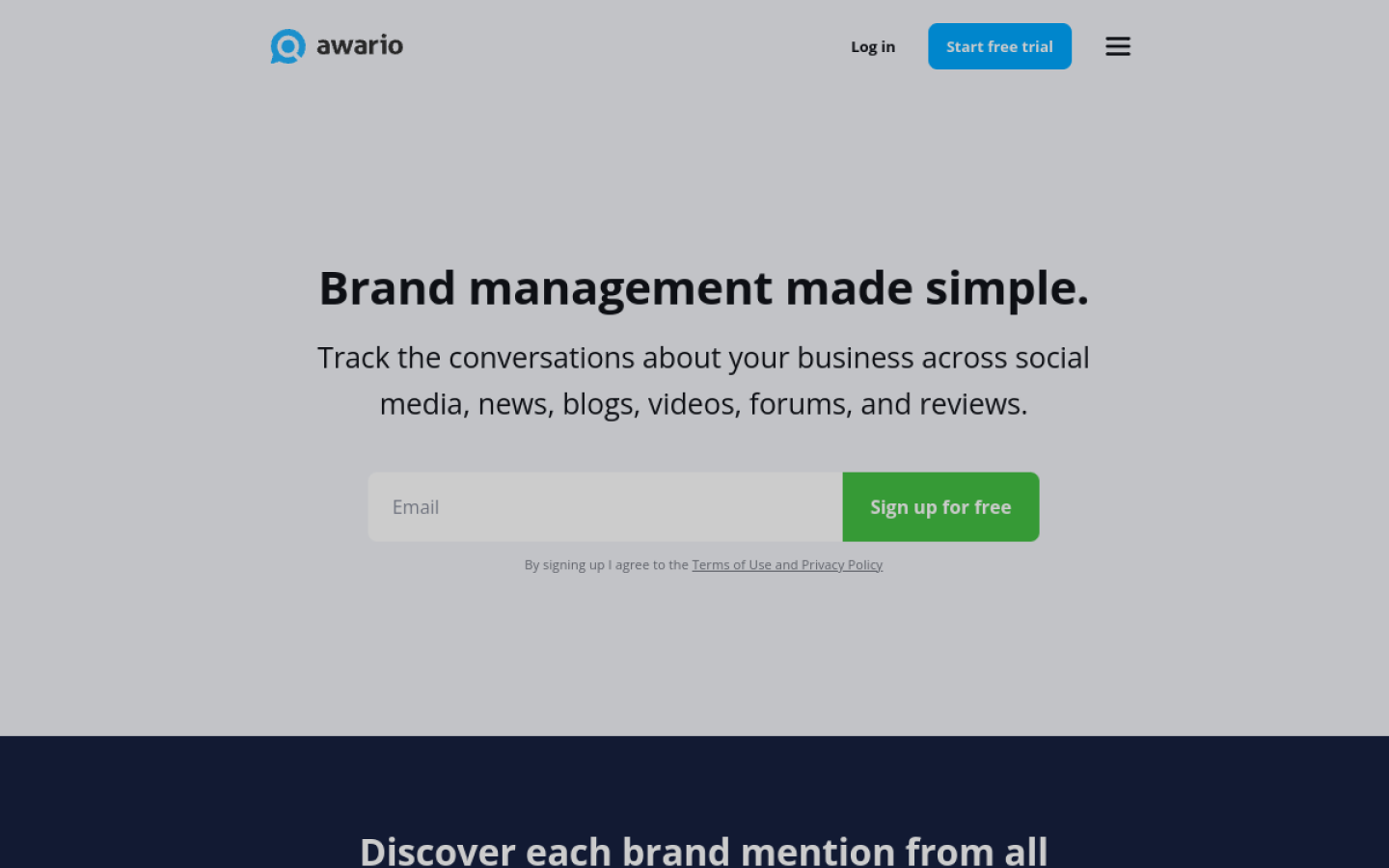
Awario is a listening tool that watches social networks, news, blogs and forums for the keywords you define. The Starter plan costs $29 a month billed annually and covers 3 topics, 30,000 new mentions a month, Boolean search and sentiment analysis. It is the cheapest paid tool in this list by a wide margin.
The trade off is the thin rating and tight limits. Awario is rated 3.9 out of 5 on G2 from only 48 reviews, the lowest in this list. Starter keeps only 5,000 stored mentions per topic and has no CSV export or PDF reports. It suits solo marketers who want cheap whole-web listening and can live with one seat.
Benchmarking tools read public profiles: what rivals post, how often, and how their audience reacts. Rival IQ, Socialinsider and Semrush do this job.
Listening tools read the wider web: mentions of a brand or rival across social media, news, blogs and forums. Brand24 and Awario do this job, and BuzzSumo watches content and alerts.
Suites such as Sprout Social, Hootsuite and Agorapulse cover both, but listening is usually a paid add-on. If you can only buy one tool, decide which question you ask more often: how do rivals perform, or what are people saying.
How we chose
We started from the tools named most often in 2026 round-ups of social media competitor analysis, then kept those with published prices and a public rating on G2.
Prices come from each vendor's pricing page as quoted in November 2026 sources, checked on 24 November 2026. Ratings and review counts come from G2 on the same day. Where a vendor shows a sale, the list shows the regular price.
We left out tools with no published price, including Brandwatch and Talkwalker, and Mention, which stopped selling standalone plans in July 2026. No vendor paid for a place, and we do not claim to have used these tools ourselves.
How to choose a social media competitor analysis tool
List your rivals and your networks first, then match the tool to that list.
Name 3 to 10 rivals and their networks. A benchmarking tool fits if you track the same rivals every month. A listening tool fits if you need to hear what people say about them.
Count the seats and profiles you need. Per-seat tools such as Sprout Social and Agorapulse get costly with each teammate, while Socialinsider charges by profile and Rival IQ by company.
Check your own numbers before you buy. Competitor data means little without your own baseline. See how to track your own traffic in Google Analytics so the comparison has a starting point.
Run the same rivals through two trials. Use the 7 to 30 day trials to compare the same 3 rivals in two tools. Pick the one whose reports you would actually send to a client or a manager.
FAQ
What is the best social media competitor analysis tool?
Rival IQ is the best dedicated option for most teams. Its Drive plan tracks 10 companies across 7 networks with 6 months of history for $239 a month, and it is rated 4.5 out of 5 on G2. Socialinsider is the better value pick at $99 a month.
What is the cheapest social media competitor analysis tool?
Awario is the cheapest paid tool in this list at $29 a month billed annually, for 3 topics and 30,000 mentions a month. Socialinsider is the cheapest benchmarking tool at $99 a month. Both offer free trials, and Semrush has a limited free account.
Can I analyse competitors for free?
Not fully. Semrush offers a limited free account, and every tool here offers a free trial of 7 to 30 days. Free trials are the best way to compare tools, but ongoing competitor tracking needs a paid plan.
What is the difference between benchmarking and listening?
Benchmarking compares public profiles: posts, follower growth and engagement. Listening tracks mentions of a brand across the web. Rival IQ and Socialinsider benchmark, Brand24 and Awario listen, and suites such as Sprout Social cover both, usually with listening as a paid add-on.
Do I need a separate tool if I already use Hootsuite or Sprout Social?
Maybe not. Hootsuite and Sprout Social both include competitor reporting, but the deeper features sit on higher tiers and listening costs extra. A dedicated tool such as Rival IQ or Socialinsider gives deeper benchmarks for less than a suite upgrade.
How many competitors should I track?
Start with 3 to 10. Rival IQ's Drive plan covers 10 tracked companies, and Socialinsider's Adapt plan covers 20 profiles, which is enough for most small teams. Tracking more rivals adds cost and noise without adding insight.