Workiva is the best SEC reporting software for most public companies, rated 4.5/5 from 2,147 G2 reviews, with linked numbers flowing into the 10-K, 10-Q and ESG reports. IRIS CARBON is the best value alternative at a published $25,000 a year, and DFIN ActiveDisclosure suits Excel-led finance teams.
How we make this list: we compare pricing pages, product documentation and public user reviews, then re-check every price before each update. No product paid for a place. Disclosure.
Workiva leads with 2,147 G2 reviews at 4.5/5, far more than any other tool in this list.
IRIS CARBON is the only tool with a published price: a flat $25,000 a year, rated 4.8/5 from 105 G2 reviews.
Eight of the nine tools publish no prices at all, so expect a quoted sales process and implementation on top.
DFIN ActiveDisclosure scores 4.7/5 from 23 G2 reviews and keeps finance teams working in Excel.
Ez-XBRL has the highest rating at 4.9/5, but from only 6 G2 reviews, so treat that score as thin evidence.
What SEC reporting software has to get right
A 10-K has a fixed deadline and zero tolerance for tagging errors. The quarter closes, the numbers change at the last minute, legal redlines the risk factors, and the XBRL tags have to match all of it before EDGAR accepts the filing.
Good SEC reporting software keeps one document with linked numbers, so a late change updates everywhere at once. It tags XBRL inside the document, validates as you work, and keeps an audit trail of who changed what and when.
Three tools in this list are not pure filing platforms. FloQast closes the books, AuditBoard runs the SOX controls over the numbers, and Oracle Narrative Reporting builds the narrative around them. They earn their places because a filing is only as good as the numbers and controls behind it.
Price is the hardest thing to compare here. Only IRIS CARBON shows a number, so the ladder below is one published price and eight custom quotes. Budget for implementation and for the filing services many of these vendors bundle in.
Workiva is the platform most large filers know by name. The same linked numbers flow into the 10-K, the earnings release, the ESG report and the board deck, so a last-minute change updates everywhere at once, and XBRL tagging happens inside the document with validation running as you work.
The trade off is scale and price. Workiva sells to enterprises through a quoted sales process with no published prices, and a small filer pays for platform breadth it may not use. It suits public companies filing 10-Ks and 10-Qs alongside ESG and audit work.
What we like
Single platform linking data across SEC filings, ESG and audit
Built-in XBRL tagging with real-time validation
Largest review base in this list, 2,147 G2 reviews
Collaboration with permissions, blacklines and audit trails
Watch out for
Enterprise pricing with no public numbers
Breadth means a serious implementation for smaller filers
Module pricing adds up as you add SEC, SOX and ESG
Quote only; modules such as SEC, SOX and ESG are priced separatelyVisit workiva.com
02
IRIS CARBON
4.8/5on G2 (105 reviews, checked Nov 2026)
Starts at$25,000/yr
Best value for multi-jurisdiction filers
XBRL taggingAI-assisted, validated
Regulators coveredSEC, ESEF, 40+ frameworks
Free trialYes, per G2
Entry packageFlat annual fee
iriscarbon.com
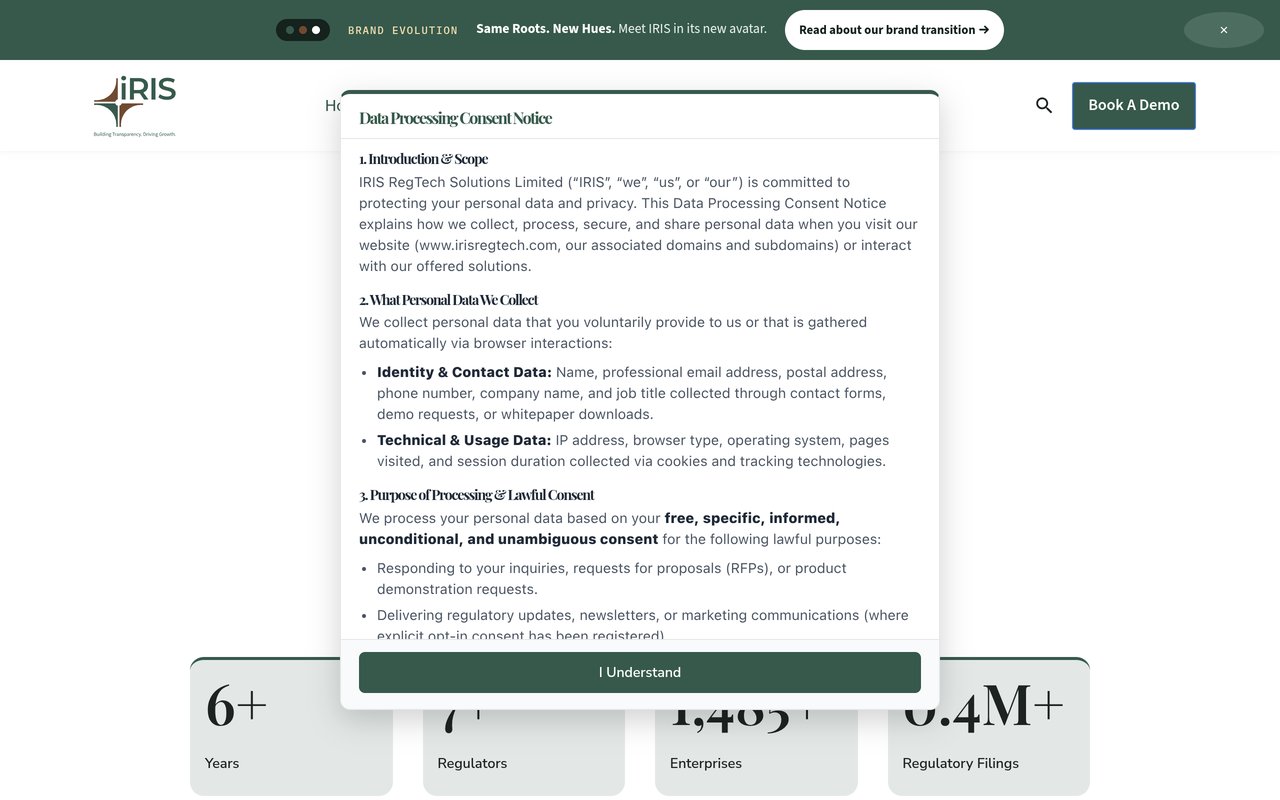
IRIS CARBON homepage, captured Nov 2026.
IRIS CARBON is the AI-forward entry on this list. The platform pulls data from ERPs and spreadsheets into one auditable layer, applies AI-assisted XBRL tagging with real-time validation, and submits to dozens of regulators from the same workflow, with expert tagging support included.
The trade off is the budget line. The $25,000 list price is the starting point, not the ceiling, and enterprise implementations will exceed it. It suits multinational filers reporting under both SEC and European ESEF rules from one system.
What we like
Only published price in this list, $25,000 a year
AI-assisted XBRL tagging with real-time validation
One platform covering SEC, ESEF and 40-plus frameworks
Rated 4.8/5 from 105 G2 reviews
Watch out for
$25,000 puts it firmly in enterprise budgets
AI tagging needs a real trial against your own taxonomy
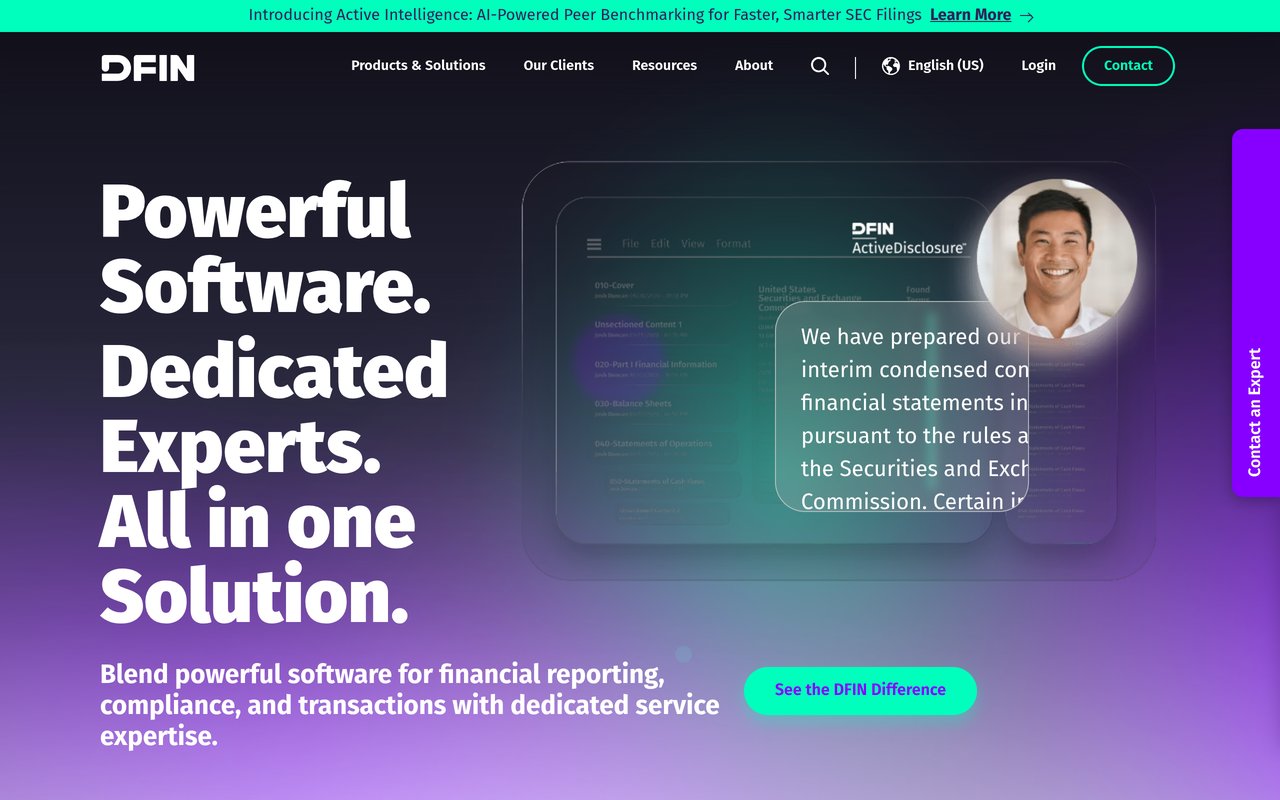
DFIN ActiveDisclosure homepage, captured Nov 2026.
DFIN ActiveDisclosure is the disclosure platform from Donnelley Financial Solutions. Numbers stay linked from spreadsheet to filing document, and the cloud platform adds XBRL tagging, collaboration and review workflows around that familiar Excel core, with G2 reviewers praising its support.
The trade off is the model itself. Teams that build highly designed annual reports may find the Excel-centric approach constraining, and pricing is quote-based across the board. It suits controllers and financial reporting teams that think in spreadsheets.
What we like
Excel-based linking finance teams already understand
Cloud XBRL filing with collaboration workflows
Backed by DFIN filing services when needed
Quality of Support 9.7/10 on G2
Watch out for
Pricing requires a sales conversation
Only 23 G2 reviews, a thin base
Excel model suits finance-led teams more than design-led ones
DataTracks Rainbow is a focused regulatory reporting tool built around iXBRL. It validates iXBRL reports with automated tagging, keeps a large country-specific taxonomy library up to date, and rolls tags forward each quarter, which G2 reviewers say saves hours on SEC filings.
The trade off is scope. Rainbow tags and validates filings rather than drafting the 10-K narrative, so most buyers pair it with a disclosure platform or a filing service. It suits smaller teams that need accurate tagging without buying a full enterprise suite.
What we like
Automated tagging with roll-forward each quarter
Large, updated country-specific taxonomy library
Responsive support praised in G2 reviews
Strong small-business fit for occasional filers
Watch out for
Quote-based pricing with no published figures
Tagging and validation only, not full drafting
Some reviewers report a steep learning curve
Quote only; managed conversion services available beside the softwareVisit datatracks.com
05
FloQast
4.6/5on G2 (1,414 reviews, checked Nov 2026)
PricingCustom/yr
Best for close automation feeding SEC filings
Close checklistsYes
AI matchingYes, Close AI
ERP linksNetSuite, SAP, Workday
Entry packageClose Management, quote-based
floqast.com
FloQast homepage, captured Nov 2026.
FloQast is a close management platform that puts every reconciliation, checklist task and sign-off in one place. Its Close Management package covers account reconciliations, close checklists and an AI assistant, and it connects to NetSuite, SAP, Workday and Sage Intacct, so the numbers that reach the 10-Q are already tied out.
The trade off is price. FloQast publishes no prices and every package is quote-based, so budgeting means a sales conversation, and some features arrive as separate add-ons. It suits mid-market and enterprise teams whose main pain is close coordination.
What we like
Second-largest review base in this list, 1,414 G2 reviews
AI matching and automated reconciliations on Close AI
No per-user fees
Works with major ERPs
Watch out for
No published prices, quote only
Some features sold as separate add-ons
Not a filing tool on its own; it feeds the filing, it does not submit it
Close AI adds AI matching, automated reconciliations and journal postingVisit floqast.com
06
AuditBoard (Optro)
4.6/5on G2 (1,674 reviews, checked Nov 2026)
PricingCustom/yr
Best for SOX controls over SEC reporting
SOX controlsYes, testing and evidence
Audit managementYes
Risk managementYes, ERM
Entry packageCustom quote
auditboard.com
AuditBoard (Optro) homepage, captured Nov 2026.
AuditBoard is a connected audit, risk and compliance platform that now operates under the name Optro. It centralises SOX control testing, evidence and issues, so the controls behind the financial statements are documented and testable when auditors ask for proof.
The trade off is that it is a controls platform, not a filing tool. It does not draft the 10-K or tag XBRL, and G2 reviewers report implementation most often takes 3 to 6 months. It suits large teams running SOX beside SEC reporting.
Certent Disclosure Management homepage, captured Nov 2026.
Certent Disclosure Management is the disclosure platform inside insightsoftware. It covers drafting, XBRL tagging, review and EDGAR filing, with particular strength where equity compensation data feeds the proxy statement, and roll-forward saves hours on recurring reports.
The trade off is positioning. Certent's homepage now leads with equity management rather than disclosure, so SEC reporting buyers should confirm they are evaluating the right product line in the demo. It suits public companies whose proxy and 10-K draw heavily on equity data.
What we like
Disclosure management with SEC and EDGAR workflows
Connects to equity and compensation data for proxy statements
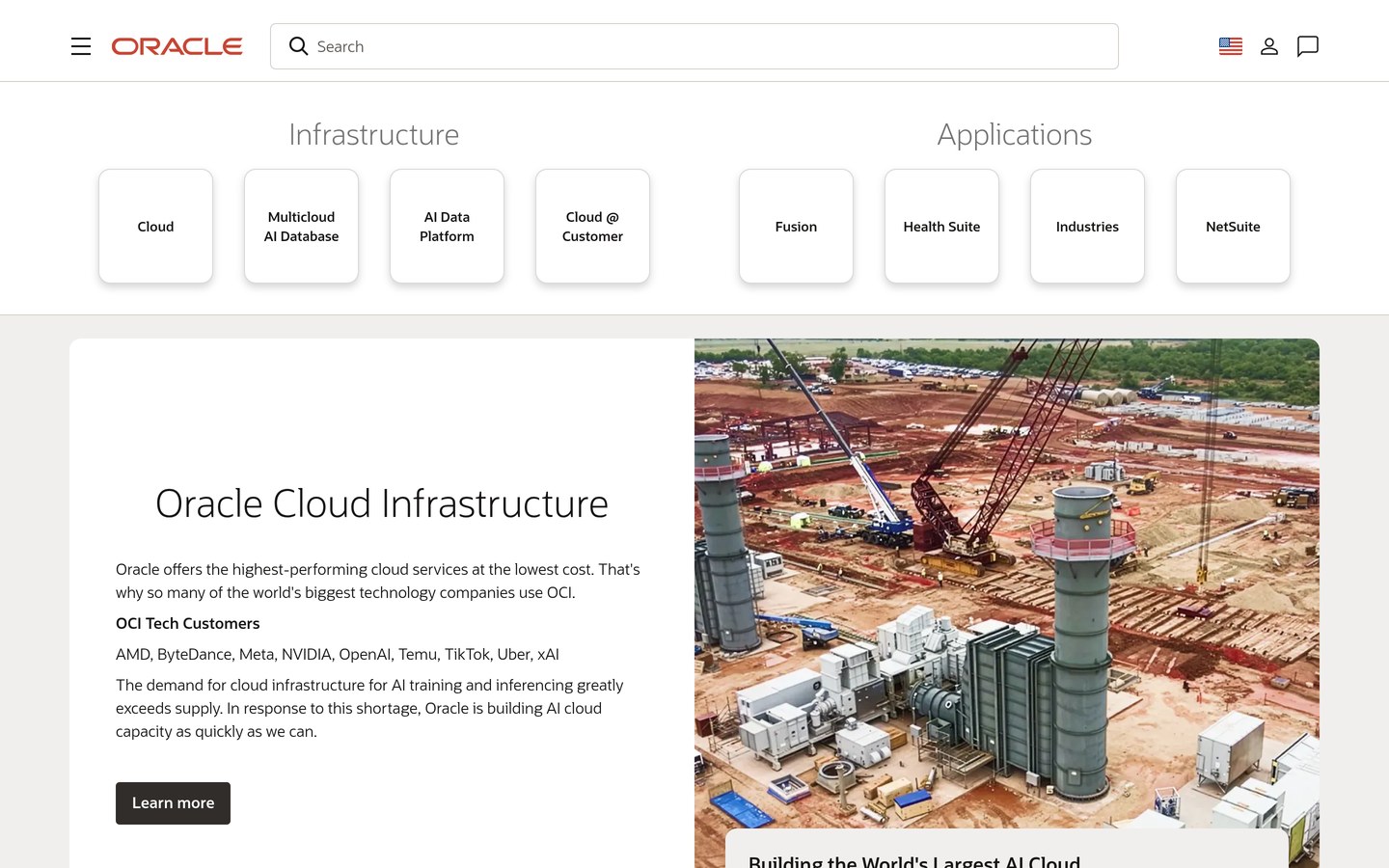
Oracle Narrative Reporting homepage, captured Nov 2026.
Oracle Narrative Reporting is the narrative reporting piece of Oracle Cloud EPM. It builds management and regulatory reports from live EPM data with templates, commentary and review workflows, so the story around the numbers stays connected to the source figures.
The trade off is that it is a reporting layer, not a filing platform. It does not tag XBRL or submit to EDGAR on its own, and G2 reviewers note it often needs more IT involvement than expected. It suits Oracle shops that already run Fusion EPM.
What we like
Narrative reports built on live EPM data
Templates for recurring management and regulatory reports
Strong integration with Oracle Fusion
Review workflows with commentary and sign-off
Watch out for
No XBRL tagging or EDGAR submission on its own
Quote-based pricing with no published figures
Reviewers note it needs more IT involvement than expected
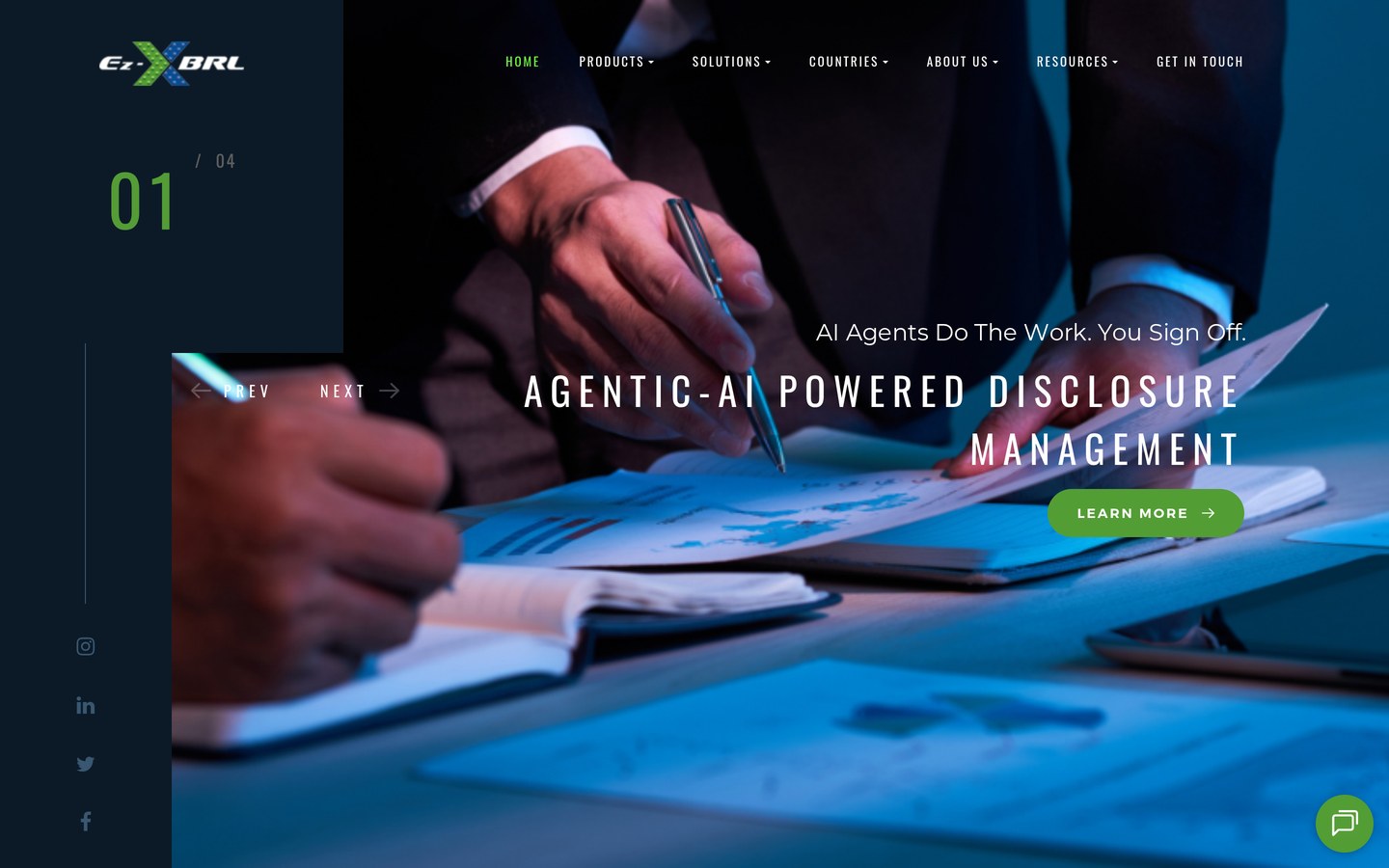
Ez-XBRL is a specialist tagging platform built around Integix, its cloud product for iXBRL and XBRL tagging. Agentic AI assists the tagging, built-in validation checks compliance before submission, and a companion review portal handles collaborative review of filings.
The trade off is evidence. The 4.9/5 G2 rating comes from only 6 reviews, and the brand architecture spans Ez-XBRL, Integix and XOR, so the demo must cover the piece you are buying. It suits filers who want tagging automation without a large in-house XBRL team.
What we like
Highest rating in this list, 4.9/5 on G2
AI-assisted tagging with built-in validation
Handles complex documents including styled PDFs
Reviewers praise responsive specialist support
Watch out for
Only 6 G2 reviews, the thinnest base in this list
Quote-based pricing with no public numbers
Three product names can confuse first-time buyers
Quote only; managed or hybrid tagging services availableVisit ez-xbrl.com
Why almost every price here is a quote
SEC reporting is sold as an annual contract, not a self-serve subscription. The vendor prices by filing volume, entities, modules and the services bundled in, so two companies can pay very different amounts for the same product.
IRIS CARBON is the exception that proves the rule. Its flat $25,000 annual fee covers unlimited pages, filings and revisions, with expert tagging support included, which is why it leads on value even though Workiva leads overall.
Ask every vendor the same four questions in the demo: what is included in the annual fee, what implementation costs, whether XBRL tagging is in the fee or per filing, and what happens to the price when you add an entity or a filing regime.
How we chose
We started from the disclosure and SEC reporting shortlists used by finance teams, including Workiva, DFIN, Toppan Merrill, Certent, IRIS CARBON, Ez-XBRL and DataTracks, then kept only tools with a verifiable public rating on G2.
Prices come from each vendor's own pricing or homepage, checked on 26 November 2026. Ratings and review counts come from G2 on the same day. Where a vendor shows no price, the list shows a custom quote honestly instead of an estimate.
We left out Toppan Merrill, RDG Filings and Arelle because none of them has a usable public rating on G2, Capterra or Trustpilot, even though all three are real SEC reporting options. No vendor paid for a place, and we do not claim to have used these tools ourselves.
How to choose SEC reporting software
Start with your filing calendar, then match the tool to the filings you actually produce.
List the filings you must produce. A 10-K and 10-Q filer needs drafting, XBRL and EDGAR in one place. A team that only tags filings can buy a specialist such as DataTracks or Ez-XBRL instead.
Check who owns the numbers. If the close is the bottleneck, fix it with FloQast first. If SOX controls are the gap, AuditBoard covers the evidence auditors will ask for.
Ask for the full quote in writing. Confirm the annual fee, implementation, XBRL tagging and filing services separately. Only IRIS CARBON publishes a number, so every other price is a negotiation.
Trial the tagging on your own filing. Run one real 10-Q through the AI tagging and validation before you sign. Tagging quality on your own taxonomy matters more than any demo.
FAQ
What is the best SEC reporting software?
Workiva is the best SEC reporting software for most public companies. It links numbers across the 10-K, 10-Q and ESG reports, tags XBRL inside the document, and is rated 4.5 out of 5 from 2,147 G2 reviews, the largest review base in this list.
How much does SEC reporting software cost?
Almost every vendor sells by custom quote, so there is no standard price to compare. IRIS CARBON is the only tool here with a published price, a flat $25,000 a year. Budget for implementation and filing services on top of the subscription.
What is XBRL tagging in SEC reporting?
XBRL tagging labels each number in a filing with a standard machine-readable tag, so the SEC and investors can read the figures automatically. Inline XBRL, or iXBRL, embeds those tags in the readable document, and the filing tools here tag and validate them before submission.
Do I need a filing agent as well as software?
Not always. Large teams file themselves with Workiva or IRIS CARBON. Smaller teams often buy the service layer too, through DFIN, Toppan Merrill or DataTracks, because the agent handles tagging review and the EDGAR submission when deadlines get tight.
Can small public companies use these tools?
Yes, but most of this list is priced for mid-market and enterprise teams. DataTracks Rainbow and Ez-XBRL are the most realistic specialist options for smaller filers, while Arelle is a free open-source XBRL validator for teams with technical staff.
What is the difference between Workiva and DFIN ActiveDisclosure?
Workiva is a broad connected-reporting platform covering SEC, ESG and audit work from linked data. DFIN ActiveDisclosure is narrower and Excel-led, with DFIN filing services behind it. Workiva suits companies unifying reporting; DFIN suits finance teams that live in Excel.
SaaS SEO and WordPress specialist with about 8 years of experience. Rakib compares WordPress plugins, themes, hosting and software using public pricing, documentation and user reviews. See how we rank.