monday.com is the best project management software for multiple projects, with portfolio boards and cross-project dashboards and a 4.7/5 G2 rating from 17,975 reviews. Pick ClickUp for an all-in-one hub at a lower sale price, or Asana for structured cross-team tracking.
How we make this list: we compare pricing pages, product documentation and public user reviews, then re-check every price before each update. No product paid for a place. Disclosure.
monday.com leads with a 4.7/5 G2 rating from 17,975 reviews and portfolio boards that show every project at once.
ClickUp Core lists at $12 a user a month billed annually, currently $9 on sale, with goals and portfolios in one workspace.
Trello is the cheapest paid start at $5 a user a month, but it has no portfolio view for many projects.
Smartsheet has the largest review base at 23,291 G2 reviews, yet no free plan for full team editing.
Wrike Team caps at 15 users, so growing past that jumps the whole team to Business at $25 a user a month.
What multi-project software should cover
Running several projects at once is a different job from running one. Each project needs its own tasks and dates, but someone still has to see the whole picture: which projects are on track, who is overloaded, and what slips when a deadline moves.
A good multi-project tool gives you both views. Project boards hold the day-to-day work, while a portfolio, dashboard or roadmap rolls every project up so you can compare health, dates and owners without opening ten tabs.
Watch the billing unit before you commit. Most tools here charge per user or seat a month, so the headline price is only part of the bill, and some cap the free plan at two seats or five projects. The same idea applies to sites: our guide on managing many WordPress sites from one dashboard shows why one shared view beats ten separate logins.
Start with the projects you already run. If three or four active projects share the same people, pick a tool with workload views; if they are mostly independent, simple boards plus a shared calendar may be enough.
The 9 best project management software tools for multiple projects
01
monday.com
4.7/5on G2 (17,975 reviews, checked Nov 2026)
Paid from$9/mo
Best for managing many projects at once
Portfolio viewBoards and dashboards
Free plan2 seats, 3 boards
Entry paidBasic, $9/seat/mo
G2 rating4.7/5 (17,975 reviews)
monday.com
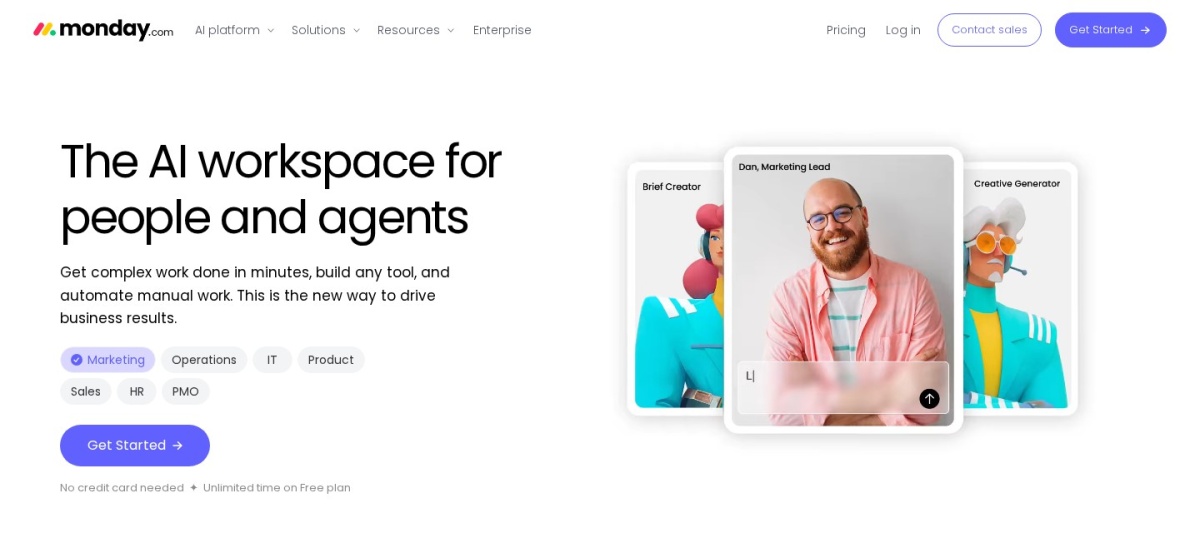
monday.com homepage, captured Nov 2026.
monday.com is a visual work platform built around boards that hold tasks, timelines and files for every project in one place. Its free plan covers up to 2 seats and 3 boards, while Basic at $9 a seat a month billed annually adds unlimited items and viewers, and Standard at $12 adds timeline and Gantt views.
The trade off is seat math. Paid plans start at 3 seats, so a small team pays for three even with two people, and time tracking and workload views need Pro at $19 a seat a month. It suits teams that want every project visible on boards and dashboards without building the system themselves.
What we like
Highest G2 rating here at 4.7/5 from 17,975 reviews
Portfolio boards and dashboards show all projects at once
Over 200 templates to start a project fast
Unlimited free viewers on Basic
Watch out for
Paid plans start at 3 seats
Time tracking and workload views need Pro
Large boards can feel busy
Standard adds Gantt views and automations; Pro adds time trackingVisit monday.com
02
ClickUp
4.6/5on G2 (15,881 reviews, checked Nov 2026)
Paid from$12/mo
Best all-in-one hub for many projects
Portfolio viewGoals and portfolios
Free planFree Forever tier
Entry paidCore, $12/user/mo
G2 rating4.6/5 (15,881 reviews)
clickup.com
ClickUp homepage, captured Nov 2026.
ClickUp is an all-in-one workspace that combines tasks, docs, chat, goals and project views in a single app. The Free Forever tier covers unlimited tasks and members, while Core adds custom fields, unlimited Gantt charts, goals and 1,000 automations a month.
The trade off is price versus the sale. Core lists at $12 a user a month billed annually, though the page currently shows $9, and Business at $17 adds workload views and timesheets. It suits teams that want to replace several tools with one workspace and do not mind setup time.
What we like
Free Forever tier with unlimited tasks and members
Goals and portfolios track many projects together
Unlimited Gantt charts on Core
4.6/5 from 15,881 G2 reviews
Watch out for
Many settings mean a steeper learning curve
Workload views sit on Business at $17
Heavy workspaces can load slowly
Business adds workload views, timesheets and dashboardsVisit clickup.com
03
Asana
4.4/5on G2 (14,143 reviews, checked Nov 2026)
Paid from$10.99/mo
Best for structured cross-team projects
Portfolio viewPortfolios on Advanced
Free planPersonal, up to 2 users
Entry paidStarter, $10.99/user/mo
G2 rating4.4/5 (14,143 reviews)
asana.com
Asana homepage, captured Nov 2026.
Asana is a work management platform built around clear task ownership, deadlines and milestones across teams. Its Personal plan is free for up to 2 users, while Starter at $10.99 a user a month billed annually adds timeline and Gantt views, dashboards and AI help.
The trade off is that portfolios and workload views sit on Advanced at $24.99 a user a month, so the cheapest plan tracks projects one at a time. It suits teams that want structured tracking and clean handoffs without building a workspace from scratch.
What we like
Clear ownership and deadlines on every task
Timeline and Gantt views on Starter
4.4/5 from 14,143 G2 reviews
AI teammates included on Starter
Watch out for
Portfolios and goals need Advanced at $24.99
Free plan caps at 2 users
Monthly billing costs $13.49 a user
Advanced adds portfolios, goals and workload viewsVisit asana.com
04
Wrike
4.2/5on G2 (4,540 reviews, checked Nov 2026)
Paid from$10/mo
Best for workload and resource planning
Portfolio viewCross-project dashboards
Free planFree, task limits apply
Entry paidTeam, $10/user/mo
G2 rating4.2/5 (4,540 reviews)
wrike.com
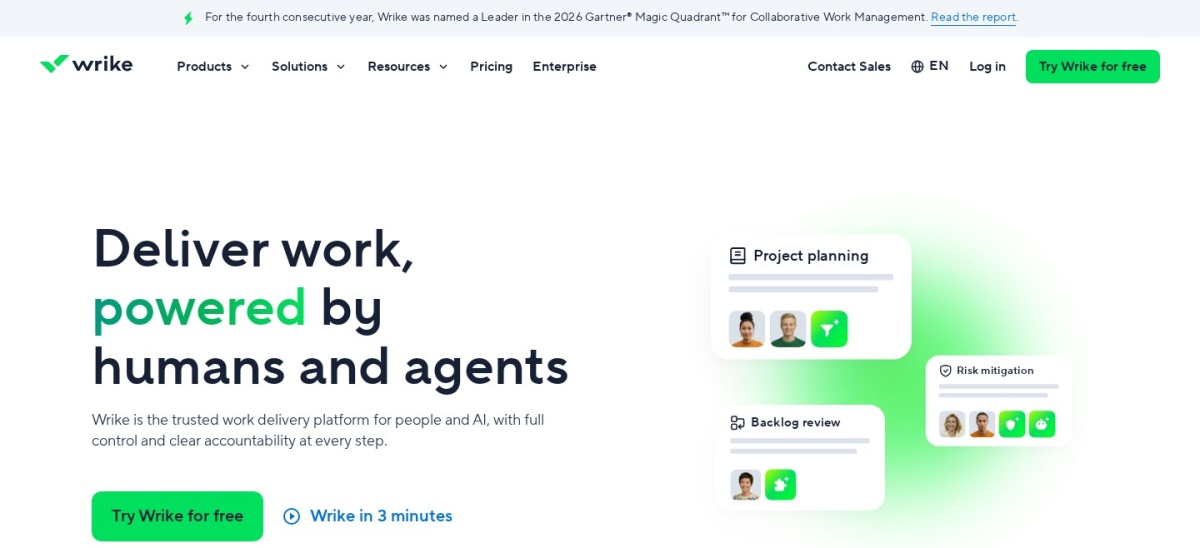
Wrike homepage, captured Nov 2026.
Wrike is a work management platform for teams that run many projects with shared staff and deadlines. Its free plan covers basic task work, while Team at $10 a user a month billed annually adds interactive Gantt charts, custom workflows and AI help for 2 to 15 users.
The trade off is the 15-user cap on Team. Growing past it moves the whole team to Business at $25 a user a month, where time tracking and resource planning live. It suits mid-size teams that need to see who is overloaded across projects before promising new dates.
What we like
Workload views show capacity across projects
Interactive Gantt charts on Team
Request forms route new work into projects
Over 400 integrations
Watch out for
Team caps at 15 users
Time tracking needs Business at $25
Setup takes longer than simpler boards
Business adds time tracking and resource planningVisit wrike.com
05
Smartsheet
4.4/5on G2 (23,291 reviews, checked Nov 2026)
Starts at$9/mo
Best for spreadsheet-style project plans
Portfolio viewRollups on Business
Free planNo free plan, trial only
Entry paidPro, $9/member/mo
G2 rating4.4/5 (23,291 reviews)
smartsheet.com
Smartsheet homepage, captured Nov 2026.
Smartsheet pairs spreadsheet rows, columns and formulas with Gantt, board and calendar views for project work. Pro starts at $9 a member a month billed annually for 1 to 10 members and includes 250 automations, 20 GB of storage and unlimited free Contributors for viewing and forms.
The trade off is that there is no permanent free plan for full team editing, and portfolio rollups and resource views need Business at $19 a member a month. It suits teams that already plan in spreadsheets and want schedules, formulas and reports in the same grid.
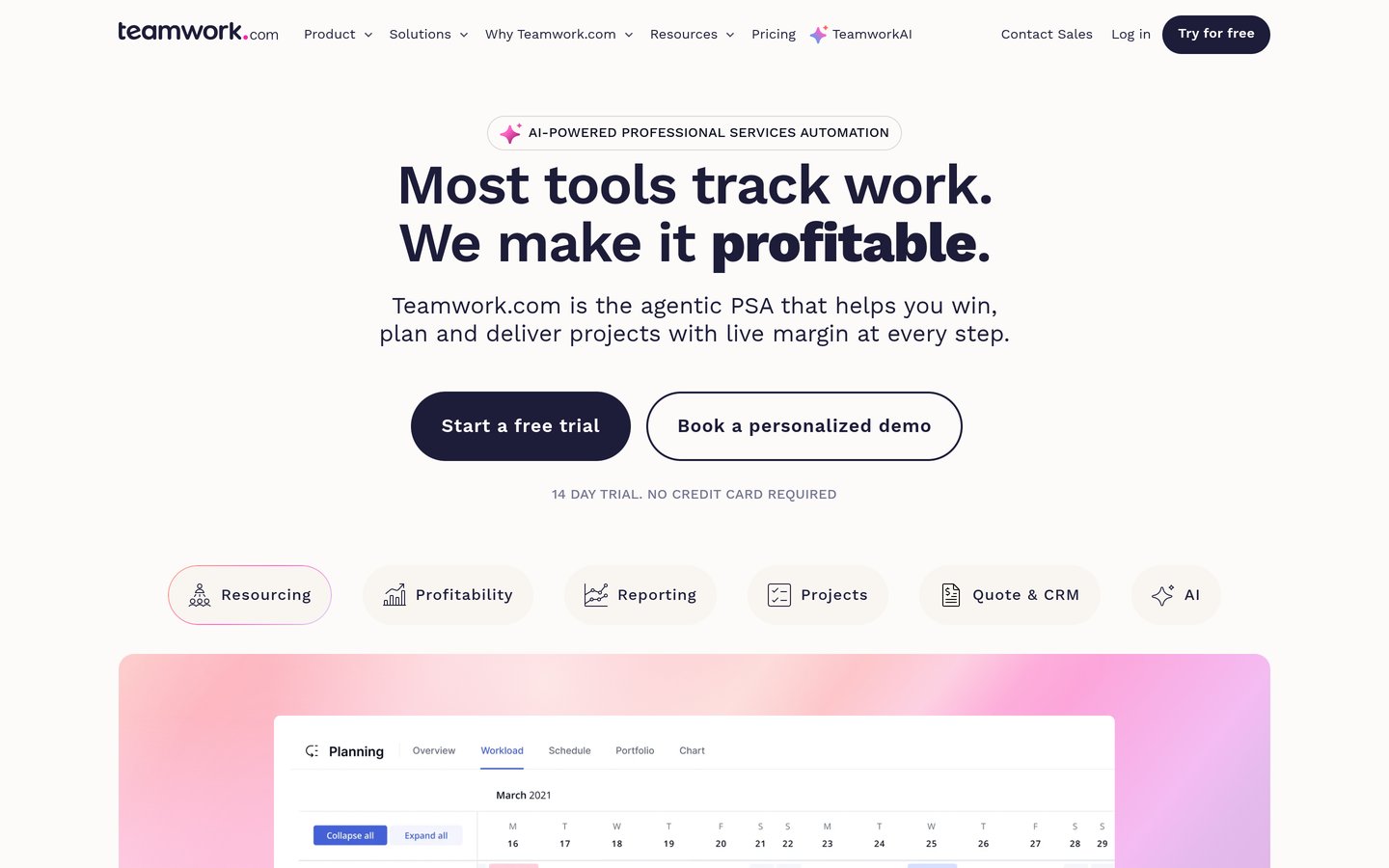
Teamwork.com is a project platform built for agencies and service teams that juggle client work. Its free plan covers up to 5 users and 5 projects, while Basics at $9.99 a user a month billed annually raises capacity to 300 projects and adds billable time tracking and 5,000 automations.
The trade off is a client-service focus. General teams may find the billing and budget tools extra weight, and capacity planning sits on higher tiers. It suits agencies that track billable hours, budgets and deadlines across many client projects at once.
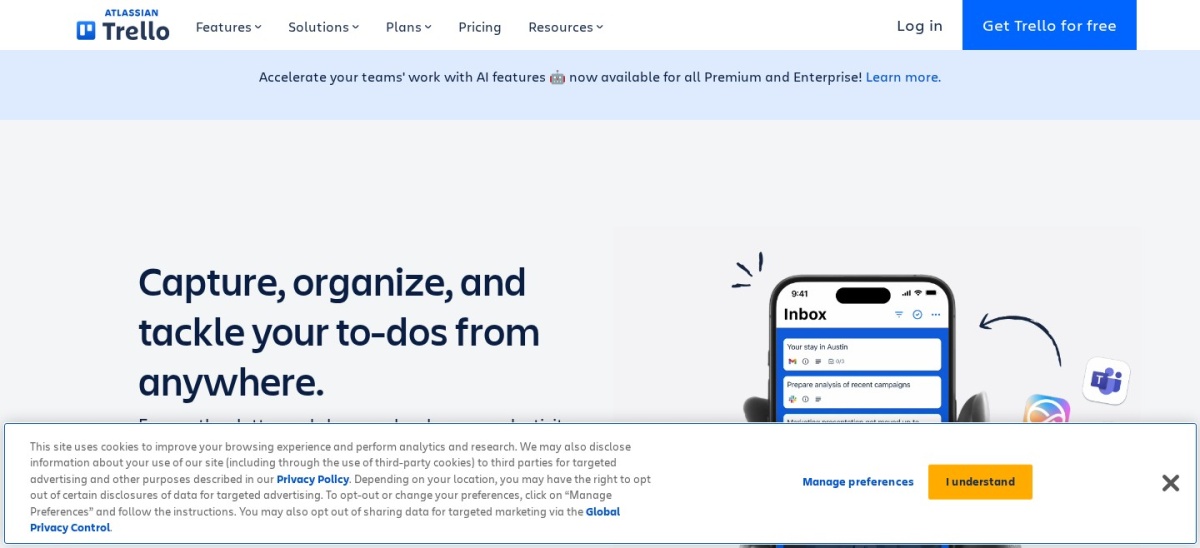
Trello organizes work around visual boards, lists and drag-and-drop cards, with one board per project. Its free plan covers up to 10 collaborators and 10 boards per Workspace, while Standard at $5 a user a month billed annually adds unlimited boards, custom fields and 1,000 automation runs.
The trade off is depth. Trello has no built-in dependencies or portfolio rollups, and timeline and dashboard views need Premium at $10 a user a month. It suits small teams that want a board per project and a tool everyone understands on day one.
Notion is a modular workspace that links docs, wikis and task databases, so one project table can feed many views. Its free plan suits individual use, while Plus at $10 a member a month billed annually adds unlimited collaborative blocks, file uploads and database automations.
The trade off is structure. Notion gives you blank pages and databases instead of ready-made project templates, so clean multi-project setups need deliberate design. It suits teams that keep specs, meeting notes and tasks side by side in one workspace.
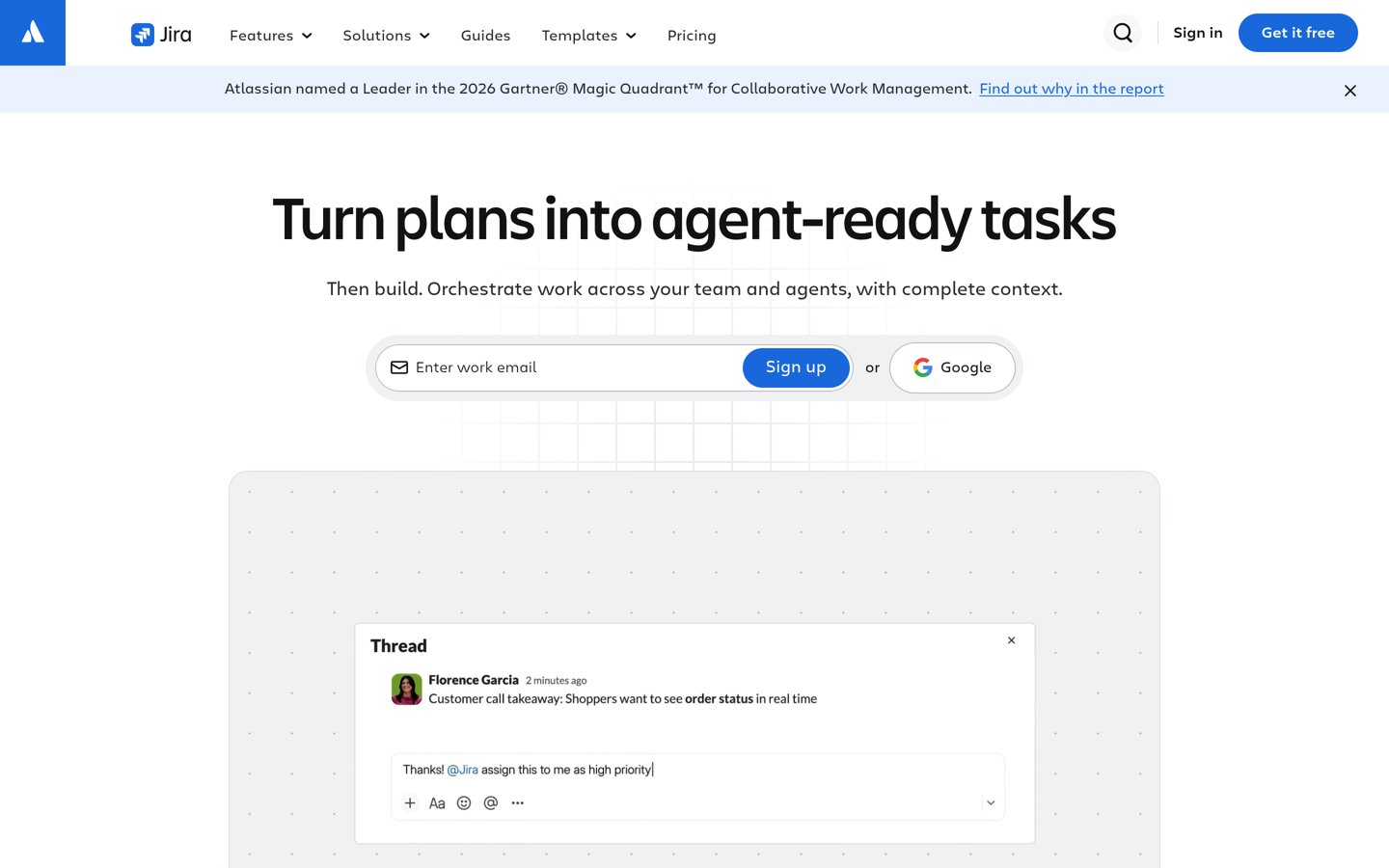
Jira is Atlassian's agile tracker built around backlogs, sprints, story points and custom issue workflows. Its free plan covers up to 10 users, while Standard at $8.48 a user a month billed annually adds user roles, 250 GB of storage and 400 automation steps per user a month.
The trade off is complexity. Deep workflow and permission settings take time to configure, and non-technical teams often find the learning curve steep. It suits software teams that run several sprints and releases in parallel and need roadmaps across teams.
Give every project one owner and one status field. When ownership is shared or the status lives in chat, no dashboard can tell you what is actually late.
Review the portfolio weekly, not daily. A short weekly check of dates, blockers and capacity catches slips early without turning project management into a second job.
Keep templates for repeatable work. If you launch the same kind of project often, a template with tasks, dates and owners saves setup time and keeps reporting consistent.
How we chose
We started from the most widely used project management tools with public G2 ratings and published pricing, then kept the nine that handle more than one project at a time with portfolio, dashboard or roadmap views.
Prices come from each vendor's pricing page, checked on 26 November 2026. Ratings and review counts come from G2 on the same day. Where a vendor shows a sale, the list shows the regular price, with the sale price noted in the text.
We left out tools with no public rating or no published price. No vendor paid for a place, and we do not claim to have used these tools ourselves.
How to choose project management software for multiple projects
Count your active projects and the people shared between them, then match the tool to that shape.
List every active project and its owner. If one person owns five projects, you need workload views; if each project has its own owner, boards and a shared calendar may be enough.
Check the free plan limits first. Free plans here cap at 2 seats, 5 projects or 10 boards, so test with your real project count before you commit. Our guide on planning a content calendar shows how to map recurring work before choosing a tool.
Price the whole team, not one seat. Multiply the per-user price by everyone who needs a paid seat, and check seat minimums such as monday.com's 3-seat start.
Try the portfolio view on a trial. Load two or three real projects and check whether the rollup shows dates, owners and status clearly enough to run a weekly review.
FAQ
What is the best project management software for multiple projects?
monday.com is the best pick for most teams. Its portfolio boards and cross-project dashboards show every project at once, and it holds a 4.7 out of 5 G2 rating from 17,975 reviews, the highest in this list.
How many projects can I manage in ClickUp?
ClickUp puts no project cap on its plans: the Free Forever tier covers unlimited tasks and members, and Core adds goals, portfolios and unlimited Gantt charts. The practical limit is how much structure your team keeps up, not a number in the plan.
Is there a free project management tool for multiple projects?
Yes. Trello's free plan covers 10 boards per Workspace, ClickUp's Free Forever tier has unlimited tasks and members, and Teamwork.com's free plan covers 5 users and 5 projects. Free plans cap seats, boards or projects, so check the limit first.
Which tool is cheapest for managing many projects?
Trello Standard is the cheapest paid start at $5 a user a month billed annually. It works well for simple boards, but it has no portfolio view, so teams that need rollups should look at monday.com at $9 or Jira at $8.48 a user a month.
Do I need portfolios or are boards enough?
Boards are enough when projects are independent and each has its own owner. Portfolios pay off when projects share people or deadlines, because they show overload and slippage across all projects in one view instead of one board at a time.
What is the hardest part of managing multiple projects?
Shared people are the usual bottleneck: one overloaded person can delay several projects at once. Pick a tool with workload or capacity views, such as Wrike or Asana Advanced, and review the whole portfolio weekly.
SaaS SEO and WordPress specialist with about 8 years of experience. Rakib compares WordPress plugins, themes, hosting and software using public pricing, documentation and user reviews. See how we rank.