Best Platform to Advertise Your Business in 2026: 9 Tools Compared
WLWPLegible EditorsLast verified 23 Nov 2026How we rank10 min read
★ Short answer
Google Ads is the best platform to advertise your business for most advertisers, rated 4.3 out of 5 on G2 from 2,041 reviews. Pick Meta Ads for social reach across Facebook and Instagram, or LinkedIn Ads when you need to reach decision-makers by job title.
How we make this list: we compare pricing pages, product documentation and public user reviews, then re-check every price before each update. No product paid for a place. Disclosure.
Google Ads leads on intent: people search, then click, and it is rated 4.3 out of 5 on G2 from 2,041 reviews.
Meta Ads covers Facebook, Instagram, Messenger and WhatsApp from one Ads Manager, with a $1 daily minimum budget.
LinkedIn Ads costs the most per click, with campaigns starting at $10 a day, but its job-title targeting is unmatched for B2B.
Amazon Ads puts products in front of shoppers already on Amazon, rated 4.3 out of 5 on G2 from 81 reviews.
Every platform here is pay-per-click or auction-based: there is no subscription fee, so your budget is your ad spend.
What to look for in an ad platform
Most businesses waste ad money by picking a platform before they know where their buyers spend time. Search ads catch people who already want something. Social ads interrupt people who might want it later.
Start with buying intent. If people search for what you sell, Google Ads and Microsoft Advertising put you in front of them at that moment. If they do not search yet, Meta, TikTok and Pinterest build demand with images and video.
Budget matters more than features at the start. All nine platforms here charge per click or per impression through an auction, so there is no monthly fee to join. Set a daily cap and raise it only when the cost per sale makes sense.
Watch the minimums. LinkedIn campaigns start at $10 a day and Meta at $1 a day. Small daily caps keep a first campaign from draining the budget in an afternoon.
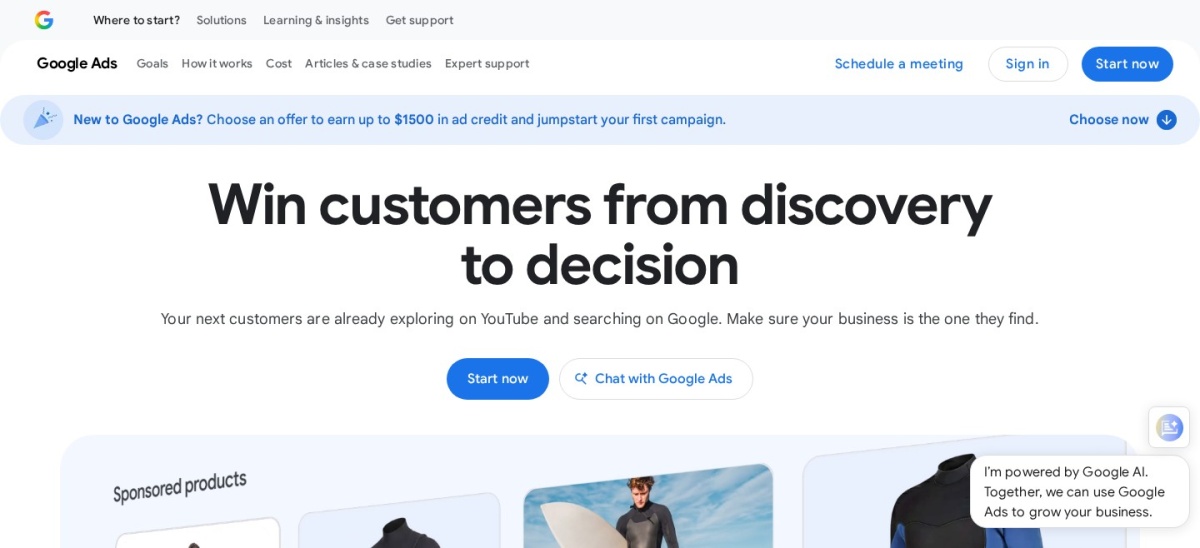
Google Ads is the largest ad platform in this list, running search ads, YouTube video, Display and Shopping ads from one account. You only pay when someone clicks, and the free Keyword Planner shows search volumes before you spend anything.
The trade off is cost in competitive markets. Popular keywords can cost several dollars per click, so a broad campaign can drain a small budget fast. It suits almost any business whose customers search for what it sells.
What we like
Reaches buyers at the moment they search
Free Keyword Planner for research
Covers Search, YouTube, Display and Shopping
New advertisers can claim up to $1,500 in ad credit
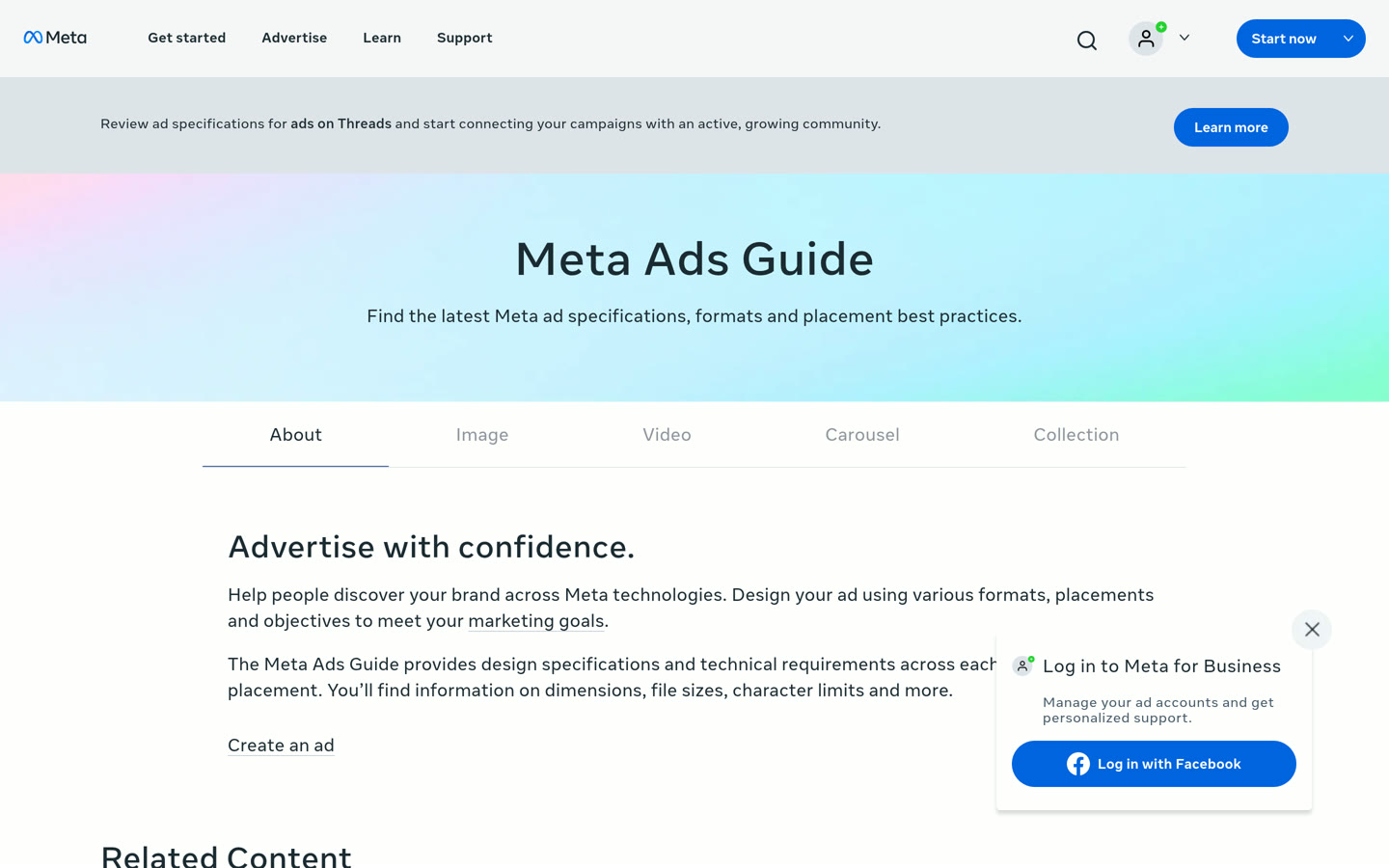
Meta Ads is the ad platform for Facebook, Instagram, Messenger and WhatsApp, run from one tool called Ads Manager. Advantage+ campaigns use automation to test audiences, placements and creative for you. Our guide on connecting WooCommerce to Facebook and Instagram Shop covers the store setup that feeds these ads.
The trade off is targeting. Privacy changes have made interest targeting less exact than it once was, and results depend heavily on creative. It suits businesses with strong photos or video and a broad audience to reach.
What we like
Largest social audience in this list
One manager for Facebook and Instagram
Advantage+ automates testing
Low $1 daily minimum
Watch out for
Targeting is less exact than it used to be
Ad account restrictions can arrive with little warning
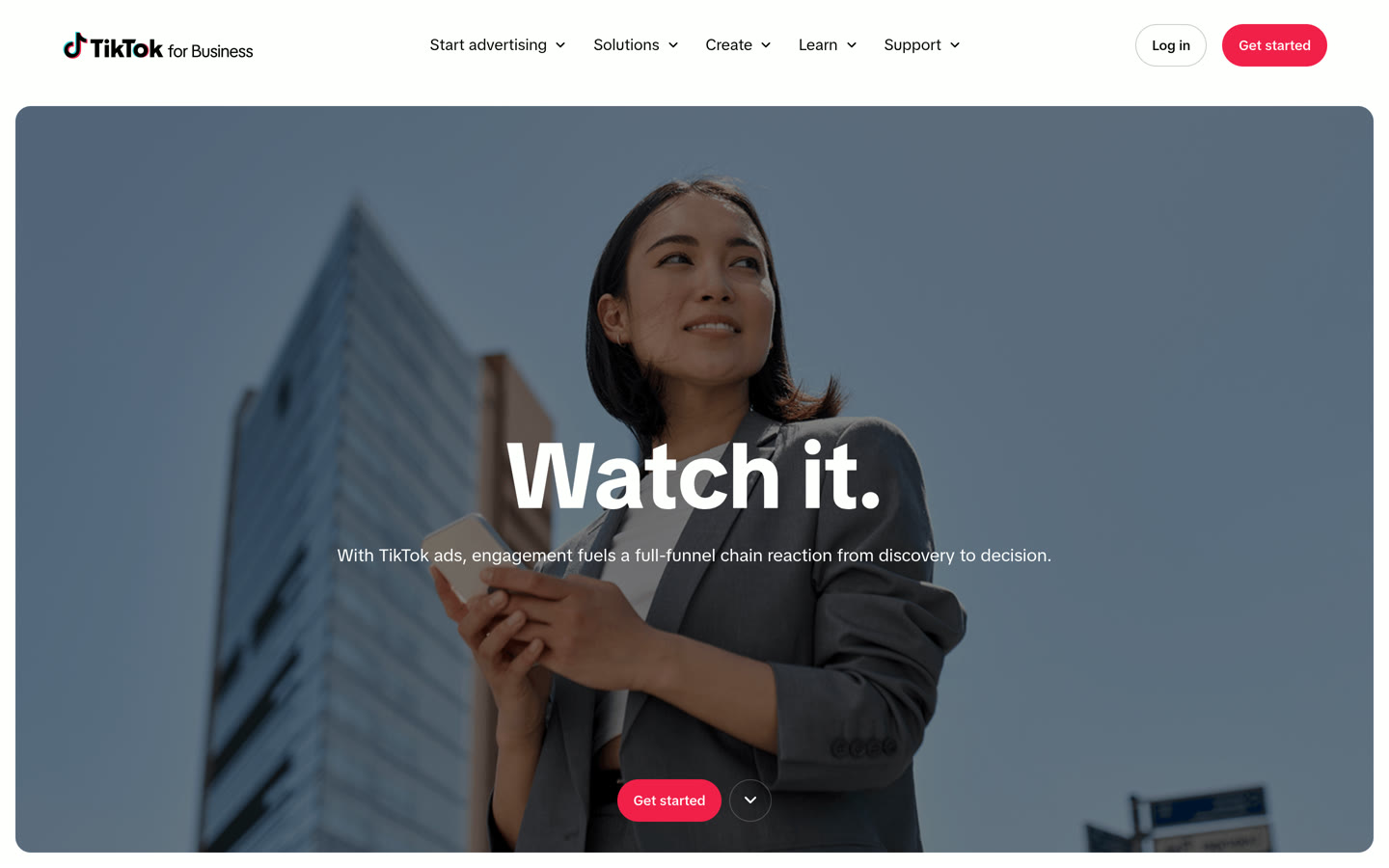
TikTok Ads is the ad platform for short-form video, with in-feed ads, TopView takeovers and Spark Ads that boost existing posts. Ads Manager includes a built-in editor and templates, so a phone video can become an ad in minutes.
The trade off is creative. Polished corporate ads perform poorly, and you need fresh video often. It suits brands that can film casually and want to reach younger buyers who skip search.
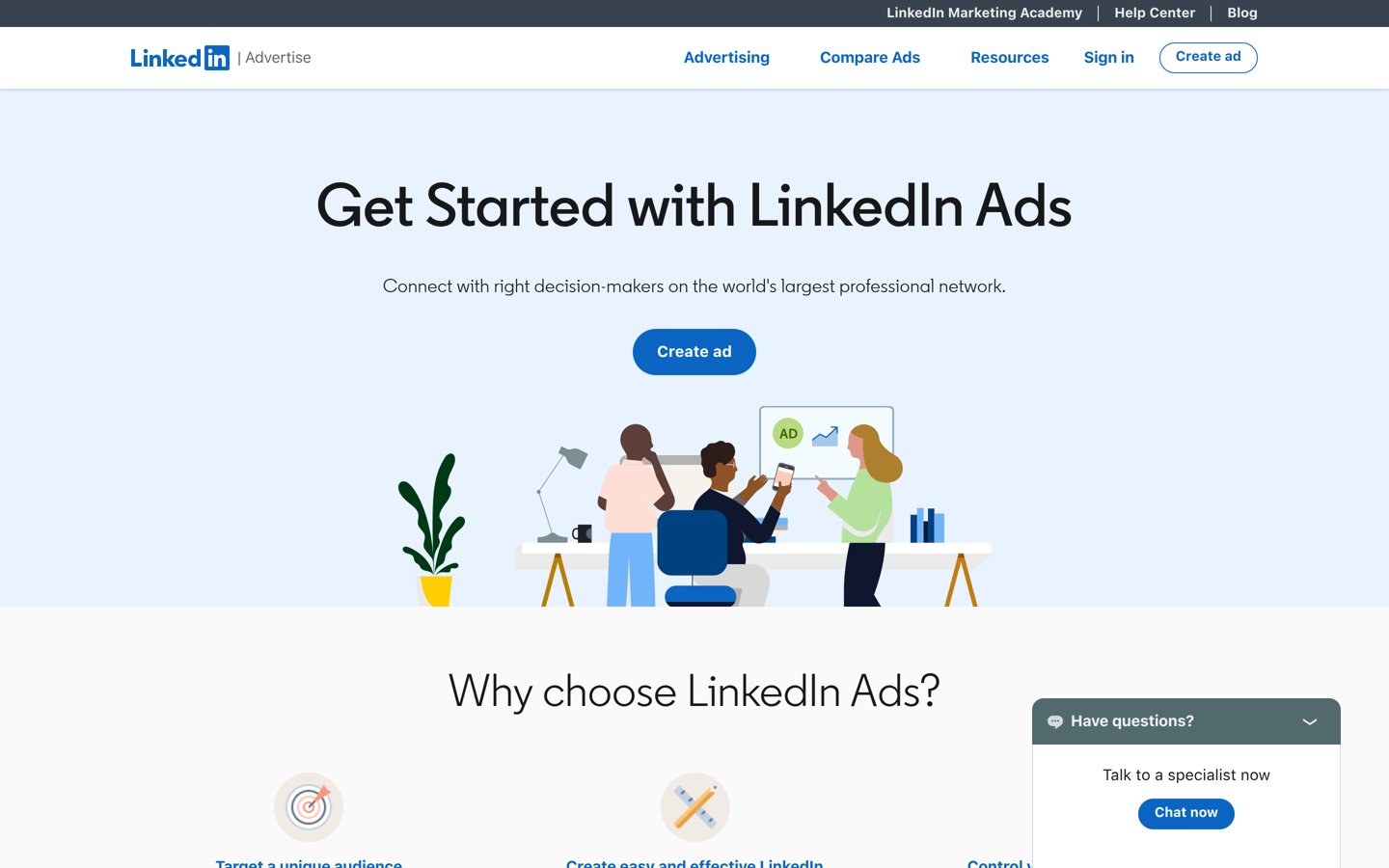
LinkedIn Ads is the only platform here that targets by job title, company, industry and seniority. Its Campaign Manager runs sponsored content, message ads and native lead forms that fill in from a member's profile.
The trade off is price. Clicks often cost several dollars each, so a small budget buys few visits. It suits B2B sellers chasing a short list of decision-makers rather than mass traffic.
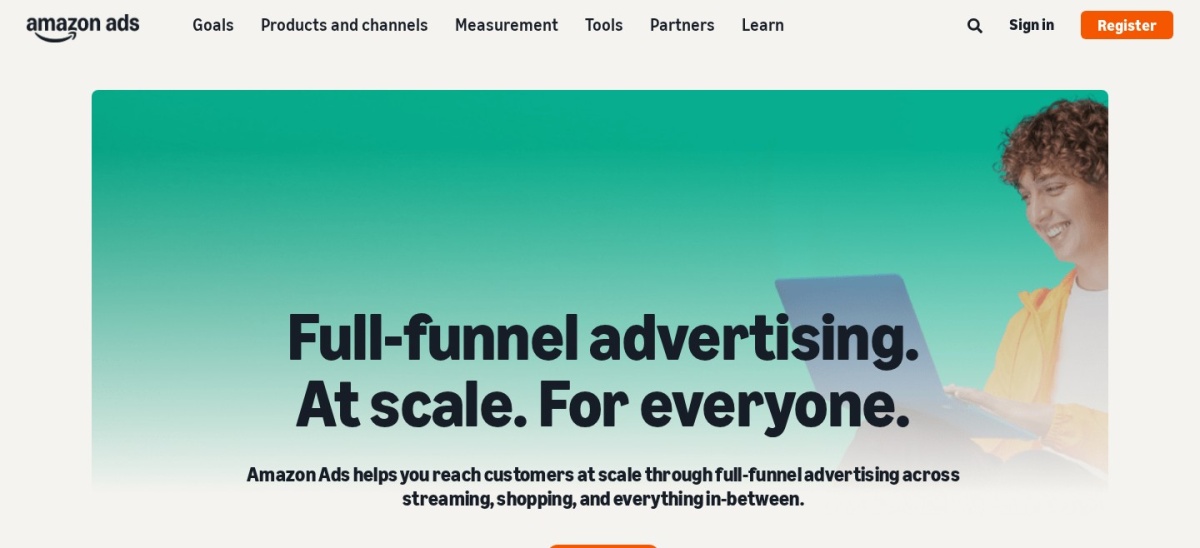
Amazon Ads is the ad platform for the Amazon store, built around Sponsored Products that appear in search results next to rival listings. Sponsored Brands and Display extend the same ads across the store, streaming TV and the wider web.
The trade off is scope. It works best for sellers with products already listed on Amazon, and clicks in popular categories get expensive. It suits stores that want to win the buy box moment, not general brand awareness.
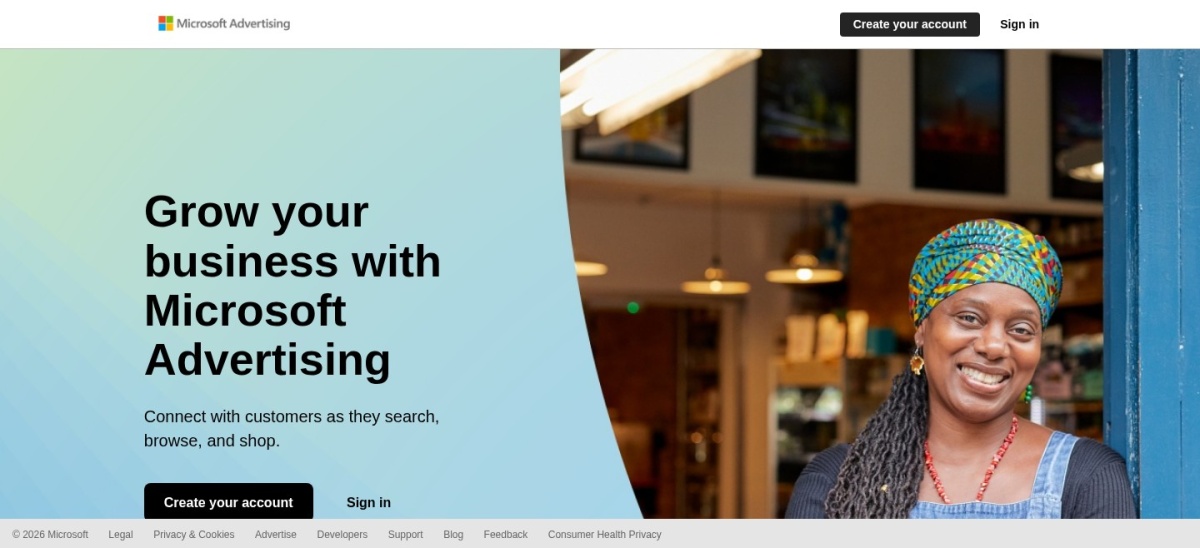
Microsoft Advertising homepage, captured Nov 2026.
Microsoft Advertising is the search ad platform for Bing, Yahoo and DuckDuckGo, with Performance Max campaigns that also run across Copilot and Microsoft properties. A Google Ads import copies your campaigns across in a few clicks.
The trade off is volume. Search traffic is far smaller than Google, so it cannot carry a campaign alone. It suits advertisers who already run Google Ads and want cheaper extra clicks from a second search network.
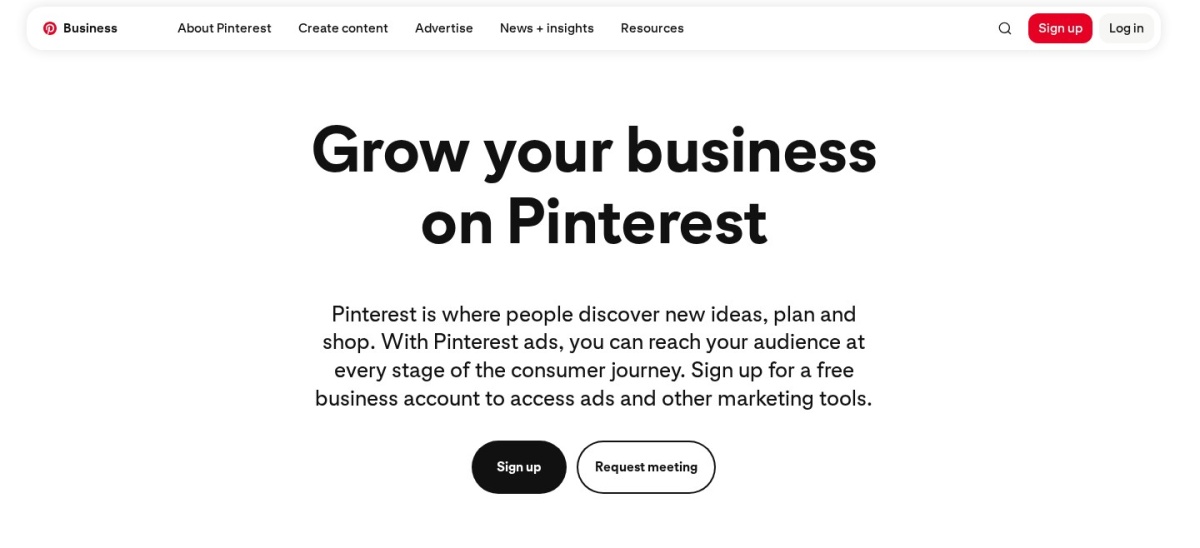
Pinterest Ads is the ad platform for visual discovery, where people save ideas for homes, weddings, recipes and outfits. Promoted Pins and shopping ads reach them while they plan, and a free business account unlocks ads and analytics.
The trade off is fit. It works best for home, fashion, food, travel and DIY brands, and poorly for services nobody pins. It suits visual products with a long buying journey.
What we like
Reaches people while they plan purchases
Highest G2 rating in this list at 4.6
Strong for home, fashion and food brands
Shopping ads link straight to products
Watch out for
Narrow fit outside visual niches
G2 score covers Pinterest as a whole, not ads alone
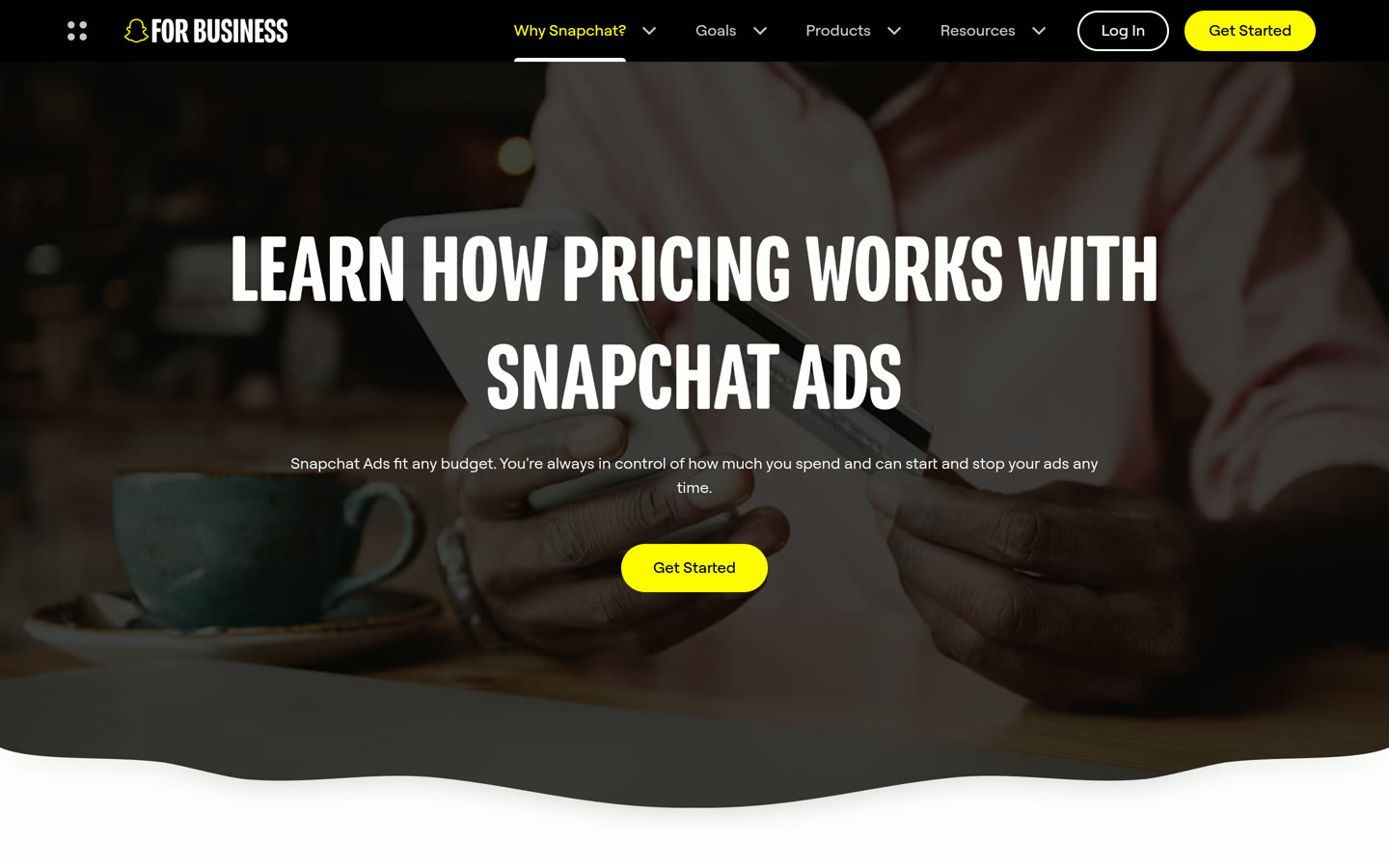
Snapchat Ads is the ad platform for full-screen vertical video and AR Lenses that let people try on products or play with a brand filter. Snap Ads, Story Ads and Collections run from Ads Manager with goal-based buying.
The trade off is age. The audience skews young, so B2B and older buyers are thin on the ground. It suits consumer brands, apps and entertainment aimed at people under 35.
What we like
AR Lenses are unique to this list
Full-screen vertical video
Strong reach with younger audiences
Goal-based buying is simple to set up
Watch out for
Audience skews young
G2 score covers Snapchat as a whole, not ads alone
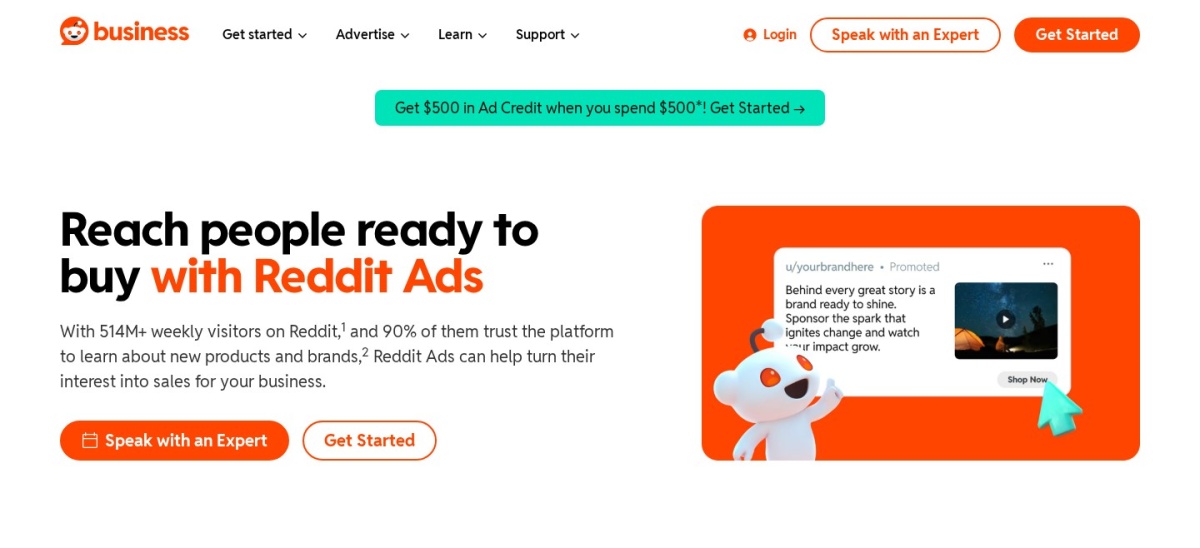
Reddit Ads is the ad platform for community advertising, with ads targeted by subreddit, interest and keyword. Reddit says the site draws 514M+ weekly visitors, and 90% of them trust the platform to learn about new products and brands.
The trade off is tone. Redditors dislike hard selling, so ads that read like ads get downvoted or ignored. It suits brands that can join a community conversation honestly, not shout at it.
Search ads answer demand that already exists. Someone types a product name, sees your ad, and clicks with intent to buy.
Social ads create demand. A good video or image stops the scroll and plants an idea the viewer did not have a minute earlier.
Most small businesses should start with one of each. Run Google Ads for your best-selling product, and Meta or TikTok for the story behind it, then compare the cost per sale after two weeks.
If you sell on Amazon, add Amazon Ads third. Shoppers there are closer to buying than on any social feed.
How we chose
We started from the ad platforms businesses actually buy: the search networks, the big social networks and Amazon. Every tool here is a live, established platform with a public G2 rating.
Prices come from each vendor's advertising pages, checked on 23 November 2026. All nine charge per click or per impression through an auction, so there is no subscription price to list. Ratings come from G2 on the same day; where G2 has no dedicated ads listing, the score covers the parent platform and we say so.
We left out programmatic DSPs and small networks that need a managed minimum spend. No vendor paid for a place, and we do not claim hands-on testing for this list.
How to choose a platform to advertise your business
Start with where your buyers already are, then match the format to your budget.
Find where your buyers spend time. If they search for what you sell, start with Google Ads. If they scroll social feeds, start with Meta or TikTok.
Pick one platform and one goal. One campaign with a clear goal, such as sales or leads, beats five half-run campaigns. Give it at least two weeks.
Set a daily cap you can afford to lose. Start small, such as $10 to $20 a day, and raise the cap only when the cost per sale makes sense.
Judge by cost per sale, not clicks. Cheap clicks that never buy are wasted money. Track sales or leads and cut what does not convert.
FAQ
What is the best platform to advertise a small business?
Google Ads is the best starting point for most small businesses, because it reaches people already searching for what you sell. It is rated 4.3 out of 5 on G2 from 2,041 reviews, and there is no subscription fee. Add Meta Ads when you want social reach as well.
How much does it cost to advertise on these platforms?
There is no subscription fee on any platform here. You pay per click or per thousand views through an auction, and you set the daily budget. Meta campaigns start at $1 a day and LinkedIn at $10 a day.
Which platform is best for B2B advertising?
LinkedIn Ads is the best choice for B2B, because it targets by job title, company and industry. It costs more per click than any other platform here, so it fits sellers chasing a short list of decision-makers.
Is TikTok Ads good for small businesses?
Yes, if you can make short video. TikTok Ads is rated 4.2 out of 5 on G2, and its in-feed video ads reach younger buyers cheaply. You need fresh creative often, and polished corporate ads perform poorly.
Do I need a big budget to start advertising?
No. Most platforms here let you start with a few dollars a day, and Meta accepts $1 a day. Start with one platform, one campaign and a daily cap, then raise spending only when sales cover the cost.
Can I advertise on Amazon if I do not sell there?
Amazon Ads works best for sellers with products listed on Amazon, since its main formats promote those listings. If you sell elsewhere, Google Ads or Meta Ads will reach your buyers better.